You grew up believing dinosaurs were lumbering, dim-witted giants – all brute force, no brains. That image has been burned into popular culture by decades of movies and textbooks. It’s an image that science, slowly and stubbornly, is dismantling piece by piece.
The real story of dinosaur intelligence is messier, more surprising, and honestly far more fascinating than anything Hollywood ever put on screen. From heated debates among neuroscientists to ancient fossils rewriting evolutionary timelines, what we know – and what we think we know – about how smart dinosaurs really were is changing fast. Let’s dive in.
The “Tiny Brain” Myth That Started It All
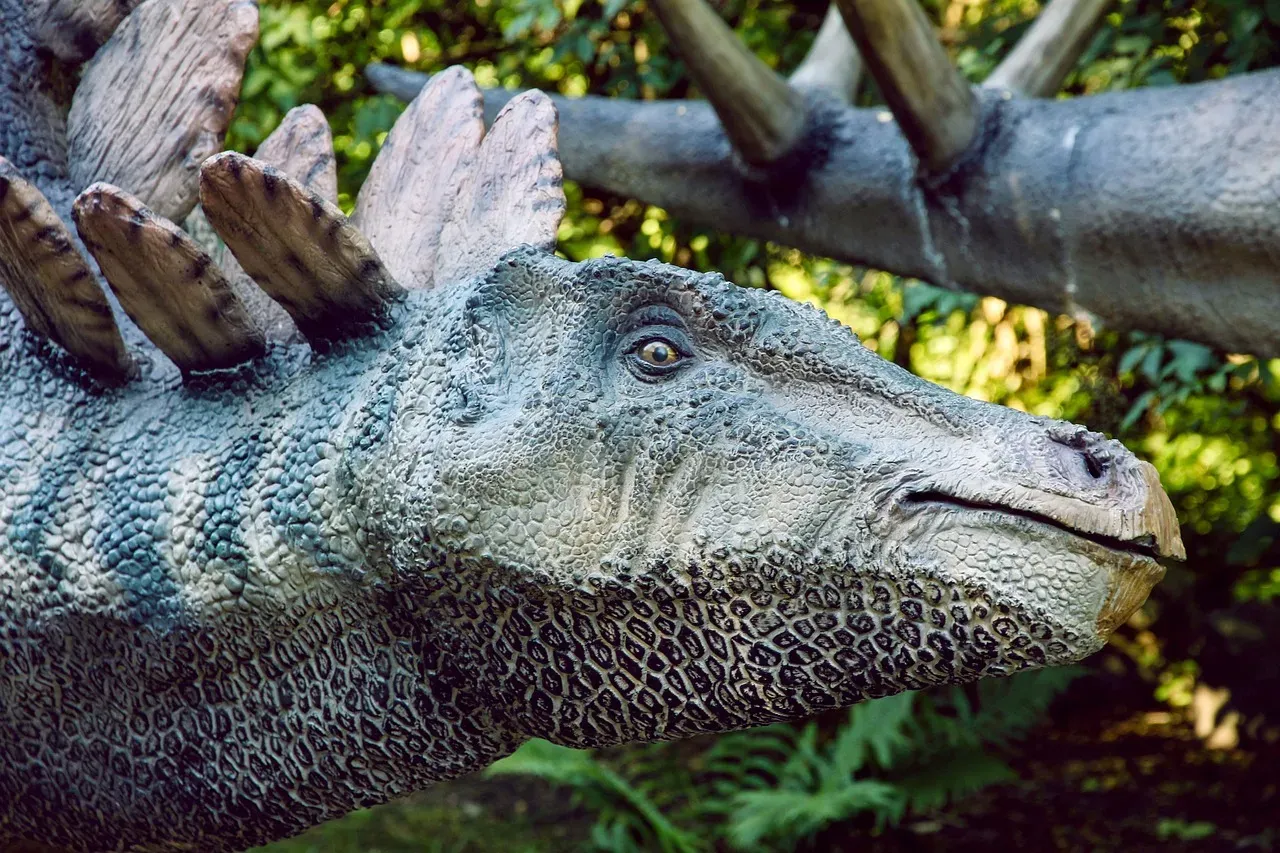
For the longest time, people assumed dinosaurs were stupid because their brains were small. Early assumptions pegged dinosaurs as unintelligent due to their relatively small brain sizes compared to their bodies, aligning them with reptiles. This seems logical on the surface, right? Bigger body, tiny brain, must be dumb. The Stegosaurus became the poster child for this idea. The idea that Stegosaurus had a “brain the size of a walnut” was not quite accurate – it had a brain closer to the size of a dog’s, but in proportion to its body, the brain was very small.
The problem is that brain size alone is a terrible measure of intelligence. A big brain does not necessarily mean higher intelligence. Scientists look at the size of the brain in relation to the animal’s total body weight, and they also take into account the animal’s behavior. A dinosaur’s intelligence was suited to its lifestyle and the tasks it needed to perform. Think of it like a computer. Raw storage capacity tells you almost nothing about processing speed. Scientists eventually had to throw out the old rulebook entirely.
The Encephalization Quotient Changes the Game
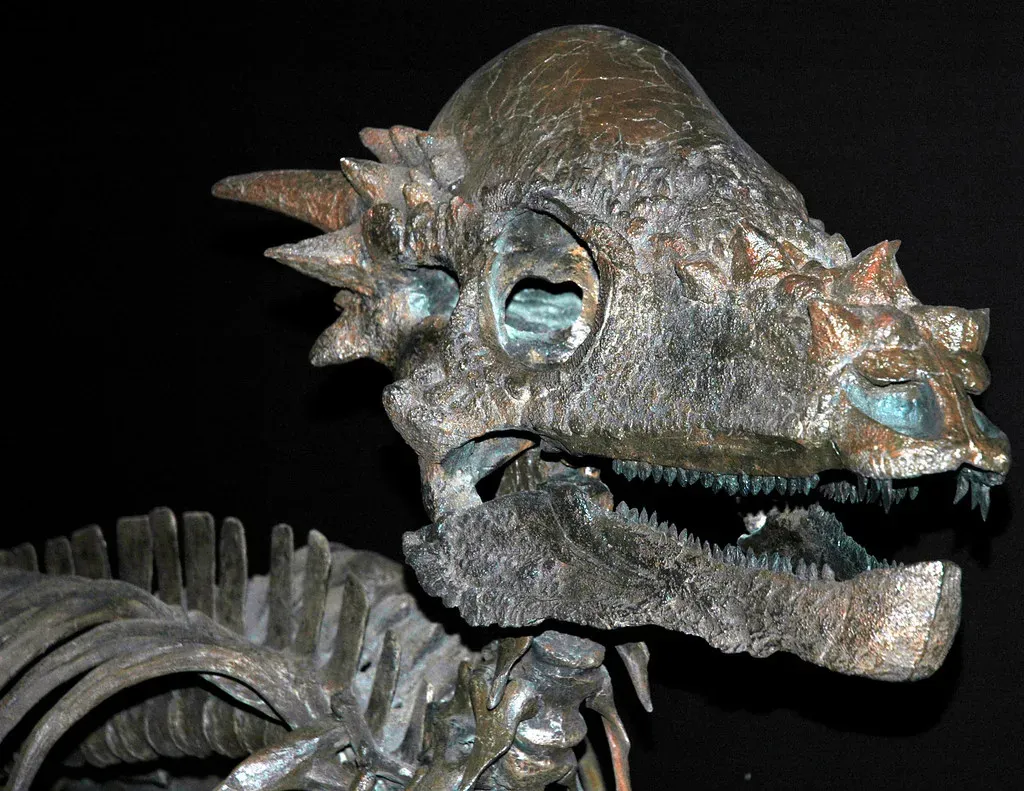
Advancements in paleontology, particularly the development of the encephalization quotient (EQ) in the 1970s, shifted early views. The EQ measures brain size relative to body mass, suggesting that some dinosaurs, particularly theropods, might have had intelligence levels comparable to modern birds. This was a genuinely revolutionary shift in thinking. Suddenly, you couldn’t just look at a dinosaur skull and declare the animal stupid. You had to factor in how much brain it had relative to how much body that brain had to run.
Historically, researchers used the encephalization quotient, which measures an animal’s relative brain size related to its body size. A T. rex, for example, had an EQ of about 2.4, compared with 3.1 for a German shepherd dog and 7.8 for a human – leading some to assume it was at least somewhat smart. That said, the EQ metric is still far from perfect. EQ is hardly foolproof – in many animals, body size evolves independently from brain size. Looking for a more trustworthy alternative, neuroanatomist Suzana Herculano-Houzel turned to a different measure: the density of neurons in the cortex.
The Neuron Count Bombshell – Was T. Rex as Smart as a Baboon?
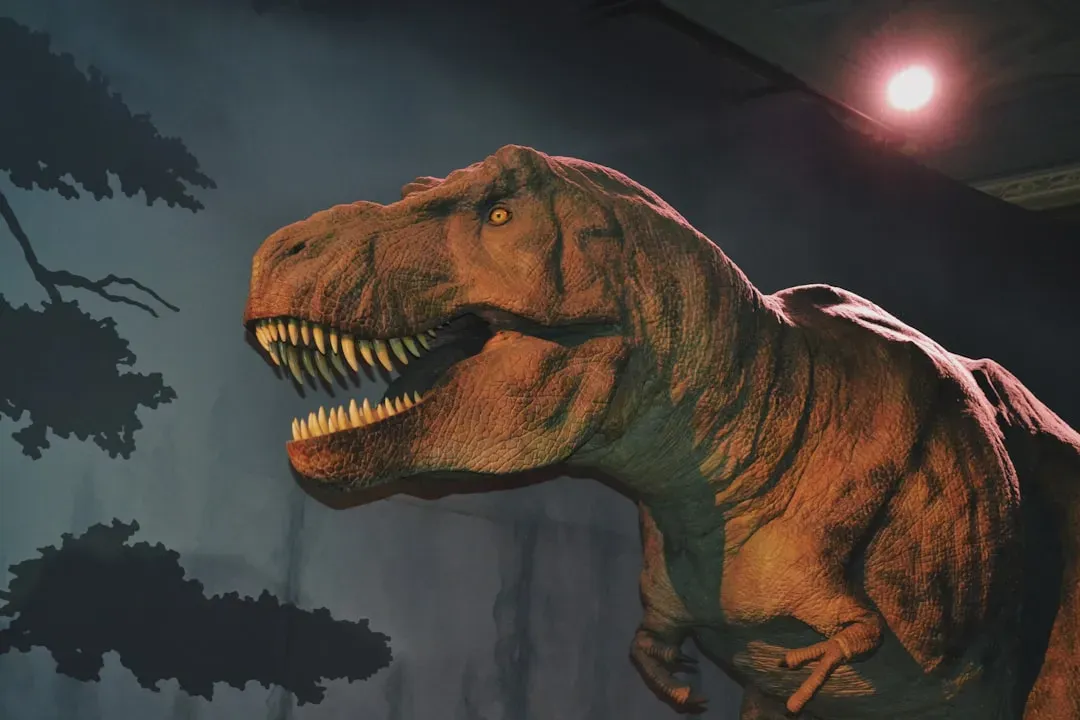
Here’s where things get truly wild. Herculano-Houzel calculated the likely number of neurons in dinosaurs’ pallium, a brain structure responsible for advanced cognitive functions that corresponds to the cortex in mammals. Research suggests that it is the number of neurons in these areas, rather than the size of the brain, that gives an idea of an animal’s possible cognitive abilities. The results were jaw-dropping. By comparing the relationship between brain size, number of neurons and body size in numerous extant bird and reptile species, Herculano-Houzel concluded that a large dinosaur such as Tyrannosaurus rex could have housed two billion to three billion neurons in its pallium, a number similar to that of a baboon. If so, it’s possible that large dinosaurs were highly intelligent animals.
I know that sounds crazy, but the implication was staggering. It was claimed that these high neuron counts could directly inform on intelligence, metabolism and life history, and that T. rex was rather monkey-like in some of its habits. Cultural transmission of knowledge as well as tool use were cited as examples of cognitive traits it might have possessed. Picture a nine-tonne predator with the mental horsepower of a primate. That’s the kind of idea that either rewrites the textbook or gets taken apart piece by piece by the scientific community – and it was both.
The Pushback: Not So Fast, Genius Rex
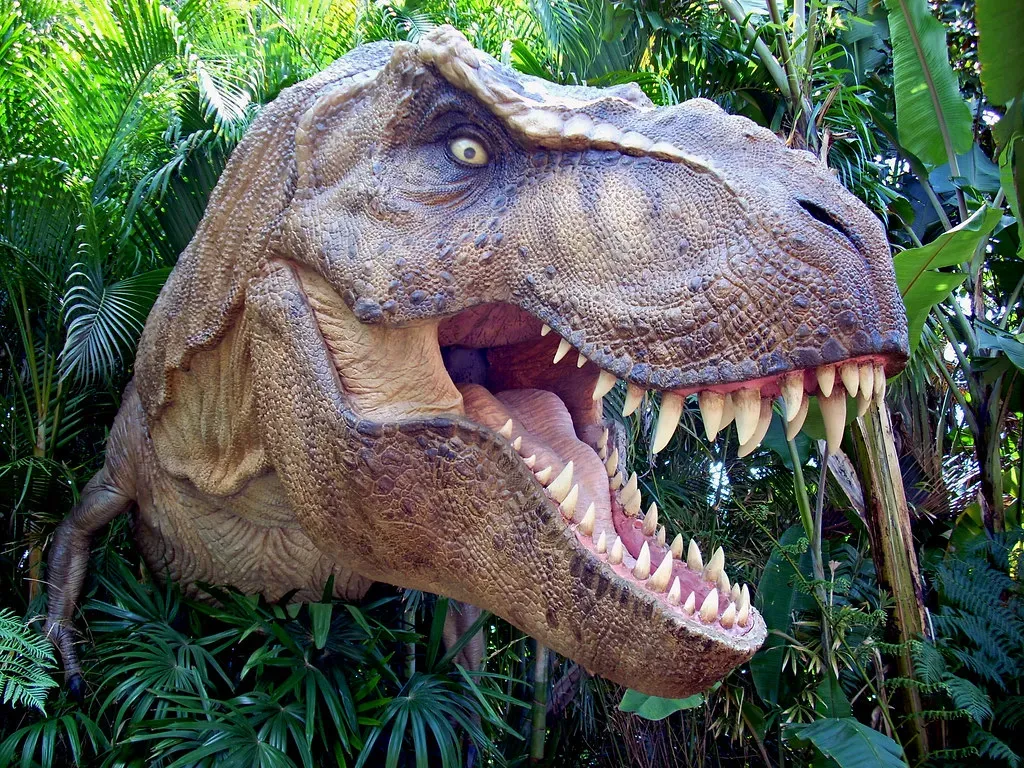
The scientific world did not simply accept those staggering neuron numbers. An international team of palaeontologists, behavioural scientists and neurologists re-examined brain size and structure in dinosaurs and concluded they behaved more like crocodiles and lizards. The 2024 study published in The Anatomical Record, led by Dr. Kai Caspar from Heinrich Heine University and including researchers from the University of Bristol and the University of Southampton, hit back hard. The team found that brain size had been overestimated – especially that of the forebrain – and thus neuron counts as well. In addition, they showed that neuron count estimates are not a reliable guide to intelligence.
T. rex’s brain occupied about 30 to 40 percent of its braincase. When you recalculate based on that more conservative fill ratio, the numbers drop dramatically. The estimate for the telencephalon dropped from 3.3 billion to 1.2 billion. Using reptile neuron density cut the amount even more, down to between 245 million and 360 million. That would put T. rex in crocodile territory, not baboon territory. A sobering revision, honestly.
Troodon – The Dinosaur That Could Have Been Something Remarkable
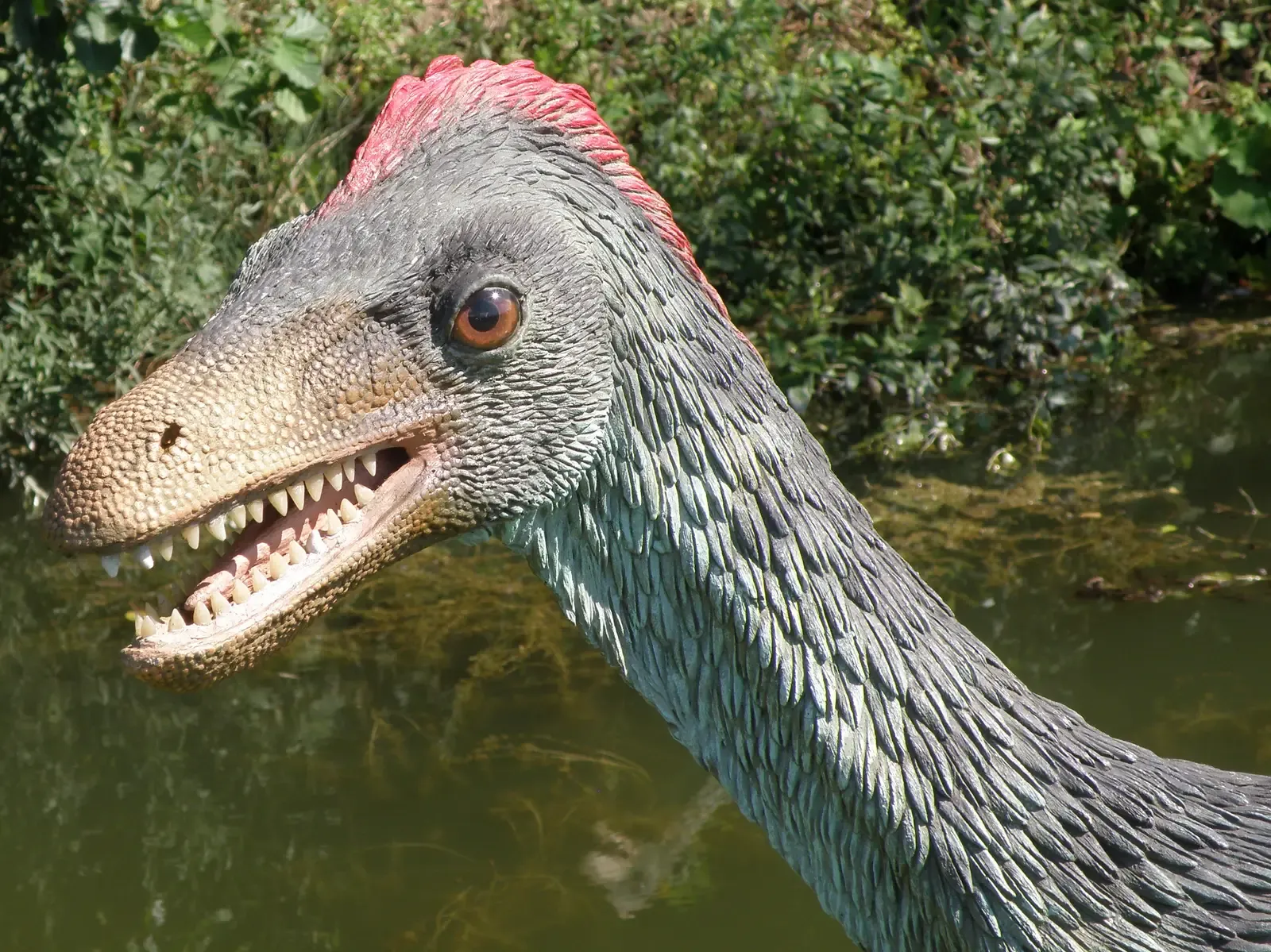
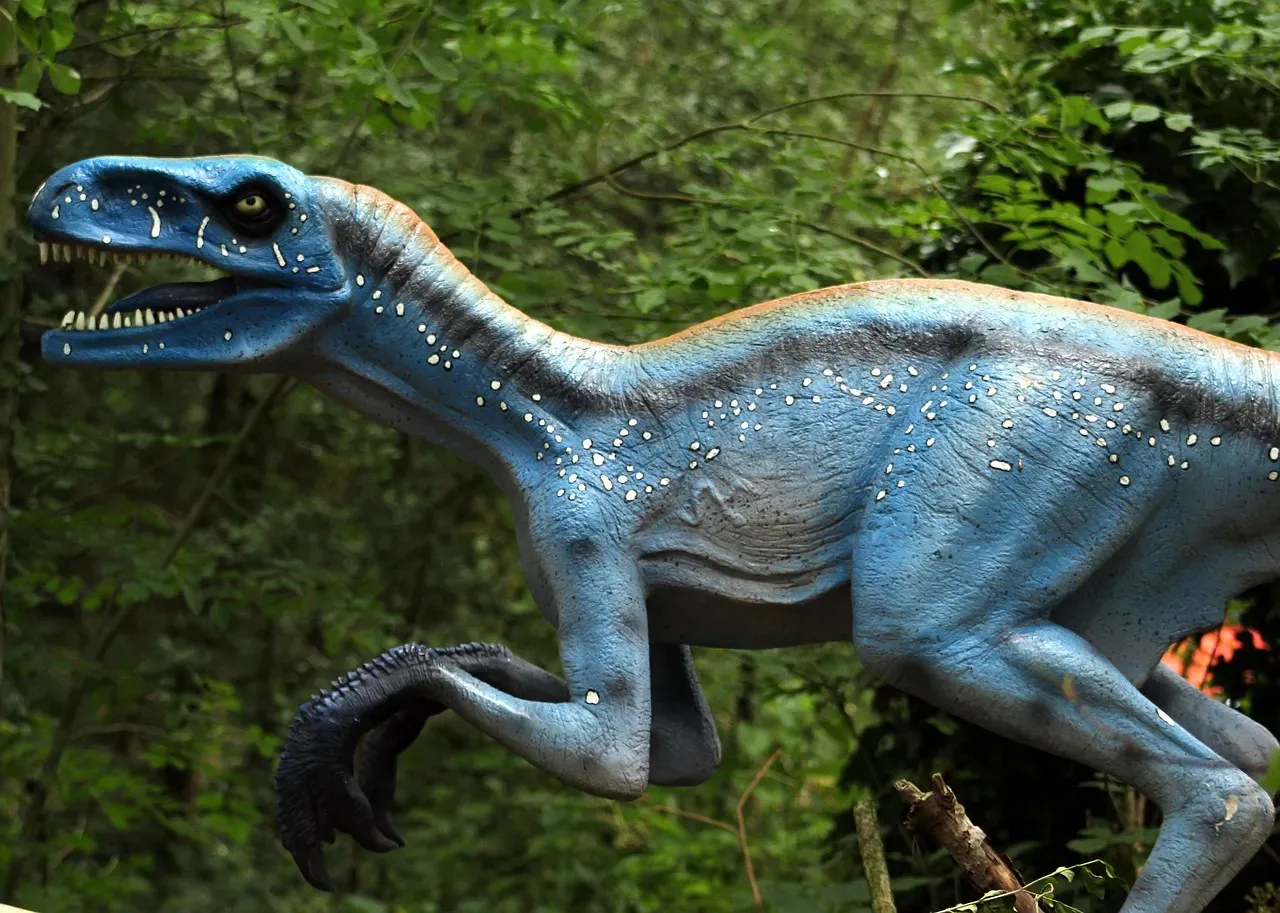
While the debate over T. rex’s brainpower raged on, another dinosaur quietly held its status as the intellectual crown jewel of the Mesozoic. Troodon, also known as Stenonychosaurus, is often recognized as one of the smartest dinosaurs due to its relatively large brain size compared to its body. This small, terrestrial dinosaur could grow to about six feet long and weigh around 60 pounds. For scale, that’s roughly the size of a large dog but with a brain that, relative to its body, rivalled some birds. The troodontids were the smartest dinosaurs with an EQ of around 5.8.
Characterized by its large head and jagged teeth, Troodon had excellent eyesight, which suggests it was likely nocturnal, hunting at night much like modern owls. Its lightweight build and strong legs allowed for quick movements, helping it catch smaller, agile prey. More intriguingly, noting that some theropod dinosaurs had large brains, large grasping hands, and likely binocular vision, paleontologist Dale Russell suggested that a branch of these dinosaurs might have evolved to a human intelligence level, had dinosaurs not become extinct. It’s a haunting thought – a world where a feathered, bipedal, tool-using dinosaur descended from Troodon eventually looked up at the same stars we do.
Brain Architecture – Why Dinosaurs Probably Could Not Have Gone Full “Genius”
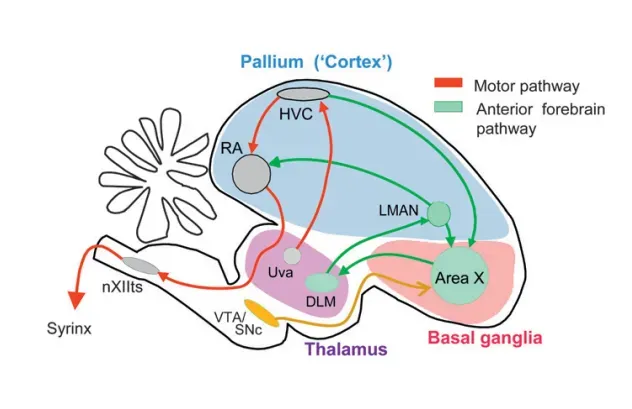
Even if you accept the generous neuron estimates, there’s a deeper architectural problem that researchers point to. Over 350 million years of separate evolution, mammals and dinosaurs found two rather different ways to organize cognitive functions. The mammalian brain developed the neocortex, in which neurons are organized in a relatively thin layer formed by compact columns. In each column, different parts can communicate with one another over short distances of less than a millimeter. Think of it as an ultra-efficient city where every department is housed in the same building.
Dinosaur brains, organized more like birds, worked differently. In the dinosaurs that survive today, namely birds, the organization is less compact. Functions that are performed by a single column of the mammalian cortex require the communication of separate brain nuclei. This structure works perfectly well as long as there are relatively few brain areas to manage. But expanding brain capabilities beyond a certain point could make the structure far more complex and less efficient than it is in mammals. So yes, they could have been genuinely smart. Just probably not human-smart, no matter how many neurons you squeeze in.
Dinosaurs Were Social – And That Tells Us a Lot
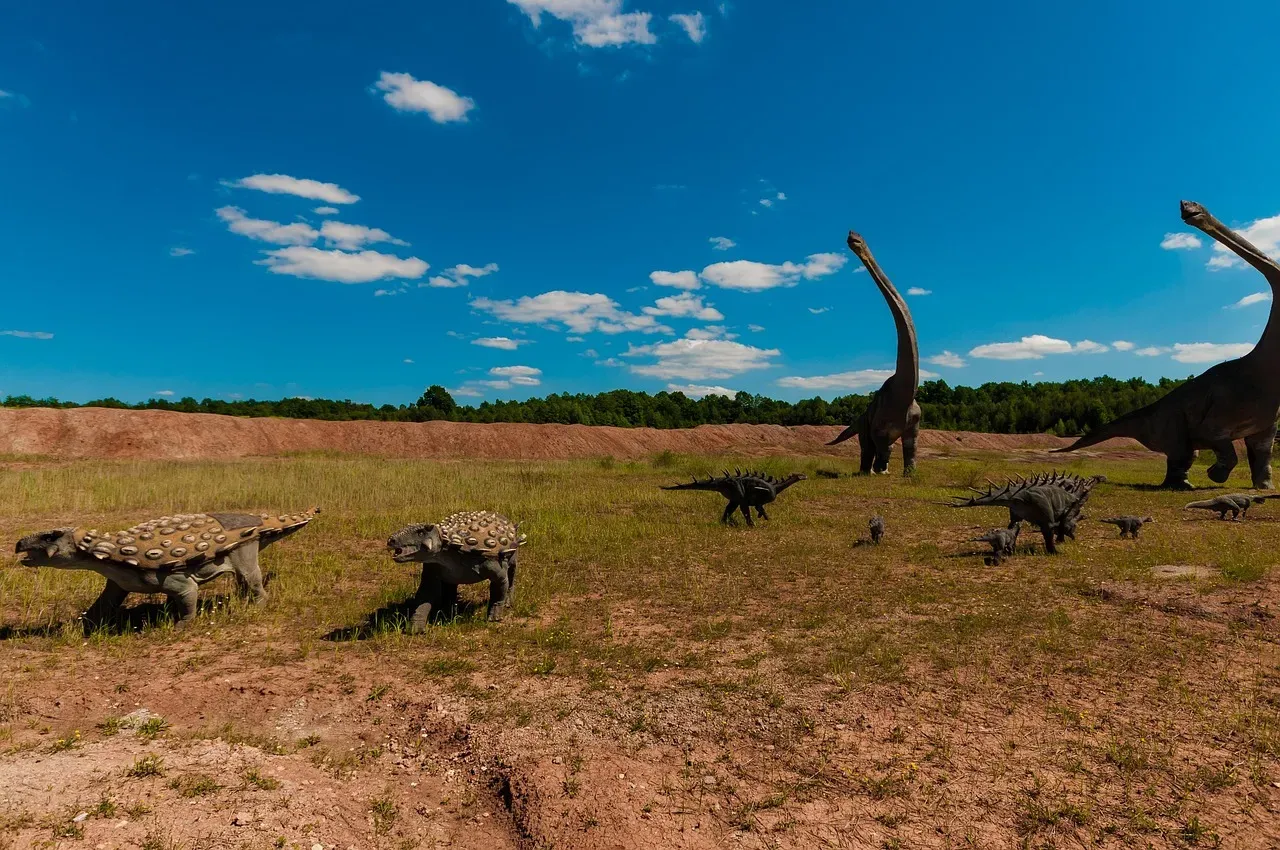
Here’s the thing: intelligence doesn’t only live in neurons. It also shows up in behavior, and the fossil record has been telling us something remarkable. Results show that Mussaurus and possibly other dinosaurs evolved to live in complex social herds as early as 193 million years ago, around the dawn of the Jurassic period. That pushes organized social living dramatically further back in dinosaur history than anyone previously imagined. Gregarious behavior was common in many dinosaur species. Dinosaurs may have congregated in herds for defense, for migratory purposes, or to provide protection for their young.
Then there’s parental care, which is arguably one of the more cognitively demanding behaviors any animal can exhibit. The duck-billed Maiasaura is believed to have nested in colonies and provided extensive food and protection for its hatchlings. Oviraptorids, like the Citipati osmolskae or “Big Mama,” have been found brooding on their nests, indicating protective behavior. Fossil evidence also suggests that Troodon engaged in parental care, as egg fossils have been found alongside adult remains. You don’t do all of that by accident. These behaviors demand memory, planning, and social awareness.
The Living Bridge: What Modern Birds Reveal About Dinosaur Minds
You want to know what a dinosaur’s mind might have looked like? Look up. The birds around you are the only living dinosaurs we have. Modern birds have some of the most advanced cognitive capabilities in the animal kingdom, comparable only with mammals. And a remarkable fossil discovery in 2024 gave scientists a new window into how that intelligence evolved. Navaornis lived approximately 80 million years ago in what is now Brazil, before the mass extinction event that killed all non-avian dinosaurs. The researchers say their discovery, reported in the journal Nature, could be a sort of “Rosetta Stone” for determining the evolutionary origins of the modern avian brain. It fills a 70-million-year gap in our understanding of how the brains of birds evolved. Navaornis had a larger cerebrum than Archaeopteryx, suggesting it had more advanced cognitive capabilities than the earliest bird-like dinosaurs.
Closer to the present, new research on the living relatives of dinosaurs is also reshaping expectations. Palaeognath birds are the closest living relatives to dinosaurs, meaning their cognitive abilities could provide insights into how dinosaurs may have thought and behaved. If these birds can solve problems, it’s possible that some dinosaurs also possessed basic problem-solving skills. Despite having a very small head, birds have more densely packed brain cells than many mammals and so can possess roughly as many neurons as primates. The result is that some birds, such as parrots and corvids, show great cognitive abilities comparable to the smartest non-human mammals. The crow sitting on your fence, planning its next move, is carrying ancient dinosaur intelligence into the future.
Conclusion: Smarter Than We Thought, Stranger Than We Imagined
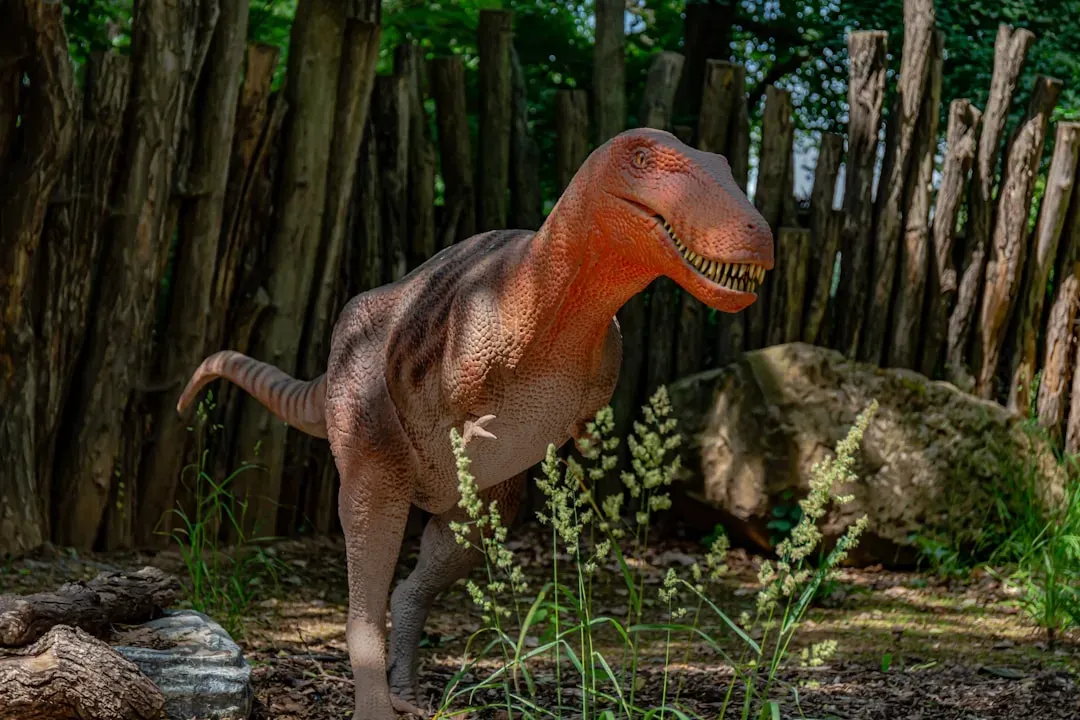
The truth about dinosaur intelligence is this: it’s genuinely complicated, fiercely debated, and nowhere near settled. The consensus is that dinosaurs exhibited a range of cognitive abilities, making them some of the most complex animals of their time. Future research may further clarify their intelligence and its implications for understanding the evolution of cognition in both dinosaurs and their avian descendants. They were almost certainly not the mindless reptilian monsters the old science-fiction versions portrayed. They were also probably not baboon-level social planners either. The reality sits somewhere in between, and that middle ground is richer and stranger than either extreme.
To reliably reconstruct the biology of long-extinct species, researchers should look at multiple lines of evidence, including skeletal anatomy, bone histology, the behaviour of living relatives, and trace fossils. Every new fossil, every new scanning technique, every careful study of a crow solving a puzzle or an emu navigating a challenge, adds another piece to this ancient puzzle. Honestly, what excites me most isn’t the answer to “how smart were dinosaurs?” – it’s realizing how much that question forces us to rethink what intelligence even means. So here’s a thought to sit with: if a crow, the pocket-sized descendant of a dinosaur, can outwit a dog, what exactly were those ancient giants truly capable of?