You’ve probably heard the story. A massive asteroid slammed into Earth, dust choked the sky, and dinosaurs vanished overnight. Simple, dramatic, and satisfyingly complete. The problem is, the real picture is far messier than that. Sure, we’ve got the smoking gun, the crater, the iridium layer scattered across the planet. Yet when you dig deeper into the fossil record and the ancient rocks, a different story emerges. One where volcanoes spewed poison for hundreds of thousands of years, oceans turned toxic, and entire ecosystems crumbled under the weight of relentless climate swings.
Here’s the thing that really makes you pause: roughly all species of plants and animals that ever lived are now extinct. Think about that for a second. Extinction isn’t some rare cosmic fluke. It’s the rule, not the exception. What separates the big die-offs from the everyday losses is scale and speed. So let’s dive in. What forces were powerful enough to rewrite the rules of life on Earth, again and again?
When A Space Rock Rewrote History
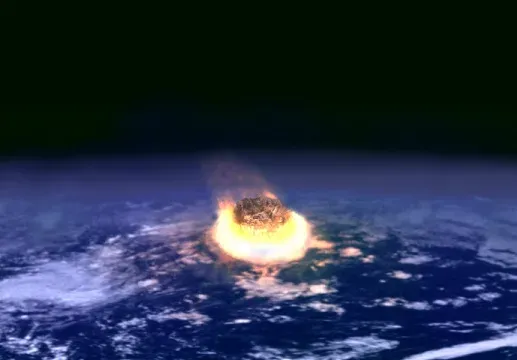
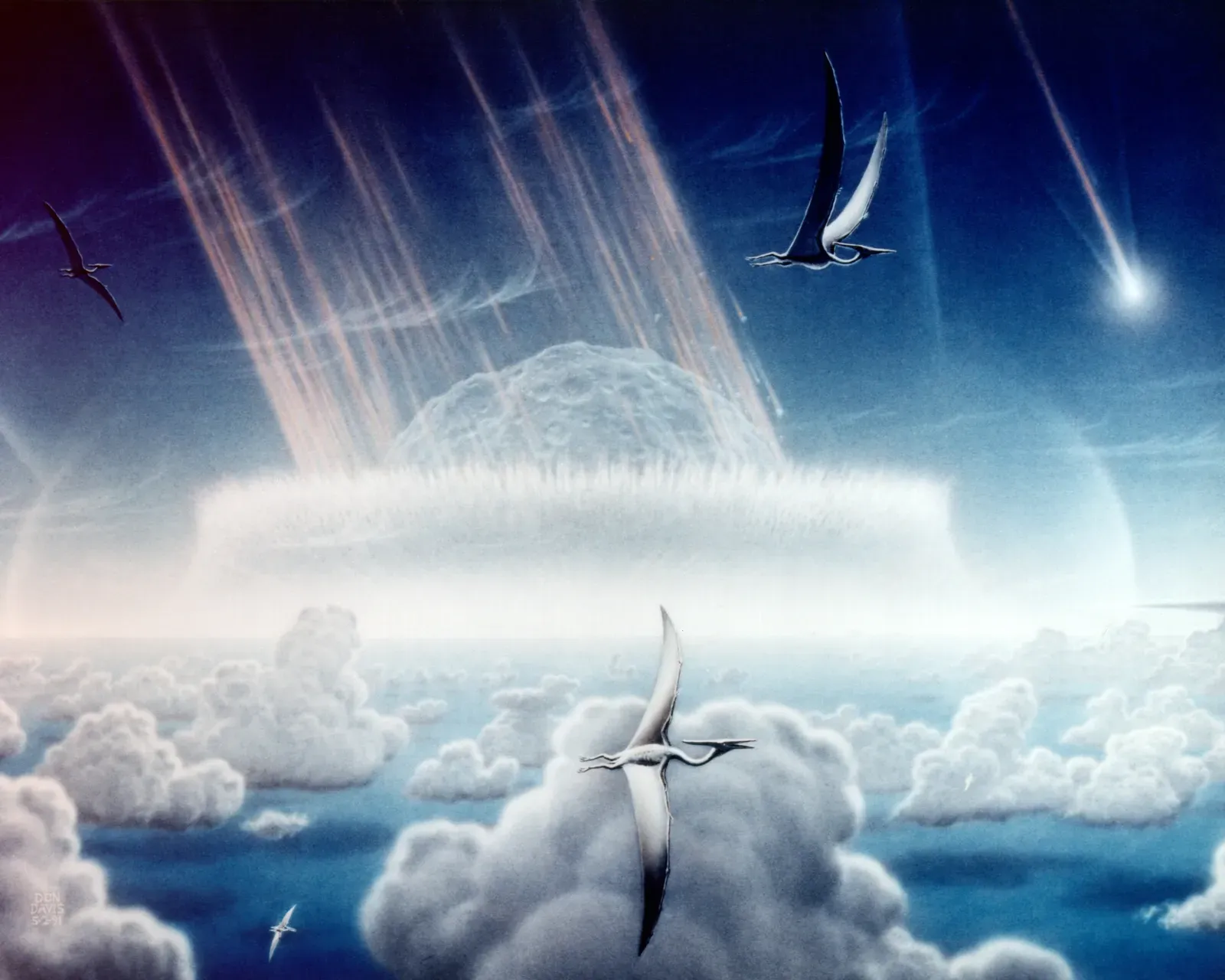
Approximately 66 million years ago, three-quarters of plant and animal species on Earth were wiped out. The culprit? An asteroid thought to have been between 10 and 15 kilometres wide that crashed into what is now Mexico’s Yucatán Peninsula. The impact site, known as the Chicxulub crater, is roughly 150 kilometres in diameter, making it one of the largest scars ever carved into our planet.
The destruction was immediate and horrifying. The dinosaur-killing crash threw huge amounts of debris into the air and caused massive tidal waves to wash over parts of the American continents. Picture this: the asteroid hit with such velocity that it vaporized rock and seawater, injecting unimaginable quantities of sulfur dioxide and carbon dioxide into the atmosphere. The enormous amount of energy generated by this impact was equivalent to 10 thousand times the world’s nuclear arsenal.
Scientists discovered something peculiar in rocks dating from this period. The boundary clay shows unusually high levels of the metal iridium, which is more common in asteroids than in Earth’s crust. This discovery in 1980 transformed how we understand extinctions. The impact created a lingering impact winter which halted photosynthesis in plants and plankton. The world plunged into darkness for months, maybe years. Food chains collapsed from the bottom up.
Recent evidence from January 2026 revealed something astonishing about the aftermath. New plankton species evolved between 3.5 and 11 thousand years after the Chicxulub impact, with some appearing fewer than 2,000 years after the impact. That’s ridiculously fast in geological terms. Life doesn’t give up easily.
The Volcanoes That Wouldn’t Stop
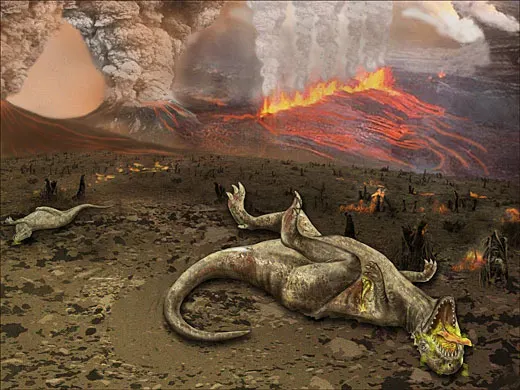
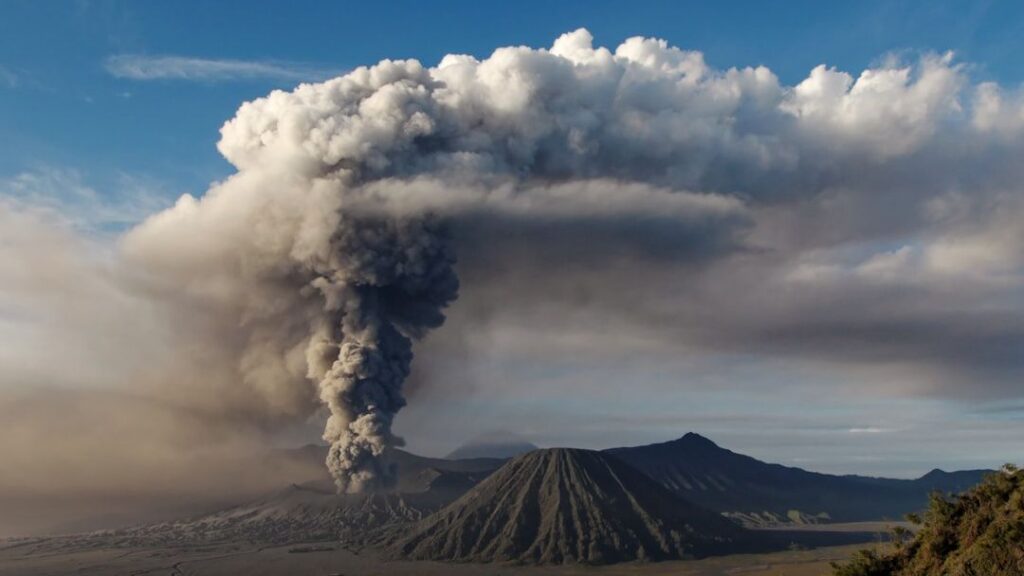
Let’s be real: blaming everything on the asteroid is convenient, but incomplete. Around the same time that rock fell from space, something equally catastrophic was happening on the other side of the planet. Western India is home to the Deccan Traps, which date back to around 66 million years ago, and in some parts the volcanic layers are more than two kilometers thick, making this the second-largest volcanic eruption ever on land.
These weren’t your average volcanoes. During their nearly 1 million years of eruptions, the Traps are estimated to have pumped up to 10.4 trillion tons of carbon dioxide and 9.3 trillion tons of sulfur into the atmosphere. That’s an incomprehensible amount of poison flooding the skies. Volcanic activity of this magnitude would have spewed out huge amounts of carbon dioxide into the atmosphere, causing greenhouse warming, and the eruptions would have also caused levels of toxic gases like sulfur and chlorine to rise, resulting in acid rain.
New research from 2026 showed that the onset of cataclysmic Deccan volcanic eruptions caused hyperthermal warming, mercury toxicity, ocean acidification and acid rain on land, and once the tipping point for life was reached, the mass extinction occurred within less than 1000 years. Honestly, it’s hard to say for sure, but some scientists now believe volcanism was the primary killer.
There’s compelling evidence the asteroid impact actually made the volcanic situation worse. The Deccan Traps lava flows doubled in output within 50,000 years of the asteroid or comet impact. The two catastrophes may have worked together, one amplifying the other. A true planetary one-two punch.
The Greatest Dying Earth Has Ever Known
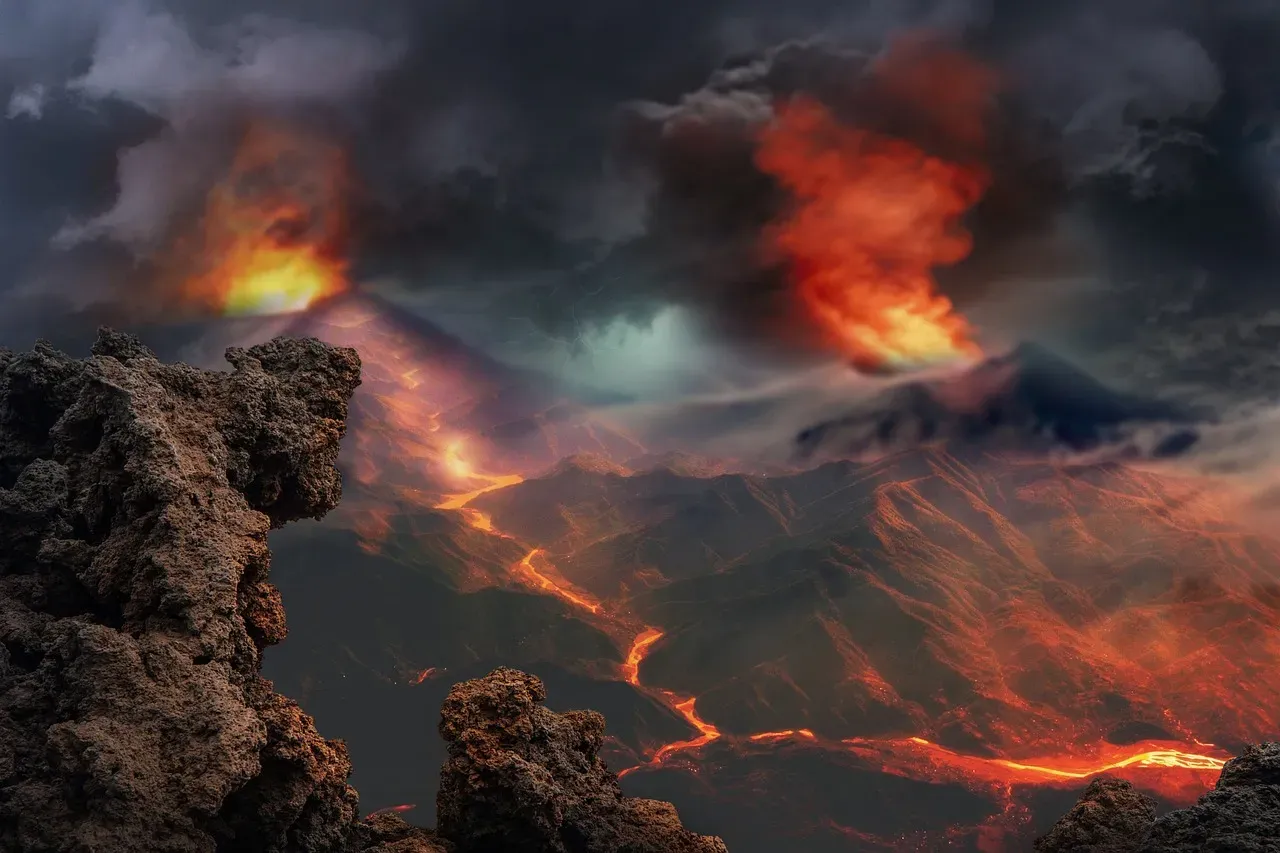
If you think the dinosaur extinction was bad, you haven’t heard about what happened roughly 252 million years earlier. The Permian-Triassic extinction event occurred approximately 251.9 million years ago and is Earth’s most severe known extinction event, with the extinction of 57% of biological families, 81% of marine species, and 70% of terrestrial vertebrate species. Scientists call it the Great Dying, and that’s not hyperbole. It is also the greatest known mass extinction of insects.
Nearly everything died. About 250 million years ago, something killed some 90 percent of the planet’s species, less than 5 percent of the animal species in the seas survived, on land less than a third of the large animal species made it, and nearly all the trees died. Imagine a world stripped almost bare of life, where fungi feasted on rotting biomass covering continents.
What could cause such complete devastation? The scientific consensus is that the main cause was the flood basalt volcanic eruptions that created the Siberian Traps, which released sulfur dioxide and carbon dioxide, resulting in oxygen-starved, sulfurous oceans, elevated global temperatures, and acidified oceans. These weren’t quick eruptions. They dragged on for hundreds of thousands of years.
As oceans warmed, marine animals’ metabolism sped up, meaning they required more oxygen, while warmer waters could not hold enough oxygen for them to survive. Animals literally suffocated in warming seas. Recent findings from 2025 suggest something even more disturbing: the planet became lethally hot and remained so for 5 million years after the extinction began. Why? Tropical forests collapsed, removing Earth’s ability to absorb carbon. The planet crossed a tipping point from which it couldn’t easily recover.
When Ice and Fire Collided
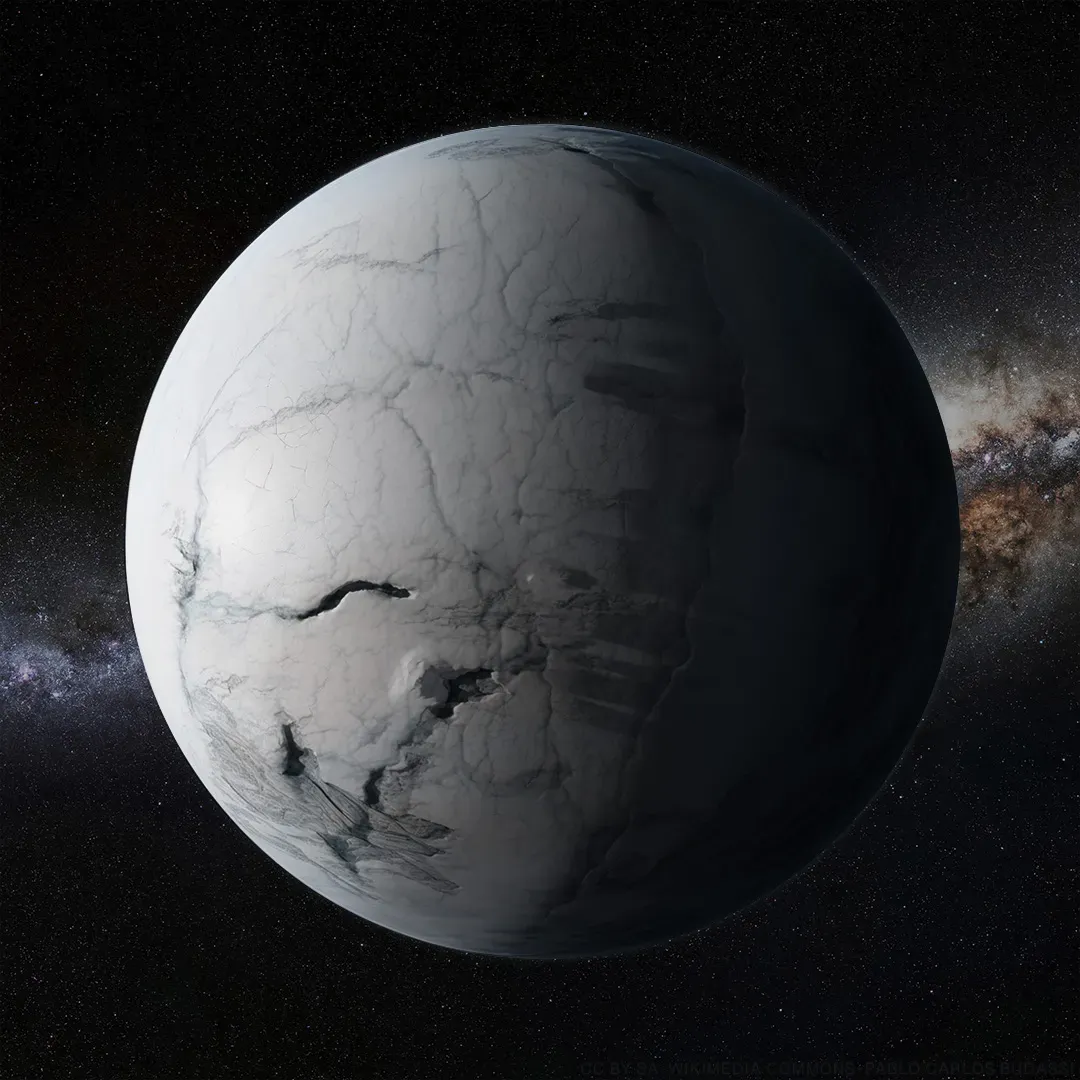
Here’s where it gets really weird. Not all mass extinctions were caused by heat. About 450 million years ago, Earth suffered the Late Ordovician mass extinction, during which more than 75 percent of marine species died, and scientists have discovered new details supporting the idea that the mass extinction was linked to a cooling climate. An ice age, not warming, triggered massive die-offs.
Tropical surface waters cooled by five degrees, and the ice sheets on Gondwana grew to be as large as 150 million cubic kilometers, larger than the glaciers that covered the Northern Hemisphere during our last ice age. When sea levels dropped, shallow marine habitats vanished, taking countless species with them.
Even stranger, evidence from the Permian extinction suggests it might have started with rapid cooling, not warming. Scientists have proof that species disappeared during an ice age caused by the activity of volcanism in the Siberian Traps, followed by the formation of limestone deposits through bacteria, marking the return of life at more moderate temperatures. The intense warming that finished off most remaining life came later.
Climate swings in both directions proved lethal. Cold-adapted species couldn’t handle sudden warmth. Warm-adapted organisms froze when temperatures plummeted. The speed of change mattered as much as the direction.
The Mystery of the Ice Age Giants
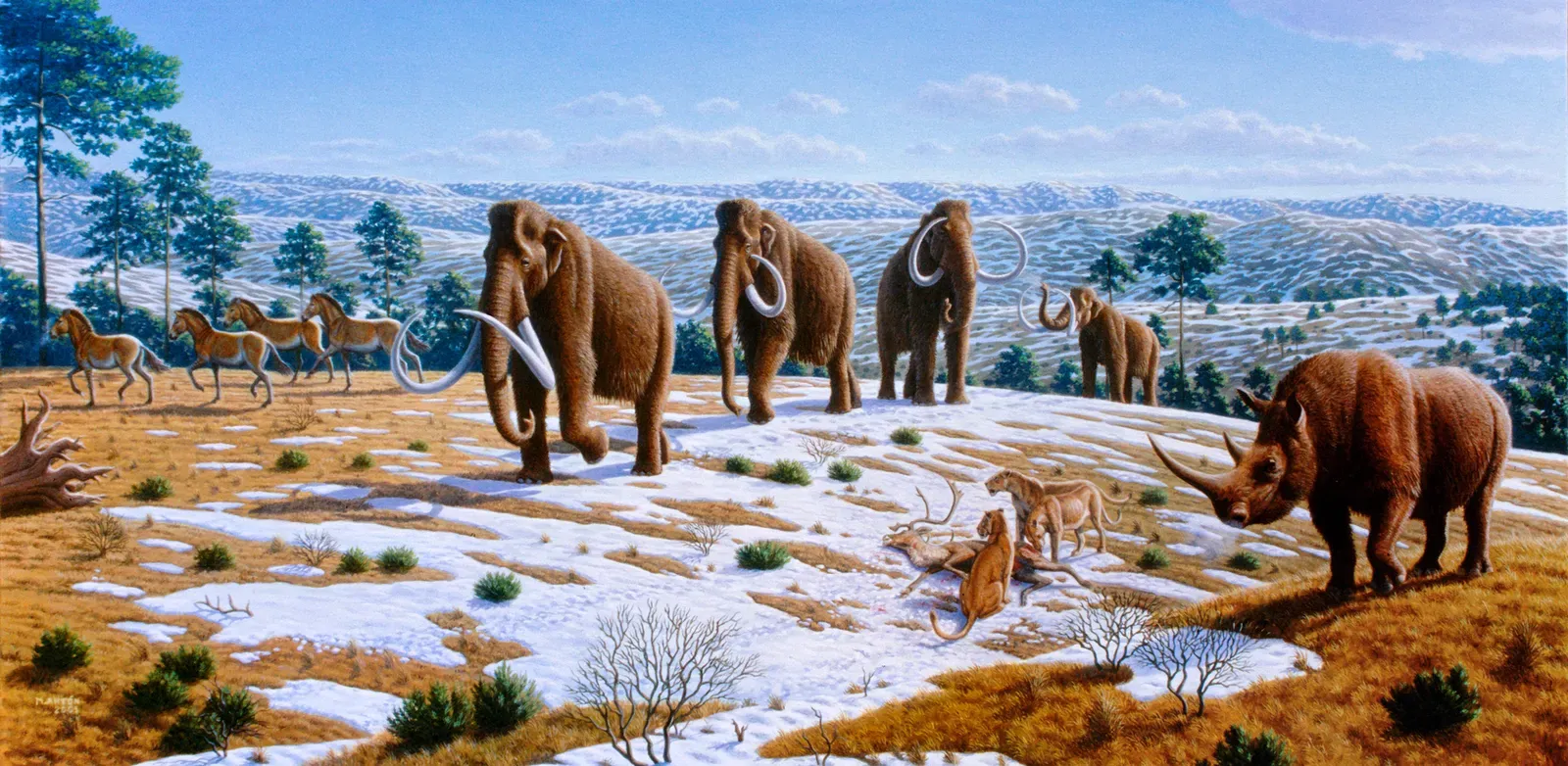
Fast forward to something more recent, something that involved creatures our ancestors actually saw. Beginning around 50,000 years ago, in the depths of Earth’s most recent ice age, Eurasia and North America lost substantial numbers of large-bodied mammal species. Woolly mammoths, saber-toothed cats, giant ground sloths – all gone.
This extinction is controversial because humans arrived in many areas just as these animals started disappearing. Scientists have argued for decades about whether changing climate, human hunting, or other factors alone or in combination led to the extinctions, and a new analysis suggests that different species ultimately succumbed in different ways and there is no single explanation.
Between 15,000 BP and 10,000 BP, a 6 degree Celsius increase in global mean annual temperatures occurred. Some animals couldn’t dump excess heat fast enough through their thick fur. Others lost their food sources when grasslands transformed into forests. North America’s mammalian behemoths had already survived several other ice ages without dying off, so why did this one finish them?
The uncomfortable answer involves us. A 2023 paper found no support for an extinction driven primarily or even secondarily by climate. Humans hunted, yes, but we also burned landscapes, altered vegetation patterns, and fundamentally changed how ecosystems functioned. Along with climate change, our ancestors share responsibility for megafaunal extinctions. We were part of the problem, not innocent bystanders.
The Hidden Patterns Behind Mass Death
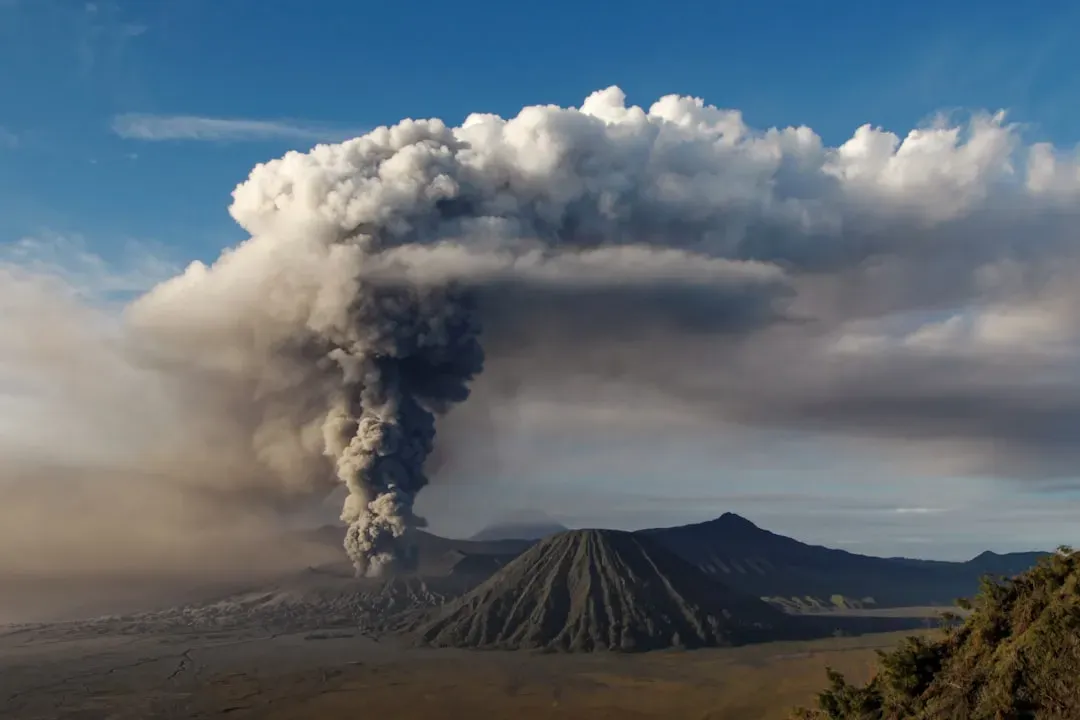
After examining extinction after extinction, certain patterns emerge. Four of the five biggest mass extinctions over the past 540 million years correlate with major lava events that produced large igneous provinces, while known meteor impacts do not correlate with the timeline of mass extinctions. Volcanoes are serial killers in Earth’s history.
There seems to be a threshold beyond which ecosystems simply collapse. There appears to be a threshold beyond which there would be a mass extinction and below which there might be some minor climate perturbations, but not something that extinguishes half of all life on the planet. Once you push the system too far, feedback loops kick in that make recovery nearly impossible.
Size matters, too. The end-Cretaceous extinction particularly affected land-dwelling animals larger than a few pounds in weight. Large animals need more food, more space, and reproduce slowly. When conditions deteriorate, they’re often the first to go. Small creatures that could hide in burrows, that needed less food, that reproduced quickly – they had better odds.
The truly frightening part? Current emissions are 10 to 20 times higher than what happened at the end of the Permian mass extinction. We’re conducting an experiment on our planet at speeds that dwarf even the worst natural catastrophes.
Why Some Survived While Others Perished
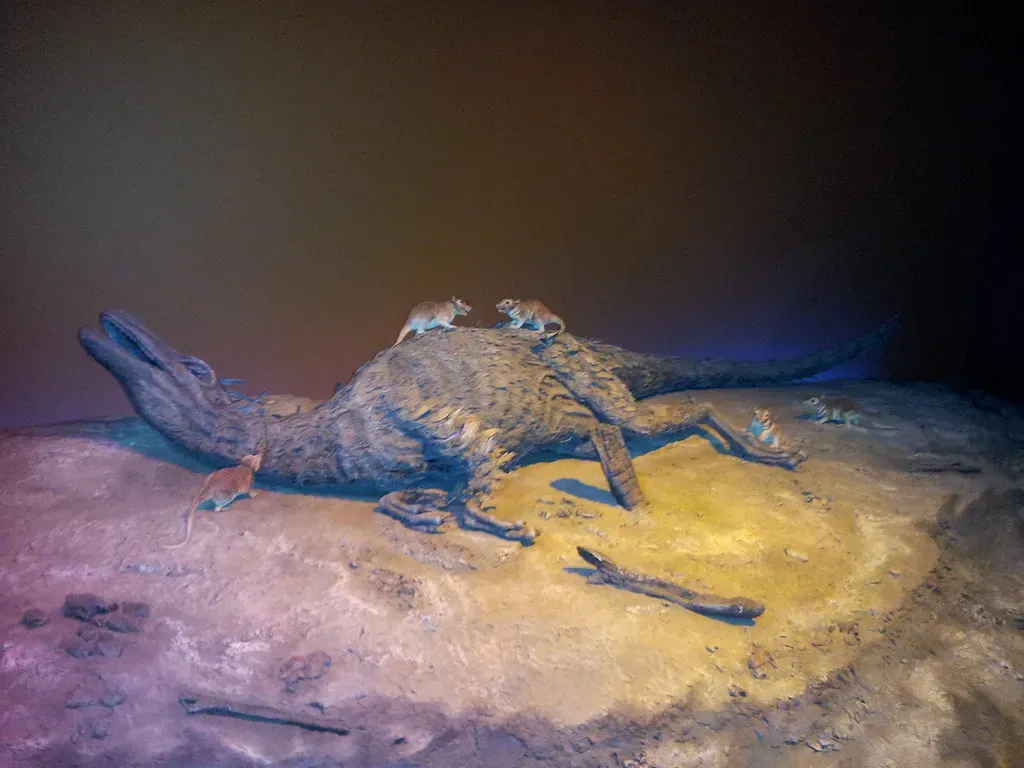
Survival during mass extinctions often came down to luck as much as adaptation. Because organisms aren’t adapted for very rare global events, survival is more a matter of luck than some innate superiority. Being in the right place at the right time mattered enormously.
Cold-blooded crocodiles have very limited needs for food and can survive several months without eating, while warm-blooded animals of similar size need much more food to sustain their faster metabolism, thus under circumstances of food chain disruption, non-avian dinosaurs died out while some crocodilians survived, and the survival of other endothermic animals could be due to their smaller needs for food related to their small size. Metabolic flexibility saved lives.
Birds made it through because only a small fraction of ground-dwelling species survived. Only a small fraction of ground and water-dwelling Cretaceous bird species survived the impact, giving rise to today’s birds. The ones that could exploit diverse food sources, that weren’t locked into specialized diets, had better chances.
Mammals thrived after dinosaurs vanished because ecological niches opened up. Mammals in particular diversified in the following Paleogene Period, evolving new forms such as horses, whales, bats, and primates. Death creates opportunity. Every extinction reshuffles the deck, allowing new players their moment in the sun.
Conclusion: Lessons from the Deep Past
So The uncomfortable truth is there’s rarely a single answer. Asteroids, volcanoes, climate swings, oxygen loss, acidified oceans, collapsing food webs – these forces worked alone or together, depending on the extinction event. Each catastrophe had its own signature, its own combination of killers.
What unites them is this: rapid environmental change kills. When conditions shift faster than species can adapt, mass death follows. The pace of change matters more than almost anything else. Life is remarkably resilient given time. Rob it of that time, and even the mightiest creatures fall.
Today we’re altering the planet at speeds that make natural catastrophes look slow. The fossil record whispers a warning we’d be wise to heed. Mass extinctions aren’t ancient history. They’re possible futures. The question isn’t whether rapid change can trigger mass death – we know it can. The question is whether we’ll be clever enough to avoid repeating Earth’s darkest chapters.
What do you think the biggest threat facing life today really is? Tell us in the comments.