
You’ve probably noticed it. Two people face the same crushing setback, yet one crumbles while the other somehow emerges stronger. What separates them? Is it something they’re born with, or can anyone develop that unshakable quality we call resilience?
Here’s the thing: resilience isn’t some mystical superpower reserved for the lucky few. It’s far more interesting than that. Recent scientific discoveries are revealing what actually happens in the brains and behaviors of people who bounce back from life’s hardest hits. The answers might surprise you, challenge what you thought you knew, and maybe even change how you face your own struggles. Let’s dive in.
Resilience Is Not What You Think It Is

Resilience is the process and outcome of successfully adapting to difficult or challenging life experiences, especially through mental, emotional, and behavioral flexibility and adjustment to external and internal demands. That’s the technical definition, anyway. The truth is messier. Psychology recognizes that resilient individuals going through significant life events do not always recover effortlessly; they often find a new path. They don’t just return to who they were before the trauma struck.
Think of it this way: when a tree bends in a storm, it doesn’t spring back to its exact original position. It adapts, grows thicker bark, sends roots deeper. Resilience is a dynamic process that shifts with time and context. You’re not either resilient or fragile forever. Your capacity changes based on experience, environment, and the specific challenge you’re facing right now.
Your Brain Actually Rewires Itself During Hardship
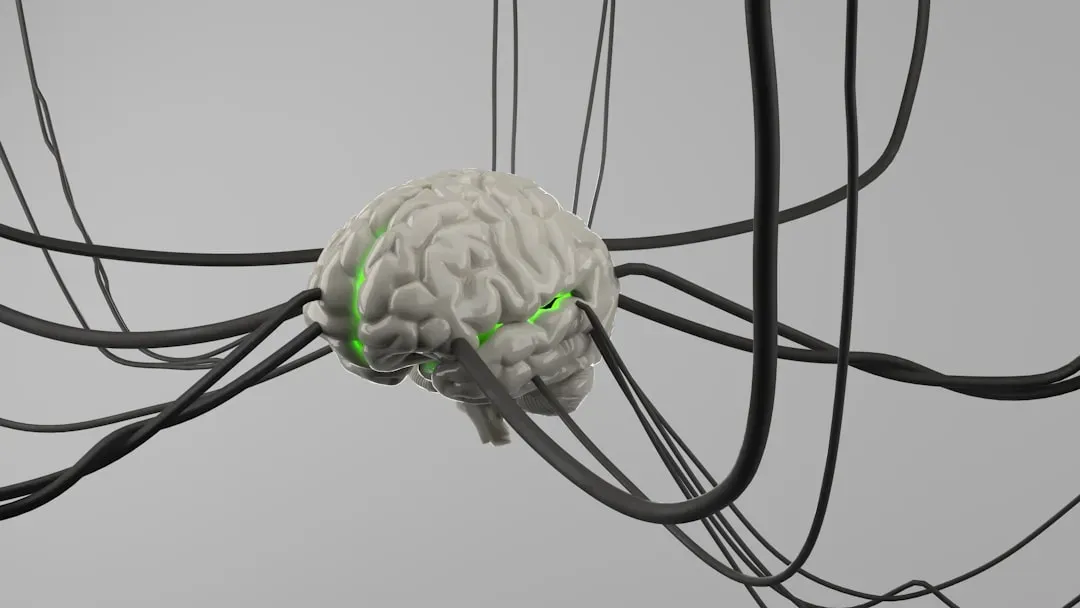
The brain adapts its structure, function, and gene expression in response to stressful events. This isn’t just feel-good psychology talk. Scientists can actually observe these changes happening. Resilience may be thought of as an active process that implies ongoing adaptive plasticity without external intervention.
Resilient individuals often exhibit enhanced prefrontal cortex activity, allowing them to regulate emotions, make adaptive decisions, and inhibit impulsive responses. Additionally, the amygdala, a brain region involved in processing emotions, tends to have lower reactivity in resilient individuals. What this means in plain English: your thinking brain stays in the driver’s seat instead of letting your panic button take over. Resilient individuals show more efficient regulation of the HPA axis, with a quicker return to baseline after a stressor, helping to prevent prolonged exposure to stress hormones. Your stress hormones spike, do their job, then settle back down rather than flooding your system for days.
The Personality Traits That Actually Matter
Let’s be real: some people do seem naturally better equipped for life’s curveballs. Psychologists have identified some of the factors that appear to make a person more resilient, such as a positive attitude, optimism, the ability to regulate emotions, and the ability to see failure as a form of helpful feedback. Notice something? These aren’t fixed qualities you’re born with.
The main characteristics leading to resilient outcomes include intellectual ability, an easy temperament, autonomy, self-reliance, communication skills, and effective coping strategies. Mentally strong people typically show higher levels of perseverance, confidence, focus, resilience, emotional control, commitment, adaptability, a positive attitude, self-motivation, and the ability to handle stress. The list sounds exhausting, honestly. Yet these traits cluster together in people who consistently overcome adversity.
Control Your Mindset, Control Your Response

A locus of control can be internal – meaning that an individual perceives that they are in control of what happens to them – or external, meaning that an individual attributes all that happens to them to external factors. An internal locus of control is tied to greater resilience. This matters more than almost anything else. When bad things happen, do you immediately think “this is happening to me” or do you ask “what can I do about this?”
When people see discomfort as a sign to quit, and change the belief into a sign that it’s time to grow, they unlock a higher level of mental toughness. With this new belief they found a person can persist against the odds for longer and regulate their emotions much better. It sounds almost too simple. Pain becomes data instead of a verdict. Failure shifts from identity to information.
Social Support Is Your Secret Weapon

You cannot build resilience in isolation. I know we love the myth of the lone wolf who needs nobody, but science doesn’t support it. A strong social support network can enhance resilience. Emotional support, practical help, and a feeling of belonging can be provided by friends, family, and community connections. Having a safety net of support boosts people’s confidence in confronting their problems.
Higher income and socioeconomic status, better cognitive emotion regulation, and higher perceived social support were associated with more resilient stress responses. That first part stings a bit, doesn’t it? Resources matter. Having people you can call at three in the morning when everything falls apart matters enormously. The mentally strong person knows that human beings aren’t created in a vacuum and we need one another to achieve the great heights we’re striving for.
The Role of Genetics and Early Experience

There does appear to be a genetic predisposition for resilience; but early environments and life circumstances play a role in how resilient genes are ultimately expressed. So yes, some of this is inherited. Approximately half of the variation in mental toughness can be accounted for by genetic factors. That leaves the other half entirely up to experience and choice.
One of the main ways that stress marks the brain is through epigenetics. This does not change genes, but it can change their expression by attaching methyl groups to DNA or associated proteins. Your grandmother’s trauma, your parent’s stress, even your own childhood experiences literally alter how your genes function. Neural plasticity and epigenetics have shown that biology is not destiny. Rather, the brain can adapt, or maladapt, depending on life experience – particularly in early life.
You Can Train Yourself to Be More Resilient
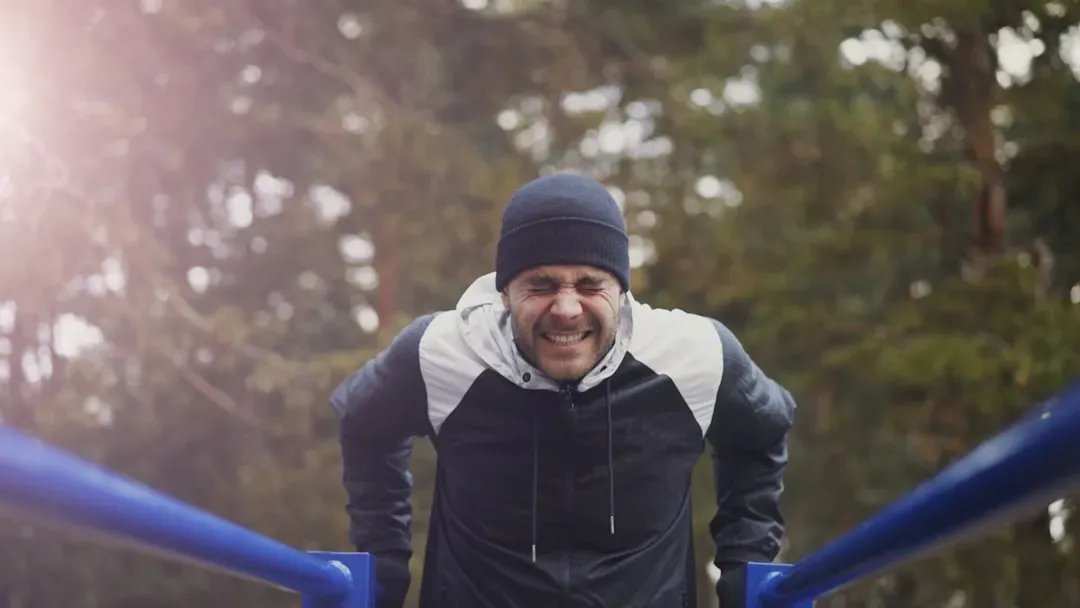
Here’s where it gets hopeful. Psychological research demonstrates that the resources and skills associated with more positive adaptation can be cultivated and practiced. Specific resilience-building skills can be learned. This isn’t wishful thinking or self-help nonsense.
Psychologists have identified four key ingredients to developing coping skills for resilience: connection, wellness, healthy thinking, and finding meaning. Teaching cognitive reframing skills and mindfulness techniques enhances emotional regulation. You can also include acceptance-based strategies to help clients navigate discomfort and build emotional resilience. Translation: you can literally practice seeing situations differently until it becomes automatic. Reframing is one simple yet effective technique. Try changing how you see the challenges you face.
Post-Traumatic Growth: When Adversity Makes You Stronger

After experiencing trauma, many people find deeper psychological and spiritual meaning in their lives, known as post-traumatic growth. This is the part that sounds impossible when you’re in the thick of suffering. How could losing someone, facing illness, or surviving abuse possibly make you better?
Even when knocked by what has happened, the darkest times still typically lead to growth, including a new or revised self-image where resilient people become aware of unexpected abilities as they rise to each new challenge, enriched and clarified relationships during difficult times, and altered priorities where a new and possibly more focused perspective can remove what is unimportant. You discover you’re capable of things you never imagined. Relationships that seemed solid reveal themselves as hollow, while unexpected allies emerge.
The unbreakable aren’t people who never break. They’re people who’ve learned how to put themselves back together in a configuration that’s somehow more functional than before. The truth of the matter is that resilience can be developed. It is all about learning specific skills and strategies to help you bounce back from adversity. Every setback becomes training for the next one.
What’s your take on this? Have you surprised yourself with your own resilience, or watched someone close to you weather an impossible storm? The science is clear: you’re more capable of withstanding hardship than you probably believe. That doesn’t make the pain less real, though it might make the path forward a bit clearer.