You’ve probably met someone like this. Life throws them curveball after curveball, yet they somehow stay standing. While others crumble under pressure, these individuals seem to possess an invisible shield. The truth is, it’s not magic or genetics alone. Let’s be real: resilience isn’t about never feeling pain or fear. It’s about something far more profound and entirely within your reach.
Resilience Is Not What You Think It Is

You might assume that resilient people stay calm, positive, or unbothered when stress hits. That’s not actually how it works. Resilience is the capacity to respond to adversity in ways that allow you to adapt and continue moving forward, and it’s definitely not about being immune to negative emotions. Resilient people still feel sad, angry, or frustrated when faced with a setback. Here’s the thing: they just know how to process those feelings differently.
Think about it like this. When something terrible happens, the unbreakable person doesn’t pretend everything is fine. The counterintuitive truth is that the path to being resilient means becoming more willing to experience your emotions, and acceptance doesn’t mean liking how you feel or resigning yourself to distress.
The Biology Behind Bouncing Back
Resilience is the process and outcome of successfully adapting to difficult or challenging life experiences, especially through mental, emotional, and behavioral flexibility and adjustment to external and internal demands. Science has actually made some fascinating discoveries about how this works in our brains. Acknowledgment requires activation of the prefrontal cortex, which regulates emotional responses by modulating amygdala-driven stress reactions, while the hippocampus connects present stressors with previously learned coping mechanisms.
What’s wild is that resilience isn’t purely psychological. Strong genetic correlations were observed with neuroticism, depression, and anxiety. Yet here’s where it gets interesting: roughly about seven percent of resilience comes from genetics, meaning the vast majority is shaped by your experiences, choices, and practices. You’re not stuck with what you were born with.
Traits That Separate The Unbreakable From The Broken

The main characteristics leading to resilient outcomes include intellectual ability, an easy temperament, autonomy, self-reliance, communication skills, and effective coping strategies. That’s quite a list, honestly. Yet personality plays a surprisingly powerful role too. Individuals high on extraversion, agreeableness, or emotional stability reported high levels of resilience, and researchers found a positive relationship between openness to experience and conscientiousness on the one hand and resilience on the other hand.
Resilient individuals demonstrate higher levels of self-efficacy, optimism, and problem-solving skills, which contribute to their ability to adapt and thrive in adverse situations. Self-efficacy, for those wondering, is basically your belief in your own ability to handle whatever comes your way. It’s hard to say for sure, but this confidence might be the secret ingredient separating people who recover from those who remain stuck.
The Power Of Perspective: Reframing Your Reality

Training people to change their explanatory styles from internal to external, from global to specific, and from permanent to impermanent made them more psychologically successful and less prone to depression. This is huge. When something goes wrong, do you tell yourself it’s all your fault, it ruins everything, and it will never change? Resilient people remind themselves that challenges come and go, that we all go through hard times, and those hard times are not personal failing.
Imagine you lose your job. An unbreakable person doesn’t think their entire career is over forever. They see it as one specific setback in one particular company at this moment in time. That subtle shift in thinking changes everything. Psychologist Martin Seligman calls this “learned optimism,” where negative experiences are reframed to emphasize the potential for personal development.
Social Connections: Your Hidden Armor

Here’s something many people overlook. Social support and sense of community consistently show up in research as one of the top resilience factors. I know it sounds crazy, but isolation can destroy even the strongest person. Loneliness can whittle away mental toughness, which isn’t the same as being alone, but the feeling of being emotionally isolated, disconnected, or ostracized.
Resilient people tend to seek out and surround themselves with other resilient people when there’s a need for support, and these supporters are our role models. One of the most effective protective factors when it comes to mental health is having strong, healthy social support, and when life comes at you hard, a robust support system plays a vital role in enhancing mental resilience. You can’t do this alone, and honestly, you shouldn’t have to.
Building Your Resilience Toolkit: Practical Strategies
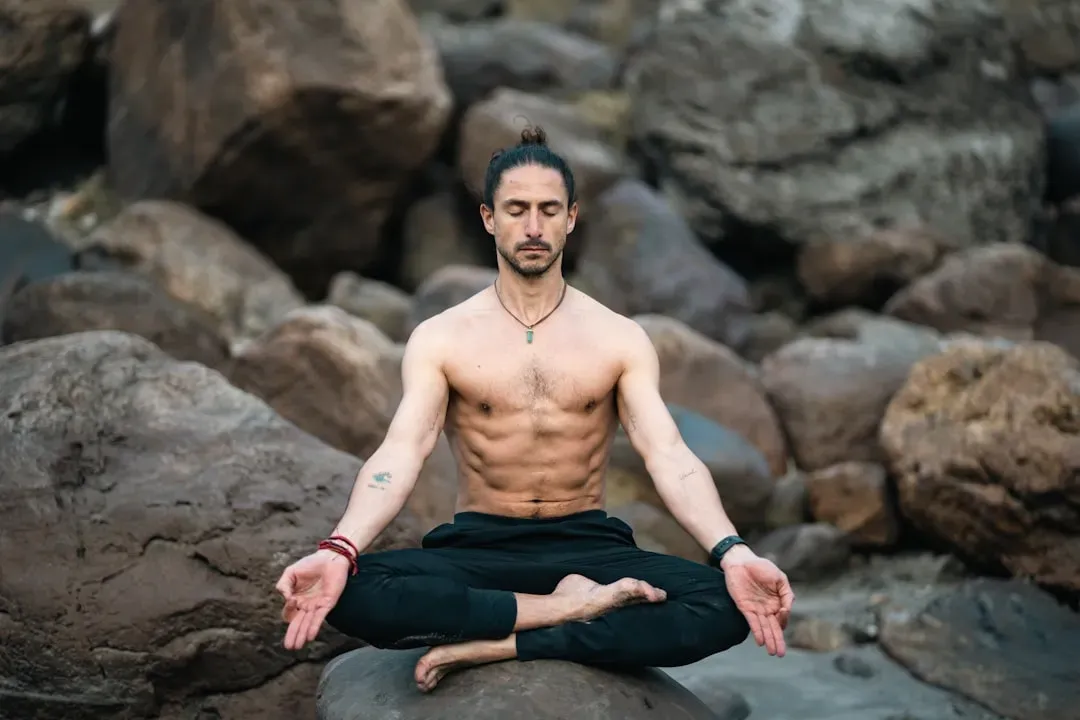
Specific resilience-building skills can be learned, including breaking out of negative thought cycles, pushing back against catastrophizing, and looking for upsides when faced with setbacks. Let’s get practical here. One study showed that 30 days of meditating resulted in an eleven percent increase in mental resilience. That’s significant progress from just one month of practice.
Tactics people can use to build resilience include prioritizing relationships, practicing mindfulness, being proactive and searching for solutions, and making progress toward your goals. Building resilient habits, such as regular physical activity, consistent sleep patterns, and a balanced diet, establishes a foundation for emotional stability and energy levels. You’re literally training your brain like a muscle.
The Myth Of Never Breaking Down

Trauma survivors who develop PTSD may be just as resilient as trauma survivors who don’t develop PTSD. This challenges everything we thought we knew about toughness. Young people did not leave their traumatic experiences and symptoms behind, yet everyone would describe them as a remarkably resilient group of people. Resilience doesn’t mean you escape unscathed.
Resilient individuals going through significant life events do not always recover effortlessly; they often find a new path. Sometimes the strongest thing you can do is acknowledge that you’re struggling while still moving forward. Resilient people understand that there is a separation between who they are at their core and the cause of their temporary suffering.
Your Resilience Is A Process, Not A Destination

Resilience emerges through everyday practices, instead of fixed traits. This is liberating when you think about it. Resilience is not a trait that individuals either have or do not have; rather, it involves behaviours, thoughts, and actions that can be learned and developed by anyone. Every single day presents opportunities to strengthen your mental toughness through small choices and actions.
You must remember that you can’t instantly become resilient, as it’s an ongoing process that requires your dedication and commitment. This perspective suggests that resilience is not a rare trait but rather a set of skills and attitudes that can be developed and enhanced over time. The people who seem unbreakable didn’t get that way overnight. They built their resilience brick by brick, setback by setback, choice by choice.
So what does this all mean for you? Resilience isn’t some mystical quality reserved for a chosen few. It’s a skill you can develop starting today through conscious practice, supportive relationships, perspective shifts, and self-compassion. The unbreakable people around you aren’t superhuman. They’ve simply learned to bend without breaking, to feel deeply while moving forward, and to see challenges as temporary rather than permanent. What would happen if you started viewing your own setbacks that way? The truth is, you might be more resilient than you realize. You just need to give yourself permission to develop it.