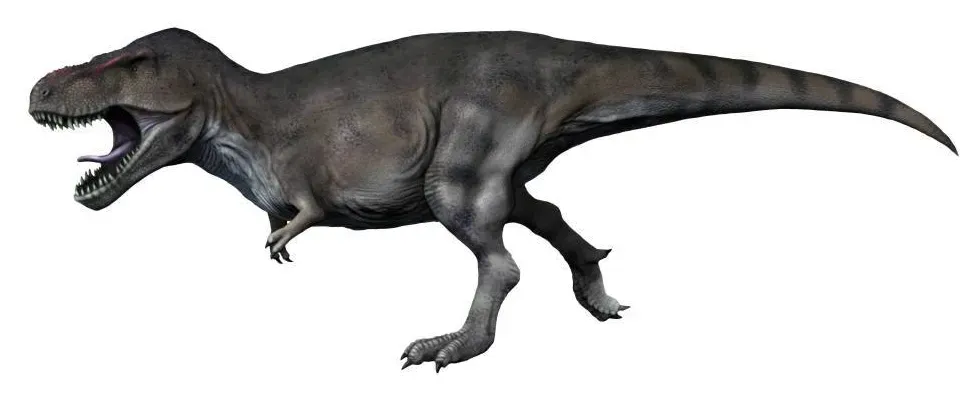
You’ve seen it chase down terrified humans in countless blockbusters, demolish buildings with a single stomp, and let out that bone-chilling roar that still gives you goosebumps. The Tyrannosaurus rex is more than just the ultimate movie villain though. It’s one of the most fascinating creatures ever to walk this planet. Yet here’s the thing: much of what you think you know about the so-called tyrant king is probably wrong.
Recent scientific breakthroughs have shattered decades of assumptions about this magnificent predator. Fresh fossil discoveries and cutting-edge research techniques are rewriting the T-Rex story in ways that make Hollywood’s version look rather simplistic. So let’s dive in and explore what really made this predator tick.
The Tyrant King Wasn’t Alone
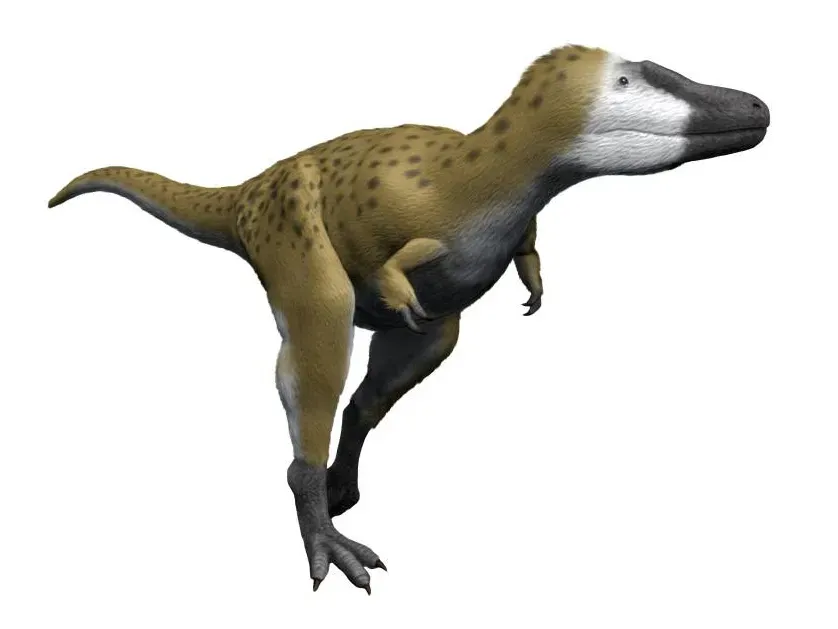
For decades, scientists believed that T-Rex was the sole top predator of its era, but fossil discoveries have now confirmed that a separate species called Nanotyrannus lived alongside it. This isn’t some minor detail either. Measuring under half the size of an adult T-Rex, Nanotyrannus likely competed with young T-Rex individuals for the same prey, suggesting a far more diverse Late Cretaceous ecosystem than previously thought.
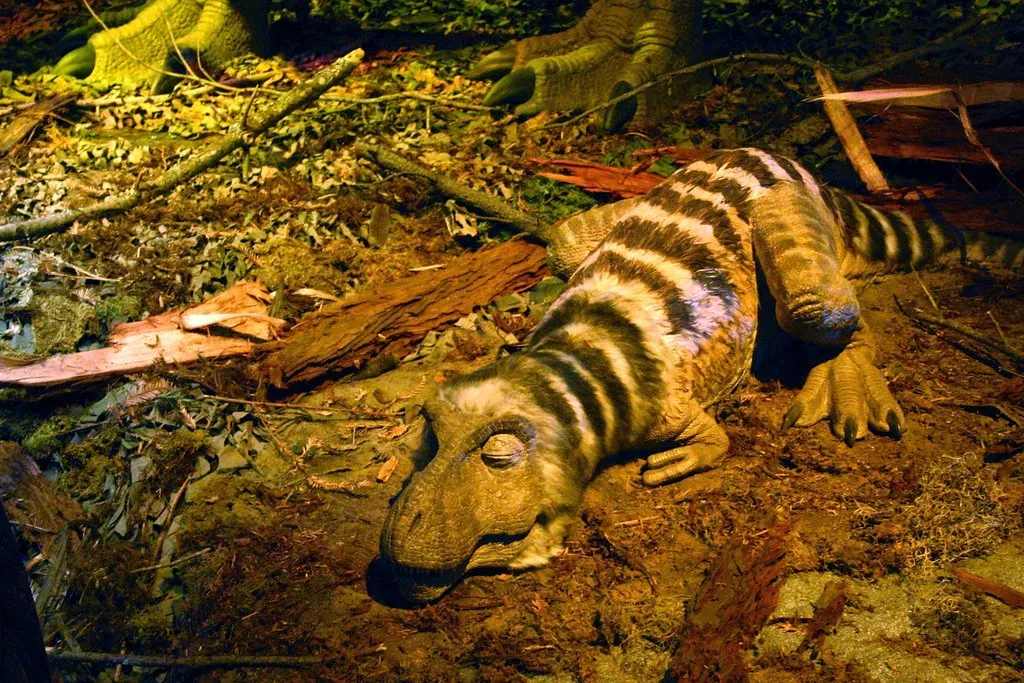
The fossil’s fusing spinal sutures and growth rings show it was fully grown when it died at roughly 20 years of age, with its anatomy revealing traits that form early in development and don’t change with age. This discovery completely changes how we understand the ecosystem where T-Rex roamed. The finding also suggests a greater diversity of carnivores and therefore more complex ecological interactions among the last non-bird dinosaurs of North America.
T-Rex Took Forever to Grow Up
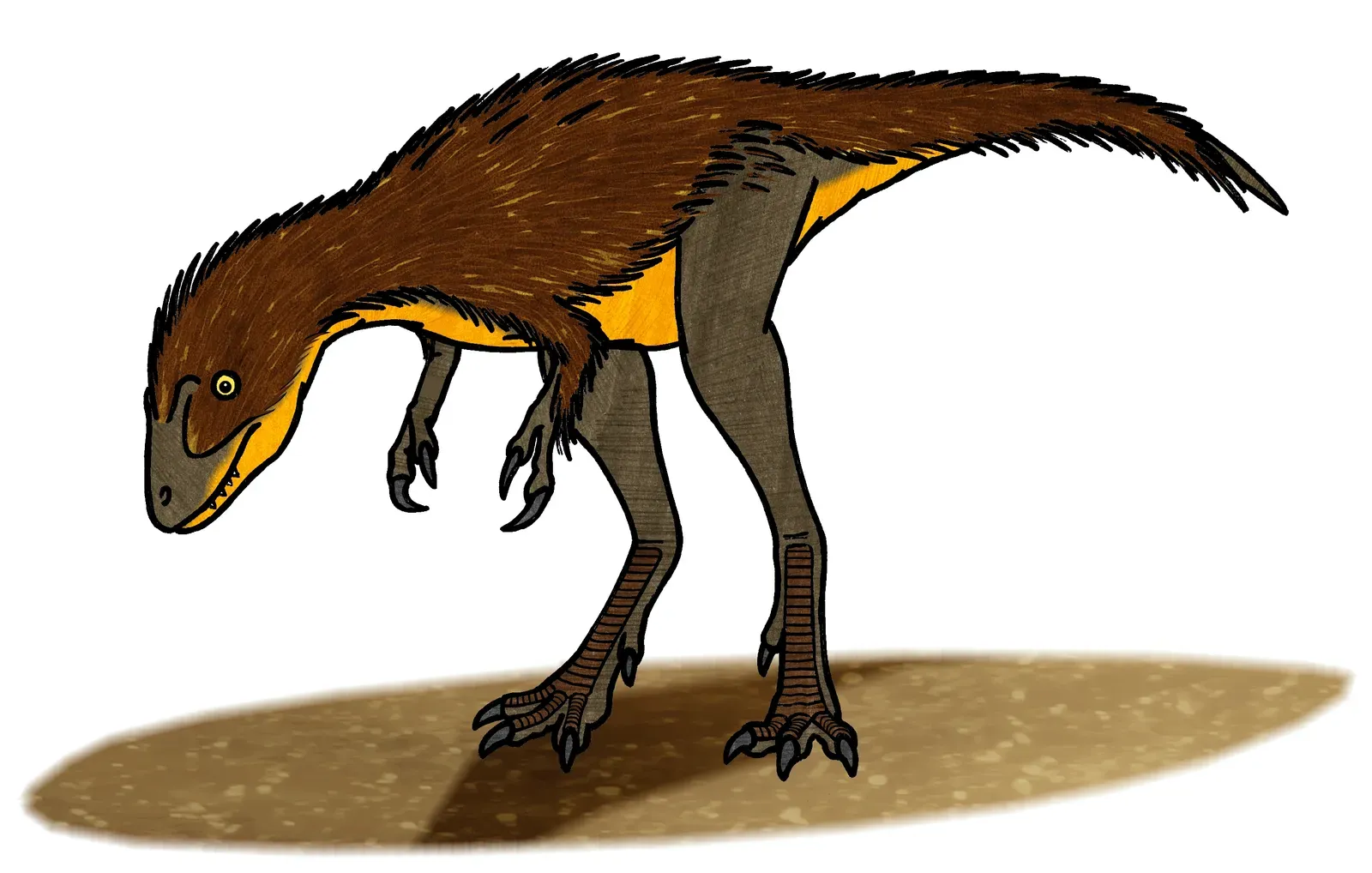
Remember how movies show T-Rex bursting onto the scene as a full-grown terror? Let’s be real, that’s not how things worked. A comprehensive analysis of 17 fossil specimens reveals that Tyrannosaurus rex grew far more slowly than previously thought, reaching its full-grown size of eight tons around age 40. This is roughly 15 years longer than scientists previously estimated.
The new analysis was able to assemble a more complete and accurate picture of tyrannosaur growth by using advanced statistical algorithms and examining slices of bone under a special kind of light, which reveals hidden growth rings not counted in previous studies. Growth ring spacing varied within individuals, with some years showing substantial growth and others very little, suggesting that growth was flexible and likely influenced by resource availability and possibly environmental conditions. Think of it like a tree that grows more in wet years and less during droughts.
Vision Better Than a Hawk
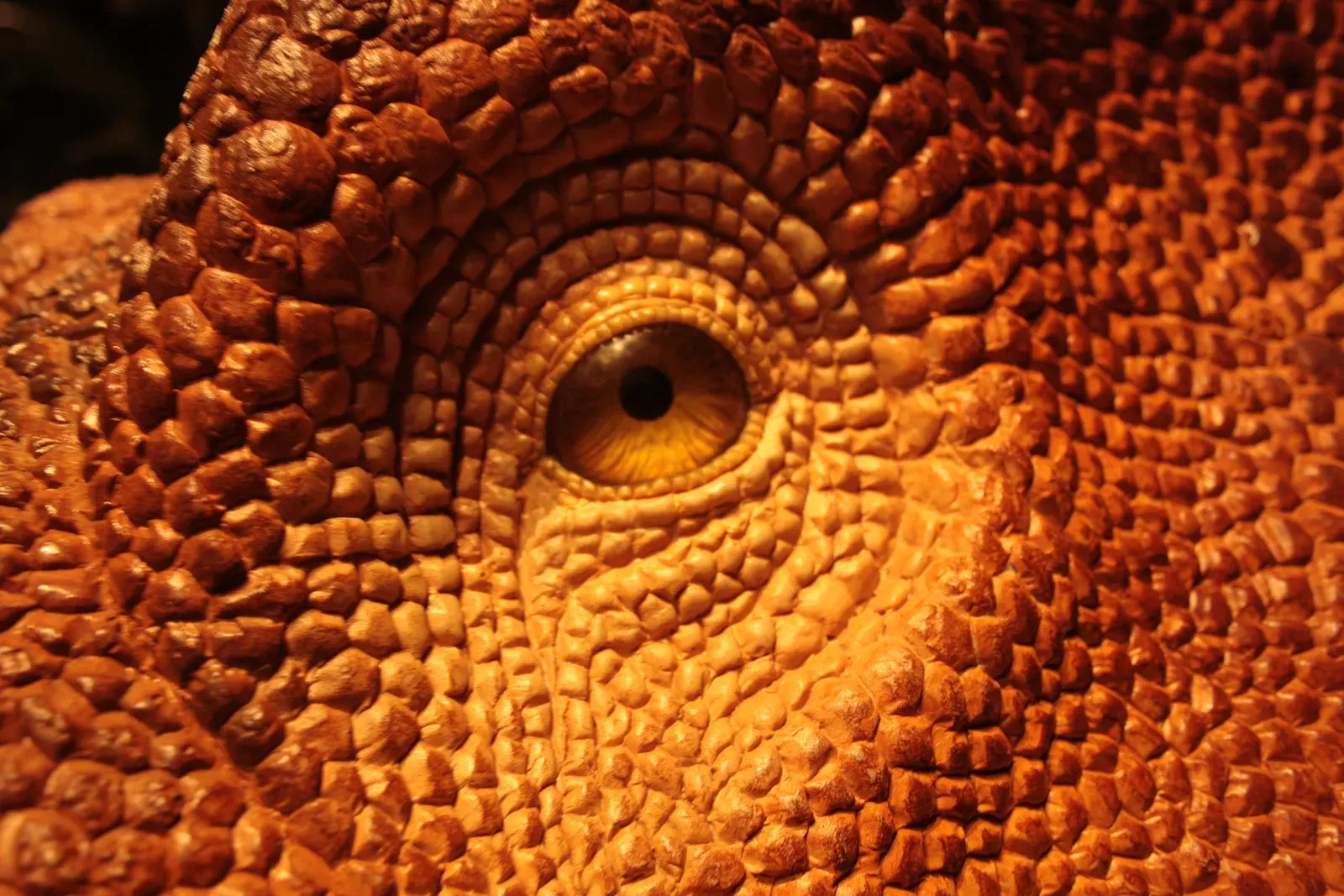
Here’s where things get truly remarkable. That famous Jurassic Park scene where you freeze and the T-Rex can’t see you? Complete nonsense. The eye position of Tyrannosaurus rex was similar to that of modern humans, but their eyes and optic lobe were much larger than that of modern humans. An adult T-Rex had eyes the size of oranges, the largest of any land animal, and they were set wide apart, giving T-Rex excellent depth perception to aid in pursuit of prey.
A T-Rex’s binocular range was 55 degrees, which is wider than even hawks, and most theropods had binocular ranges at least similar to modern raptorial birds. Visual clarity may have been up to 13 times better than a modern human, and for reference, an eagle has about 3.6 times the visual clarity of a person. Scientists estimate that T-Rex could see objects clearly from over three miles away, which is better vision than most birds of prey have today, and could probably spot you moving around from distances where you couldn’t even see them yet.
A Nose That Could Smell for Miles
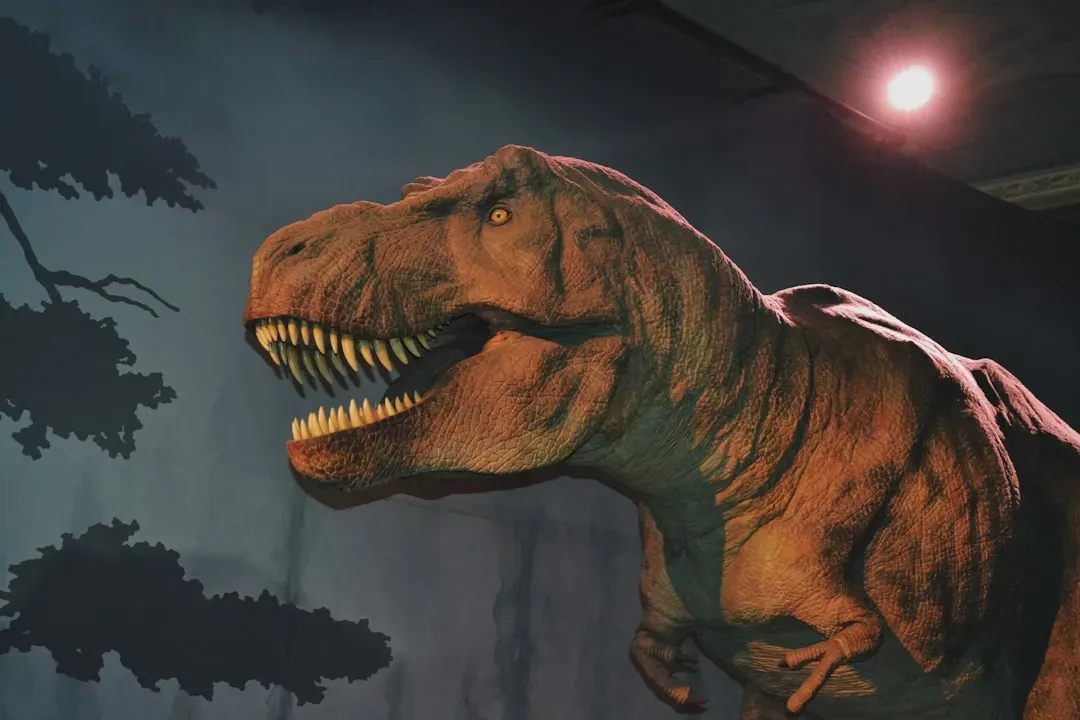
Tyrannosaurus had very large olfactory bulbs and olfactory nerves relative to their brain size, and this suggests that the sense of smell was highly developed, implying that tyrannosaurs could detect carcasses by scent alone across great distances. Research on the olfactory bulbs has shown that Tyrannosaurus rex had the most highly developed sense of smell of 21 sampled non-avian dinosaur species. That’s basically like being the champion among giants.
Their large olfactory bulbs and nerves relative to their brain size indicates they may have had a sense of smell about equivalent to modern vultures, which are able to smell dead things from as far away as a couple kilometers. Honestly, standing still wouldn’t have saved you anyway. T-Rex had not only excellent vision but also good hearing and smell, which means they used multiple senses to locate prey rather than relying solely on movement detection, and that multisensory approach would make hiding much more difficult.
Hearing That Could Pick Up Low Rumbles
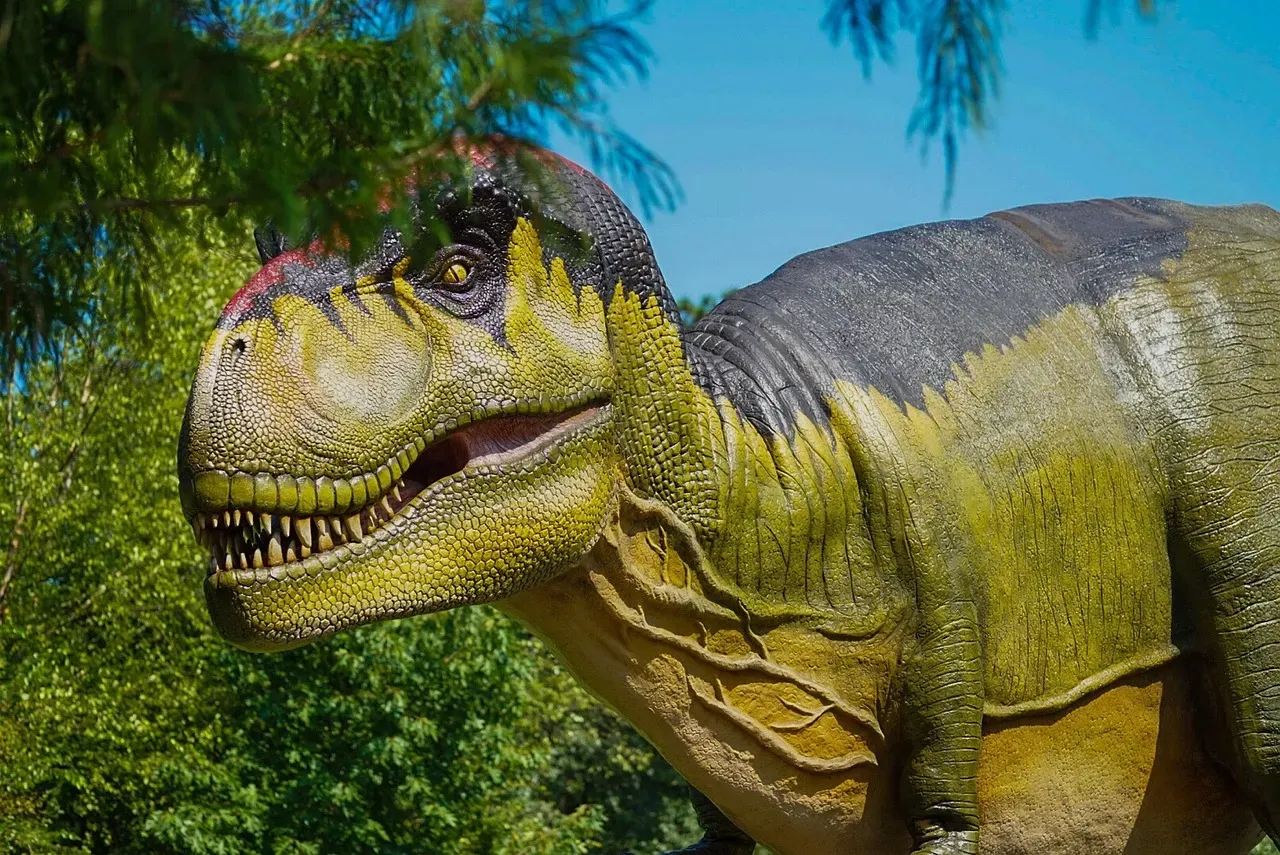
Somewhat unusually among theropods, T-Rex had very long cochlea of the ear, and the length of the cochlea is often related to hearing acuity, implying that hearing was a particularly important sense to tyrannosaurs. One of T-Rex’s unique abilities was its hypersensitive hearing, with a bone in its inner ear called the cochlea that was remarkably long, and in animals alive today, that specialization is associated with the ability to hear low frequency sounds well.
Data suggests that Tyrannosaurus rex heard best in the low-frequency range, and that low-frequency sounds were an important part of tyrannosaur behavior. Imagine what that meant for communication across vast distances or detecting the approach of large prey animals through ground vibrations. The sensory toolkit of this predator was absolutely stacked.
The Feather Debate Rages On
Did T-Rex sport a fuzzy coat or rock reptilian scales? It’s hard to say for sure, but fossil evidence found no sign of feathers, just smooth, scaly skin, and this was also confirmed in skin impressions from large tyrannosaurs that lived around the same time, such as Albertosaurus and Gorgosaurus. According to a study published in the journal Biology Letters, the T-Rex’s skin was likely scaly, with an international team of researchers studying skin impressions taken from T-Rex fossils found in Montana.
The twist? Two earlier members of the tyrannosaur group, Dilong and Yutyrannus, were found with long, hair-like covering. Paleontologists think feathers may have first evolved to keep dinosaurs warm, but while a young T-Rex probably had a thin coat of downy feathers, an adult T-Rex would not have needed feathers to stay warm. The study’s authors believe that the T-Rex’s size can help explain the evolutionary shift, as T-Rex were much bigger than their predecessors and large active animals don’t cool down as quickly as smaller creatures, so as they got bigger they may have lost their plumage because feathers were too much of a hindrance to cooling off after a sprint.
Not the Speedy Predator You’d Think
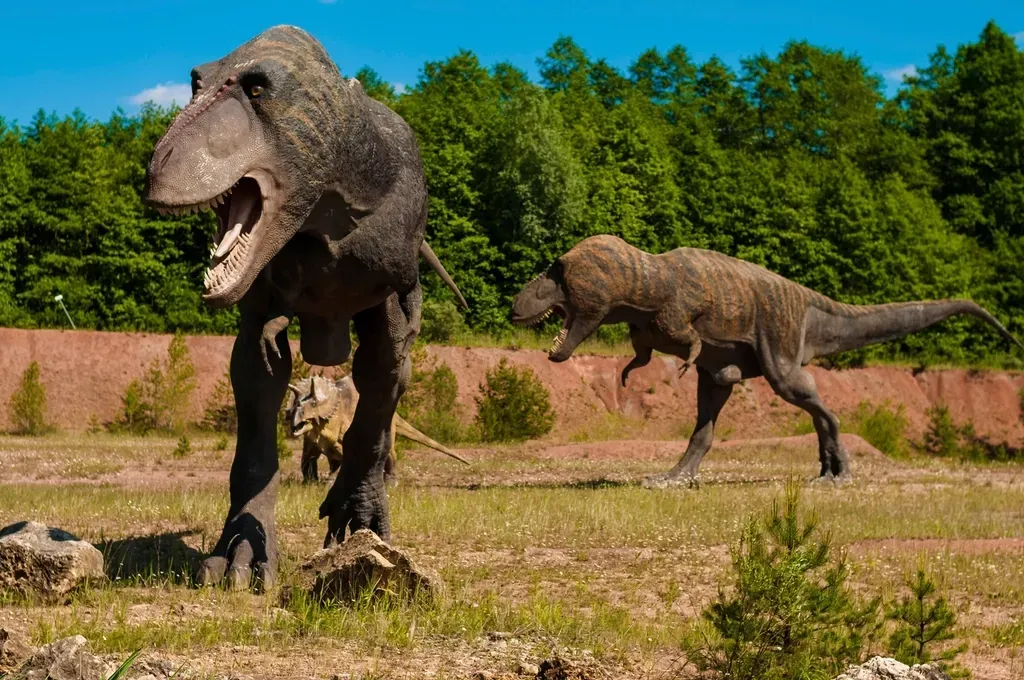
This might surprise you, but all those chase scenes in movies are wildly inaccurate. A new approach combining multibody dynamic analysis and skeletal stress analysis demonstrates that true running gaits would probably lead to unacceptably high skeletal loads in T-Rex, and the relatively long limb segments of T-Rex, long argued to indicate competent running ability, would actually have mechanically limited this species to walking gaits. Yep, walking. The size and sheer mass of the T-Rex would render it physically impossible to move at any speed higher than 7.7 mph, which is slower than the average man’s running speed, which is around 8.4 mph.
According to results published in the journal PeerJ, the lower end of the estimate is more accurate, with T-Rex probably only reaching around 12 miles an hour, and any faster would have shattered its bones. It is somewhat paradoxical that the relatively long and gracile limbs of T-Rex, long argued to indicate competent running ability, would actually have mechanically limited it to walking gaits, and indeed maximised its walking speed. Still, don’t feel too bad for the tyrant king. Even without sprinting, a tyrannosaur would still have been able to hunt, as large prey such as duckbilled dinosaurs and Triceratops would have been limited by the same factors and probably couldn’t have run fast either.
Those Tiny Arms Weren’t Useless
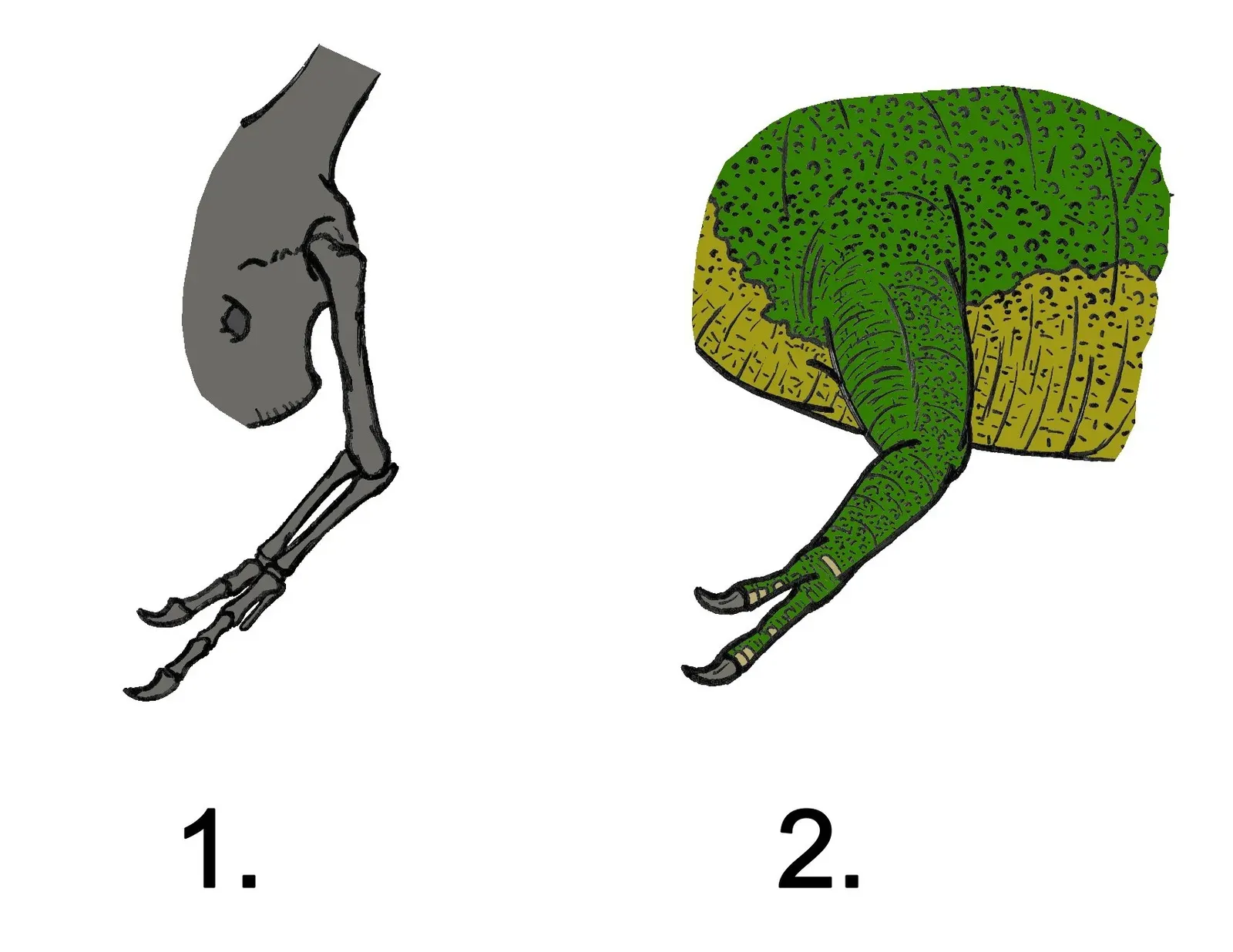
The arms might look comical, but they weren’t weak. T-Rex had strong arm bones which would have made effective slashing tools, while an unusual quasi-ball-and-socket joint would have allowed the arms to move in several directions, and tyrannosaurs lost one of their three claws during the course of evolution, resulting in 50 percent more pressure being able to be applied by each of the two remaining claws. Judging by the muscle scars left behind on T-Rex limb bones, a full-grown dinosaur could curl more than 220 pounds with each bicep. That’s more than most people can manage at the gym.
Yet there’s heated debate about their actual function. The arms are simply too short, as they can’t touch each other, can’t reach the mouth, and their mobility is so limited that they can’t stretch very far, either forward or upward. Scientists believe the reason that the iconic T-Rex had such short arms was to protect them during feeding frenzies on carcasses, with the theory being that the predator’s arms shrank to their tiny size to prevent accidental or intentional amputation when a pack of T-Rexes descended on prey with their massive heads and bone-crushing teeth. Think about several multi-ton predators tearing into a carcass simultaneously. You’d want your arms out of the way too.
A Brain Built for Predation
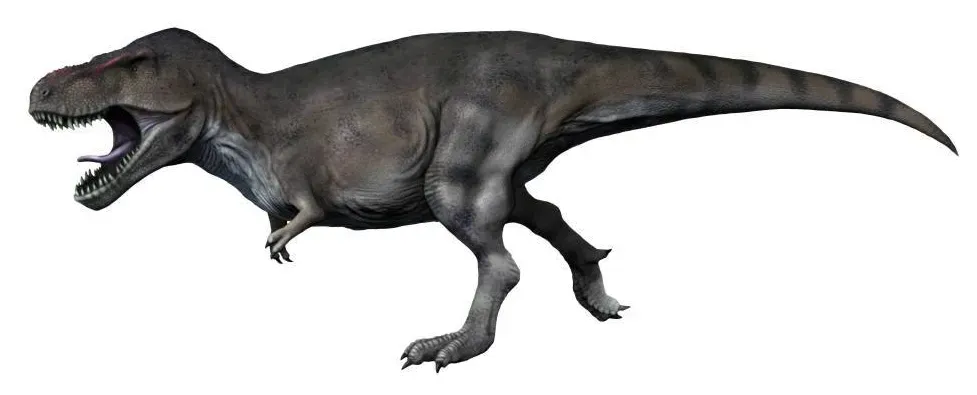
A study obtained estimates for Encephalization Quotients based on reptiles and based on birds, and concluded that Tyrannosaurus had the relatively largest brain of all adult non-avian dinosaurs with the exception of certain small maniraptoriforms. This wasn’t some dim-witted brute stumbling around the Cretaceous. CT scans of T-Rex skulls reveal that the parts of their brain responsible for processing visual information were highly developed, the visual cortex was proportionally larger than in most modern animals, and this advanced visual processing means they could detect subtle differences in their environment, like the shape of a human figure against the background landscape.
The combination of sensory processing power tells an important story. Fossil evidence shows that some of its sensory organs and processing centers were super-sized, giving this hunter exceptional abilities to track its prey. What emerges isn’t the mindless monster of popular imagination but rather a sophisticated apex predator equipped with an incredible array of tools for survival.
Conclusion
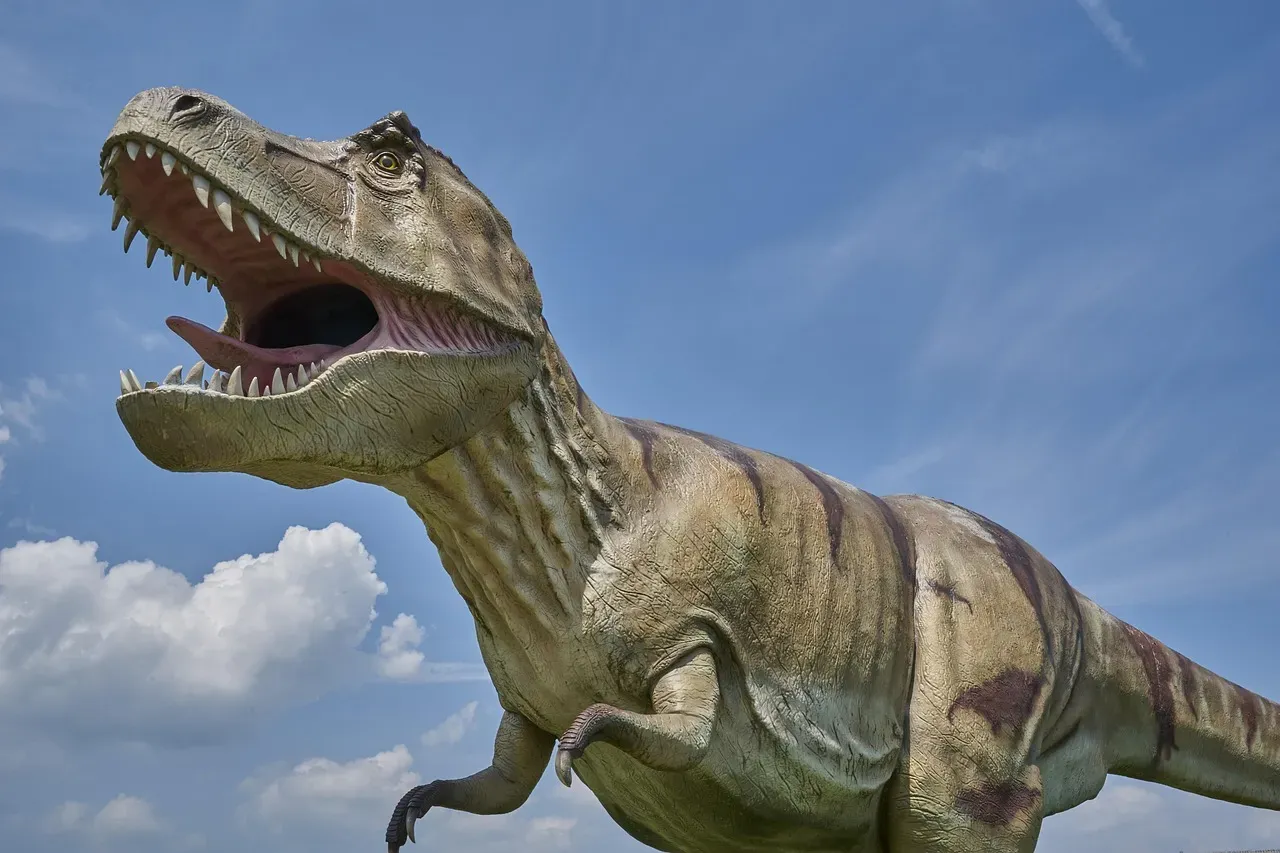
The real Tyrannosaurus rex turns out to be far more complex and fascinating than any movie could capture. It wasn’t the speed demon we imagined, couldn’t really see only movement, and might have hunted in packs while sporting potentially fluffy youngsters. Being limited to walking speeds contradicts arguments of high-speed pursuit predation for the largest bipedal dinosaurs like T-Rex, and demonstrates the power of multiphysics approaches for locomotor reconstructions of extinct animals.
What makes this creature truly remarkable isn’t the Hollywood myths but the incredible reality revealed through fossil evidence and modern science. From grapefruit-sized eyes to a nose that could track scents for miles, from a 40-year growth period to arms that might have kept them safe during feeding frenzies, every new discovery adds layers to our understanding. The truth about T-Rex proves that reality can be every bit as captivating as fiction. What do you think is the most surprising fact about this legendary predator?