You probably imagine dinosaurs as ancient giants that roamed the Earth for impossibly long stretches of time. Here’s the thing, though. While dinosaurs as a group dominated our planet for over a hundred million years, individual dinosaurs? Their personal lifespans were surprisingly short. Some barely made it past their teenage years, while others lived long enough to see generations come and go.
What caused these dramatic differences in lifespan remains one of paleontology’s most fascinating puzzles. It’s not as simple as you might think. Size mattered, sure, yet a T. rex never lived as long as an elephant does today despite being many times larger. The answer lies in a complex web of biology, behavior, and environmental pressures that shaped how long each species could survive in their prehistoric world.
Size Was a Major Player in the Longevity Game
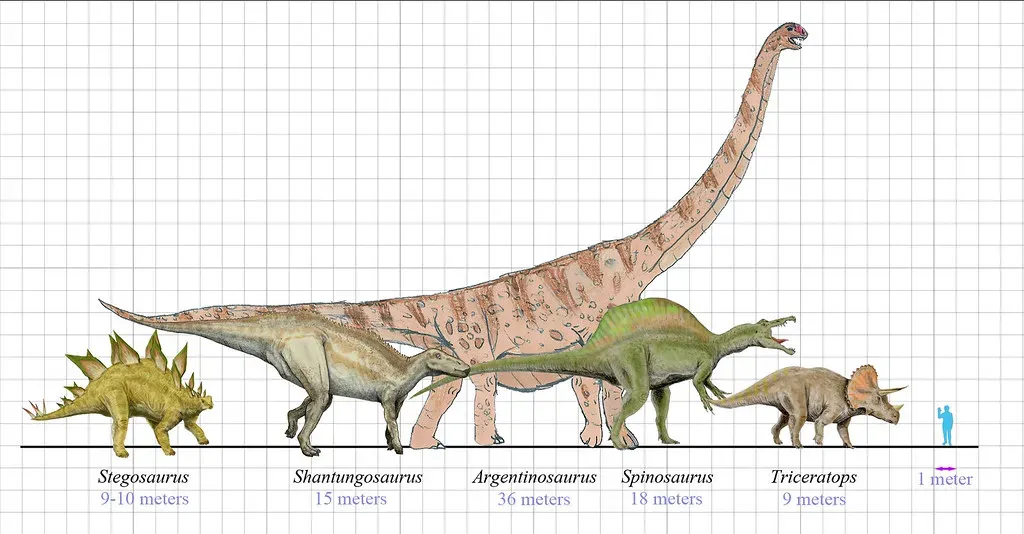
In general, larger dinosaurs tended to live longer than smaller dinosaurs. This pattern mirrors what you see in the modern animal kingdom, where elephants outlive mice by decades. Bigger animals tend to live longer than smaller ones, and the same generally holds true with dinosaurs.
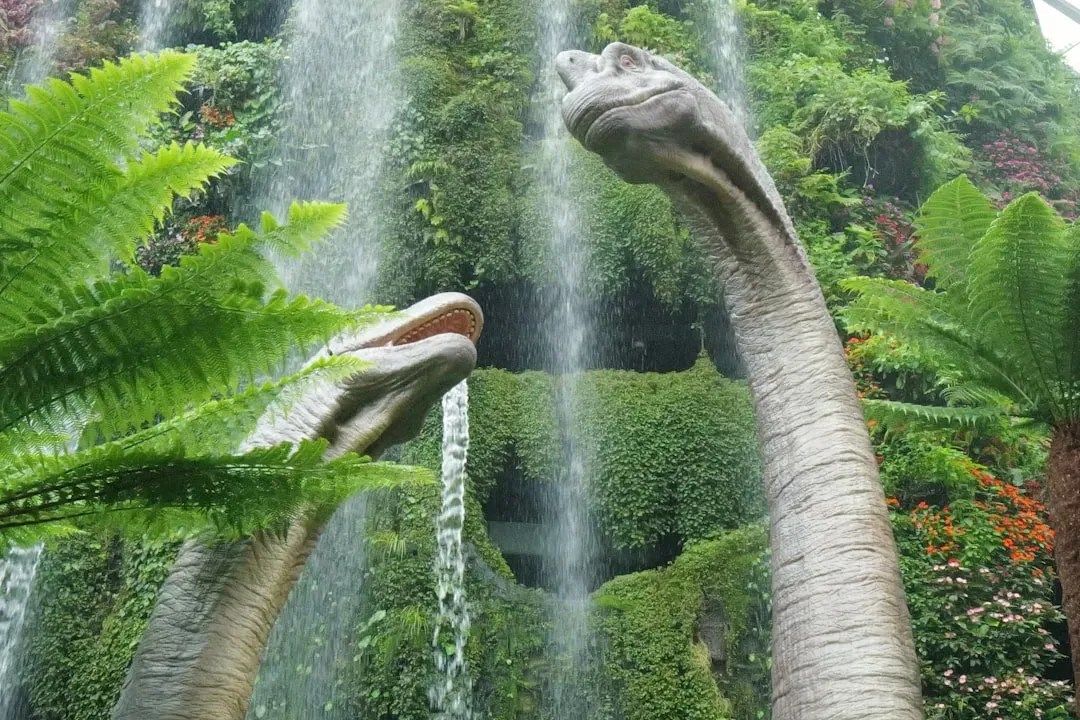
The massive sauropods represent the clearest example of this trend. These sauropods lived for approximately 100 years, partly due to their large size. Smaller species like duck-billed dinosaurs painted a starkly different picture. Herbivorous duck-billed dinosaurs, meanwhile, seem to have lived for only one or two decades. Think about that contrast for a moment. A creature weighing as much as ten cars might live five times longer than one the size of a large horse.
Metabolism Shaped How Fast They Burned Through Life
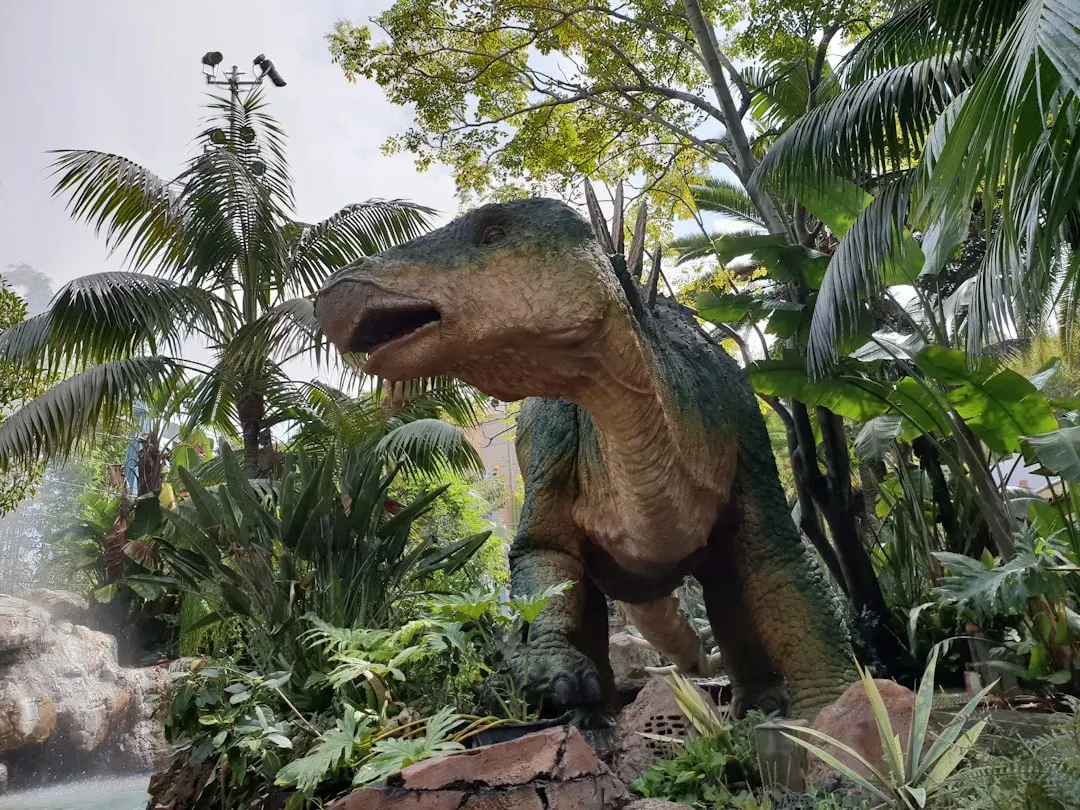
In living animals, lifespan depends mainly on size and metabolism. For instance, reptiles with slow metabolisms tend to have longer life spans than warm-blooded birds and mammals of the same size. This metabolic connection became critical for dinosaurs. Some dinosaurs were at least partially warm-blooded, and they would have had incredibly fast metabolisms for reptiles, which could have led to rapid growth and early deaths.
Imagine running your body’s engine at maximum speed constantly. That’s essentially what faster metabolisms meant for certain dinosaurs. The Brachiosaurus’s long lifespan could be due to its slow movement, which was likely a result of its size. Since it was slower, it also had a lower metabolic rate, which helped it conserve energy over time. The trade-off was straightforward: grow fast, die young, or grow slowly and potentially live longer.
Growth Rings Tell the Hidden Story of Dinosaur Ages
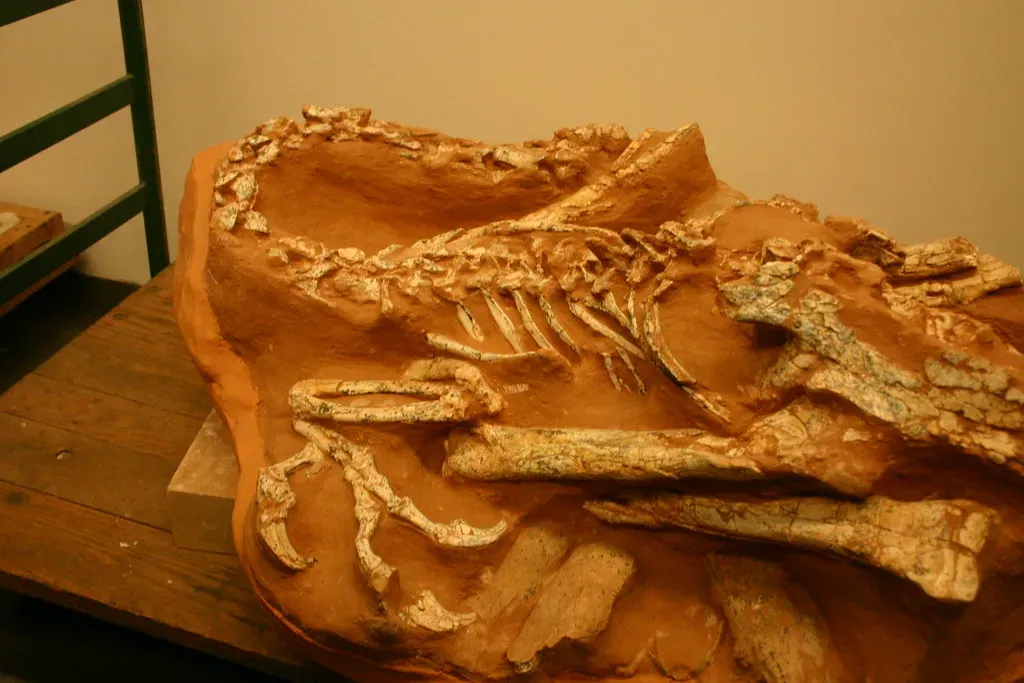
Scientists have developed clever ways to peek into dinosaur lifespans using fossilized bones. Scientists can measure the age of some dinosaur species from the growth rings inside fossil bones, much as you can tell the age of a tree by the rings inside its trunk. These rings form annually as the dinosaur’s growth slowed during harsh seasons.
The Chicago Field Museum’s fearsome Sue, one of the most complete Tyrannosaurus rex specimens ever discovered, died at age 33, her growth rings indicate. However, the technique has limitations. This technique doesn’t work well on many species, because their bones grew continuously and don’t have neat growth rings. Bone remodeling in older animals sometimes erased the earliest growth markers, meaning scientists could only establish minimum ages rather than exact lifespans.
The Sauropods Were the Ancient World’s Centenarians
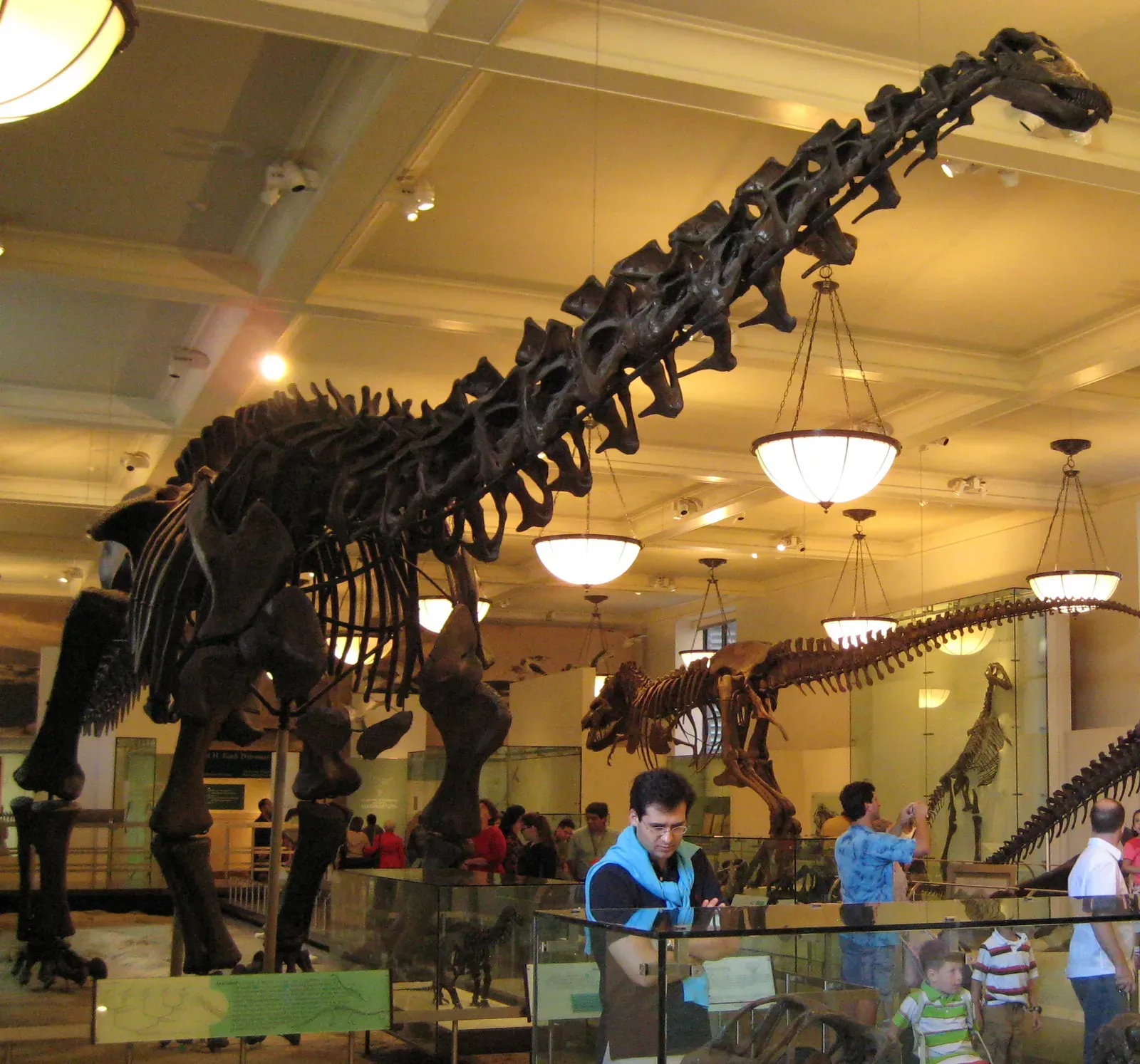
Sauropods – a group of long-necked leaf eaters that includes the largest dinosaurs that ever lived – likely had the longest lives of all of the dinosaurs, with the oldest-known sauropods living to around 60 years old. Some estimates push even higher. It has been estimated that the huge sauropods, like Apatosaurus, Brachiosaurus, Diplodocus, and Supersaurus lived to be roughly 100 years old.
The reality probably fell somewhere in between these estimates. The consensus is now that Apatosaurus and Diplodocus dinosaurs probably only lived for 70 or 80 years, which is about the same as an elephant today. Earlier estimates had been wildly optimistic. Early estimates of 300-year lifespans for the largest sauropods were based on comparisons with crocodiles and turtles, which have much slower metabolisms. Those calculations assumed dinosaurs were cold-blooded like modern reptiles, which we now know wasn’t quite accurate.
Predators Lived Fast and Died Relatively Young
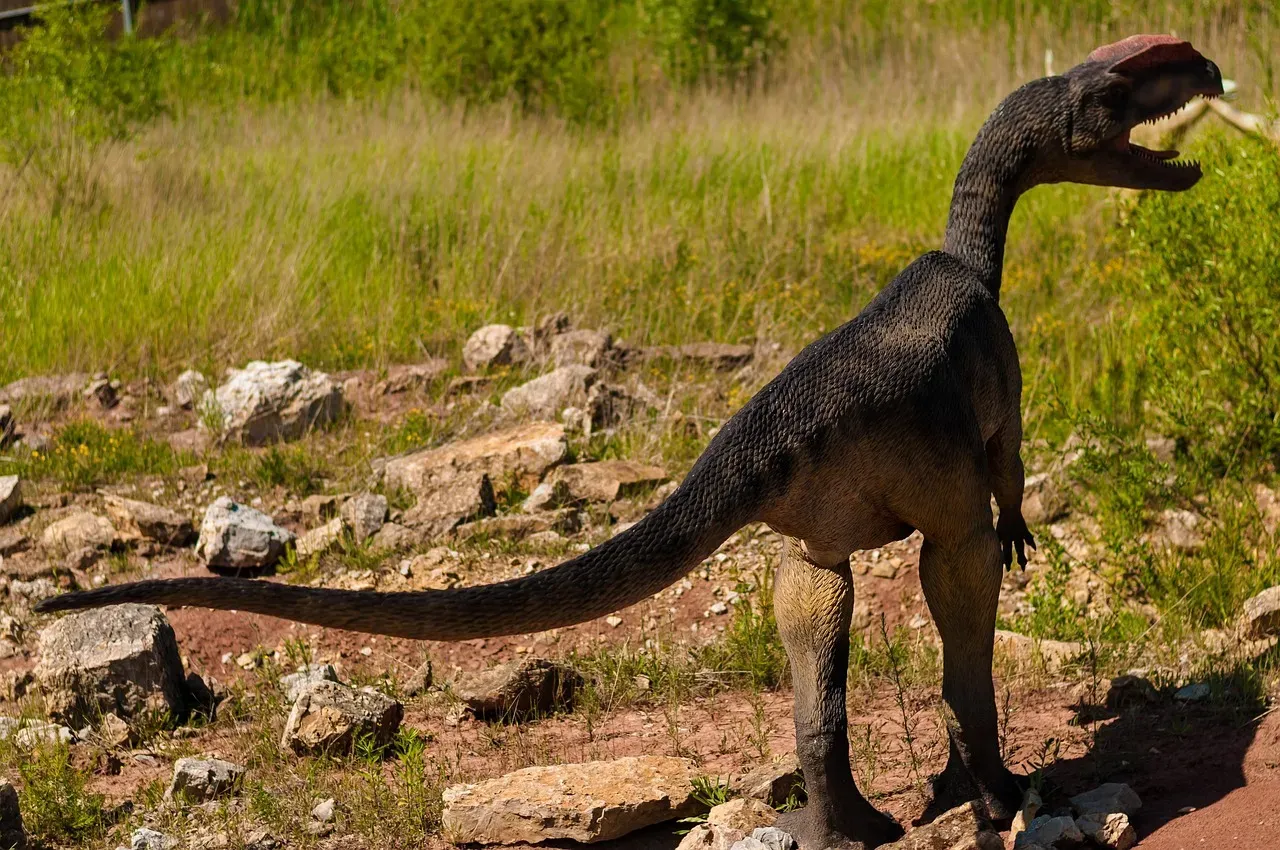
The fearsome carnivores of the dinosaur world rarely reached old age by modern standards. Recent research has challenged earlier assumptions about T. rex lifespans. Bones from 17 specimens indicate that these hulking predators actually stopped growing sometime between 35 and 40 years old. This represented a longer life than previously thought, though still shorter than their herbivorous contemporaries.
Other theropods fared even worse. Remains of Allosaurus reveal a very short, 10-15 year lifespan in their bones, and detail many injuries and possible incidents that created them. However successful the group was in their time, individual animals, had paltry life-expectancies, when compared with the possible centenarian Herbivorous Dinosaurs. The dangerous lifestyle of an active predator took its toll through injuries, infections, and the constant energy demands of hunting.
Reproduction Strategies Influenced Longevity
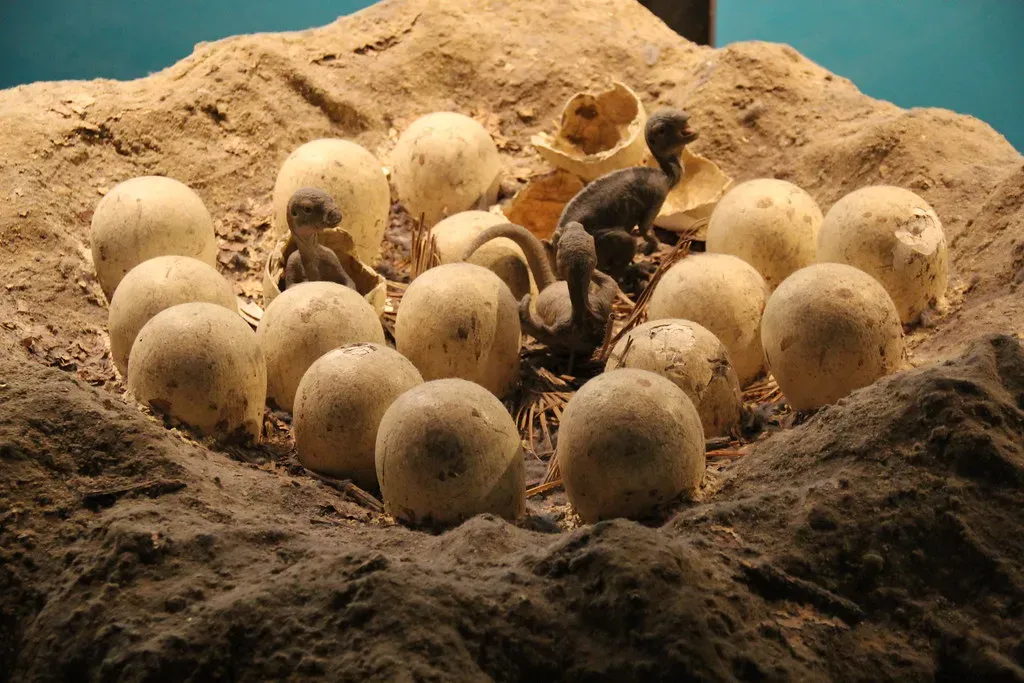
Many dinosaurs produced very large clutches of eggs, which meant they produced a lot of offspring in a short period of time. This reproductive strategy had profound implications for lifespan. Long-lived mammals, on the other hand, such as elephants and whales, reproduce more slowly, so natural selection would reward longer life spans.
Let’s be real here: if you’re producing dozens of offspring quickly, evolution doesn’t necessarily favor keeping you around for decades. Smaller dinosaurs, with short lives, probably had fast life cycles with many young. In contrast, larger dinosaurs lived long and had fewer offspring but invested more in their care. The trade-off between quantity and parental investment directly shaped how natural selection influenced dinosaur lifespans across different species.
Environmental Pressures Cut Lives Shorter Than Biology Allowed
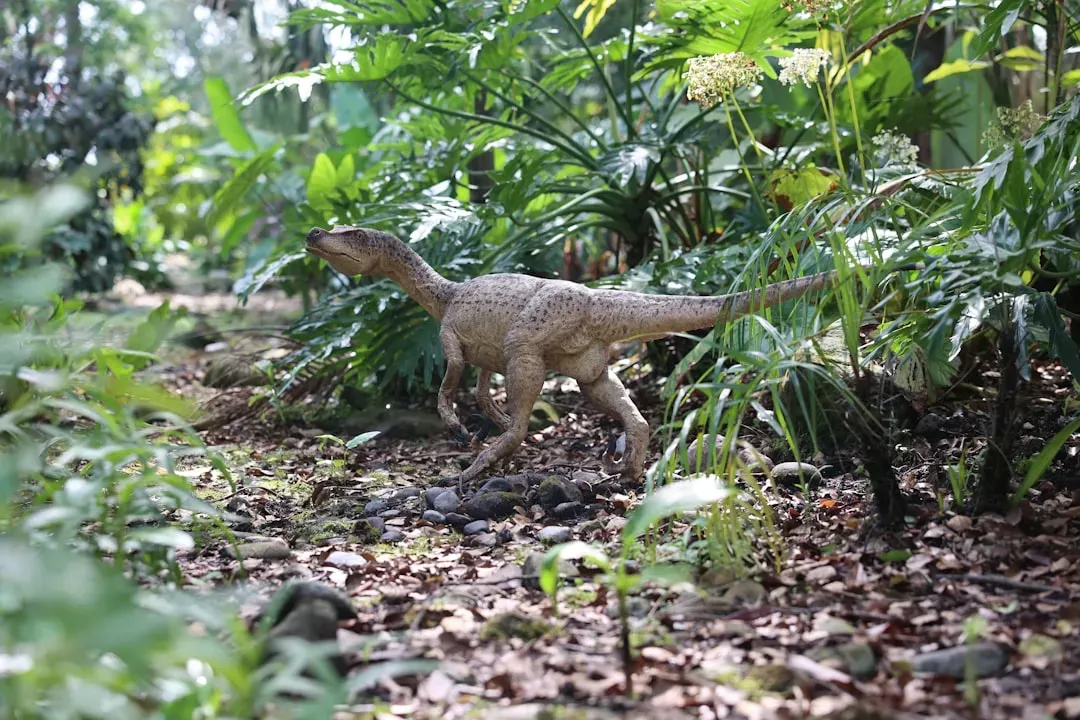
Predation was probably responsible for the high death rate of very young dinosaurs and sexual competition for the high death rate of sexually mature dinosaurs. Even dinosaurs with the biological potential for long lives rarely achieved their maximum age. The Mesozoic world was unforgiving, filled with dangers from predators, disease, and competition.
Climate played a pivotal role in the lifespan of species. Dinosaurs encountered numerous climate shifts. Warm periods could boost food supply, aiding in growth and longevity. Cold snaps, on the other hand, likely made survival tougher for these giant reptiles. Food scarcity during climate fluctuations could stunt growth or lead to starvation, particularly for the enormous sauropods that required massive amounts of vegetation daily.
Growth Rates Determined How Quickly They Reached Maturity
Many dinosaurs, particularly large theropods, hadrosaurs and sauropods, probably grew very quickly during the early years of life and slowed as they reached adulthood. However, it appears they had unique growth patterns that were faster than living reptiles but slower than most living mammals or birds. This intermediate growth strategy had direct consequences for their lifespans.
One skeleton of the hadrosaur Hypacrosaurus concluded that this dinosaur grew even faster, reaching its full size at the age of about 15; the authors found this consistent with a life-cycle theory that prey species should grow faster than their predators. The faster you grew to adult size, the sooner you escaped the vulnerable juvenile stage. Yet this rapid growth came at a cost: it burned through biological resources that might otherwise have extended lifespan beyond maturity. It’s hard to say for sure, but the evidence suggests this represented a calculated evolutionary trade-off.
Conclusion: A Complex Puzzle With No Single Answer
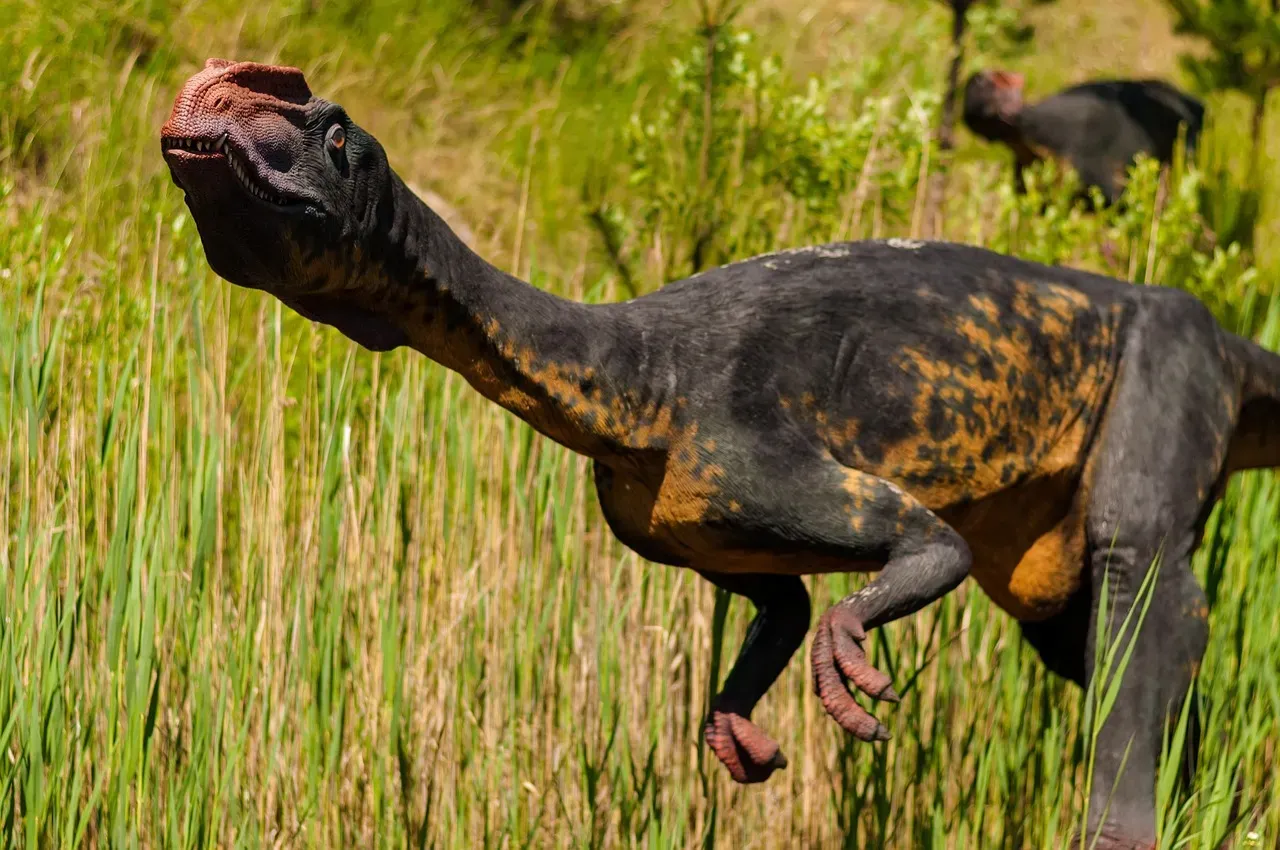
The truth about dinosaur longevity defies simple explanations. Size provided a foundation for longer life, yet metabolism, growth strategies, reproduction patterns, and environmental dangers all played crucial roles. A massive sauropod might live to 80 or even 100 years through slow metabolism and sheer size, while a similarly sized T. rex barely reached 40 due to its more active lifestyle and faster metabolism.
Modern paleontology continues to refine these estimates as new techniques reveal hidden details in fossilized bones. What remains clear is that dinosaur lifespans varied as dramatically as the creatures themselves, from the brief decade-long lives of small predators to the near-century spans of the largest herbivores. Each species evolved the lifespan that best suited its ecological niche and survival strategy in a world vastly different from our own.
What surprises you most about how briefly these giants actually lived? Did you expect creatures that dominated Earth for so long to have much longer individual lifespans?