When you think about ancient oceans, your mind probably jumps to massive marine reptiles gliding through murky depths, or perhaps prehistoric sharks prowling primordial waters. You’re picturing giants. Yet honestly, some of the most stunning inhabitants of those ancient seas were organisms so small they’d fit on the head of a pin, invisible to any creature without a microscope. These microscopic sea-dwelling organisms existed from Cambrian times, roughly 500 million years ago, right up to today.
Picture this: long before dinosaurs walked the continents, when much of what we now call North America lay submerged beneath shallow tropical seas, the waters teemed with billions upon billions of tiny sculptors. Radiolarians built intricate mineral skeletons made of silica, typically measuring between 0.1 and 0.2 millimeters. Think of them as nature’s glassblowers, crafting ornate structures with a precision that would make any artisan jealous. Let’s dive into a world you’ve likely never considered, where beauty existed on a scale almost too small to comprehend.
Architects in Glass: The Silica Sculptors
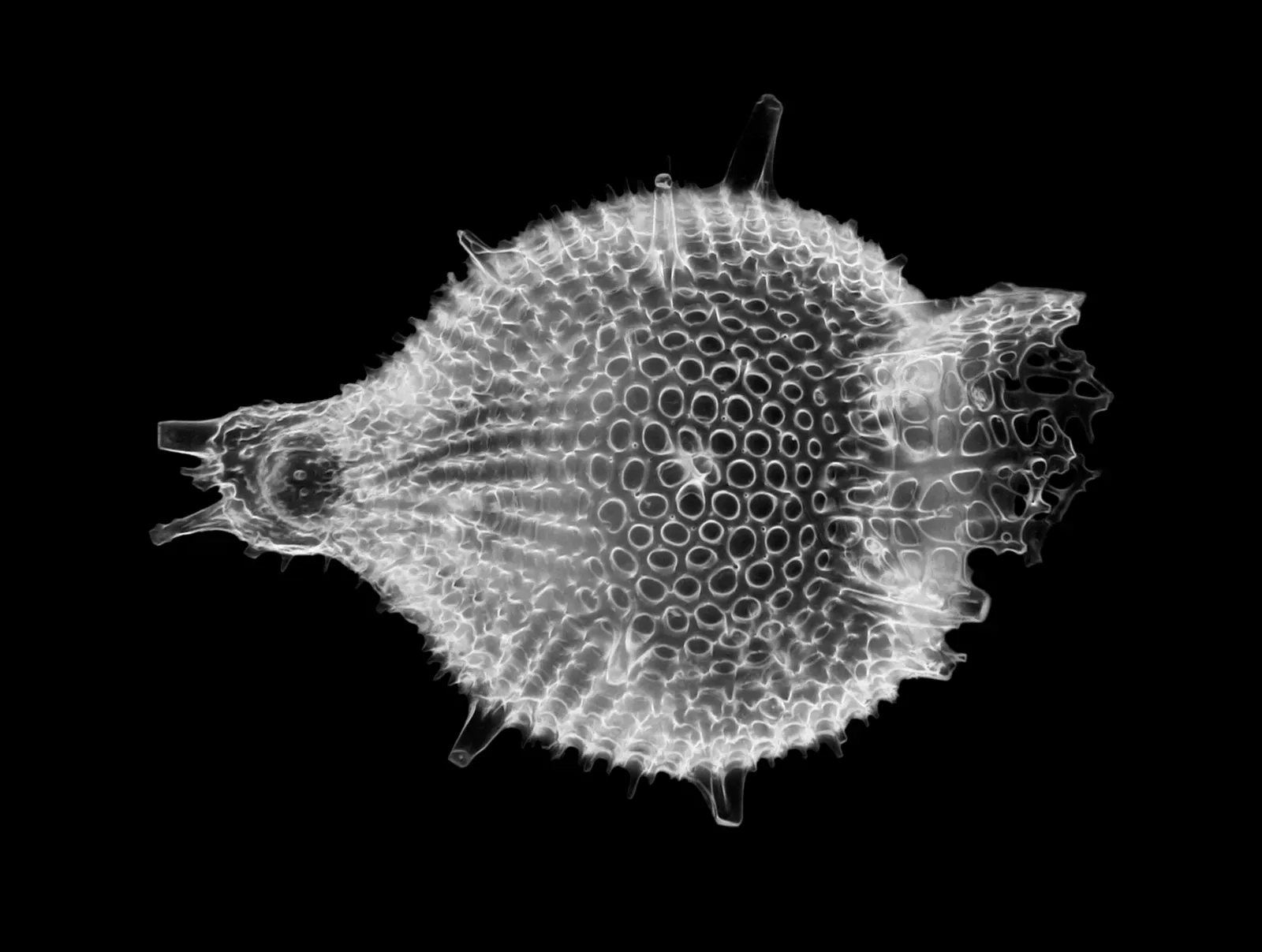
Radiolarians represent an important diagnostic fossil found from the Cambrian onwards due to their rapid change as species and intricate skeletons. These single-celled organisms were everywhere in ancient American waters, from shallow coastal zones to the deep offshore realms.
Their skeletons weren’t just functional protective shells. The skeletal remains of radiolarians make up a large part of the ocean floor as siliceous ooze. Imagine countless trillions of these microscopic glass sculptures raining down through the water column over millions of years, accumulating in layers that would eventually become rock. Some of those rocks exist in North America today, silent testimony to ancient abundance.
The Button Makers: Coccolithophores and Their Chalky Plates
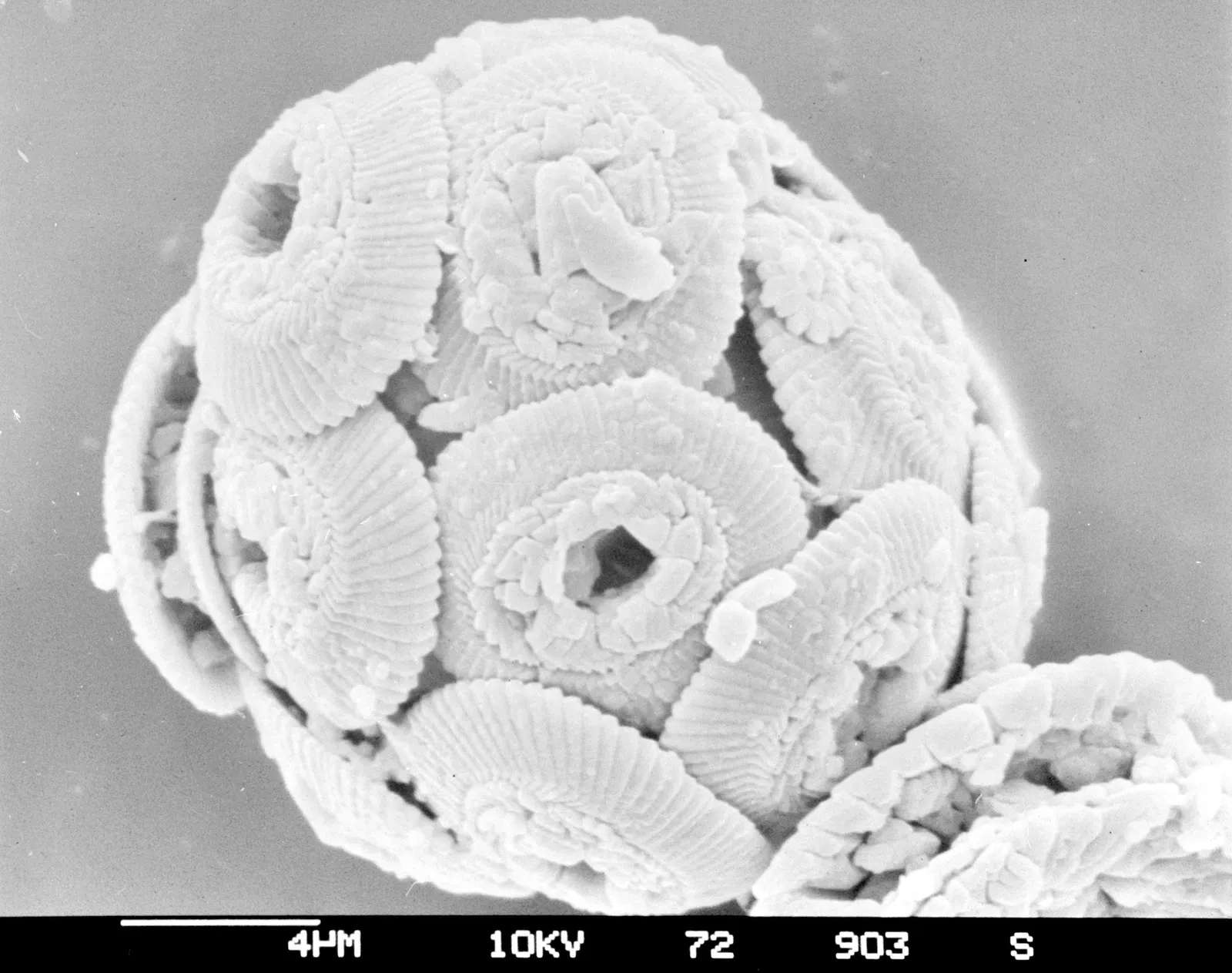
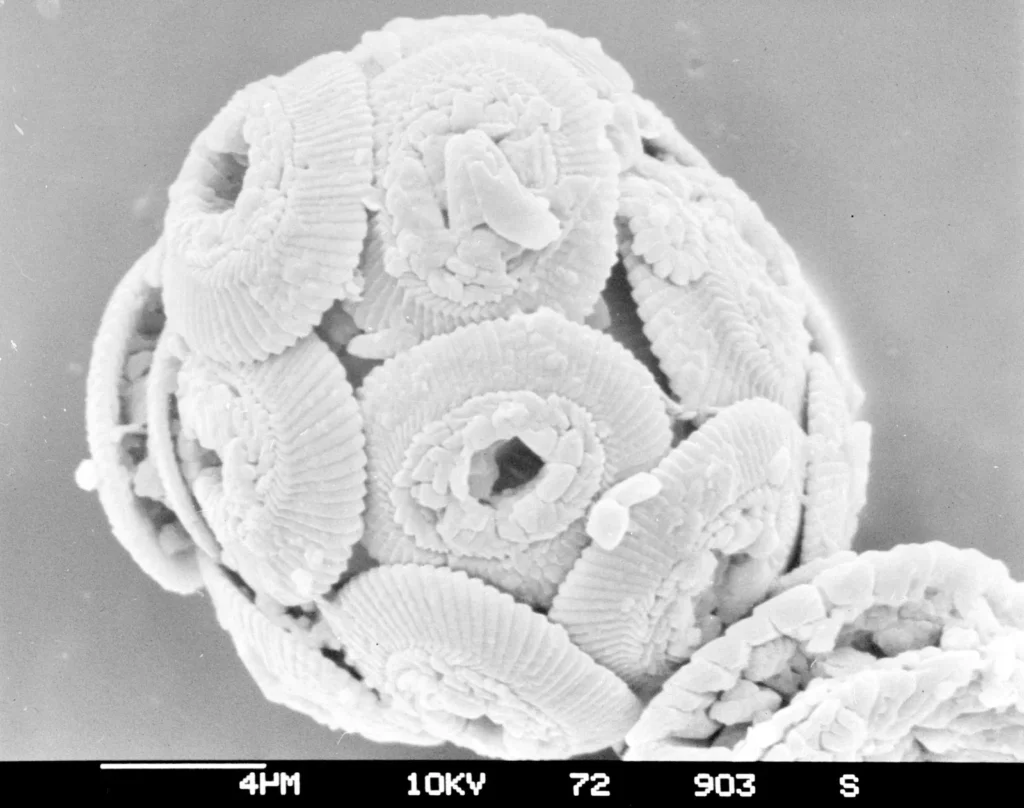
Mesozoic seas experienced a radiation of microscopic plants such as coccolithophores, single-celled algae that secreted button-shaped plates around them, which settled to the seafloor after death and accumulated to form chalk. These weren’t present in the earliest prehistoric American oceans, emerging much later in geological time.
Coccolithophores are the most productive calcifying organisms on the planet, covering themselves with calcium carbonate shells when cells arrange interlocking coccoliths to completely cover their surface. Think of them as microscopic armor-plated spheres, each plate intricately patterned. Most of the world’s chalk deposits are made of solid microfossils, meaning those white cliffs you might see today could be composed almost entirely of these ancient, beautiful creatures.
Living Labyrinths: Foraminifera’s Spiral Chambers
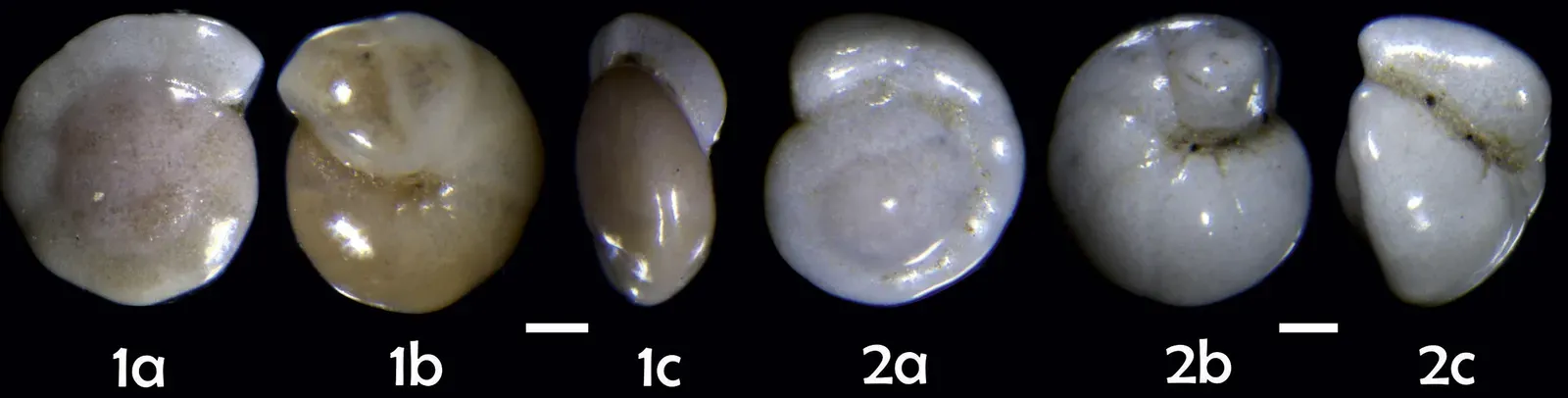
Here’s where things get really wild. Foraminifera are amoeba-like, single-celled protists that secrete tiny shells usually between about half and one millimeter long. I know it sounds crazy, but these organisms built multi-chambered homes for themselves, adding new rooms as they grew.
New species of foraminifera replaced Paleozoic forms, and one group, the free-floating Globigerinids, first appeared in the Jurassic and underwent huge evolutionary radiation in the Cretaceous, building shells out of spiral arrangements of bubble-shaped chambers from which long, fingerlike projections radiated. Picture tiny nautilus shells, coiled in perfect spirals or arranged like miniature snail shells, each one a mathematical marvel. Fossilized tests are found in sediments as old as the earliest Cambrian, about 545 million years ago.
The variety is staggering. Some species built their chambers in straight rows, like beads on a string, while others preferred spirals that could make your head spin trying to understand their geometry.
Glassy Needles and Shields: Radiolarian Diversity
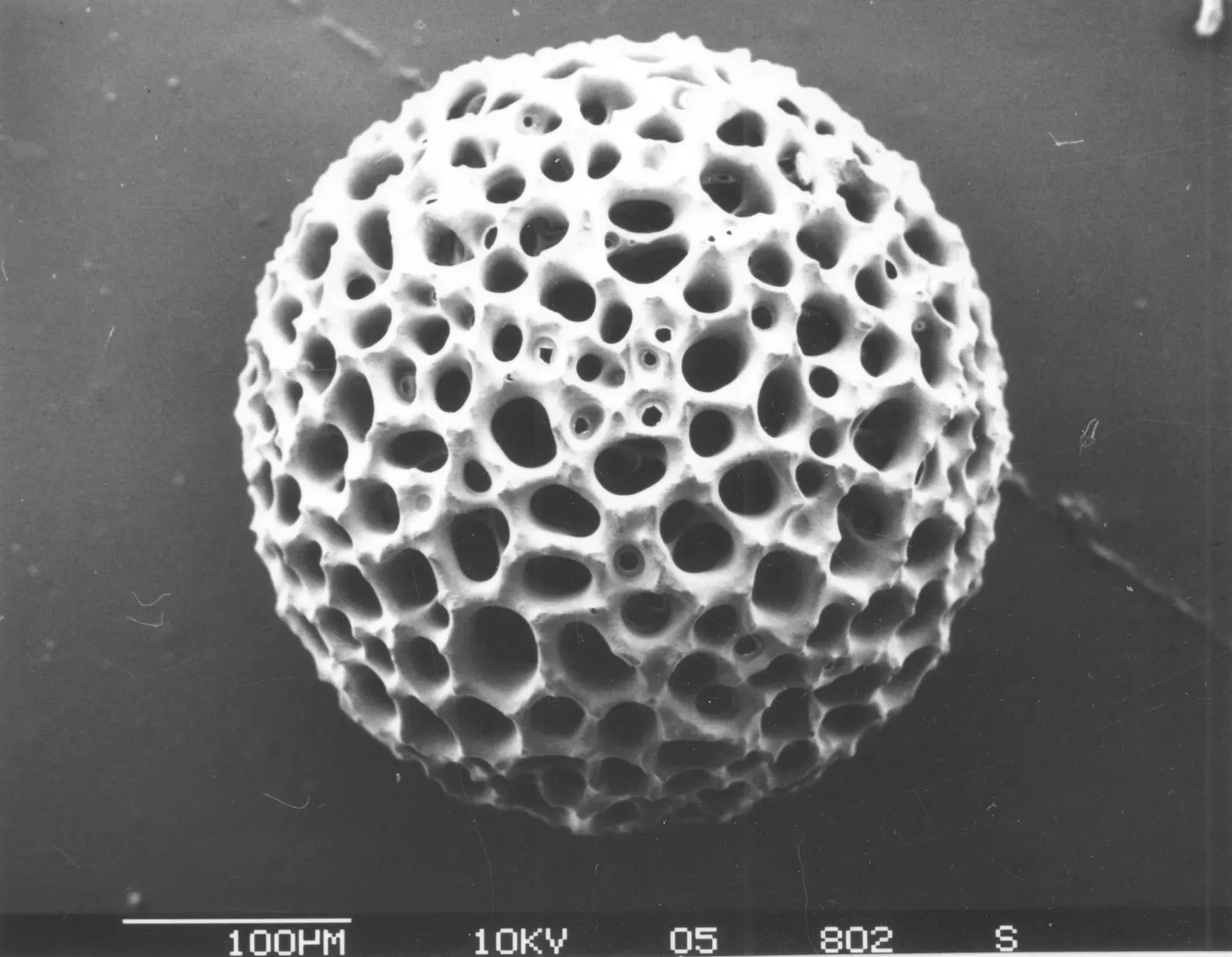
Let’s be real: radiolarians might be the most underappreciated artists in Earth’s history. The earliest known radiolaria date to the very start of the Cambrian period, appearing with the first small shelly fauna, with different silica lattice structures and few, if any, spikes on their tests compared to later forms.
The shapes these organisms created defy easy description. Some looked like perfect geometric spheres covered in spines radiating outward like tiny glass stars. Others resembled elaborate lattice-work cages or delicate helmets. About ninety percent of known radiolarian species are extinct, meaning most of these architectural masterpieces existed only in deep time, vanished forever except for their fossilized remains.
Ancient Abundance in American Waters
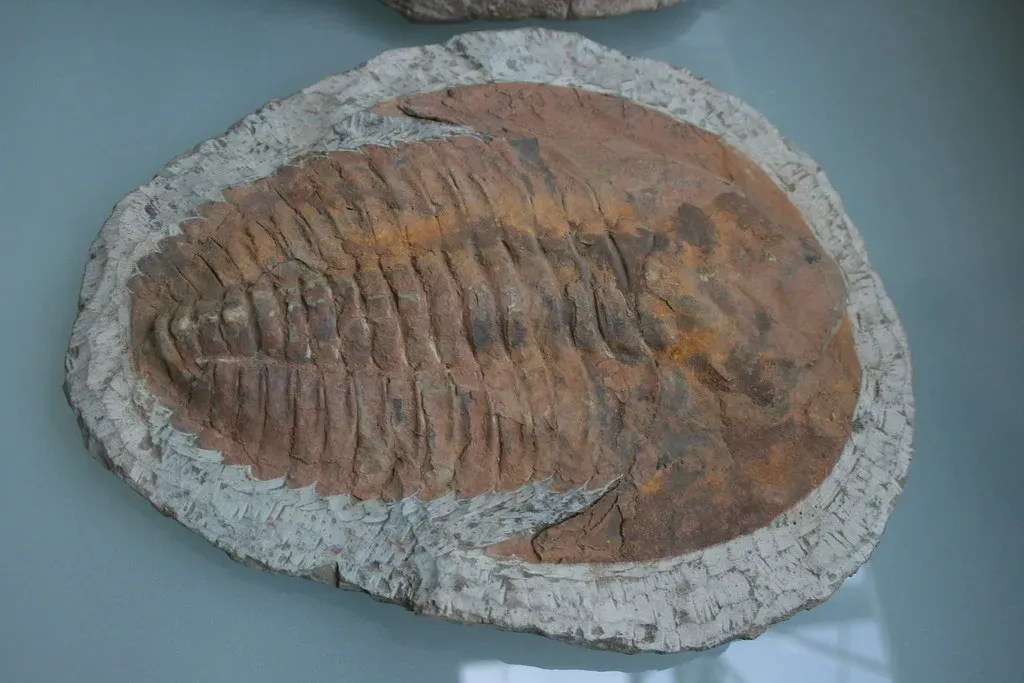
During the Paleozoic Era, fish diversified and marine organisms were very abundant, characterized in North America by multiple advances and retreats of shallow seas and repeated continental collisions. These fluctuating conditions created ideal environments for microfossil communities to thrive.
During this era, seas flooded the continents and receded several times. When waters covered large portions of what would become the American continents, conditions were often perfect for microscopic plankton. Warm temperatures, abundant nutrients washing from the land, and stable water columns allowed these tiny organisms to bloom in numbers almost beyond comprehension. A single cubic meter of water could contain millions of individual cells, each one a living work of art.
Fossilized Beauty Preserved in Stone
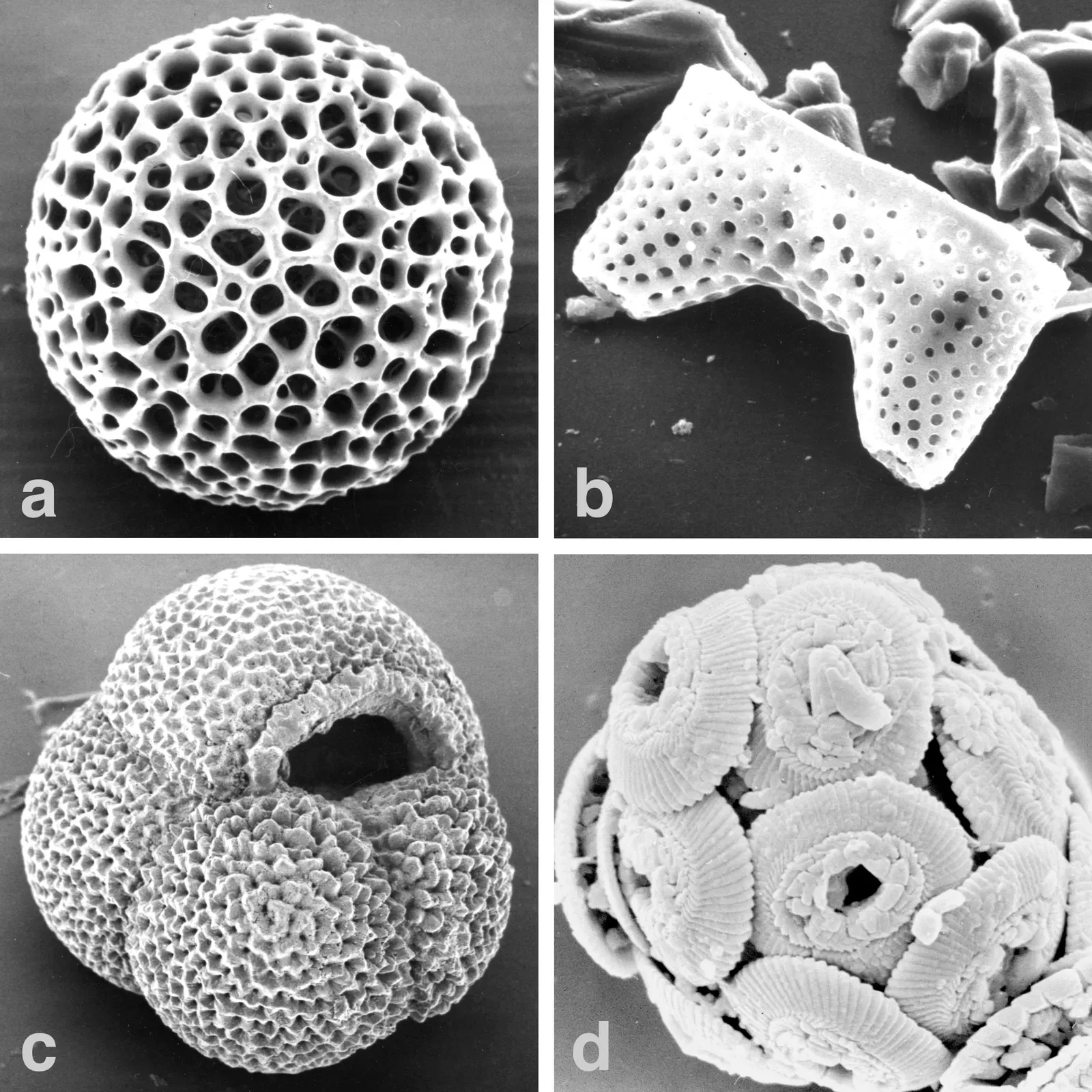
These include foraminifera, dinoflagellates and radiolarians, and paleontologists are interested in these microfossils because they can determine how environments and climates have changed in the past. Throughout regions that were once covered by ancient seas, you can find layers of sedimentary rock packed with these microfossils.
Siliceous oozes are largely composed of silica-based skeletons of microscopic marine organisms such as diatoms and radiolarians, and other components near continental margins may include terrestrially derived silica particles and sponge spicules. Some rock formations in North America are essentially compressed time capsules of microscopic beauty. Under magnification, a small chip of certain sedimentary rocks reveals thousands upon thousands of intricate forms, each one testament to a life lived hundreds of millions of years ago.
The Legacy of Invisible Giants
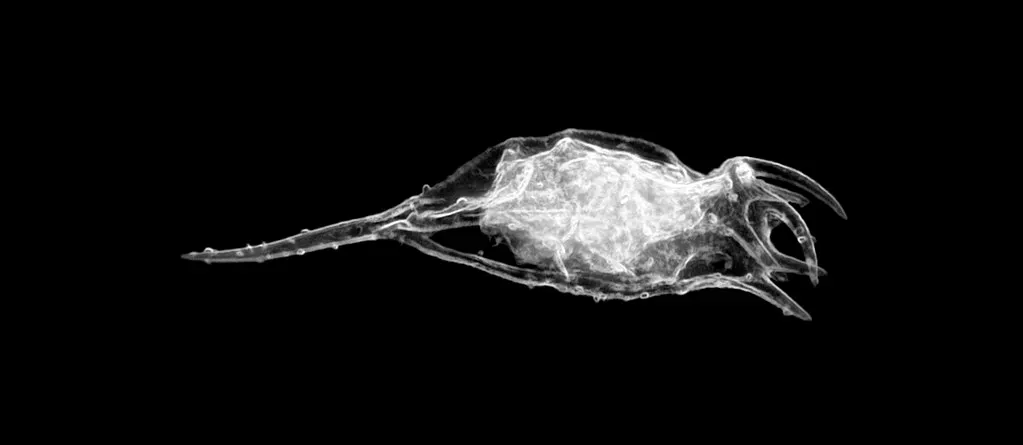
More than 60 percent of the world’s oil began as microscopic marine plankton in the Jurassic and Cretaceous. So in a very real sense, these beautiful organisms didn’t just populate ancient seas – they literally fuel modern civilization. Every time you fill your car with gasoline, you’re using energy originally captured by microscopic plankton in prehistoric oceans.
These organisms did more than create fossil fuels. They helped regulate ancient ocean chemistry, served as the foundation of marine food webs, and through their accumulation on the seafloor, contributed to the very rocks that would eventually form mountain ranges and continents. Their beauty wasn’t just aesthetic – it was functional, ecological, and ultimately geological.
When you hold a piece of limestone or chalk in your hand today, you’re holding the compressed remains of countless billions of these microscopic marvels. Each organism lived, reproduced, built its ornate shell, and died, drifting down through ancient waters to rest on seafloors that no longer exist. Their unexpected beauty challenges our assumption that grandeur requires size. Sometimes the most extraordinary artistry in nature operates at scales we can barely perceive.
What other wonders might be hiding in plain sight, waiting for us to look closer?