Imagine walking through the Amazon rainforest and realizing the soil beneath your feet is, in a very real sense, still grieving the loss of woolly mammoths, giant ground sloths, and massive elephant-like creatures that vanished thousands of years ago. It sounds like something out of a science fiction story, but the science is startlingly real. The creatures we have long considered ancient history are, in fact, deeply embedded in the living world you inhabit today, from the composition of your forests to the very nutrients flowing through global river systems.
You might assume that the disappearance of prehistoric giants was simply nature running its course, a distant chapter sealed shut forever. You would be wrong. Every forest walk, every grassland you cross, every fire season you read about in the news carries the fingerprints of an extinction event that reshaped life on Earth in ways scientists are still scrambling to fully understand. Let’s dive in.
A World That Was Teeming With Giants
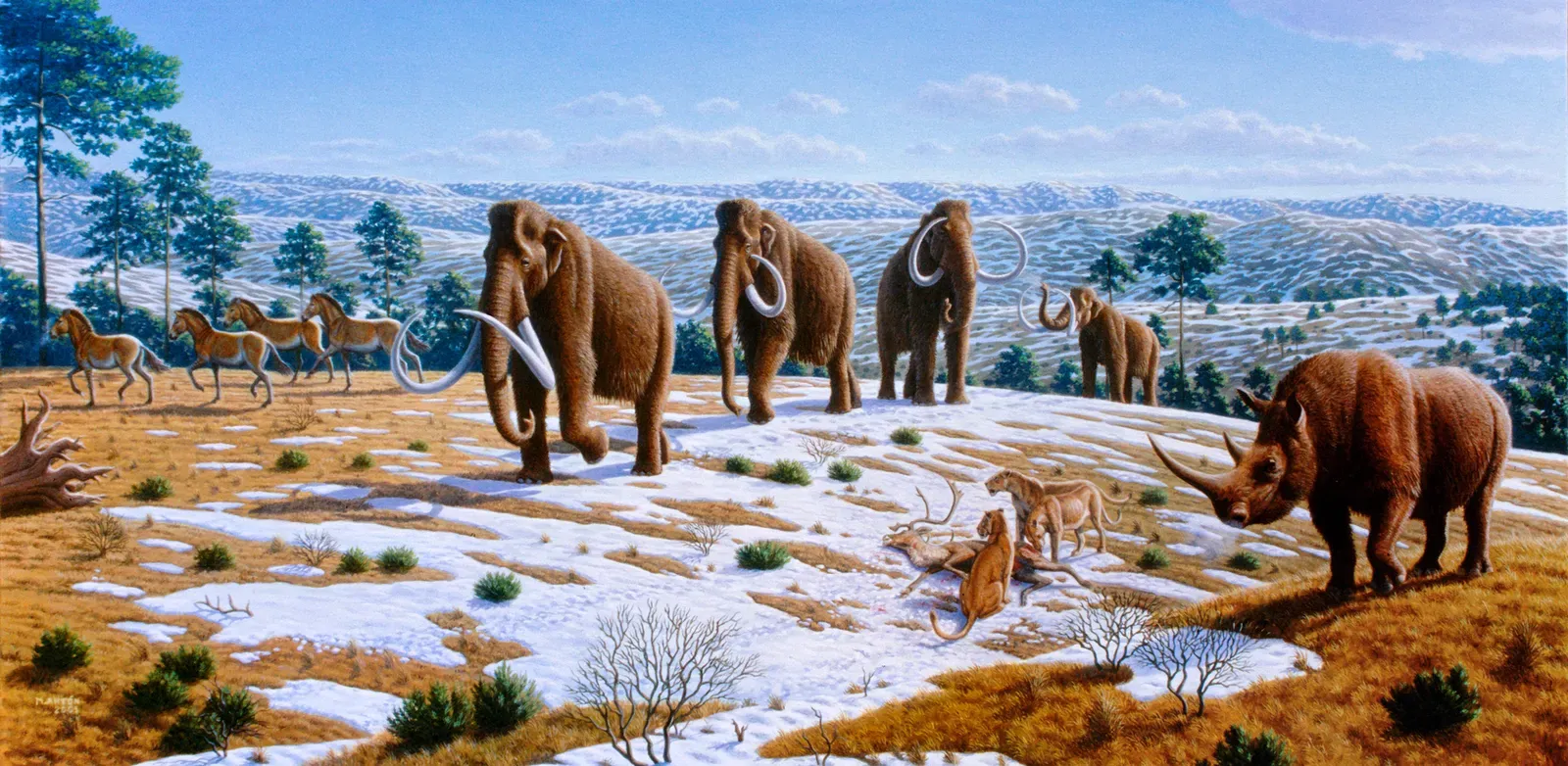
Before you picture the world as it is now, erase it. Replace it with a planet overflowing with creatures of staggering size. Earth has lost approximately half of its large mammal species over the past 120,000 years, resulting in what scientists describe as impoverished megafauna communities worldwide. Think about that for a second. Nearly half the planet’s big mammals, gone.
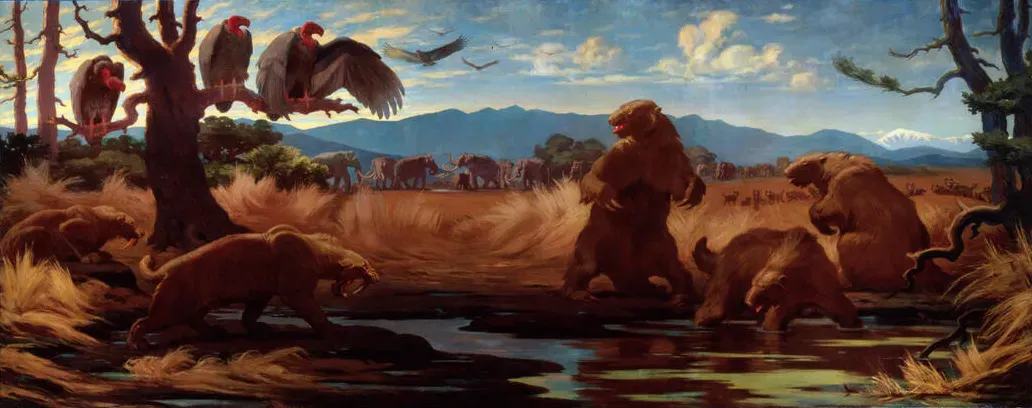
About 13,000 years ago, North America alone had a mammal megafauna community more diverse than modern-day Africa, featuring woolly mammoths, llamas, camels, ground sloths, short-faced bears, Smilodon, and cave lions. Africa, the continent you might think of as the ultimate wildlife destination today, was actually outdone by prehistoric North America. That fact alone should stop you in your tracks.
The Great Disappearing Act: What Wiped Them Out?
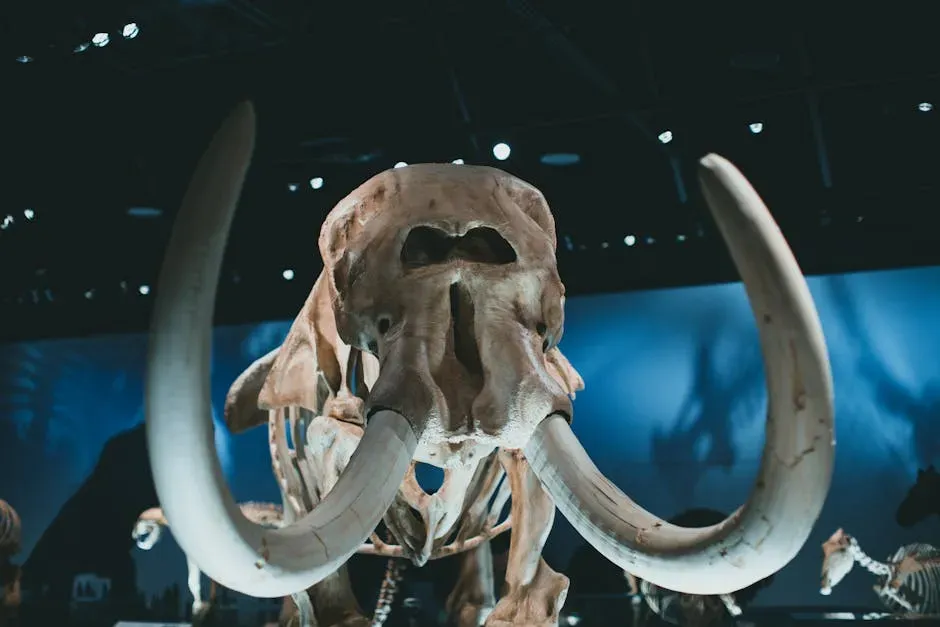
Here’s the thing about the great megafauna extinction: it is one of the most fiercely debated events in all of science. The disappearance of many megafauna at the end of the Pleistocene is a contentious topic, with most researchers falling into three broad camps that emphasize human overhunting, climate change, or some combination of the two. Honestly, both sides have compelling arguments, and the truth is probably messier than either camp admits.
One of the most telling patterns is that extinction timings closely matched the timing of human arrival. The timing of megafauna demise was not consistent across the world; instead, it coincided closely with the arrival of humans on each continent. These large animals were particularly vulnerable to overexploitation because they have long gestation periods, produce very few offspring at a time, and take many years to reach sexual maturity. A slow reproductive rate meant they simply could not bounce back fast enough.
Vacant Niches: The Ecological Holes Left Behind
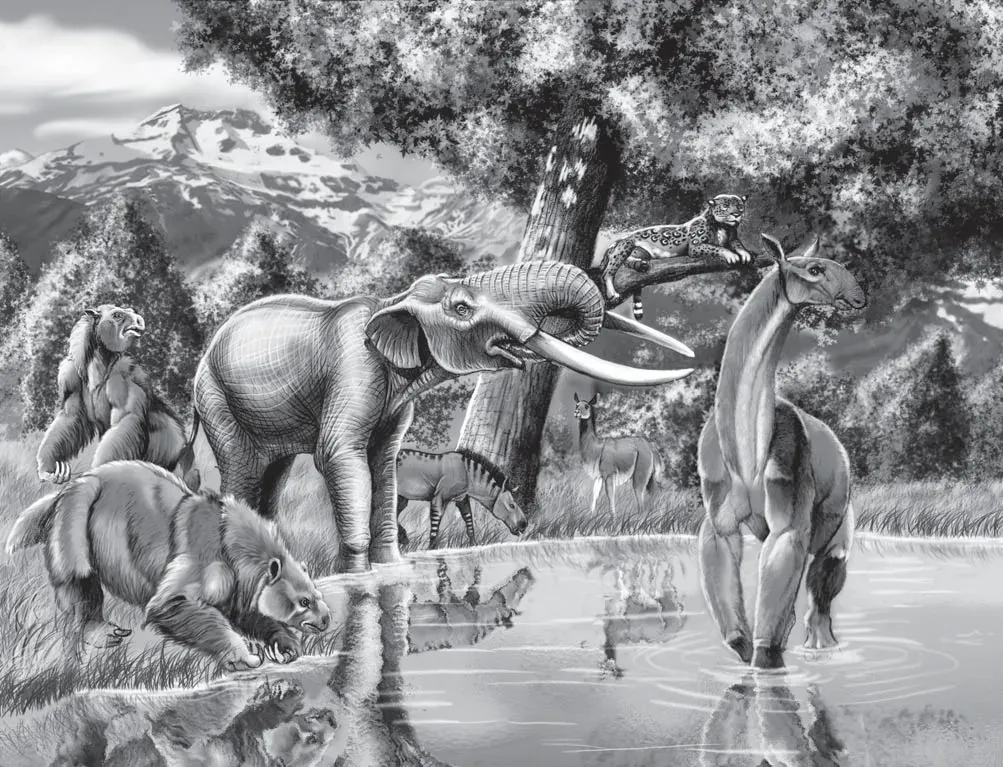
When you lose a creature, you do not just lose that animal. You lose everything it did for its environment, and those roles do not simply get reassigned. The extermination of megafauna left many niches vacant, which has been cited as a key explanation for the vulnerability and fragility of many ecosystems to destruction in the later Holocene extinction. It is like removing a load-bearing wall from a building. Everything around it starts to shift.
Research has found that the consequences of the loss of megafauna were pervasive, leaving legacies detectable in all parts of the Earth system, and the ecological roles that extinct megafauna played are not replicated by smaller-bodied animals. This is a crucial point. You cannot simply swap a mammoth for a deer. The functions these giants performed existed at a completely different scale, and nothing alive today fills that gap completely.
The Nutrient Catastrophe You Never Heard About
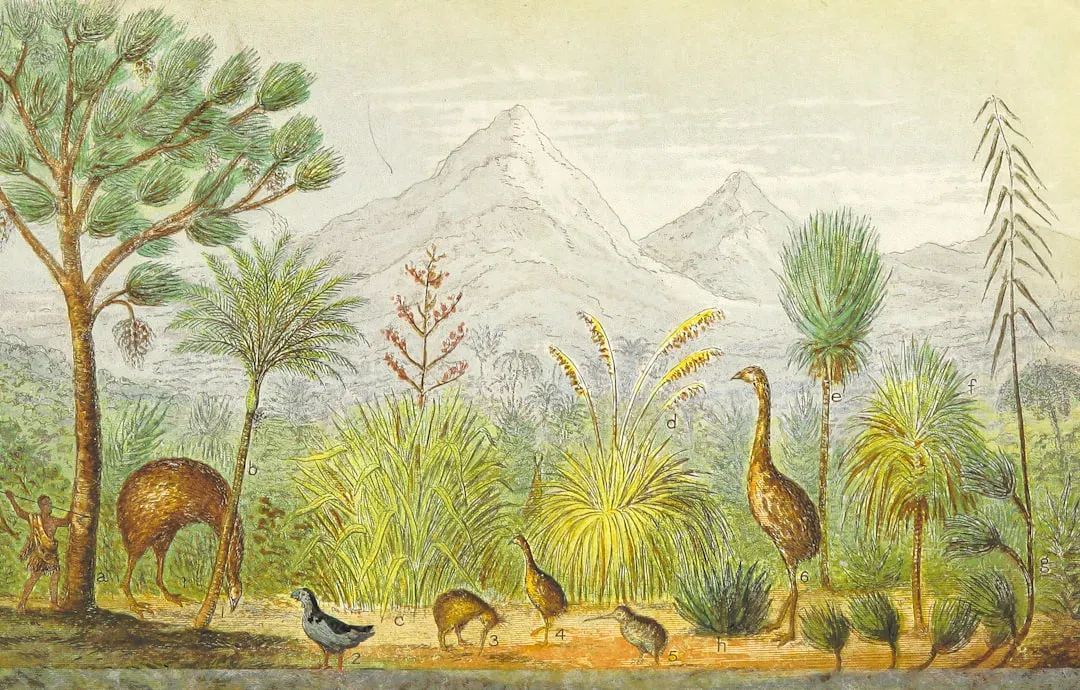
You probably learned in school that nutrients cycle through ecosystems via decomposition and rainfall. What you were almost certainly never told is that enormous animals were once the world’s most important nutrient delivery system. Megafauna play a significant role in the lateral transport of mineral nutrients in an ecosystem, translocating them from areas of high abundance to areas of lower abundance through their movement between the time they consume the nutrient and the time they release it through elimination.
The scale of this loss is almost incomprehensible. Mathematical analyses suggest that the megafauna extinctions in Amazonia led to a reduction in the lateral flux of the limiting nutrient phosphorus, by transport of dung and bodies, by roughly 98 percent. This resulted in strong decreases in phosphorus availability in eastern Amazonia away from fertile floodplains, a decline which may still be ongoing. The current phosphorus limitation in the Amazon basin may be partially a relic of an ecosystem without the functional connectivity it once had. When you wonder why parts of the Amazon seem nutrient-poor despite being so lush, the ghosts of ancient giants are part of the answer.
Fire, Forests, and the Fruits That Lost Their Passengers
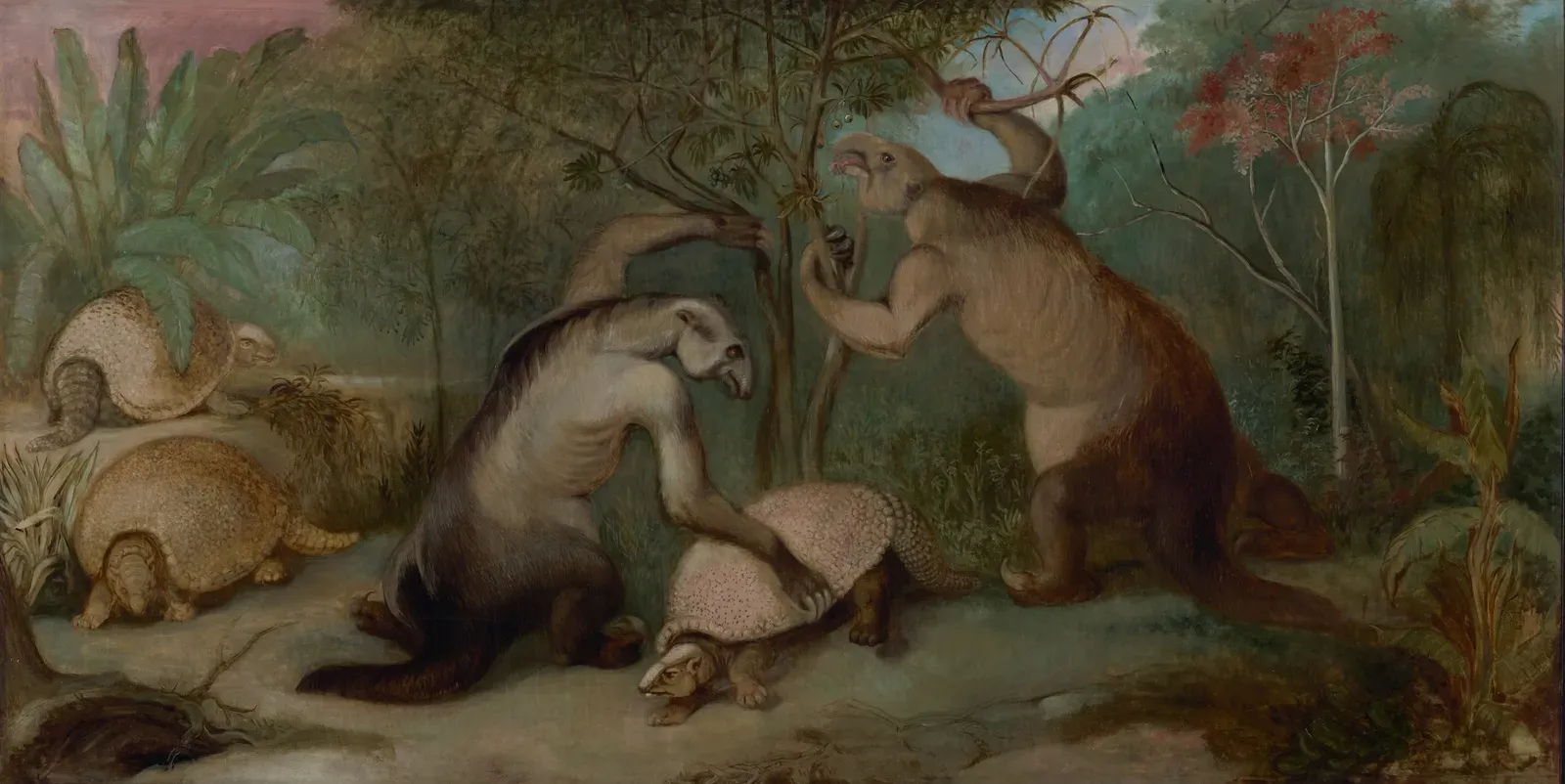
This one is genuinely surprising. Large herbivores shaped entire fire regimes across the globe. Research from Panama found that there were fewer wildfires when large herbivores thrived, possibly because they ate and trampled on vegetation that can fuel fires. When megafauna declined, so did plants with large fleshy fruits and seeds that are typically spread by large animals, and the loss of megafauna had cascading impacts on ecosystem processes.
Some plants alive right now are still, in a biological sense, waiting for animals that no longer exist. Megafauna facilitate long-distance seed dispersal, which may be vital when plant species need to modify their range to adapt to changing conditions. Some current fruits are too big to be eaten by living frugivores and are believed to have adapted to megafaunal dispersal in what is called the megafauna fruit syndrome. Think of the avocado, or the osage orange. Their enormous fruits made evolutionary sense in a world full of giants. Today, those dispersal partnerships are essentially broken.
The Trophic Cascade Effect: When Losing One Changes Everything
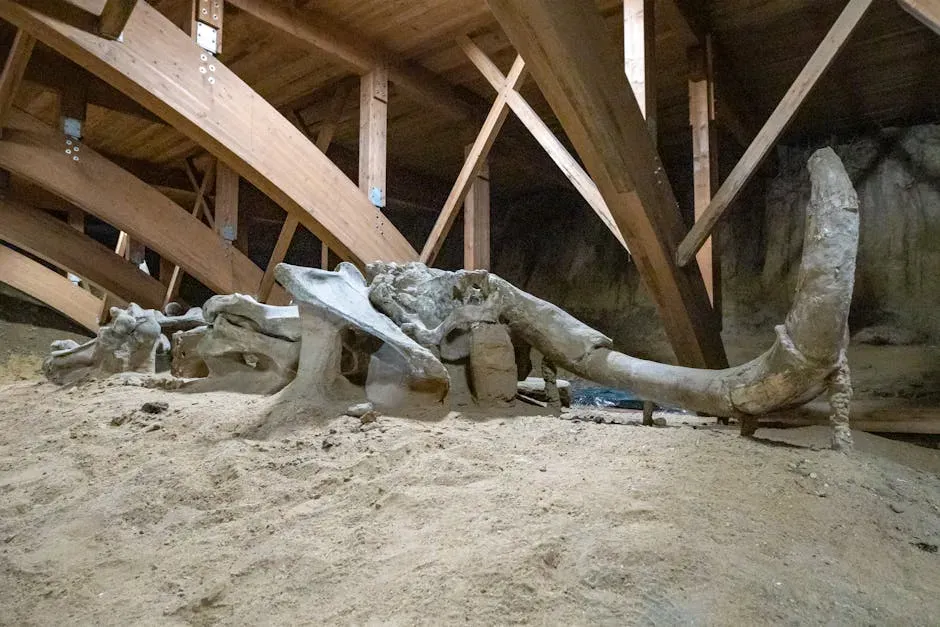
You may have heard the term “trophic cascade,” but you might not fully appreciate just how dramatically the loss of megafauna reverberates through an entire food web. Loss of megafauna can result in simpler ecosystems with fewer interspecies interactions and shorter food chains, which in turn makes animal communities and ecosystems less resilient and more affected by external pressures such as climate change. Moreover, megafauna are often keystone species in their ecosystems, and their loss can trigger trophic cascades, leading to habitat change and further extinction.
The comparative lack of megafauna in modern ecosystems has reduced high-order interactions among surviving species, reducing ecological complexity overall. Reduced ecological complexity is basically the opposite of what you want in a world facing rapid climate change. Less complexity equals less resilience. It is like the difference between a sturdy rope made of many intertwining threads versus a single thin strand. Pull on it hard enough, and it snaps.
Africa’s Hidden Advantage
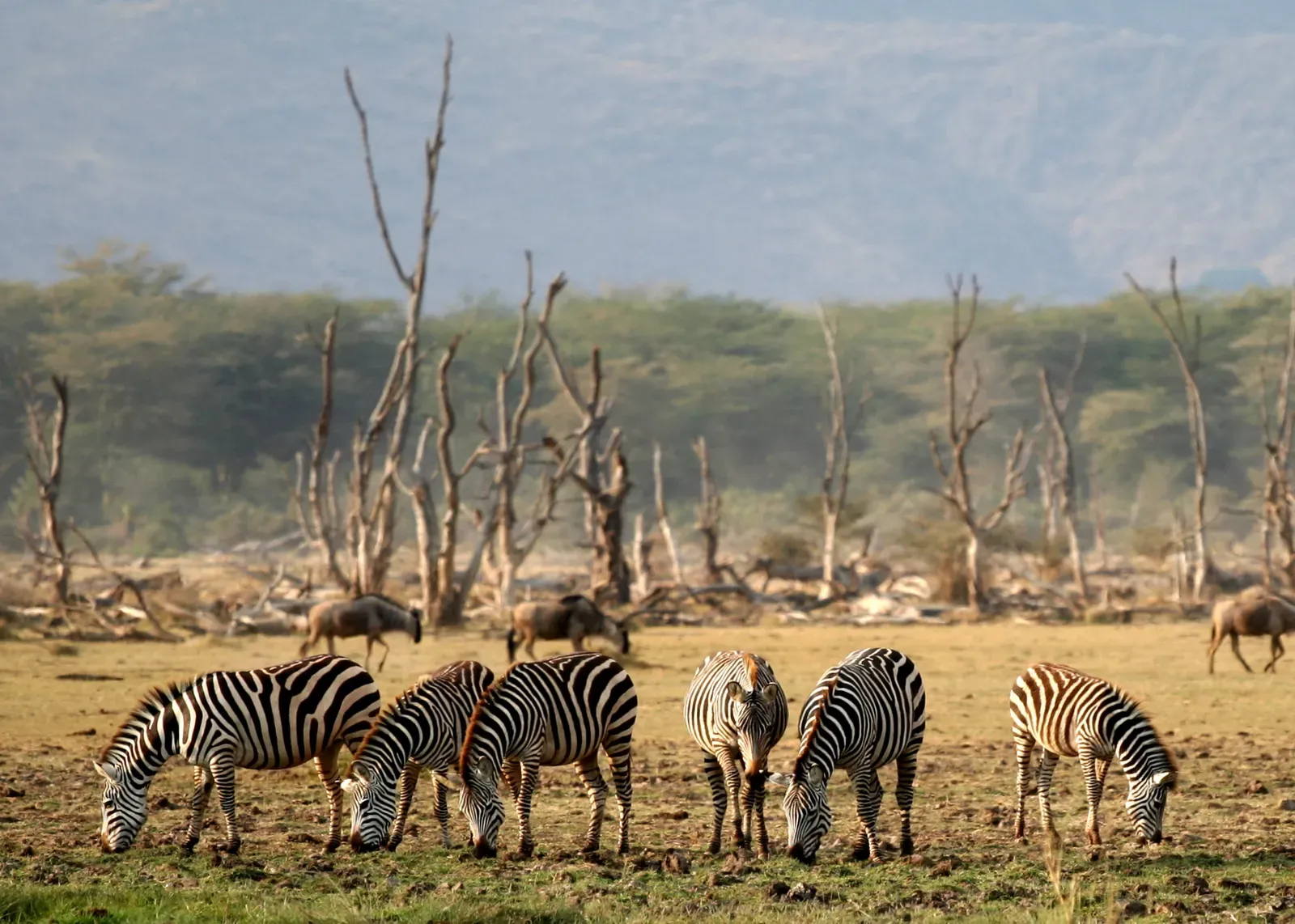
Here’s something that may change the way you look at African wildlife. The reason Africa still has elephants, rhinos, lions, and hippos is not simply good luck. It may be because African megafauna co-evolved with humans over a much longer timescale than animals on other continents. Research found that 125,000 years ago, average body size in Africa was already much smaller than expected, suggesting that early hominins had an impact on African ecosystems. By 1.6 million years ago, early hominins were eating meat and becoming better predators as they were evolving.
Africa is the only continent on which modern humans co-evolved with megafauna and the only one with the majority of its lateral nutrient distribution capacity still intact. Let that sink in. Africa’s wildlife is not just beautiful, it is doing something critically important. Its megafauna are the last functioning remnant of an ancient global nutrient delivery network that once spanned every continent. When you hear arguments for protecting African elephants and rhinos, you are hearing arguments for preserving a planetary life-support mechanism.
Pleistocene Park and the Audacious Attempt to Rewind Time
![Pleistocene Park and the Audacious Attempt to Rewind Time (Current version from the following site without attribution:[1] Previous version from NPS Foundation Document (archive), page 19 (no name is credited in the "Photo and Art Credits", page 42)original version stitched together from images credited to "NPS Photo" on NPS Paleontology page (archive) and NPS Fossilized Footprints page (archive), Public domain)](https://nvmwebsites-budwg5g9avh3epea.z03.azurefd.net/dinoworld/c57b29a82ed33b590420bf00b0f0b6db.webp)
If the collapse of the mammoth steppe was driven by the loss of megafauna rather than climate, then perhaps bringing animals back can restore it. That is precisely the breathtaking bet at the heart of Pleistocene Park in Siberia. Pleistocene Park is a scientific nature reserve and rewilding project located in the Kolyma River lowlands in northeastern Siberia, dedicated to recreating the Pleistocene-era mammoth steppe ecosystem by reintroducing large herbivores to restore productive Arctic grasslands and mitigate climate change, formally established in 1996.
These megafauna, such as bison and horses, historically maintained open grasslands by consuming woody vegetation and compacting snow, which in turn suppressed shrub encroachment and promoted nutrient cycling via fecal return. This engineering role is essential for reversing the post-Pleistocene shift to low-productivity tundra. Sergey Zimov works closely with Harvard geneticist George Church, who is attempting to deliver a cloned woolly mammoth to Pleistocene Park by 2028. I know it sounds crazy, but the science behind it is deeply serious, and the climate stakes couldn’t be higher.
Rewilding as a Modern Lifeline for Broken Ecosystems
The good news, and there genuinely is good news here, is that scientists and conservationists around the world are not simply mourning the loss of ancient giants. They are actively working to restore what was lost. Researchers from the University of Exeter have unveiled compelling evidence that reintroducing large herbivores into Panama’s forests could revive critical ecological functions lost with the extinction of prehistoric megafauna, offering a promising blueprint for modern conservation efforts through trophic rewilding.
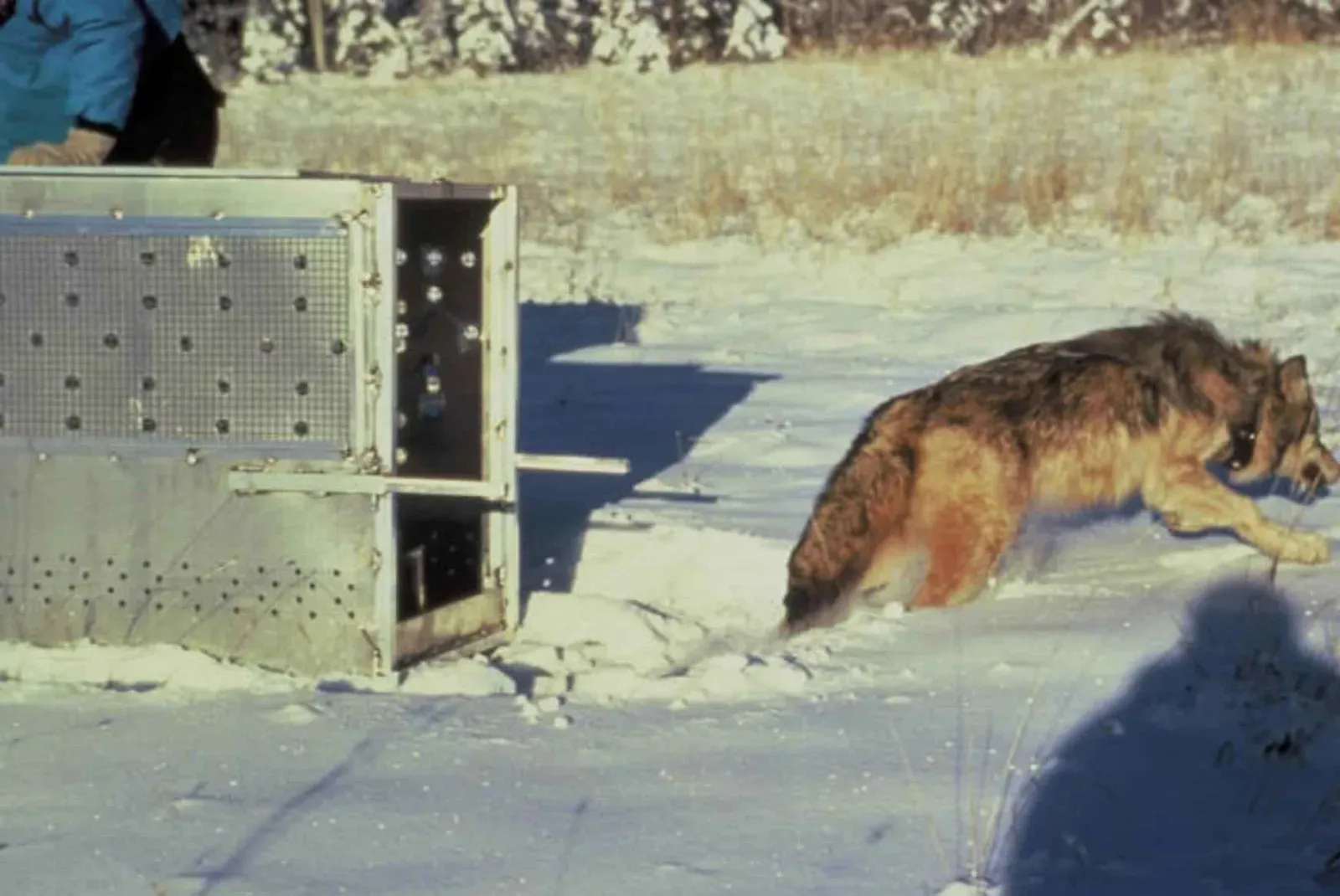
Societal changes have promoted semi-spontaneous megafauna comebacks, such as the brown bear and wolf in Europe and North America, indicating that modern societies and landscapes may offer greater possibilities for human-megafauna coexistence than often thought. There are also many active restoration efforts of the ecological function of wild megafauna through rewilding, which can have very promising effects on current ecosystems. Restored megafaunas and associated trophic cascades may provide increased ecological resilience against climate change in some cases. In a world where every conservation tool matters, bringing back large animals may be one of the most powerful levers you have.
Conclusion: The Past Is Still Happening
The extinction of ancient megafauna was not a closed chapter. It is an ongoing story that plays out every time a fire tears through a landscape, every time a tropical tree fails to disperse its seeds far enough, and every time scientists measure worryingly low nutrient levels in soils that once teemed with life. Research has demonstrated that the late Pleistocene loss of megafauna was pervasive and left legacies detectable within the modern atmosphere, geosphere, hydrosphere, and biosphere.
You are living inside the ecological aftermath of an ancient catastrophe, and the choices your generation makes about rewilding, conservation, and habitat protection will determine whether these wounds deepen or begin to heal. The main takeaway is that we need to shift to a view of Earth systems where megafaunal effects are considered together with abiotic factors and human decisions as driving forces shaping our ecosystems. The mammoths are gone, but their absence is very much still alive. What do you think the world might look like if we actually succeed in bringing some of that lost ecological complexity back?