
Have you ever wondered why some people seem to carry a heavy weight of worry with them wherever they go? Why does anxiety cling to certain adults like a shadow they can’t shake? The answer might lie buried in experiences you barely remember, tucked away in the earliest chapters of life. Childhood trauma leaves fingerprints on the brain that can last a lifetime, shaping how you experience fear, stress, and safety well into adulthood.
The connection between what happened to you as a child and how anxious you feel as an adult is more profound than most people realize. Let’s explore the fascinating science behind this link and what it means for anyone carrying the invisible scars of early adversity.
How Your Brain Rewires Itself After Childhood Trauma

When you experience trauma as a child, your brain doesn’t just remember it. It physically changes in response to it. Childhood trauma can cause alterations in brain function and structure, and if the brainstem responsible for survival is continuously triggered throughout childhood due to traumatic situations, connections between different parts of the brain become reduced. Think of your brain as clay that’s still being molded during childhood – what shapes it then becomes permanent architecture.
Research shows that childhood trauma can cause a reduction in volume in the hippocampus, an area responsible for remembering what happened during traumatic events, and in an area of the prefrontal cortex that regulates thoughts, actions, and emotions. These aren’t minor tweaks. These are fundamental changes to the very structure of who you become. Your amygdala, the brain’s fear center, can become hypersensitive, constantly scanning for danger even when there is none.
The Stress Response That Never Quite Turns Off

Studies show that childhood trauma is associated with higher stress appraisals, meaning individuals with a history of childhood trauma are more likely to experience stress because they perceive they don’t have the coping resources to deal with the demands of stressful daily hassles. It’s like living with an alarm system that’s far too sensitive, going off at the slightest provocation.
Childhood trauma is associated with HPA axis upregulation, including elevated baseline cortisol, as well as greater increase and slower decline of cortisol following stress exposure, and at elevated levels or with repeated exposure, cortisol is thought to have neurotoxic effects, particularly early in development. Your body becomes stuck in a perpetual state of alert, unable to fully relax even when the coast is clear.
Why Emotional Trauma Hits Different Than Physical Trauma

Here’s something that might surprise you: not all types of childhood trauma affect anxiety in the same way. Research comparing individuals with social anxiety disorder to healthy controls found that those with the disorder reported greater childhood emotional abuse and emotional neglect, and within the group with social anxiety, childhood emotional abuse and neglect were associated with severity of social anxiety, trait anxiety, depression, and self-esteem.
Physical and sexual abuse are devastating, no question. However, the quiet wounds of emotional neglect – being ignored, dismissed, or made to feel invisible – can be just as damaging to your adult mental health. It’s the trauma that doesn’t leave visible scars but reshapes your entire sense of self-worth and safety in relationships.
The Invisible Bridge Between Past and Present
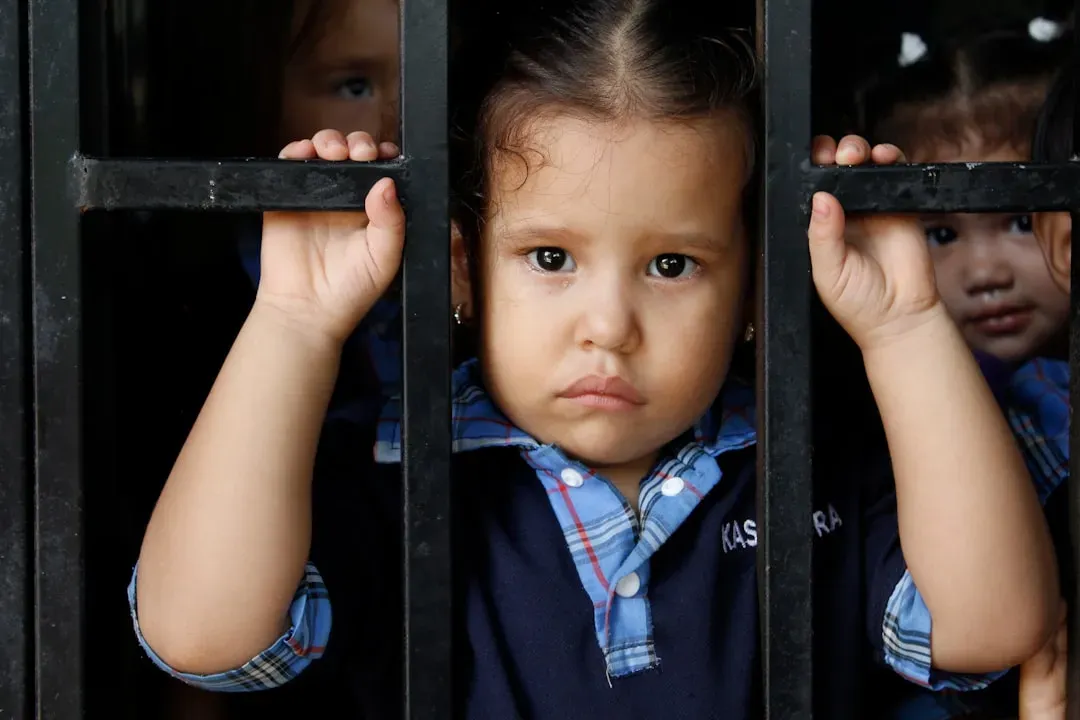
Research reveals that stress appraisal mediates the pathway from childhood trauma to heightened levels of depression and anxiety symptoms, defeat and entrapment, meaning how a person evaluates stressors contributes to the outcomes of early adversity in adulthood. The link isn’t always obvious to the person living it. You might not even remember the trauma clearly, yet it colors every stressful situation you encounter.
Greater exposure to childhood trauma was associated with roughly higher scores on depression, anxiety, defeat, and entrapment compared to those reporting less trauma exposure, and higher childhood trauma was linked to increases in perceived stress and stress appraisal scores by similar proportions. This creates a feedback loop where past trauma makes current stress feel more overwhelming, which in turn triggers more anxiety.
When Your Nervous System Gets Stuck in Fight or Flight

Evidence from preclinical and clinical studies suggests that early life stress induces persistent sensitization of CRF neurocircuits, resulting in a phenotype with increased vulnerability to stress, depression, and anxiety, and children exposed to early adverse experiences are at increased risk for the development of anxiety disorders that may persist throughout adulthood.
The amygdala can become overactivated due to toxic stress, always telling your body that you’re in danger, resulting in chronic stress where one feels unsafe, fearful, and irritated, and victims will often overreact to minor triggers because trauma sensitizes the amygdala, meaning fear responses are triggered by lower levels of stress. It’s exhausting living with a nervous system that won’t let you rest.
The Role of Attachment in Adult Anxiety Patterns

Studies show that avoidant and anxious attachment styles in adulthood are correlated with anxiety and depression, and in the presence of child maltreatment, children often develop insecure attachment styles, which have been connected to poor mental health. The way your caregivers responded to you as a child becomes the template for how you expect others to treat you as an adult.
Trauma experienced during childhood enhances sensitivity in the behavioral activation system, making individuals overly dependent on attachment figures and susceptible to attachment anxiety. If you find yourself constantly worrying about being abandoned or unable to trust people who care about you, these patterns likely trace back to your earliest relationships. It’s not weakness or irrationality – it’s your brain trying to protect you using the only playbook it knows.
Why Nearly One Third of Young People Are Affected

Childhood trauma affects nearly one third of young people in the United Kingdom. That’s a staggering number when you really think about it. We’re not talking about rare edge cases or extreme circumstances. This is a widespread public health issue that touches countless lives, often in silence.
Early experiences of abuse or neglect have been associated with depression, anxiety, post-traumatic stress disorder, and substance use later in life, and exposure to multiple types of trauma has been linked to higher rates of suicidal thoughts and suicide attempts. The ripple effects extend far beyond just feeling nervous or worried – they can fundamentally alter the trajectory of someone’s entire life.
Pathways to Healing and Reclaiming Your Peace

Therapy options such as trauma-informed therapy, cognitive-behavioral therapy, and eye movement desensitization and reprocessing can be particularly effective for addressing anxiety from childhood trauma. Healing is possible, even when the damage feels permanent. Your brain may have been shaped by trauma, but it retains the capacity to change and adapt throughout your life.
A range of psychotherapeutic approaches, especially CBT, EMDR, exposure therapy, and Emotion-Focused Therapy, offer effective pathways for addressing childhood trauma and anxiety, and for individuals with complex trauma histories, treatments that integrate emotional, cognitive, and relational healing are especially important for achieving meaningful, long-lasting recovery. The journey isn’t always linear, and it takes courage to face what was done to you. Still, with the right support and intervention, you can rewrite your story and build a life not defined by what happened in your past.
Conclusion
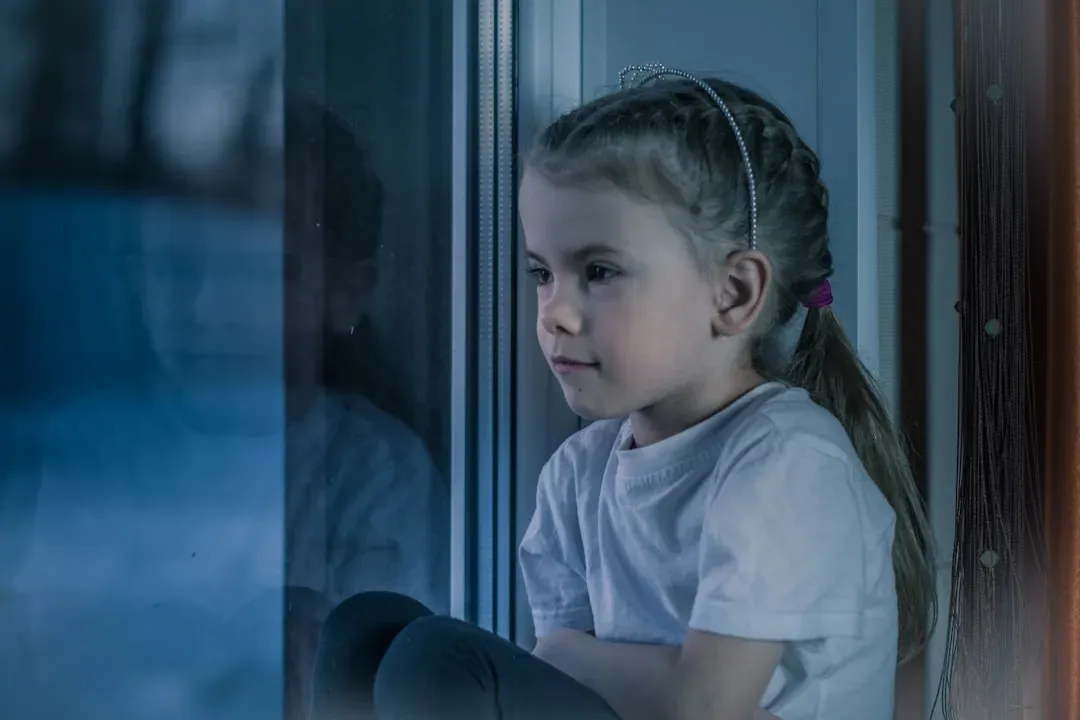
runs deep through the architecture of your brain, the sensitivity of your stress response, and the patterns of how you relate to others. Understanding this connection isn’t about assigning blame or dwelling in victimhood – it’s about recognizing that your anxiety has roots, and those roots can be addressed.
If you’ve been carrying anxiety that feels disproportionate to your current circumstances, consider that it might not be about what’s happening now but about what happened then. Healing from childhood trauma is one of the bravest journeys you can undertake, and it’s never too late to begin. What part of your anxiety story might actually be a chapter from your childhood? The answer might surprise you.