You’ve probably heard that evolution moves slowly. But what if the real driver wasn’t gradual change at all? Here’s the thing: ancient climate shifts might have done more than nudge species in new directions. They might have sparked the entire story of life as we recognize it today.
Scientists now realize that climate didn’t just provide a backdrop to evolution. It actively sculpted it. From microscopic organisms suddenly blooming into complex creatures, to mammals developing entirely new survival strategies during brutal ice ages, the connection runs deeper than anyone imagined. Some of these revelations challenge decades-old assumptions about how and when life transformed on our planet.
When Oxygen Changed Everything in the Cambrian Explosion
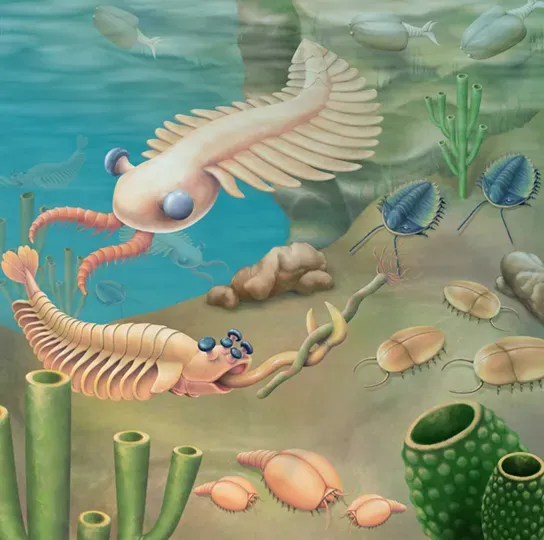
New research provides the clearest evidence yet that the Cambrian explosion, a rapid burst of evolution around 540 million years ago, could have been triggered by only a small increase in oxygen levels in Earth’s atmosphere and shallow ocean waters. Minor increases in oxygen may have been sufficient to propel major evolutionary leaps seen in the fossil record. Before this critical moment, life consisted mainly of single-cell and small multicellular organisms. Then, in what geologists call a blink of an eye, complex creatures with hard shells and primitive backbones appeared.
Most animals were living in shallow water at the time, and mixing caused by wind and waves would have oxygenated these areas even as the deeper ocean remained unchanged. It’s not a huge increase in oxygen, but it might be enough to cross critical ecological thresholds. Think about it: you didn’t need oceans fully saturated with oxygen for life to explode into diversity. Just enough of a bump in the right places. Oxygen levels in the deep ocean did not approach those in modern seas until about 140 million years after the Cambrian explosion.
Ice Ages Forced Mammals to Evolve or Die
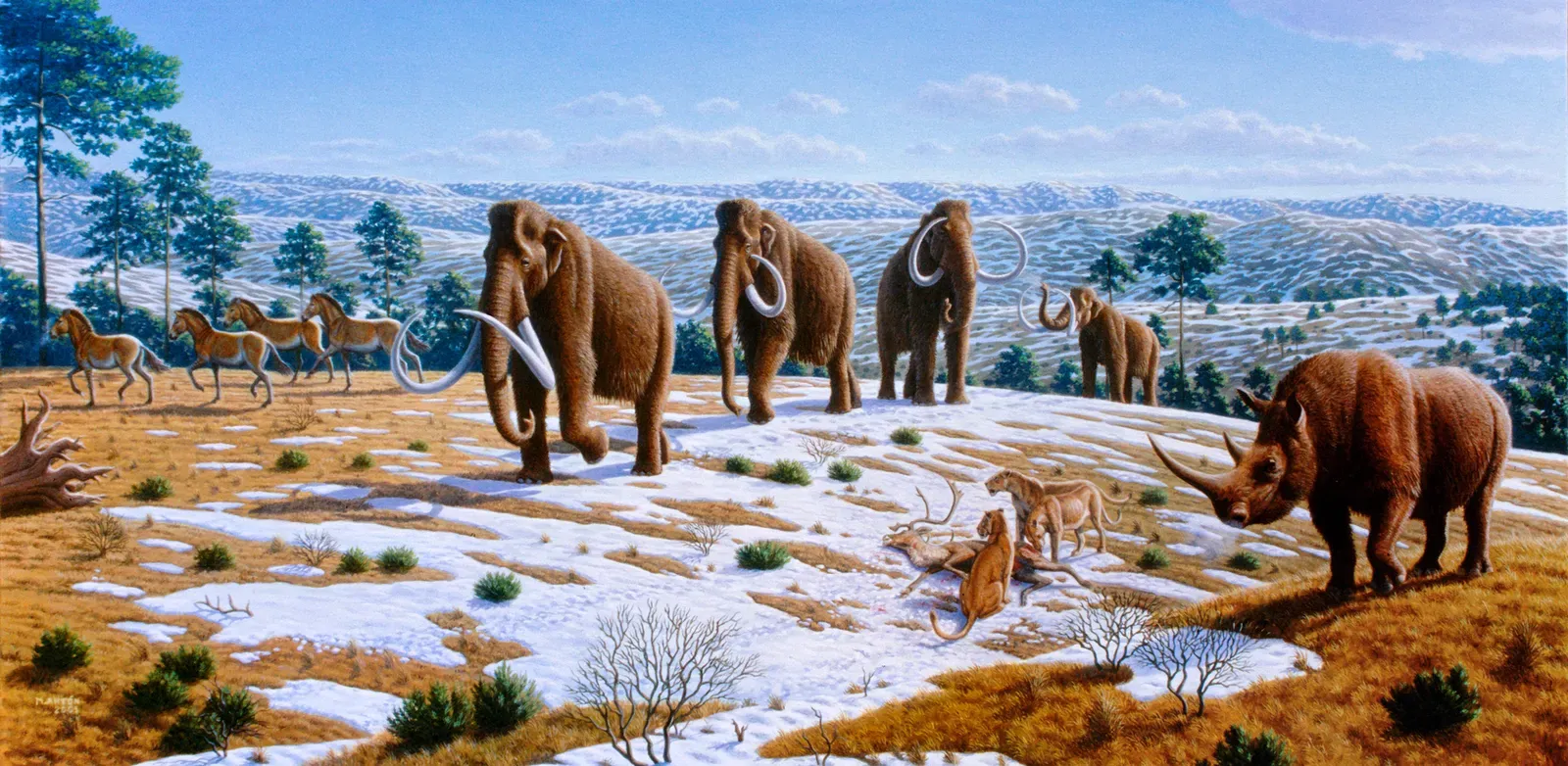
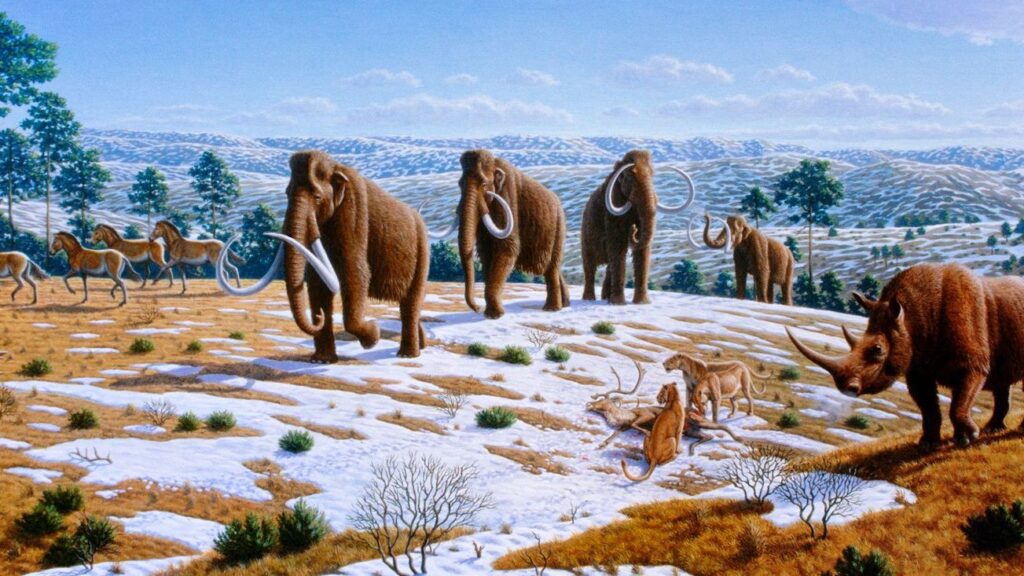
Cold-adapted animals started to evolve 2.6 million years ago when the permanent ice at the poles became more prevalent. There followed a time when the continental ice sheets expanded and contracted and around 700,000 years ago the cold periods doubled in length. Honestly, it’s hard to say for sure what exact pressures pushed woolly mammoths and arctic foxes into existence, but the fossil record shows dramatic transformations happening in waves.
Some species evolved fixed adaptations to specialist habitats, others developed flexible adaptations enabling them to inhabit broad niches and to survive major environmental changes. Adaptation to short-term habitat change probably played a part in pre-adapting mammal species to the longer-term cyclical changes. Fossil evidence indicates that environmental changes of the order of thousands of years have been sufficient to produce subspeciation, but speciation has typically required one hundred thousand to a few hundred thousand years. The ice ages didn’t just freeze the planet. They rewrote the rules of survival, favoring creatures that could adapt to unpredictability itself.
Climate Variability Made Humans What We Are Today
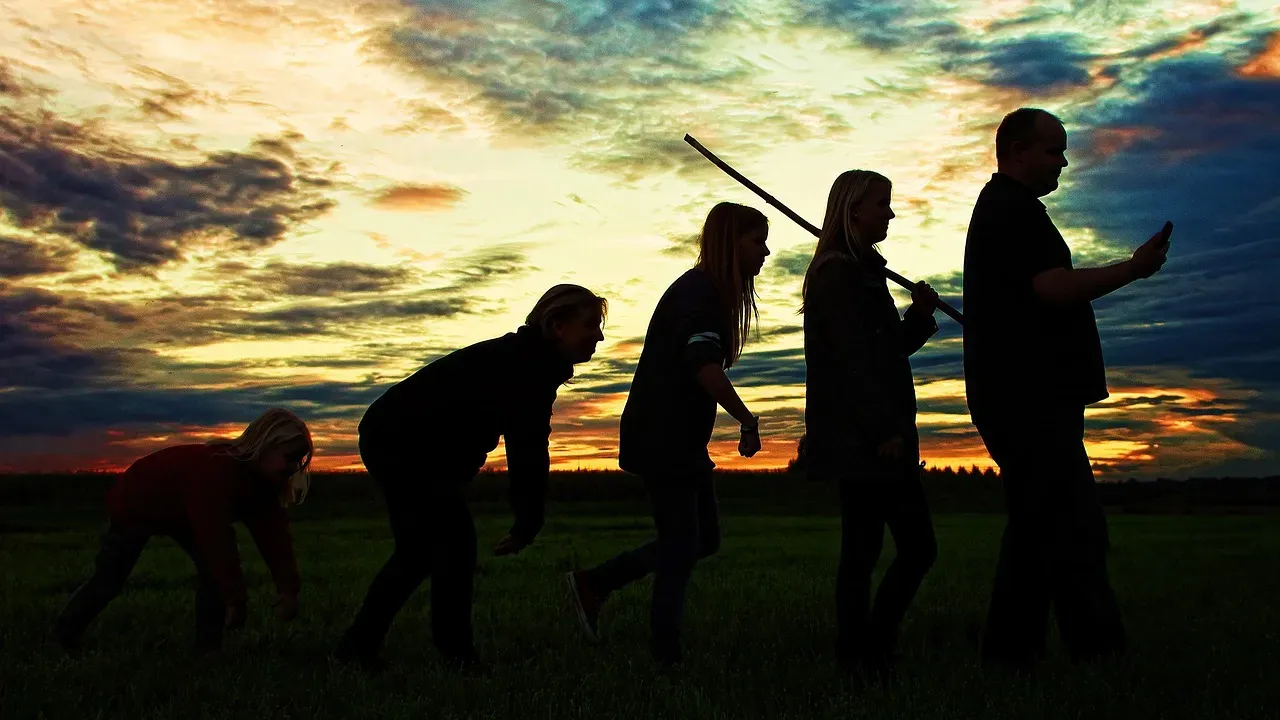
The latest tests show that major milestones in human evolution occurred during the most prolonged periods of instability in African climate history. The idea of variability selection is that the evolution of adaptability can’t take place in an animal’s lifetime, or in a relatively stable or directionally changing environment. Rather the genetic changes that yield flexible environmental responses are built up in eras of instability in the surroundings. Let’s be real: our ancestors didn’t just adapt to one type of climate. They adapted to constant change.
Large-scale shifts in climate can shake up the kinds of food, shelter and other resources available in a given region. The disappearance of a favorite food or the replacement of a long wet season with a longer dry one create pressures that lead to adaptation, extinction or evolution into different species. The environment, set by climate, will favor creatures with genes for certain advantageous traits, such as larger brains. Over time, those creatures and the genes they carry will come to dominate because more of them will survive. This process explains why our species survived while our evolutionary cousins, like Neanderthals, vanished roughly 30,000 years ago.
Rapid Climate Swings Created Evolutionary Bursts
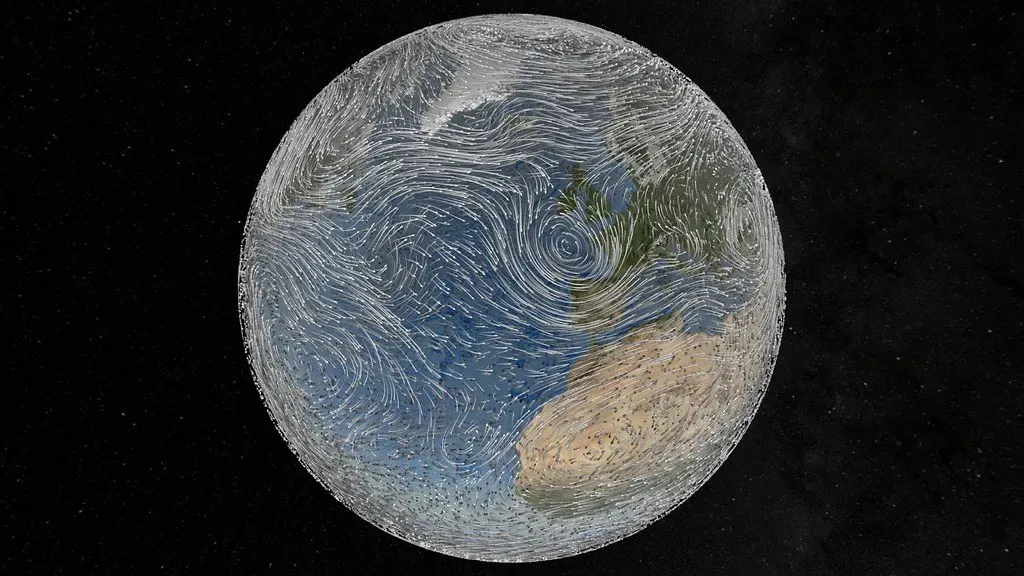
Cambrian seas underwent rapid periods of oxygen booms and busts. The international team of researchers tied these rapid fluctuations in oxygen to bursts of diversification and extinction during the Cambrian explosion. Whether these leaps in animal diversity stemmed from a generally greater availability of oxygen or from the gas’s rapid boom-and-bust cycle during this period is unclear. What’s surprising is that both the surges and dips mattered. The swings themselves appear to have driven innovation.
During the Cambrian explosion there was significant correlation between surges in oxygen levels and bursts in animal evolution and biodiversity, as well as extinction events during periods of low oxygen. Our earliest animal ancestors experienced a series of evolutionary radiations and bottlenecks caused by extreme changes in atmospheric oxygen levels. The result was a veritable explosion of new animal forms during more than 13 million years of the Cambrian Period. It wasn’t smooth sailing. Think of evolution less like a gentle slope and more like a series of jolts, each one reshaping the biological landscape.
Monsoons Triggered Plant Diversity in East Asia
A study examined whether the strengthening of monsoons triggered floral evolution via a meta-analysis of the evolutionary radiation dates of 101 endemic seed plant genera. Taxonomic diversification began during the late Eocene, whereas the accumulated number of diversifications did not significantly accelerate until the late Miocene. The two key stages of floral evolution coincide with the intensifications of the East Asia monsoon and Indian monsoon, especially the summer monsoon which brings a humid climate. An integrated review of previous studies further supports the suggestion that monsoon intensification in East Asia triggered the evolution of its flora.
Results demonstrated linkage of monsoon variations with the evolution and biogeography of rhizomyines. Paradoxically, the evolution of these rodents was accelerated during the phases of weakening of the monsoons, not of strengthening, most probably because at those intervals forest habitats declined, which triggered extinction and progressive specialization toward a burrowing existence. Climate shifts didn’t work the same way for all species. For some, wetter conditions spelled opportunity. For others, dry spells forced radical evolutionary pivots that ultimately defined their survival strategies.
Paleoclimate Records Reveal Hidden Evolutionary Patterns
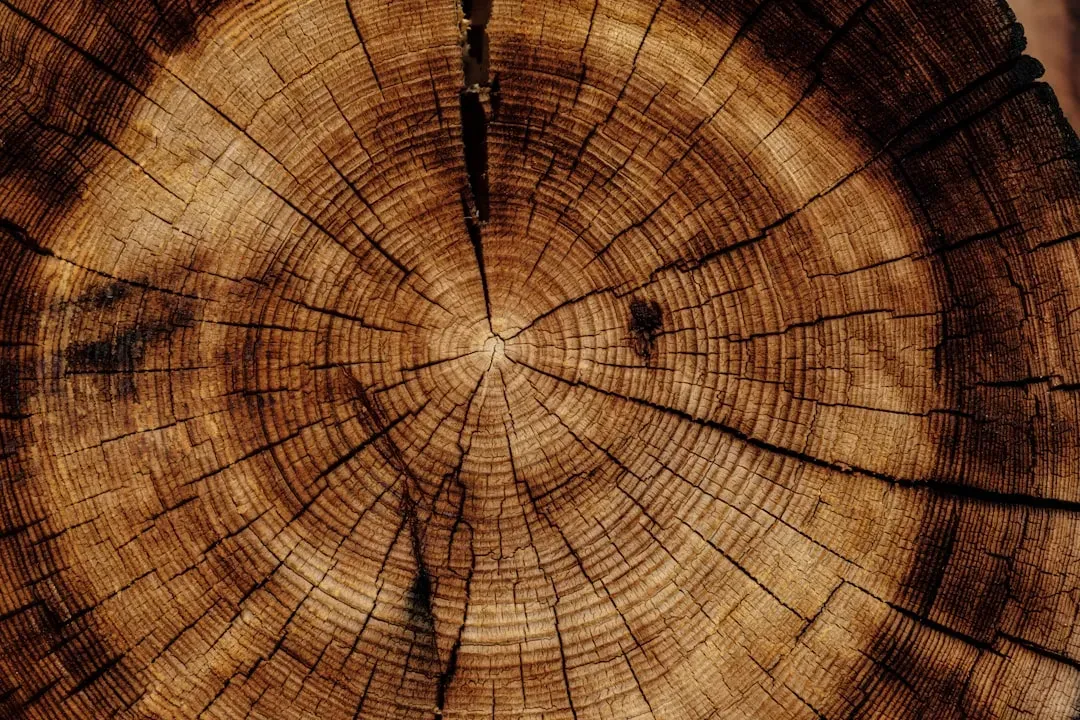
Paleoclimate data, including ice cores, tree rings, and sediments, provided the first evidence of abrupt climate change. Understanding how climate naturally varied over thousands and millions of years teaches us how Earth’s climate system works and sheds light on current, human-induced changes. Lake and ocean sediments, glacial ice, coral skeletons, tree rings, and pollen grains are among the climate archives scientists use to reconstruct past climate. These records are like time machines, allowing researchers to match environmental upheavals with sudden shifts in the fossil record.
Paleoclimate studies indicate that most ancient changes in climate happened over very long periods of time. The scale was on the order of tens of thousands to millions of years. Plants and animals had countless generations to adapt or migrate to the slow change of conditions. Rapid climate change in the past was usually associated with a major disruptive event, like a meteor impact or massive volcanic eruption, which caused abrupt, long-lasting changes in climate. When catastrophic shifts did happen quickly, extinction rates soared. Roughly three-quarters of all species alive around 65 million years ago, including the dinosaurs, vanished after an asteroid impact triggered rapid climate change.
Cold Adaptations Arose in Multiple Distinct Phases
The evolution of cold-adapted terrestrial species underwent two main phases. First, the genera of cold-adapted taxa appeared during the Late Pliocene to Early Pleistocene. The modern day and Late Pleistocene cold-adapted species then arose during and after the Middle Pleistocene Transition. These species evolved through one or more of the following processes: out of the temperate zone, evolving in situ, or through montane preadaptation. I know it sounds crazy, but not all cold-adapted creatures took the same evolutionary road. Some migrated north as temperatures dropped, while others stayed put and transformed where they stood.
Evidence for early occurrences of true lemmings and reindeer in the Arctic suggests they may have evolved as climates cooled in the early Pleistocene period, between one and two million years ago. The polar bear and arctic fox may have joined them more recently within the last 700,000 years, colonizing from the south. Some of the ice age cold species like the woolly rhino may have evolved in the steppe grasslands to the south with the earliest occurrences in the Tibetan Plateau. Geography mattered as much as climate. Different landscapes created different evolutionary solutions to the same cold problem.
The Deep Ocean Stayed Anoxic Long After Surface Waters Changed
Oxygen levels in deep marine environments remained unstable at least 100 million years after the Cambrian explosion. The explosion of animal life in Earth’s oceans half a billion years ago during and after the Cambrian Period is commonly attributed to a substantial and sustained rise of free oxygen in seawater. But oxygen levels in Earth’s deepest marine environments fluctuated wildly long after the Cambrian. This challenges what many scientists believed: that once oxygen appeared, it stayed. Instead, the deep oceans remained hostile to complex life for astonishingly long stretches.
This is well after the Cambrian explosion when marine life is already quite large and performing energy-expensive tasks. You have some phenomenal changes in evolutionary biology happening during this time. And none of it seems to require substantial and sustained deep ocean oxygenation. What does this mean? Evolution in shallow waters could race ahead while the abyss remained mostly lifeless. The surface and the depths existed on entirely different evolutionary timelines, shaped by dramatically different chemical conditions that persisted for tens of millions of years.
Conclusion: Climate Was the Hidden Architect
Ancient climates didn’t just set the stage for evolution. They directed it, pushing life into corners where it either innovated or perished. From microscopic oxygen shifts triggering the Cambrian explosion to ice ages sculpting mammalian diversity, the connection is undeniable. Our own species owes its adaptability to ancestors who thrived not despite climate chaos, but because of it.
The real twist? Many of these climate-driven evolutionary leaps happened faster than we ever thought possible. Small environmental changes crossed critical thresholds, unleashing cascades of biological innovation. As we face our own era of rapid climate change, these ancient lessons feel uncomfortably relevant. What unexpected evolutionary pressures might be building right now? Did you expect that climate played such a commanding role?