Think about how your surroundings influence your daily choices. Where you live, what you eat, even how you interact with others. Now imagine those same forces at work over millions of years, sculpting not just habits but the very essence of survival itself. Dinosaurs weren’t just randomly scattered across prehistoric landscapes, doing their thing without rhyme or reason. The truth is far more intriguing.
Trace fossils reflect interactions between animals and their environments, revealing aspects of behavior difficult to discern from body fossils, such as preferred habitats and locomotion styles. What we’re beginning to understand is that every river they drank from, every drought they endured, every shifting climate zone they navigated left an imprint on how these ancient giants lived. It’s like nature was running an elaborate experiment for over a hundred million years. Let’s explore how the world around them didn’t just provide a backdrop but actively choreographed the dance of dinosaur existence.
Climate as the Great Architect of Movement
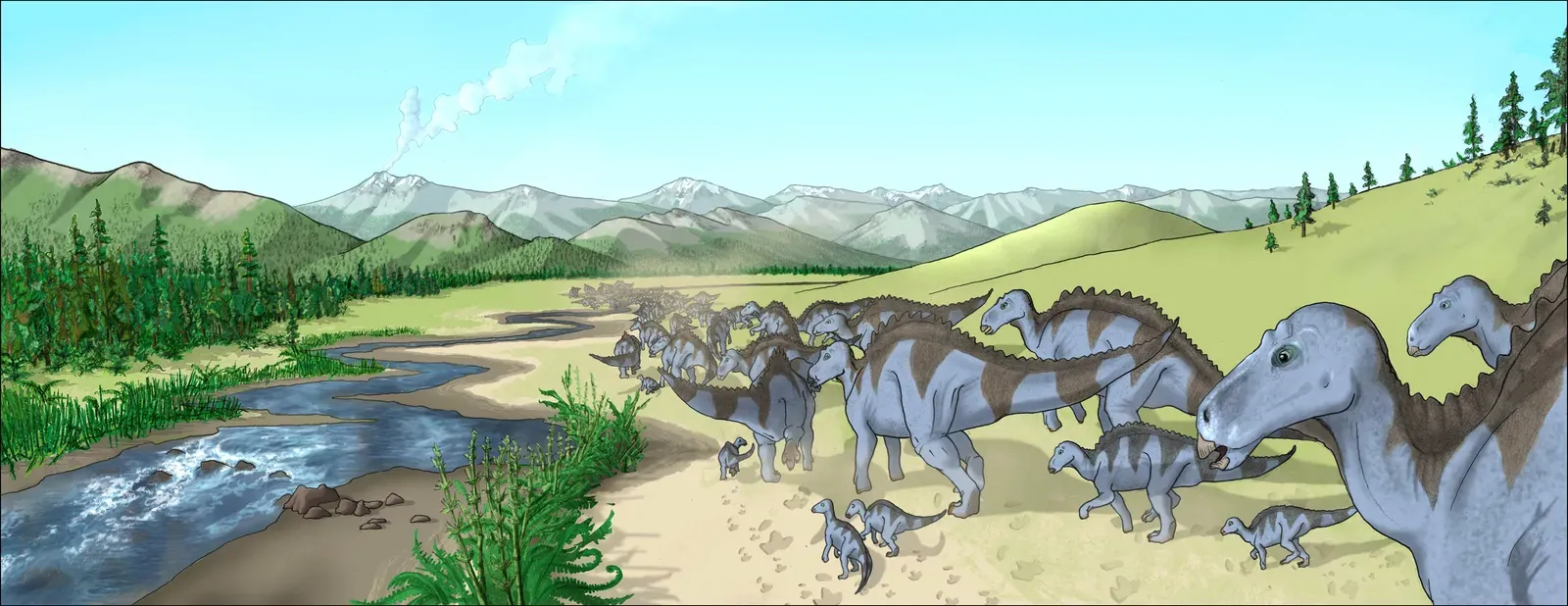
The climate didn’t just make life uncomfortable for dinosaurs. It literally controlled where they could go. A drop in carbon dioxide levels may have helped sauropodomorphs, early relatives of the largest animal to ever walk the earth, migrate thousands of kilometers north past once-forbidding deserts around 214 million years ago. Picture this: massive herbivores stuck in South America for roughly fifteen million years, unable to venture north despite there being no oceans or mountain ranges blocking their path.
Climate simulations have suggested that level of CO2 would have created hyper-arid deserts and severe climate fluctuations, which could have acted as a barrier to the giant beasts, with vast deserts stretching north and south of the equator meaning there would have been few plants available for the herbivores to survive the journey north for much of that time period. When carbon dioxide levels finally dropped by roughly half, suddenly those invisible barriers dissolved. Tropical regions became milder, arid zones less hostile. Early dinosaurs may have been well adapted to hot and arid environments, and sauropods seemed to retain their preference for a warm climate, keeping to Earth’s lower latitudes. Think of it as nature’s version of opening a border.
Temperature’s Role in Territorial Segregation
Temperature was the main feature that divided the northern and southern dinosaur communities, with giant herbivore Alamosaurus living in warmer southern regions at the end of the Cretaceous but absent from cooler habitats to the north that hosted many more duckbilled and horned dinosaurs. It wasn’t geography keeping different dinosaur populations apart. It was the thermometer.
Here’s what makes this fascinating: these were huge animals capable of traveling vast distances. Some species like Tyrannosaurus even lived in both regions. Yet temperature preferences created distinct communities as effectively as physical walls. Extreme climatic conditions on Pangaea, including high temperatures and strongly seasonal rainfall associated with the formation of a megamonsoon, likely drove the bimodal latitudinal biodiversity gradient, with most land vertebrates including early mammals and early dinosaurs exhibiting high diversity at mid-latitudes. The seasonal nature of ancient climates pushed different species into specific comfort zones, and they stayed there.
Weather Patterns Dictating Daily Routines
Let’s be real: daily weather shaped dinosaur behavior just like it shapes ours. The daily activities of dinosaurs were closely tied to weather patterns, and just like modern animals, dinosaurs likely adjusted their behavior based on the weather conditions they faced, with many dinosaurs probably seeking shelter during the warmest parts of the day during hot periods.
Herbivorous dinosaurs may have taken advantage of the lush vegetation that sprouted after rains while carnivores might have found hunting easier in the denser plant growth, with weather also influencing larger-scale dinosaur movements and seasonal climate changes likely triggering migrations in some dinosaur species. Monsoon seasons particularly influenced behavior. When rains came, vegetation exploded. Herbivores followed the green. Predators followed the herbivores. It was a choreographed sequence written by rainfall patterns, playing out across continents season after season.
Social Structures Born from Environmental Pressure
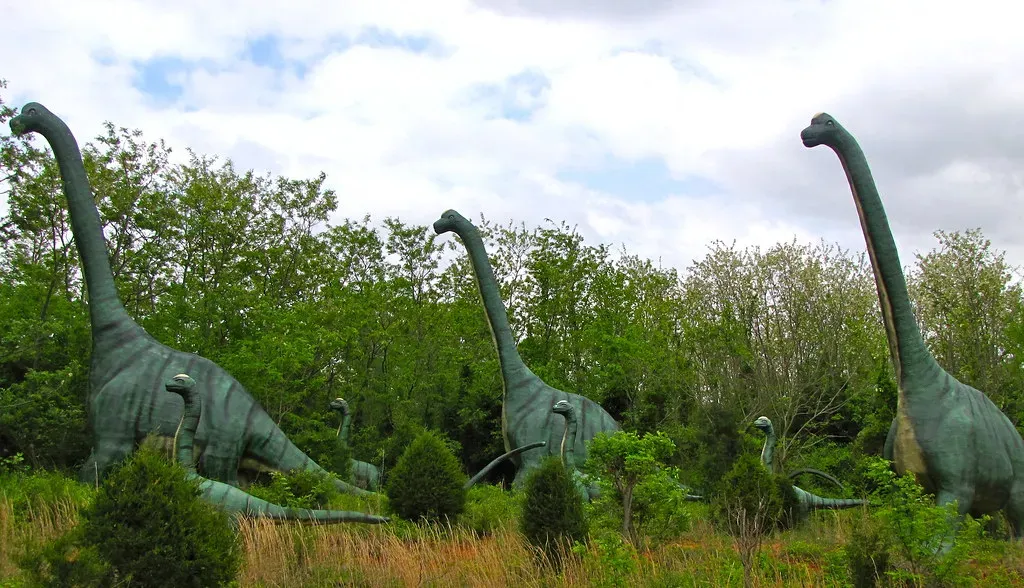
Here’s something unexpected: the environments where dinosaurs lived may have actually encouraged them to hang out together. Early sauropodomorphs were predominant and ecologically successful in seasonal environments at mid-to-high palaeolatitudes, and environmental seasonality and the high energetic requirements of large-bodied early sauropodomorphs probably implied long foraging distances, which may have favoured the synchronization of behaviour in gregarious sauropodomorphs.
Think about it. If you live somewhere with unpredictable food availability, moving in groups makes sense. At least some non-avian dinosaurs lived in groups, with best evidence being bone beds mostly containing fossils of multiple individuals of different ages of a single species buried at the same time, suggesting they died together and thus very likely lived together, giving the advantage of protection with more eyes to spot predators. Fossil sites across the globe reveal herds of different ages traveling together, nesting in colonies, even forming age-segregated groups within larger communities. Environmental challenges didn’t just make dinosaurs tougher. They made them social.
Vegetation Types Sculpting Feeding Strategies
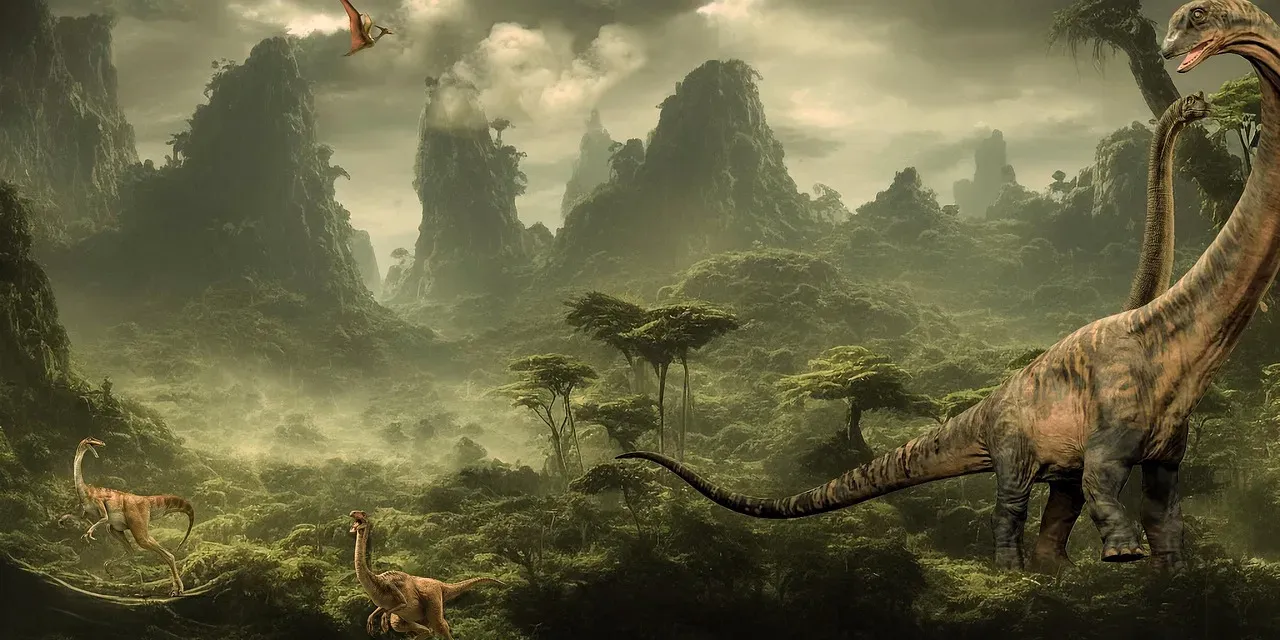
When researchers at The University of Texas at Austin took a close look at dinosaur tooth enamel, they discovered that some dinosaurs were discerning eaters, with different species preferring different plant parts, as tooth enamel contains calcium isotopes that reflect the range of foods the dinosaurs ate. The plants available in different regions created dining specialists. Some long-necked dinosaurs focused on treetops. Others preferred ground-level vegetation.
Herbivorous dinosaurs fed exclusively on plants and developed various adaptations to survive in environments rich in vegetation, with herbivorous dinosaurs having jaws and teeth adapted for crushing and chewing plants. The diversity of prehistoric flora meant different species could coexist without competing directly for the same food sources. The diversity of the fossil vegetation suggests that the Kaiparowits dinosaurs had access to a great variety of plants, though this does not necessarily indicate high year-round levels of acceptable forage, and it is possible that seasonal or episodic intervals of inadequate browse drove some dinosaurs to utilize the celluloses and hemicelluloses available in rotted wood. When times got tough, some even ate rotting wood to survive. Talk about dietary flexibility.
Water Sources as Territorial Anchors
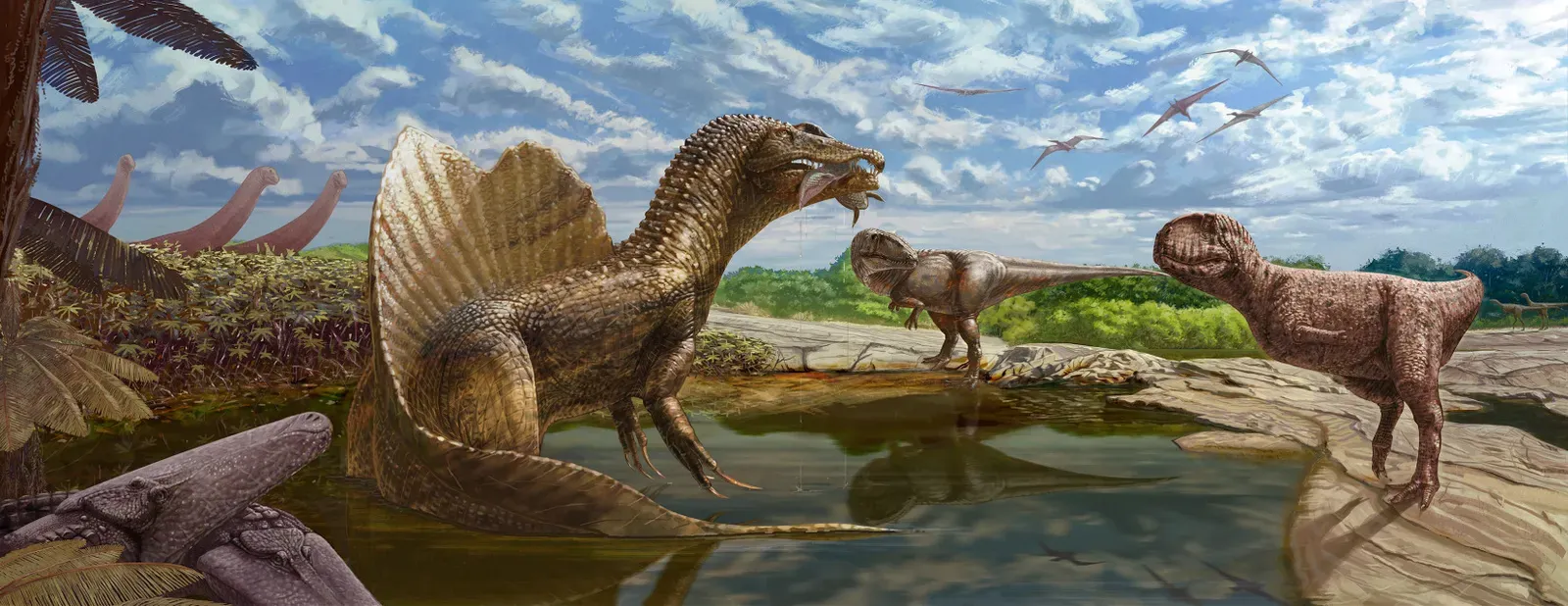
The environment in which dinosaurs lived played a crucial role in their hydration needs, with the availability of water sources and the climate of their habitats greatly impacting the amount of water dinosaurs required, as some dinosaurs lived in regions with abundant permanent water bodies such as rivers and lakes making hydration more accessible, while others had to adapt to survive in regions with more seasonal or ephemeral water sources. Water wasn’t just something to drink. It was a territorial magnet.
Competition for water resources was fierce among dinosaurs, leading to territorial conflicts and the need to balance hydration with the risks of venturing into unfamiliar territories. Imagine massive bodies requiring enormous daily water intake. Finding reliable sources became critical. Some species likely established territories around permanent water features. Others developed migratory patterns following seasonal rains. Detailed study of rocks indicates that a small lake once existed which was periodically fed by flash floods carrying animal carcasses, and as the flow of the rivers slowed rapidly upon entering the lake, the transported bodies accumulated in the deltaic environment along the shore. These water-centered ecosystems became congregation points, mixing grounds, and sometimes killing fields.
Fossil Landscapes Revealing Behavioral Imprints
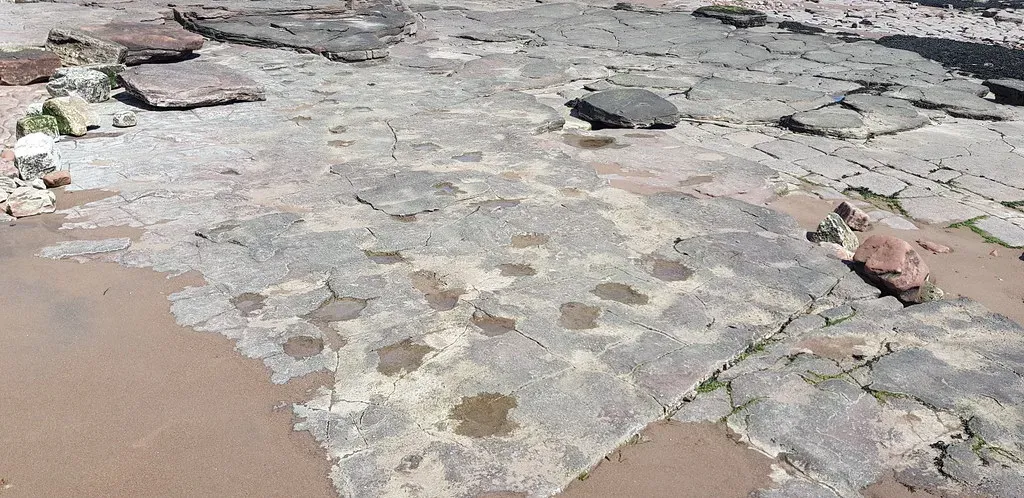
New fossils, reanalyses of famous specimens and the use of increasingly sophisticated tools have continued to upend what we thought we knew about how these animals lived, moved, fed and evolved, with research showing how much information is still locked inside bones, teeth and footprints that have been studied for decades. The rocks themselves tell stories. Trackways preserved in ancient mudflats show herds moving together in coordinated patterns. Nesting sites reveal colonial breeding behaviors tied to specific environments.
Rare occurrences of multiple skeletal remains have repeatedly been reinforced by dinosaur footprints as evidence of herding, with trackway sites dating from the Late Triassic Period to the latest Cretaceous documenting herding as common behaviour among a variety of dinosaur types. Even with its tiny build, Foskeia was well adapted to its environment, having specialized teeth and appearing to have changed posture as it grew, relying on short bursts of speed to move through dense forest habitats. Every fossil site is essentially a snapshot of how ancient environments demanded specific behavioral responses. Some environments favored speed. Others rewarded armor or size or social cooperation.
Conclusion
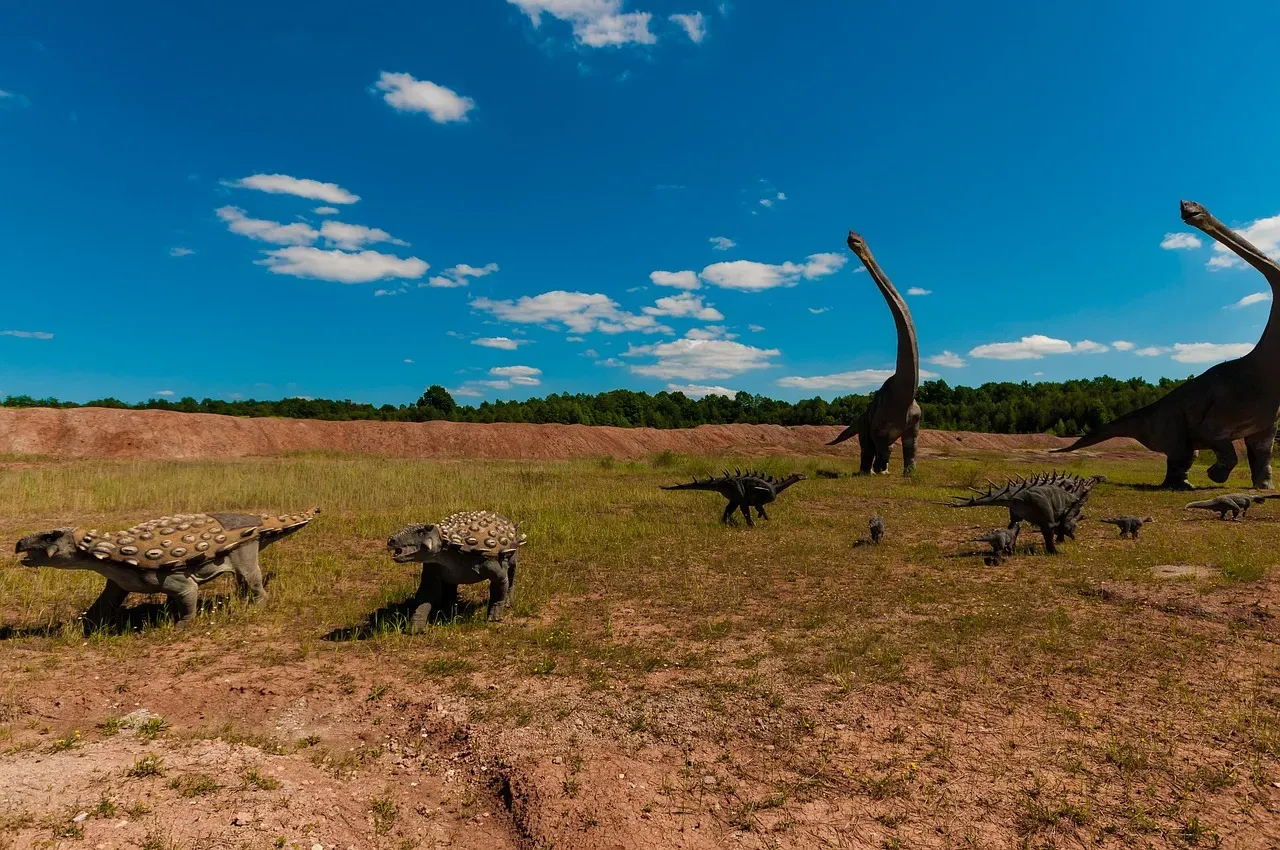
What emerges from all this evidence is a picture far richer than simple survival of the fittest. Dinosaurs weren’t passive inhabitants of ancient worlds. They were active participants in an intricate dance with their environments. Climate dictated migration routes. Temperature created community boundaries. Weather patterns orchestrated daily rhythms. Vegetation diversity enabled coexistence. Water sources anchored territories. The landscapes themselves preserved behavioral records we’re only now learning to read properly.
Understanding these connections doesn’t just tell us about dinosaurs. It reveals fundamental truths about how environments shape behavior across millions of years of evolution. The next time you see a dinosaur reconstruction, remember: those creatures were products of their world in ways we’re only beginning to appreciate. What invisible forces might be shaping our own behaviors right now?