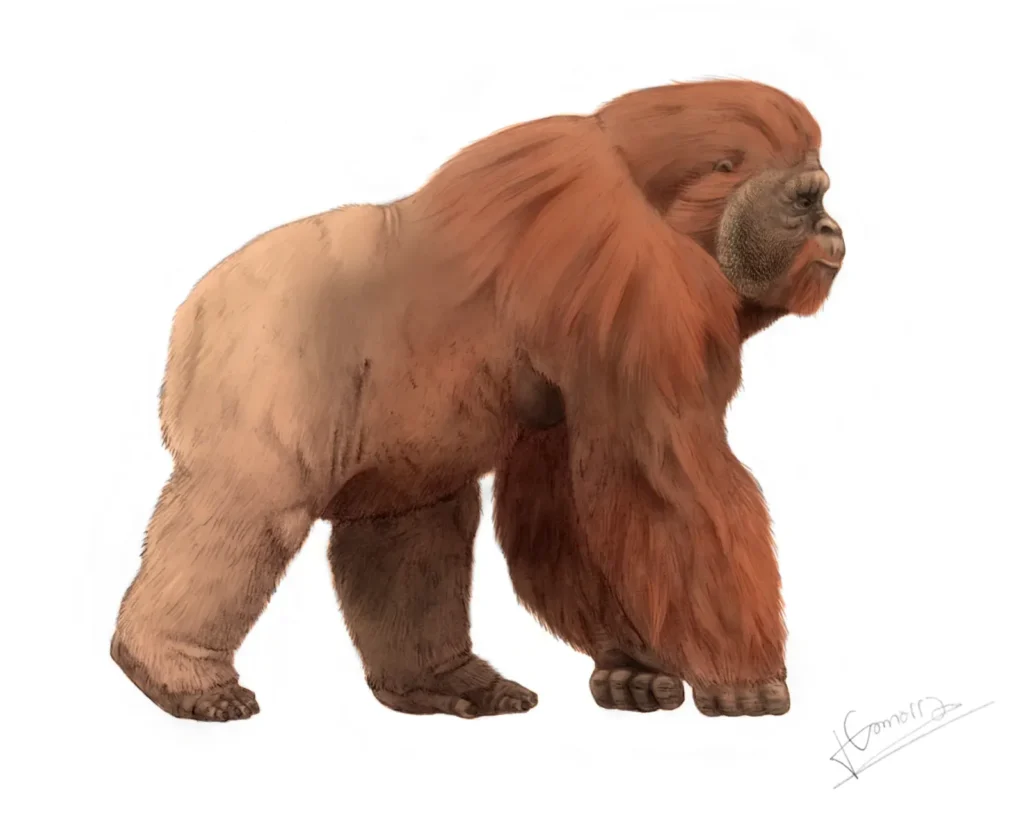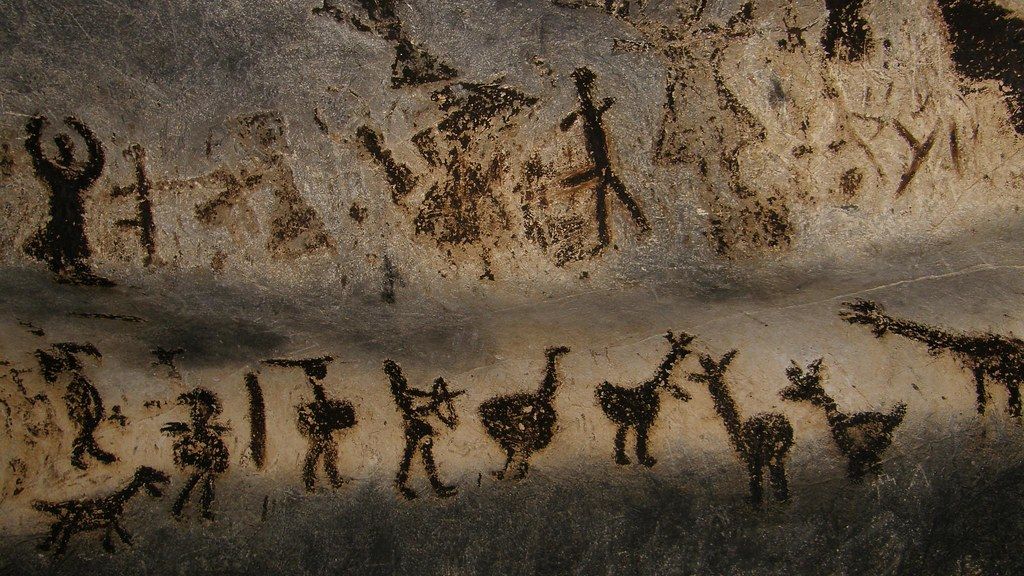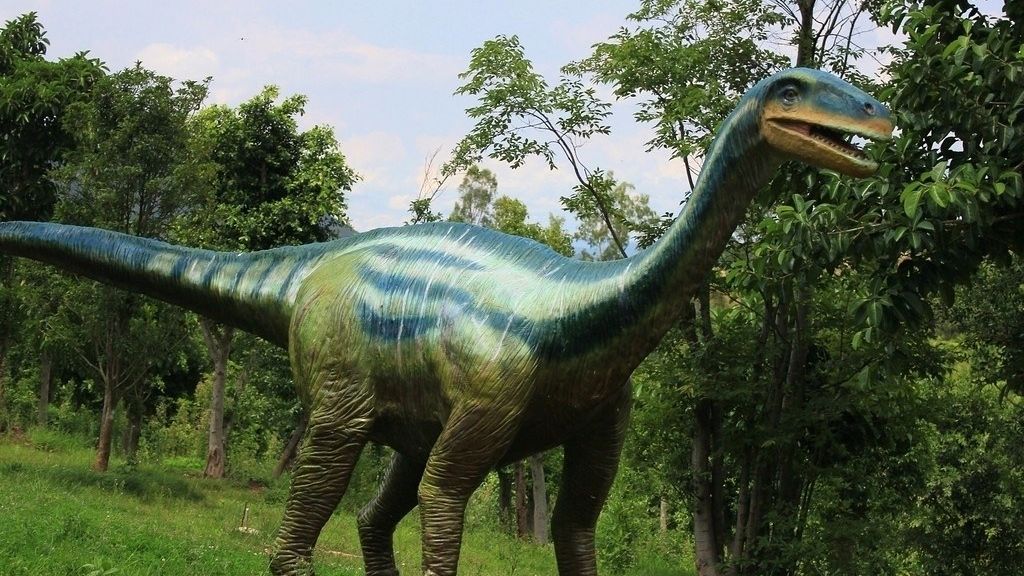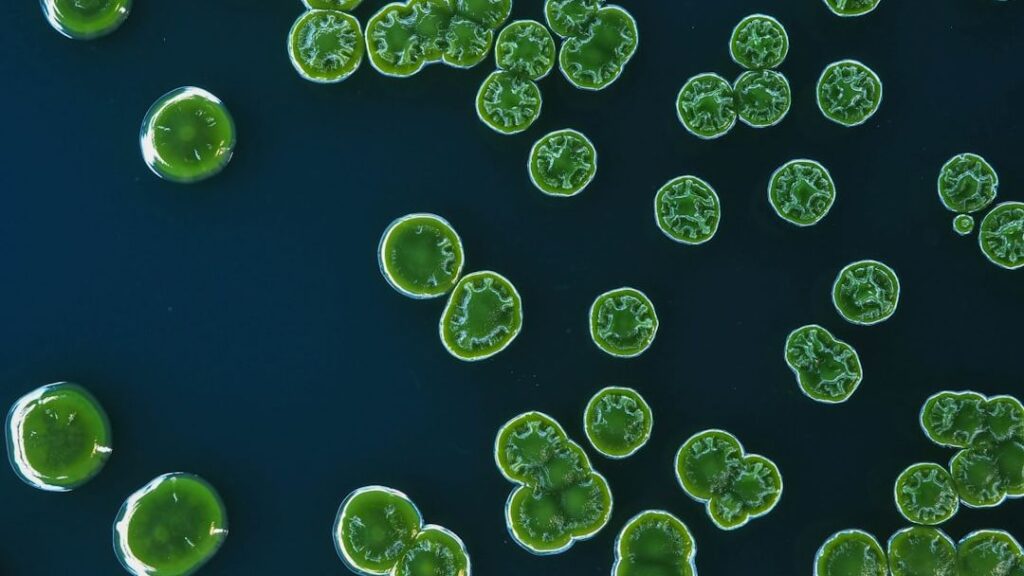
You probably picture dinosaurs or maybe even primitive fish when you think about ancient life on Earth. Honestly, that makes sense. They’re the ones that get all the museum exhibits and documentary features. But here’s the thing: by the time dinosaurs showed up, life had already been running the planet for more than three billion years. And the organisms doing the running? You couldn’t even see them without a microscope.
For vast stretches of time, bacteria and other single-celled organisms were the only life on Earth. The entire age of the dinosaurs to the present day represents roughly five percent of the history of life. That’s a mind-bending thought. Let’s dive into the secret world of Earth’s first – and arguably most important – inhabitants.
A World Before Eyes, Mouths, or Anything Familiar
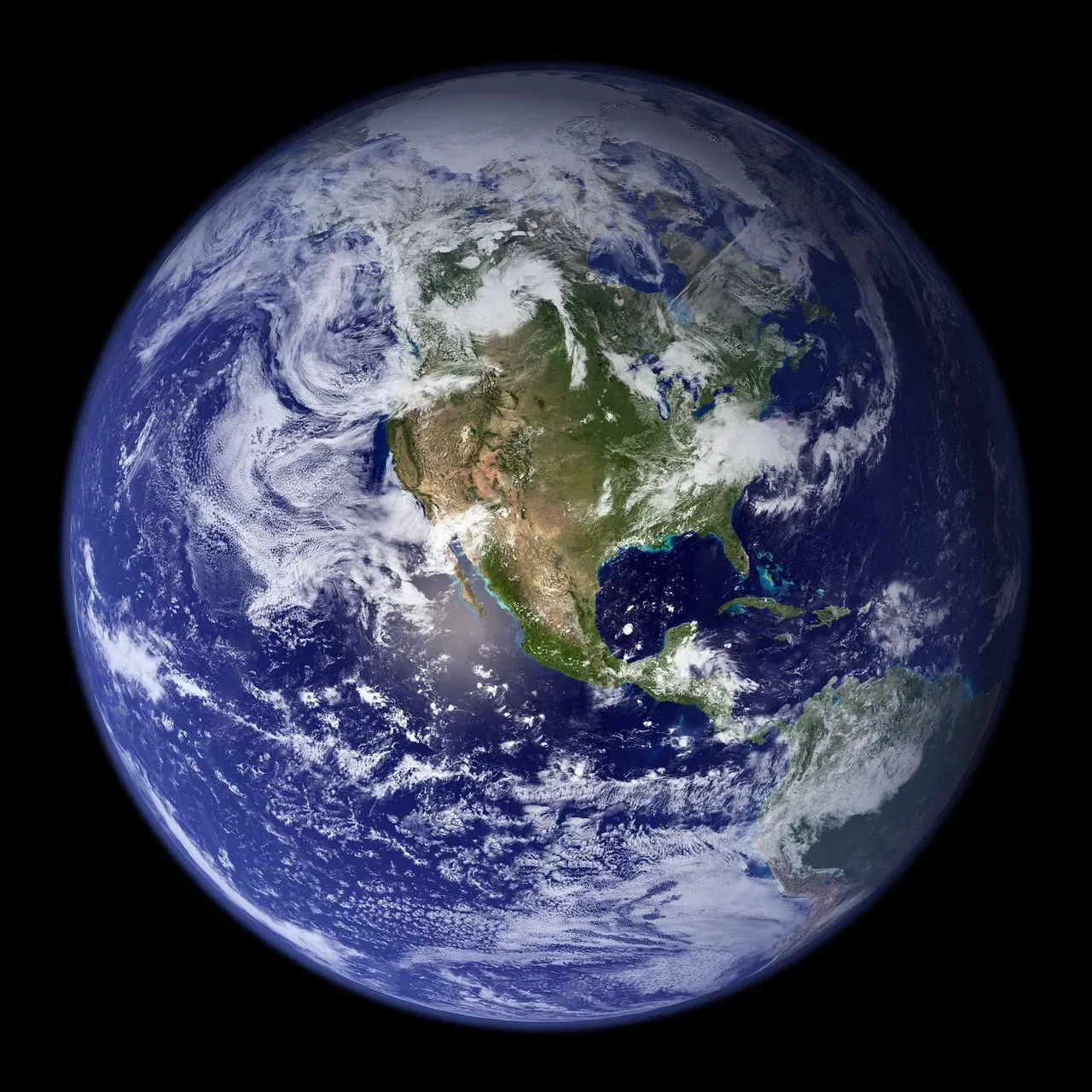
Imagine a planet with no forests, no oceans teeming with fish, no birdsong, and absolutely no oxygen in the air. That’s early Earth. Conditions on Earth four billion years ago were radically different. The atmosphere lacked oxygen, an ozone layer did not yet protect Earth from harmful radiation, and heavy rains, lightning, and volcanic activity were common. Yet the earliest cells originated in this extreme environment.
The first organisms on Earth were anaerobic prokaryotes, and these were the only forms of life on the planet for a very long period. These tiny pioneers didn’t breathe, didn’t move with purpose, and had no visible structure you’d recognize as “alive.” Yet they held the entire future of life on Earth in their microscopic bodies. It’s almost poetic when you think about it that way.
When Did Life Actually Begin? The Debate Goes Back Billions of Years
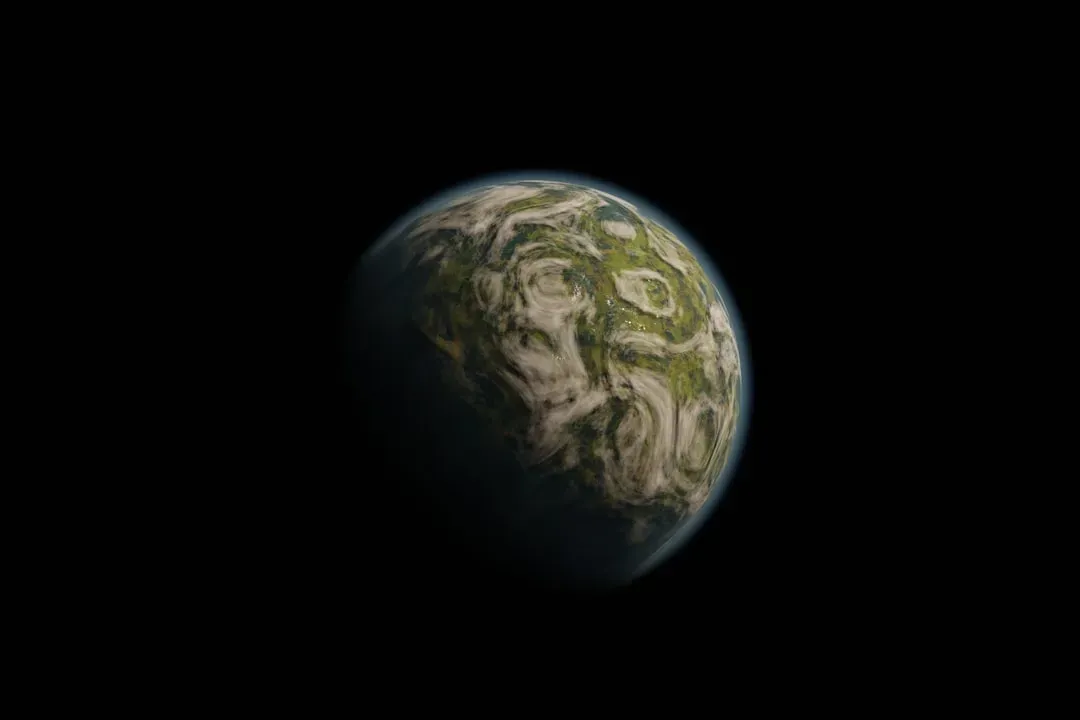
The age of Earth is about 4.54 billion years, and the earliest undisputed evidence of life on Earth dates from at least 3.5 billion years ago according to the stromatolite record. Some computer models suggest life began as early as 4.5 billion years ago. That gap is enormous, and scientists are still actively fighting over where the real starting line sits.
Diverse microbial life existed on Earth at least 3.75 billion years ago, suggests a study led by UCL researchers that challenges the conventional view of when life began. The research team analysed a fist-sized rock from Quebec, Canada, estimated to be between 3.75 and 4.28 billion years old. These findings suggest that a variety of microbial life may have existed on primordial Earth, potentially as little as 300 million years after the planet formed. That’s barely a blink in geological time.
Hydrothermal Vents: The Cradle of Life as We Know It
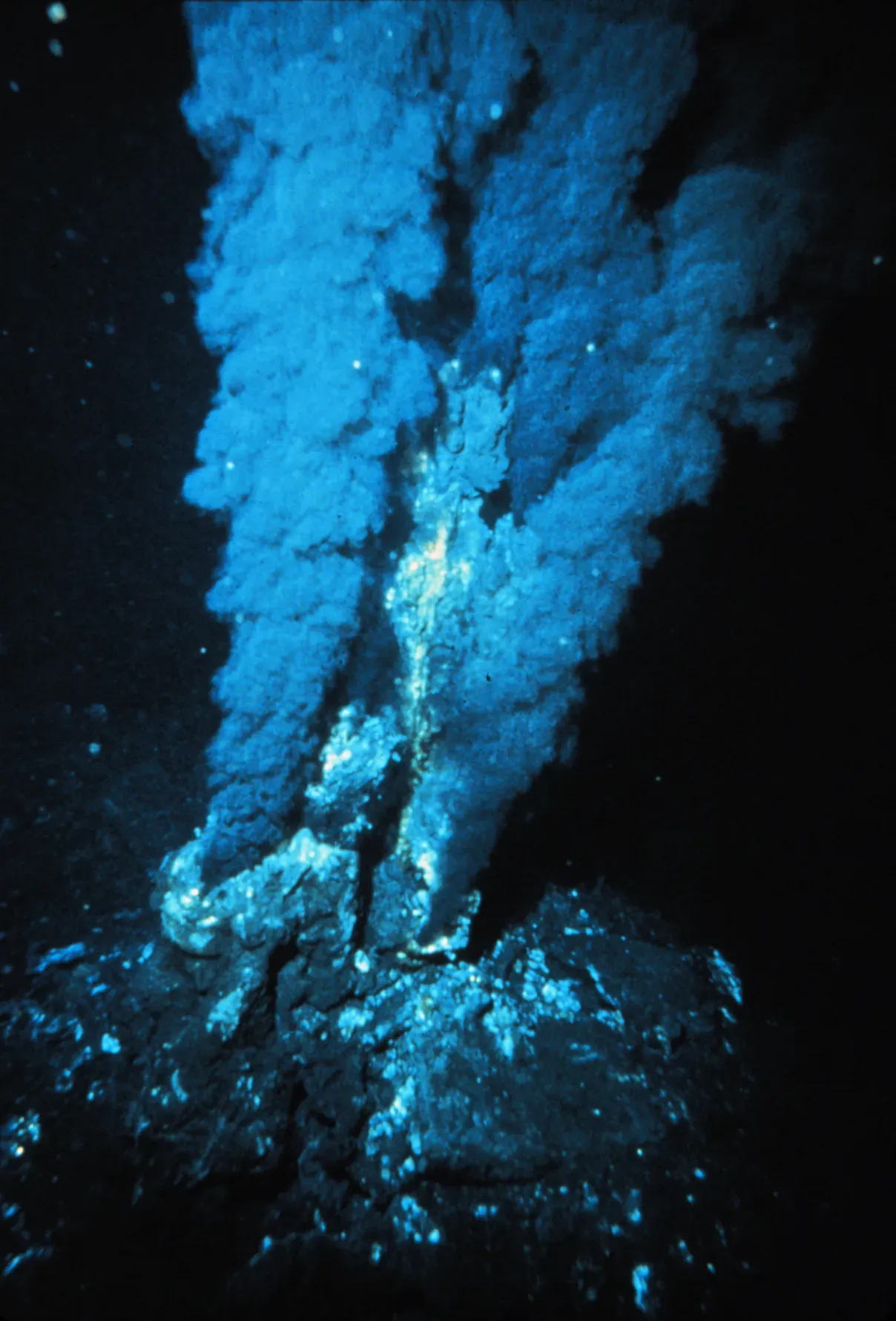
The planet had cooled down from its original molten state, developing a solid crust and oceans created from water vapor in the atmosphere. Many scientists think these primordial seas gave rise to life, with hot, mineral-rich volcanic vents acting as catalysts for chemical reactions across the surface of tiny water bubbles, which led to the first cell membranes. Think of it like a primordial chemistry lab, bubbling away on the ocean floor with no scientist in sight.
These microbes are the foundation for life in hydrothermal vent ecosystems. Instead of using light energy to turn carbon dioxide into sugar like plants do, they harvest chemical energy from the minerals and chemical compounds that spew from the vents – a process known as chemosynthesis. Recent investigations have revealed that archaea could have originated and dispersed from ancestral communities endemic to hydrothermal vents into other biomes on Earth. In other words, the entire web of life today may trace its roots back to a crack in the seafloor.
Archaea: The Toughest Survivors You’ve Never Heard Of
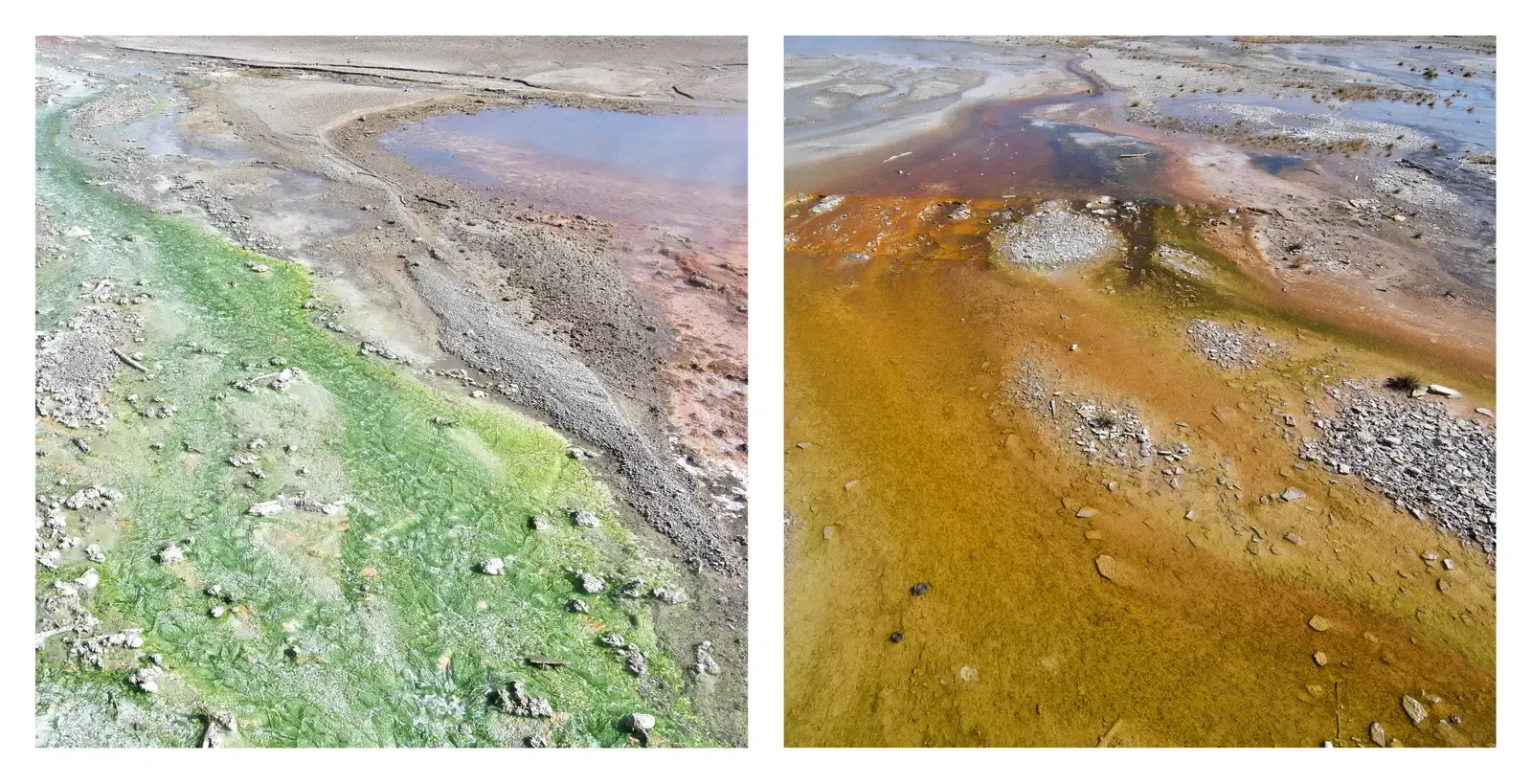
Some of the thermophilic, or heat-loving, vent microbes are the most primitive organisms known on Earth. They include Archaea, which belong to a third domain of life and are as different from bacteria as bacteria are from all other organisms. Let’s be real, most people have never even heard the word “Archaea” outside of a biology class, yet these organisms may literally be the ancestors of everything alive today.
Extremophiles have been found at depths of 6.7 km inside the Earth’s crust, more than 10 km deep inside the ocean at pressures of up to 110 MPa, from extreme acid to extreme basic conditions, and from hydrothermal vents at 122°C to frozen seawater at minus 20°C. Archaea is the main group to thrive in extreme environments. Although members of this group are generally less versatile than bacteria and eukaryotes, they are generally quite skilled at adapting to different extreme conditions and hold frequently extremophily records. Some archaea are among the most hyperthermophilic, acidophilic, alkaliphilic, and halophilic microorganisms known. They’re basically the extreme athletes of the microbial world, and they’ve been doing it for billions of years.
Stromatolites: Ancient Cities Built by Microbes
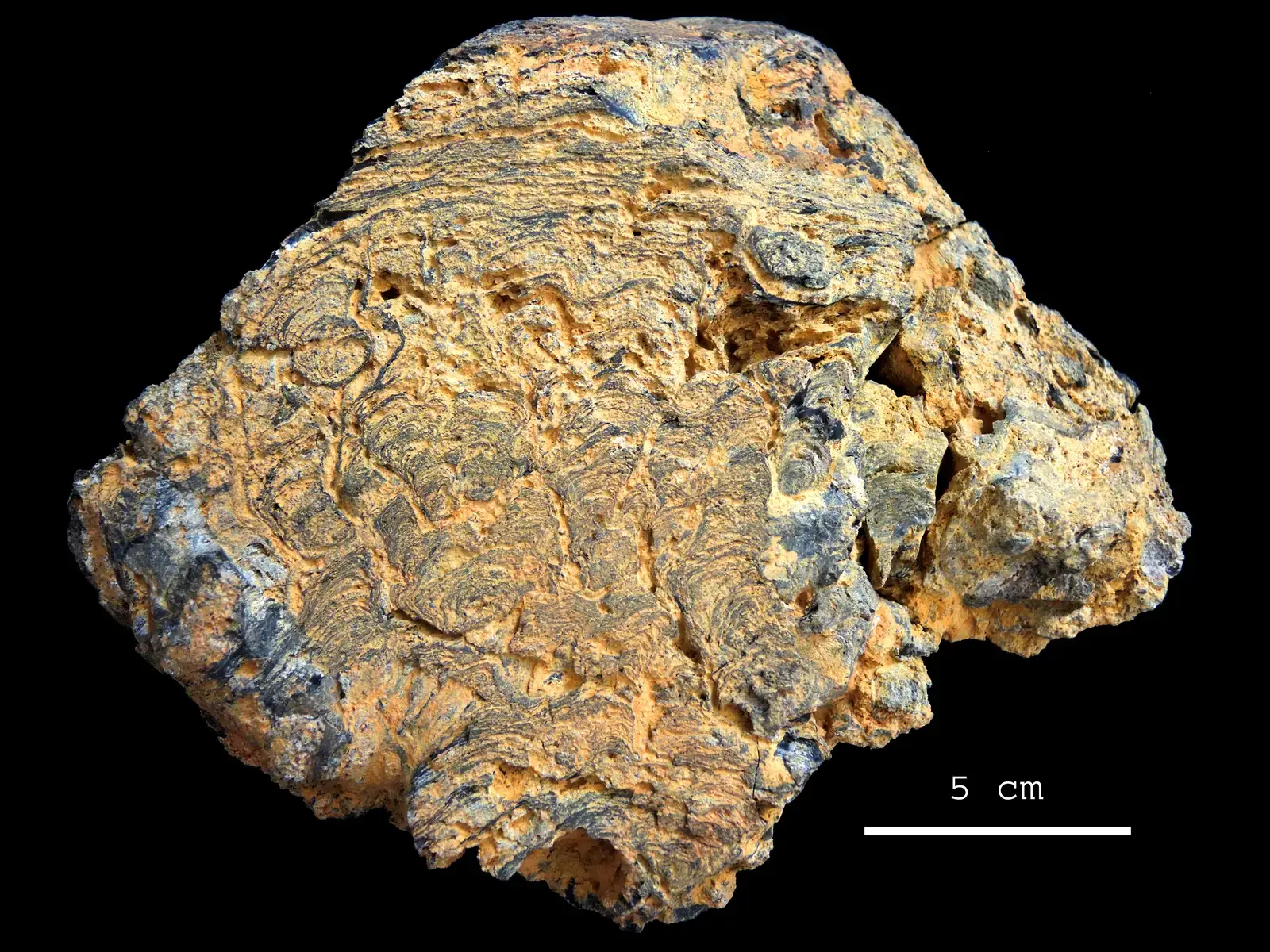
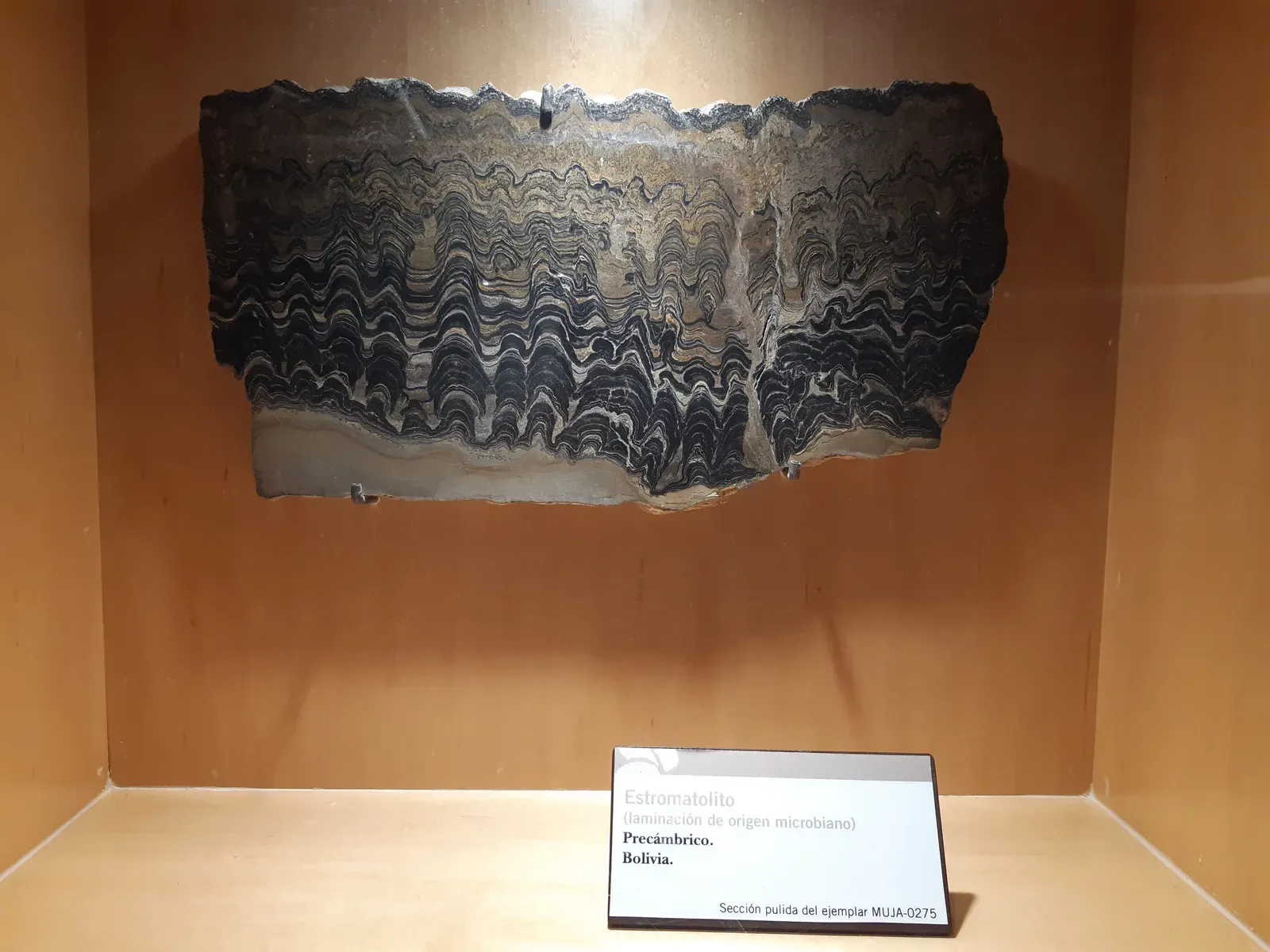
Stromatolites are layered, biochemical, accretionary structures formed in shallow water by the trapping, binding, and cementation of sedimentary grains in biofilms, specifically microbial mats, through the action of certain microbial lifeforms, especially cyanobacteria. If you’ve ever seen a photo of the strange, dome-shaped rocks sitting in shallow water at Shark Bay, Western Australia, you’ve looked directly at what is essentially Earth’s oldest living architecture.
Microbial mats are the earliest form of life on Earth for which there is good fossil evidence, from 3,500 million years ago, and have been the most important members and maintainers of the planet’s ecosystems. The understated appearance of stromatolites belies their major importance in the history of life on Earth. Stromatolites are Earth’s most enduring biological communities – while other species have risen and fallen over the course of history, stromatolite communities have persisted through time and are still found today in various locations around the globe. I think that fact alone deserves a moment of quiet respect.
The Great Oxygenation Event: When Microbes Changed the Atmosphere
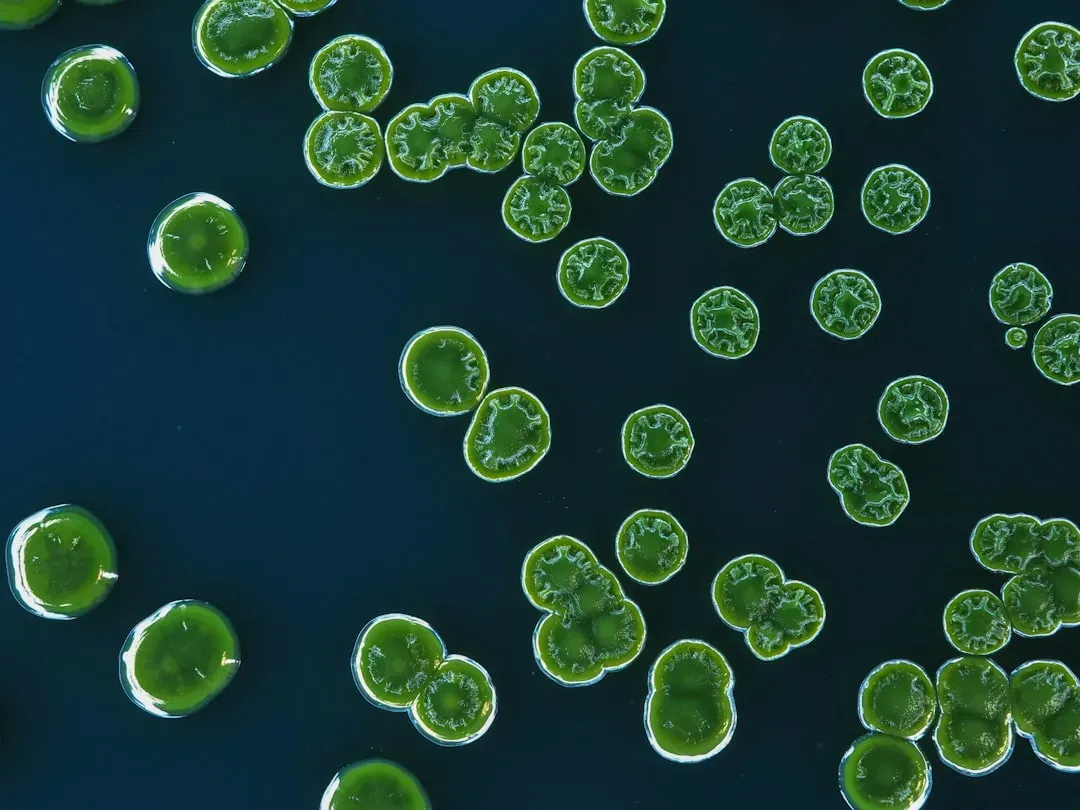
Some three billion years ago, the Earth’s atmosphere was virtually devoid of oxygen. At about 2.4 billion years ago, oxygen was released from the seas as a byproduct of photosynthesis by cyanobacteria. Levels of the gas gradually climbed, reaching about one percent around two billion years ago. Think about that: the air you’re breathing right now is a gift from ancient microbes that lived long before anything with eyes ever walked the Earth.
Around 2.4 billion years ago, masses of photosynthesising cyanobacteria initiated the Great Oxygenation Event, when oxygen began to replace other gases like methane in the atmosphere. This led to what many scientists have described as Earth’s first mass extinction, as organisms that were adapted to anaerobic life began to die out. It’s shocking to think that the very act of producing oxygen – something we celebrate as the breath of life – was, for the creatures alive at that time, a catastrophic planetary poison.
What Prehistoric Microbes Mean for the Search for Life Beyond Earth
Astrobiologists are now using archaea to study the origins of life on Earth and other planets. Because archaea inhabit places previously considered incompatible with life, they may provide clues that will improve our ability to detect extraterrestrial life. The logic here is elegant and simple: if microbes can survive in boiling sulfur pools on our planet, why not somewhere else in the solar system?
Research has pushed back the evidence for oxygen-producing photosynthesis by nearly a billion years. The new results show that even Earth’s oldest rocks still preserve chemical memories of early life, and those memories are now speaking more clearly than ever. The study paired modern chemistry with artificial intelligence, with the goal of reading chemical messages left behind by early organisms. Scientists are essentially learning to decode the diary that ancient microbes left inside stone, and the implications for finding life elsewhere in the universe are staggering.
Conclusion: The Invisible Architects of Everything
It’s easy to overlook the microscopic. We’re wired to notice things we can see, touch, and name. Yet the true architects of life on Earth were invisible to the naked eye, and they spent billions of years quietly reshaping this planet’s atmosphere, oceans, and rock formations long before any creature with a spine ever appeared.
It was bacteria that gave life its initial foothold, and it was bacteria by the trillions that engineered the planet for our use, taking in carbon dioxide and giving off oxygen, day in and day out for billions of years until there was enough oxygen in the atmosphere to support larger life. Every breath you take today is their legacy. Every complex organism that has ever lived owes something fundamental to these ancient, unseen pioneers.
The story of life on Earth doesn’t begin with a roar or a splash. It begins with something far quieter and far more extraordinary. So the next time you walk past a rock on a beach or a murky pool of water, think twice. You might just be looking at a descendant of Earth’s very first inhabitants. What do you think would have happened if those first microbes had never learned to produce oxygen? Tell us in the comments.