Picture this. You’re walking through what’s now Vermont or Connecticut, except there are no quaint colonial villages dotting the hills. No highways cutting through the forests. Instead, you hear something that sounds like thunder, but the sky is clear. Then you see them – massive creatures lumbering through spruce forests, their tusks gleaming in filtered sunlight. This was New England roughly fifteen thousand years ago, when the glaciers were retreating and exposing a landscape completely foreign to what we know today.
The animals that once lived here weren’t just bigger versions of what we see now. They were fundamentally different beasts. We’re talking about predators that would make a modern grizzly look like a house cat and herbivores that could reshape entire ecosystems just by feeding. Here’s the thing: most people have no idea what actually stalked the forests and grasslands of prehistoric New England.
When Giants Walked Among Spruce Forests
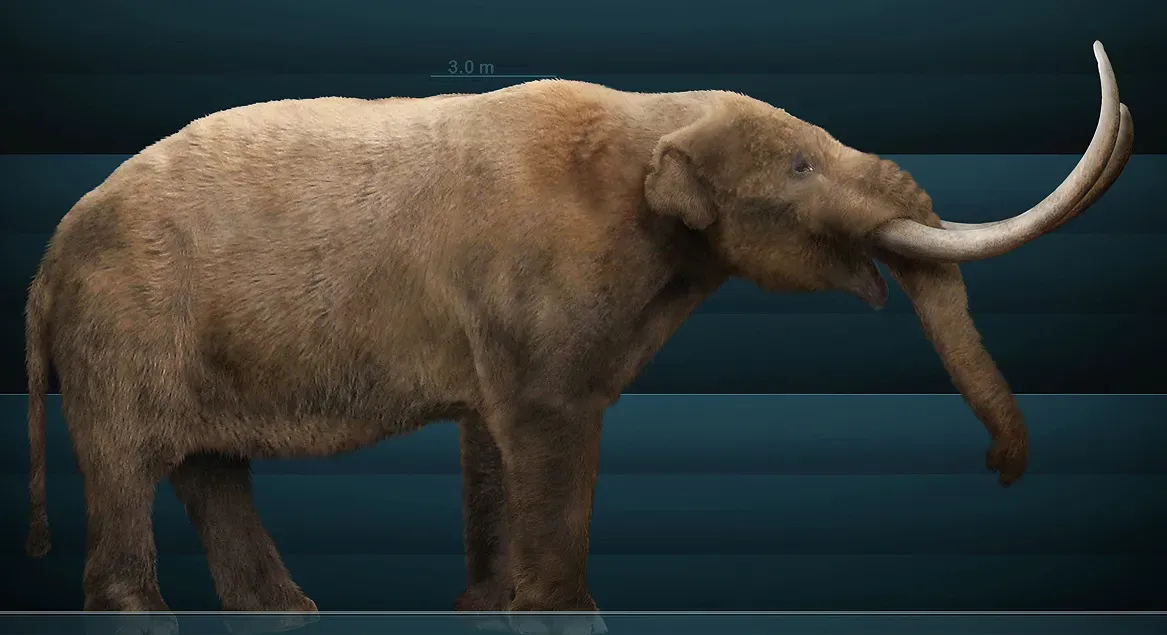
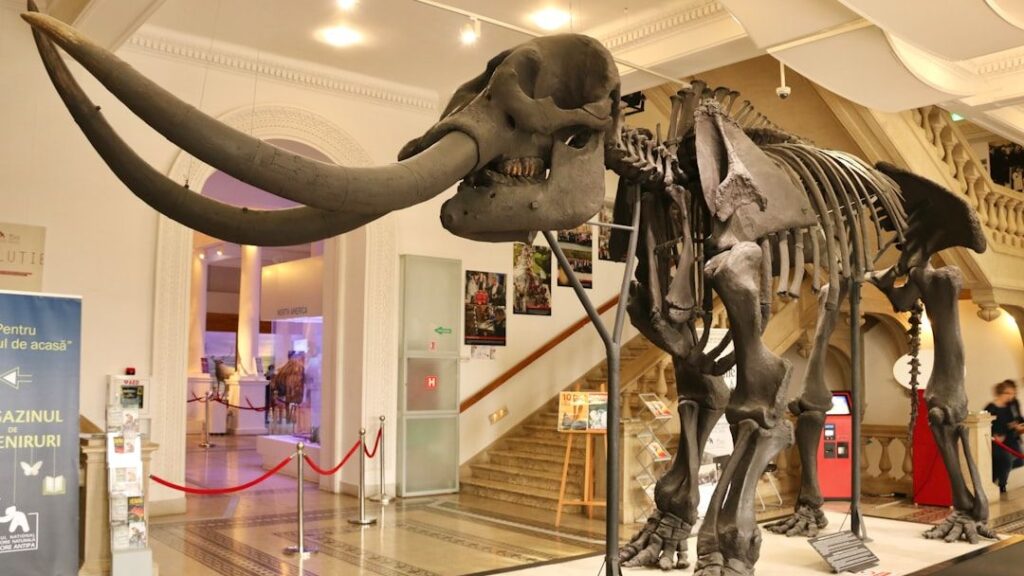
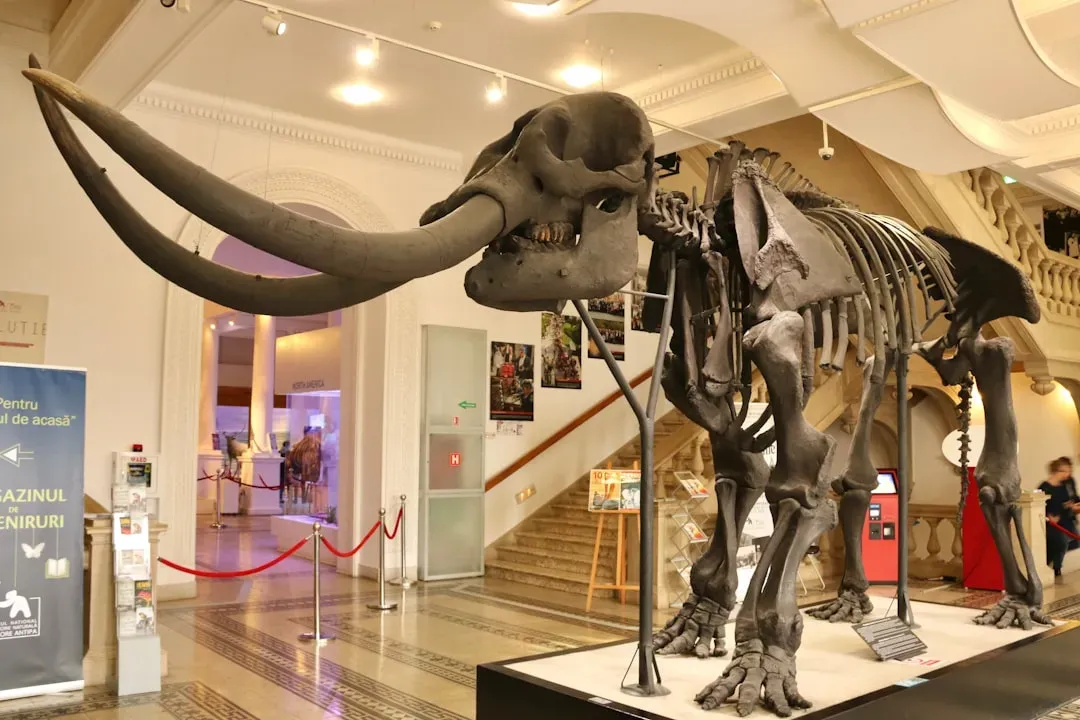
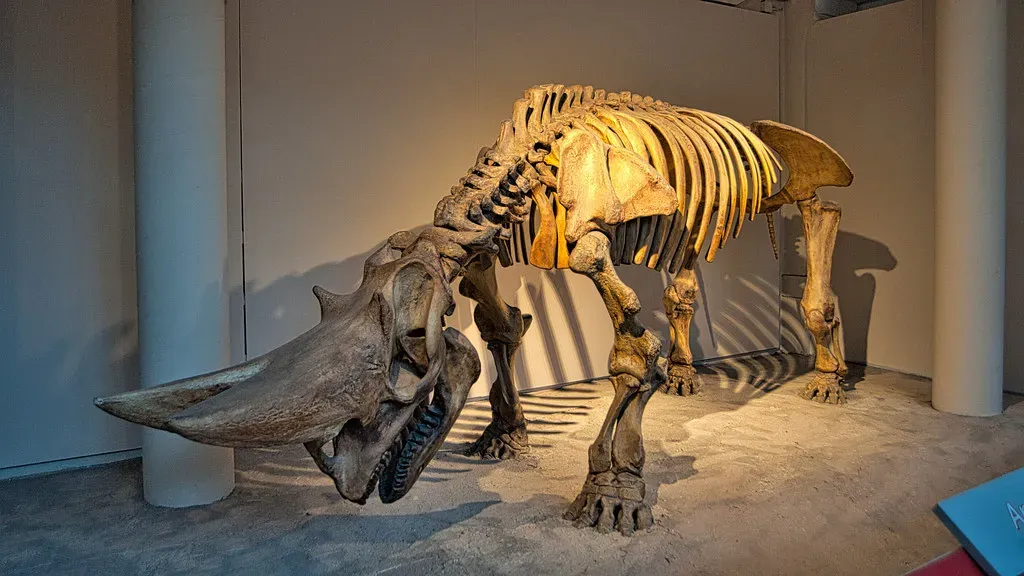
Around ten thousand years ago, as the first paleo-humans ventured into New England at the end of the last ice age, they encountered wonders like the American mastodon. Imagine stumbling upon one of these beasts while hunting. Standing up to ten feet tall at the shoulder and stretching fifteen feet in length, with tusks that could exceed sixteen feet, these animals weighed somewhere between eight and twelve thousand pounds.
These weren’t the only massive animals roaming the region. Giant beavers were six to seven times the size of modern beavers and weighed about three hundred pounds. Let’s be real, you wouldn’t want to encounter one of those in a stream. These large animals, which included mammals, birds and reptiles, are known as Pleistocene megafauna, as they lived during the Pleistocene era spanning from ten thousand to two and a half million years ago.
The Dire Wolf’s Deadly Domain
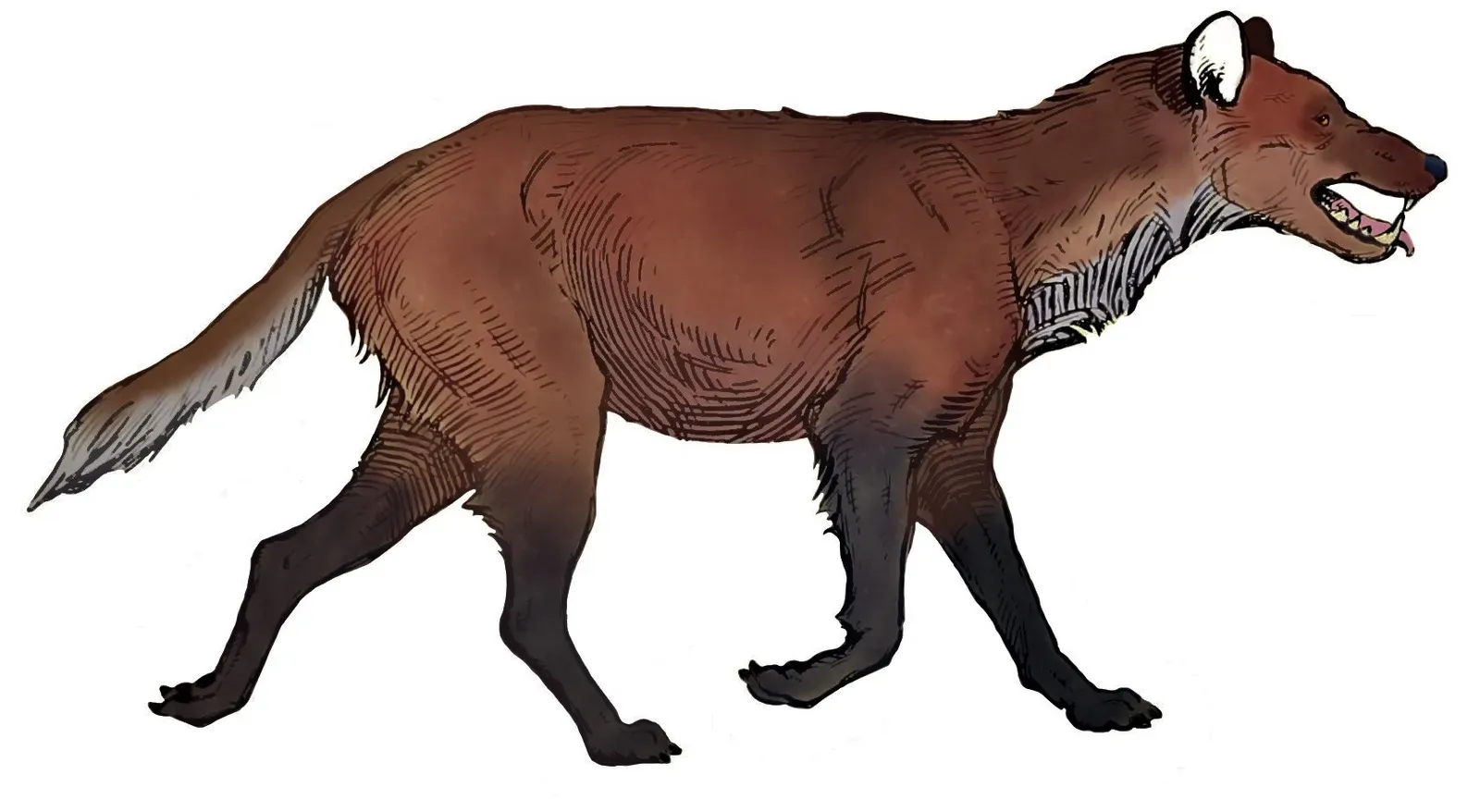
You’ve probably heard of dire wolves thanks to popular television, but the real creatures were far more fascinating than fiction. The dire wolf was larger and more powerfully built than the modern gray wolf. Think about that for a second. Modern gray wolves already inspire fear and respect across North America, yet their prehistoric cousins made them look downright timid.
The dire wolf’s skull and dentition matched those of modern wolves, but its teeth were larger with greater shearing ability, and its bite force at the canine tooth was stronger than any known Canis species – characteristics thought to be adaptations for preying on Late Pleistocene megaherbivores like western horses, dwarf pronghorn, ground sloths, ancient bison, and camels. These weren’t opportunistic scavengers. They were apex predators designed to bring down animals that weighed half a ton or more.
Saber-Toothed Terror in the Northeast
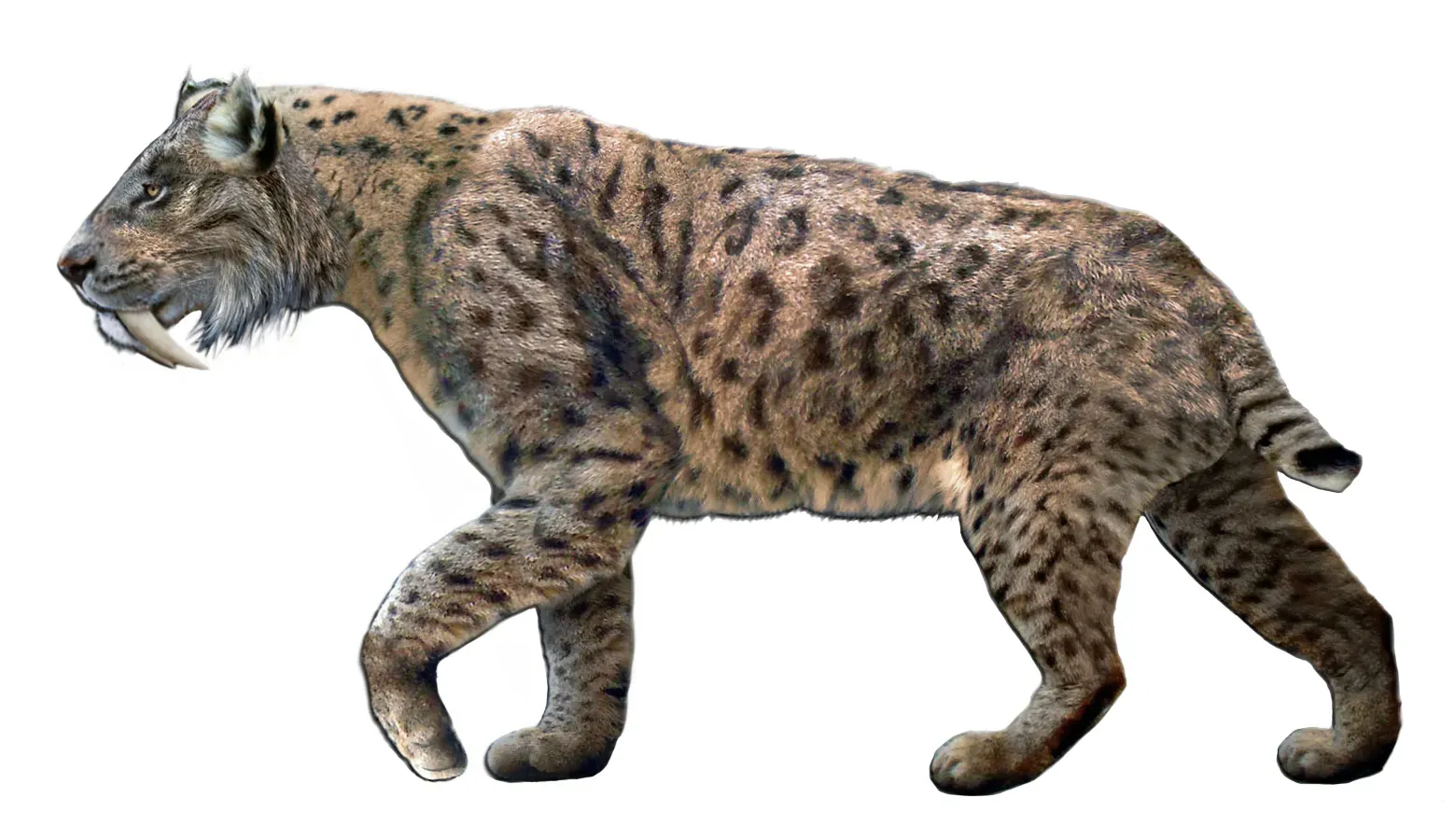
The saber-toothed tiger, more accurately called Smilodon fatalis, was one of the most iconic animals of Ice Age North America, with skeletons showing upper canines averaging seven inches long and a jaw that could open an astonishing one hundred thirty degrees. Can you even imagine encountering that gaping maw in a dark forest? I certainly can’t.
Here’s what’s really interesting, though. These cats weighed over six hundred pounds in some cases and had relatively short legs and a bobbed tail, meaning they were built for ambush attacks, not long sprints. According to analysis of their teeth, the saber-tooth cats of the American West were most likely forest-dwellers that hunted animals such as tapir and deer. So in New England’s dense woodlands, they would have been absolutely devastating predators.
The Giant Short-Faced Bear: Nature’s Ultimate Threat
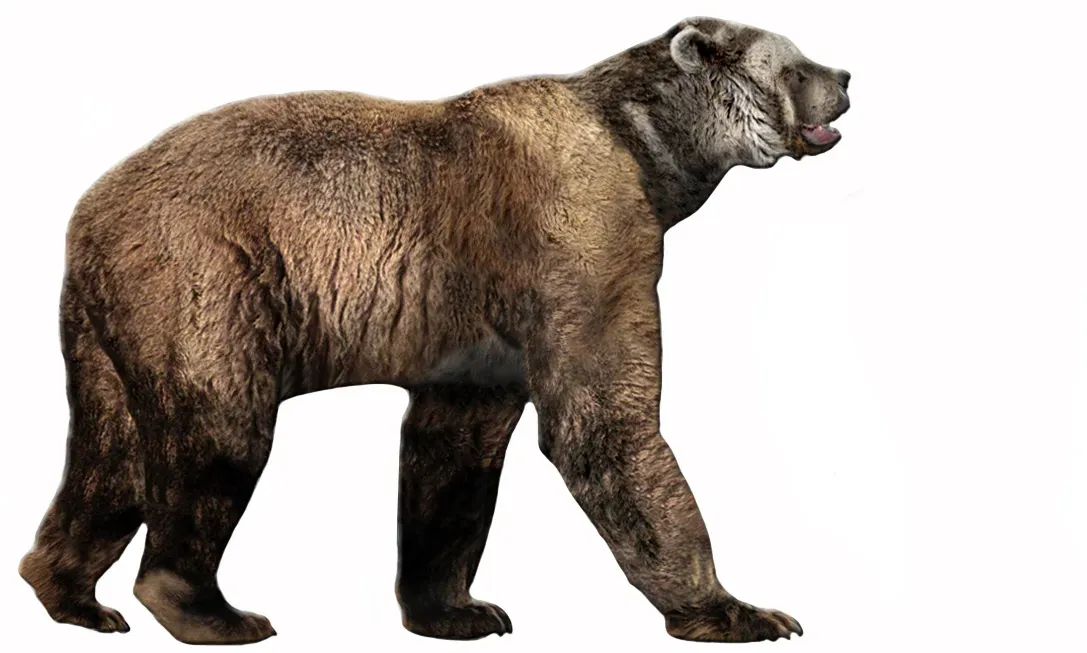
If there was one animal that truly dominated Ice Age North America, it was the giant short-faced bear. In prehistoric North America, Arctodus simus ruled the land as one of the biggest and most powerful predators the world has seen, weighing an immense nine hundred kilograms and standing two metres at the shoulder. Picture that. A bear standing as tall as a basketball hoop at the shoulder alone.
Standing at eleven feet on its hind legs, the short-faced bear was the most enormous mammalian carnivore ever to live in North America. Even more remarkable, recent research reveals dietary variation across regions. Research found that short-faced bears in the Pacific Northwest were highly carnivorous, but those found in southern California were more omnivorous, similar to a modern grizzly bear – researchers know this because the bears found in Rancho La Brea seemed to have more cavities in their teeth, likely the result of eating starches and fruits. Honestly, it’s hard to say whether you’d prefer to meet the purely carnivorous version or the omnivorous one.
The American Lion’s Silent Stalk
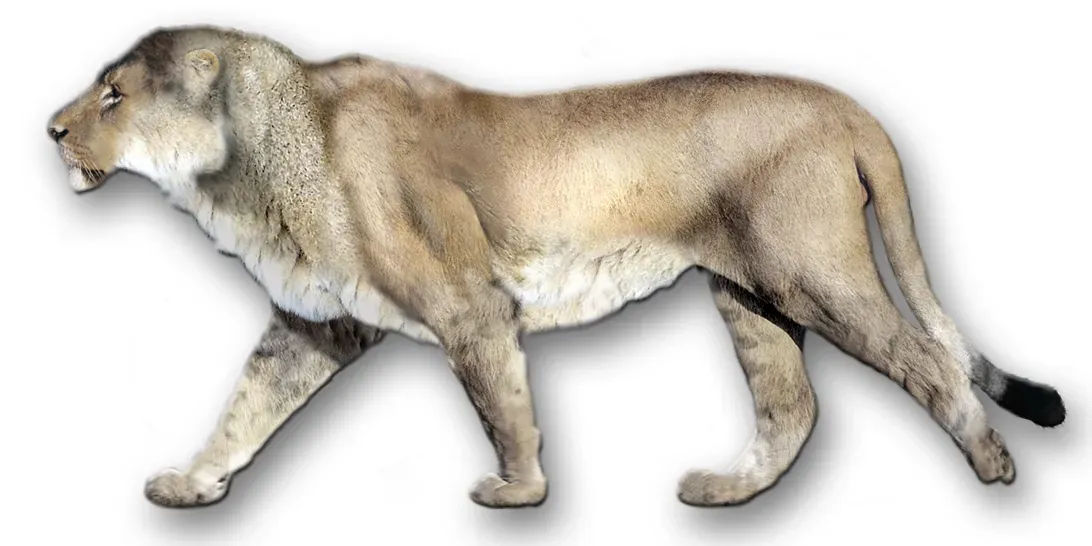
Most people don’t realize that lions once prowled North America. The American lion, Panthera atrox, meaning “savage” or “cruel,” lived in North America during the Late Pleistocene from around one hundred twenty-nine thousand to twelve thousand eight hundred years ago and was about twenty-five percent larger than the modern lion, making it one of the largest known felids to ever exist and a dominant apex predator.
This lion was between five point three and eight point two feet long and stood at about three point nine feet from the ground to the shoulder, with weight estimates varying between five hundred sixty-four and nine hundred thirty pounds. The truly unsettling part? Unlike modern lions, American lions may have been a diurnal predator. That means they hunted during daylight hours, when you’d actually be able to see them coming. Small comfort, I suppose.
Mastodons: The Misunderstood Giants
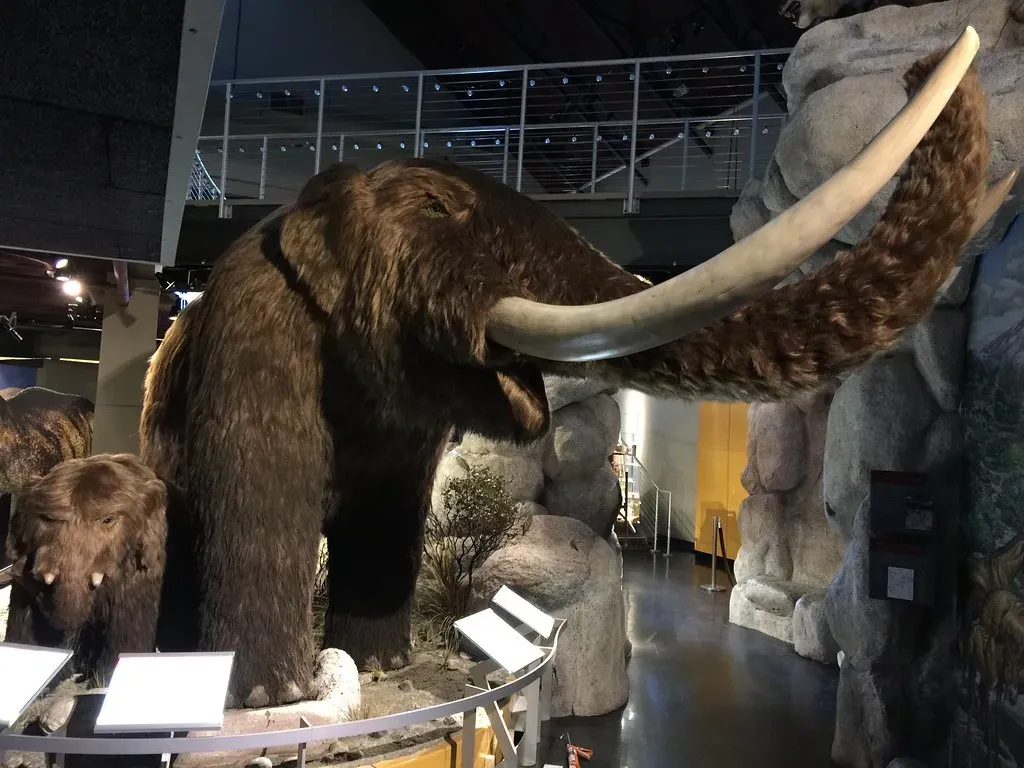
Though their habitat spanned a large territory, American mastodons were most common in the cold ice age spruce forests of the eastern United States, as well as immediately south of the Great Lakes. This makes New England prime mastodon territory. Related to modern elephants and superficially resembling them with long tusks and a flexible trunk, they were stockier than elephants with thicker limb bones and they had a coat of long hairs, which was probably a rich, dark brown.
What’s fascinating is their potential social structure. The social behavior of mastodons is controversial, with many archeological finds being of solitary animals, leading some to suggest they did not live in herds or at least not in large numbers like elephants. Yet mastodon young were thought to have taken around ten years to reach sexual maturity, and consequently, American mastodons may have lived in matriarchal groups like modern elephants, as the long-term investment in raising offspring benefits from protective herding.
The Mysterious Disappearance
When the glaciers receded in the late Pleistocene, North America was home to dozens of thriving species of extra-large mammals known as megafauna, but around ten thousand years ago, nearly all of those giant creatures were wiped out. The timing is suspicious, to say the least. It has long been thought that megafauna and humans in New England did not overlap in time and space and that it was probably ultimately environmental change that led to extinction, but research provides some of the first evidence that they may have actually co-existed.
Major extinctions occurred in the Americas about thirteen thousand years ago, coinciding with the migration of modern humans into these regions, while extinctions in the Americas were virtually simultaneous, spanning only three thousand years at most. Overall, during the Late Pleistocene about sixty-five percent of all megafaunal species worldwide became extinct, rising to seventy-two percent in North America. Those are staggering numbers when you stop and think about it.
What We Lost Forever
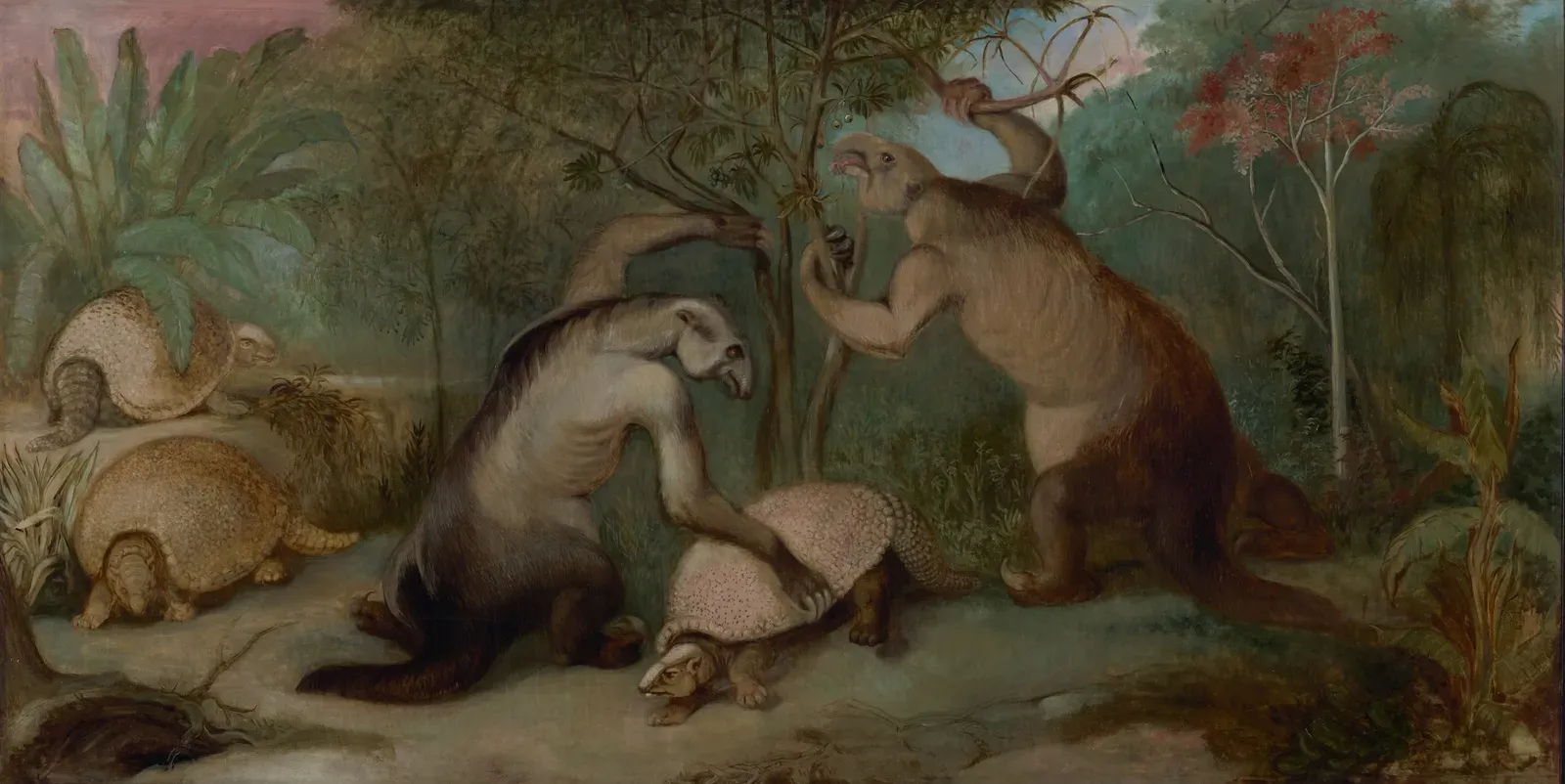
The short-faced bear went extinct around eleven thousand years, at the end of the Pleistocene, along with most large mammals including giant ground sloths, mammoths, mastodons, giant beavers, camels, and giant armadillos. The reasons remain debated among scientists. The causes for extinctions varied across taxa and by region, with three cases appearing linked to hunting, five others consistent with ecological effects of climate change, and a final case where both hunting and climate change appear responsible.
Following the disappearance of many large prehistoric herbivores such as giant ground sloths, mammoths, mastodons, and camels, smaller predators like coyotes adjusted their lifestyles – when the large predators and prey went extinct, not only did they shrink, but they fundamentally changed their diet and started scavenging to become the opportunists we know today. It’s a sobering reminder that adaptability determines survival more than size or strength.
Conclusion: Echoes of a Lost World
Standing in a New England forest today, it’s almost impossible to imagine what once was. The white-tailed deer nervously watching from the brush seems impossibly small compared to the mega-herbivores that once browsed here. The black bear ambling through underbrush would have been prey, not predator, in the world that existed just twelve thousand years ago.
North America today is not a normal, natural landscape – for most of Earth’s history, certainly through the Pleistocene, there were big mammals all over the place, but after humans arrived, the really big mammals rapidly disappeared, except in Africa and parts of Asia. New England lost its giants, and with them, an entire ecosystem collapsed and reformed. The forests we walk through now are ghosts of what they once were – quieter, smaller, tamer.
What do you think would happen if those creatures still roamed our forests today? Could humans and megafauna coexist in our modern world, or was their extinction inevitable the moment our ancestors arrived?