Imagine a world where continents were nothing but lifeless rock. No trees, no grass, no flowers. Just barren stone under a hostile sky. That was Earth roughly half a billion years ago, yet today, green life blankets almost every corner of our planet. How did this incredible transformation happen? The story of how plants conquered land is one of the most dramatic turning points in the history of life on our planet, reshaping everything from the atmosphere we breathe to the soil beneath our feet. It’s a tale filled with evolutionary ingenuity, unlikely partnerships, and adaptations so clever they still amaze scientists in 2026.
You might think plants simply walked out of the water one day, ready to thrive. The reality is far more complex and fascinating. So let’s dive in.
When Green Invaders First Left the Water
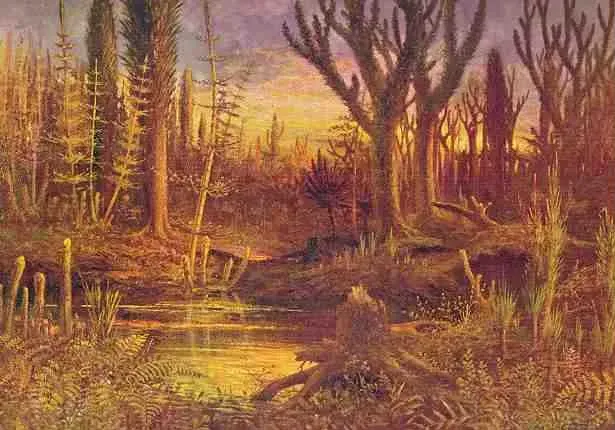
The first plants to colonize Earth originated around 500 million years ago, though you’d hardly recognize them compared to the plants around you today. Evidence of embryophyte land plants first occurs in the middle Ordovician, roughly 470 million years ago. Picture tiny moss-like organisms clinging desperately to the edges of ancient shorelines. These pioneers weren’t much to look at, honestly.
The pioneering plants were small and moss-like, and they had to overcome two big challenges: avoiding drying out and surviving the Sun’s harsh ultraviolet light. Unlike their aquatic ancestors who floated comfortably in water, these early colonists faced a brutal new reality. The land offered abundant sunlight and carbon dioxide, sure, but it also threatened to kill them with desiccation and radiation. Still, something about those inhospitable shores proved irresistible.
The Fungal Friends Who Made It All Possible
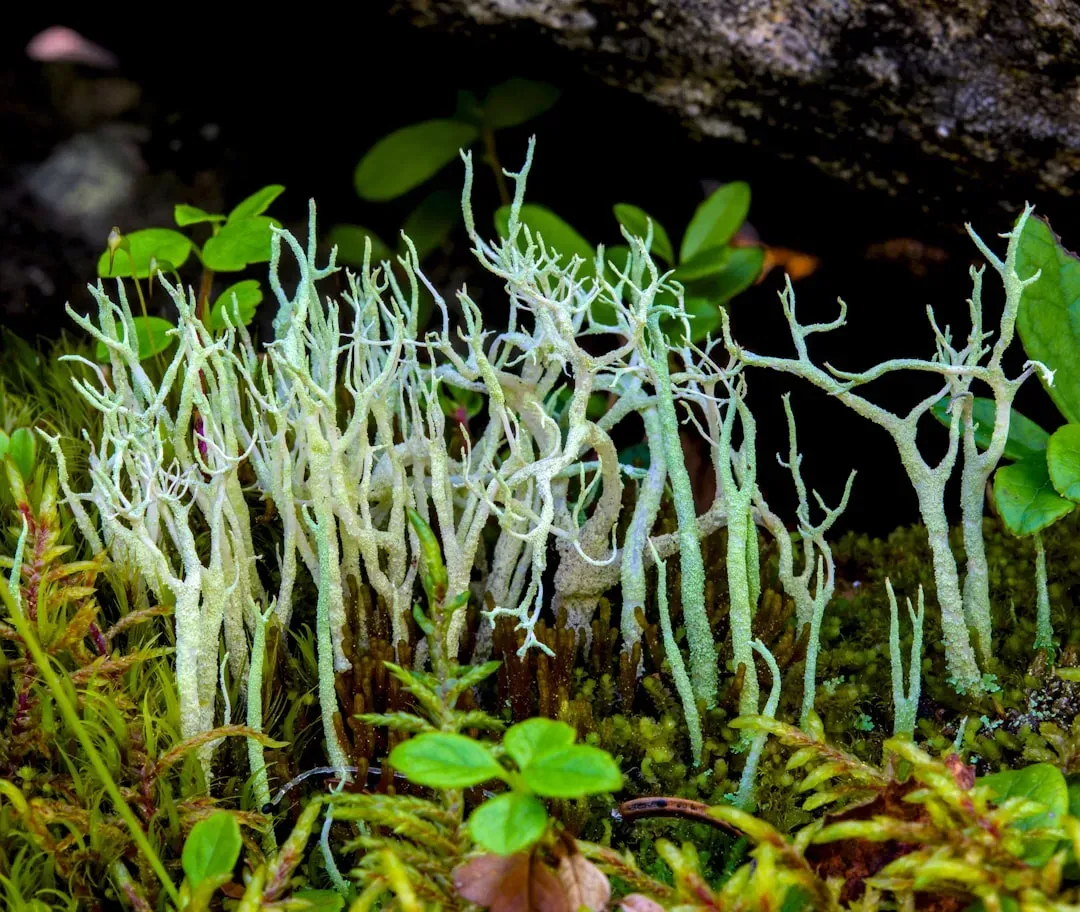
Here’s where the story gets really interesting. Plants didn’t conquer land alone. Proto-mycorrhizal fungi were a key factor enabling plant terrestrialization, with a strong consensus that mycorrhizal fungi served as a primitive root system for early terrestrial plants. Think of it as one of nature’s greatest partnerships.
Prior to plant colonization of land, soils were nutrient sparse and plants had yet to develop root systems, making early terrestrial plants incapable of absorbing recalcitrant ions from mineral substrates such as phosphate. The fungi essentially acted as an external digestive system, breaking down minerals from rocks and sharing them with plants in exchange for sugars produced through photosynthesis. Without this collaboration, plants might never have made it past the water’s edge. Both paleobiological and molecular evidence indicate that arbuscular mycorrhizal symbiosis originated at least 460 million years ago.
Evolving the Tools for Survival
Some early traits essential for land plants, like stomata, are related to the origin of new genes, while later innovations like roots and the vascular system recycle old genes. Plants essentially became evolutionary tinkerers, repurposing old genetic material and inventing new features as needed. Stomata – those microscopic pores that let plants breathe – represented a brand new invention. Roots came later, built from modified versions of genes that already existed.
Vascular tissues form a plant’s plumbing system, carrying water and minerals from soil to leaves for photosynthesis and transporting food from photosynthetic cells to other cells. Before vascular tissue, plants couldn’t grow much taller than a few centimeters. The evolution of vascular tissues revolutionized the plant kingdom, allowing plants to grow large and endure periods of drought in harsh land environments. This was the game-changer that separated the winners from the evolutionary also-rans.
The Ordovician and Silurian: Earth’s Green Dawn
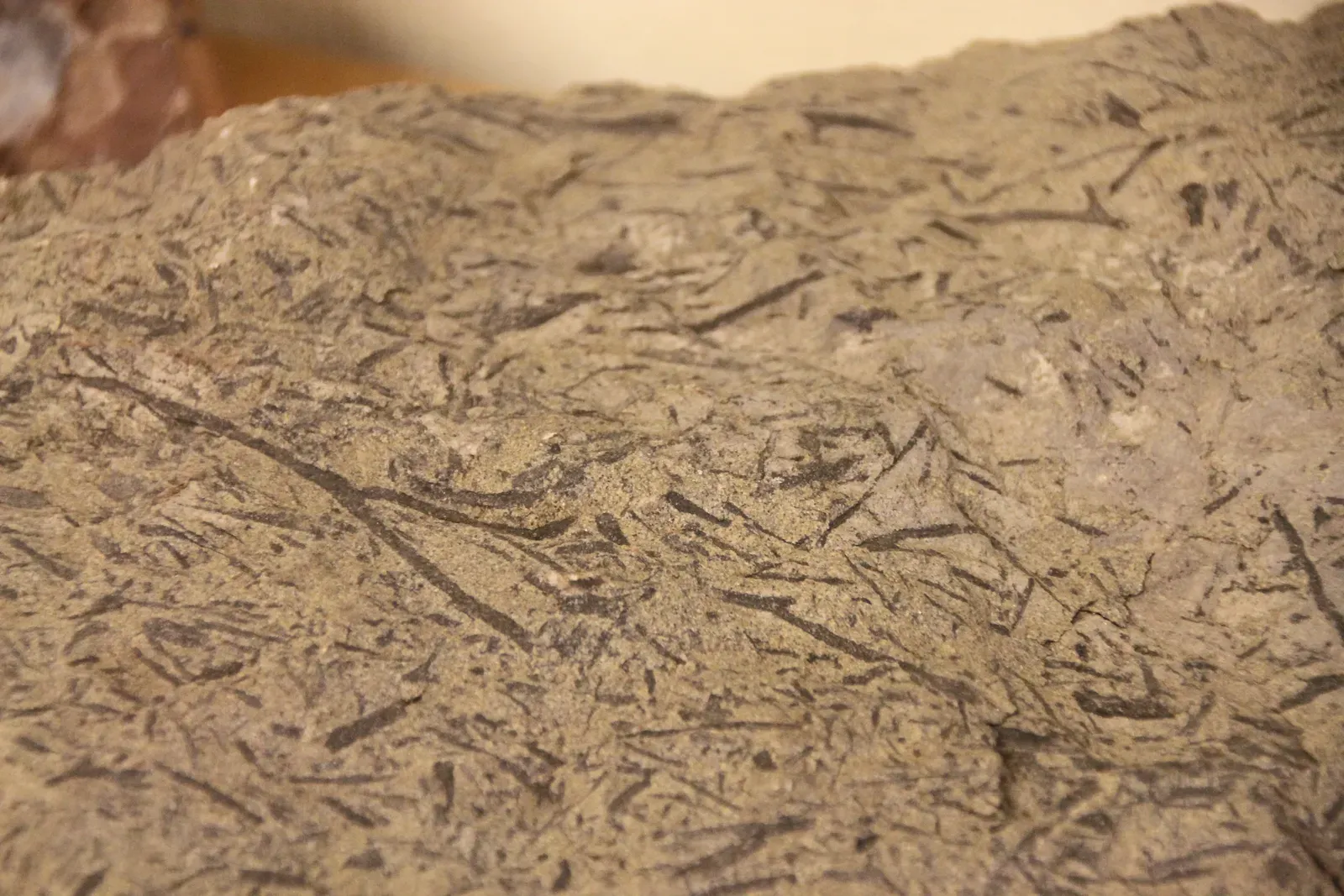
Terrestrial plants probably evolved from green algae, first appearing as tiny non-vascular forms resembling liverworts in the middle to late Ordovician, with fossil spores typical of bryophytes found in Ordovician sedimentary rock. These weren’t exactly forests, more like a greenish film creeping across wet rocks near water sources. Unimpressive? Maybe. Revolutionary? Absolutely.
The first fossil records of vascular plants appeared in the Silurian period, with the earliest known representatives placed in the genus Cooksonia. Cooksonia looked almost comically simple – just Y-shaped stems topped with spore capsules. They had very simple branching patterns with flattened sporangia, and by the end of the Silurian much more complex vascular plants had diversified. This period marked the beginning of plants’ true conquest of terrestrial environments.
Building a Brave New Ecosystem
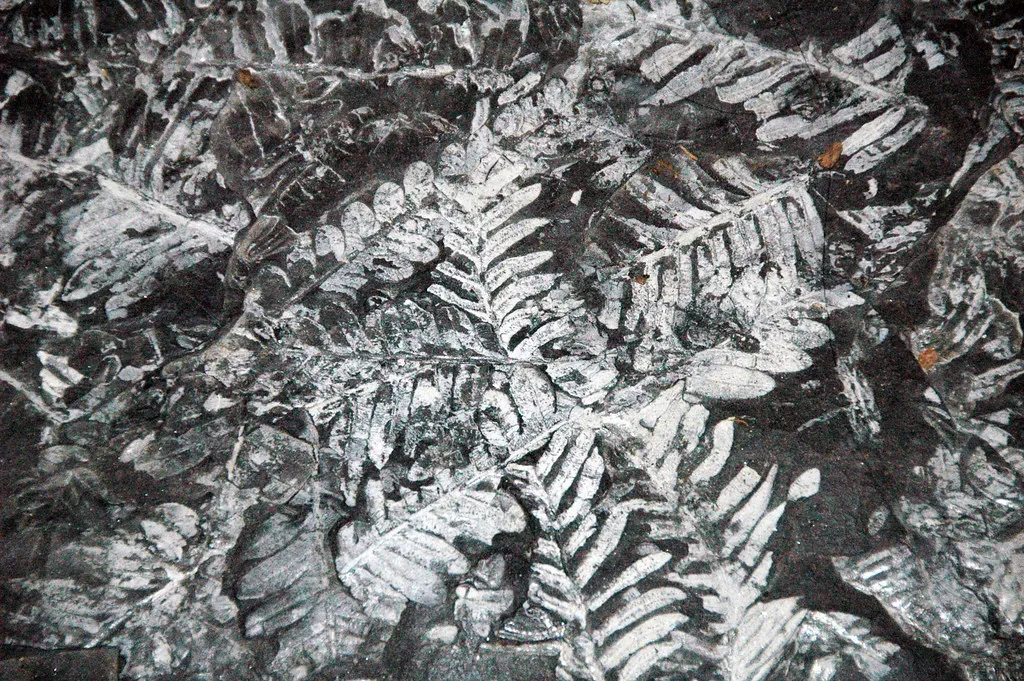
The Ordovician and Silurian show a 1.4 times greater proportion of mudrock than the previous 90 percent of Earth’s history, an increase considered a result of land plants retaining muds in a terrestrial setting. Plants weren’t just passive inhabitants – they actively reshaped the planet. Their roots (and before that, their fungal partners) broke down rock, creating the first true soils.
The global spread of plants and their adaptations to life on land led to an increase in continental weathering rates that resulted in a dramatic decrease in carbon dioxide levels in the atmosphere and global cooling. Plants essentially air-conditioned the planet. The greening of continents acted as a carbon dioxide sink, and atmospheric concentrations of this greenhouse gas may have dropped, potentially cooling the climate and leading to a massive extinction event. Yes, plants may have inadvertently caused an ice age. Nature’s irony at its finest.
The Devonian Explosion: When Plants Went Big
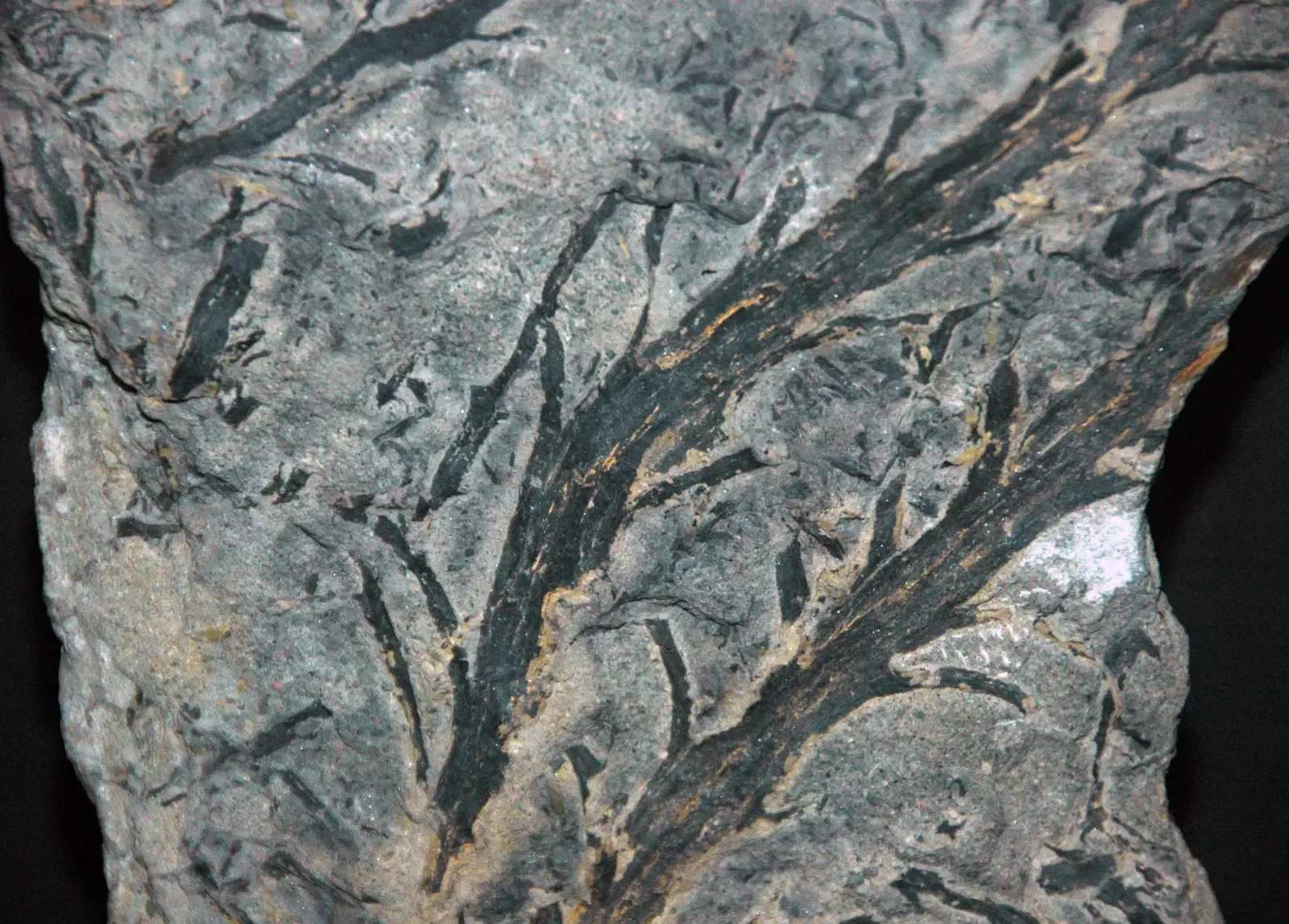
By the late Devonian, around 370 million years ago, free-sporing plants such as Archaeopteris had secondary vascular tissue that produced wood and formed forests of tall trees, while early seed ferns like Elkinsia had evolved seeds. This was the plant world’s equivalent of the Cambrian explosion. Suddenly, Earth had forests.
By the Late Devonian, forests of large primitive plants existed including lycophytes, sphenophytes, ferns and progymnosperms, most with true roots and leaves, with tree-like Archaeopteris and giant cladoxylopsid trees having true wood as the world’s first forest trees. Imagine walking through a forest of plants that looked nothing like modern trees but towered overhead nonetheless. This transformation happened with breathtaking speed in geological terms.
The Secret Weapons: Cuticles, Lignin, and Clever Chemistry
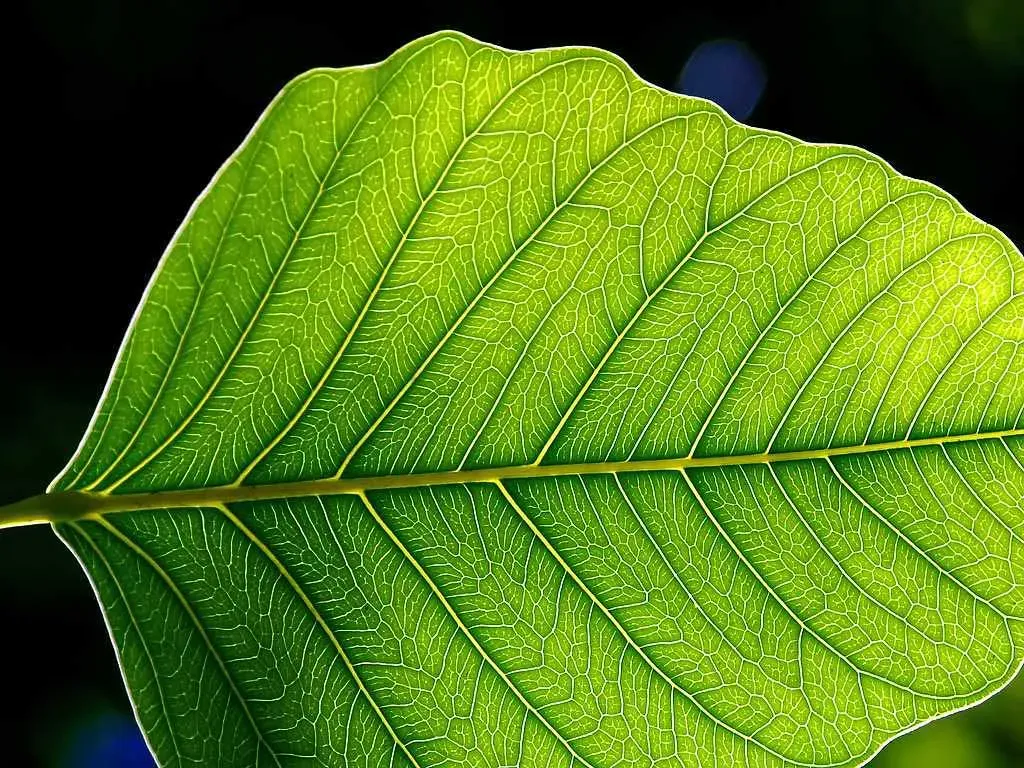
Plants bear a waterproof outer cuticle layer wherever exposed to air to reduce water loss, but since a total covering would cut them off from atmospheric carbon dioxide, tracheophytes use variable openings called stomata to regulate gas exchange. Think of the cuticle as nature’s plastic wrap. It’s hard to overstate how crucial this seemingly simple adaptation proved to be.
Lignin is a tough carbohydrate molecule that is hydrophobic, adds support to vascular tissues in stems, waterproofs tissues making them more efficient at transporting fluids, and helps protect plants from herbivores and parasites because most organisms cannot break it down. Lignin gave plants structural integrity and chemical defense. Once plants figured out how to make lignin, they could grow tall and tough enough to dominate landscapes.
The Legacy That Changed Everything
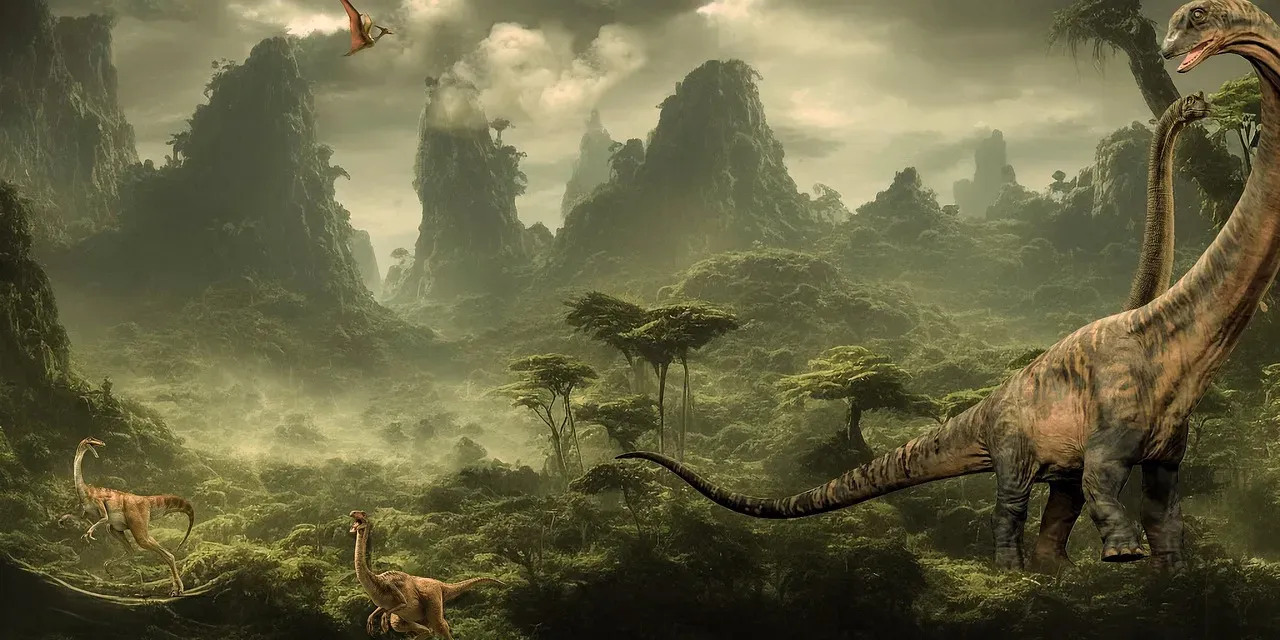
The colonization of land by plants resulted in plant biodiversity and influenced oxygen levels in the air and on land, with plants manufacturing organic matter from carbon dioxide and water with sunlight, paving the way for diversification of nonplant lineages from microscopic organisms to animals. Without plants’ conquest of land, you wouldn’t be reading this. Neither would any land animal exist. The oxygen we breathe, the food we eat, the soil that supports agriculture – all of it traces back to those first brave photosynthesizers.
When plants first ventured onto land more than 500 million years ago, they transformed the planet by drawing carbon dioxide from the air, cooling Earth, and by eroding rock surfaces helping build soil, paving the way for evolution of the biosphere we know. We’re living on a planet fundamentally redesigned by plants. Every forest, every field, every garden represents the culmination of this ancient conquest.
The story of how plants conquered land isn’t just ancient history. It’s the foundation of our world. Did you ever imagine that those green things you casually walk past every day are the descendants of such revolutionary pioneers? What do you think – could anything else have transformed Earth so completely?