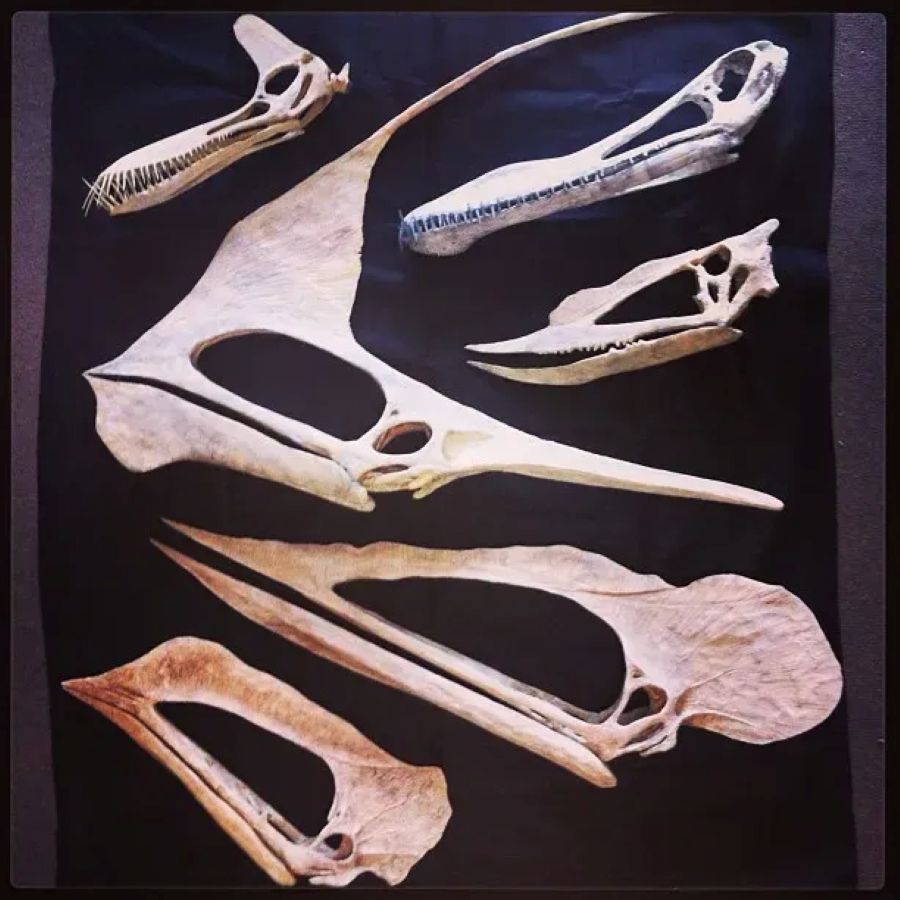
When you think of pterosaurs, your mind probably conjures images of massive winged reptiles gliding over ancient oceans or Pteranodon with its distinctive head crest. Perhaps you envision Quetzalcoatlus, a creature so enormous it stood as tall as a giraffe when grounded. These are the celebrities of the pterosaur world, the ones that dominate museum displays and popular imagination.
Yet here’s the thing: the story you’ve been told is incomplete. The pterosaur dynasty that ruled our skies for more than 160 million years was far stranger, more varied, and infinitely more fascinating than those familiar giants suggest. Behind the famous flyers lies a hidden universe of ecological experimentation that would make modern birds look conservative by comparison. These weren’t just flying lizards doing the same thing at different sizes. They were evolutionary mavericks that rewrote the rules of aerial life again and again. Let’s be real, we’ve barely scratched the surface.
The Fossil Record’s Cruel Deception
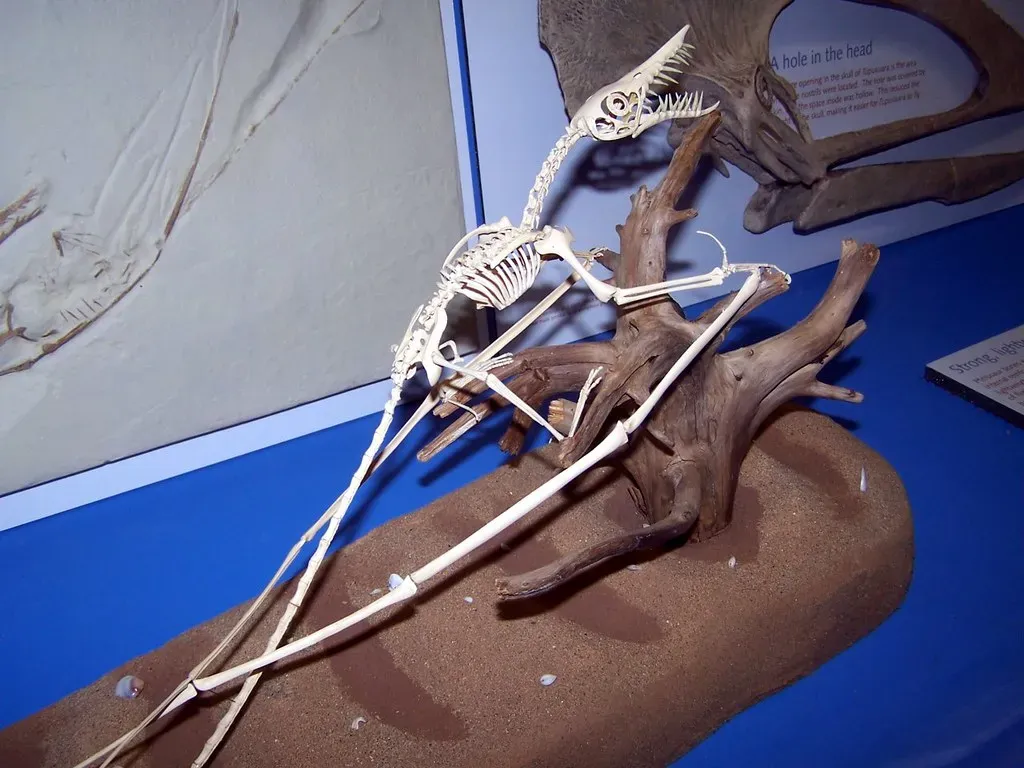
Pterosaur diversity peaked during certain times but this is just a consequence of the otherwise poor preservation of these animals throughout the rest of their history. Think about that for a moment. Everything we thought we knew about when pterosaurs thrived or declined might be completely wrong.
Most pterosaur remains hail from areas of exceptional preservation known as Lagerstätten, which usually form in seas and lakes under ideal chemical and depositional settings. Time periods and habitats that do not lend themselves to exceptional preservation register as gaps in the fossil record. The delicate, hollow bones that made these creatures masters of the sky also made them terrible candidates for fossilization. It’s hard to say for sure, but we’re probably missing entire chapters of their evolutionary story.
The Moroccan Revolution: Rewriting Extinction Narratives
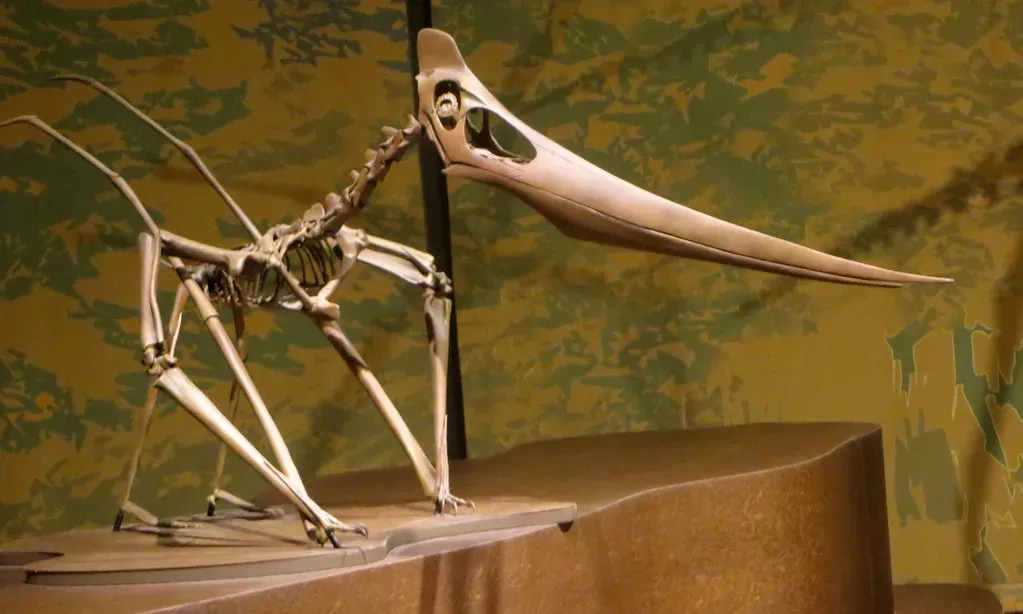
For decades, scientists believed pterosaurs were fading away toward the end of the Cretaceous, gradually losing ground to birds. Fossils from seven species in three families discovered in rocks that were formed in the last one million years of the Mesozoic Era represent the largest collection of pterosaurs from that period of time from anywhere in the world.
These Moroccan phosphate mines completely upended the narrative. They show a wide variety of sizes and lifestyles representing a degree of diversity previously unseen in such late-living pterosaurs, including four marine fishers with wingspans between about 2 and 5 meters and three species of azhdarchids that hunted terrestrial or shallow water prey. Pterosaurs weren’t quietly disappearing at all. They were thriving right up until that asteroid hit.
From Sparrow to Fighter Jet: The Size Spectrum Nobody Talks About
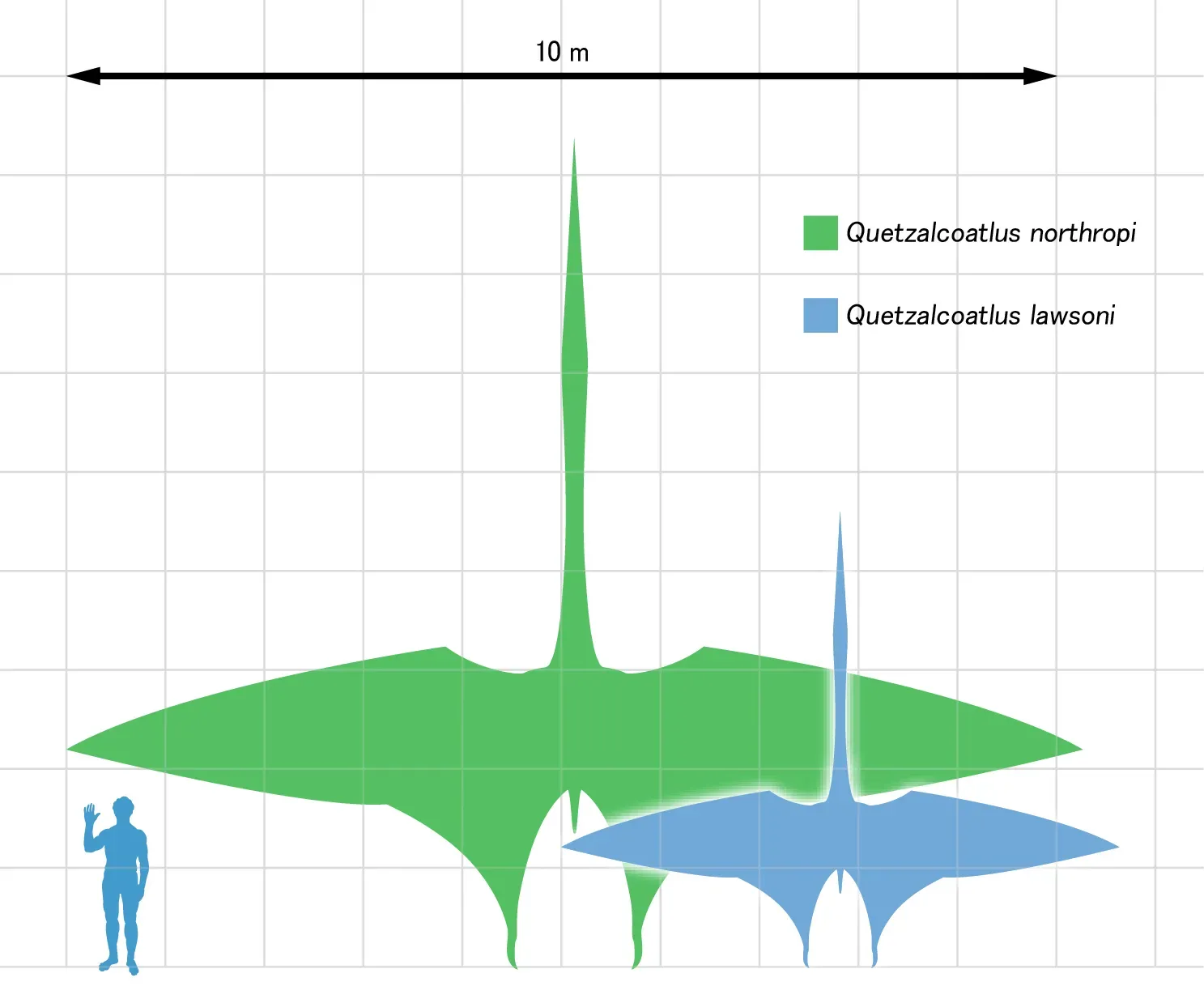
Anurognathids may have been the smallest pterosaurs with wingspans of as small as 0.4 metres. Imagine a flying reptile you could hold in your hand, flitting through Jurassic forests like a feathered bat. Meanwhile, the largest pterosaurs include members of Azhdarchidae such as Hatzegopteryx and Quetzalcoatlus which could attain estimated wingspans of 10 to 11 metres.
That’s a size range of roughly 25 to 1. To put that in perspective, it would be like having hummingbirds and small aircraft coexisting in the same taxonomic order. When standing on the ground Quetzalcoatlus northropi achieved an incredible height with estimates placing its head about 5 meters above the ground. You’d look up at one of these creatures the way you look up at a street lamp.
The Filter-Feeders Who Beat Flamingos by 120 Million Years
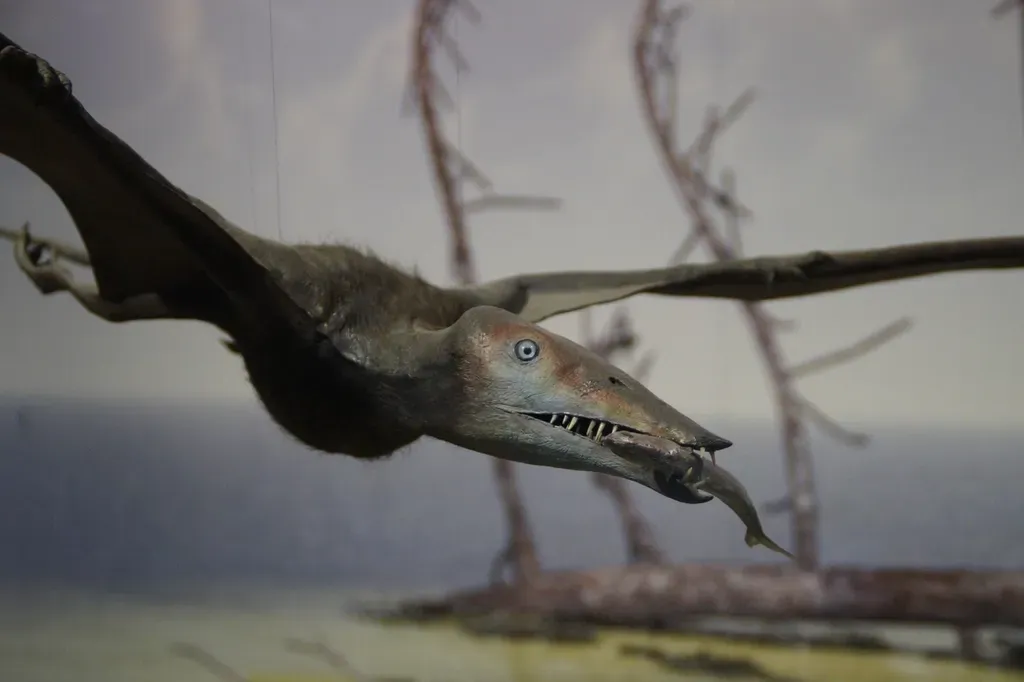
Picture this: a pterosaur with hundreds of needle-like teeth acting as a natural sieve, wading through shallow Mesozoic waters exactly like a modern flamingo. Pterodaustro had several hundred teeth that pointed up from the lower jaw that created a fine comb which allowed mouthfuls of water to flow out while small invertebrates were trapped within.
Here’s the truly wild part: these filter-feeding specialists evolved this strategy at least 120 million years before the first flamingos appeared. A 160 Ma filter-feeding pterosaur from western Liaoning China represents the geologically oldest record of the Ctenochasmatidae taking the lead of a major ecological transition in pterosaur evolution from fish-catching to filter-feeding adaptation. They pioneered an entire feeding strategy that wouldn’t reappear in vertebrates for over a hundred million years.
The Terrestrial Secret: Walking Giants
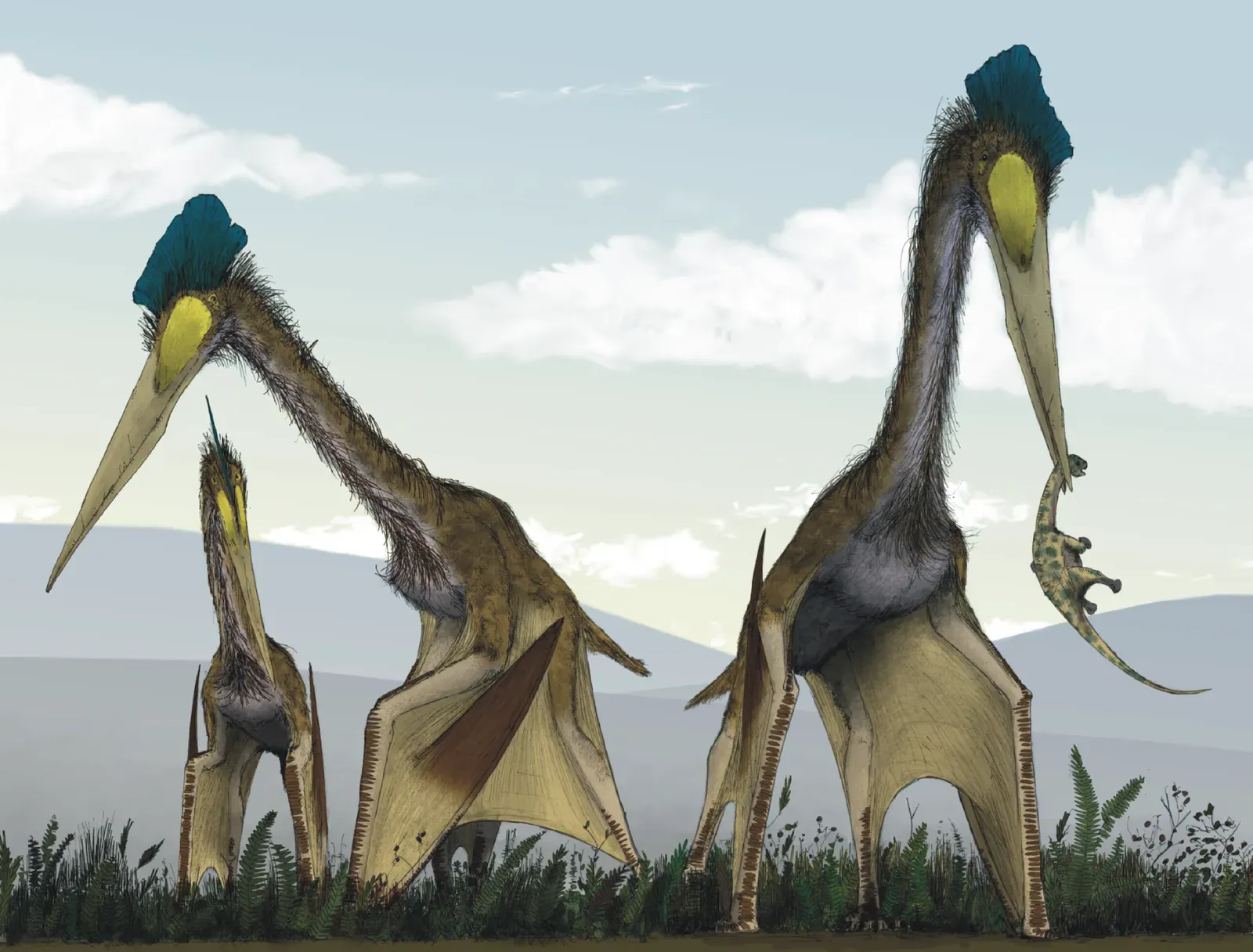
Most people imagine pterosaurs as exclusively aerial creatures, perhaps occasionally resting on cliffs. The reality was far more complex. Paleontologists from the University of Leicester, the University of Birmingham and Liverpool John Moores University demonstrate an unexpectedly high degree of variation in the hands and feet of pterosaurs, indicating they were adapted to a wide range of terrestrial lifestyles from tree-climbing in early species to more ground-based lifestyles in later ones.
A major evolutionary shift occurred during the Middle Jurassic period when pterosaur hands and feet changed to look much more like those of ground-dwelling animals. These adaptations to ground-based movement opened up new ecological opportunities. Freedom from the size constraints imposed by vertical living allowed some pterosaurs to evolve to gigantic sizes with wingspans of up to 10 meters. They weren’t just learning to walk better. They were unlocking the path to becoming the largest flying animals ever to exist.
The Ecological Explosion: A Cretaceous Feeding Frenzy
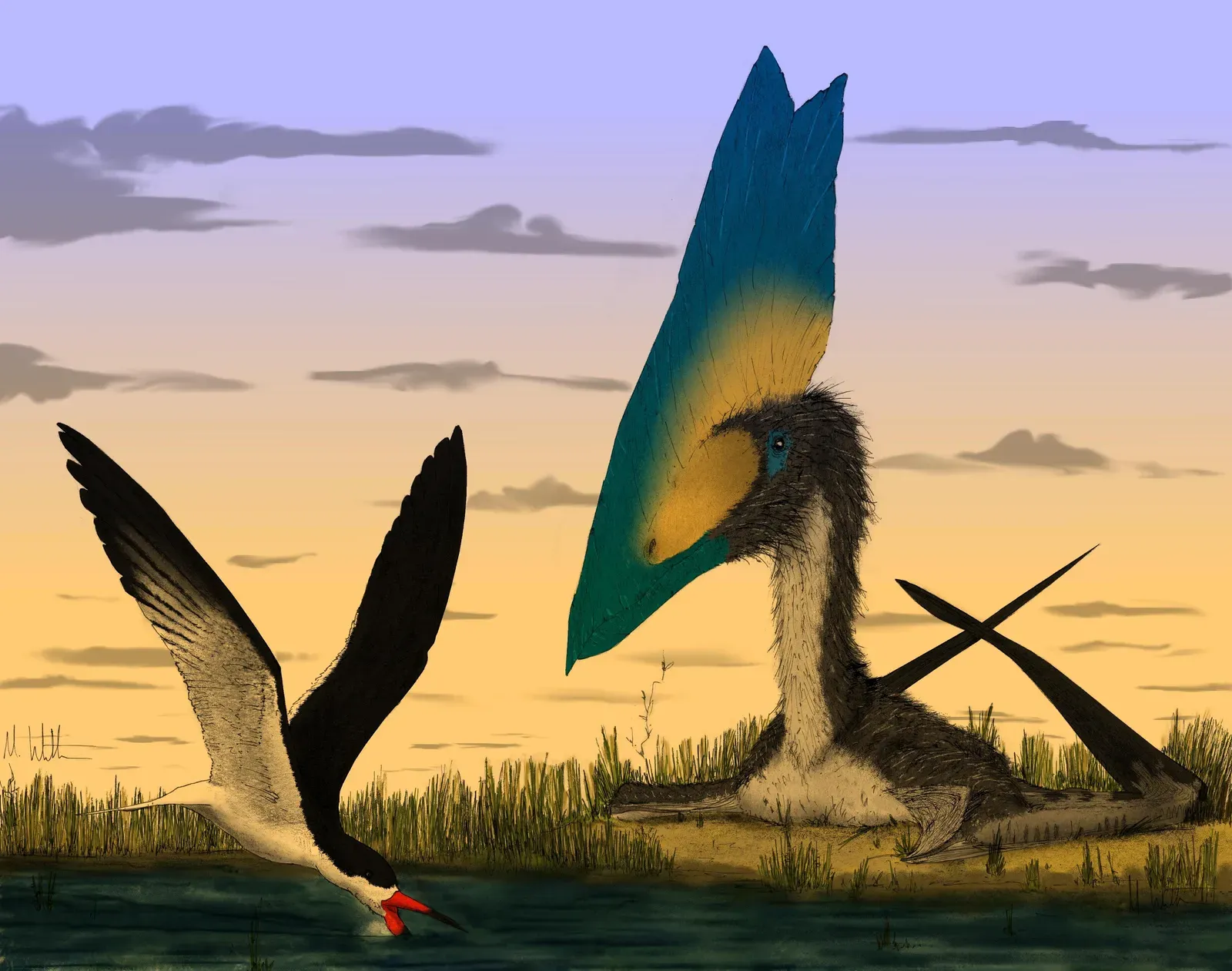
The most striking eco-morphological differentiation in pterosaur evolution occurred within the Eupterodactyloidea. During Cretaceous time at least 55 species in 11 families had engaged in a variety of feeding adaptations including filter-feeding, fish-eating, carnivory and scavenging, herbivory including frugivory, mollusc shell-crushing (durophagy) and omnivory.
Let that sink in. Within a single pterosaur group, evolution generated specialists for nearly every conceivable food source. DMTA demonstrates niche partitioning between pterosaurs from the Solnhofen Limestones with Rhamphorhynchus indicating piscivory while Pterodactylus individuals exhibit a broader range indicating invertebrate-dominated and possibly more generalist diets. Even closely related species living in the same ancient lagoons were carving out distinct ecological roles.
Recent Discoveries: The 2025 Revelations
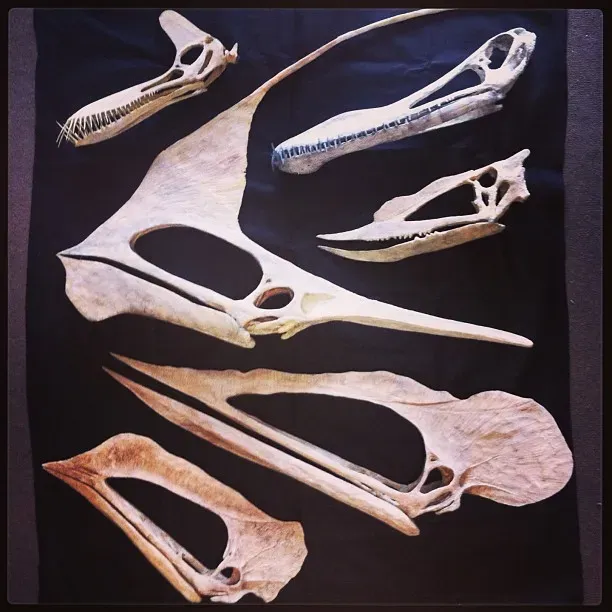
Paleontologists excavating a bonebed in a remote area of Petrified Forest National Park in Arizona recently unearthed the fossilized remains of North America’s oldest known pterosaur. The winged reptile which was small enough to perch on a person’s shoulder lived 209 million years ago during the Late Triassic period. This discovery, named Eotephradactylus mcintireae, pushes back our understanding of pterosaur origins.
Meanwhile, ancient pterosaurs may have taken to the skies far earlier and more explosively than birds evolving flight at their very origin despite having relatively small brains. Using advanced CT imaging scientists reconstructed the brain cavities of pterosaur fossils and their close relatives uncovering surprising clues such as enlarged optic lobes that hint at a rapid leap into powered flight. They didn’t gradually evolve the capacity for flight. They burst into the skies almost fully formed.
The Untold Diversity Still Hidden
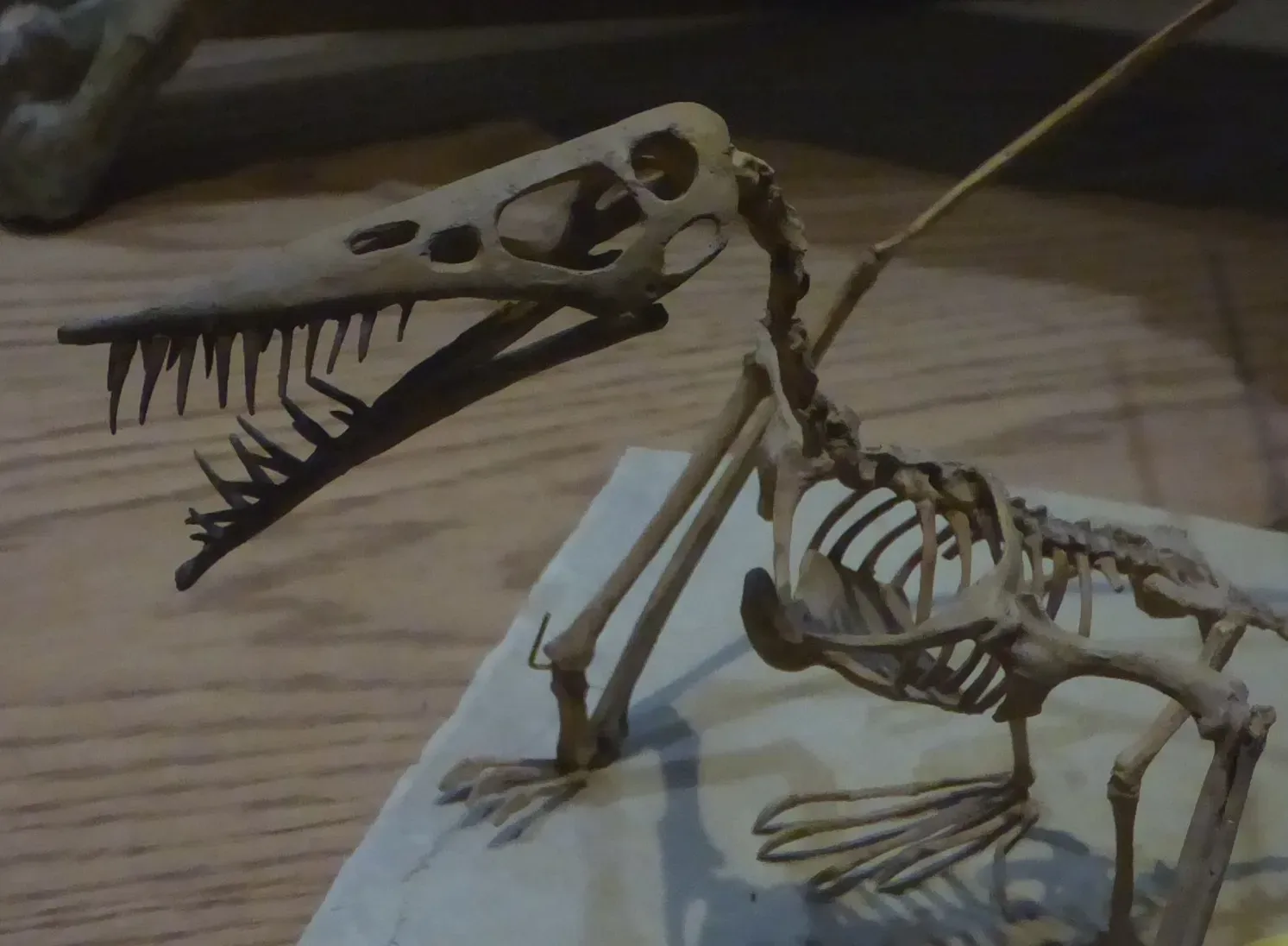
Small-sized pterosaur species apparently were present in the Csehbánya Formation indicating a higher diversity of Late Cretaceous pterosaurs than previously accounted for. The recent findings of a small cat-sized adult azhdarchid further indicate that small pterosaurs from the Late Cretaceous might actually have simply been rarely preserved in the fossil record and that their diversity might actually have been much larger than previously thought.
Every new dig site reveals something unexpected. The Jurassic skies held dwarf giants and the Cretaceous harbored miniatures we never suspected existed. The decrease is in fact not a decline but rather a more sudden disappearance of many species due to a lack of adequate fossil sites for the later time period. Considering the mostly poor fossil record for both birds and pterosaurs pterosaurs were probably much more diverse than the current evidence reveals. What would you have guessed? Probably that we know most of the story by now.
Conclusion: The Story Continues
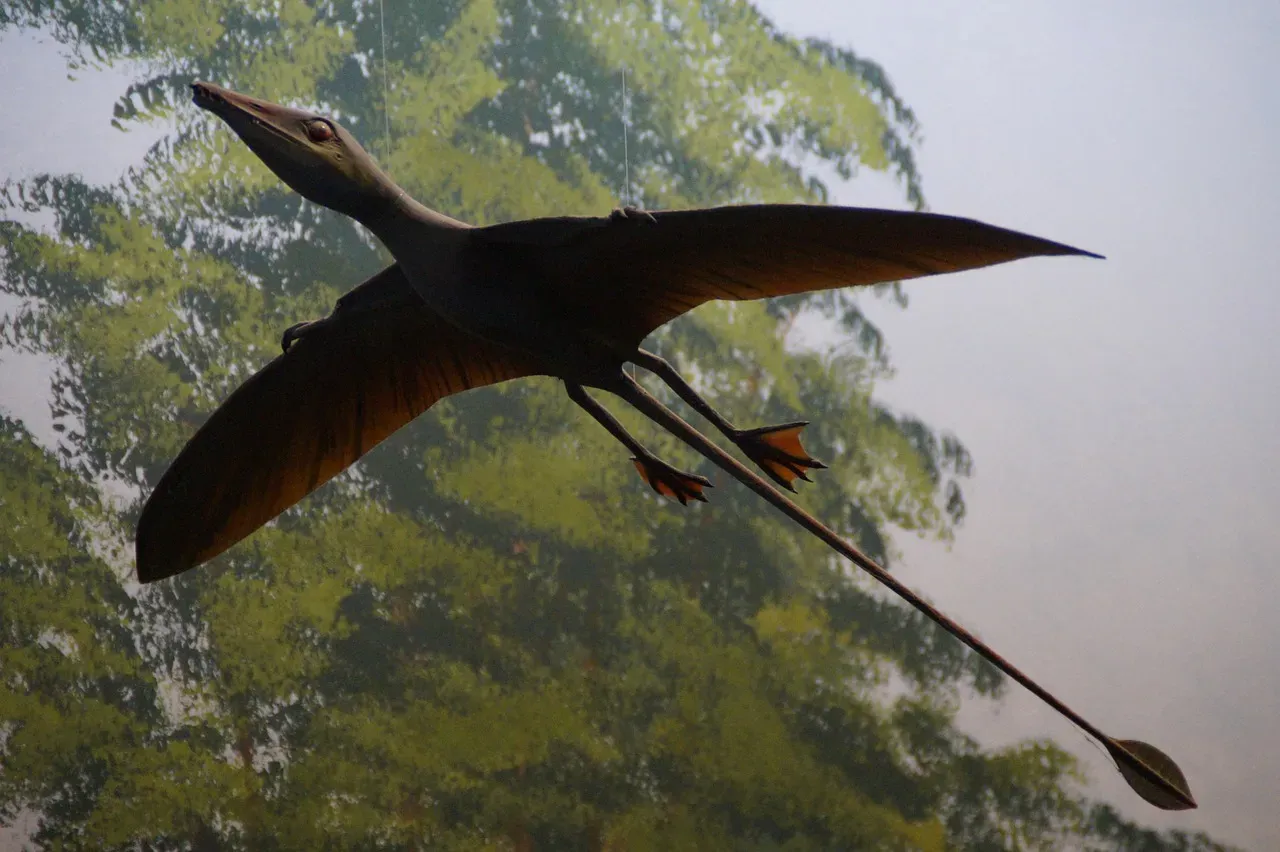
The pterosaur dynasty lasted longer than the entire age of mammals so far. Across those 160 million years, these creatures evolved more ecological strategies, more bizarre adaptations, and more unexpected lifestyles than we ever imagined. From filter-feeding specialists that predated flamingos to terrestrial stalkers as tall as giraffes, from sparrow-sized insect hunters to ocean-going fishers with wingspans rivaling small planes, pterosaurs were the ultimate aerial experimenters.
Yet we’re still in the early chapters of understanding their true diversity. Every fossil site promises new surprises, every analysis reveals hidden complexities. The famous flyers we know from museums are just the ambassadors of a far stranger world. I honestly believe the next generation of paleontologists will look back at our current understanding and shake their heads at how much we missed.
So here’s the thing: the next time you see a pterosaur in a museum or a documentary, remember you’re looking at one representative of a dynasty that defied categorization. Behind that single skeleton lie countless untold stories of creatures that pushed the boundaries of what it meant to be a flying animal. Did you expect that pterosaurs were so much more than we ever gave them credit for? Tell us what surprised you most.