You probably know that dinosaurs once roamed this planet. Maybe you’ve heard of ancient sea creatures or early mammals. But have you ever stopped to think about what actually made these prehistoric worlds possible in the first place? Long before any creature took its first breath, the Earth itself was sculpting the stage. Mountains rose and fell, oceans swelled and retreated, continents collided and split apart. The planet wasn’t just a passive backdrop for life. It was the director, choreographer, and sometimes the executioner of every living thing that ever existed.
What’s fascinating is how geology didn’t just sit quietly while evolution happened. The two danced together in a complicated, sometimes violent partnership that shaped everything we see in the fossil record today. Let’s dive into the remarkable story of how our restless planet created the conditions for life to explode, adapt, and occasionally vanish.
When Earth Was Still Learning to Breathe
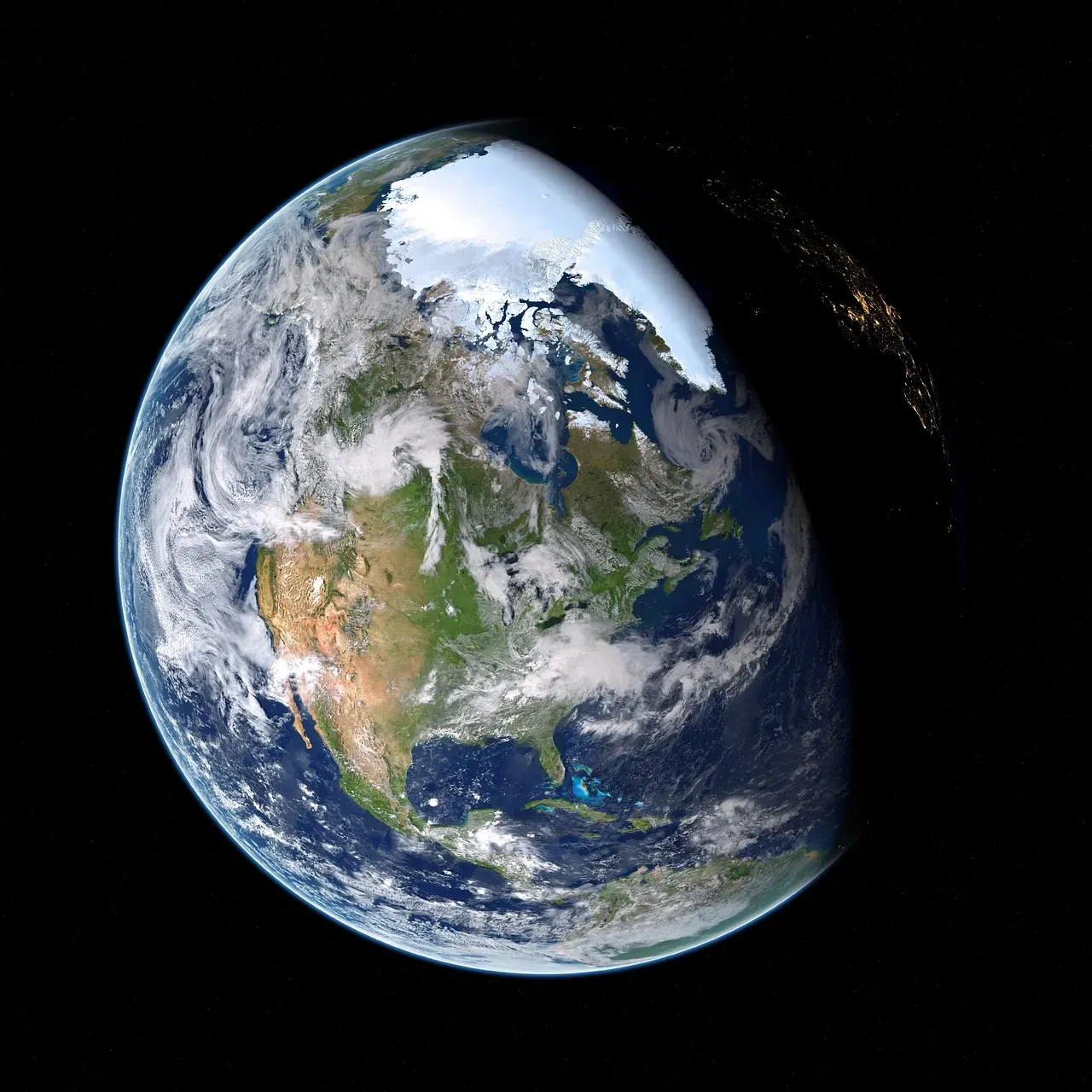
In its earliest days, around four and a half billion years ago, Earth was a molten nightmare, characterized by extreme volcanism and relentless asteroid bombardment. Think of it as a planet-sized furnace, completely inhospitable to anything we’d recognize as life. It took at least one and a half billion years for the planet to cool sufficiently for life to evolve. That’s an almost incomprehensible stretch of time.
Geological processes such as plate tectonics, volcanic activity, and erosion modified the planet’s surface during ancient Earth, while biological evolution caused the formation of progressively sophisticated living forms. What’s remarkable here is the feedback loop. Honestly, it’s hard to say which came first in importance. The first life forms we’ve found fossil evidence of are simple plants called algae, though scientists believe bacteria, viruses, fungi, and simple worms were also among the earliest organisms.
The Oxygen Revolution That Changed Everything
Photosynthesis had a major impact, and oxygen was initially toxic – much life on Earth probably died out as its levels rose in what is known as the oxygen catastrophe. Let’s be real: life itself nearly destroyed life. Early microbes started pumping oxygen into the atmosphere, and for countless organisms that had evolved in an oxygen-free world, this was devastating.
Yet some survived. Resistant forms survived and thrived, and some developed the ability to use oxygen to increase their metabolism and obtain more energy from the same food. At first, released oxygen was bound up with limestone, iron, and other minerals, oxidizing iron that appears as red layers in geological strata called banded iron formations during the Siderian period, and when most exposed readily reacting minerals were oxidized, oxygen finally began to accumulate in the atmosphere. You can still see this ancient chemical transformation preserved in rock layers today.
Plate Tectonics: The Ultimate Evolutionary Pressure Cooker
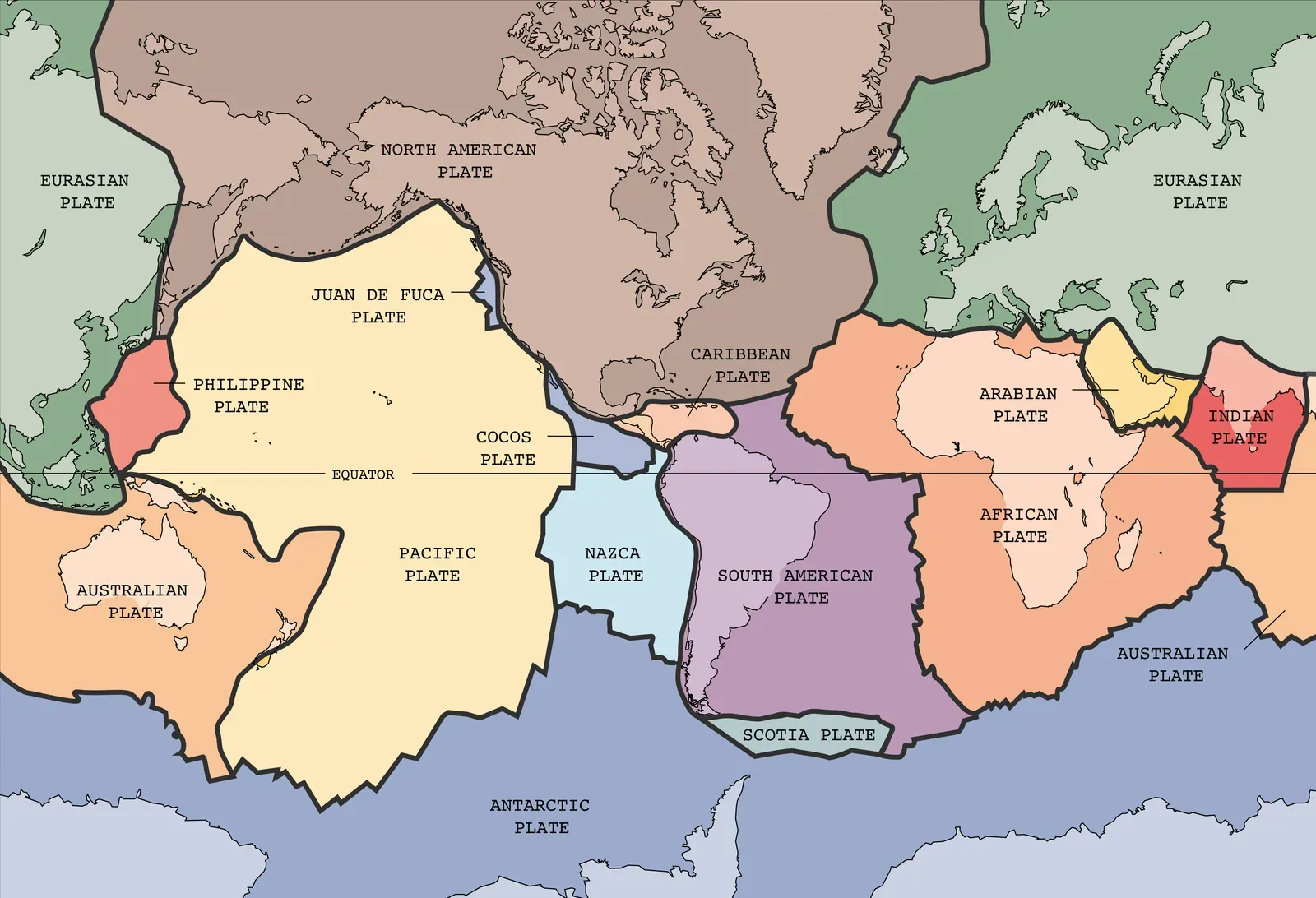
Here’s where things get really interesting. Earth’s lithosphere has comprised a number of large tectonic plates which have been slowly moving since three to four billion years ago. These aren’t just geological curiosities. These plates pull apart, collide, or slide past one another with great force, creating strings of volcanic islands, new ocean floor, earthquakes, and mountains, and the continents continuously shift position because they are part of the moving plates, which shapes the land over time and affects the distribution of rocks and minerals, natural resources, climate, and life.
Plate tectonics exerts environmental pressures that drive evolution without being capable of extinguishing all life, and plate tectonic processes such as the redistribution of continents, growth of mountain ranges, formation of land bridges, and opening and closing of oceans provide a continuous but moderate environmental pressure that stimulates populations to adapt and evolve. Think about that. The very ground beneath ancient creatures’ feet was constantly shifting, forcing them to adapt or die. When tectonic plates collide, mountains are pushed upwards and erosion causes an increase in nutrients in the oceans.
Continental Drift and the Isolation Experiment
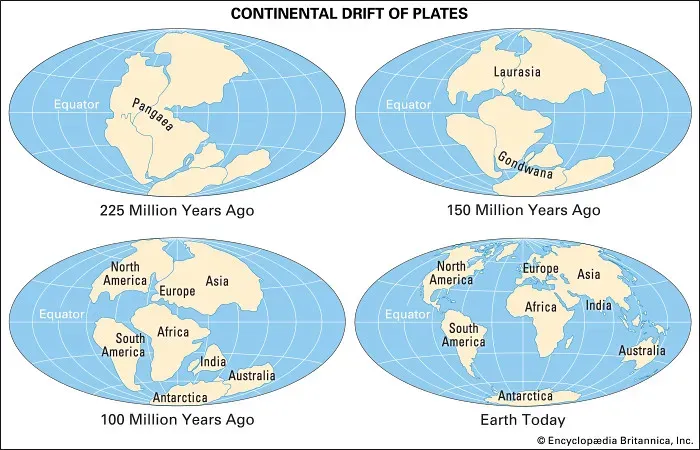
During the Phanerozoic period, continents drifted apart but eventually collected into a single landmass known as Pangea before splitting again into the current continental landmasses. Imagine all the land on Earth smooshed together into one massive supercontinent. Every species could theoretically reach every habitat. Then it all began to fracture.
Ancient fossils of the same species of extinct plants and animals are found in rocks of the same age but are on continents that are now widely separated, and Wegener proposed that the organisms had lived side by side but that the lands had moved apart after they were dead and fossilized, suggesting the organisms would not have been able to travel across the oceans. For example, fossils of the ancient reptile mesosaurus are only found in southern Africa and South America, and Mesosaurus, a freshwater reptile only one meter long, could not have swum the Atlantic Ocean, suggesting a single habitat with many lakes and rivers. The evidence is pretty compelling when you think about it.
Mountains, Erosion, and the Nutrient Cascade
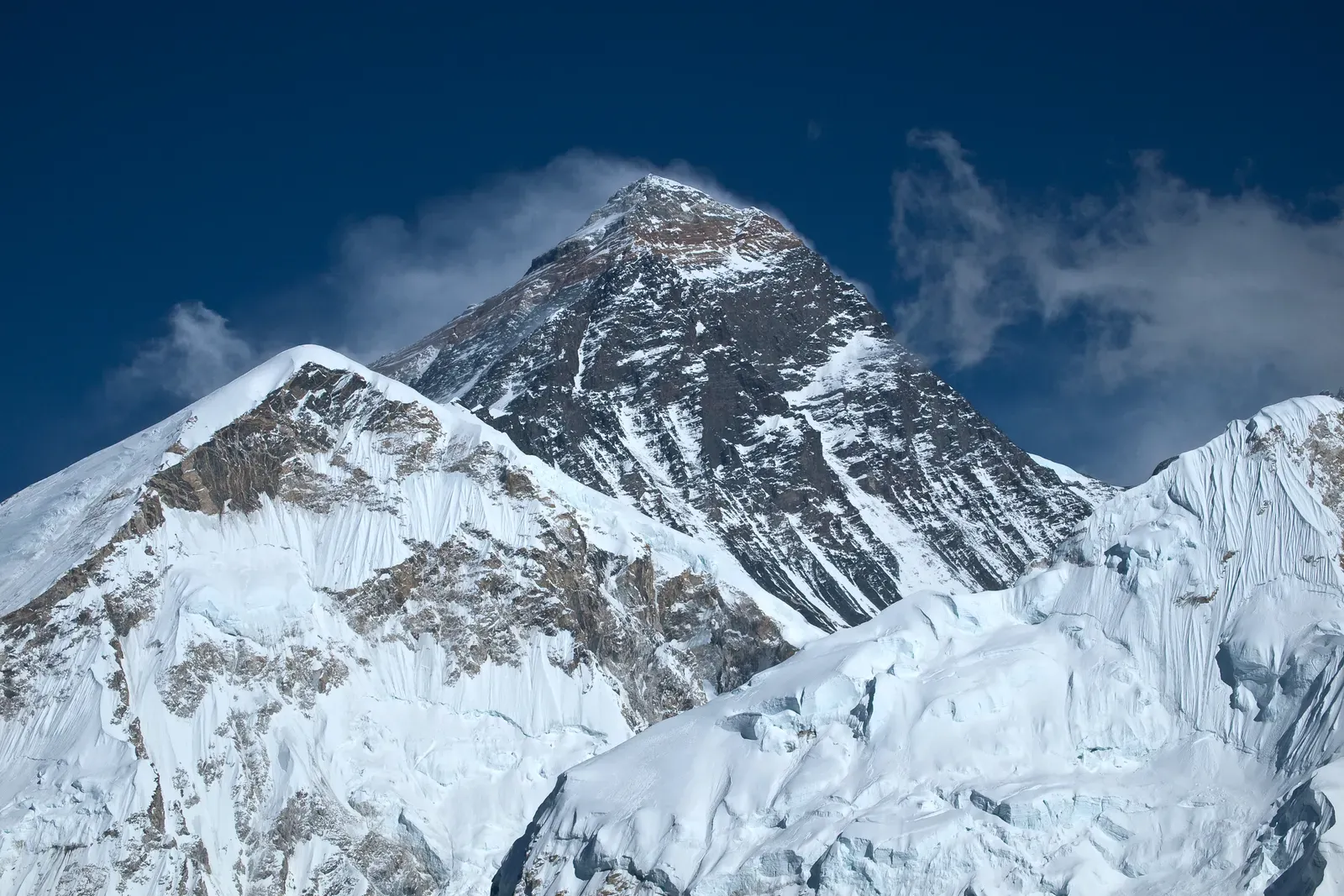
Mountains aren’t just pretty scenery for prehistoric creatures. They’re nutrient factories. Nutrients come from the erosion and weathering of continental rock, breaking down minerals and releasing trace element nutrients necessary for sustaining life, and the shifting of tectonic plates is partly responsible for continental erosion rates, resulting in an increase in nutrient density in oceans, with colliding plates pushing mountains upward and resulting in erosion below.
Nutrient-rich periods promoted rapid plankton growth in the short term and appear to correlate with periods of increased evolutionary change, such as the rapid rise in trace elements preceding the Ediacaran and Cambrian periods, a time when multicellular animal life took off in a big way, with the Cambrian explosion around 540 million years ago being when most major groups of living animals appeared and corresponded to a time when essential trace elements were peaking in the oceans. So basically, mountain building indirectly fed the biological explosions we see in the fossil record.
The Cambrian Explosion: When Ocean Chemistry Got Wild
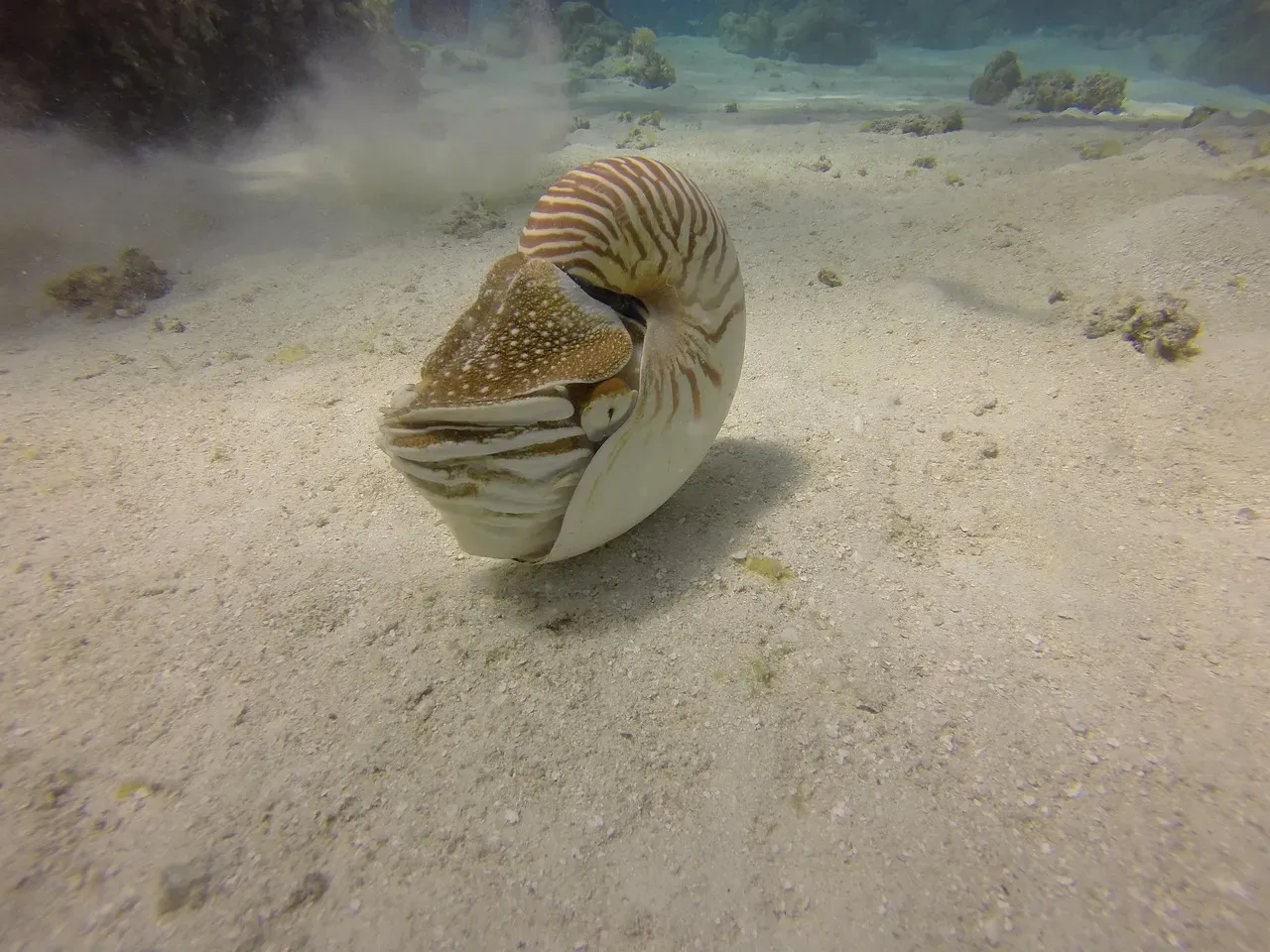
The Cambrian Period marks an important point in the history of life on Earth as the time when most of the major groups of animals first appear in the fossil record, an event sometimes called the Cambrian Explosion because of the relatively short time over which this diversity of forms appears. We’re talking about nearly all major animal body plans emerging in what amounts to a geological blink of an eye.
During the Cambrian, the oceans became oxygenated, and although there was plentiful atmospheric oxygen by the beginning of the period, it wasn’t until the Cambrian that there was a sufficient reduction in the number of oxygen-depleting bacteria to permit higher oxygen levels in the waters, and this dissolved oxygen may have triggered the Cambrian Explosion when most of the major groups of animals, especially those with hard shells, first appeared in the fossil record. The main catalyst is believed to be a shift in ocean chemistry, and as calcium and magnesium levels in prehistoric oceans changed, so did the species that took residence. It’s hard to say for sure, but the timing is suspicious.
Volcanic Fury and Mass Extinctions
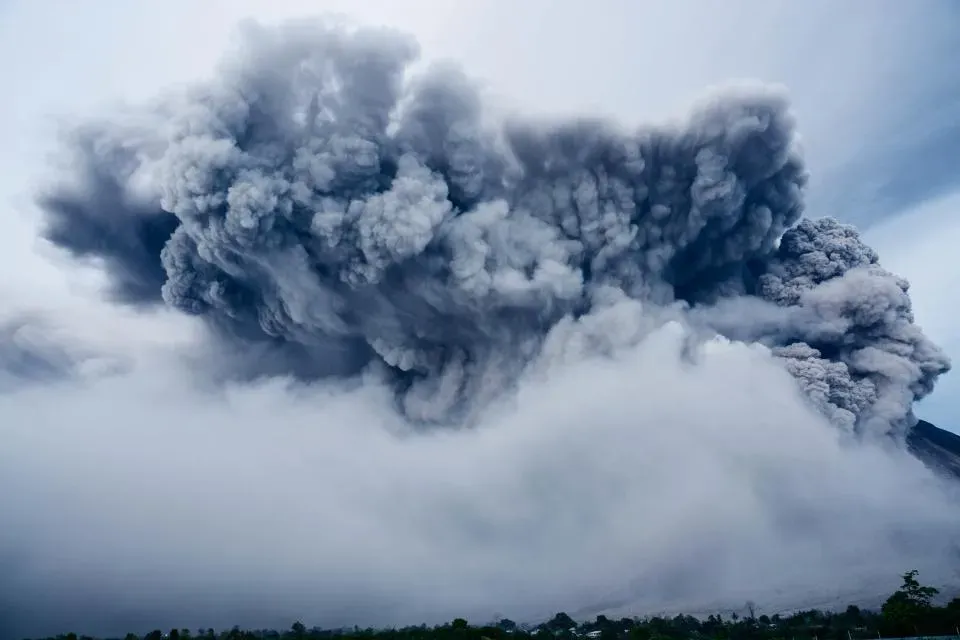
Not all geological processes were benevolent. A series of eruptions in what is now known as Siberia triggered the most destructive of the mass extinctions about 252 million years ago, releasing a gigantic pulse of carbon dioxide into the atmosphere and nearly choking off all life, with the Siberian Traps bearing witness as a large region of volcanic rock roughly the size of Australia. That’s the kind of event that reshuffles the entire deck of life.
Massive fissures and vents in the earth ooze steady pulses of lava over hundreds of thousands of years, and this sort of volcanic activity generates much more lava and affects vast areas, covering millions of square kilometers with lava released in a geologic instant – less than a few hundred thousand years. Around 201 million years ago, incredible volcanic outpourings in the supercontinent Pangaea shook up life on Earth and gave early dinosaurs a chance to thrive. Sometimes catastrophe for some species creates opportunity for others.
Ice Ages and the Sculpting of Species
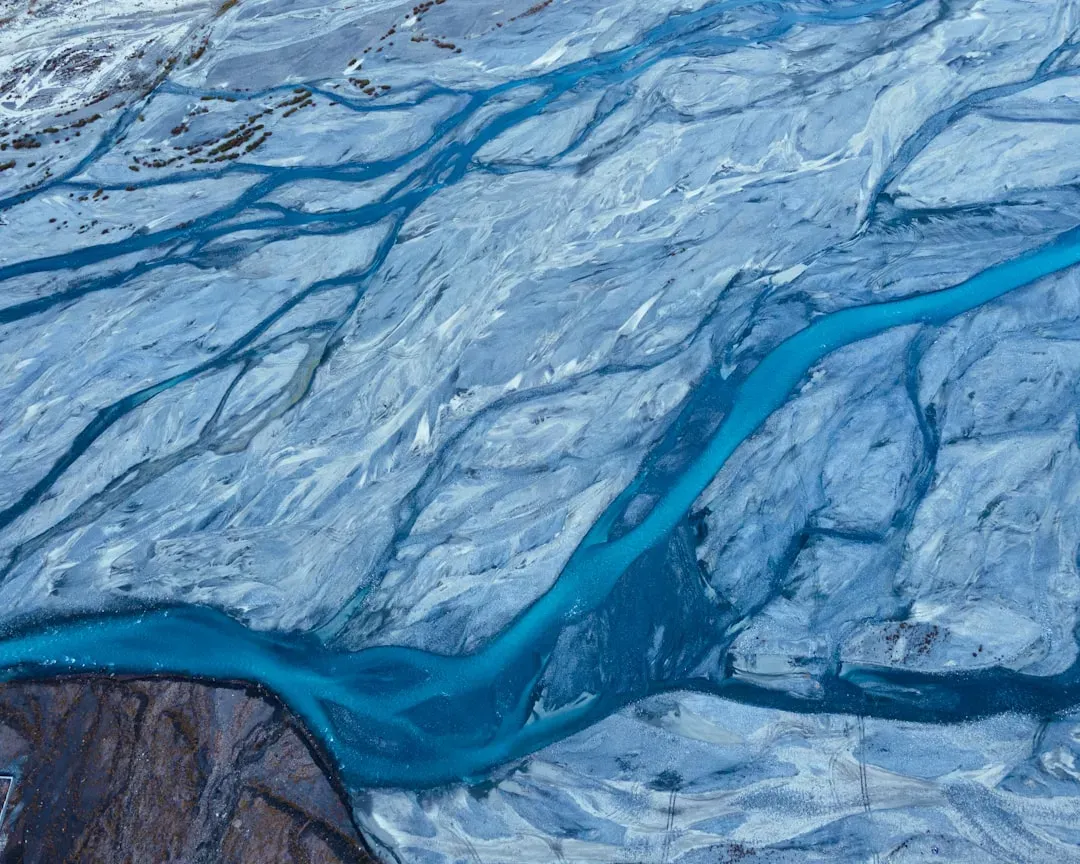
The geological record suggests Earth cooled dramatically during the early Proterozoic, with glacial deposits found in South Africa dating back to 2.2 billion years ago, and based on paleomagnetic evidence they must have been located near the equator, so this glaciation, known as the Huronian glaciation, may have been global. Ice ages weren’t rare flukes. They happened repeatedly throughout Earth’s history.
Starting around 720 million years ago, two massive ice ages engulfed the planet in glaciers from pole to equator in an event dubbed Snowball Earth, and when we emerged from the ice, protozoa – the first true animals – evolved. Climate events like Snowball Earth are thought to be interrelated with both plate tectonics and the evolution of life in an intricate web of cause-and-effect, as large-scale weathering of mountain chains may have plunged us into an ice age, and global glaciers would have ground down mountains and sent a flood of nutrients out to sea, which may have caused bacteria to bloom and churn out oxygen, changing the composition of the atmosphere. See how everything connects?
The Long View: Deep Time and the Evolution of Complexity
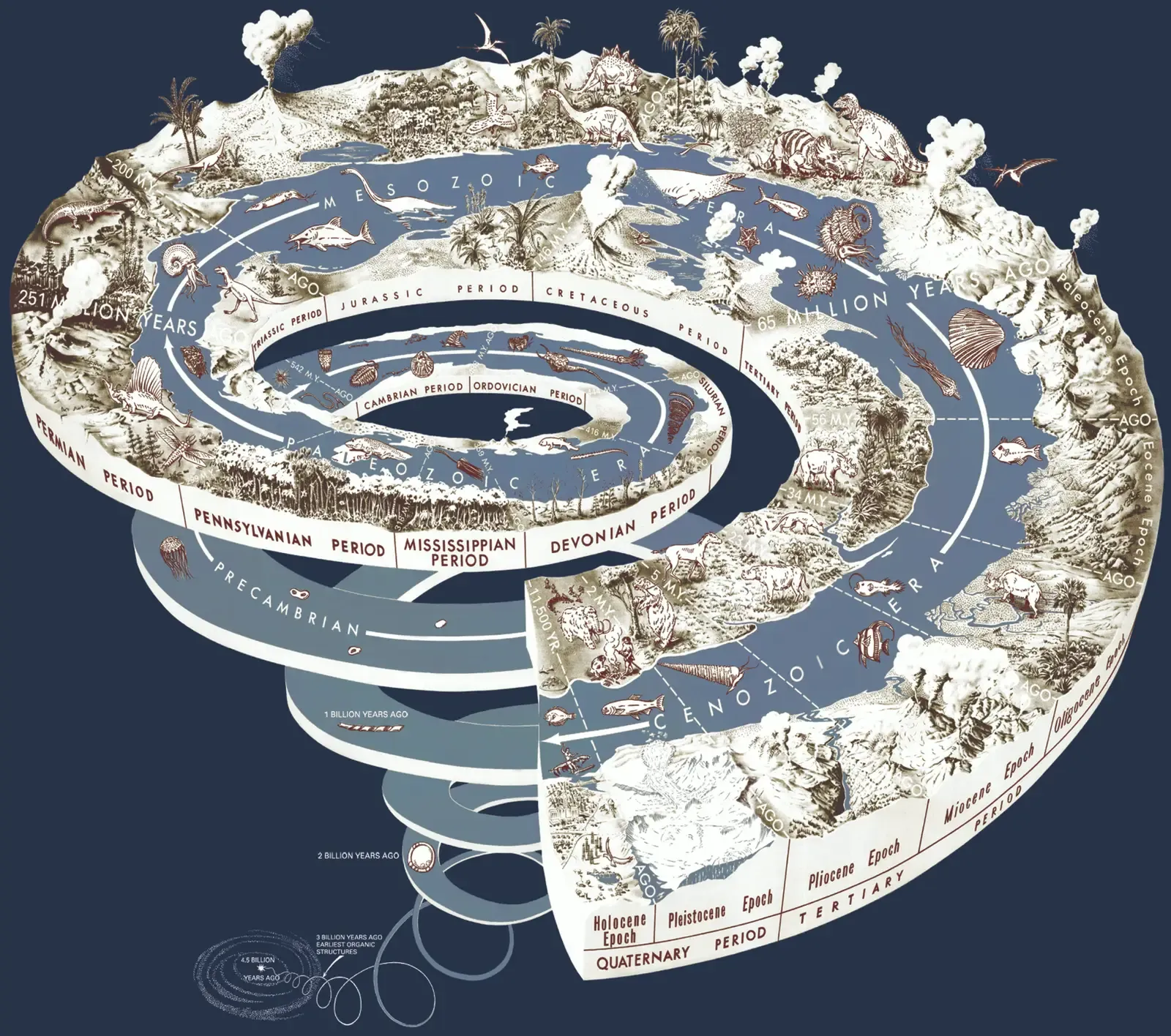
The concept of deep time – the idea that the Earth is extremely old and has undergone incredible transformations – helps scientists understand the Earth’s history’s gradual changes, such as plate tectonics and climatic shifts. Life began sometime prior to around 3.8 billion years ago, and evolution was slow for the first three billion years, dominated by microbes – Bacteria and Archaea, single-cell organisms that lack the membrane-bound organelles of eukaryotes.
A prolonged transition from Mesoproterozoic active single lid tectonics to modern plate tectonics occurred in the Neoproterozoic Era, which dramatically accelerated emergence and evolution of complex species. It wasn’t just one single event that made complex life possible. It was billions of years of geological preparation, false starts, catastrophes, and slow accumulation of the right conditions. This time period likely coincides with the initiation of modern-style plate tectonics, highlighting the intimate linkages that exist between plate tectonics, continental evolution, and the biosphere in the Archean Earth, and the convergence of multiple lines of evidence suggests a more important role for solid-Earth processes in the evolution of the biosphere than previously thought.
Conclusion: The Planet as Co-Author of Life’s Story
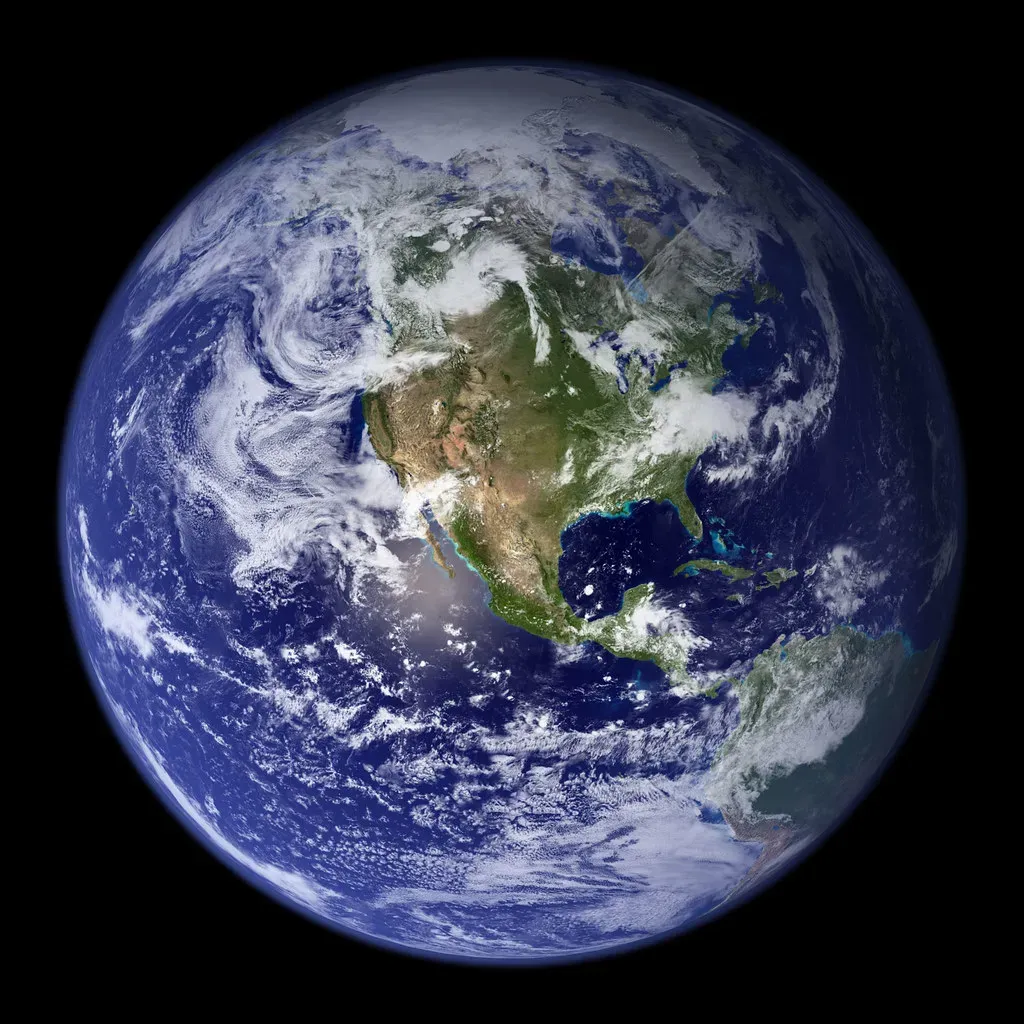
The relationship between geology and prehistoric life wasn’t one-directional. Sure, the planet created conditions for life to emerge, but life also transformed the planet – pumping oxygen into the atmosphere, weathering rocks, creating sediments. It’s a partnership that continues today, though we humans have accelerated changes in ways the planet hasn’t seen before.
Looking back at the deep time history of our planet, one thing becomes clear: life is resilient, but it’s also dependent on the geological stage it’s given. Every mountain range, every volcanic eruption, every continental collision played a role in which species thrived and which disappeared forever. Understanding this connection helps us appreciate not just where life came from, but how fragile and yet remarkably adaptable it has always been. What do you think about this intricate dance between the living and non-living world? Did you expect geology to play such a starring role in the story of life?