If there is one place on Earth that can humble you in a single glance, it is Yellowstone. Beneath the postcard views and geyser selfies sits a colossal magma system that has shaped North America for millions of years. Every time news breaks about new activity there, people quietly wonder the same thing: is this it? Is the supervolcano finally waking up? That mix of awe and unease is exactly why scientists watch Yellowstone like a hawk and take even subtle changes very seriously.
Right now, geologists are focused on three categories of warning signs that, on their own, are not doomsday alarms, but together form a pattern you simply cannot ignore. They are not the kind of signs you feel in your daily life, like ash falling from the sky, but slow, quiet shifts in the ground, in the way the Earth shakes, and in the way gases escape from the crust. Think of it like a medical checkup for a giant patient that happens to be lying under Wyoming, Montana, and Idaho. Most of the time the results are reassuring, but every now and then, something shows up on the scans that demands a closer look.
Ground Uplift: When The Park Itself Starts Breathing
Here is a slightly unnerving thought: huge areas of Yellowstone literally rise and fall over time, as if the landscape is taking slow, deep breaths. This is known as ground deformation, and scientists track it with GPS stations and satellite radar that can detect movements as small as a few millimeters. When magma or hot fluids move beneath the surface, the pressure can push the ground upward; when they drain away or redistribute, the land can subside. It is not the fact that the ground moves that has geologists paying attention; it is how, where, and how quickly it moves that matters.
Patterns of uplift centered around key areas, like the Yellowstone caldera or the Norris Geyser Basin, can signal shifts in the underlying hydrothermal and magmatic systems. If uplift speeds up, spreads, or persists unusually long, that becomes a serious data point in the bigger risk picture. Picture a sleeping giant shifting its weight under a thin blanket: most movements mean nothing, but a steady, focused push in one spot means the blanket is under stress. The same idea applies here. Yellowstone’s surface might be rising only by centimeters, but on the scale of a giant volcanic system, that can be the difference between a quiet adjustment and a build‑up of pressure.
Earthquake Swarms: Yellowstone’s Nervous System Firing
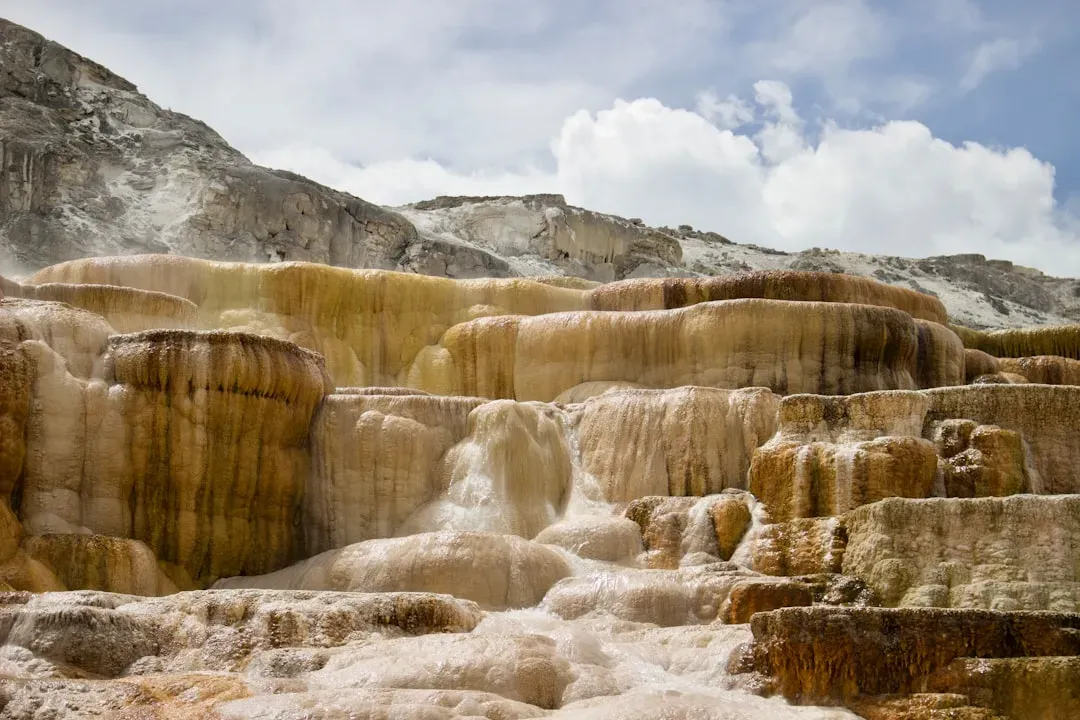
Yellowstone is one of the most seismically active regions in the interior of North America, and that is not automatically scary. Small earthquakes happen there all the time as the crust adjusts and fluids move through fractures. What really grabs geologists’ attention are earthquake swarms: clusters of many small quakes, often in a limited area, over days or weeks. These swarms can include dozens or even hundreds of quakes, most too small for visitors to feel, but they show up clearly on seismometers spread across the park.
Swarm activity is a key warning sign because it often reflects movement of magma or superheated water at depth, essentially the system rearranging its plumbing. A single swarm is usually not cause for panic; Yellowstone has had many without any eruption following. But the character of swarms matters: are they more frequent than usual, migrating along a fault, or growing in magnitude over time? It is a bit like watching someone’s heartbeat on a monitor. A few skipped beats might be harmless, but a sudden change in rhythm that does not settle down is worth rushing to the cardiologist. For Yellowstone, that cardiologist is a global team of volcanologists glued to real‑time seismic feeds.
Gas Emissions: The Volcano’s Chemical Whisper
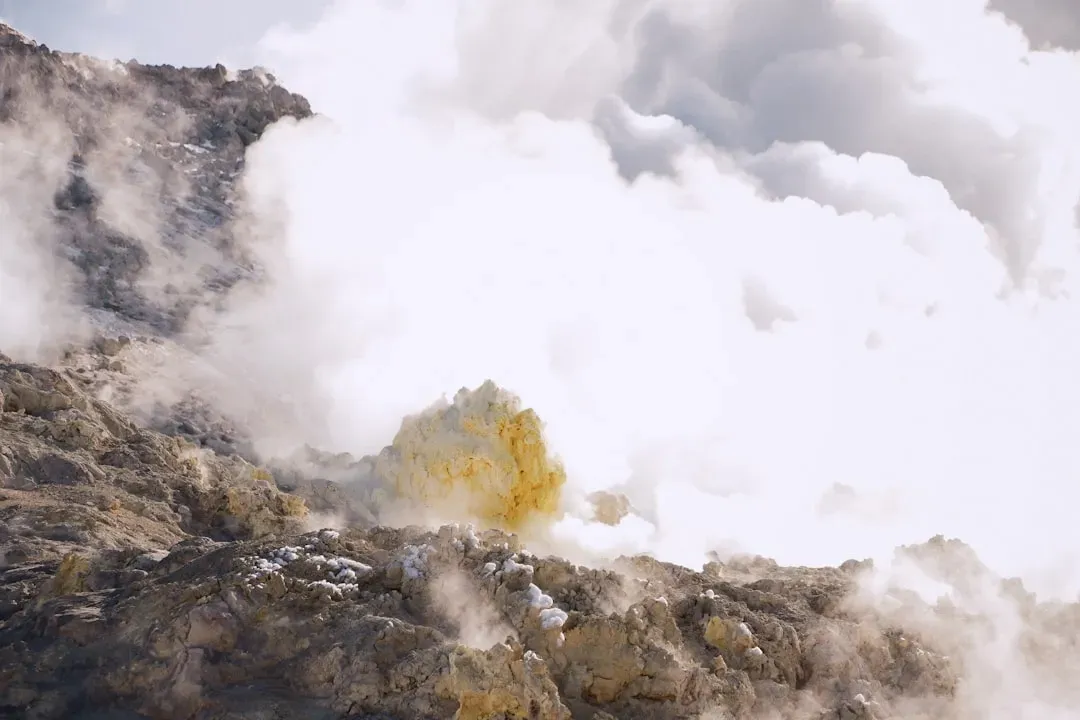
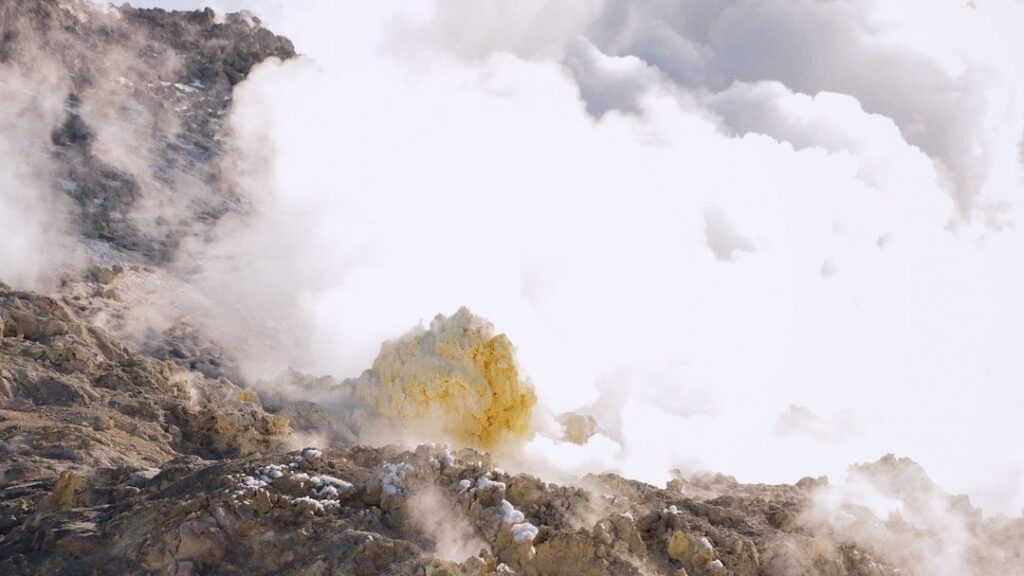
Even when magma is buried kilometers down, it still finds a way to talk to the surface through gases. Yellowstone’s hot springs, fumaroles, and geysers constantly release water vapor, carbon dioxide, sulfur dioxide, and other gases. By measuring the composition and volume of these emissions, scientists get a chemical snapshot of what is happening underground. Changes in gas ratios, like more carbon dioxide relative to sulfur gases, can suggest that magma is getting closer to the surface or that pathways for gas escape have changed.
Researchers use airborne surveys, ground sensors, and sampling in thermal areas to track these trends over time. The warning sign is not a single reading, but a sustained shift from the normal background pattern that cannot be explained by weather or seasonal effects. If you think of Yellowstone as a pressure cooker, gas emissions are like the hiss from the safety valve. As long as the hissing stays within its usual range, the system is doing what it should. A sudden, long‑lasting increase or a change in the “flavor” of the gases tells geologists that the heat source or the plumbing below is being rearranged in a way that demands attention.
Hydrothermal Changes: Geysers, Springs, And Sudden Surprises
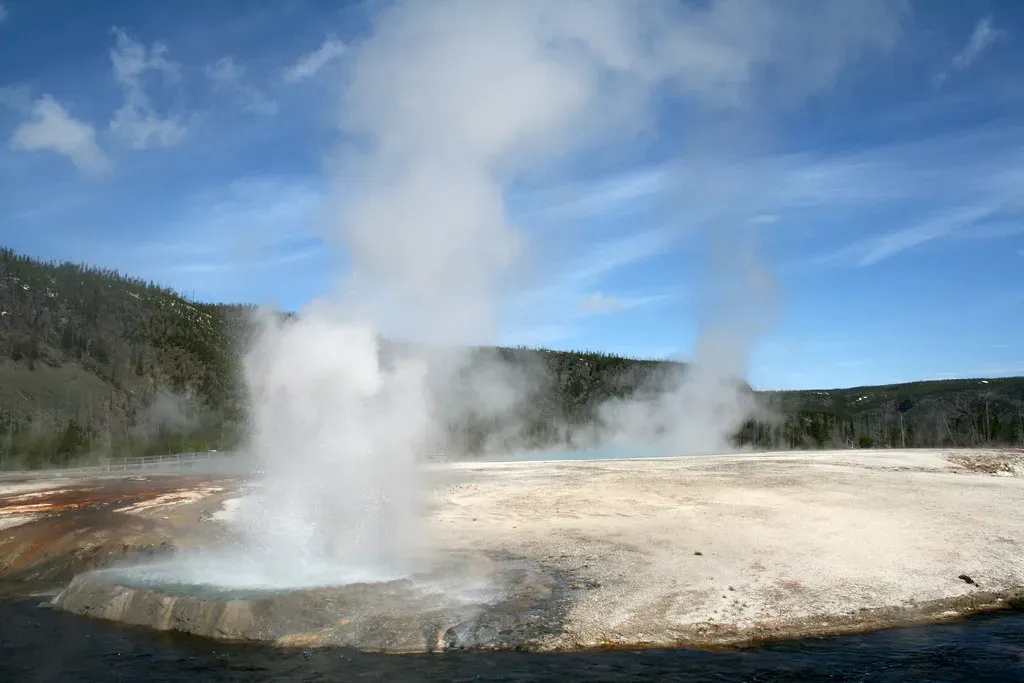
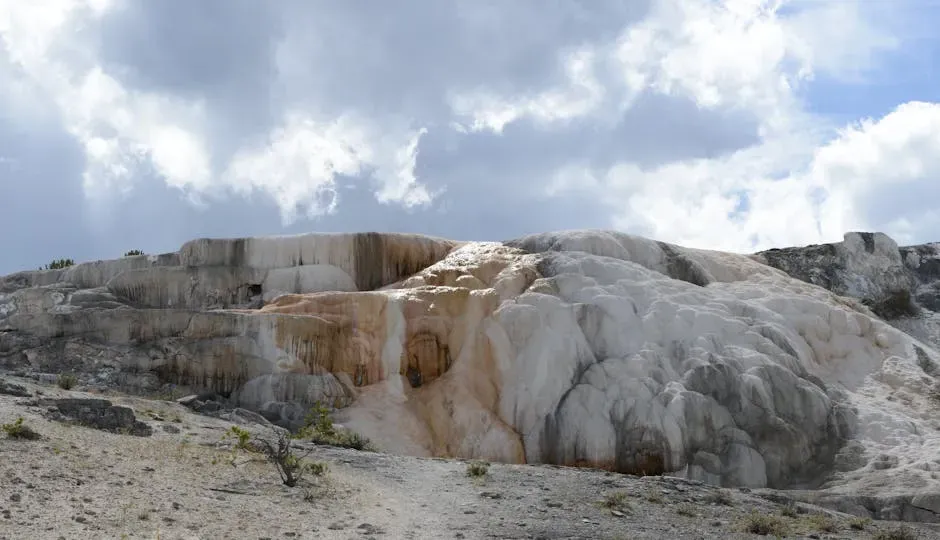
Tourists flock to Yellowstone for the geysers, but geologists see them as live status indicators for a huge, hidden engine. The timing of eruptions, changes in temperature, new vents opening, or old springs suddenly going dry can all signal shifting conditions in the underground hydrothermal system. Sometimes entire areas heat up enough to kill trees or cause new mud pots to appear where there were none before. While these events are often localized, they show that hot fluids and gases are carving new routes upward, and that can be tied to deeper magmatic changes.
One especially telling warning sign is when multiple hydrothermal changes cluster in time or space, suggesting a coordinated disturbance rather than a one‑off quirk. A single geyser erupting more often might just be a curiosity; a whole basin acting strangely at once is something else entirely. It is similar to noticing not just one light flickering in your house, but several rooms dimming at the same time. At Yellowstone, that pattern pushes scientists to re‑examine seismic, deformation, and gas data to see if this is part of a larger shift. They have to balance the park’s natural variability with the possibility that the underlying heat source is stirring in a new way.
What These Three Warning Signs Really Mean For Risk
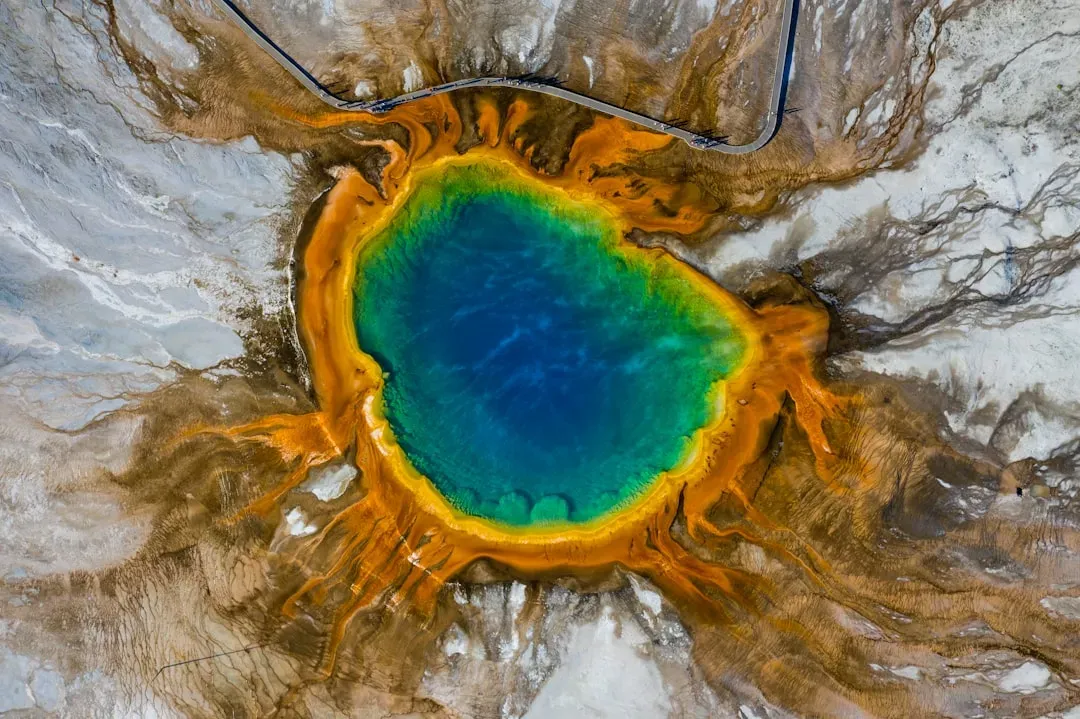
Ground uplift, earthquake swarms, and gas changes are not separate stories; they are three chapters in the same book. When they line up in the same region and timeframe, you get a stronger signal that something significant is happening underground. The challenge is that Yellowstone is always doing something, so the real work lies in separating background noise from meaningful change. Scientists rely on decades of monitoring data, numerical models, and comparisons to other volcanoes to decide when a pattern crosses the line from interesting to concerning.
From a risk perspective, it is crucial to remember that not every cluster of warning signs leads to a large eruption, let alone a supereruption. In fact, smaller eruptions or purely hydrothermal explosions are far more likely in any human timescale. The system can relieve pressure through modest events or quiet re‑equilibration without ever producing the apocalyptic scenario people fear. My personal take is that the biggest danger is not sudden global catastrophe, but underestimating the real, more probable hazards: local explosions, toxic gas releases, and changes that threaten nearby communities and infrastructure. Focusing only on the worst‑case story can make us ignore the very real, manageable risks right in front of us.
Living With A Supervolcano: Prepared, Informed, And Not Terrified
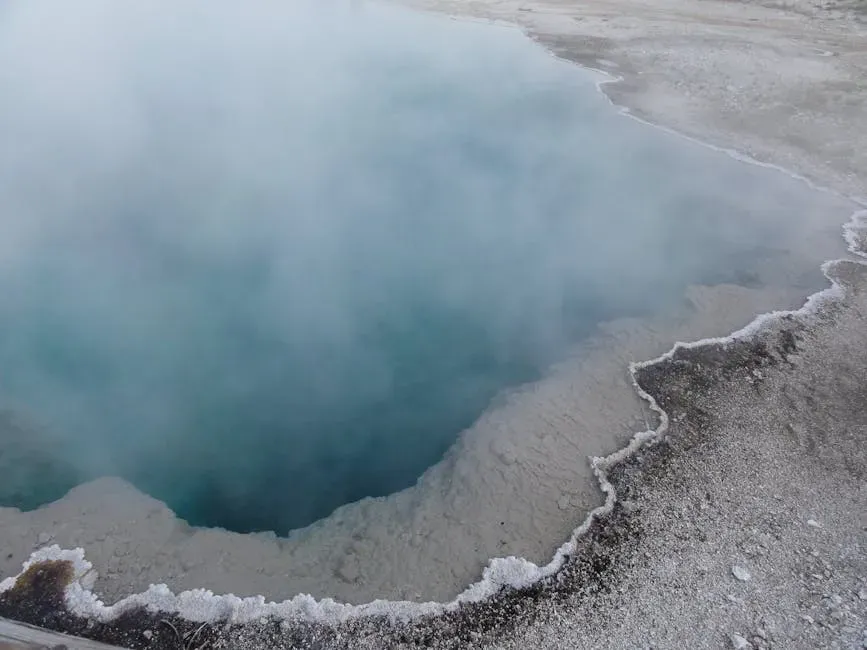
It is tempting to either catastrophize Yellowstone or shrug it off as overhyped, but both extremes miss the point. We are living in a remarkably lucky moment in history where we can actually monitor a supervolcano in real time, with satellites, sensors, and scientific networks that did not exist even a few decades ago. That does not mean we can predict every move with perfect accuracy, but it does mean that large, coordinated changes in ground movement, earthquakes, or gas output are unlikely to go completely unnoticed. The real skill is translating those early warnings into smart decisions without sending the public into a spiral of fear every time a new graph wiggles.
In my view, the mature attitude is this: accept that Yellowstone is powerful, that it sometimes shows worrying hints of motion, and that there will always be some uncertainty. At the same time, trust that continuous monitoring, transparent communication, and sober scientific judgment are our best tools for living safely above something so enormous. To me, the scariest scenario is not Yellowstone erupting without any warning, but people tuning out the science because they are tired of dramatic headlines. The supervolcano is not going anywhere; neither are we. The real question is whether we choose to stay curious, informed, and engaged enough to understand what those three warning signs are trying to tell us – what would you rather do, look away or keep watching with your eyes open?