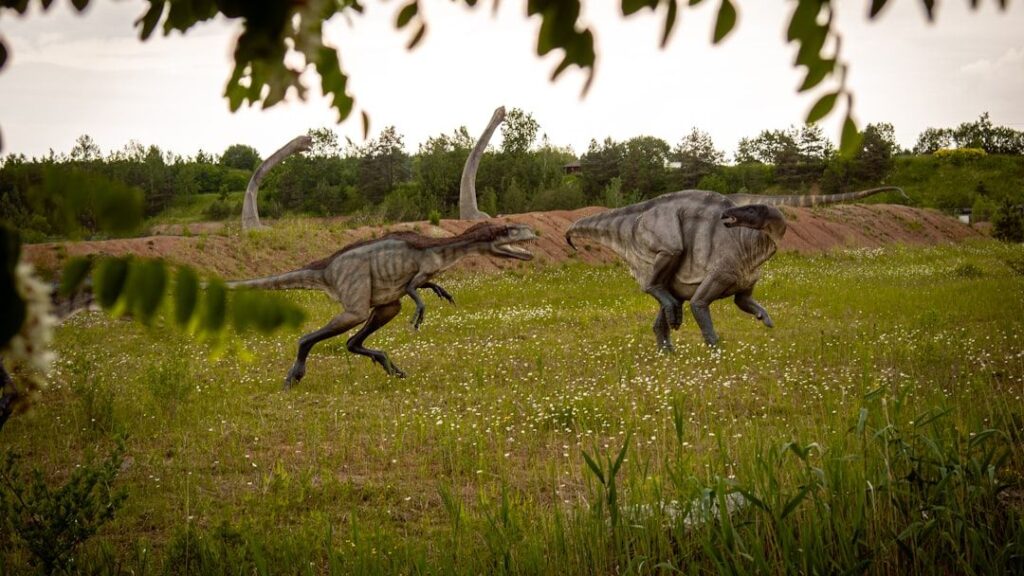
When you picture a theropod dinosaur, your brain probably conjures up something like a lone T. rex lunging at its prey from the shadows. That’s the classic image, right? The solitary, cold-blooded killer. The apex predator that needed nobody. Hollywood has sold you that story for decades, and honestly, it’s a compelling one.
But the science of paleontology has been quietly dismantling that picture, fossil by fossil, trackway by trackway. What’s emerging instead is far more fascinating, and frankly, a little unsettling – these ancient predators may have been far more socially aware, strategically sophisticated, and behaviorally complex than anyone gave them credit for. Let’s dive in.
The Old Assumption of the Lone Killer Was Always Shaky
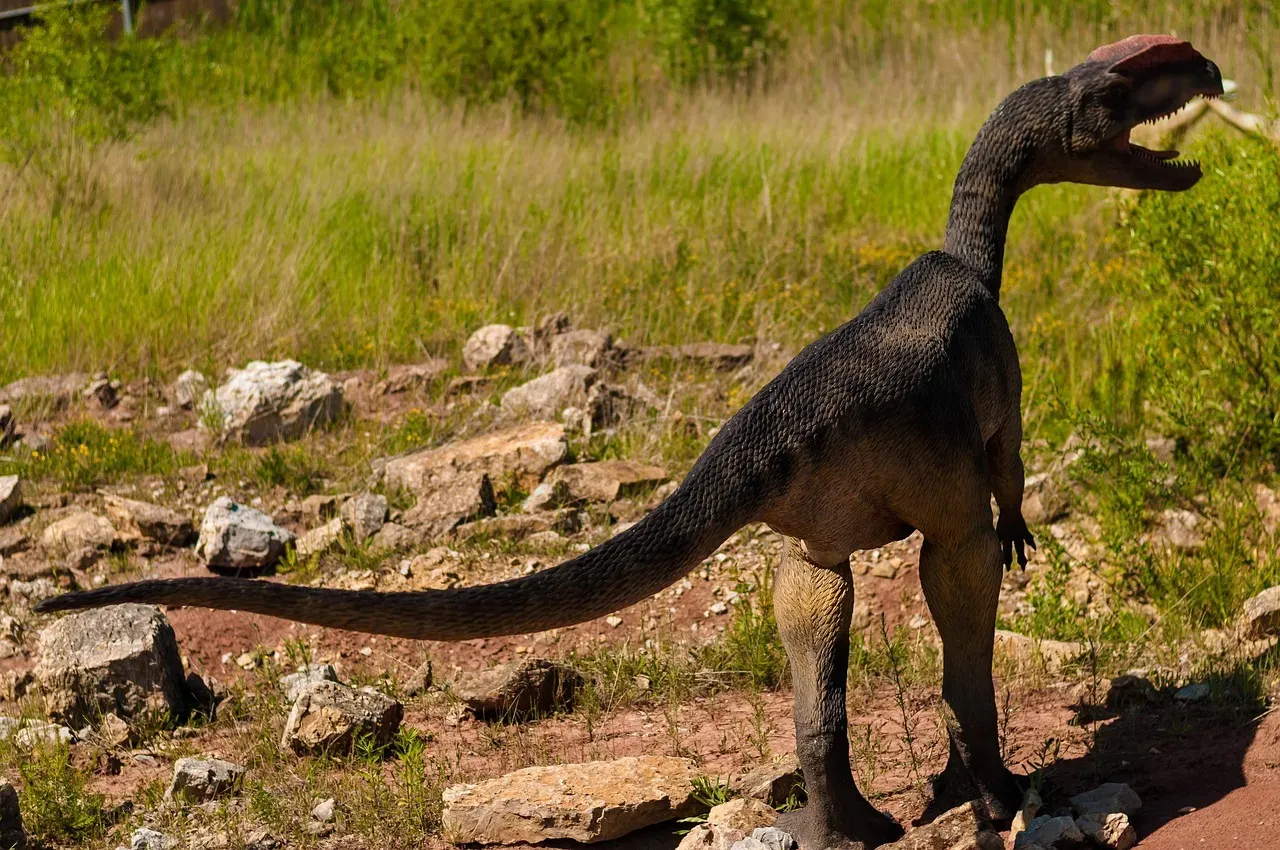
For a long time, the dominant view painted theropod dinosaurs as the ultimate lone operators, creatures of pure instinct rather than strategy. It seemed intuitive. Big teeth, big claws, fearsome size – why would you need a hunting partner? You can imagine the logic. A wolf needs help to bring down a moose, but surely a twelve-meter carnivore doesn’t need backup.
Here’s the thing though: that assumption was always built more on imagination than on evidence. Pack hunting among theropods – two-legged, meat-eating dinosaurs including Velociraptor and many others – became well ingrained in the public imagination partly because of iconic films. The problem is that cinema shaped expectation more than data did. Much of the evidence in favor of pack hunting is circumstantial, say paleontologists. Yet the flip side is equally true: the evidence for pure solitary behavior isn’t exactly airtight either.
The Deinonychus Debate That Changed Everything
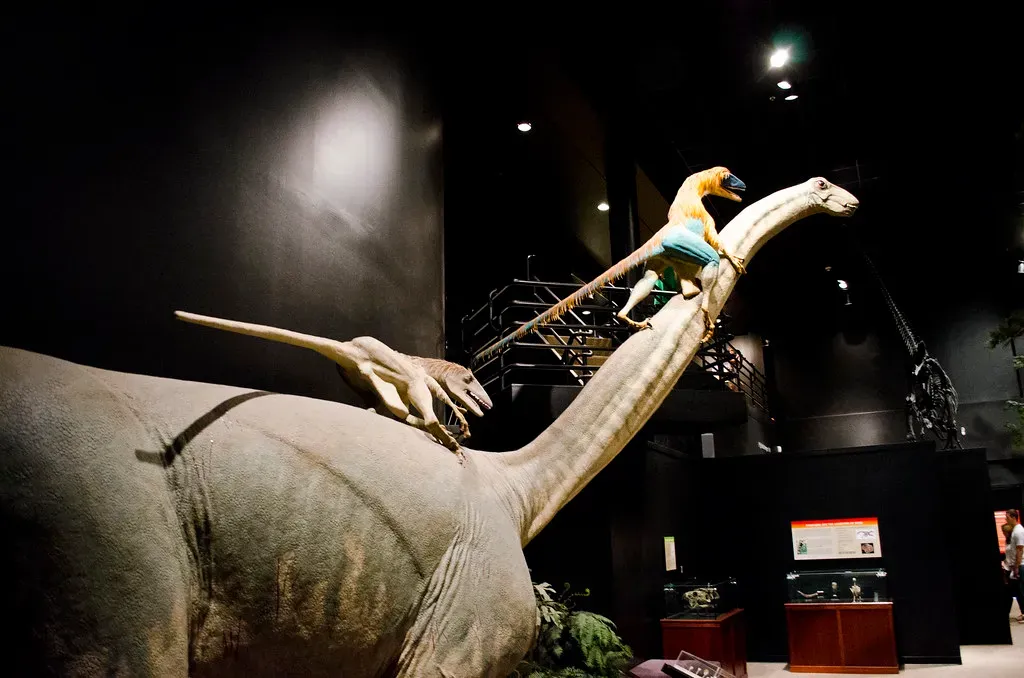
Since the 1969 description of Deinonychus antirrhopus, cooperative pack hunting behavior for this species and, subsequently, for many other nonavian theropods, attained wide acceptance. Paleontologist John Ostrom sparked the whole conversation when he found multiple Deinonychus skeletons near the remains of a much larger plant-eater called Tenontosaurus. His interpretation? These small predators must have worked together to pull down prey many times their size.
It was a genuinely exciting idea, and it made intuitive sense – like a pack of wolves taking down an elk. A single Deinonychus, weighing approximately 70 to 100 kg, could not be envisioned as capable of dispatching a one-ton Tenontosaurus alone. The predator-to-prey size ratio practically demanded some form of cooperation. However, later researchers challenged the conclusion hard, arguing the fossil assemblage could be explained by competition and scavenging rather than teamwork.
Trackways Tell a Story That Bones Alone Cannot
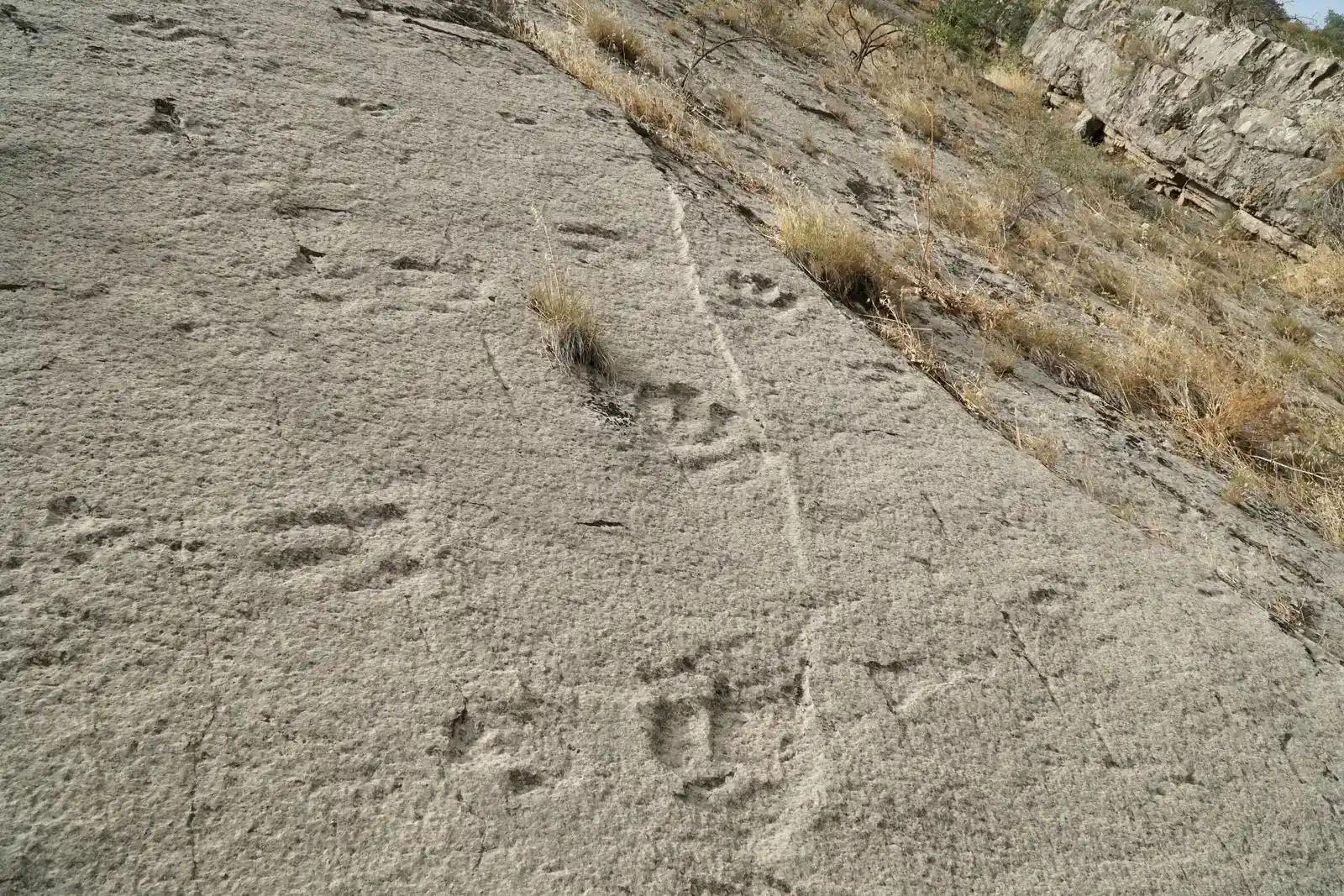
Bones fossilize. Behavior doesn’t. That’s the central frustration of paleontology, and it’s something you need to appreciate to understand why this debate has lasted so long. However, fossil trackways – preserved footprints left in ancient mud and sediment – offer a workaround. They are, in a sense, frozen moments of behavior captured in stone.
Some fossil evidence suggests that certain species, like theropod dinosaurs, may have hunted in packs. Supporters point to trackways that show multiple individuals moving together and fossilized remains of prey found near these sites. Research on carnivorous dinosaurs suggests gregarious behavior, with tracks showing a group moving in the same direction, not overlapping with one another, suggesting they were moving as a group at the same time and their physical bodies were interfering with them stepping in each other’s footprints. That is not a random coincidence. That is coordination.
The Albertosaurus Bonebed and the Case for Pack Tyrannosaurs
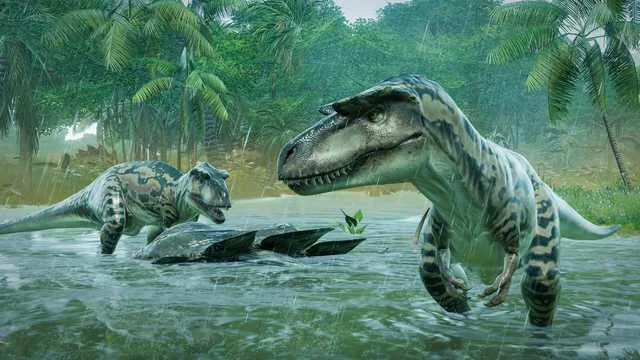
The idea that tyrannosaurs were social with complex hunting strategies was first formulated by Canadian paleontologist Professor Philip Currie in 1998, based on the discovery of skeletons of over 12 Albertosaurus sarcophagus individuals at a site in Alberta, Canada. Think about what that means – you don’t normally find twelve large carnivores buried together in one place. That’s extraordinary, and it demands an explanation.
Currie proposed that there was a “division of labor” within the Albertosaurus packs. Compared with the adults, juvenile Albertosaurus would have been much faster runners thanks to their different leg proportions, and Currie suggested that the faster, more agile juveniles may have been responsible for driving potential prey towards the larger, more powerful adult tyrannosaurids. That is not just group behavior. That is something resembling strategy – younger, quicker animals flushing prey toward the heavyweights waiting to deliver the killing blow. Sound familiar? It should. Hawks and wolves do something similar today.
Utah’s “Rainbows and Unicorns Quarry” Adds More Weight
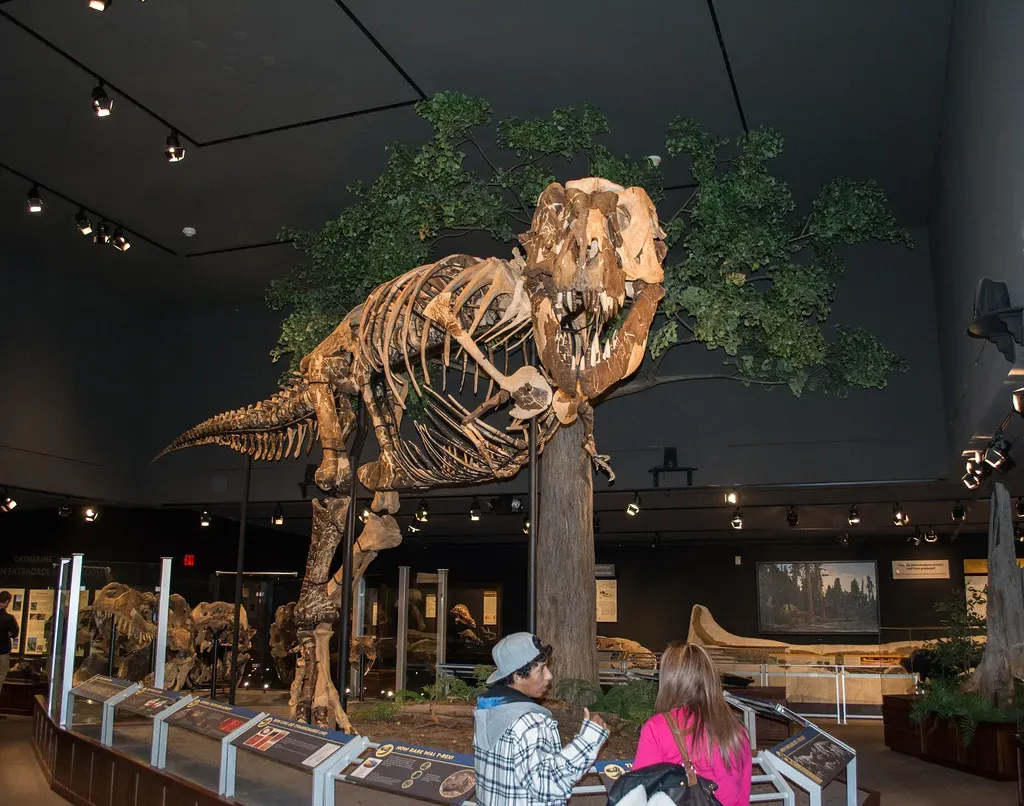
Honestly, the name alone deserves a mention. A study from the journal PeerJ detailed a find in the Grand Staircase-Escalante National Monument in Utah, where a bed of roughly four or five fossil skeletons of Teratophoneus, a member of the tyrannosaurid family which includes T. rex, were found together with several fossils of fish, rays, and a large ancient crocodilian. Multiple apex predators buried together. It’s not a predator trap scenario.
The simultaneous death of these dinosaurs implies that they traveled together to where they were eventually killed, providing more evidence to the theory of their parasocial hunting behaviors and a stark contrast to the long-held notion that these animals were incapable of such. As one researcher noted, this discovery adds to a growing body of evidence showing that tyrannosaurs were complex, large predators capable of social behaviors common in many of their living relatives, the birds. The birds connection isn’t just poetic – it’s deeply scientific.
The Brain Power Behind Complex Behavior
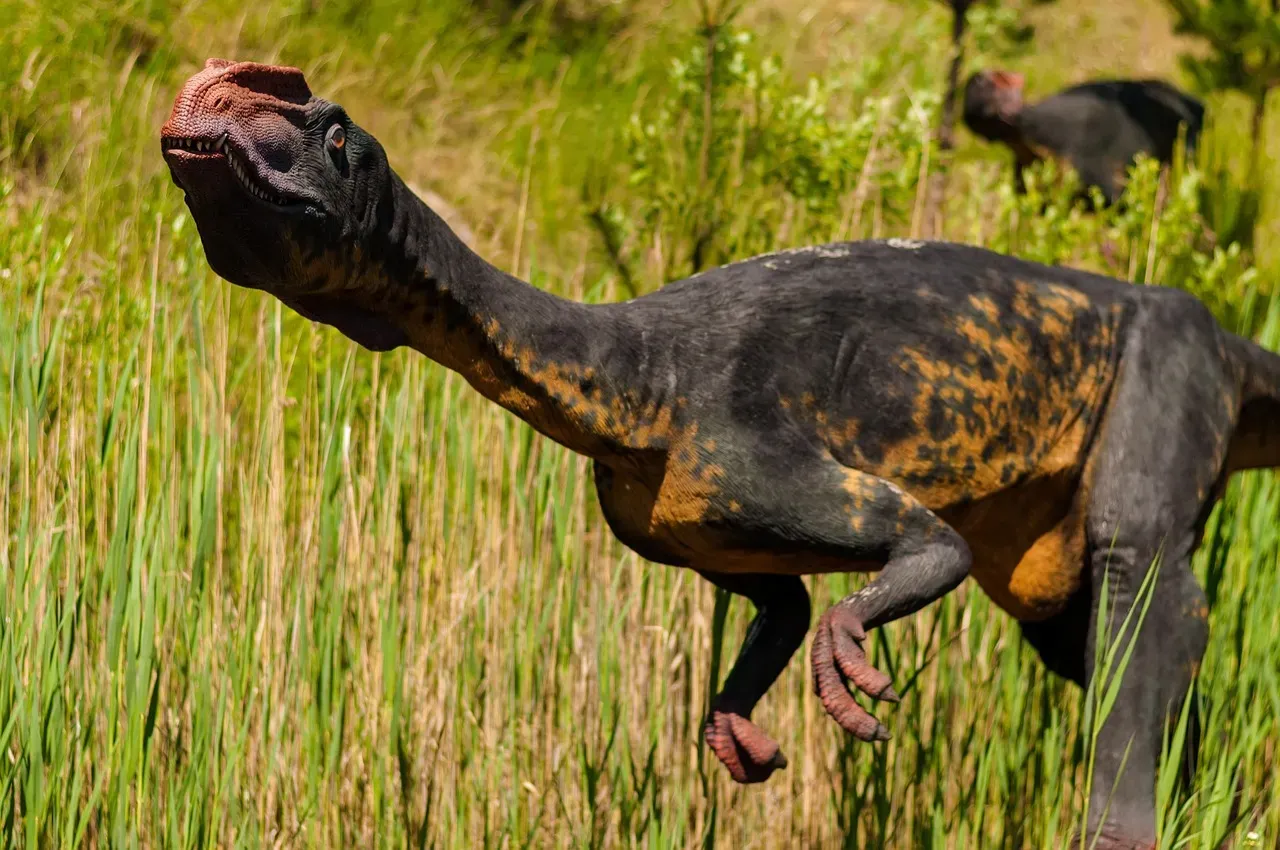
You can’t coordinate a hunt without some degree of cognitive horsepower. It’s worth asking, then: were theropods actually smart enough to pull off anything resembling a strategy? The answer is more interesting than you might expect. Advancements in paleontology, particularly the development of the encephalization quotient in the 1970s, shifted the view on dinosaur intelligence. The EQ measures brain size relative to body mass, suggesting that some dinosaurs, particularly theropods, might have had intelligence levels comparable to modern birds.
Deinonychus antirrhopus possessed a relatively large brain by dinosaurian standards, a necessary prerequisite for handling the cognitive challenges associated with complex social roles. With a relatively large brain for its size, Troodon is often considered one of the most intelligent dinosaurs to have ever existed, with a brain-to-body ratio larger than that of many other carnivorous dinosaurs, suggesting advanced behaviors and problem-solving skills. I think it’s fair to say that brainpower alone doesn’t close the case, but it certainly opens the door.
Velociraptor: Agility, Senses, and the Possibility of Cooperative Hunting
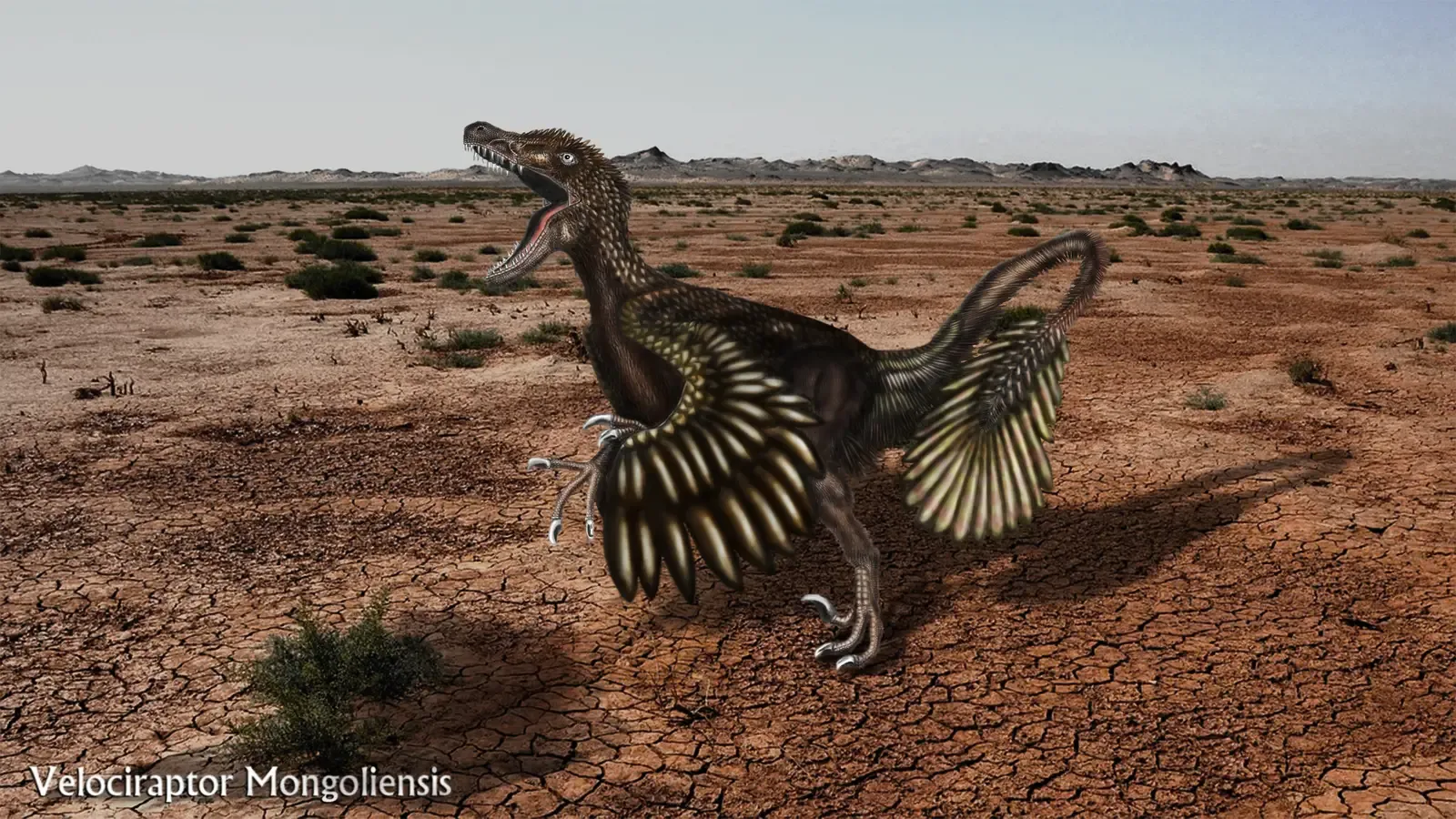
Velociraptor is probably the most famous theropod outside of T. rex, and much of that fame rests on its portrayal as a clever pack hunter. The real animal was smaller than Hollywood depicted – roughly the size of a large turkey – but no less fascinating. Velociraptor, known for its high intelligence and advanced sensory abilities, employed sophisticated hunting strategies enhanced by its anatomical features and potential social behaviors. Its keen vision and sense of smell, coupled with a flexible neck, strong legs, and a retractable sickle-shaped claw, facilitated precise ambushes and rapid prey capture.
Recent discoveries confirmed that Velociraptor was covered in feathers, with quill knobs indicating well-developed plumage. Evidence suggests that Velociraptor’s plumage likely facilitated camouflage and enhanced aerodynamic control, improving its stealth and maneuverability during high-speed chases. Think of it like a feathered ambush artist with built-in camouflage and razor precision. Whether that precision extended to coordinated group attacks remains debated, but evidence suggests it may have engaged in pack hunting, potentially involving cooperative strategies, and intraspecific combat was also observed, indicating complex social interactions.
The Skeptics Have a Point Too – This Is Still a Real Debate
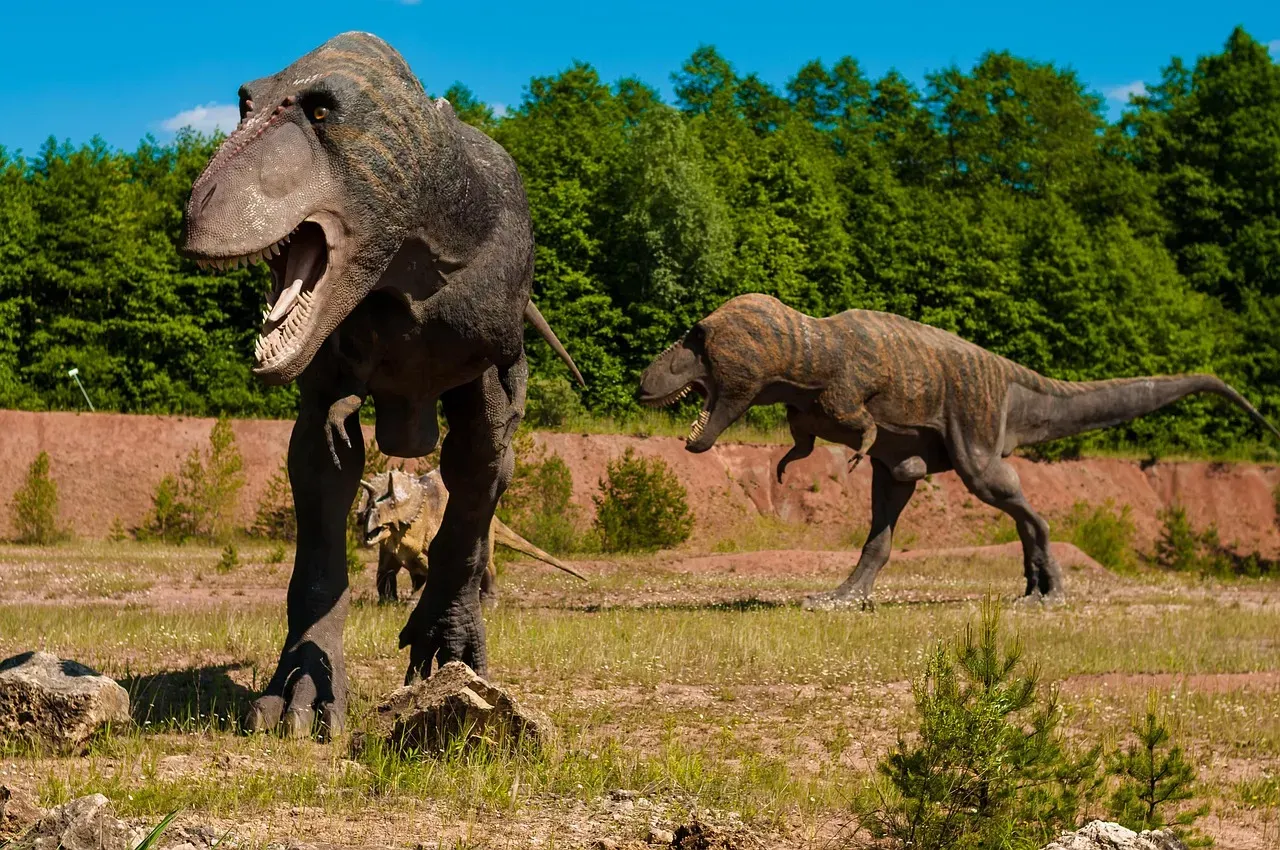
It would be dishonest to present this as settled science, and good science is never that simple. There are serious researchers who push back hard on the pack-hunting hypothesis. Through phylogenetic inference and character optimization, researchers concluded that the hypothesis of mammal-like cooperative pack hunting is both unparsimonious and unlikely for these taxa, and that the null hypothesis should therefore be that nonavian theropod dinosaurs were solitary hunters or, at most, foraged in loose associations.
Some evidence that has previously been proposed in support of highly gregarious, mammal-like behavior in nonavian theropods – including certain theropod-dominated fossil assemblages, preserved bite-mark injuries on some specimens, and the preponderance of theropod trackways at some sites – may alternatively be interpreted as evidence that nonavian theropod behavior was more agonistic, cannibalistic, and diapsid-like than has been widely believed. In other words, what looks like a hunting party might actually be a feeding frenzy with competition rather than cooperation at its core. It’s hard to say for sure, but the ambiguity is part of what makes this field so compelling.
What Living Relatives Reveal About Ancient Hunting Behavior
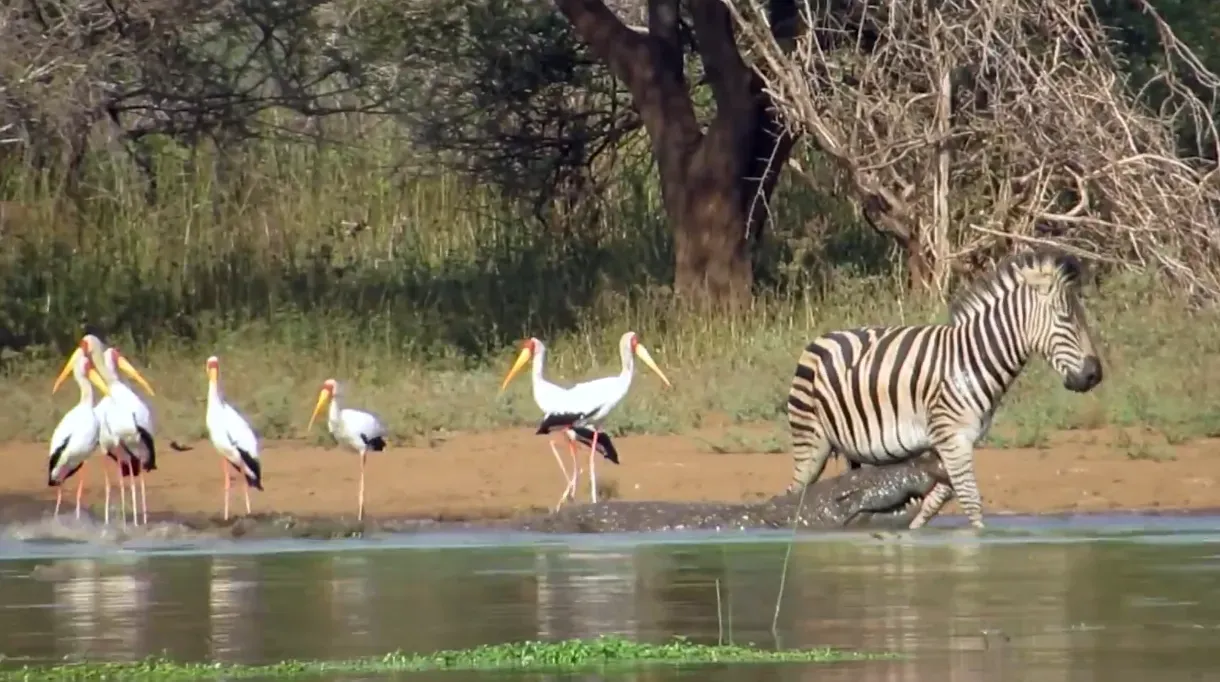
One of the smartest tools available to paleontologists is the “phylogenetic bracket” approach – studying the living relatives of extinct animals to make reasonable inferences about behavior. You have birds on one side and crocodilians on the other, and both groups are far more behaviorally sophisticated than most people realize. Living archosaurs engage in many forms of social behavior. Sometimes alligators and crocodiles opportunistically go after the same prey without attacking each other, or they steer fish into each other’s mouths. Golden eagles sometimes hunt in pairs.
What ancient tracks tell researchers is that predatory dinosaurs were cognitively and behaviorally very much like birds, not like crocodiles or other reptiles. These dinosaurs must have had bird-like cognitive abilities for complex social behaviors, parenting, and even cooperative hunting strategies. Extensive and geographically widespread physical evidence of substrate scraping behavior by large theropods has been presented as compelling evidence of “display arenas,” consistent with “nest scrape display” behavior among many extant ground-nesting birds. The parallels to modern birds don’t stop at anatomy – they extend deep into behavior.
Conclusion: The Story Is More Complex Than a Single Predator
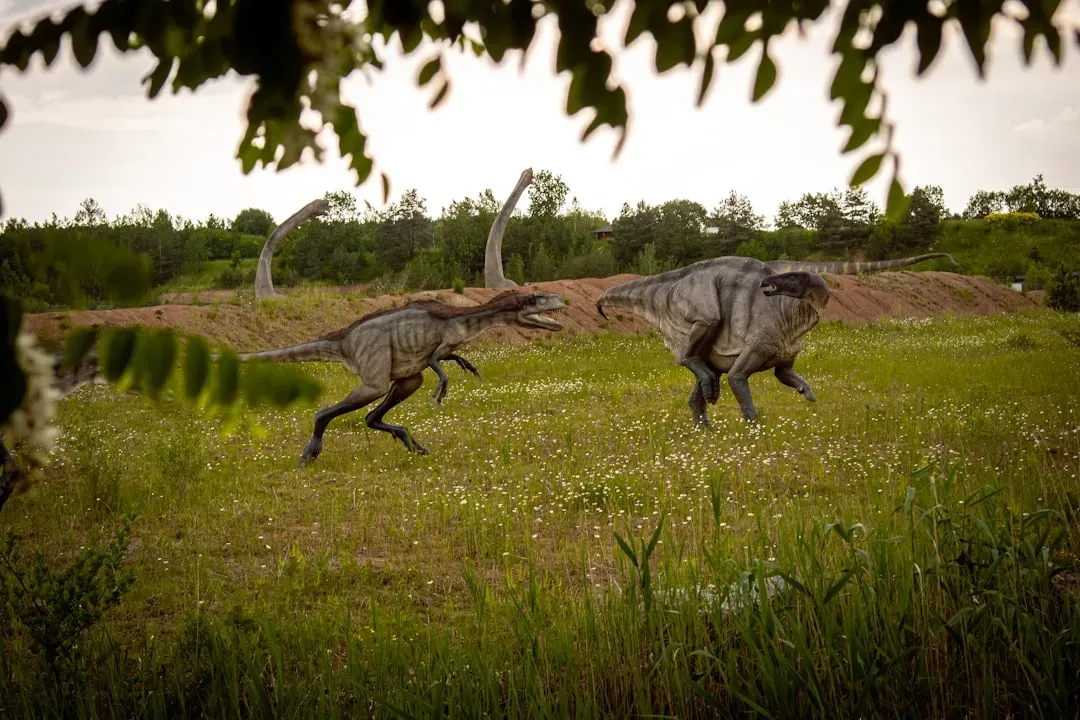
What you’ve just traveled through is not a neat, resolved debate. It is something more honest and more exciting – a scientific conversation still very much alive, one where new fossils, new chemical analyses, and new trackway discoveries keep reshuffling the deck. The old image of a lone theropod lurking in shadows is giving way to something far more nuanced.
Skeletal morphology, phylogenetic inference, monodominant bonebeds, trackway sites, and ecological inferences all support the notion that some non-avian theropods were gregarious animals. From tyrannosaurs possibly coordinating hunts to raptors showing signs of social interaction, the picture that emerges is of predators shaped by their world – just as today’s wolves, lions, and Harris’s hawks are shaped by theirs. The real question is no longer whether theropods were purely solitary. The better question might be: how socially complex could they actually get? What do you think – does the evidence convince you, or are you still in the lone killer camp? Tell us in the comments.