Picture a firelit circle ten thousand years ago: no phones, no walls, no backup plan if the hunt goes wrong. In that kind of world, the people who led the tribe were not chosen for their LinkedIn profile, but for something far more primal: courage under pressure, emotional instincts, and the ability to keep a group together when everything wanted to pull it apart. When you look at zodiac archetypes through that lens, a few signs suddenly feel like they were built for an age of stone tools and big risks.
Astrology is not a hard science, and it definitely cannot tell us who would have worn the mammoth-skin crown. But it does offer a symbolic map of temperament: who tends to take charge, who senses danger early, who can persuade a crowd, who will walk into the dark first. When you match those archetypal traits to what prehistoric leadership really required, three signs stand out in surprising ways. And no, it is not just the obvious loud, fiery ones.
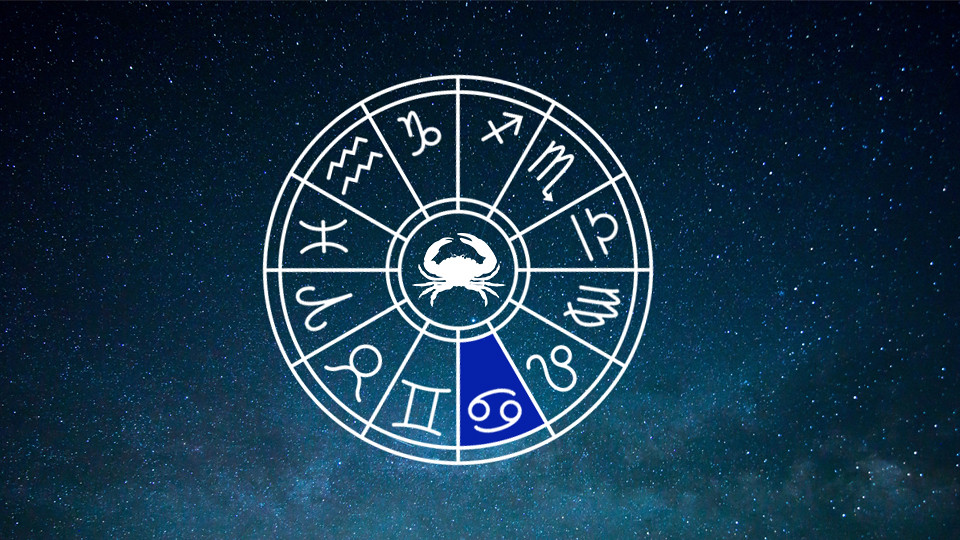
Cancer: The Soft-Spoken Strategist Around the Fire

It might feel shocking to put Cancer at the top of a list about legendary tribal leaders, because modern stereotypes paint them as tender, homebodies, almost too sensitive for the harsh edges of life. But in a prehistoric context, that exact emotional radar could have been a survival superpower. A tribal group living on the edge of famine, weather shifts, and conflict with neighboring bands needed a leader who sensed tension long before it exploded into violence.
Cancer is associated with protection, caregiving, and a strong instinct to guard their people like a shell guards a soft creature. Imagine a leader who notices when one hunter is quietly being pushed out of the group, or when fear is spreading after a failed hunt. That kind of person would slow things down, redistribute resources, and pull individuals back into the circle before the tribe fractured. In a world with no police, no hospitals, and no therapy, a leader who intuitively prioritized emotional safety and nurturing bonds could literally keep the tribe alive.
Scorpio: The Shadow-Walker Who Never Misses a Threat
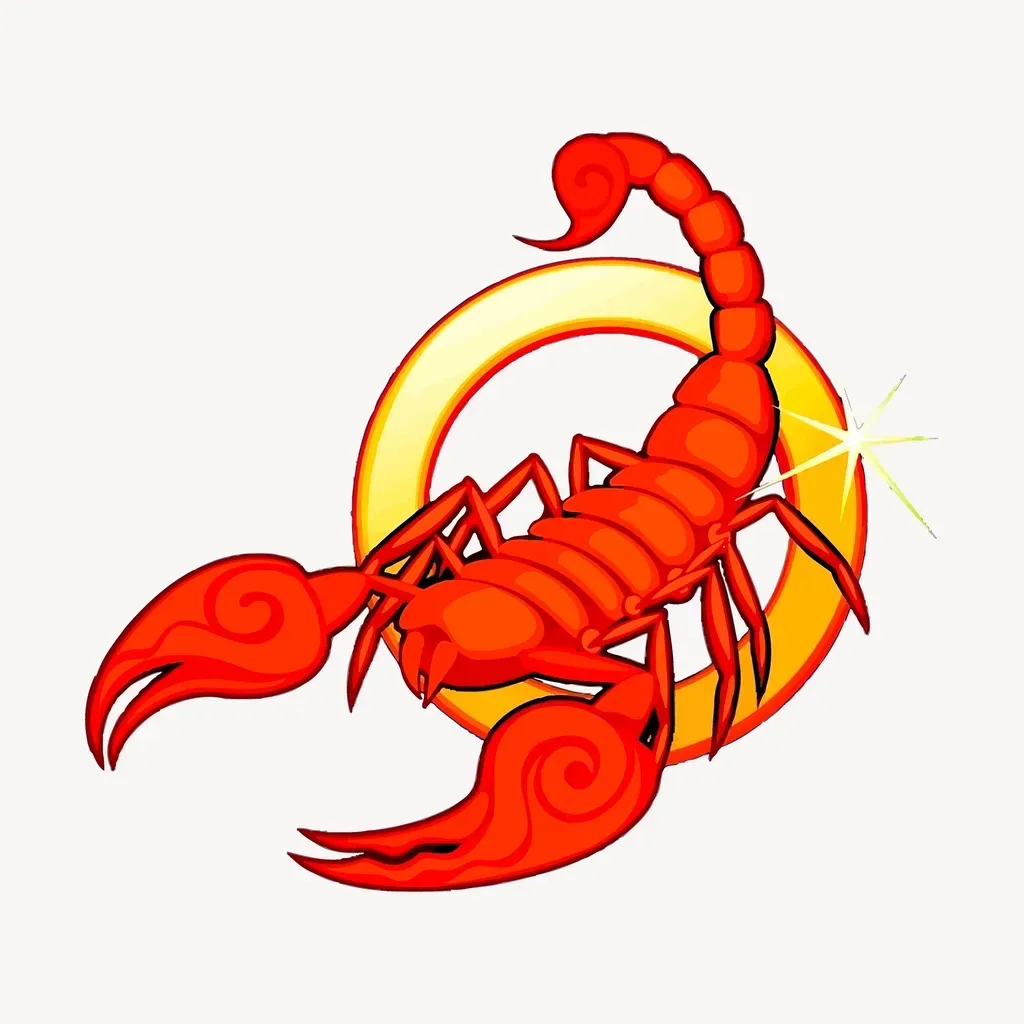
Scorpio energy fits the ancient world almost too well: intense, strategic, and comfortable dealing with the darker parts of life that others prefer to ignore. Prehistoric leadership was not just about telling stories by the fire; it was about surviving rival groups, negotiating territory, and making brutal decisions when resources were scarce. A Scorpio-like leader would not shy away from that. Instead, they would track undercurrents of power, ambition, and resentment both inside and outside the tribe.
This sign is associated with deep perception, secrecy, and psychological insight, which would translate into a leader who never takes things at face value. If another tribe suddenly appears friendly, a Scorpio-type chief would be the one asking what they really want, and what they are willing to trade or betray. At the same time, their intense loyalty to their chosen people would make them fierce defenders, willing to walk into danger or plan astonishingly clever ambushes to protect the group. In an era where misreading another’s intent could get everyone killed, that kind of instinct would make them legendary.
Leo: The Radiant Beacon Who Rallies the Hunt

Leo is probably the least surprising pick on this list, yet the reason they would thrive as prehistoric leaders goes deeper than just charisma. In a small tribe, morale mattered as much as muscle. People needed to believe they could survive another winter or pull off a risky hunt. Leo’s natural warmth, dramatic flair, and desire to inspire would turn danger into a story of glory worth fighting for. When spirits dropped, they would be the one turning fear into courage with contagious enthusiasm.
Leadership in that era was also highly visible: who stands at the front during migrations, who volunteers to face the unknown first, who takes public responsibility when decisions go wrong. Leo thrives in that spotlight, not just to be admired, but to embody confidence for everyone else. Their pride would drive them to set an example, brave the storm, and own their choices. In a world where doubt spreads as quickly as disease, a bright, theatrical figure who radiates faith in the future could be the difference between a tribe giving up and a tribe pushing forward.
Why Aries Isn’t Automatically Number One

Many people might expect Aries to headline any list about ancient leaders, because this sign is connected with courage, initiative, and a desire to charge into the unknown. In truth, Aries would absolutely have been essential in a prehistoric group: the first to scout out new territory, the one who sprints toward danger instead of away from it, and the spark that gets a hesitant group moving. They are like the fire starter of the zodiac, turning the first glint of an idea into action before anyone else has even finished talking.
But legendary leadership is not only about starting things; it is about carrying a community through long, exhausting periods where nothing seems to be happening. That is where Aries might struggle more than some of the other signs, especially when slow diplomacy or patient resource management is needed. Their gifts shine brightest in short bursts of intensity: the first strike of the hunt, the bold escape from a threat, the risky experiment no one else dares attempt. So while Aries would be heroic figures and beloved warriors, the more quietly strategic and emotionally anchored signs might have been the ones history remembered as long-term tribal leaders.
The Prehistoric Leadership Skill Set, Through an Astrological Lens

When you strip away the modern world and look at what tribal survival actually required, you get a very specific list of traits: emotional intelligence to keep the group cohesive, strategic thinking to manage limited resources, courage in the face of predators and rivals, and an almost intuitive sense of timing. No one sign owns all of that perfectly, but some archetypes are more naturally wired for particular pieces of the puzzle. Cancer brings the protective heart, Scorpio brings the penetrating mind, and Leo brings the unshakable spirit.
Astrology can be seen as a symbolic language describing different survival strategies, rather than a literal destiny chart. In that light, these three signs represent three core pillars of prehistoric leadership: nurturing, vigilance, and inspiration. A tribe led by someone with a Cancer-like profile would feel held; one with a Scorpio-like chief would feel guarded; one ruled by Leo energy would feel uplifted. Of course, real humans are complex mixes of traits, but these archetypes help us imagine the kinds of personalities who might have guided our ancestors safely from one season to the next.
Conclusion: The Leaders We Remember vs. The Leaders Who Saved Us
It is tempting to imagine prehistoric leaders as endlessly fearless warriors, but when you step back, the story is more nuanced. The tribal elders who really held things together likely mixed bravery with tenderness, suspicion with wisdom, and pride with responsibility. That is why Cancer, Scorpio, and Leo stand out when you look past stereotypes and think about what it actually took to keep a fragile human group alive in a hostile world. Their archetypal gifts – protection, strategy, and inspiration – might quietly outrank pure aggression or speed.
Personally, I find it fascinating that the signs often mocked for being too emotional, too intense, or too dramatic suddenly look like exactly the leaders you would want when everything is on the line. It raises an uncomfortable but important question for our own time: are we still choosing leaders for the traits that truly protect and uplift a community, or just for who looks good charging ahead? If you were sitting at that ancient fire, listening to the wind and eyeing the dark beyond the flames, whose energy would you trust with your life?