When you think about the architects who shaped America’s landscapes, your mind probably drifts to human hands. Maybe you envision early settlers clearing forests or engineers carving highways through mountains. Here’s the thing, though: long before any person set foot on this continent, massive animals were already doing construction work on an unimaginable scale.
These weren’t just passive inhabitants wandering around. They were ecosystem engineers, species whose everyday behaviors transformed entire environments. From preventing forests from taking over grasslands to maintaining massive river systems, prehistoric creatures literally built the ecosystems that exist today. Let’s be real, without them, the America we know wouldn’t exist.
The Woolly Mammoth: Grassland Maintenance Crews in Fur Coats
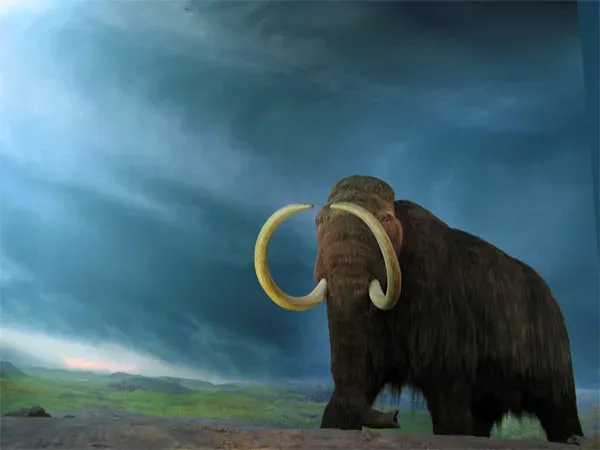
Woolly mammoths were the engineers of grasslands, keeping trees from growing onto the plains and dispersing large amounts of nutrients over immense distances via their dung while maintaining open grasslands through their bulk feeding behavior. Think of them as nature’s lawnmowers, except weighing several tons and equipped with massive curved tusks. The habitat of the woolly mammoth stretched across northern Asia, many parts of Europe, and the northern part of North America during the last ice age, and was more diverse, abundant, and grew faster than modern grassy steppes.
Their feeding wasn’t selective or delicate. Unlike modern grazers who often selectively browse specific plants, mammoths were bulk feeders who would consume large quantities of grasses, herbs, and low-lying shrubs. The constant movement of mammoths across the steppe would compress the soil and create disturbances through trampling, which actually increased soil aeration, improved water infiltration, and stimulated the growth of new plants. Honestly, it’s hard to imagine that something so seemingly destructive could be so beneficial.
American Bison: The Ecosystem Invaders Who Became Keystone Species
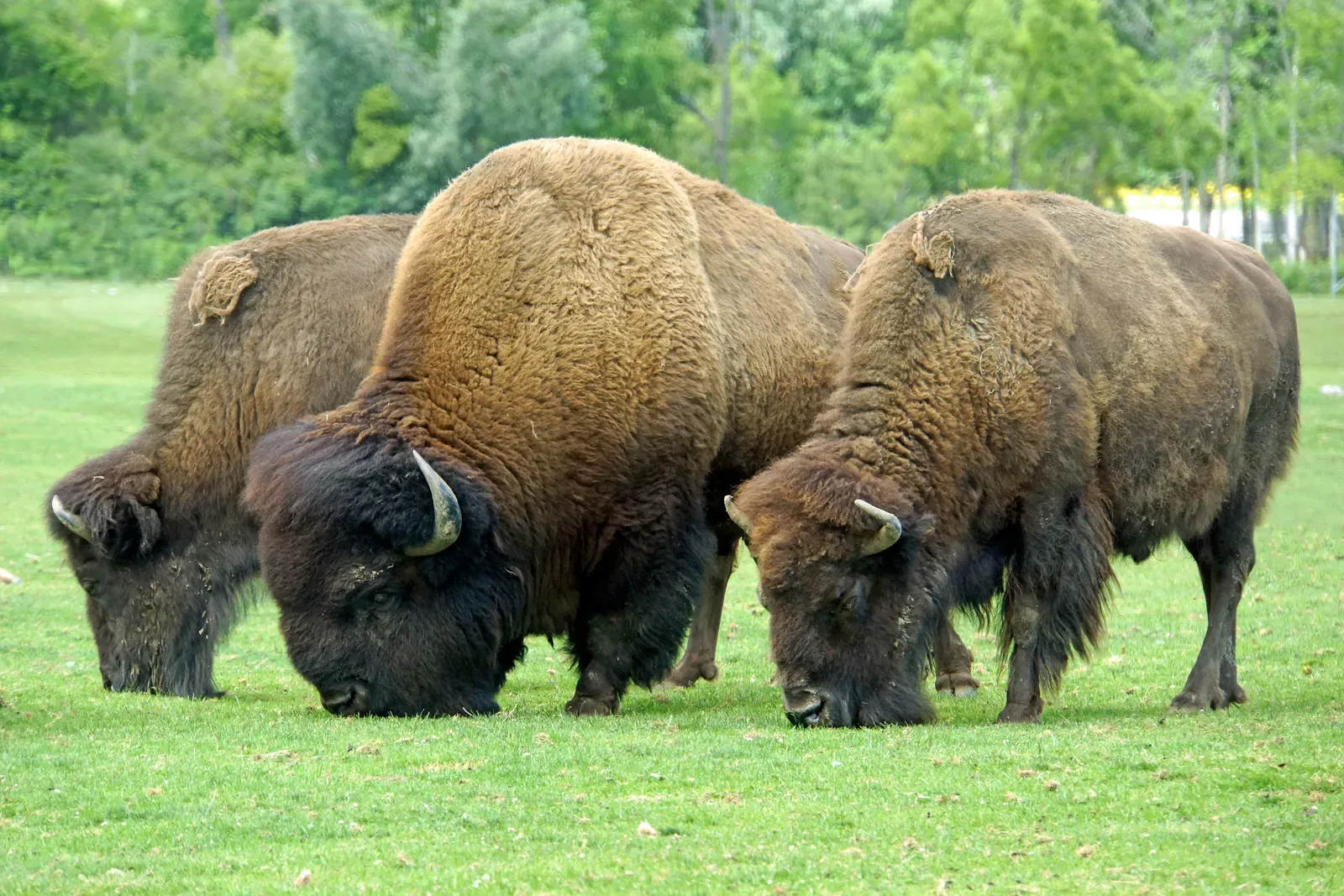
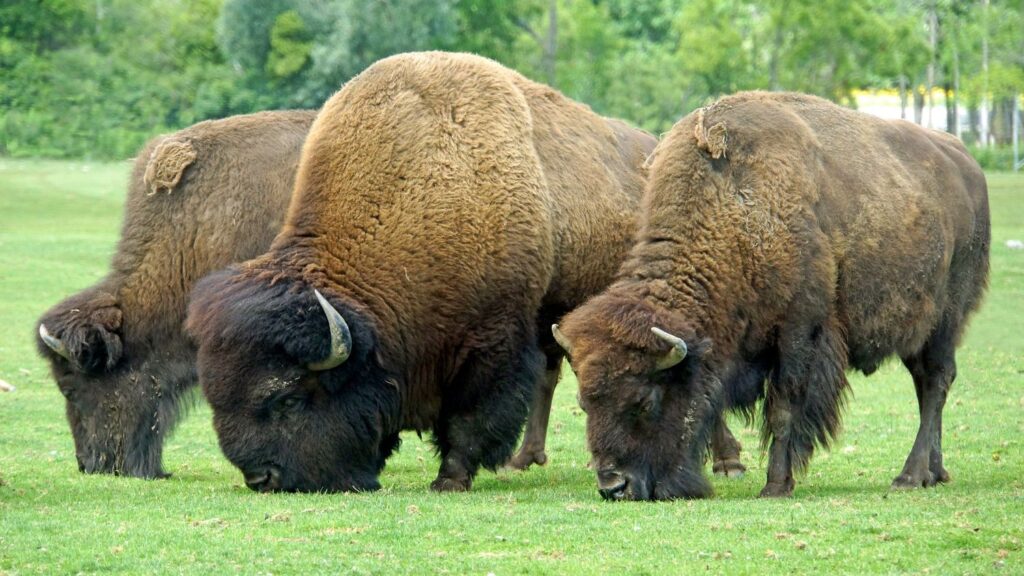
Here’s something that might surprise you. Despite the variety of grazing megafauna already present in North America, bison thrived and increased their range of distribution even as mammoths, ancient horses and giant sloths dwindled, with scientists conjecturing that the bison’s infiltration of the North American prairies is directly responsible in conjunction with human involvement for the extinction of prehistoric megafauna. They weren’t originally from here at all.
Bison wallowing has important ecosystem engineering effects and enhances plant and animal diversity on prairies. These massive creatures created depressions in the soil through their wallowing behavior, transforming drainage patterns and creating microhabitats for countless smaller species. This behavior keeps plants growing, although the plants never appear more than a few inches tall, and allows bison to keep getting highly nutritious foods. Their grazing patterns prevented woody vegetation from taking over grasslands, maintaining the open prairies that became synonymous with the American landscape. I know it sounds crazy, but these animals may have contributed to pushing out other megafauna while simultaneously creating the ecosystems we now consider quintessentially American.
Giant Ground Sloths: The Unexpected Forest Gardeners
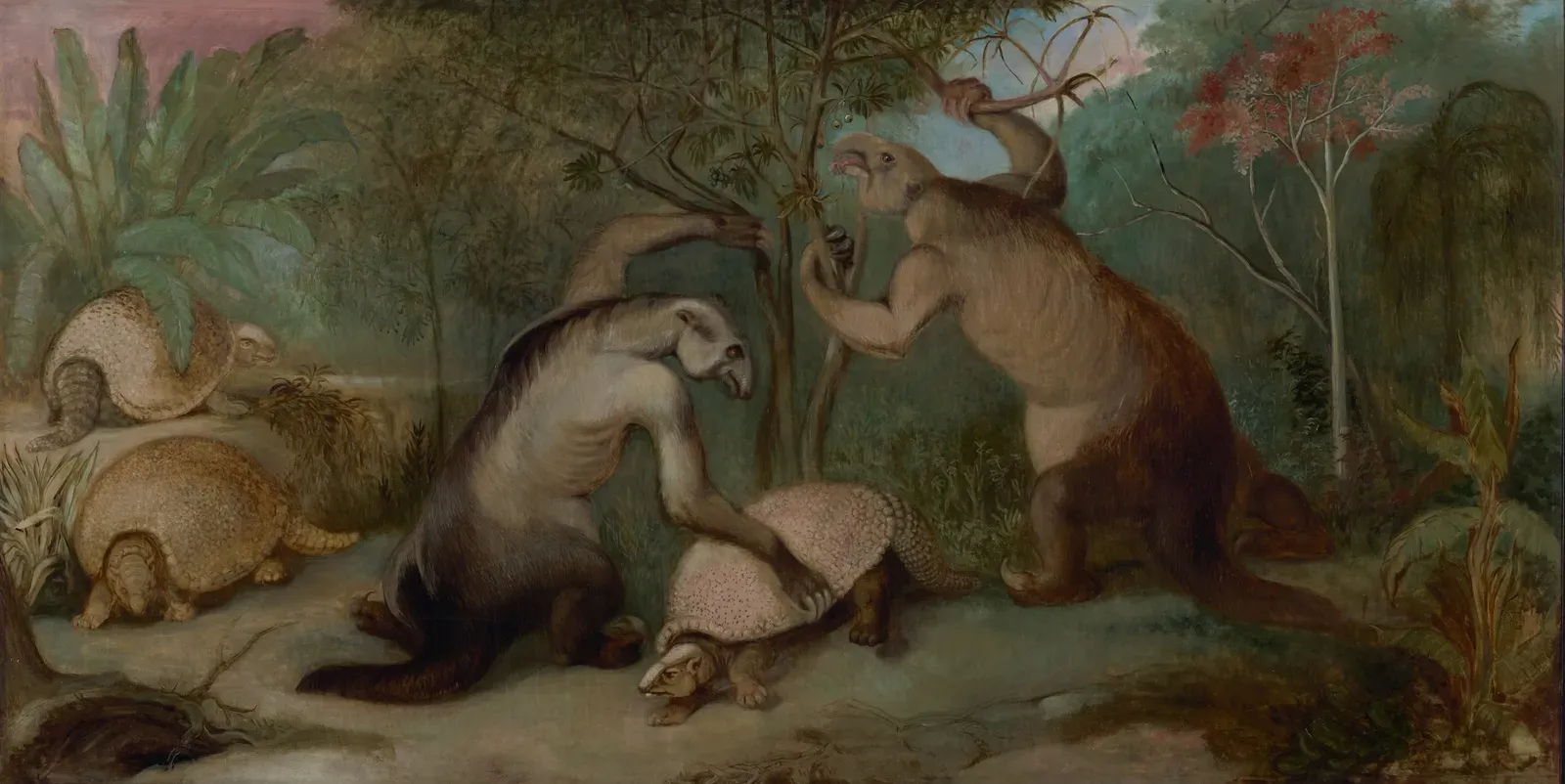
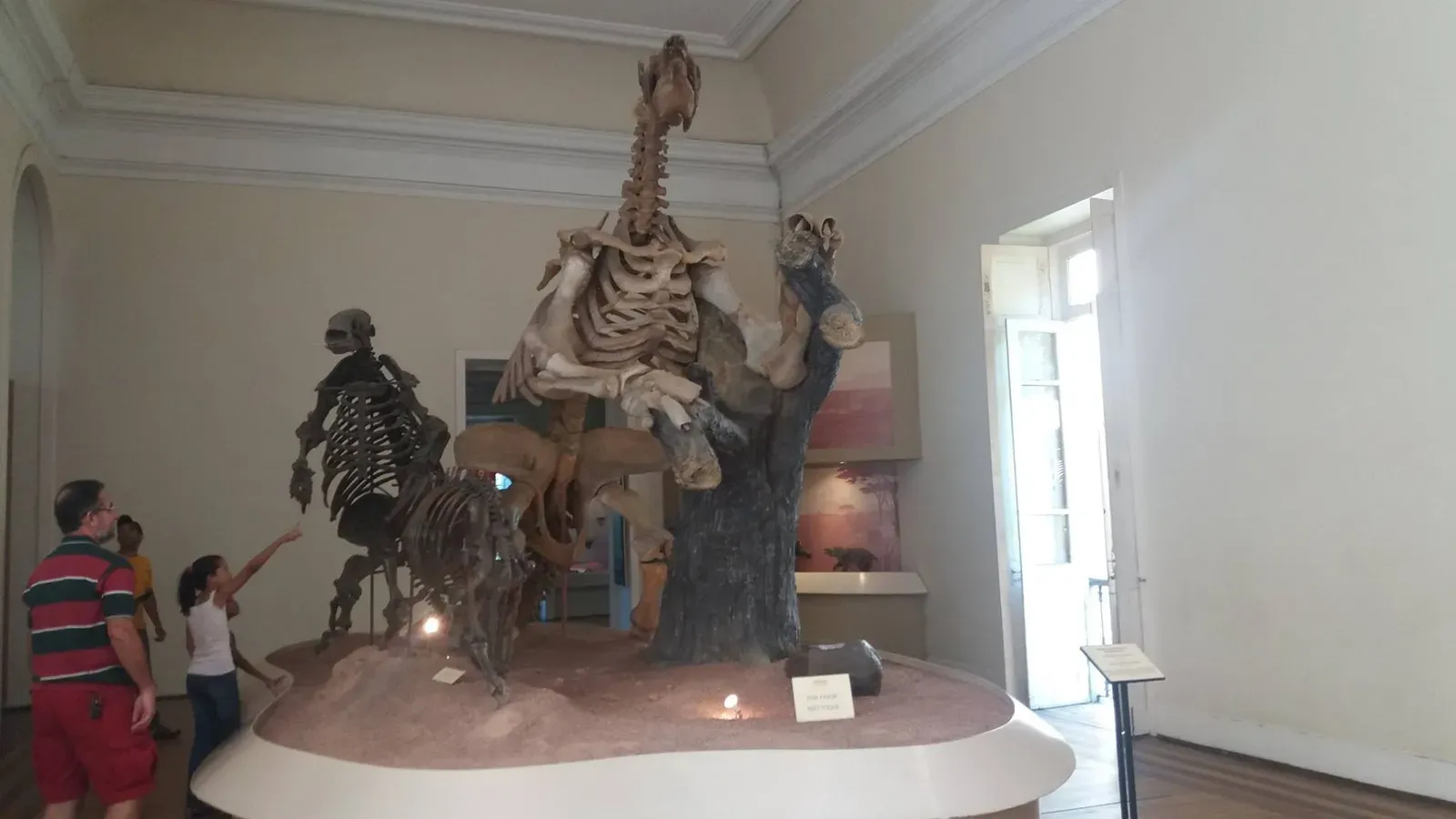
The ground sloths were an incredibly diverse group that ranged dramatically in size, from the 100kg Caribbean ground sloth to the four-tonne, 3.5m-tall Megatherium. Picture something the size of an elephant, covered in shaggy fur, moving slowly through ancient forests on massive clawed feet. The Giant Ice Age Sloth, Megalonyx jeffersonii, stood almost ten feet tall and weighed 2 to 3 tons as much as a small elephant, and it grazed Iowa’s woodland during the Pleistocene when huge glaciers of ice covered most of Iowa, using their claws for food gathering, defense, and possibly to climb trees.
Mammut americanum altered the world through its habits as ecosystem engineers, and the same was true of many other herbivores that lived around the world until very recently. These massive herbivores acted like selective pruners, feeding on specific trees and shrubs while leaving others alone. Their feeding habits controlled plant succession and maintained diverse forest structures. Megalonyx jeffersonii may have specialized in eating leaves and twigs from trees such as willow and other trees of moist habitats. The way they shaped their environments created opportunities for other species to thrive in ways we’re only beginning to understand.
The Mastodon: Woodland Sculptors With Tusks
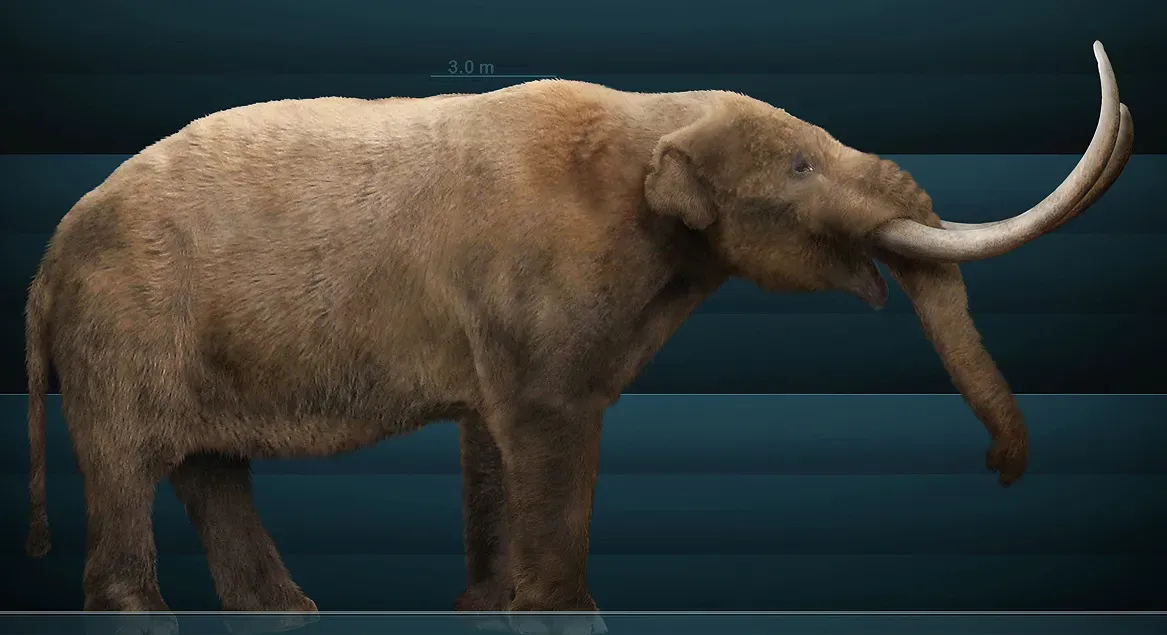
Mastodons, Mammut americanum, are very similar to mammoths at first glance with thick fur and large tusks, but they were shorter and stockier with straighter tusks than the exaggerated curved tusks of their mammoth cousins, and they were homegrown elephants that evolved in North America 3.5 million years ago. These creatures weren’t just passing through forests; they were actively reshaping them. Their browsing behavior on branches and shrubs created clearings and maintained forest edges.
Mastodons ranged from the Alaskan arctic all the way south to Honduras, feeding on branches, shrubs and small trees, and were perfectly adapted to cold conditions with short ears and tails to help conserve heat and a thick coat of fur. They created pathways through dense woodland that other animals used for generations. Studying rock layers shows that dinosaurs were likely enormous ecosystem engineers knocking down much of the available vegetation and keeping land between trees open and weedy, with the result being rivers spilled openly without wide meanders across landscapes. While that refers to dinosaurs, mastodons had similar effects in their forest environments, preventing complete canopy closure and maintaining diverse woodland habitats.
Giant Beavers: Wetland Engineers on a Massive Scale
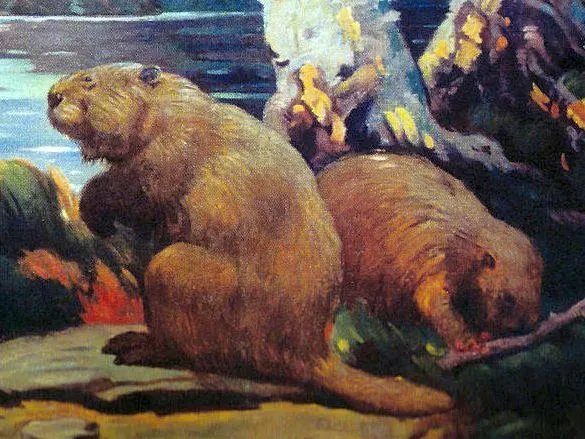
Let’s talk about something genuinely bizarre. Giant beavers could grow to more than 2 m long not including their tail and could weigh in excess of 100 kg, and their tail could reach 65 cm long. The giant beaver was the largest rodent in North America during the Pleistocene. Despite the name, they weren’t really like modern beavers at all.
Castoroides consumed a diet of predominantly submerged aquatic macrophytes, and these dietary preferences rendered the giant beaver highly dependent on wetland habitat for survival. Castoroides filled an econiche similar to that of the muskrat as a semi-aquatic rodent that primarily consumed submerged and emergent freshwater macrophytes in calm wetlands with an expansive littoral zone, and such feeding would have kept shallow waterways clear of excess macrophyte growth and promoted aquatic biotic diversity. Unlike their modern cousins who gnaw down trees and build dams, giant beavers were essentially living aquatic lawnmowers. They kept wetlands open and prevented excessive plant growth from choking waterways. Their presence maintained vital aquatic habitats that countless other species depended on for survival.
Conclusion
The extinction of these incredible engineers didn’t just mean losing individual species. The Holocene body-size-isotopic niche was drastically reduced and considerable ecological complexity lost, with biodiversity loss leading to reorganization of survivors and many missing pieces within communities, and without intervention the loss of Earth’s remaining ecosystems that support megafauna will likely suffer the same fate. When these animals vanished roughly ten thousand years ago, the ecosystems they had maintained for millions of years began to fundamentally change.
In wetter systems loss of browsing and grazing can lead to closed canopy forests, and a number of recent studies demonstrate strong evidence for ecosystem state shifts after Late Pleistocene megafauna decline. The landscapes transformed in ways that are still visible today. Forests grew denser where mammoths and mastodons once kept them in check. Grasslands shifted their composition without bison herds constantly grazing. Wetlands changed character without giant beavers managing aquatic vegetation.
What strikes me most is how interconnected everything was. These weren’t just big animals existing in isolation. They were integral parts of complex ecological machinery, each species playing a role that influenced countless others. Did you ever imagine that the American landscapes we take for granted were actually sculpted by extinct giants?