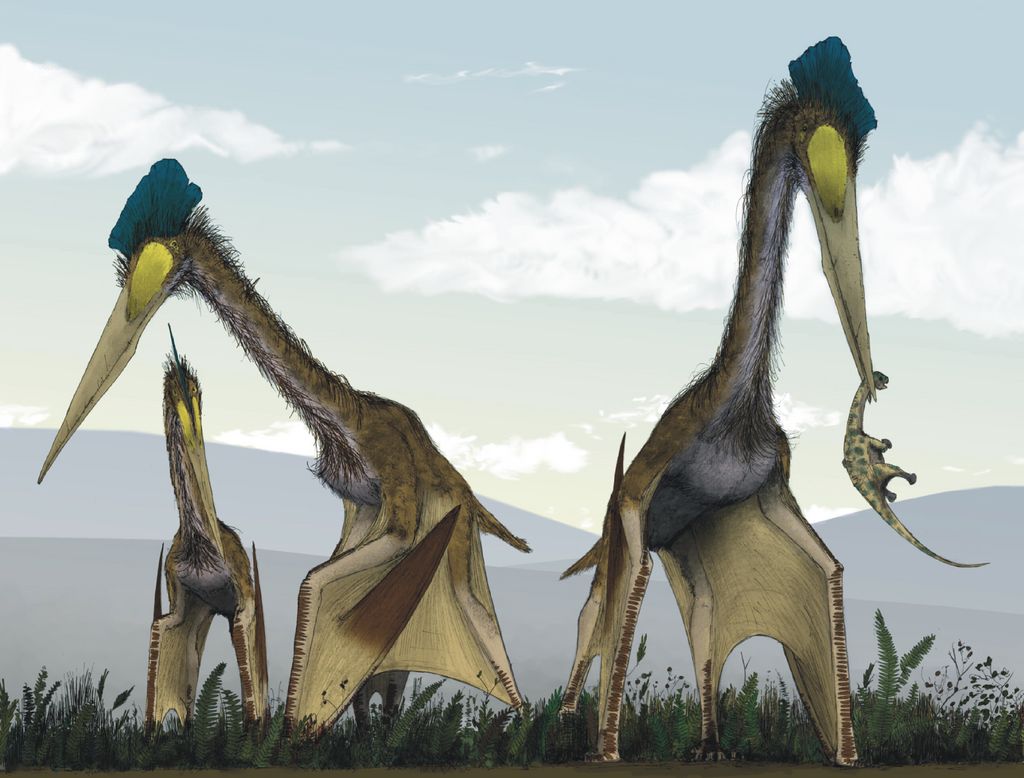
What if everything you learned about ancient humans was wrong? The idea we’ve carried for generations suggests our ancestors were primitive, lacking in complex thought and cultural sophistication. Recent discoveries, though, are flipping that narrative completely on its head.
Let’s be real, when you picture prehistoric people, you probably imagine rough-living nomads with minimal intelligence. Yet findings from the past couple of years tell a different story entirely. These discoveries aren’t just filling in gaps. They’re forcing scientists to rewrite entire chapters of human evolution.
Humans Were Making Fire on Demand 400,000 Years Ago
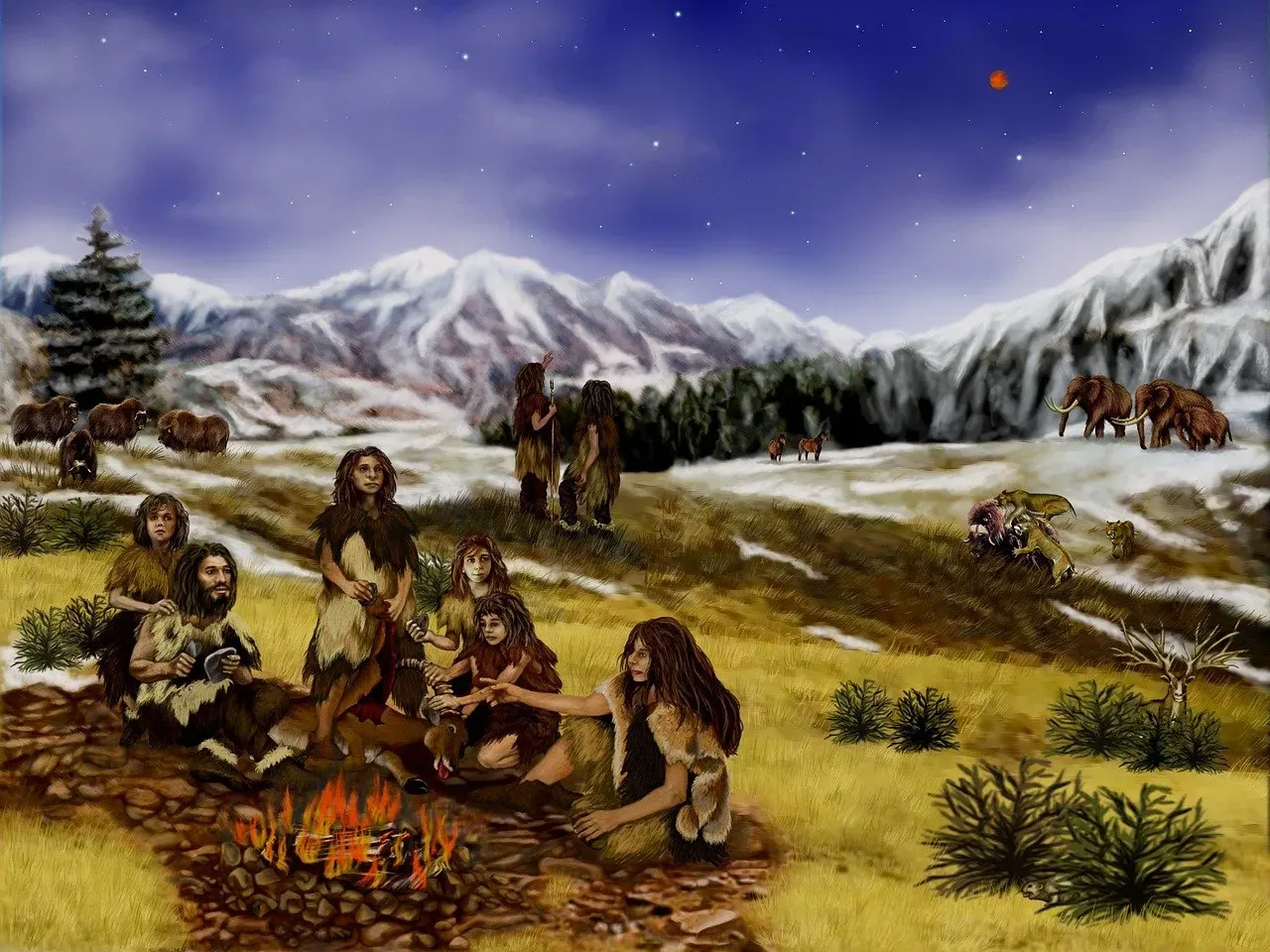
A groundbreaking archaeological discovery in Suffolk, England, has pushed back the timeline for human-made fire by 350,000 years, with evidence that early Neanderthals were creating fire on demand 400,000 years ago. The discovery contained three crucial pieces of evidence: a preserved hearth with heated sediments, fire-damaged hand axes, and fragments of iron pyrite – the mineral our ancestors used to create sparks by striking it with flint.
What makes the pyrite discovery particularly significant is that this mineral doesn’t occur naturally in the Suffolk area, meaning ancient inhabitants traveled considerable distances to obtain it. This wasn’t accidental fire use or opportunistic scavenging from lightning strikes. These people planned ahead, gathered materials, and deliberately created flames whenever they needed them. Think about the cognitive leap that requires: understanding cause and effect, planning for the future, and maintaining knowledge across generations. Professor Nick Ashton from the British Museum, who led the excavation, described it as “the most exciting discovery of my 40-year career”.
Cave Art That’s Over 51,000 Years Old Tells Complex Stories
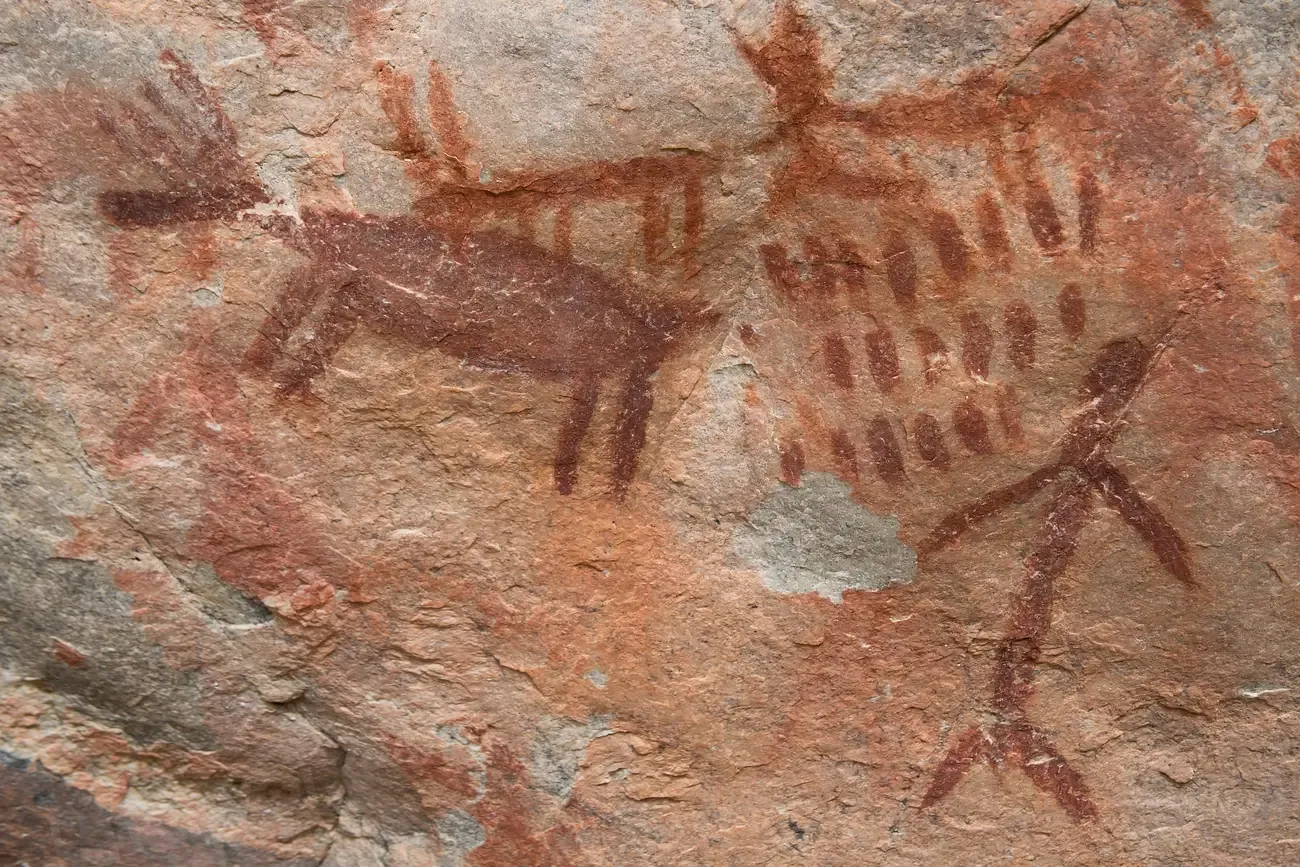
A painted scene of people hunting pig-like animals found in a cave on the island of Sulawesi is at least 51,200 years old. Here’s the thing: this isn’t just abstract handprints or random marks. The cave painting depicts three human-like figures interacting with a wild pig, representing what appears to be a narrative scene.
This beats out the last contender for oldest cave art, a drawing of pigs also found in a cave in Indonesia, by around 5,000 years. What blows my mind isn’t just the age. It’s what this says about the human mind back then. These weren’t people merely surviving day to day. They were creating art, telling stories, and likely passing down cultural knowledge through visual media. The capacity for symbolic thought, narrative structure, and artistic expression existed tens of thousands of years earlier than many experts previously believed possible.
A Neolithic Amphitheater Built Before Agriculture Took Hold
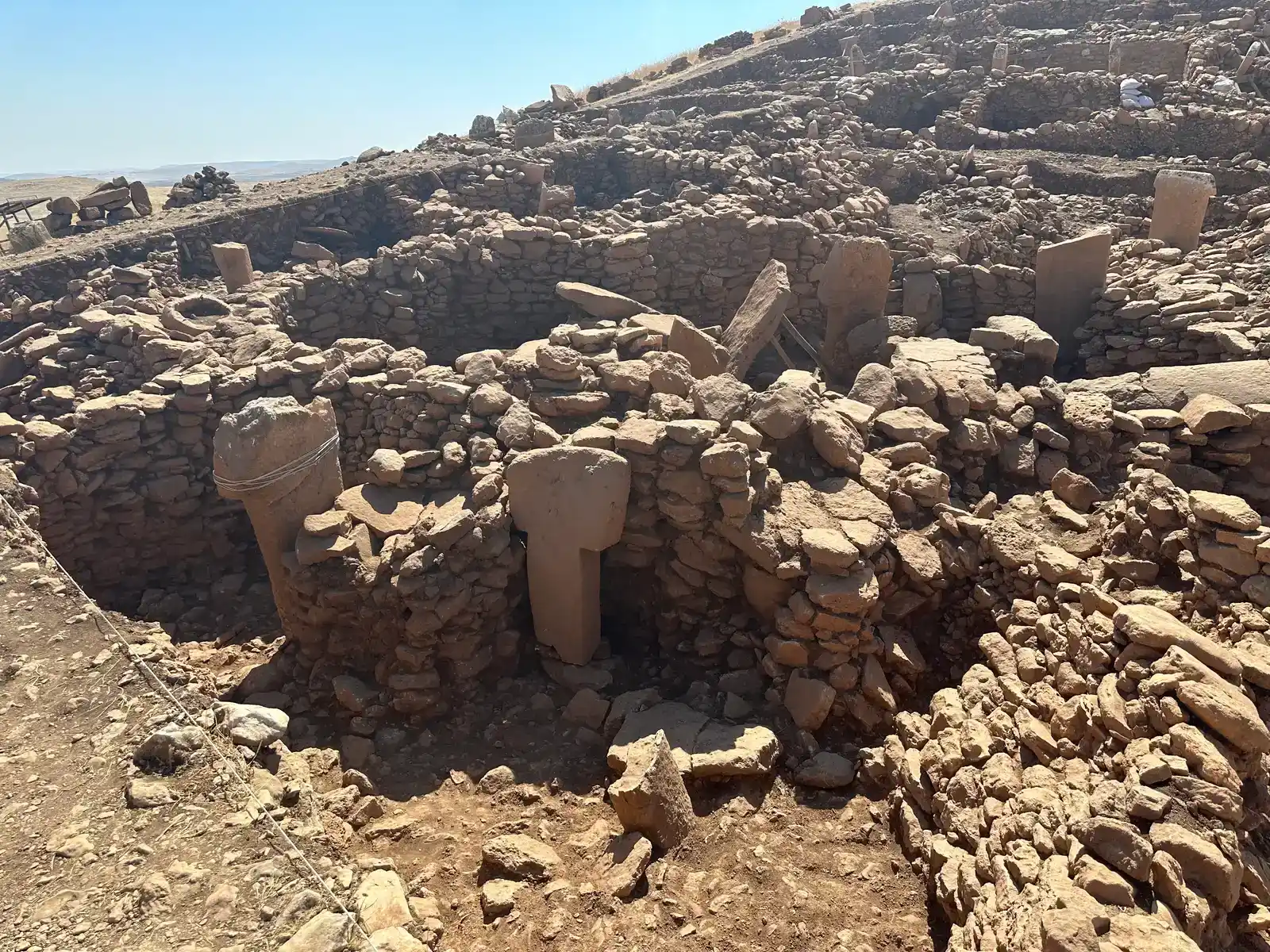
At the Neolithic site of Karahantepe in southeastern Turkey, archaeologists uncovered a massive circular structure resembling a modern amphitheater, dating back roughly 11,000 years, with tiered stone seating and carved human and animal figures. This challenges a long-held belief that’s been fundamental to our understanding of human development.
The structure suggests that hunter-gatherer societies were capable of organizing large-scale construction projects and maintaining complex social and ritual systems. We’ve always assumed permanent settlements and monumental architecture came after farming. You settle down, grow crops, develop surplus food, then you have time and resources for big building projects, right? Wrong. This discovery challenges the long-standing belief that large permanent structures only emerged after farming societies developed. These people were still hunting and gathering, yet they managed to coordinate hundreds of workers to build something that could accommodate massive crowds. It fundamentally changes how we view social organization in prehistoric times.
Two Human Species Coexisted at a Single Site in Georgia
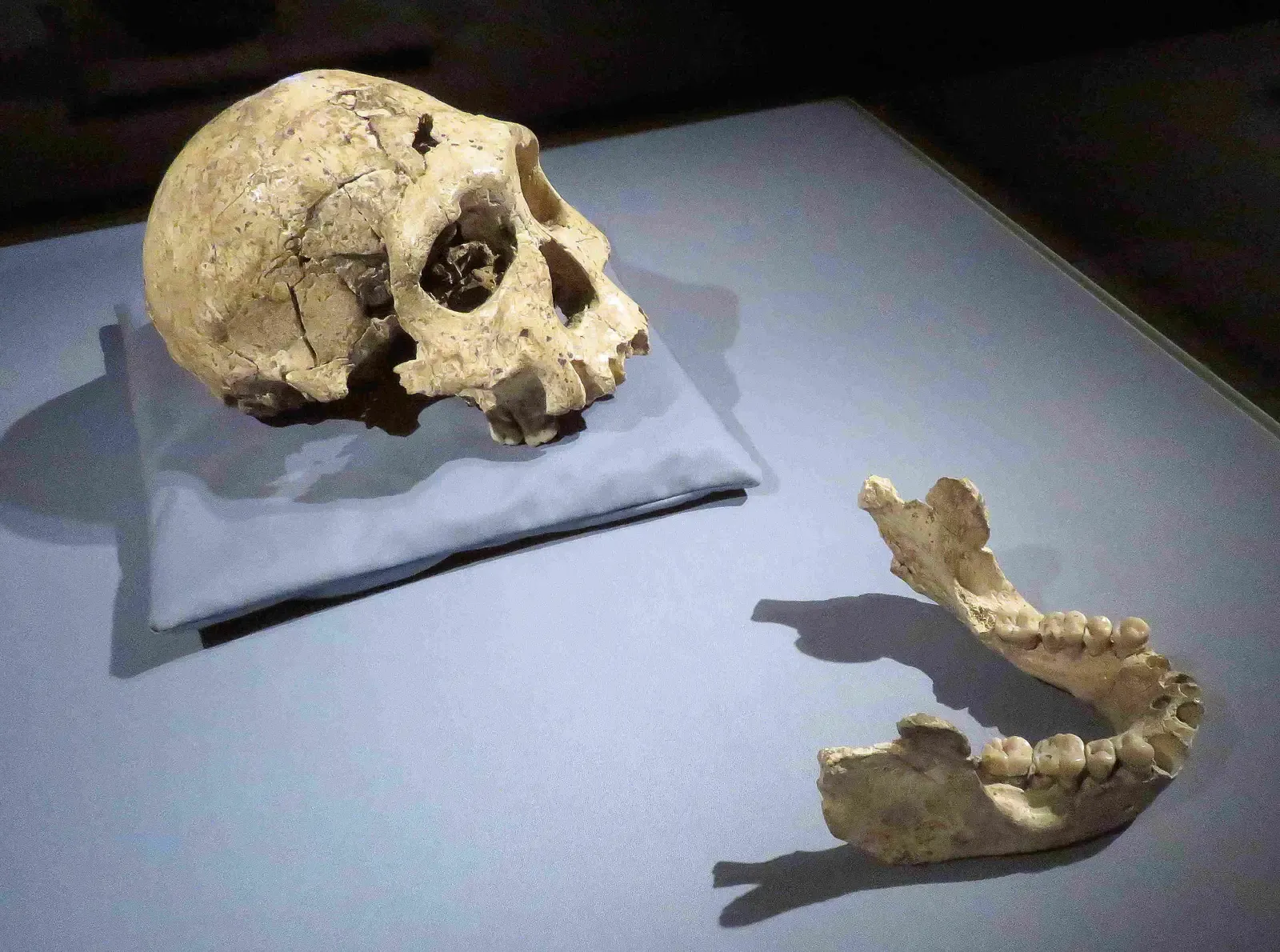
The Dmanisi site in Georgia has been puzzling researchers for years with its collection of hominid remains showing extreme variation in size and shape. Scientists analyzing 538 teeth put forward a theory that the differences in size and shape of the specimens suggests that the area was occupied by two species of humans, possibly archaic versions of H. erectus.
If confirmed, the presence of two distinct hominin species at Dmanisi would fundamentally alter our understanding of early human migration patterns. The neat timeline we’ve constructed about human evolution gets messy when you realize multiple species weren’t just alive at the same time – they were living in the same places. It’s likely that the story of H. erectus developing advanced cognitive abilities and bipedalism is only part of the human migration out of Africa, with episodes of cladogenesis – where one species splits into two – dotting the human story. Our family tree looks less like a ladder and more like a tangled bush.
Ancient Human Footprints Push Back American Settlement by 10,000 Years
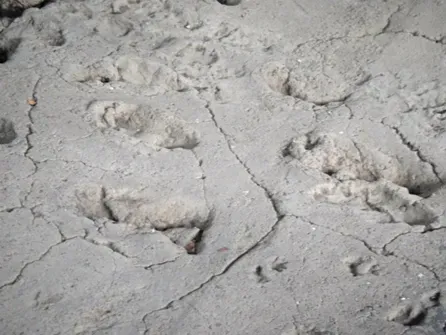
Human footprints at White Sands National Park in New Mexico show that human activity occurred in the Americas as long as 23,000 years ago – about 10,000 years earlier than previously thought. The initial discovery faced criticism, but recent confirmation using independent methods has silenced most doubters.
The tracks showed human activity in the area occurred between 23,000 and 21,000 years ago – a timeline that would upend anthropologists’ understanding of when cultures developed in North America, making the prints about 10,000 years older than remains found near Clovis, New Mexico. For nearly a century, the Clovis culture represented the starting point of American human history. Every textbook said so. These footprints shatter that certainty completely. Humans were walking across North America during the Last Glacial Maximum when massive ice sheets supposedly blocked migration routes. How did they get there? What routes did they take? The questions these footprints raise are almost as important as the answers they provide.
Conclusion
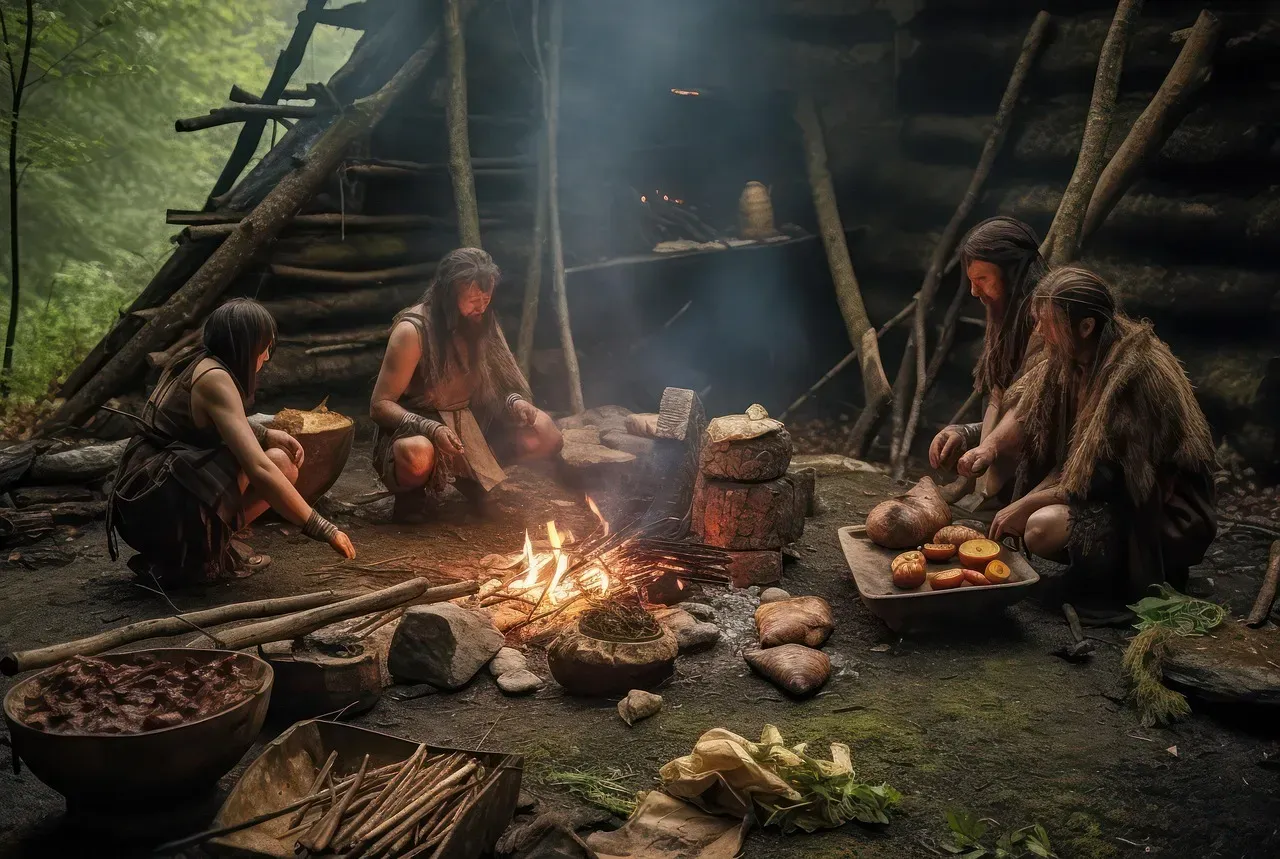
These five discoveries share something profound in common. They all reveal that prehistoric humans were far more sophisticated, creative, and adaptable than we ever gave them credit for. From controlled fire-making to narrative art, from complex architecture to intercontinental migration, our ancestors continually surprise us with their capabilities.
The neat story of linear human progress crumbles when faced with actual evidence. Instead, we find a messy, fascinating reality where multiple human species coexisted, where hunter-gatherers built monuments, and where symbolic thought flourished far earlier than anyone imagined. Each new discovery forces us to question our assumptions about what it means to be human.
So the next time you hear about some primitive ancestor barely scraping by, remember these findings. Our prehistoric relatives weren’t simple. They were innovators, artists, builders, and explorers who laid the groundwork for everything we’ve become. What other assumptions about our past are waiting to be overturned by the next groundbreaking discovery?