When you think about survival, you probably imagine humans with their ingenuity or cockroaches weathering nuclear fallout. Yet, long before any of us were around, dinosaurs ruled the planet for an astonishing span of over 160 million years. Let’s be real, that’s success on a scale we can barely comprehend.
Dinosaurs roamed Earth for approximately 165 to 177 million years, existing through three distinct periods of the Mesozoic era. They saw continents shift, climates transform, and ecosystems evolve from one epoch to another. While the popular narrative tells us all dinosaurs vanished in a fiery extinction event, the truth is far more nuanced. Some species thrived right up until the very end, adapting to every environmental curveball nature threw at them. Their evolutionary triumphs reveal not just brute strength, but remarkable flexibility and resilience that puts most modern creatures to shame.
Triceratops: The Three-Horned Tank That Refused to Quit
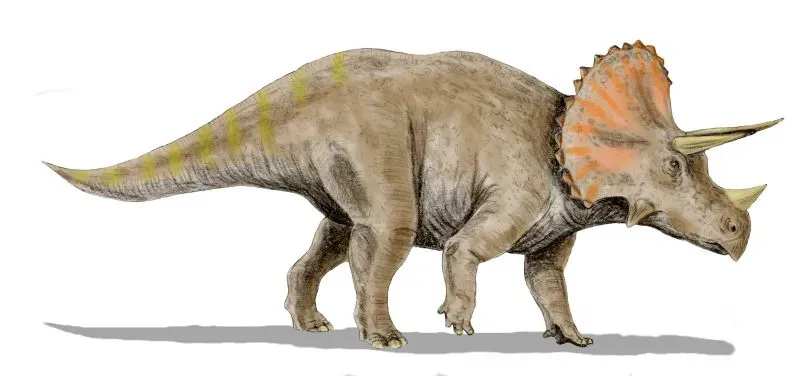
Defined by its three horns and large frill, the triceratops is one of the most famous herbivores of the Late Cretaceous period, also inhabiting what is now North America. This herbivore wasn’t just impressive to look at with its massive skull armor and imposing horns. It was genuinely one of the last dinosaurs standing when catastrophe struck.
Species like Triceratops, Ankylosaurus, and Tyrannosaurus Rex managed to survive until this era’s close. Triceratops had evolved defensive weaponry that made it a formidable opponent even for apex predators. Fossils have been found that indicate the two dinosaurs sometimes came to blows as triceratops fended off attacks from hungry tyrannosaurs. Its success wasn’t accidental; the development of its distinctive frill and horns gave it both protection and social advantages that helped entire herds thrive across North America right up to the final days of the Mesozoic.
Tyrannosaurus Rex: The King Who Ruled Until the End
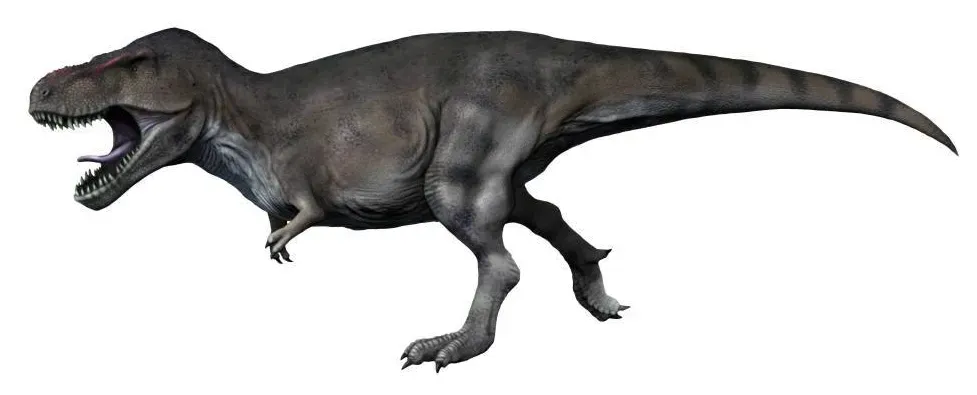
The T-rex is known to have been one of the last surviving dinosaur species in existence in the Late Cretaceous period, about 68 to 66 million years ago, when the mass extinction event occurred. Honestly, no list of ultimate survivors would be complete without mentioning this iconic predator. The popular image of T. rex as a mindless brute doesn’t do justice to its evolutionary refinement.
This massive carnivore represented the peak of theropod evolution, combining raw power with sophisticated hunting strategies. Tyrannosaurus rex is currently the dinosaur with the largest fossil record, and could grow up to 5 meters in height and 12 meters in length. Its success lay not just in brute force but in its ability to dominate diverse ecosystems across what’s now North America. The fact that T. rex fossils are among the most abundant from the very end of the Cretaceous proves this apex predator was thriving, not struggling, when the asteroid changed everything.
Ankylosaurus: The Walking Fortress with a Deadly Tail
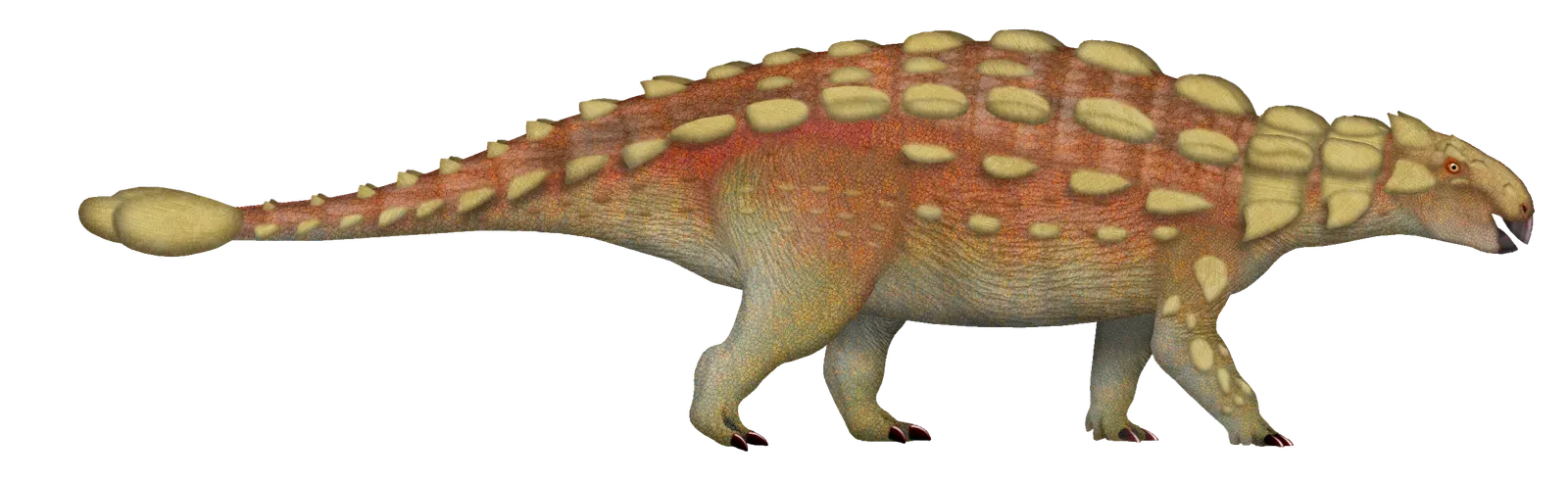
Picture a creature so heavily armored that even the most fearsome predators thought twice before attacking. Ankylosaurus was a large and slow moving dinosaur that spent its days munching on plants, and lived in what is now North America alongside triceratops and T-rex in the Late Cretaceous period. This tank on legs represents one of nature’s most extreme defensive strategies.
It’s thought this well-protected dinosaur didn’t typically have much to fear from a T-rex, since a blow from its tail could break bone. The club at the end of its tail wasn’t just for show; it was a devastating weapon capable of crippling even the largest carnivores. Its entire body was covered in thick bony plates that made it nearly invulnerable to attack. The evolutionary investment in such extreme armor paid dividends, allowing Ankylosaurus populations to flourish right up until the mass extinction that ended the age of dinosaurs.
Iguanodon: The Adaptable Herbivore That Conquered Continents
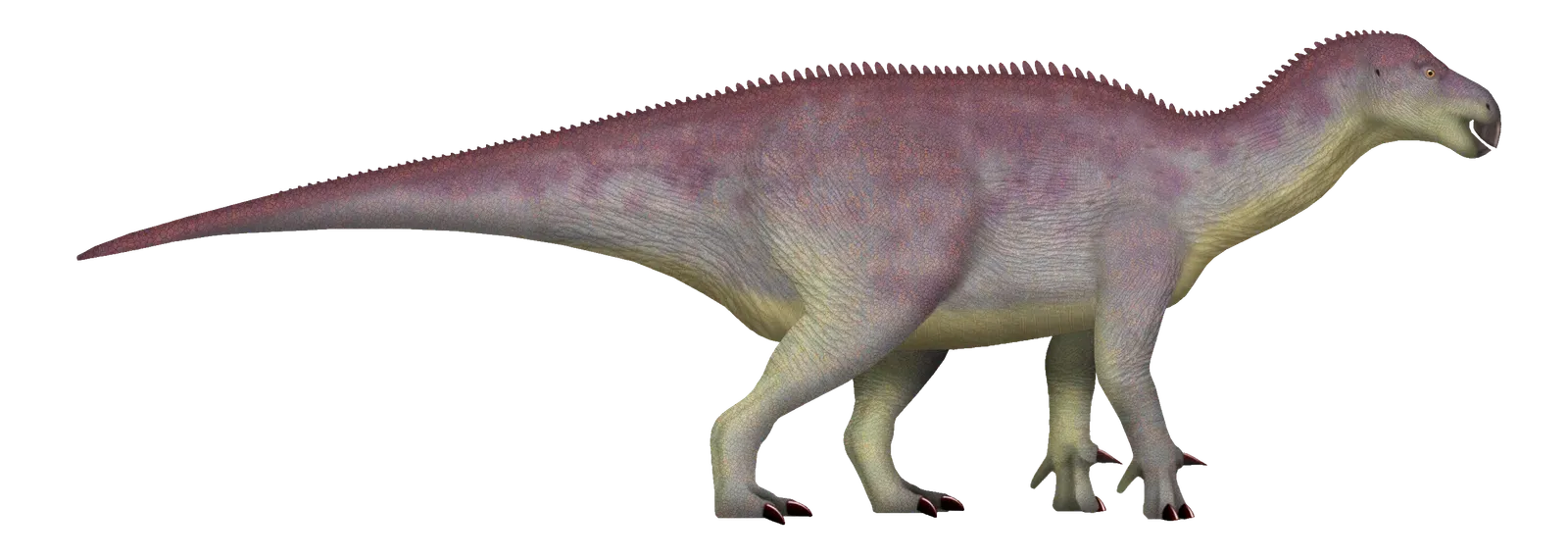
Long before the Late Cretaceous drama unfolded, Iguanodon proved that adaptability was the ultimate survival trait. One of its most important adaptations was the ability to shift between walking on all fours and standing on its hind legs, allowing it to reach vegetation at different heights, and later fossil discoveries proved that Iguanodon was a highly successful dinosaur, capable of thriving across vast regions during the Early Cretaceous. This versatility made Iguanodon extraordinarily successful.
Think about it: being able to switch between bipedal and quadrupedal movement meant Iguanodon could exploit food sources that other herbivores simply couldn’t access. It could browse low vegetation on all fours, then rear up to reach higher branches when needed. This flexibility allowed populations to spread across multiple continents, thriving in diverse habitats from coastal lowlands to inland forests. The sheer geographic range and temporal success of Iguanodon species throughout much of the Cretaceous period marks it as one of the era’s most resilient survivors.
Hadrosaurs: The Duck-Billed Dynasties That Nearly Outlasted Extinction
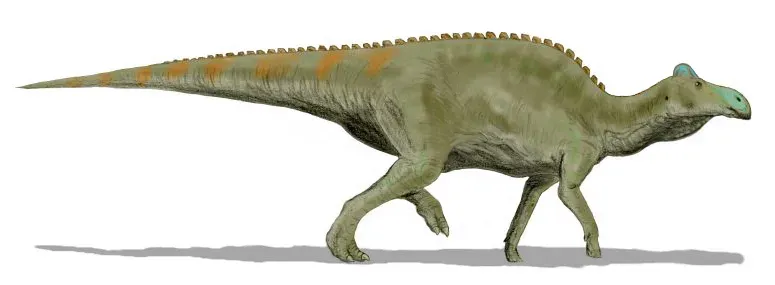
The hadrosaurs, often called duck-billed dinosaurs, represented one of the most successful dinosaur groups in history. Hadrosaurids, including Edmontosaurus with their distinctive duck-billed faces, and massive Sauropods like Argentinosaurus, were among the survivors. These herbivores developed sophisticated dental systems that gave them a competitive edge in processing tough vegetation.
What makes hadrosaurs particularly fascinating is evidence suggesting some may have survived longer than we thought possible. The U of A team determined the femur bone of a hadrosaur as being only 64.8 million years old, meaning this particular plant eater was alive about 700,000 years after the mass extinction event many paleontologists believe wiped all non-avian dinosaurs off the face of earth. While this finding remains controversial, it hints at the remarkable resilience of hadrosaur populations. Their ability to live in herds, process diverse plant materials, and adapt to changing environments made them formidable survivors throughout the Cretaceous.
Sauropods: The Gentle Giants Who Defied Extinction Predictions
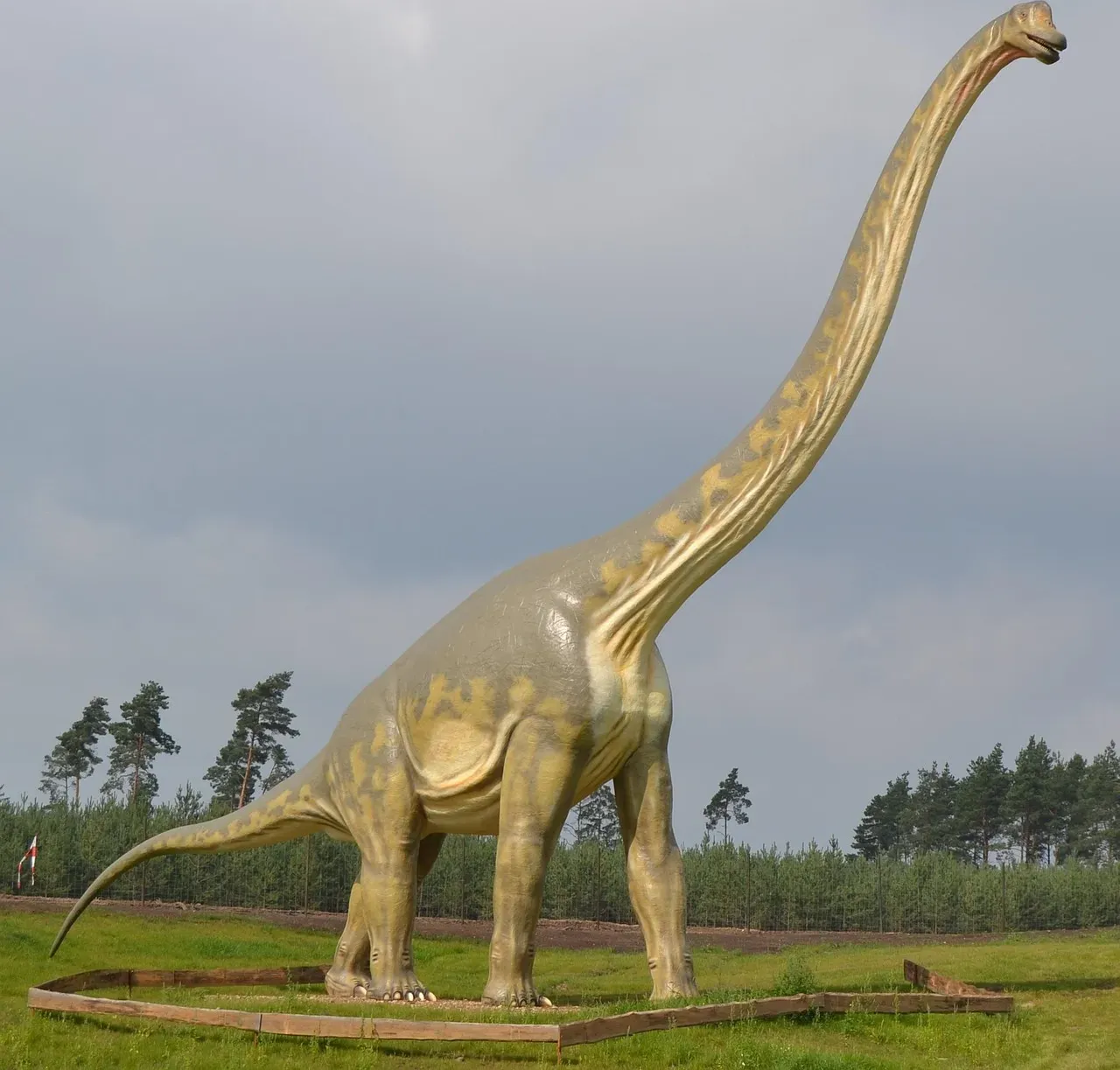
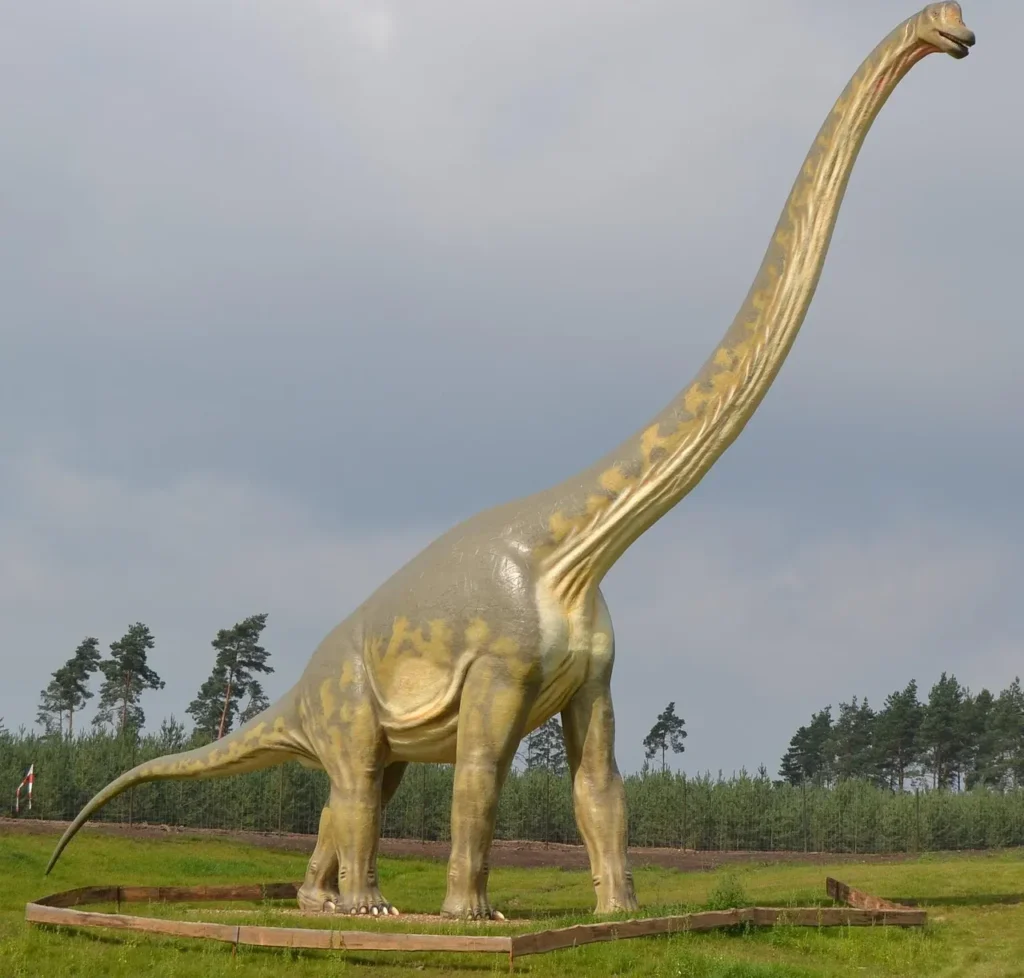
The longest living dinosaurs were dinosaurs such as Apatosaurus, Brachiosaurus, Supersaurus, and were long-necked plant eaters that could live up to 100 years. These colossal herbivores weren’t just impressive for their size; their longevity as individuals and success as lineages made them true champions of survival. The sauropod body plan proved so successful that variations of it persisted throughout nearly the entire Mesozoic Era.
The sauropods were the largest and heaviest dinosaurs, and for much of the dinosaur era, the smallest sauropods were larger than anything else in their habitat. Their massive size provided advantages that smaller dinosaurs simply couldn’t match: they could reach vegetation others couldn’t, store energy reserves that helped them weather lean times, and their sheer bulk likely deterred all but the most desperate predators. Some sauropod lineages adapted and evolved right through to the Late Cretaceous, proving that sometimes, being a gentle giant really is the best survival strategy.
Conclusion
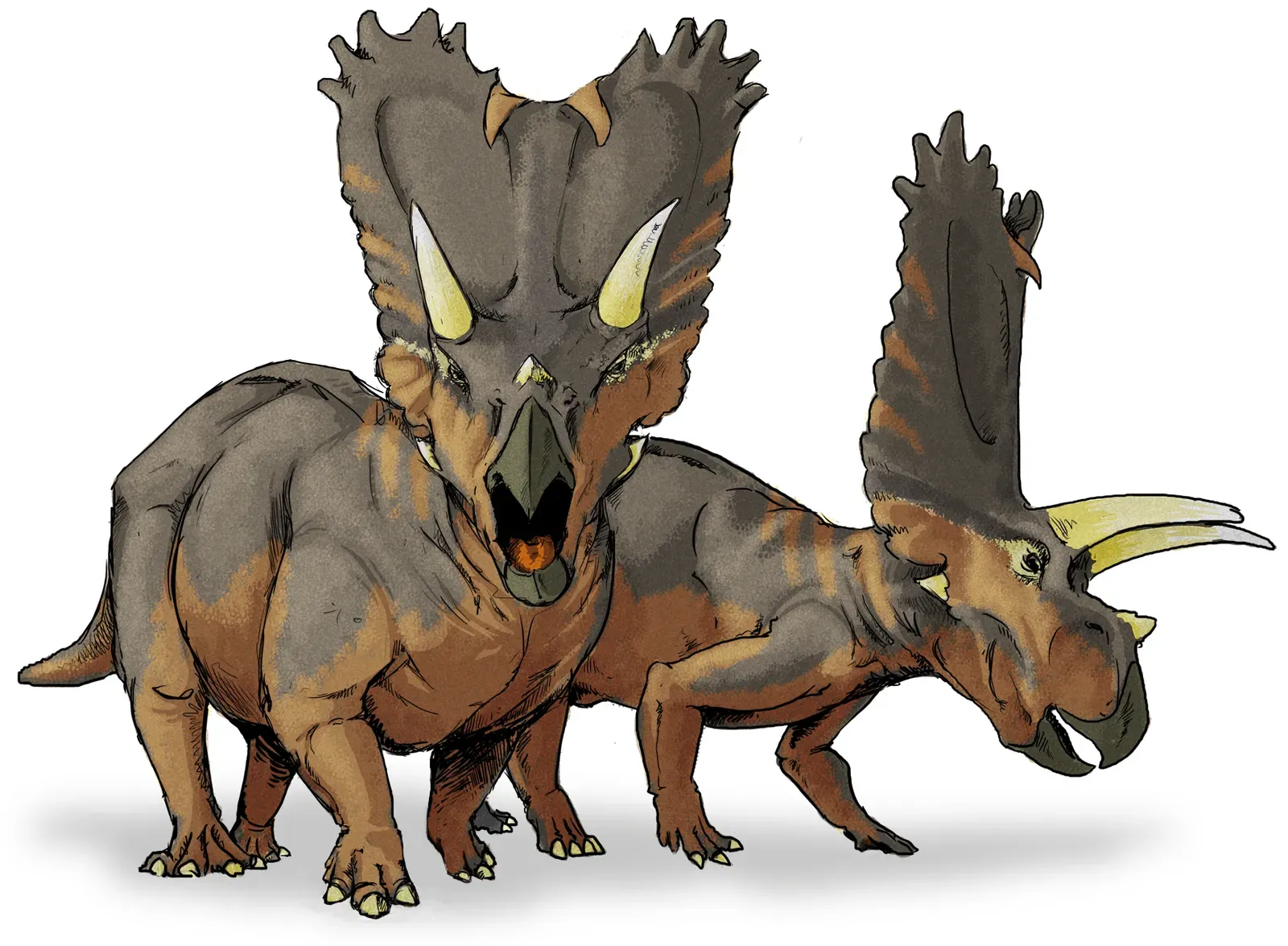
The dinosaurs we’ve explored weren’t just lucky survivors. They were evolutionary masterpieces, each adapted in unique ways that allowed them to thrive through millions of years of environmental change. The dinosaurs’ long period of dominance certainly makes them unqualified successes in the history of life on Earth. From the armored tanks like Ankylosaurus to the adaptable Iguanodon, from the apex predator T. rex to the colossal sauropods, these creatures represent the pinnacle of Mesozoic survival.
Their stories remind us that survival isn’t about being the strongest or the biggest. It’s about adaptation, resilience, and the ability to thrive when conditions shift beneath your feet. These six dinosaurs mastered that lesson better than almost any creatures that came before or after them. What can you learn from their incredible journey through deep time?