
Have you ever met someone who seems to remember every little slight from years ago? Someone who can recall, in vivid detail, exactly what you said during that argument back in 2019, or who still harbors resentment from a betrayal that happened so long ago you’ve almost forgotten it yourself? It’s fascinating, really, how some people can forgive and forget in a heartbeat, while others carry emotional baggage around like a permanent backpack filled with stones. The truth is, your personality might actually determine whether you’re someone who lets things roll off your back or someone who quietly catalogs every transgression in a mental file cabinet.
Understanding why certain personality types struggle to release past hurts isn’t about judgment. It’s about recognizing patterns in how we process emotions, handle conflict, and navigate relationships. So let’s dive in and explore which those old wounds.
The Perfectionistic ISTJ: When Standards Become Grudges

ISTJs are highly practical, detail-oriented, and rule-abiding individuals who value structure, reliability, and tradition, expecting the same from others. Honestly, when you understand how seriously these folks take their commitments, it makes sense why they struggle to forgive. These rule-followers pride themselves on their reliability and consistency, and they absolutely hate it when others fail to keep their word.
ISTJs have a strong internal code of conduct, and when someone fails to meet their standards – whether it’s breaking a promise or failing to follow through on a responsibility – it can be difficult for them to let go. They don’t trust lightly, so if someone they trust betrays them, the ISTJ is likely to hold a grudge, at least until the offender offers a genuine apology and tries to make amends, otherwise they’ll cut the offender out of their lives for good. Their need for order makes them particularly sensitive to chaos caused by unreliable people.
The Idealistic INFJ: Deep Wounds From Broken Trust

Here’s the thing about INFJs. These introverted, intuitive, feeling, and judging types are deeply in tune with their own emotions and the emotions of others, and they’re idealists who often hold people to high moral standards. When you violate their values, you’re not just making a mistake. You’re essentially committing a moral transgedy in their eyes.
When someone violates their values or trust, it’s not just a surface-level issue – it feels like a deep personal betrayal, because they place a high value on authenticity and integrity. They will go on for a long time trying to give people more chances to change, until they finally become fed up, then they will shut this person out of their life for good in order to prevent themselves from getting hurt or used once again. It’s almost an all-or-nothing response.
The Strategic INTJ: Intellectualizing Resentment

INTJs are introverted, intuitive, thinking, and judging types who are strategic and future-focused individuals, and while they may not seem like the most emotional type, they’re known to hold grudges – especially when someone crosses them in a way that undermines their goals or dismisses their intellectual abilities. Let’s be real, these people don’t forget when you’ve disrespected them.
INTJs are long-term thinkers who remember when someone has disrespected them or tried to block their progress, and their introverted and judging traits mean they may replay a slight over and over in their minds, building up resentment if the situation remains unresolved. This type can hold a grudge forever if they deem it necessary, but the reasons for those grudges are more logical than emotional, as the offender has betrayed their trust – which, once lost, is nearly impossible to rebuild.
The Loyal ISFJ: When Devotion Turns To Bitterness

ISFJs are interesting because they genuinely don’t enjoy holding negative emotions. ISFJs don’t enjoy holding onto negative emotions, but they can hold a grudge in certain situations, harboring it for a rather long time, though they will eventually let go, especially if that person tries to make amends and seems sincere. They want to believe in people and maintain harmony.
However, there’s a darker side to their loyalty. Their loyalty, which could have been a source of strength in relationships, becomes a reason for holding onto grudges since they just can’t reconcile the hurt with their expectation of unwavering loyalty. The disappointment cuts deeper because they invested so much emotional energy into the relationship. They’ll often internalize their hurt rather than express it openly, which makes the resentment fester quietly beneath the surface.
The Principled Enneagram Type 1: Carrying The Weight Of Righteous Anger

Enneagram Ones are conscientious and ethical with a strong sense of right and wrong, they’re well-organized, orderly, and fastidious, trying to maintain high standards, but they typically have problems with resentment and impatience. I know it sounds harsh, but these folks genuinely struggle with forgiveness more than most.
They don’t acknowledge their frustration and even anger because that would be “bad” and their core longing is to be seen as “good,” yet they wrestle with internal resentment because they can’t control life and put everything the way it should be. Ones need to learn to rest in stillness, as stillness connects them to the reality of who they are by calming the emotional energy of their anger and releasing the mental vise grip in which their resentment holds them. Their inner critic is relentless, both toward themselves and others.
The Protective Enneagram Type 8: Guarding Against Future Betrayal

Type Eights are natural protectors, but their fierce independence comes with a cost. Eights do not want to be controlled, harmed, or for others to have any power over them physically, emotionally, or financially, as their highest priority is protecting themselves and those closest to them from being blindsided, controlled, harmed, betrayed, and at the mercy of injustice.
In relationship with others, Type Eights can end up sacrificing intimacy so that their weaknesses can’t be discovered and used against them, denying themselves closeness and tenderness with others as well as the giving or receiving of forgiveness, which leaves them feeling incomplete. Their grudges serve as armor, protecting them from vulnerability. They’d rather be strong and distant than soft and potentially hurt again. It’s a lonely way to live, though they’d never admit it.
Finding Freedom From The Past
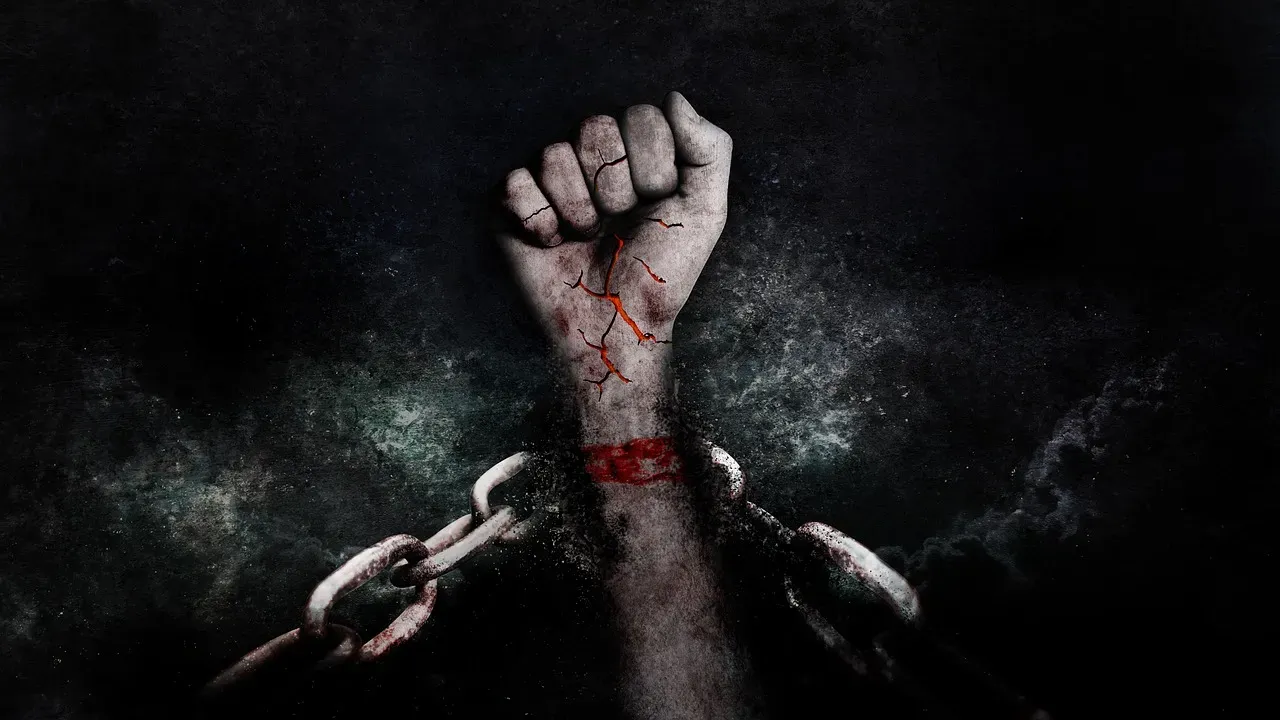
The reason why some people hold grudges longer than others boils down to how they process emotions, their personal values, and their need for closure, and grudge-holding is often a protective mechanism – a way to maintain control, prevent future harm, or ensure that justice is served. Understanding your personality type isn’t about excusing bad behavior or justifying why you can’t forgive. It’s about recognizing your patterns so you can break free from them.
The ironic truth is that holding onto resentment doesn’t punish the person who wronged you. It punishes you. You’re the one replaying the hurt, reliving the betrayal, carrying the emotional weight day after day. Forgiveness isn’t about letting someone off the hook or pretending the hurt didn’t happen. It’s about releasing yourself from the prison of past pain so you can actually move forward.
Whether you’re an ISTJ still angry about a broken promise from three years ago, or an INFJ who’s perfected the art of the permanent door slam, remember this: your personality might make you prone to holding grudges, but it doesn’t condemn you to a lifetime of bitterness. Growth is always possible. What do you think? Are you one of these types, and does this resonate with your experience? Tell us in the comments.