When you think about how dinosaurs survived their hostile world, you probably imagine massive jaws, razor-sharp claws, and brute strength. Honestly, that’s what most of us picture. Yet here’s the thing: some of the most successful dinosaurs didn’t rely on being the biggest or the most vicious at all.
Instead, they developed survival strategies so bizarre, so completely unexpected, that they challenge everything you thought you knew about these ancient creatures. From plant-eaters with claws longer than swords to predators who hunted fish instead of other dinosaurs, evolution got wildly creative during the Mesozoic Era. Let’s dive into seven dinosaurs whose survival tactics were anything but ordinary.
Therizinosaurus: The Vegetarian With Nightmare Claws
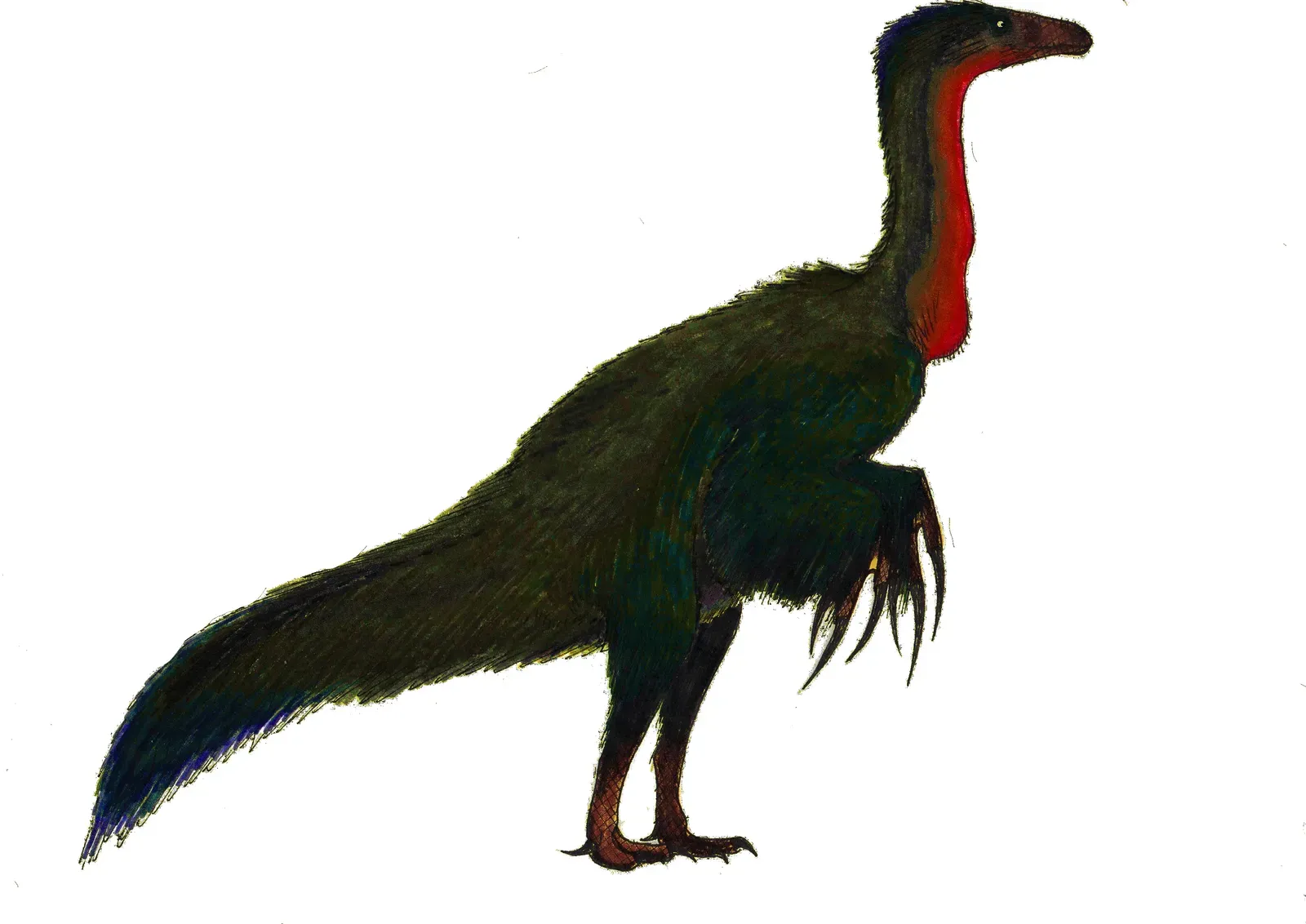
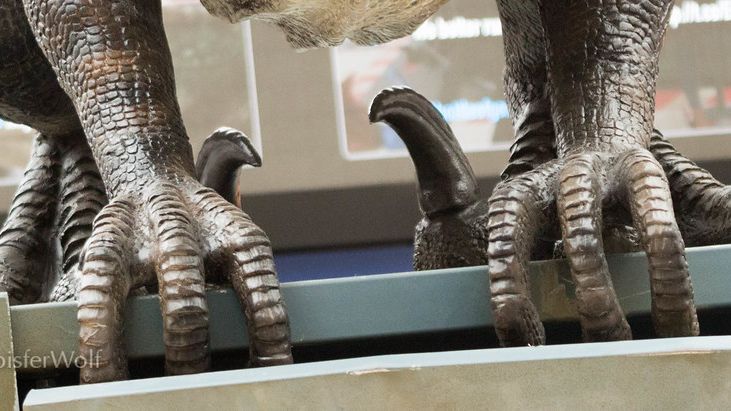
You’re looking at a dinosaur with claws reaching up to 3.3 feet in length, some of the longest of any known animal. Picture something that looks like Edward Scissorhands crossed with a potbellied sloth. Despite belonging to a group of almost exclusively carnivorous dinosaurs, the Therizinosaurus was a herbivore, an unusual dietary preference that sets it apart from other theropods.
Rather than using its claws for hunting, Therizinosaurus likely made use of its hands in a hook-and-pull fashion to grasp vegetation within reach, making this herbivorous behavior similar to extant anteaters and extinct ground sloths. Scientists believe it had feathers, and these feathers may have helped with temperature control or even been used in display to scare off enemies or attract mates. Imagine being a predator seeing this tall, feathered giant with meter-long scythes for hands, only to realize it just wanted to eat leaves.
Spinosaurus: The Fish Catching Giant That Ditched Land Prey
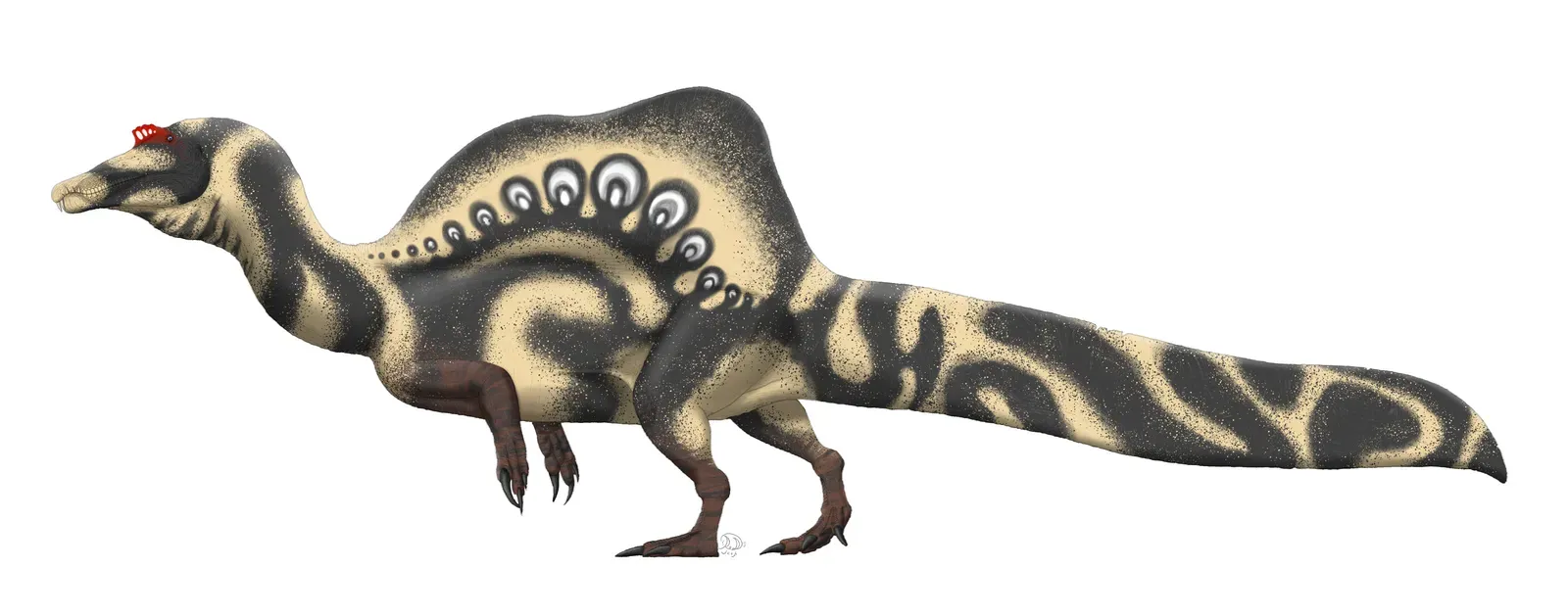
A predominantly fish-eating diet was envisioned for the sail-backed theropod dinosaur Spinosaurus aegyptiacus when its elongate jaws with subconical teeth were unearthed a century ago in Egypt. This was no ordinary predator. Described as having the most extreme aquatic adaptation ever seen in a large dinosaur, its discovery in Morocco stretches our understanding of how one of Earth’s most dominant groups of land animals lived and thrived.
Delicate struts nearly two feet long jut from many of the vertebrae that make up the tail, giving it the profile of an oar, and by the end of the tail the bony bumps practically disappear, letting the tail’s tip undulate back and forth in a way that would propel the animal through water, probably helping it move through the vast river ecosystem it called home or even dart after the huge fish it likely preyed upon. Let’s be real, finding a dinosaur that essentially gave up hunting other dinosaurs to become a specialized fishing machine is about as unexpected as it gets. Spinosaurus was able to wade into waterways more than six feet deep without floating, where it could ambush fish of any size with its claws and jaws while keeping its toes firmly anchored in the mud.
Spicomellus: The Fashion-Forward Dinosaur With Meter-Long Neck Spikes
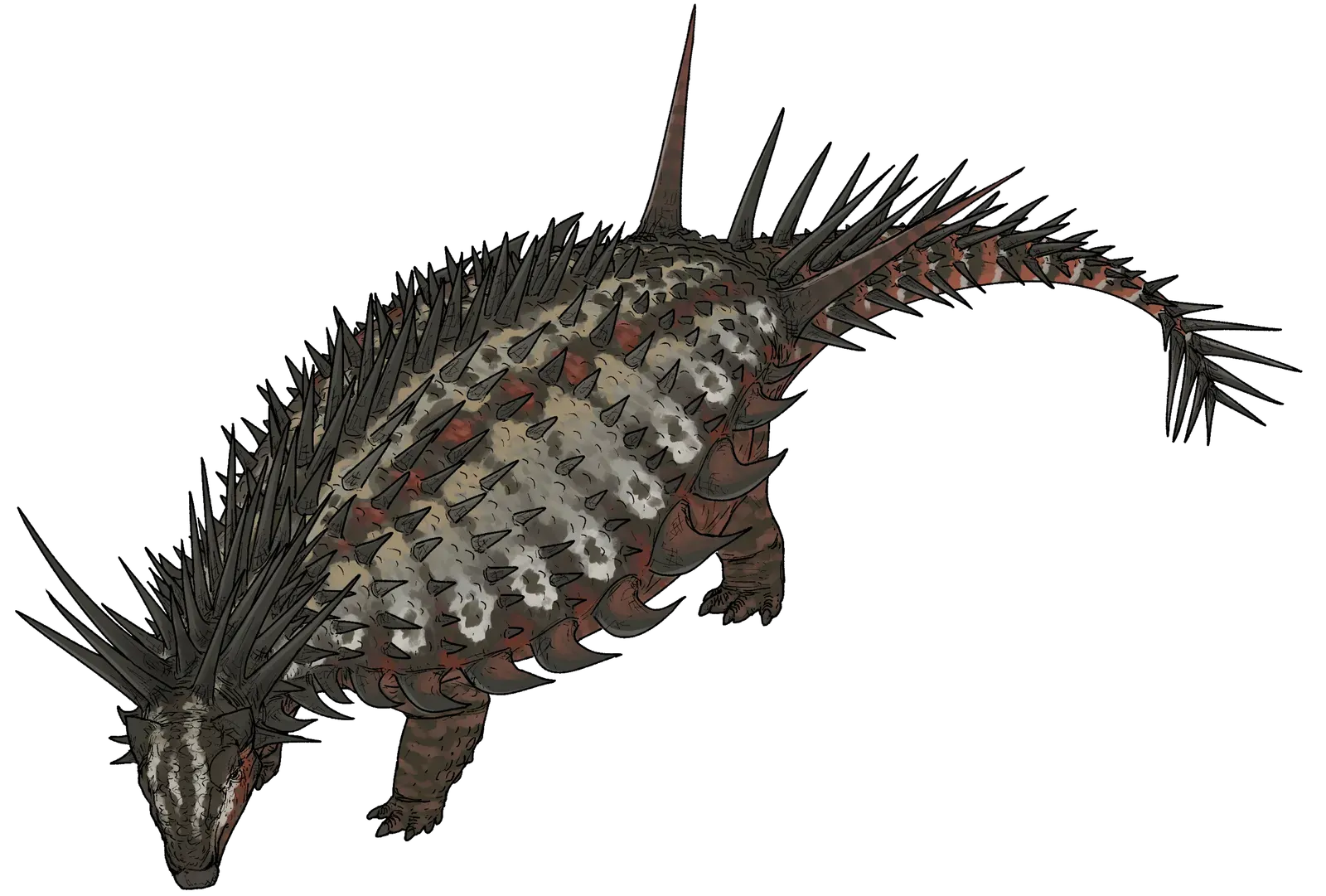
While the bones of Spicomellus afer were already unlike any known animal, newly discovered fossils have revealed that its entire skeleton was covered in extraordinary bone spikes measuring up to a metre long. Research published in Nature reports that Spicomellus afer had a tail weapon more than 30 million years before any other ankylosaur, as well as a unique bony collar ringed with meter-long spikes sticking out from either side of its neck. This wasn’t just armor for protection.
Authors postulate that this array of spikes would have been used for attracting mates and showing off to rivals, and interestingly, similar display armour has not yet been found in any other ankylosaur, with later species possessing armor that probably functioned more for defense. Think about it: this dinosaur prioritized looking impressive possibly as much as staying alive. At 165 million years old, Spicomellus is the oldest known ankylosaur, and its absolutely bizarre fossils are changing how scientists think these armoured dinosaurs evolved.
Pachycephalosaurus: The Headbutting Tank With a Dome Skull
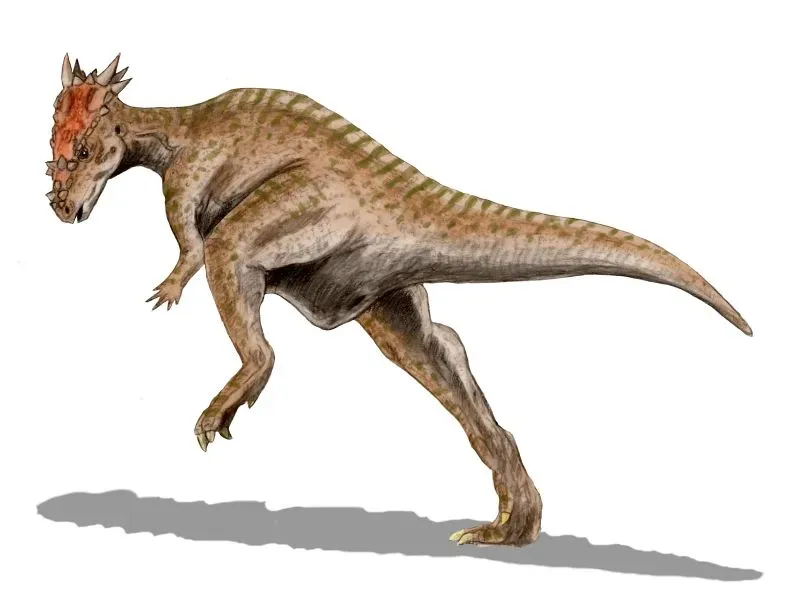
Pachycephalosaurus is the largest-known pachycephalosaur, known for having an extremely thick, slightly domed skull roof that suggests a battering ram function in life, evolved for use as a defensive mechanism or intra-species combat, and is estimated to have reached 4.5 meters long and weighed 370 to 450 kilograms. Seriously, imagine walking around with a skull as thick as a bowling ball on top of your head.
This dinosaur didn’t rely on spikes, claws, or armor plates like its herbivorous cousins. The Pachycephalosaurus used its thick skull for defense. The dome-shaped head wasn’t just for show, either. Scientists believe these creatures may have engaged in head-to-head combat with rivals, using their reinforced skulls in spectacular displays of dominance. Whether they were fending off predators or competing for mates, this was one dinosaur that literally led with its head.
Gallimimus: The Sprinter That Outran Death
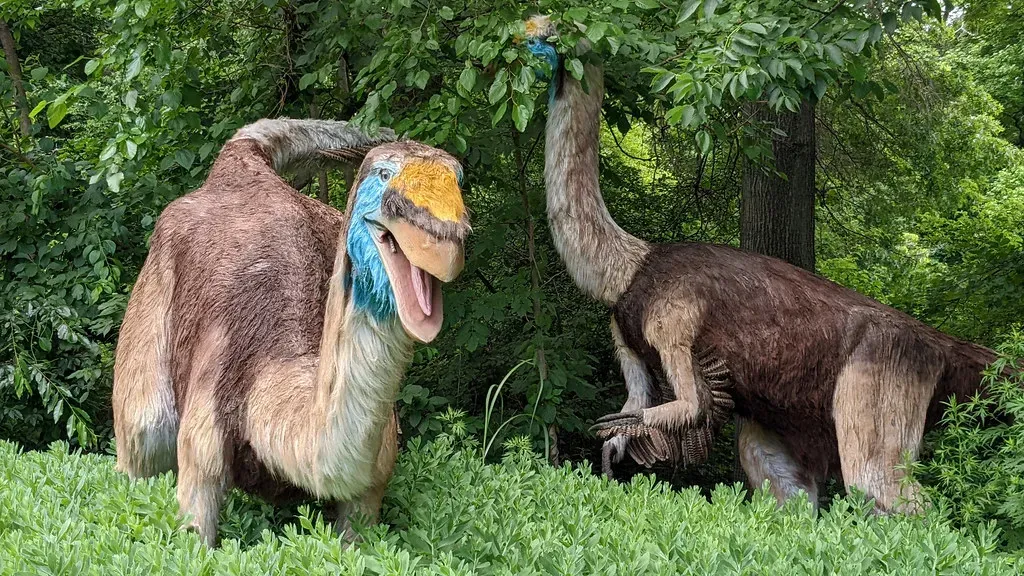
The Gallimimus possessed long, thin legs that allowed it to take large strides and reach speeds of up to 35 mph, making it extremely difficult for larger predators like the Tyrannosaurus to catch them. With its long, thin back legs, Gallimimus could take large strides efficiently, and its light body was perfectly balanced by a slender tail. Speed wasn’t just an advantage; it was this dinosaur’s entire survival strategy.
For speedy dinosaurs, being able to out-run a predator was their main means of self-defence. While other herbivores were building armor or growing weapons, Gallimimus went in the complete opposite direction: it became lighter, faster, and more agile. This defense mechanism was particularly useful for dinosaurs inhabiting open and flat areas, where their speed could be fully utilized. Sometimes the best defense isn’t standing your ground at all, it’s being long gone before the fight even starts.
Ankylosaurus: The Walking Fortress With a Bone-Crushing Tail Club
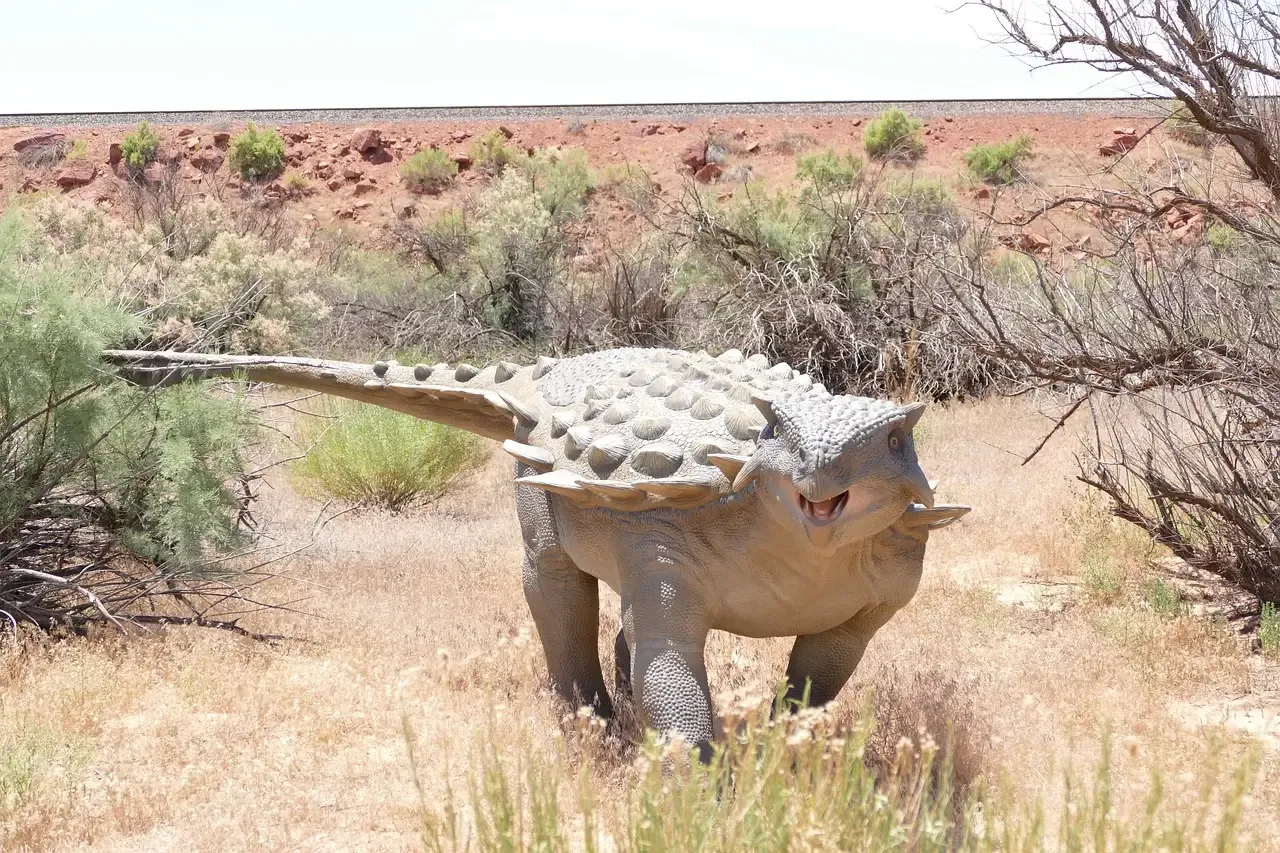
Ankylosaurus was a heavily armored dinosaur from the Late Cretaceous Period, living about 70 to 66 million years ago, covered from head to tail with osteoderms and equipped with a large tail club capable of defending itself against carnivorous theropods of its time, such as Tyrannosaurus rex. Its rib armor consisted of large, interlocking osteoderms that provided extensive protection to the thoracic region, arranged in a pattern that maximized coverage and protection while maintaining flexibility for breathing and movement.
The huge club at the end of Euoplocephalus’s tail was made out of several chunks of bone all fused together into a single lump, with powerful tail muscles used to swing the tail from side to side, delivering a bone-shattering blow to an attacker. I know it sounds crazy, but this dinosaur was essentially a living tank with a built-in wrecking ball. With their protective studs, plates, and spikes, armoured dinosaurs were like walking fortresses, and when under attack, they may have crouched down to protect their soft bellies, presenting a completely armoured shell.
Certain Theropods: The Miniaturization Masters Who Became Birds
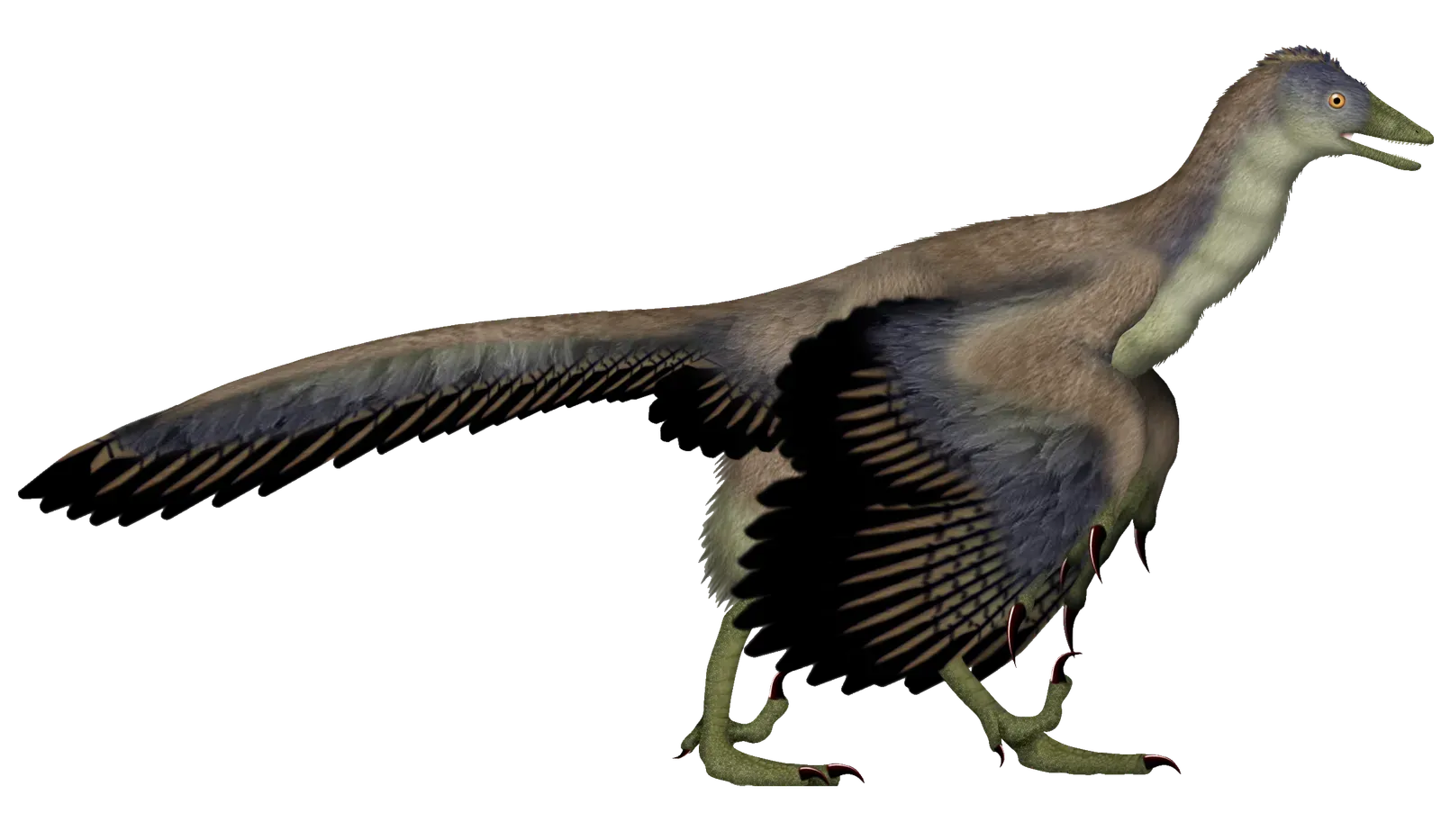
Birds evolved through a unique phase of sustained miniaturisation in dinosaurs, and being smaller and lighter in a land of giants, with rapidly evolving anatomical adaptations, provided these bird ancestors with new ecological opportunities such as the ability to climb trees, glide and fly. This survival strategy flipped conventional wisdom on its head. Average body weights were gradually reduced from around 160 kilogrammes in Early Jurassic direct theropod ancestors to the very light Archaeopteryx, estimated to have weighed less than one kilogramme.
The Theropoda could explore alternate resources, habitats and even prey, and all of these new activities such as chasing insects, climbing trees and gliding would in turn have led to other novel anatomical adaptations. It’s hard to say for sure, but this might be the most successful survival strategy ever employed by dinosaurs. While their massive cousins went extinct, these tiny adaptable creatures survived to become the birds you see outside your window today. Ultimately, this evolutionary flexibility helped birds survive the deadly meteorite impact that killed off all their Dinosaurian cousins.
Conclusion: Survival Belonged to the Creative, Not Just the Strong
These seven dinosaurs prove that survival in prehistoric times wasn’t simply about having the sharpest teeth or the strongest bite. Evolution rewarded creativity, adaptability, and sometimes downright weirdness. From Therizinosaurus using killer claws to pull down vegetation to Spinosaurus abandoning land prey entirely for an aquatic lifestyle, these creatures found their own paths to success.
What strikes me most is how each of these dinosaurs seemed to break the rules of what a successful prehistoric creature should be. They weren’t following some standard survival playbook. They were writing their own. Some got smaller when everyone else was getting bigger. Others developed elaborate display structures that seemed more about showing off than staying safe. It reminds us that nature doesn’t care about our expectations, it just cares about what works.
The real lesson here? The most unexpected strategies are often the ones that endure longest. What do you think about these incredible survival tactics? Tell us in the comments.