There’s something deeply unsettling about what you can’t see beneath the water’s surface. Today’s oceans house some genuinely impressive hunters like great white sharks and killer whales. Still, they’d have been mere footnotes in the underwater food chain compared to the absolute terrors that dominated prehistoric seas for millions of years.
The ancient marine world was a battleground. Imagine creatures so massive and powerful that even the largest modern sharks would retreat in fear. These apex predators weren’t just big; they evolved specialized weapons that made them nearly unstoppable in their domains. From serrated teeth longer than your forearm to crushing jaw forces that exceeded anything alive today, they patrolled depths both shallow and unfathomable. Let’s dive in and discover which ancient beasts truly earned their fearsome reputations.
Megalodon: The Undisputed Champion of Prehistoric Terror
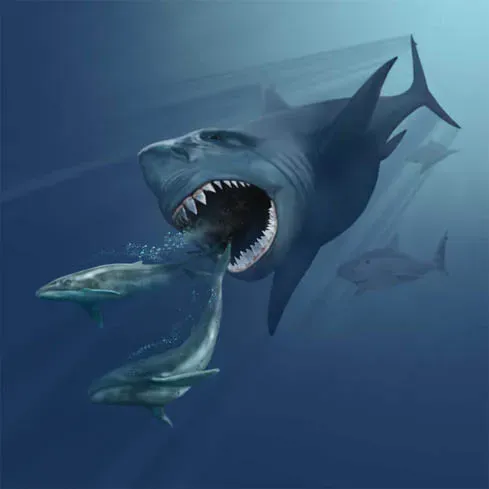
Megalodon was the largest predatory marine creature in the history of the planet, outweighing both modern Great White Sharks and ancient reptiles like Liopleurodon and Kronosaurus. Think about that for a second. This shark dwarfed nearly everything else that has ever lived in the ocean.
Paleontologists estimate that adults were 55 to 60 feet long and weighed as much as 100 tons and some superannuated individuals may have been even bigger. Its teeth alone tell a story of absolute dominance. The teeth of this prehistoric shark were over half a foot long, serrated and heart-shaped.
Here’s the thing: The shark was capable of crushing bone and tearing through flesh with a whopping 40,000 psi bite. That kind of power could snap a small car. Megalodon became extinct roughly 3.6 million years ago, during a time when our planet was plunged into a series of long ice ages. Even the ocean’s most formidable predator couldn’t escape climate change.
Mosasaurus: The Marine Lizard That Terrorized the Cretaceous
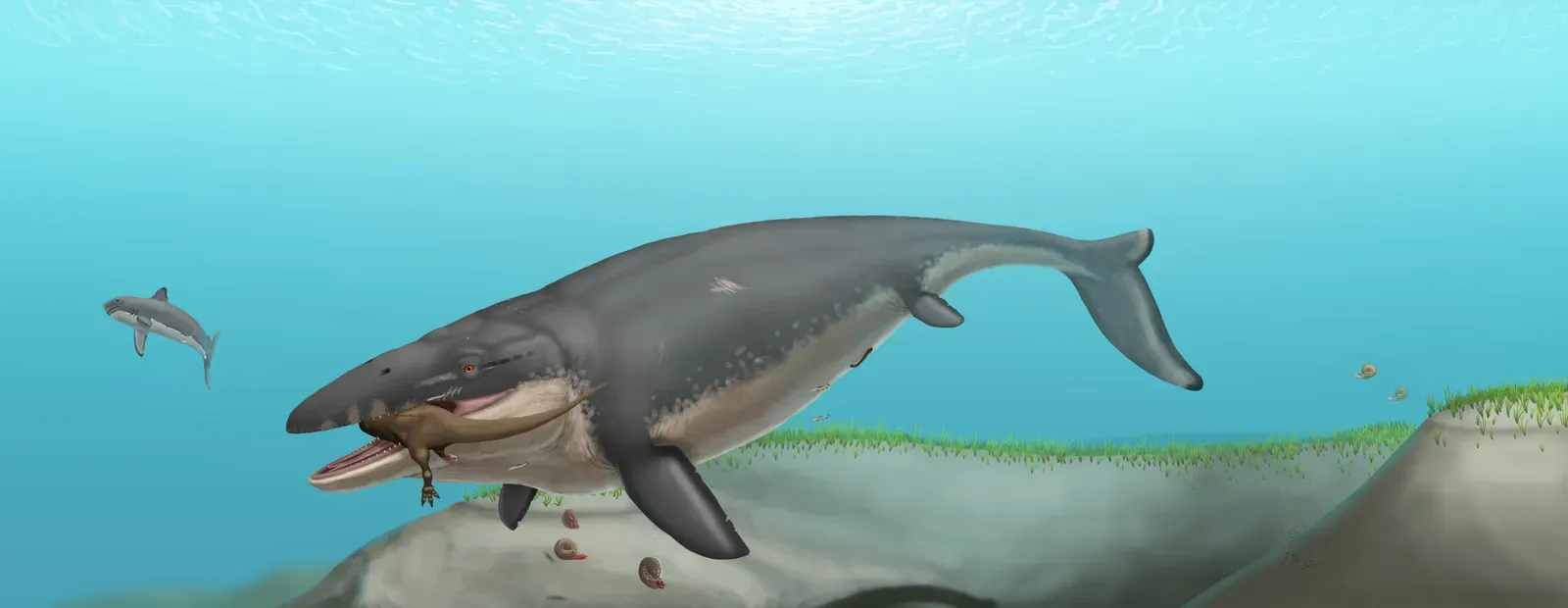
Mosasaurus was a group of extinct marine reptiles that ruled the oceans in the latter stages of the late Cretaceous period (around 100 million to 66 million years ago). These weren’t dinosaurs, though people often assume they were. Related to modern monitor lizards, Mosasaurus reached over 50 feet in length and its double-hinged jaws, lined with backward-curving teeth, made it an efficient predator.
Mosasaurus was at the top of the food chain and would eat pretty much anything they found in the ocean: sharks, cephalopods, giant turtles, and even other mosasaurs. Honestly, when a predator starts eating its own kind, you know it’s serious business. Their flexible skulls enabled them to gulp prey like modern snakes do, which must have been nightmarish to witness.
The first mosasaurs appeared around 95 to 100 million years ago as small animals, about the size of an iguana, and were non-specialized marine lizards, but within a few million years, they grew much larger and evolved specialized fins and tails to maneuver and pursue prey underwater. Talk about rapid evolution.
Kronosaurus: The Short-Necked Giant With a Crushing Bite
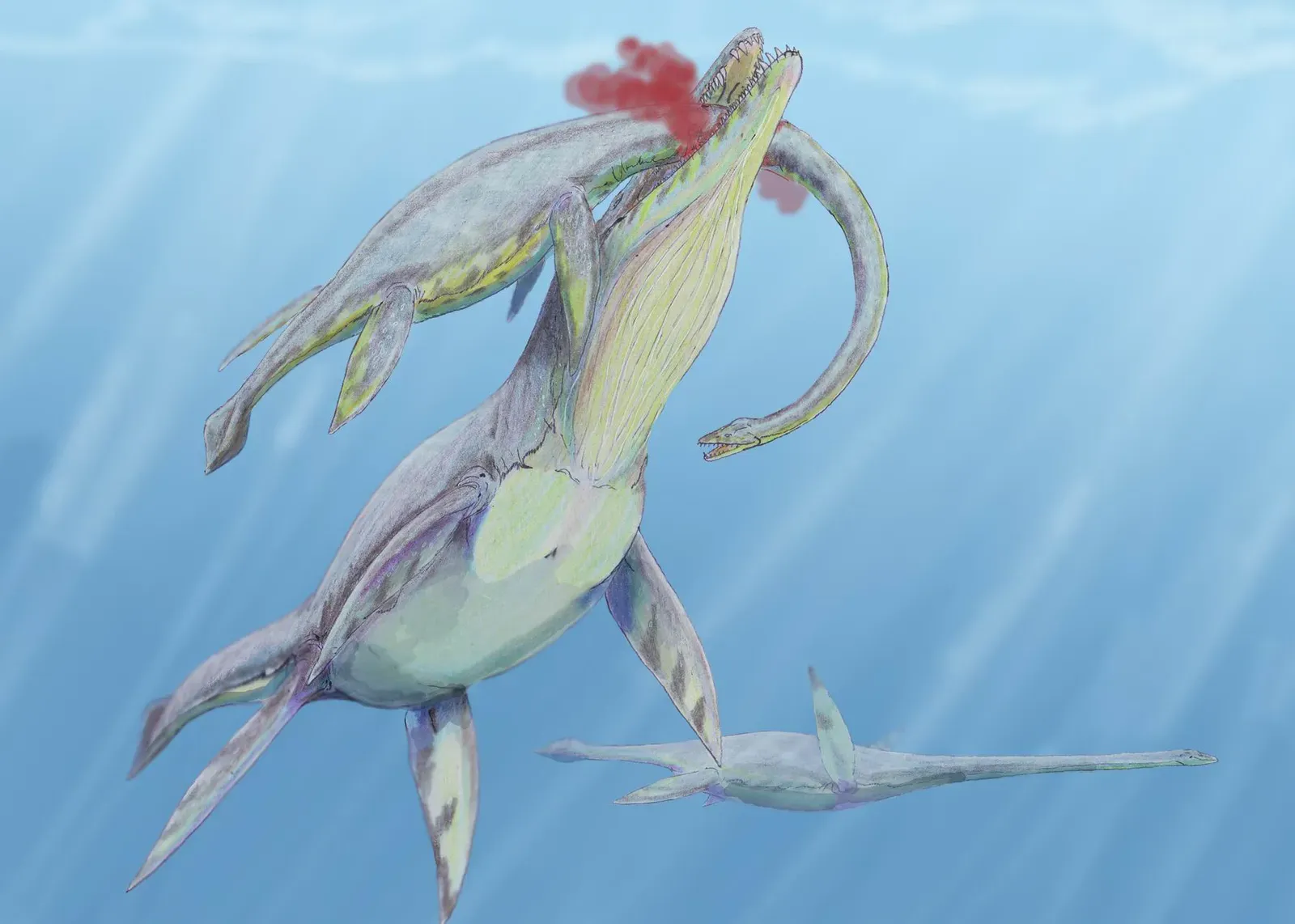
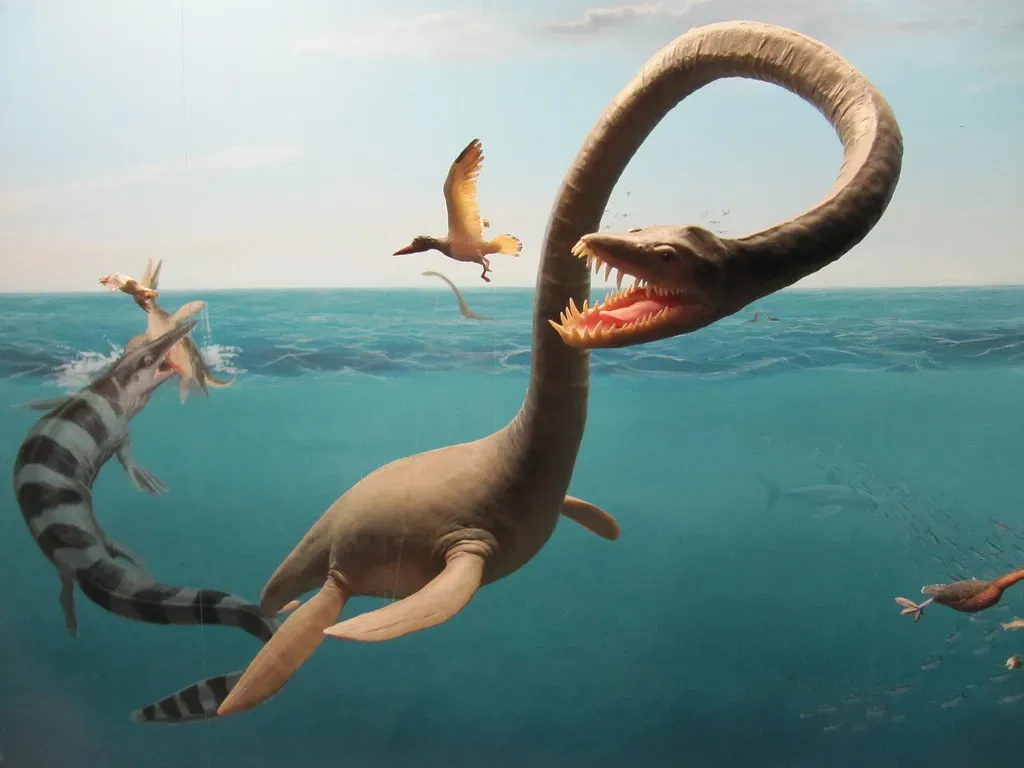
Kronosaurus lived approximately 120 to 90 million years ago during the Late Cretaceous period and could grow up to 30-36 feet long, making it one of the largest marine reptiles ever to exist. This pliosaur didn’t mess around. Its massive head took up roughly a third of its body length.
Kronosaurus had a massive head equipped with sharp teeth up to 10 inches long and its jaws could generate a bite force of over 33000 PSI, which allowed it to easily prey on large marine animals such as turtles, plesiosaurs, and even other marine reptiles. Imagine being another marine reptile minding your business when something with that kind of crushing power appears from below.
Kronosaurus would likely have been an apex predator in its sea, with fossil evidence showing that it preyed on sea turtles and other plesiosaurs. Scientists found actual turtle remains in fossil specimens, giving us direct proof of what this thing was snacking on millions of years ago.
Liopleurodon: Speed and Stealth in Jurassic Waters
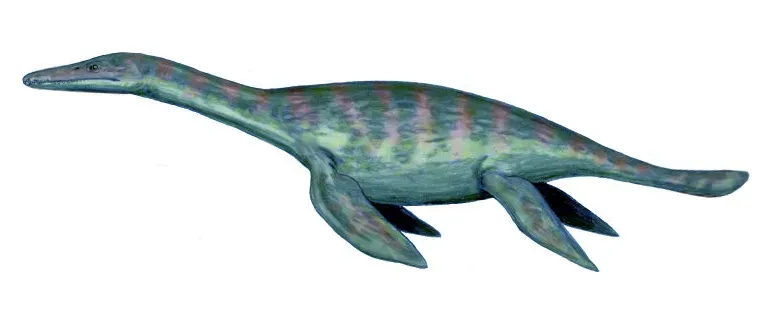
Liopleurodon lived in Western Europe from 166 to 155 million years ago, sharing its open ocean habitat with other marine reptiles, and was likely a very fast and agile swimmer, built for ambushing its prey from below. This predator relied on surprise rather than just brute force, though it had plenty of that too.
Let’s be real, television has exaggerated the size of this creature beyond recognition. Some documentaries claim Liopleurodon was over 80 feet long, however, more realistic estimates put these animals in the region of 16 to 30 feet long. That said, being smaller doesn’t make them any less terrifying.
Liopleurodons were still fearsome apex predators that ruled the waters where they resided, boasting massive mouths full of razor-sharp teeth, an incredible bite force and immense speed, and they likely had an incredible sense of smell, meaning no prey was safe from being ambushed. Speed combined with stealth makes for a deadly combination.
Dunkleosteus: The Armored Fish From Hell
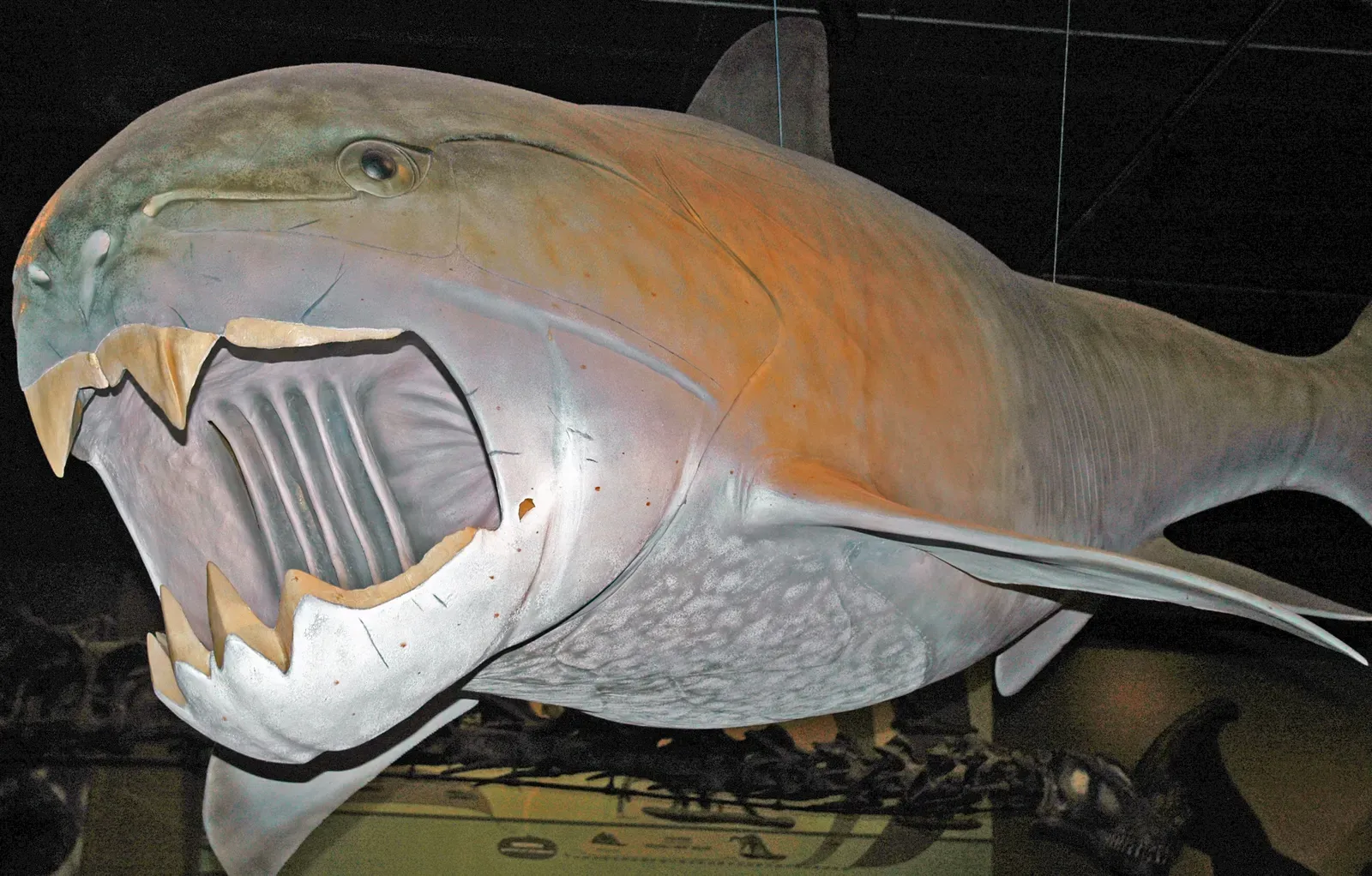
Dunkleosteus lived approximately 358 to 382 million years ago in the late Devonian period and was one of the largest and most fearsome predators of its time, growing up to 33 feet in length and weighing in at an estimated 4,000 pounds. This was no ordinary fish. It predated sharks as we know them and looked absolutely alien.
Dunkleosteus didn’t have any teeth; instead, it had sharp jaw extensions that functioned just like teeth and were strong enough to puncture steel. Think about that. This creature had natural bone structures harder than most materials we encounter daily. Its heavily armored head acted like a battering ram.
Dunkleosteus could open its mouth wide and shut it in 20 ms or 1/50th of a second, creating a suction that pulled prey into its mouth. You wouldn’t even have time to react before being vacuumed into those bone-crushing jaws.
Pliosaurus: The Arctic Nightmare Predator
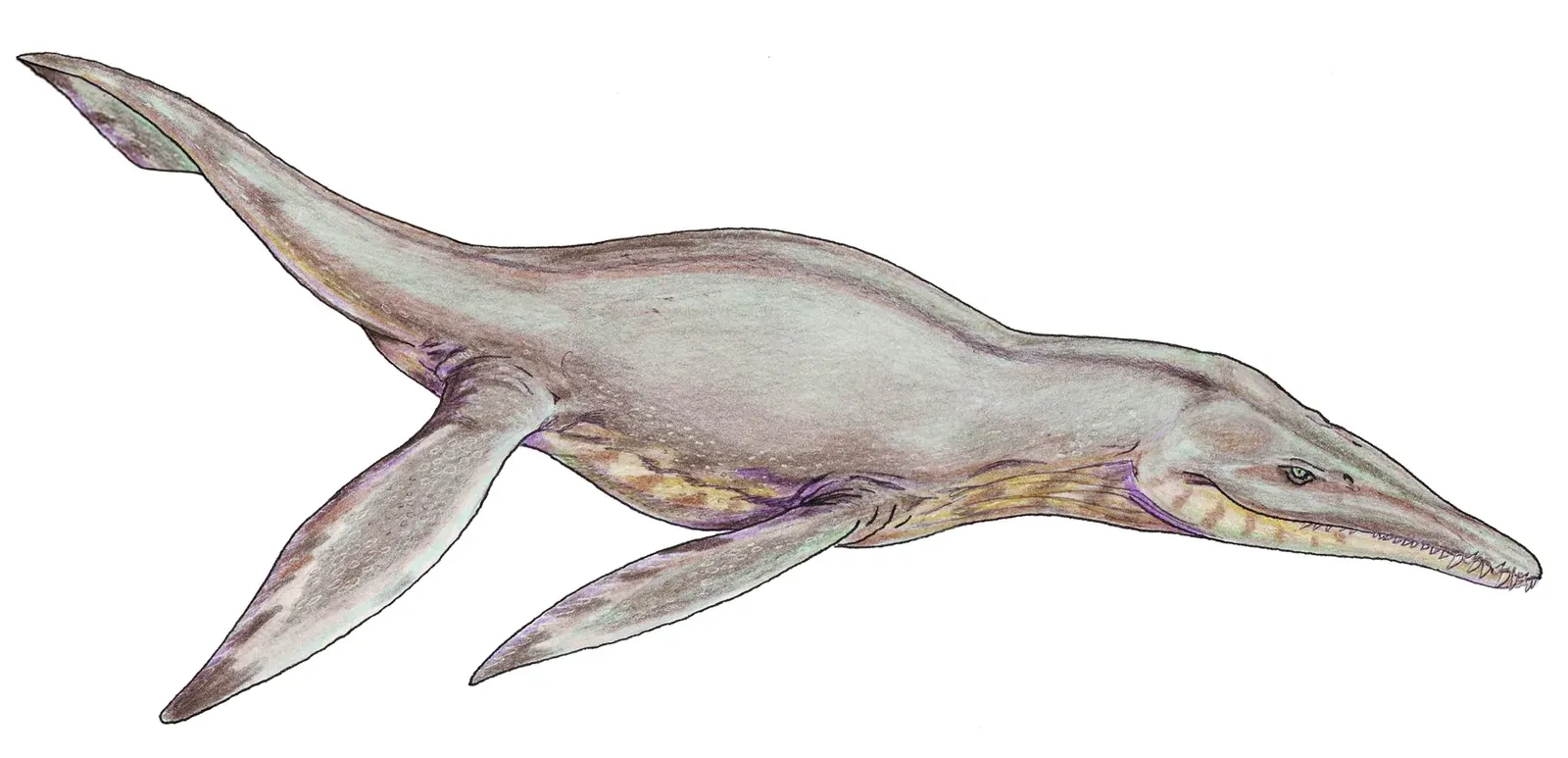
The Pliosaurus was another massive prehistoric ocean animal growing up to 40 feet long, around the size of some whales we see today, and these creatures were fierce hunters, strong and fast, known for taking down large prey, even dinosaurs. When marine reptiles start hunting land dinosaurs that venture too close to water, you know you’re dealing with something special.
They had powerful jaws with bites some paleontologists believe were as strong as a Tyrannosaurus rex, known for having the most powerful bite on land. Having a bite force comparable to the most famous land predator of all time puts Pliosaurus in truly elite company. These weren’t animals you wanted to encounter in any era.
Tylosaurus: The Battering Ram of the Cretaceous Seas
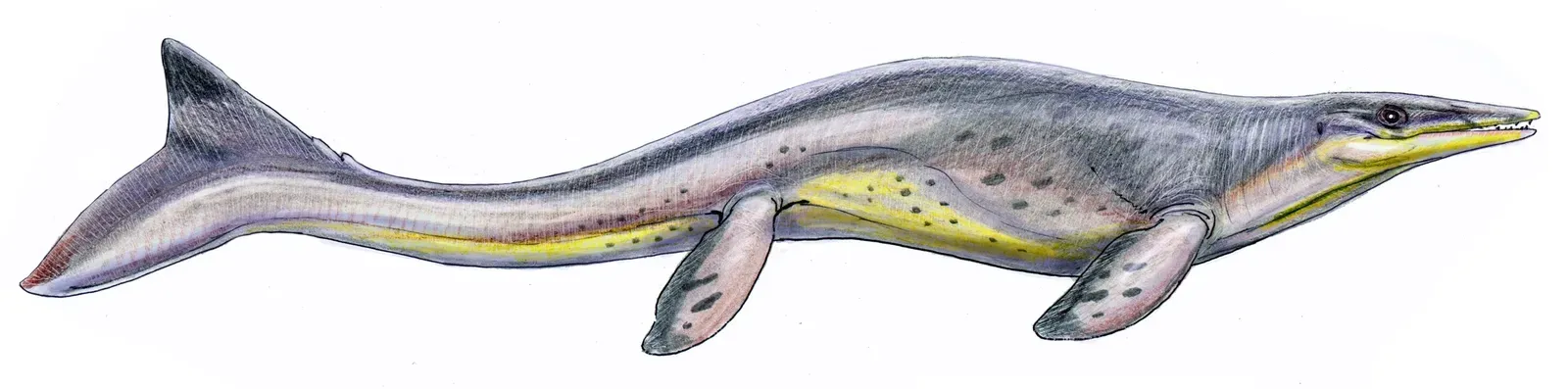
Tylosaurus was an enormous predator that ate almost anything, from fish, sharks, smaller mosasaurs, plesiosaurs, and even flightless birds, and they were so successful, that they managed to sit firmly atop of the marine food chain for several million years. Versatility in diet meant this predator never went hungry.
Tylosaurus serves as one of the most frightening examples of mosasaurs, thanks to its incredible size and fiercely aggressive nature, and the creature’s long, rounded snout was often used as a battering ram of sorts during battle, with the Tylosaurus serving as an equal opportunity predator which fed upon birds, fish and sharks alike. Using your skull as a weapon before biting is next-level predatory behavior.
Livyatan: The Killer Whale That Made Megalodon Nervous
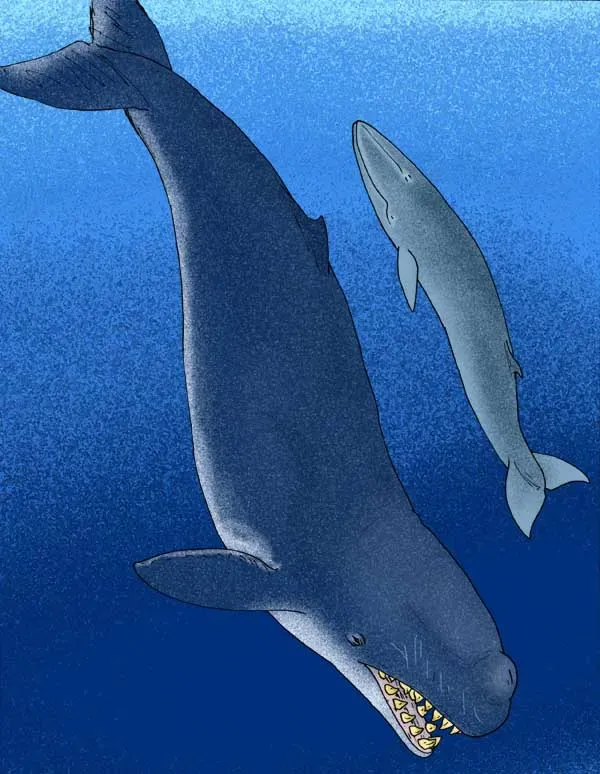
What truly made Livyatan terrifying were their teeth, measuring over a foot long, believed to be the largest of any known animal (excluding tusks), and these teeth have been found worldwide, from Australia to Chile, South Africa, and the United States, suggesting that no waters were safe from this sea monster. This was a whale unlike any swimming today.
For a long time, Livyatans shared the seas and many of the same prey as Megalodons, potentially bringing the two apex predators into conflict, and as for who would win, it’s likely the two exchanged fatalities. Imagine witnessing a battle between these two titans. It’s hard to say for sure, but scientists believe neither had a clear advantage, which speaks volumes about Livyatan’s power when you consider Megalodon’s reputation.
Conclusion
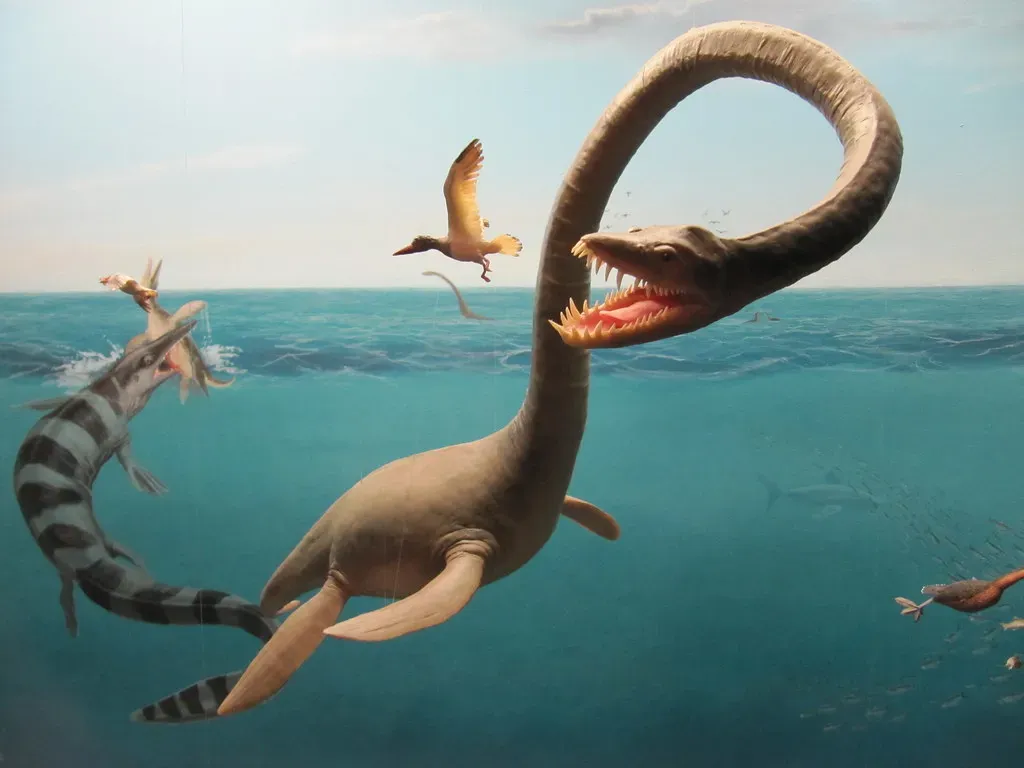
The prehistoric seas were genuinely unforgiving places where survival meant being bigger, faster, or more cunning than everything else around you. These ancient marine predators evolved over millions of years into perfect killing machines, each dominating their era with specialized adaptations we can barely comprehend today. From Megalodon’s bone-crushing bite to Mosasaurus’s flexible jaws and Dunkleosteus’s lightning-fast suction feeding, evolution crafted these creatures into apex hunters that would make today’s ocean predators look tame by comparison.
What’s remarkable is that despite their dominance, all of them eventually vanished. Climate change, competition, and mass extinction events proved that even the most fearsome predators aren’t immune to the forces of nature. Today’s oceans are safer for swimmers, certainly, though one has to wonder what incredible creatures might still be waiting to be discovered in the fossil record. What do you think about these ancient terrors? Could you imagine sharing the water with any of them?