Think about being face to face with a creature that ruled Earth millions of years ago. You’d probably imagine razor-sharp teeth or massive claws, right? Yet some of the most fascinating dinosaurs didn’t rely on brute force alone. Instead, they evolved defenses so weird and wonderful that they’d make even today’s strangest animals look ordinary.
These prehistoric beasts faced constant danger from predators prowling the landscape, and that pressure sparked some truly creative evolutionary solutions. From spikes that would put any punk rocker to shame to armor that could rival a medieval knight’s, dinosaurs experimented with survival strategies that defy imagination. Let’s explore these remarkable creatures and discover how they turned their bodies into fortresses, weapons, and sometimes even works of art.
Spicomellus: The Punk Rocker of Prehistory
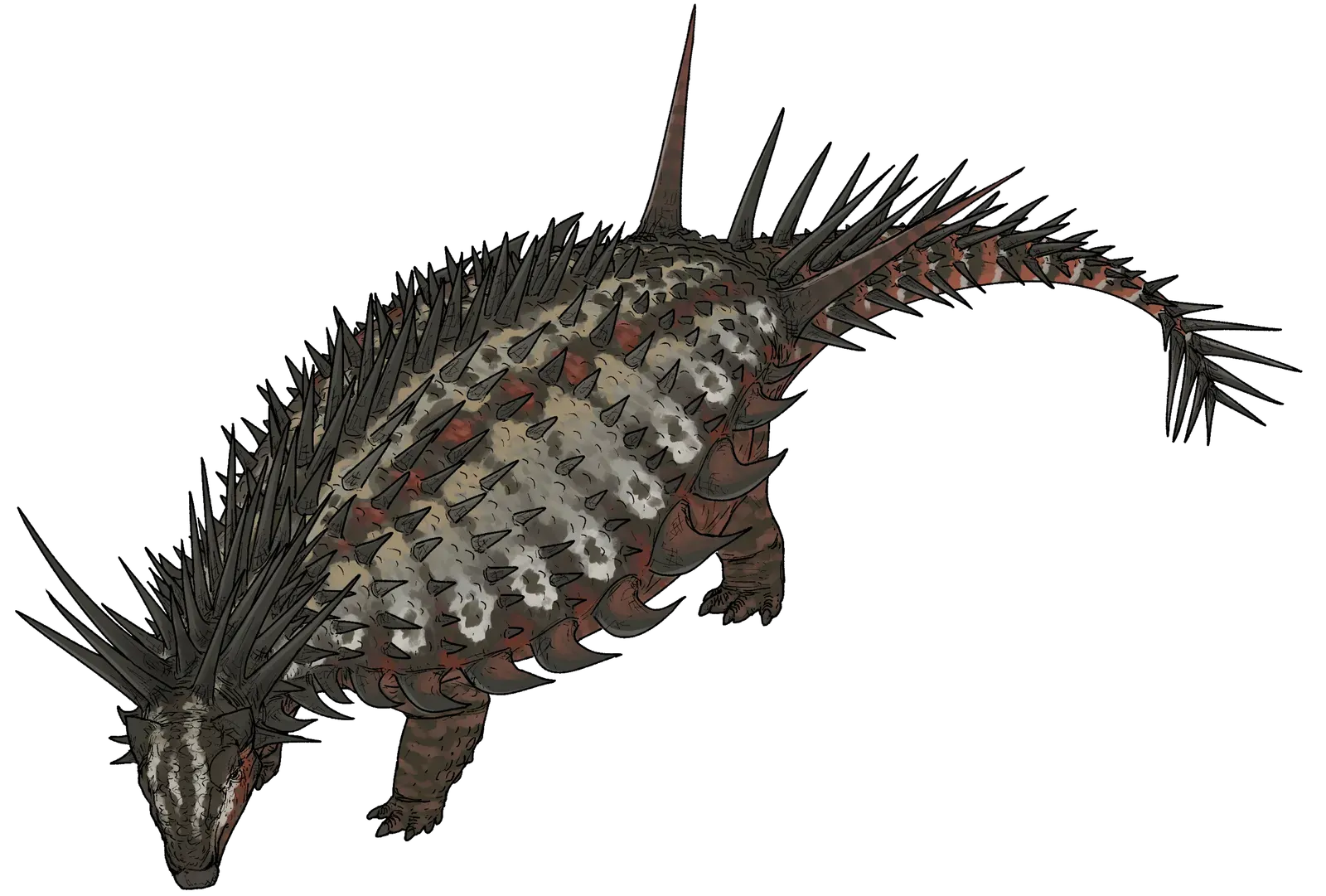
Picture a dinosaur covered head to tail in bone spikes measuring up to a meter long, sticking out from either side of its neck. That’s Spicomellus, and honestly, it’s hard to believe something this bizarre actually existed. At 165 million years old, Spicomellus is the oldest known ankylosaur, and its “absolutely bizarre” fossils are changing how scientists think these armored dinosaurs evolved.
The bone had protective spines that were fused directly to its surface, something which had never been seen before in the animal kingdom, with many of Spicomellus’ spikes fused to its bones. It would have been very energetically expensive to produce and carry around such extraordinary armour, and probably limited how well Spicomellus could move, so scientists think that it was probably using its armour for some kind of display.
Stegosaurus and the Mystery of the Thagomizer
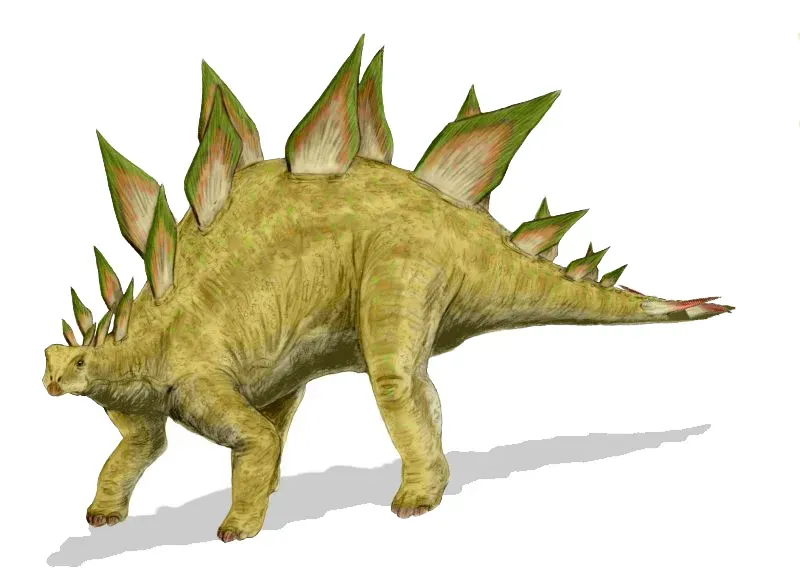
You’ve probably heard of Stegosaurus with its distinctive back plates, yet its tail weapon deserves way more attention. Stegosaurus stenops had four dermal spikes, each about 60–90 cm long. Scientists even gave these tail spikes a name that stuck: the thagomizer.
There is evidence for a defense function in the form of an Allosaurus tail vertebra with a partially healed puncture wound that fits a Stegosaurus tail spike. Let’s be real, imagine getting whacked by those spikes. The slow-moving Stegosaurus might have seemed a tempting target for a hungry Allosaurus, but the herbivore could quickly adopt a defensive posture, turning its back on its attacker before thwacking its head with its powerful, spiked tail.
Ankylosaurus: The Walking Tank With a Bone Crusher
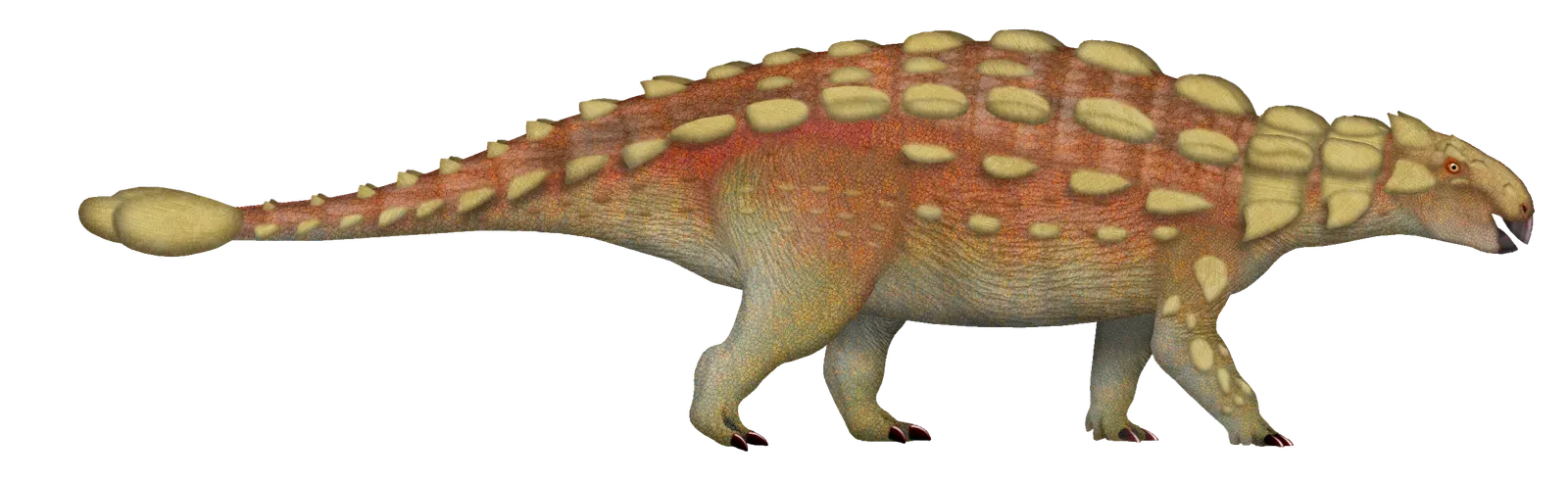
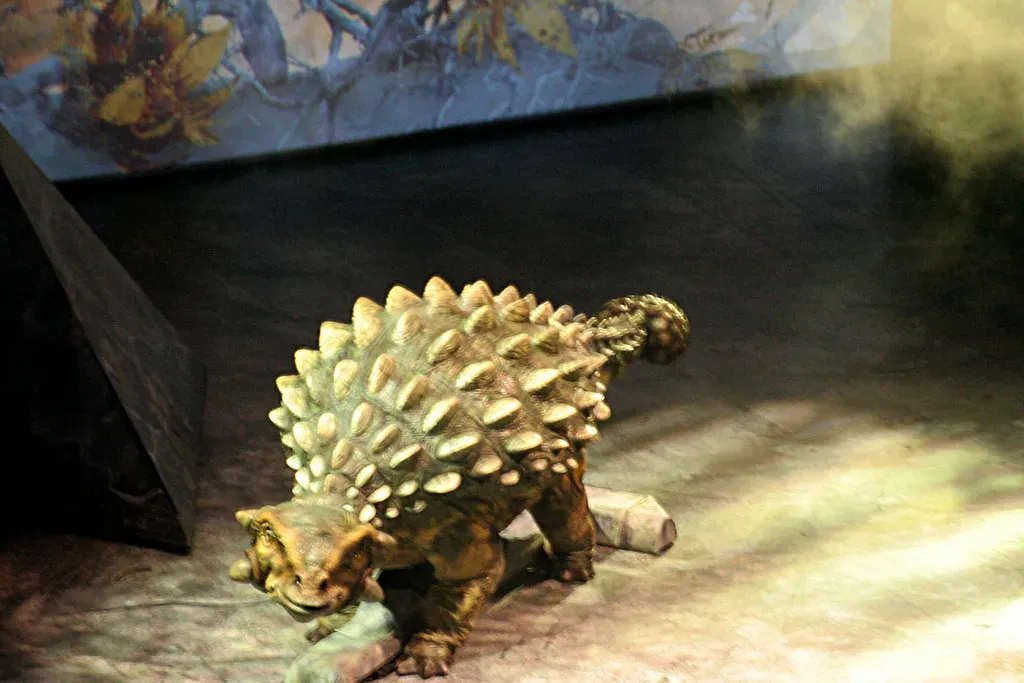
Akainacephalus johnsoni had armor everywhere – even its eyelids were armored, and ankylosaurs actually had bony armor around its neck, so T. rex couldn’t have chewed through that if it was on top. Think about that for a second. Even the eyelids had protection.
Here’s the thing though: the real showstopper was the tail club. The huge club at the end of Euoplocephalus’s tail was made out of several chunks of bone, all fused together into a single lump, and powerful tail muscles were used to swing the tail from side to side, delivering a bone-shattering blow to an attacker. This tail club may have smacked the tyrannosaur right in the leg, fracturing his leg. That’s not just defense; that’s offense disguised as defense.
Therizinosaurus: Nightmare Claws on a Herbivore
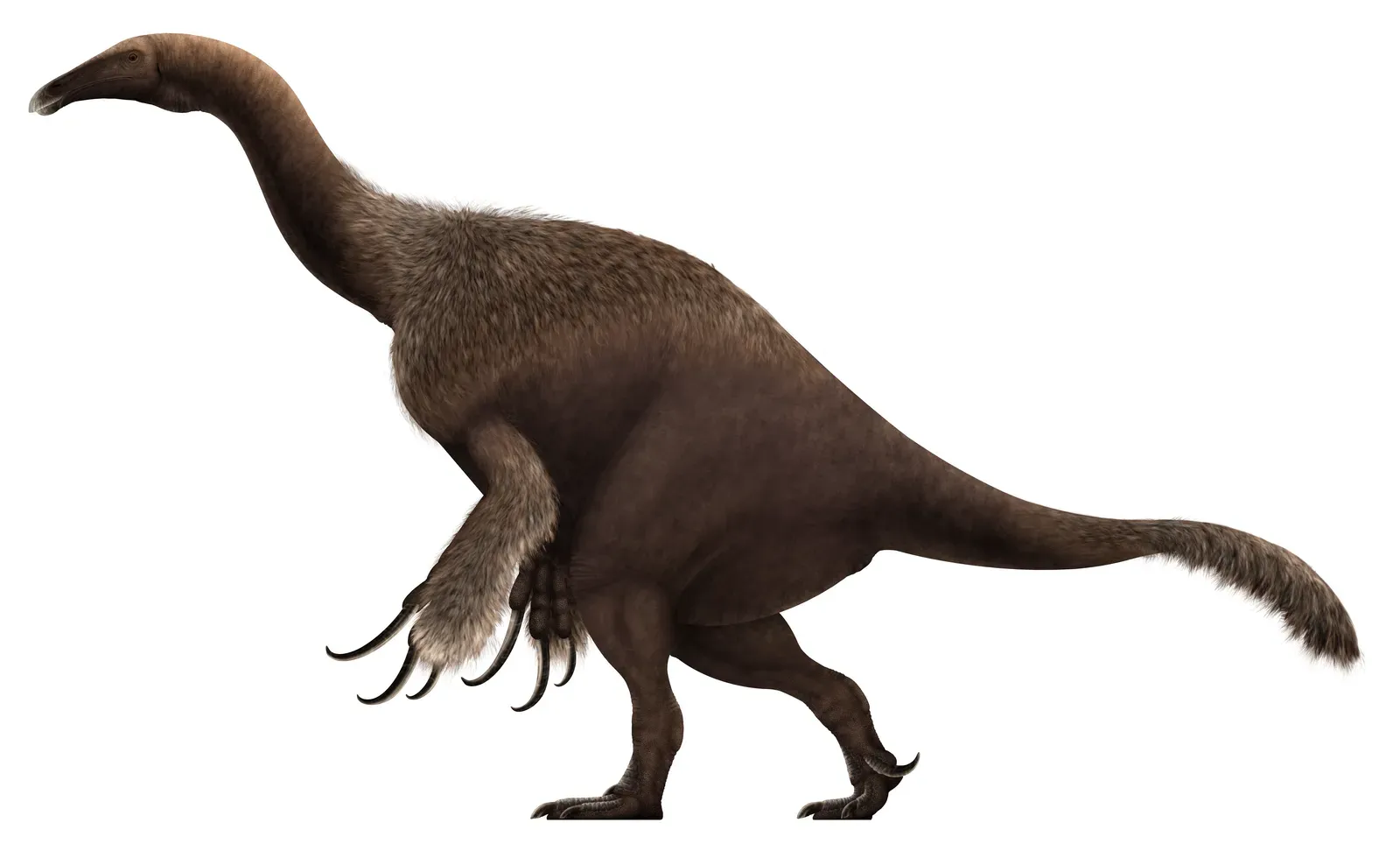
Therizinosaurus cheloniformis had three digits on its forelimbs with three fearsome claws to match, the first of which was almost three feet long, and all three were shaped like scythes. Nearly three feet of claw on a plant eater sounds absolutely wild, doesn’t it?
You’d think claws like that belonged to some apex predator, maybe something hunting massive prey across ancient plains. The irony? This creature was actually a herbivore that used those massive scythe-shaped claws for defense rather than hunting. It’s hard to say for sure, but those claws could have sliced through anything foolish enough to challenge this gentle giant.
Triceratops: More Than Just a Pretty Frill
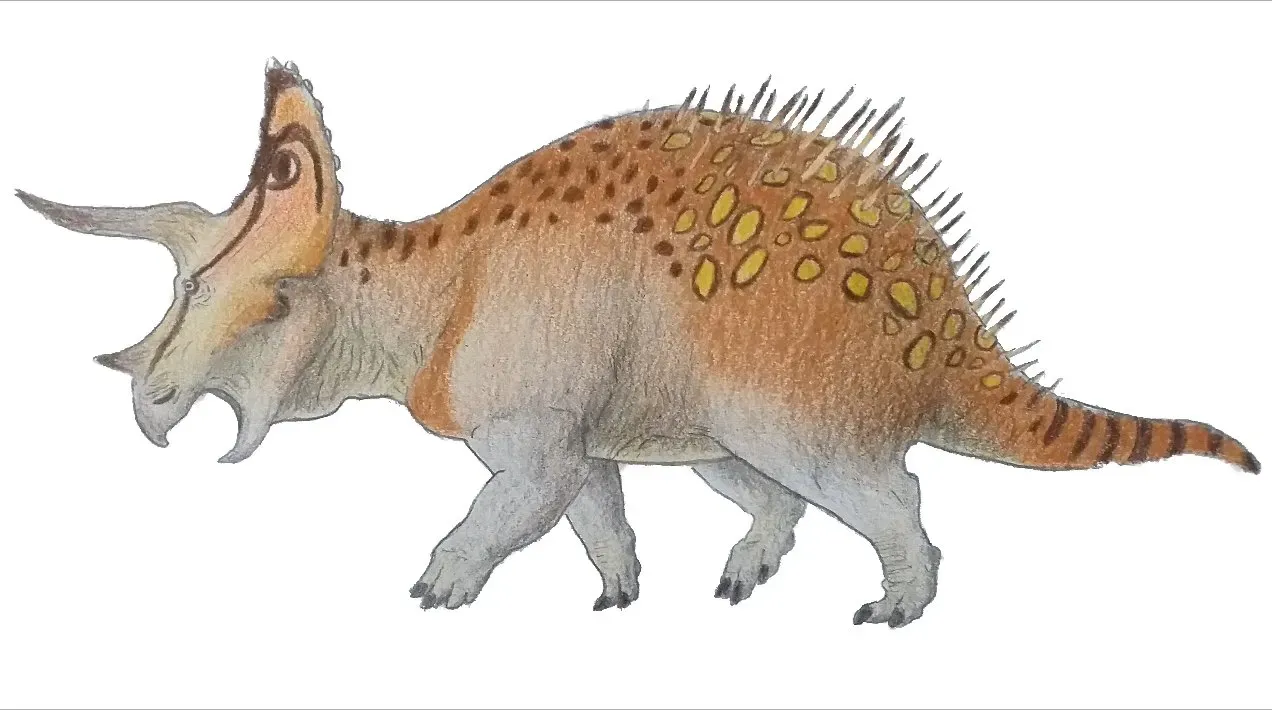
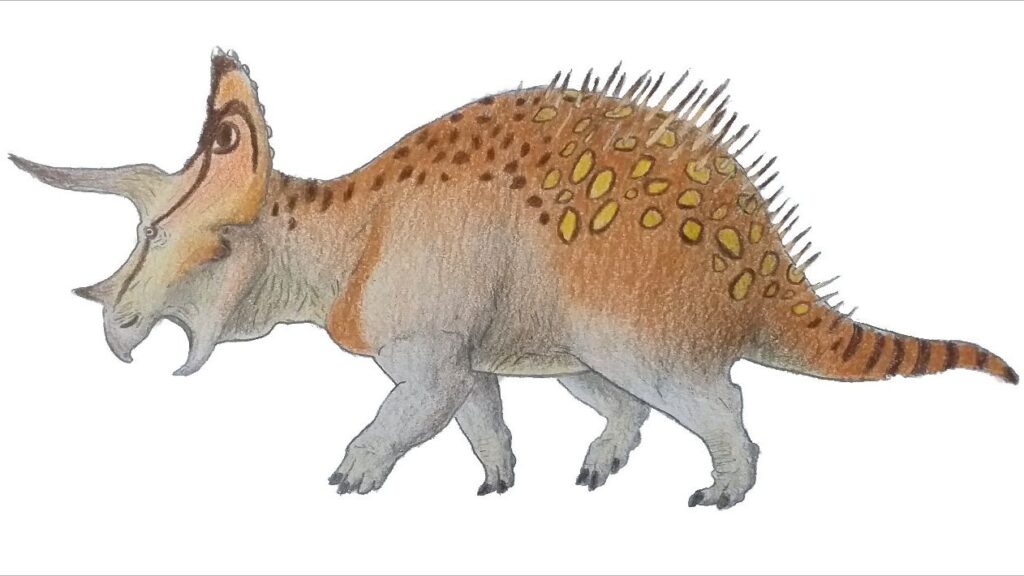
Triceratops was part of the Ceratopsian sub-order, and the Kosmoceratops richardsoni had 15 horns that were huge, durable, and sometimes incredibly sharp. Fifteen horns on one dinosaur seems like massive overkill, yet evolution doesn’t waste energy on useless features.
The famous three-horned face of Triceratops served multiple purposes beyond just looking intimidating. These horns were serious weapons capable of inflicting devastating injuries on attackers. Plus, that massive bony frill protected the vulnerable neck region from predator bites. Honestly, imagine trying to take down something that’s basically a living fortress with built-in spears.
Parasaurolophus: Weaponizing Sound
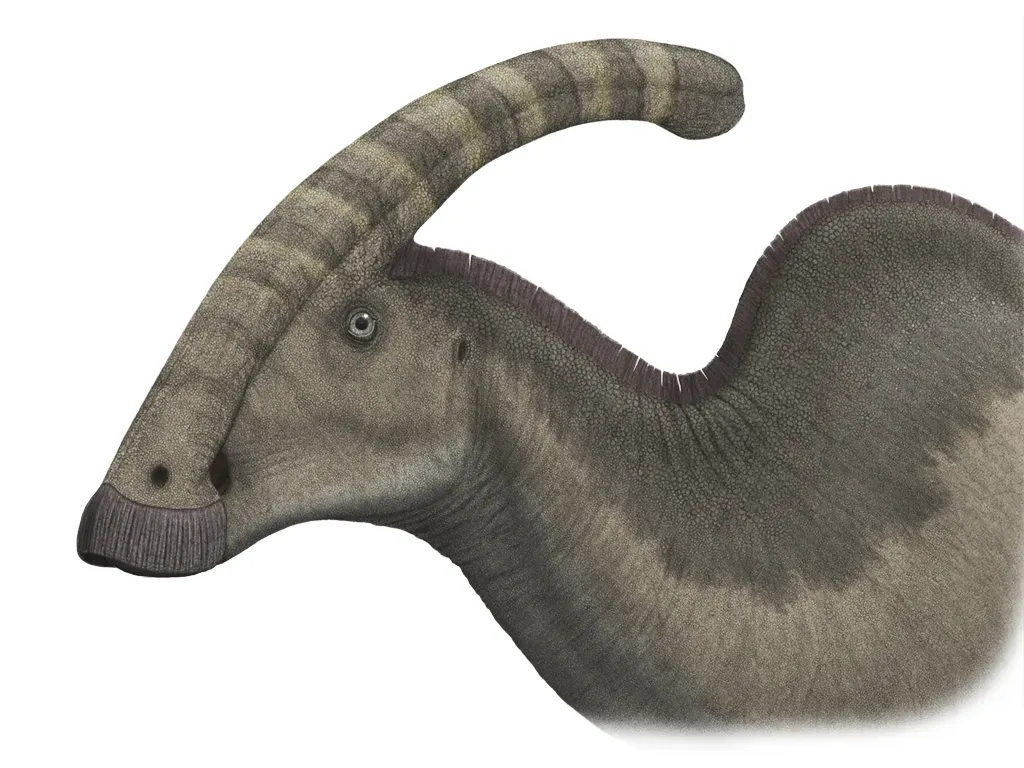
Scientists think Parasaurolophus may have weaponised its unique honk and used it to deter predators, as a lone Parasaurolophus honking may have been enough to make a hungry tyrannosaur think twice before approaching, and a herd of honking Parasaurolophus may have produced a honk loud enough to drive said predator away from its hunting grounds entirely.
This wasn’t your average defensive strategy involving sharp objects or thick armor. Parasaurolophus took a completely different approach by turning its distinctive head crest into a resonating chamber. The resulting sound could reach incredible volumes, especially when multiple individuals called together. Sometimes the best defense isn’t fighting back at all but making such a racket that predators decide the meal isn’t worth the headache.
Bajadasaurus: Forward-Pointing Neck Fence
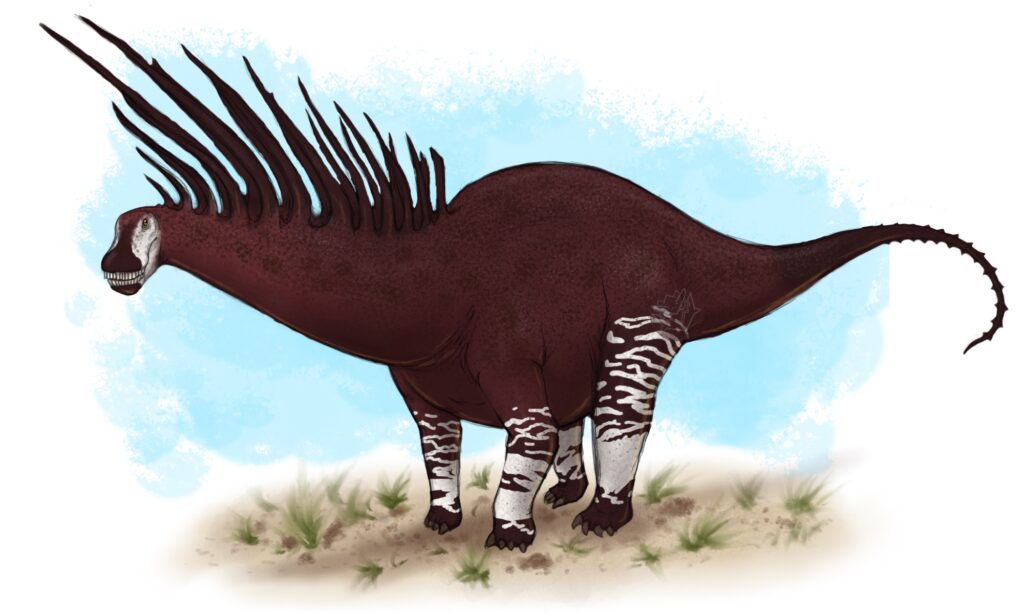
First described in 2019, Bajadasaurus wore a mohawk better than any latter-day punk rocker, with a row of spectacular elongated spines pointing forward from its neck, almost like an arched fence, perhaps for sexual display, passive defense or even thermoregulation, and the bones themselves are improbably long, but they may have been just the foundation for a sheath that was 50 percent longer.
Picture an elephant-sized herbivore strutting around with what looks like a forward-pointing spiky fence growing from its neck. Any predator eyeing Bajadasaurus as potential prey would have to think twice about trying to bite down on that neck region. The spines created a physical barrier that made standard predator attack strategies nearly impossible. This creature basically wore a medieval neck guard millions of years before humans invented the concept.
Hadrosaurs: Growing Too Fast to Catch
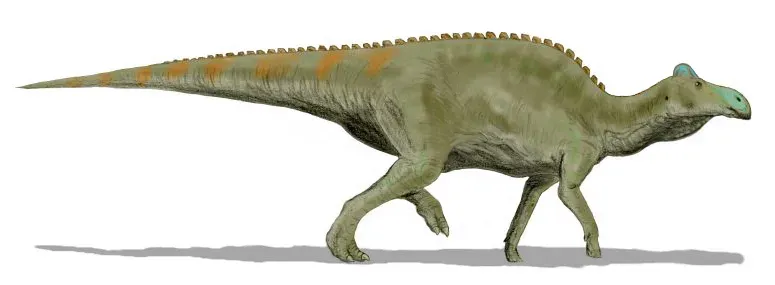
The duck-billed hadrosaur had few defenses against predators such as tyrannosaurs, but new research on the bones of this plant-eating dinosaur suggests that it had at least one advantage: It grew to adulthood much faster than its predators, giving it superiority in size. That’s a completely different survival strategy right there.
Two other prey dinosaurs had horns or had stout, tank-like bodies that would have provided some physical protection from their enemies, but even those creatures show faster growth rates than the predators, with the hadrosaur boasting the quickest growth spurt. Growing big enough fast enough meant young hadrosaurs could outpace the danger window when they were most vulnerable. It’s like racing against time itself, where reaching adult size meant graduating from the menu of most predators.
Conclusion
These remarkable creatures prove that survival in the prehistoric world demanded more than just teeth and claws. From meter-long spikes fused directly to bone to tail clubs capable of shattering legs, dinosaurs evolved an astonishing array of defensive adaptations. Some relied on passive armor that turned their bodies into impenetrable fortresses, while others weaponized sound or grew at breakneck speeds to outpace danger.
What strikes me most about these defenses is how creative evolution can be when survival is on the line. Each bizarre feature tells a story of environmental pressure, predator-prey dynamics, and millions of years of trial and error. These weren’t just random mutations; they were solutions to life-or-death problems that shaped the course of prehistoric ecosystems. Which of these bizarre defenses surprised you the most? Let us know what you think in the comments.