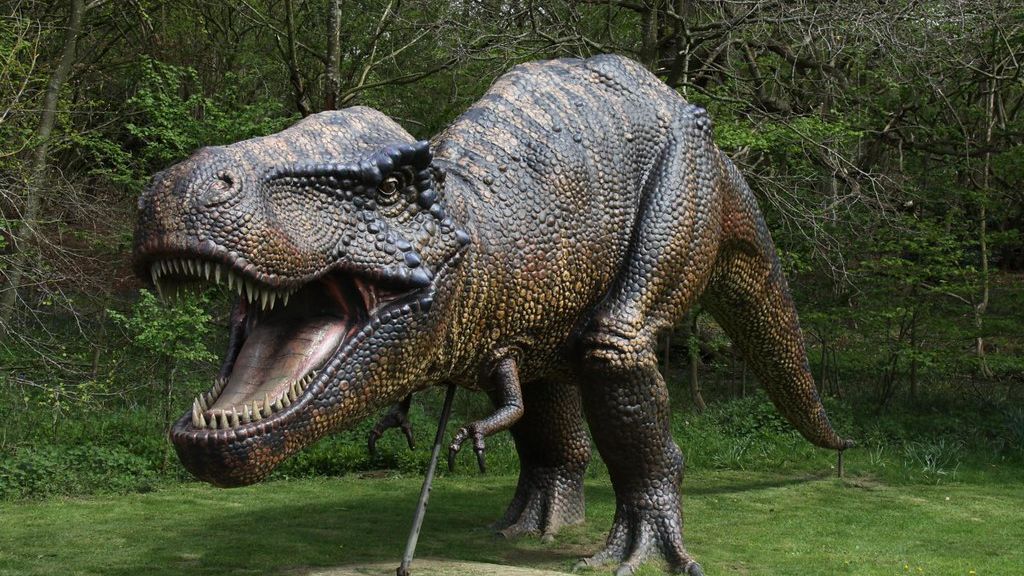
For generations, you pictured dinosaurs as giant scaly reptiles, roaring through ancient jungles with leathery skin that glistened under a prehistoric sun. Movies reinforced this image. Books celebrated it. Museum displays immortalized it. Then scientists started finding something that flipped everything upside down. Feathers. Not just on a few strange specimens, but across multiple dinosaur groups.
The first dinosaur fossil with preserved feathers was described in 1996: the Chinese Sinosauropteryx. This discovery marked a turning point in paleontology. Nearly three decades later, experts have discovered dozens more feathered dinosaurs, including bird-like raptors, tyrannosaurs, and even horned dinosaurs with feathers and feather-like body coverings. You might be wondering what this means for the creatures we thought we knew so well. Let’s dive in.
The Game-Changer From China
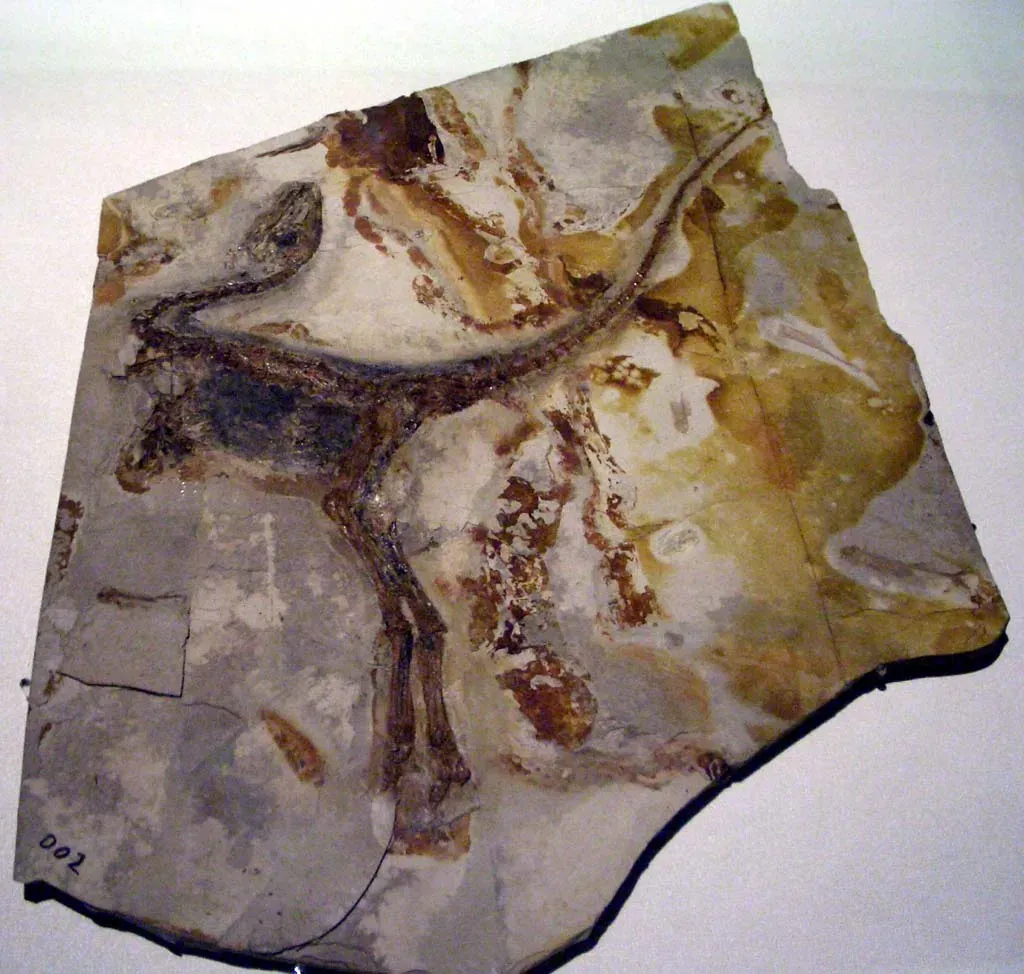
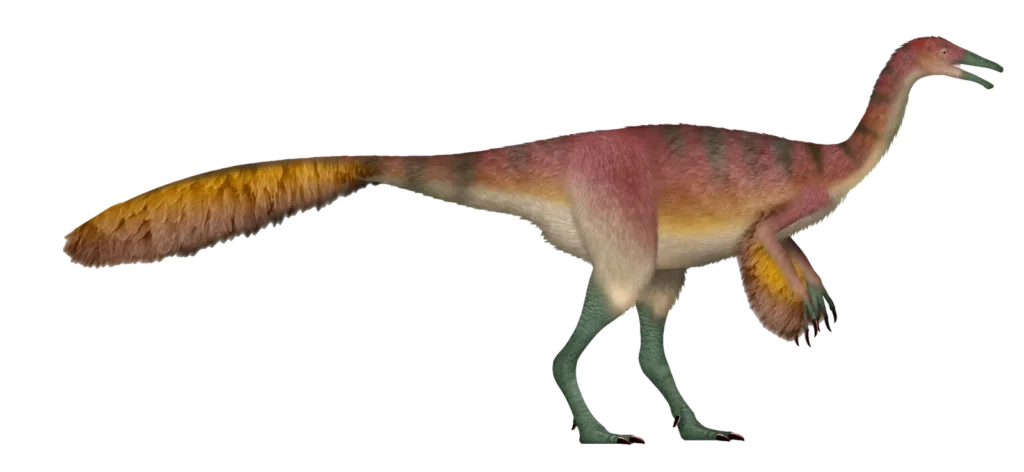
In 1996, Chinese paleontologists working in the province of Liaoning in northeastern China discovered the fossil of a 5-foot long theropod they called Sinosauropteryx, whose head, back, and tail were covered with a soft, fuzzy type of feather similar to down. This wasn’t the sleek plumage you see on modern birds. These were simple, hair-like filaments that couldn’t enable flight.
First described in 1996, Sinosauropteryx was a revelation to paleontologists who had long expected that birds shared a close relationship with theropod dinosaurs based on their hollow bones and other anatomical similarities. Sinosauropteryx fulfilled what paleontologists had been looking for – fossilized feathers along the neck, back and tail of the dinosaur left no doubt that birds had evolved from feathery dinosaur ancestors. Honestly, seeing the first photos must have been like witnessing the impossible become real.
Velociraptor Wasn’t What Hollywood Showed You
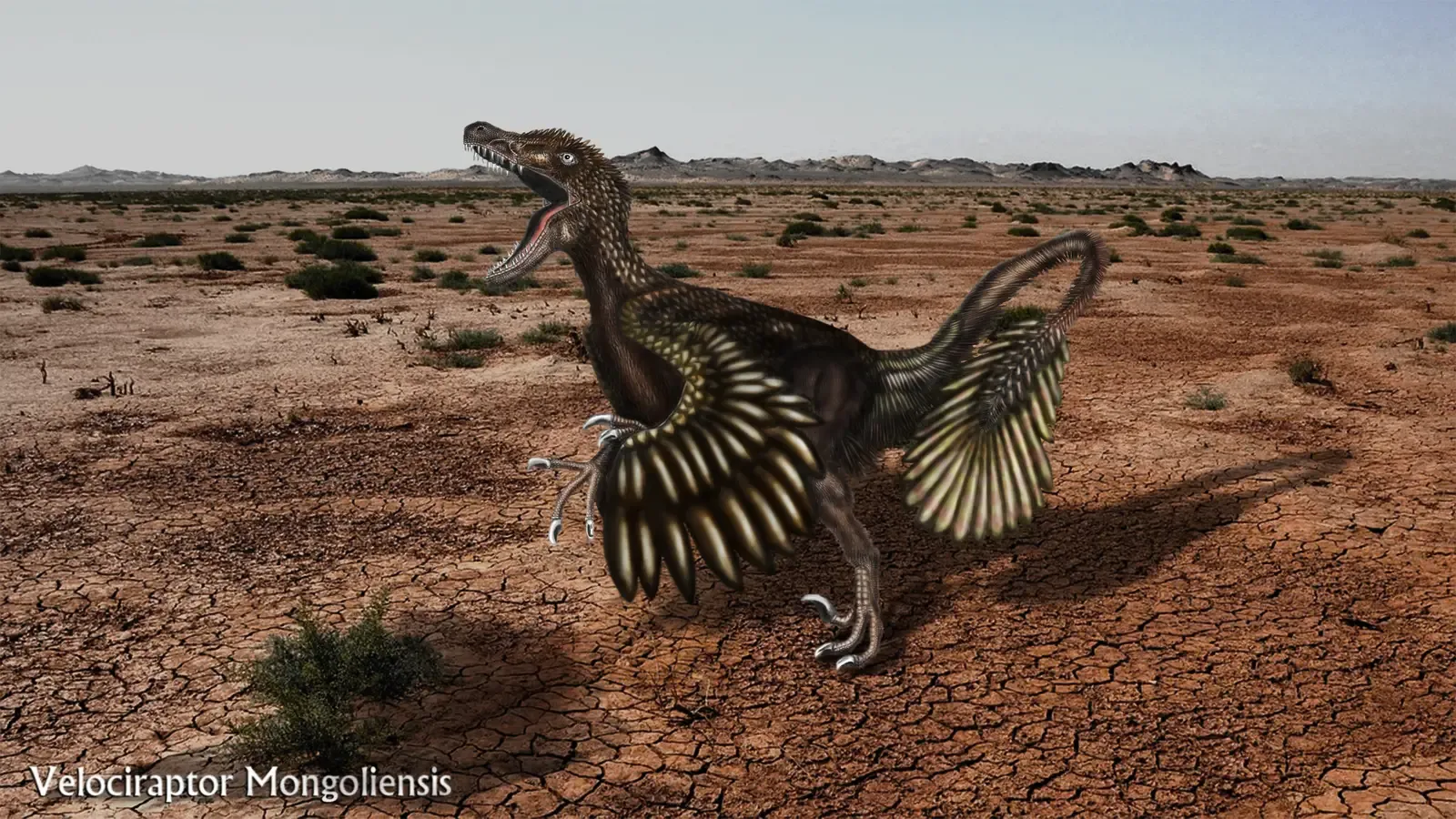
Remember those terrifying, scaly raptors from Jurassic Park? Let’s be real, they got it wrong. Scientists found evidence of six quill knobs – locations where feathers are anchored to bone – on the forearm of a Velociraptor fossil. These knobs aren’t some vague hint. They’re direct, undeniable proof.
Prominent quill knobs have been reported from the ulna of a single Velociraptor specimen, and the feathers of the flightless Velociraptor may have been used for display, for covering their nests while brooding, or for added speed and thrust when running up inclined slopes. Look at similar feathered dinosaurs and you see what the real Velociraptor would have been like: far from being a scaly-skinned reptilian monster, Velociraptor would have been a fluffy, feathered poodle from hell. That description might not sound as menacing, but imagine something swift and vicious cloaked in feathers. Still terrifying, just different.
Microraptor: The Four-Winged Wonder
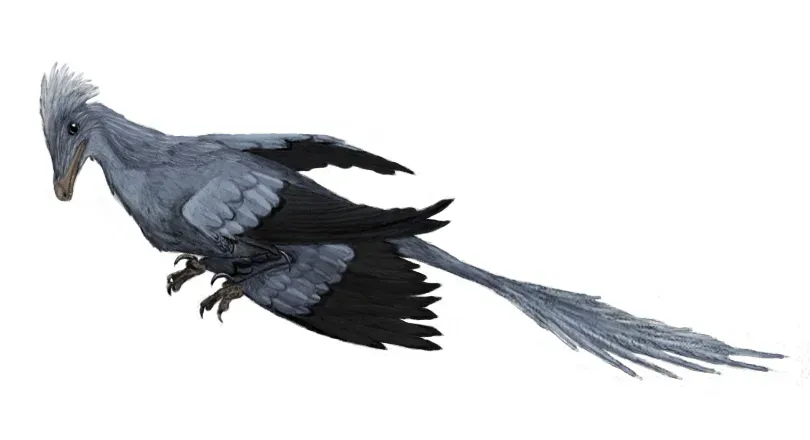
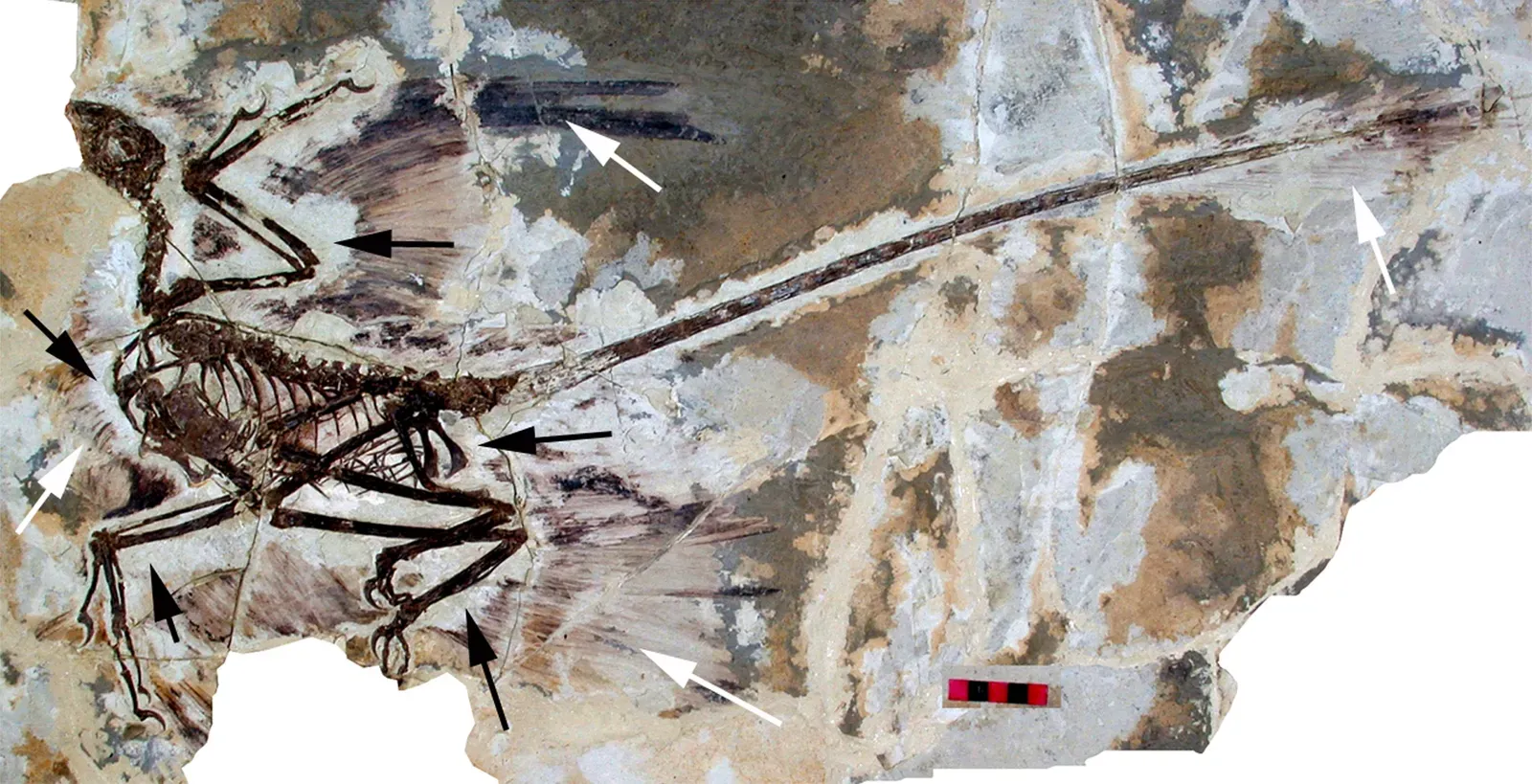
A stunning fossil of the feathery dinosaur Microraptor described in 2003 revealed that it had long, specialized feathers growing from its hind legs as well as its arms, quickly becoming known as the “four-winged dinosaur.” This creature pushed boundaries scientists didn’t even know existed. You’re looking at a dinosaur that challenges our entire understanding of how flight evolved.
Microraptor lived about 125 million years ago, long after the origin of the earliest birds in the Jurassic, yet the dinosaur’s anatomy is marked by a suite of aerodynamic traits, and it represents a different pathway for getting into the air. It’s hard to say for sure what advantage those leg feathers provided, but they clearly served some purpose. Nature doesn’t waste resources on useless features.
Why Feathers if Not for Flight?
Here’s the thing most people get confused about. The leading hypothesis is that the earliest feathers evolved for some form of thermoregulation, basically to help keep the animals warm, and the first feathers didn’t look anything like a modern feather – they looked more like hair, just a monofilament. Flight came much, much later.
Initial analysis of feathers preserved in amber from 75 to 80 million years ago suggests that some of the feathers were used for insulation, and not flight. Fossil feathers have been observed in a ground-dwelling herbivorous dinosaur clade, making it unlikely that feathers functioned as predatory tools or as a means of flight, and some specimens have iridescent feathers that may have provided greater attractiveness to mates. Think about peacocks today. Their elaborate tail feathers have nothing to do with flying and everything to do with showing off.
Not All Dinosaurs Were Fluffy
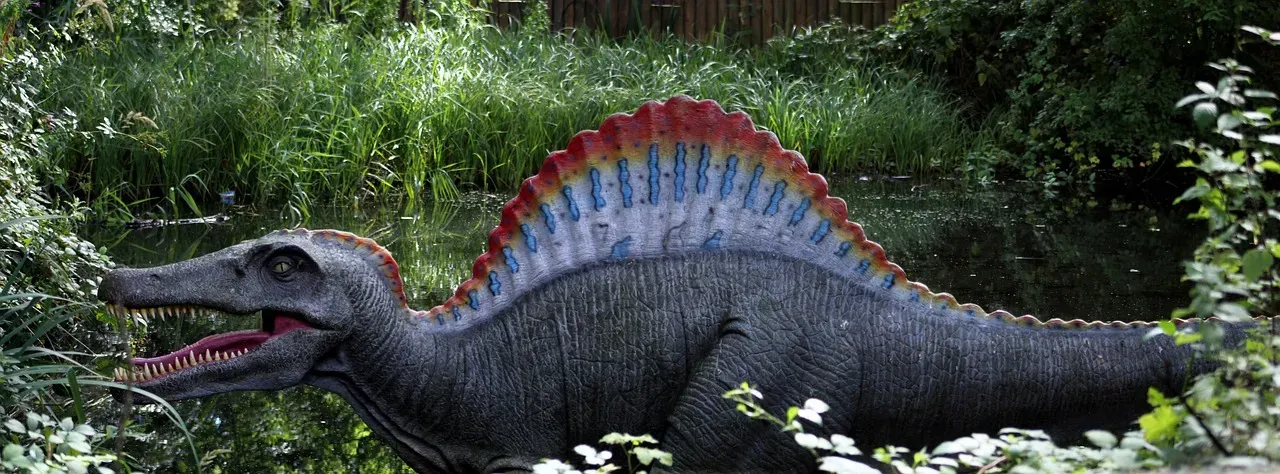
Before you start imagining every dinosaur covered in plumage, hold on. Scientists have really strong evidence that animals like the duck-billed dinosaurs, horned dinosaurs and armoured dinosaurs did not have feathers because they have lots of skin impressions of these animals that clearly show they had scaly coverings. There’s also zero evidence for feather-like structures in the long-necked sauropods.
The major implication of this research is that the earliest dinosaurs were probably primitively scaly like other reptiles, and even when feathered pterosaurs are added to the evolutionary trees, it doesn’t alter these conclusions. So the prehistoric world was a patchwork of both scaly and feathered creatures living side by side. Diversity was the rule, not the exception.
Colors We Never Imagined
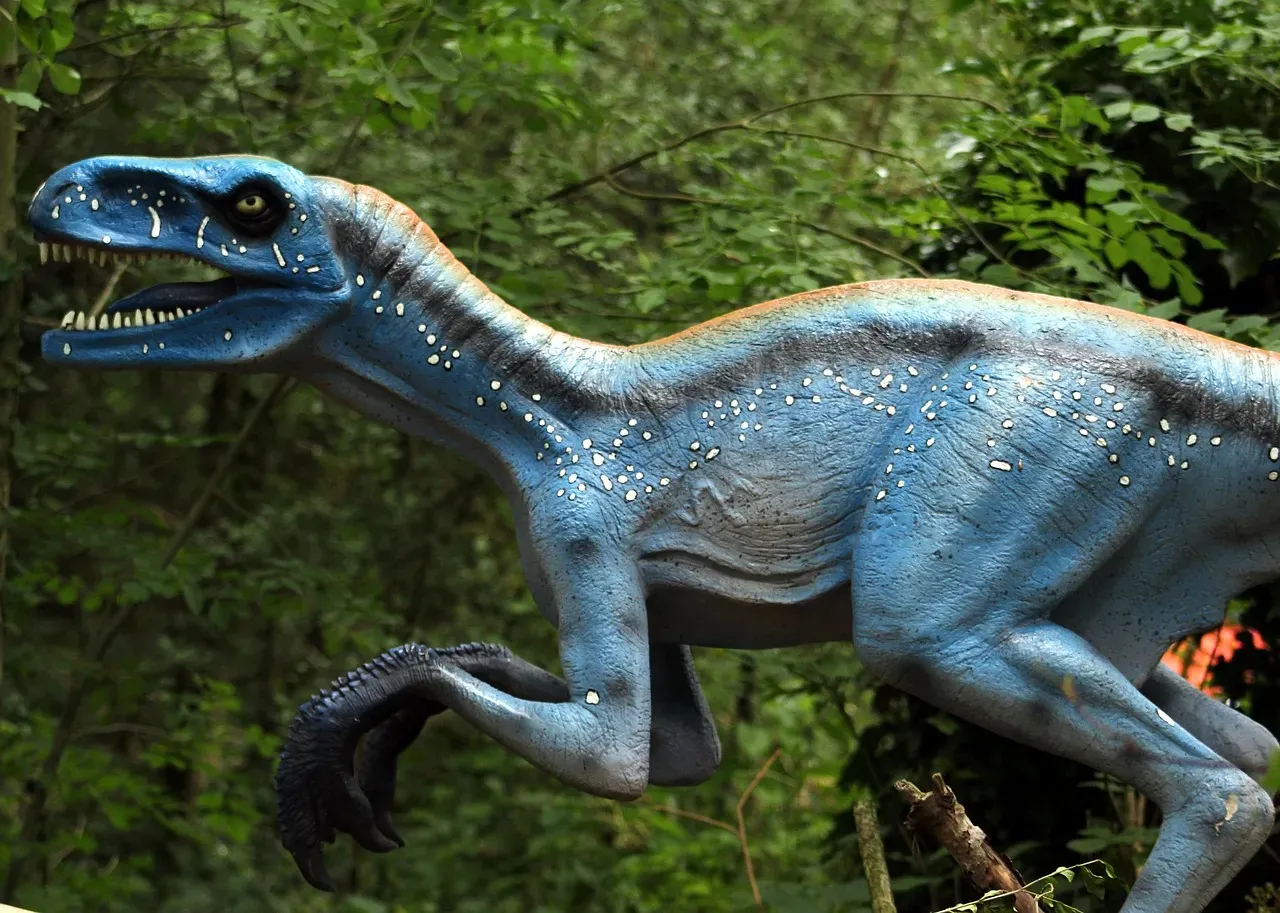
It gets even wilder when you realize scientists can now determine what colors these feathers were. When paleontologists researched what color the feathers of Sinosauropteryx might be, they found that it was rust red with a red and white-striped tail, not unlike today’s red pandas, and the overall color pattern would have helped the dinosaur blend into the undergrowth.
Research on melanosomes preserved in feathered dinosaur specimens has led to reconstructions of the life appearance of several dinosaur species, including Anchiornis, Sinosauropteryx, Microraptor, and Archaeopteryx. These aren’t wild guesses. They’re based on microscopic structures that survived millions of years. Just think about it – we can now see these ancient animals in something close to their true colors.
The Diversity Was Staggering
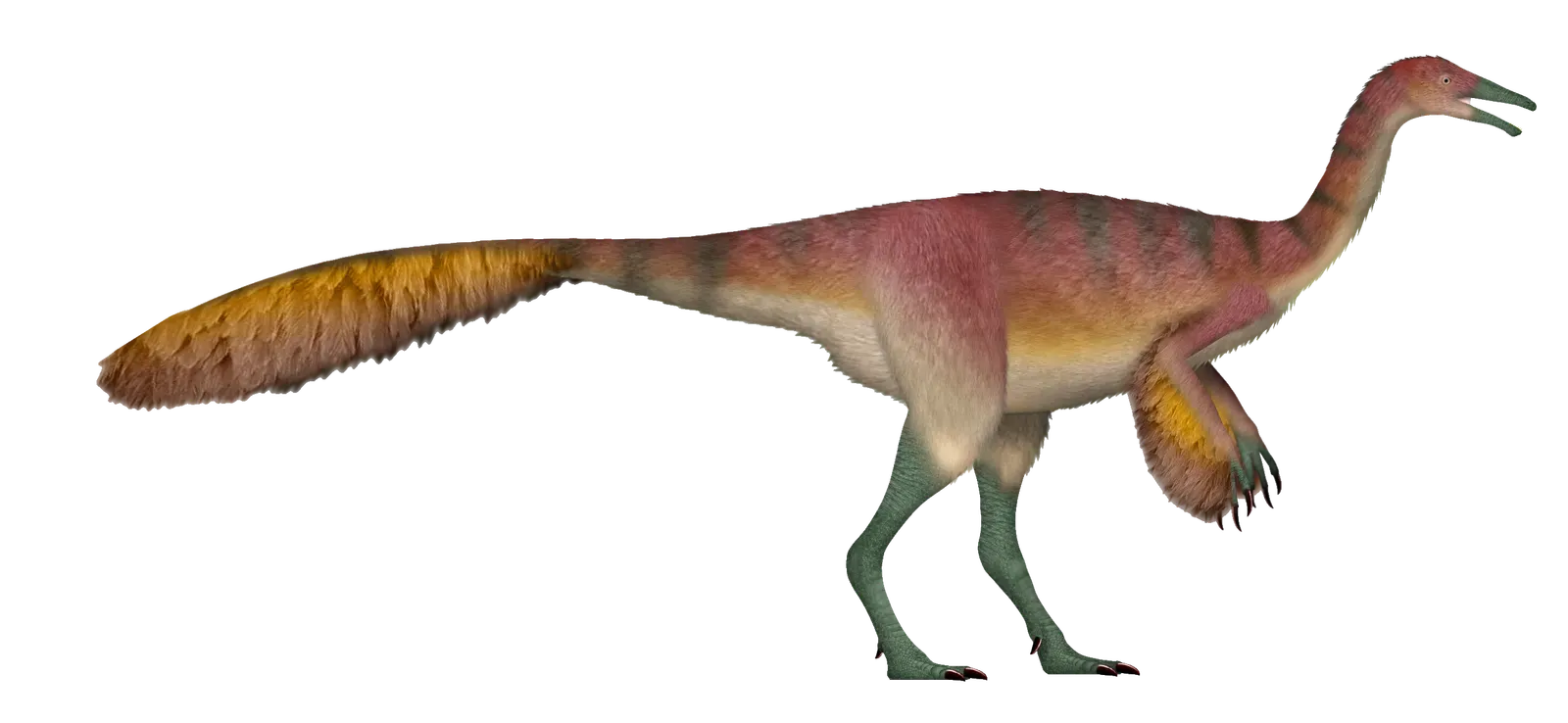
These discoveries have shown a great diversity of feather types: simple fur-like filaments, downy feathers as the ones of baby birds, hollow quills similar to those of a porcupine, big tail fans like those of pheasants, and the usual feathers we see in a chicken today – all present in non-avian dinosaurs. You had everything from fluffy insulation to elaborate display structures.
The newly unearthed ornithischian beaked dinosaur suggests that probably the common ancestor of all dinosaurs had feathers, and feathers are not a characteristic just of birds but of all dinosaurs. This is still being debated among scientists, but the evidence keeps mounting. Whether every single dinosaur species had some form of feathery covering remains an open question, but it’s looking increasingly likely that feathers were far more widespread than anyone imagined even two decades ago.
What This Means for How We See Dinosaurs
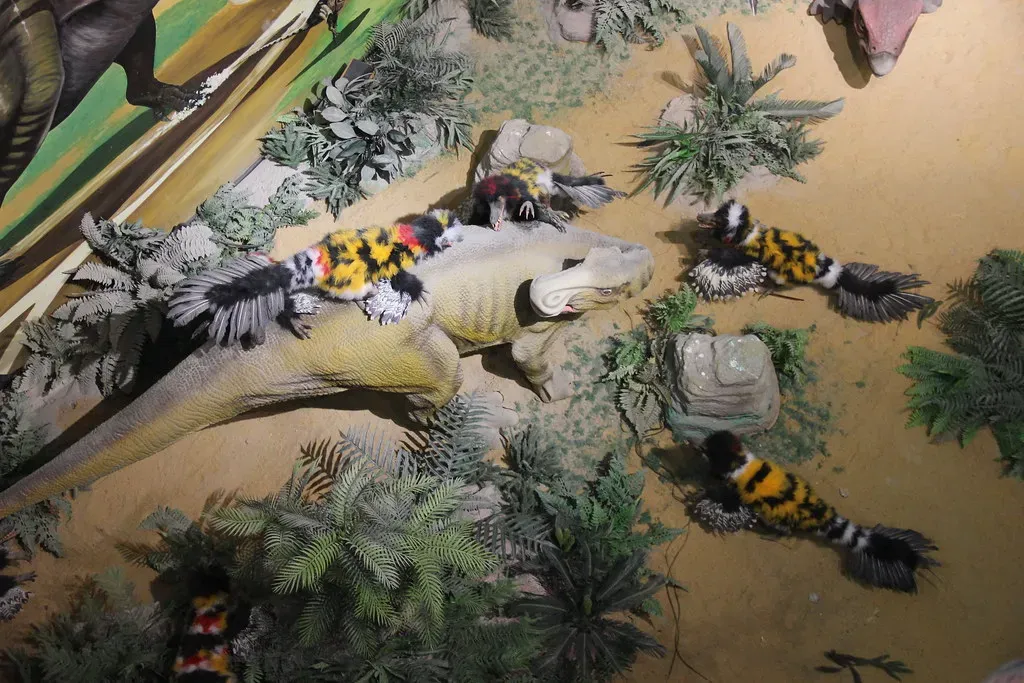
With the advance of imaging technology and the ability to share research across the globe, paleontologists have made leaps in their knowledge of prehistoric animals, changing the popular images we hold about what dinosaurs looked like and how they lived. The scaly monsters of old movies are being replaced by creatures that blur the line between reptile and bird.
As paleontologists learn more about these animals, they find that there is basically no difference between birds and their closely related dinosaur ancestors like Velociraptor. Discoveries like these further blur the distinction between this dinosaur lineage and their modern descendants, and some palaeontologists argue that there is a case for classifying dromaeosaurs as birds. The boundaries we drew between different groups of animals are getting harder to maintain.
You’ve just witnessed how a series of fossil discoveries turned paleontology on its head. Feathered dinosaurs aren’t science fiction or artistic speculation anymore. They’re documented reality, preserved in stone and studied under microscopes. The next time you see a bird at your window, remember you’re looking at a living dinosaur – one whose ancestors survived when all the others perished. What do you think about these feathered giants? Tell us in the comments.