You’ve probably heard of dinosaurs as massive predators or lumbering herbivores, but have you ever imagined them as skilled builders? It turns out these ancient creatures were more than just brute force and sharp teeth. They crafted sophisticated structures that rival some of our modern engineering feats. From intricate nest designs to underground burrows that shielded them from extreme weather, dinosaurs displayed remarkable ingenuity that scientists are only beginning to fully appreciate.
The fossil record has recently unveiled astonishing details about how dinosaurs created their homes, revealing complex behaviors we never suspected. Think about it: these creatures thrived for over 160 million years, which means they had to adapt, innovate, and sometimes construct elaborate shelters to survive through dramatic climate shifts and threats from predators. Let’s dive into the fascinating world of dinosaur architecture and discover how these prehistoric giants were far more sophisticated than we ever imagined.
Buried Nests Built With Climate Control in Mind
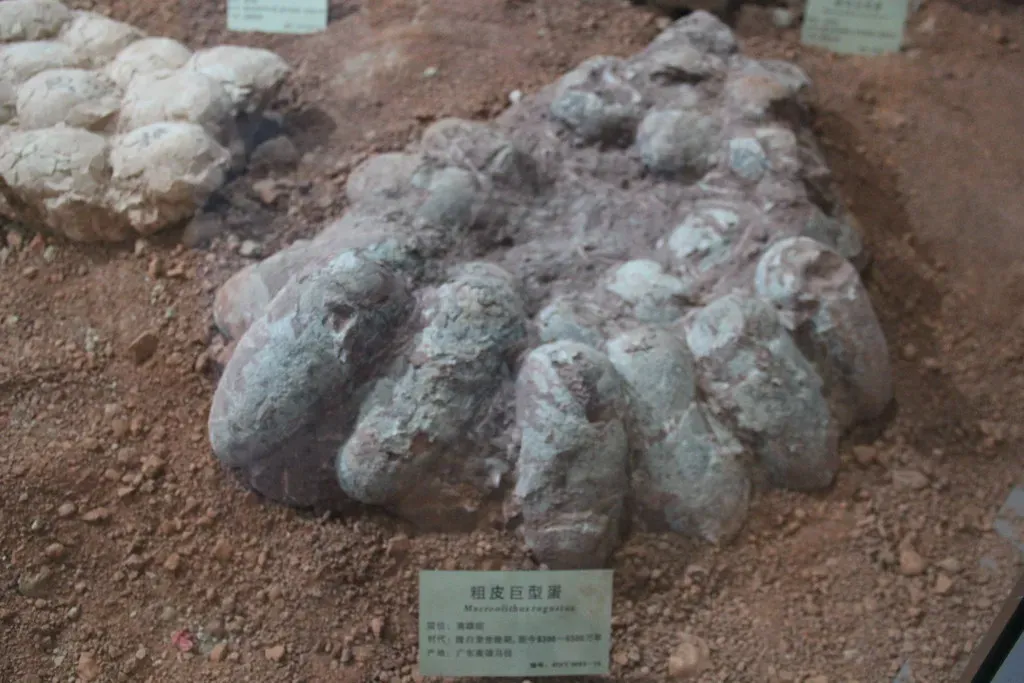
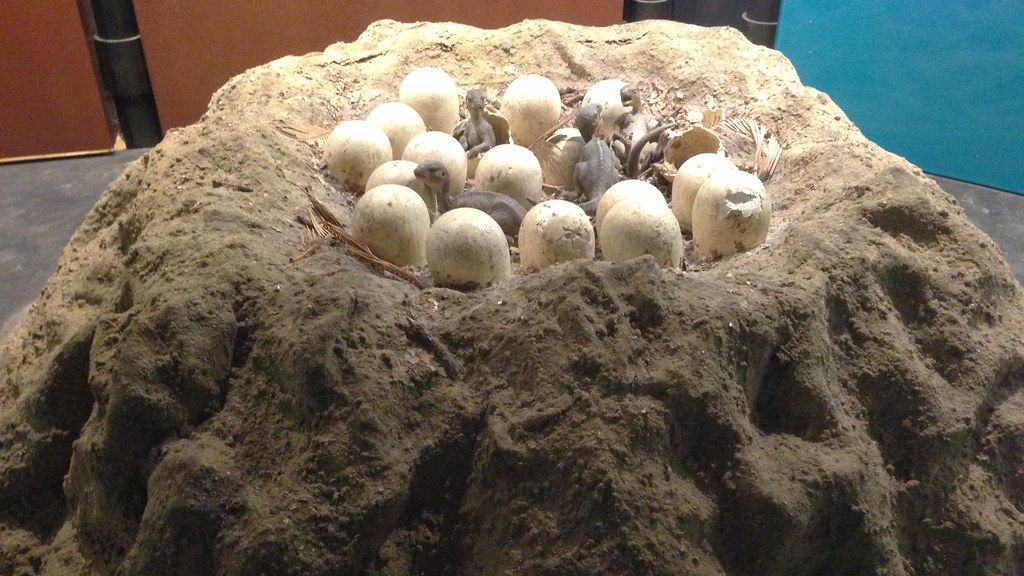
The earliest dinosaurs probably buried eggs below ground and covered them with soil so that heat from the substrate fuelled embryo development. This wasn’t just a random choice. Nests made of plant matter and soil were heated by microbes as they decayed the organic materials around the eggs, making the nests warmer than the surrounding air. This clever technique allowed dinosaurs to reproduce successfully in colder climates where they otherwise might not have survived.
What’s even more impressive is how they engineered these buried structures. Eggs buried in mounds had to be porous, meaning they had tiny holes to allow oxygen in and carbon dioxide out. The dinosaurs somehow understood that their buried offspring needed airflow to breathe, showing a level of foresight that challenges what we thought we knew about these ancient reptiles. A comprehensive look at 29 types of dinosaur eggs suggests that most dinosaurs buried their eggs in nests covered with dirt and vegetation, making this a widespread architectural strategy across many species.
Open Nest Designs That Mirrored Modern Bird Behavior
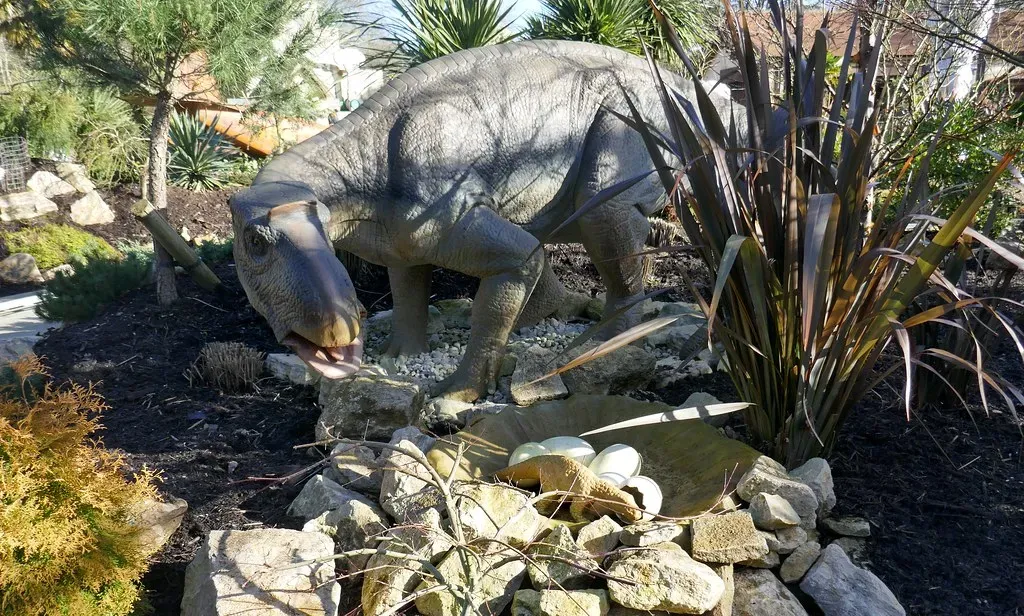
Some small theropods that were closely related to birds used another strategy: They laid their eggs in open nests, much like most birds do today. This evolutionary shift was monumental. Open nesting and brooding may have allowed advanced theropods to incubate eggs in a greater diversity of locations and occasionally away from ground predators, potentially contributing to their evolutionary success.
The transition wasn’t immediate, though. Early open-nesting dinosaurs still partially buried their eggs, and it was probably not until modern-looking birds that open nests with fully exposed eggs came to be. Here’s the thing: this gradual adaptation shows dinosaurs weren’t just following instinct. They were experimenting with different architectural approaches, testing what worked best for their particular environments and body types. Honestly, it’s hard not to be impressed by that level of evolutionary innovation.
Complex Communal Nesting Sites Spanning Multiple Generations
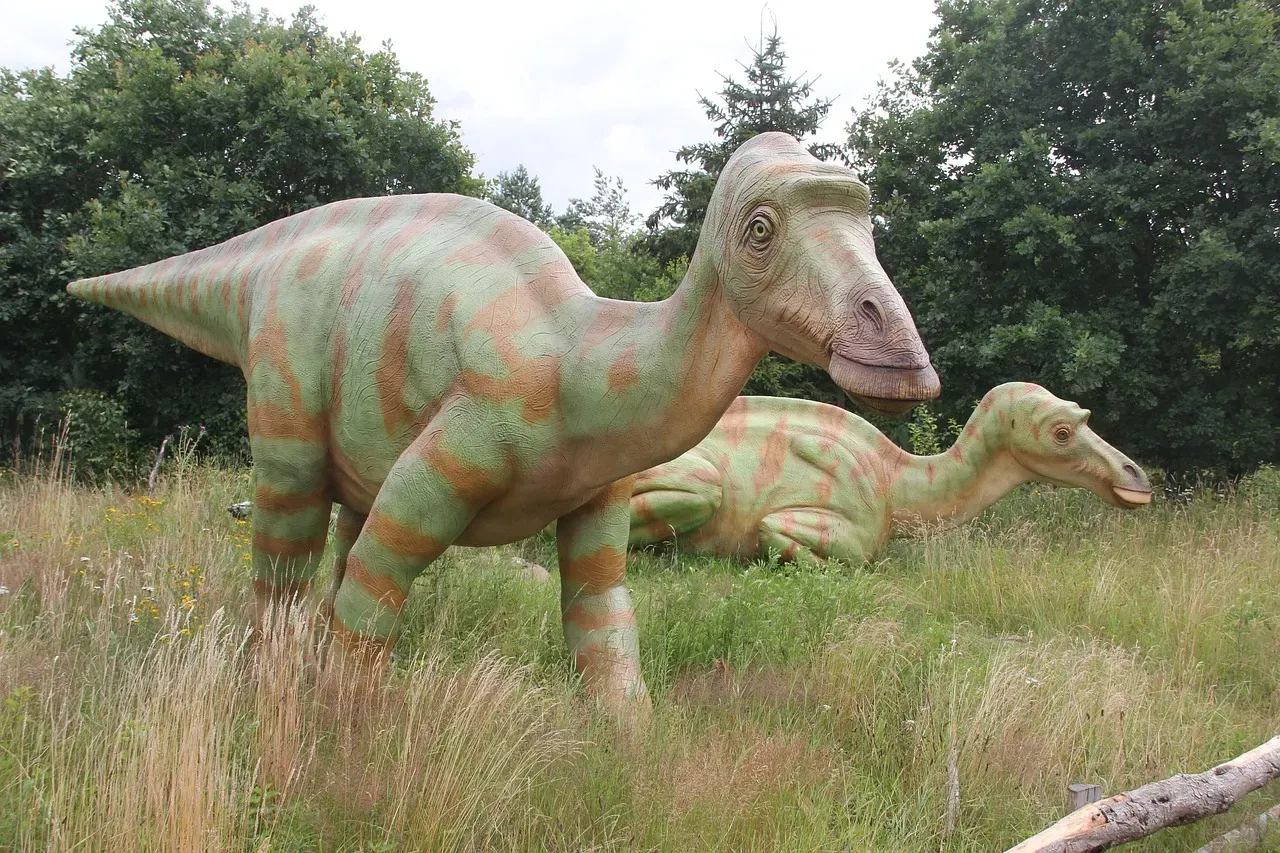
The presence of numerous clutches of eggs in at least four distinct horizons within a small area provides the earliest known evidence of complex reproductive behavior including site fidelity and colonial nesting. Picture this: dinosaurs returning year after year to the same nesting grounds, building their homes side by side with their neighbors. These early dinosaurs returned repeatedly to nesting sites and likely assembled in groups to lay their eggs, the oldest known evidence of such behavior.
The scale of some of these sites is breathtaking. At least 10 nests have been discovered at several levels at some sites, each with up to 34 round eggs in tightly clustered clutches. The close proximity of nests indicated these dinosaurs nested in groups, and examination of fossils suggested they cared for their young after they hatched. This wasn’t just construction – it was community planning. These nesting colonies suggest dinosaurs had social structures far more complex than we once imagined, with cooperation and shared responsibility for protecting the next generation.
Underground Burrows That Sheltered Families From Harsh Climates
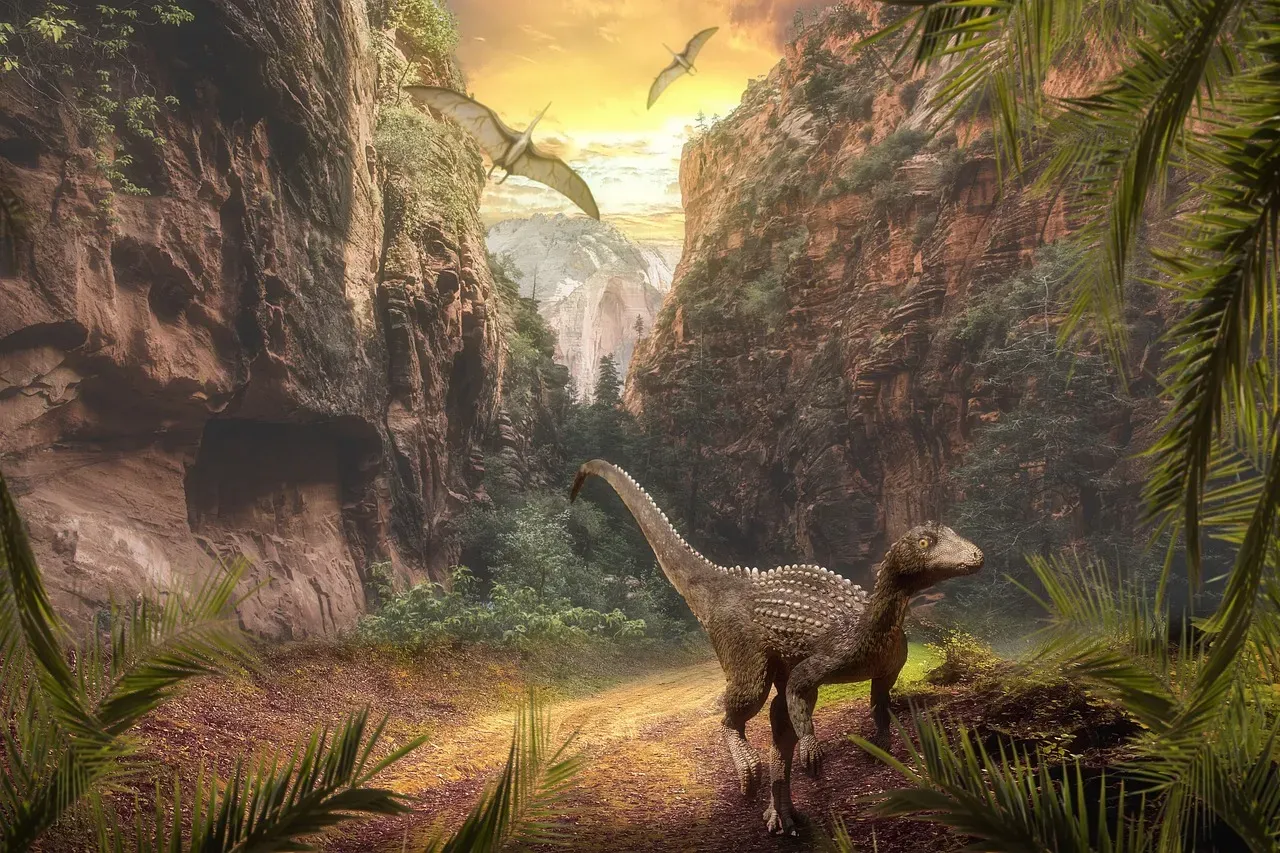
Burrows found in Australia and Montana show that some small, herbivorous dinosaurs dug out cozy little resting places in the cool earth. Let’s be real: when you think of dinosaurs, you probably don’t picture them digging tunnels like prairie dogs. Yet that’s exactly what some species did. Burrowing dinosaurs, such as Oryctodromeus, have captivated researchers with their intricate tunnel systems, which were designed to provide protection, shelter, and even nurseries for their young.
The engineering involved was sophisticated. One burrow measured two metres in length and 30 centimetres across, spiraling down to a large chamber. These burrows help explain how dinosaurs managed extremes in climate, suggesting that dinosaurs of different species, on different continents, in different hemispheres may have engaged in similar living habits. It sounds crazy, but these underground homes likely saved countless dinosaurs from temperature extremes that would have otherwise killed them. The burrows functioned as natural climate control systems, keeping inhabitants cool during scorching heat and warm during freezing cold.
Strategic Egg Arrangement and Brooding Techniques
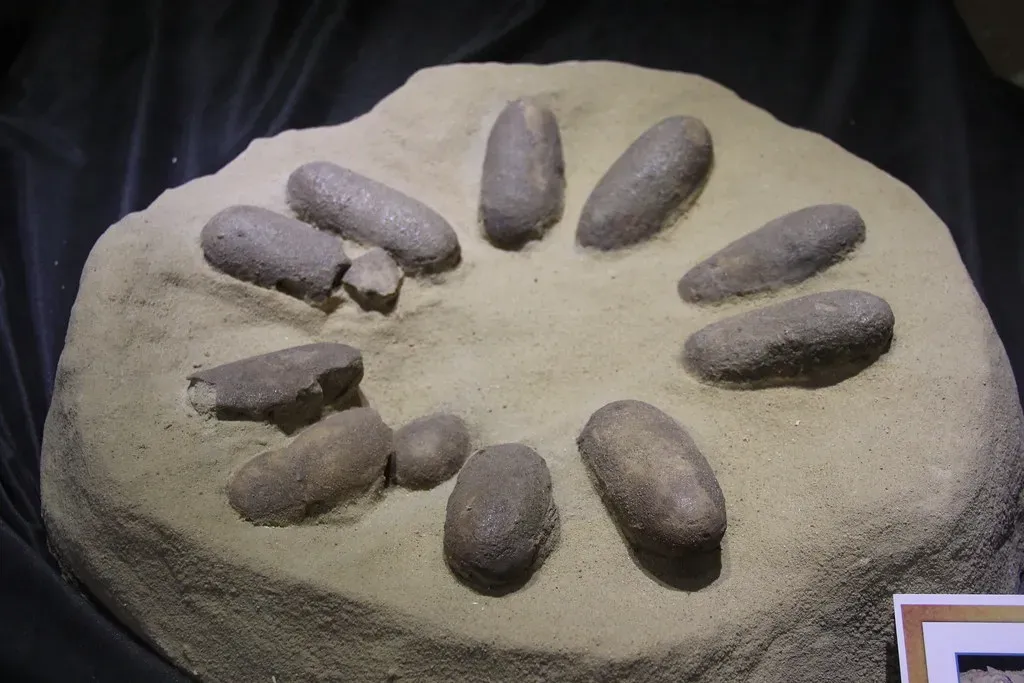
The spectacular nesting Citipati fossil provides remarkable evidence of how these dinosaurs incubated their eggs, with the large adult skeleton preserved at the center of a ring of eggs, with its arms wrapped around the precious clutch. This frozen moment in time shows us something remarkable: dinosaurs didn’t just lay eggs and walk away. They actively protected and nurtured their offspring, positioning themselves in ways that maximized warmth and protection.
The mother would have to stay with or return to the nest, lay her pair of eggs, arrange them carefully in the circle, and bury them appropriately every day for two weeks to a month. Think about the dedication that required. These weren’t mindless beasts – they were devoted parents who invested significant time and energy into ensuring their eggs were positioned perfectly for optimal development. Nests spanning several meters in diameter featured a complex network of interconnected chambers and ventilation shafts, designed to maintain optimal temperature and humidity, showing architectural planning that would impress modern engineers.
Reinforced Nest Structures Using Natural Materials
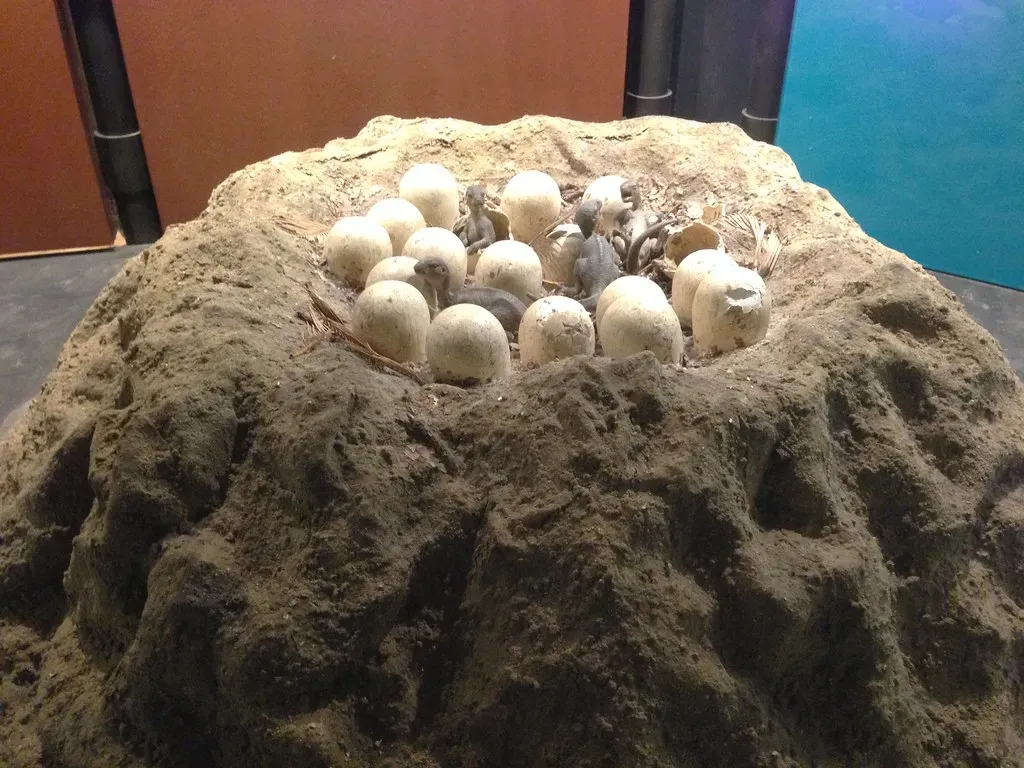
I know it sounds incredible, but some dinosaurs actually reinforced their nests with available materials. Excavations of Tyrannosaurus rex nesting sites revealed the use of advanced construction techniques, including combinations of mud, sticks, and even bone fragments to create sturdy, weatherproof nests. Yes, you read that correctly – even the fearsome T. rex took time to carefully construct protective homes for their vulnerable offspring.
These nests were often strategically positioned on elevated terrain, providing a clear vantage point for the predators to watch over their hatchlings. The selection of building materials and locations wasn’t random. Dinosaurs evaluated their surroundings and made deliberate choices about where and how to build. Some theropod species built their nests in sheltered areas, such as rock overhangs or dense vegetation, while others positioned nests strategically to take advantage of solar radiation, ensuring optimal incubation conditions. This kind of environmental awareness suggests cognitive abilities we’re only beginning to understand.
Species-Specific Architectural Innovations Across Continents
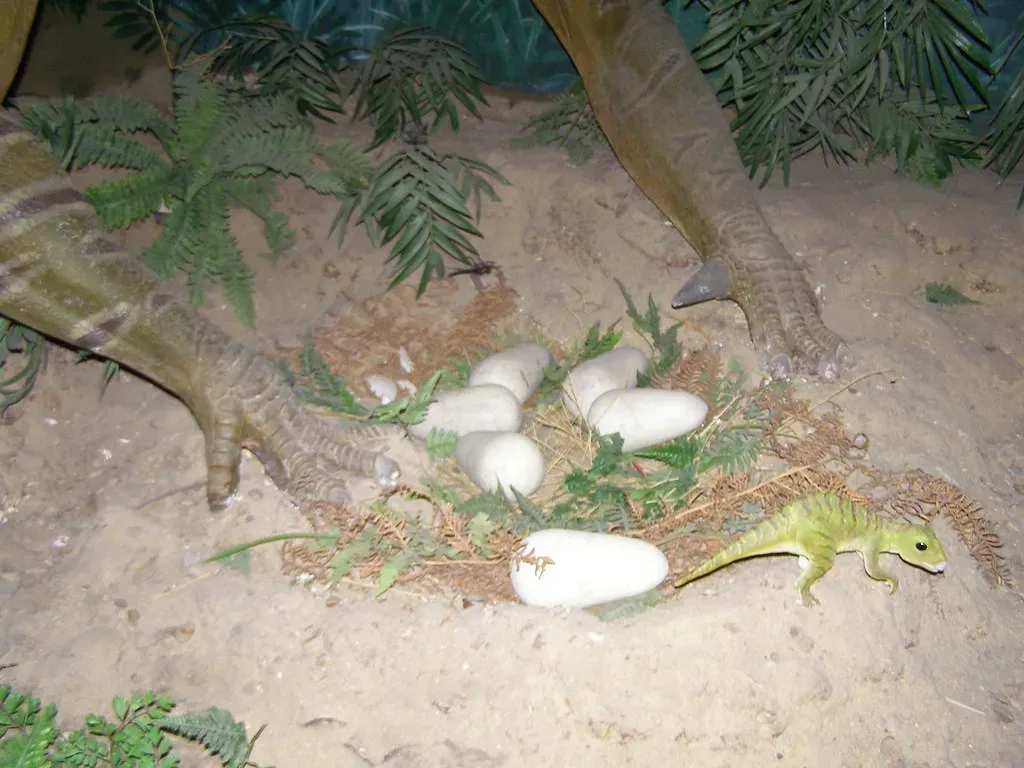
A fossil nesting site discovered in the Upper Cretaceous Javkhlant Formation of the eastern Gobi Desert preserves at least fifteen egg clutches laid by a probable non-avian theropod. What makes this discovery fascinating is that similar architectural patterns have been found across multiple continents, suggesting different dinosaur species independently developed comparable building techniques. The most well-preserved nest contains ten eggs displaying a bowl-shaped arrangement, suggesting titanosaurid sauropods likely excavated the ground using their hind feet.
Different species developed unique solutions to common problems. Creating underground refuges could help explain why small plant-eaters were able to survive and thrive in landscapes full of large predators and harsh weather, making sense as an adaptation for surviving in environments with big predators, fires, storms, heat, cold, or any other stresses. Whether they lived in tropical forests or arid deserts, dinosaurs adapted their building techniques to match their specific environmental challenges. The diversity of architectural approaches across species reveals just how adaptable and intelligent these creatures truly were.
Conclusion: Rethinking Dinosaur Intelligence and Capability
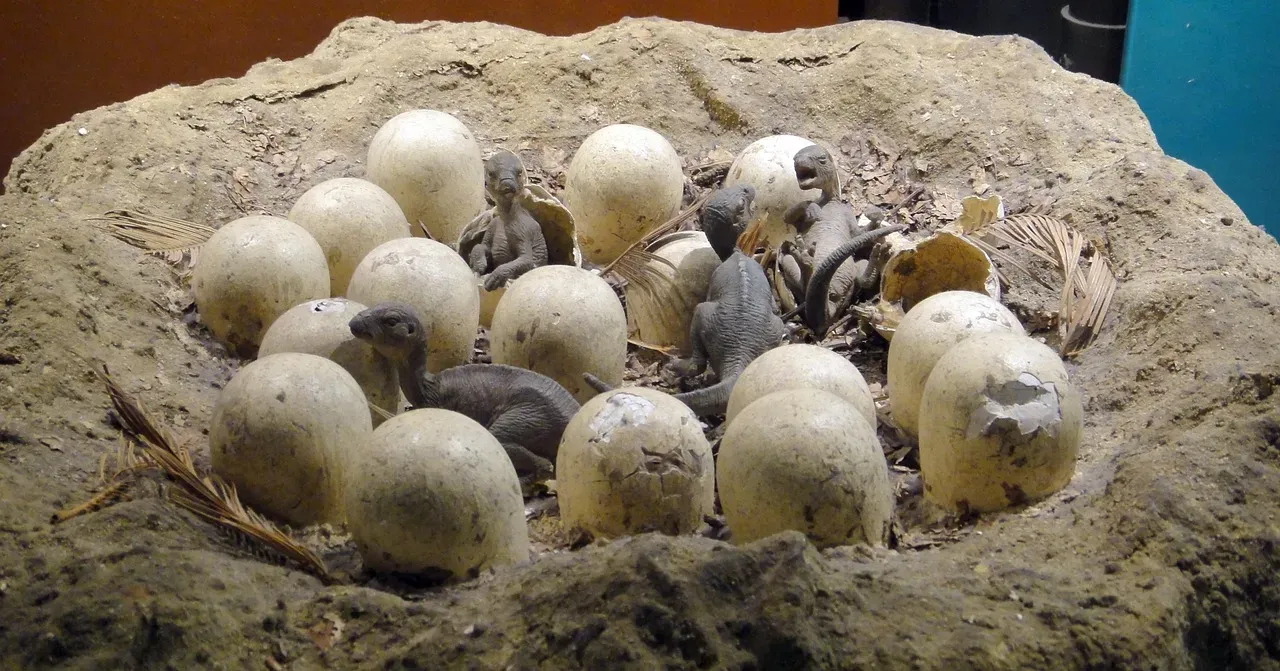
The architectural achievements of dinosaurs force us to completely rethink our understanding of these ancient creatures. They weren’t simple, instinct-driven animals mindlessly wandering their prehistoric landscapes. The evolutionary trend among extant birds and their ancestors has been toward the evolution of greater cognitive abilities to construct in a wider diversity of sites and providing more care for significantly fewer offspring. These master builders demonstrated planning, environmental awareness, problem-solving abilities, and even community cooperation.
From climate-controlled buried nests to reinforced structures positioned for maximum protection, dinosaurs showed engineering prowess that helped them dominate Earth for over 160 million years. Their architectural legacy lives on today in their avian descendants, who continue to build remarkable nests using techniques first pioneered by their prehistoric ancestors. Next time you see a bird constructing its nest, remember you’re witnessing an architectural tradition that stretches back hundreds of millions of years. What other secrets about dinosaur behavior might still be hiding in the fossil record, waiting for us to discover them?