Imagine looking up at the sky and seeing something that blots out the sun. Not a cloud, not a plane, but a bird so massive that your mind struggles to process what you’re witnessing. Sounds impossible, right? Yet millions of years ago, creatures this extraordinary actually existed.
The skies of prehistoric Earth weren’t just filled with the ancestors of today’s sparrows and robins. They hosted giants that would make our largest modern birds look like toys by comparison. We’re talking about wingspans stretching longer than most cars, bodies heavier than adult humans, and flight capabilities that defy what we think is possible for living creatures.
Meet Pelagornis Sandersi: The Record Holder

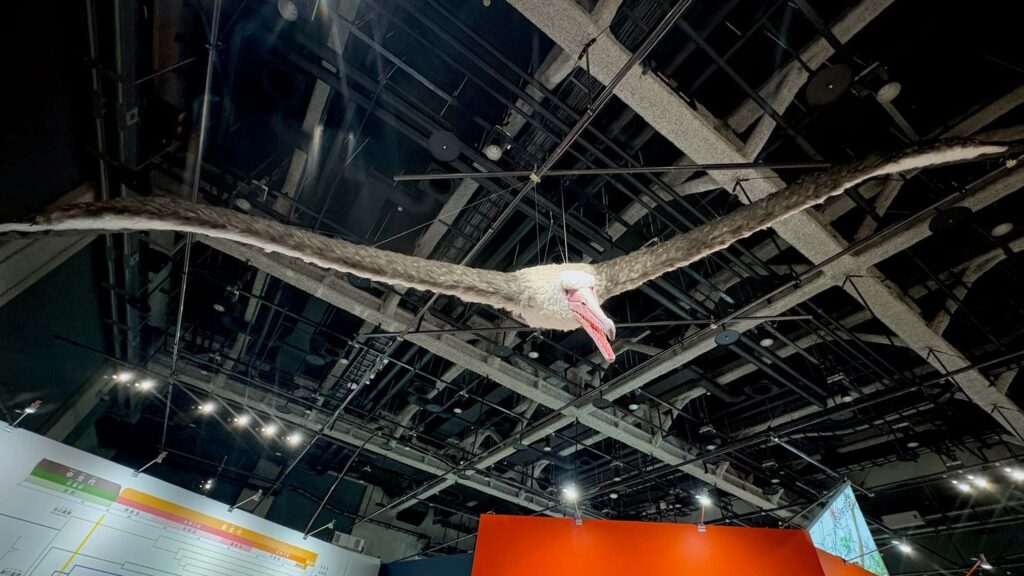
Soaring above ancient oceans roughly 25 million years ago, the largest seabird ever to fly boasted a wingspan reaching 21 feet. This bird, known as Pelagornis sandersi, possessed wings estimated between approximately 6.06 and 7.38 meters, giving it the largest wingspan of any flying bird yet discovered. To put that in perspective, that’s roughly the length of a stretch limousine.
The only known fossil was first uncovered in 1983 at Charleston International Airport in South Carolina by construction workers, and remained in storage at the Charleston Museum until paleontologist Dan Ksepka rediscovered it in 2010. Sometimes the most remarkable discoveries are hiding in plain sight, waiting for the right person to recognize their significance. This wingspan was twice the size of the largest wingspan of any living bird today.
Those Weren’t Actually Teeth

Here’s where things get weird. Pelagornis sandersi belonged to a family of extinct birds with bony projections from their beaks that were good for spearing prey. Picture a bird with what looks like a mouthful of sharp teeth jutting from its beak, except they weren’t real teeth at all.
These creatures belonged to the ancient order Odontopterygiformes, and their toothlike projections functioned much like mammalian teeth. It’s hard to say for sure, but these false teeth probably gave them a serious advantage when catching slippery fish from the ocean surface. The whole setup must have looked absolutely terrifying if you were on the receiving end.
How Did Something So Large Actually Fly

Let’s be real, when you first hear about a bird with a wingspan the length of a small airplane, your brain immediately asks the obvious question. At between 21.9 and 40.1 kilograms, scientists initially thought this species would be too heavy according to the predominant theory of how birds fly. The math just didn’t seem to add up.
The bird had paper-thin hollow bones, stumpy legs, and giant wings, but its size exceeded what some models suggested were the theoretical limits for flying birds. Researchers believe these birds waited on beaches for strong winds to carry them aloft. Once airborne though, they were masters of their domain. By riding on air currents that rise up from the ocean’s surface, the bird was able to soar without flapping its wings.
Life Over the Ancient Oceans
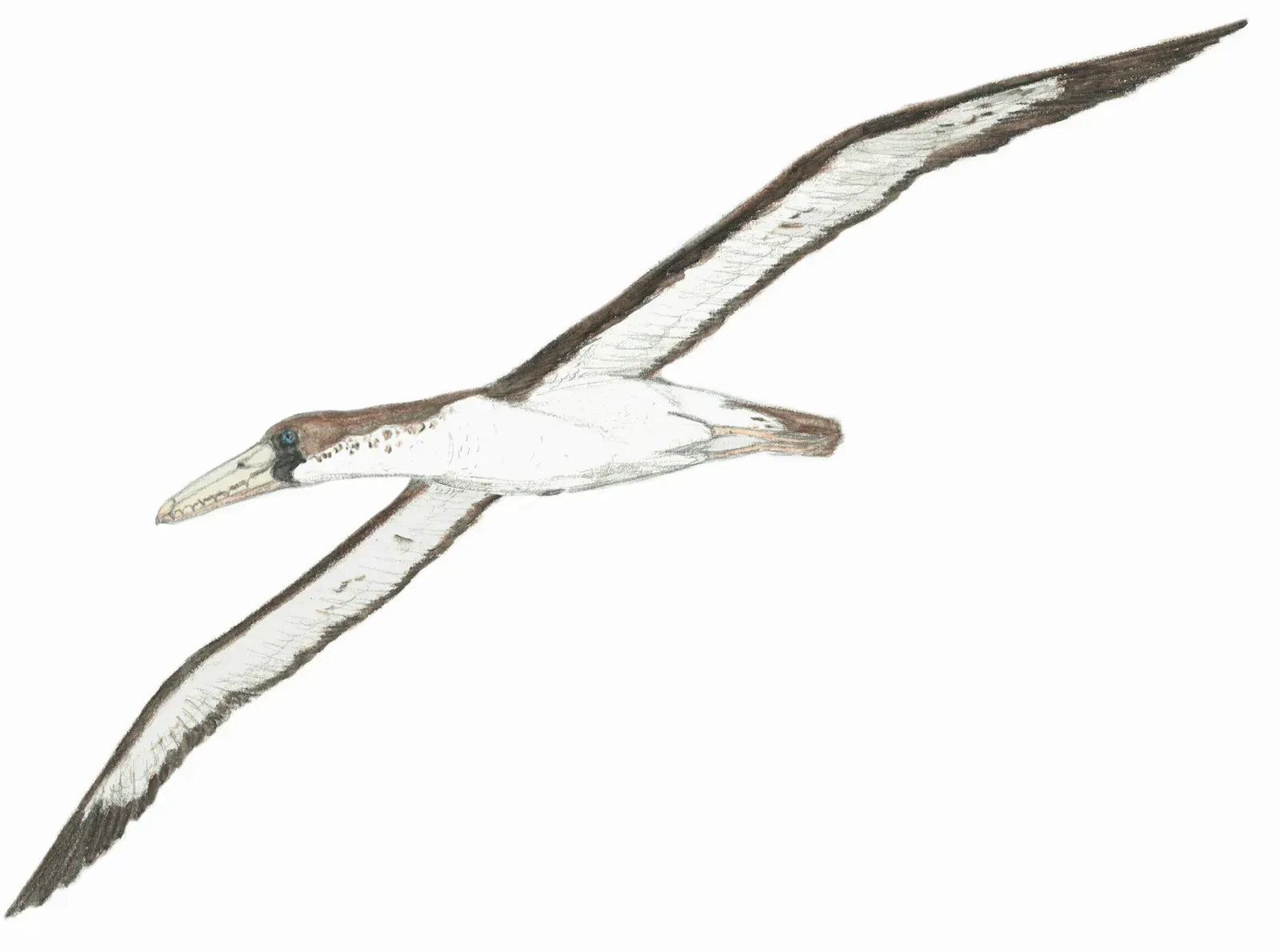
The fossilized specimen is roughly 25 million years old, and like modern long-winged gliders, this bird was probably pelagic and spent its time cruising ancient oceans. Think about that for a moment. This creature basically lived its entire adult life in the air above open water.
Once it reached adulthood, it may have been able to live flying over the ocean for most of the year, coming back to land only to nest, flying for thousands of kilometers annually. That’s an existence we can barely comprehend. The ancient seabird may have soared just above the ocean waves for long distances, rather than ascending air currents to maintain high altitudes. You’d spot your prey from just above the surface, snatch it up, and continue on your endless journey across the prehistoric seas.
The Other Giant: Argentavis Magnificens
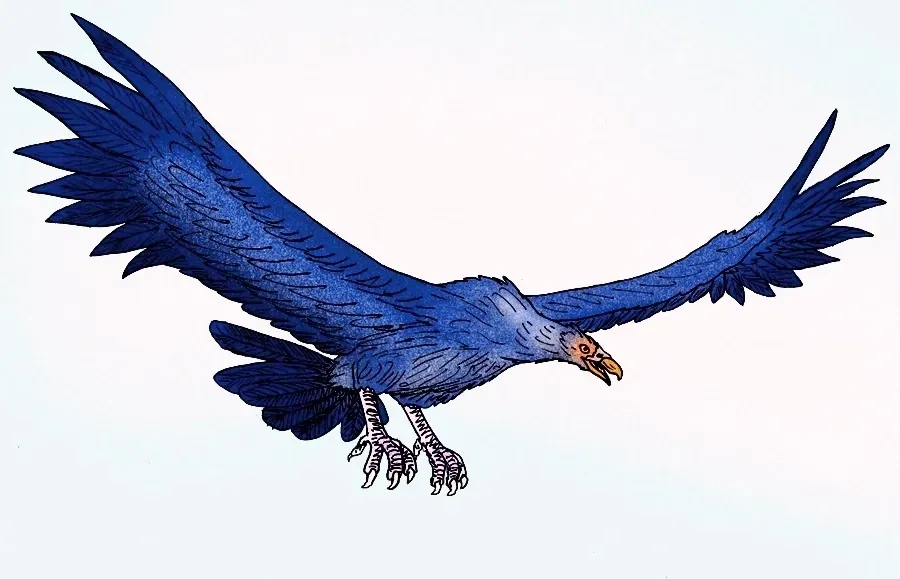
Pelagornis wasn’t alone in the realm of colossal birds. The South American teratorn Argentavis magnificens lived 6 to 8 million years ago and had a wingspan reaching 7.6 meters. While it may have been surpassed in wingspan, Argentavis still retains the title of the heaviest known flying bird, estimated to have weighed between 21.9 to 40.1 kilograms for Pelagornis but 70 to 72 kilograms for Argentavis.
It weighed in at 70 kilograms and had a wingspan of about 7 meters, roughly the same size as a Cessna 152 light aircraft. This wasn’t a seabird gliding over oceans but rather a terrestrial predator soaring over the ancient pampas of Argentina. Argentavis was a master glider, capable of soaring for great distances at a shallow angle, continually reshaping its wings to control its glide. The sheer power and grace of such a massive creature must have been breathtaking.
Why Don’t We Have Giants Like This Today
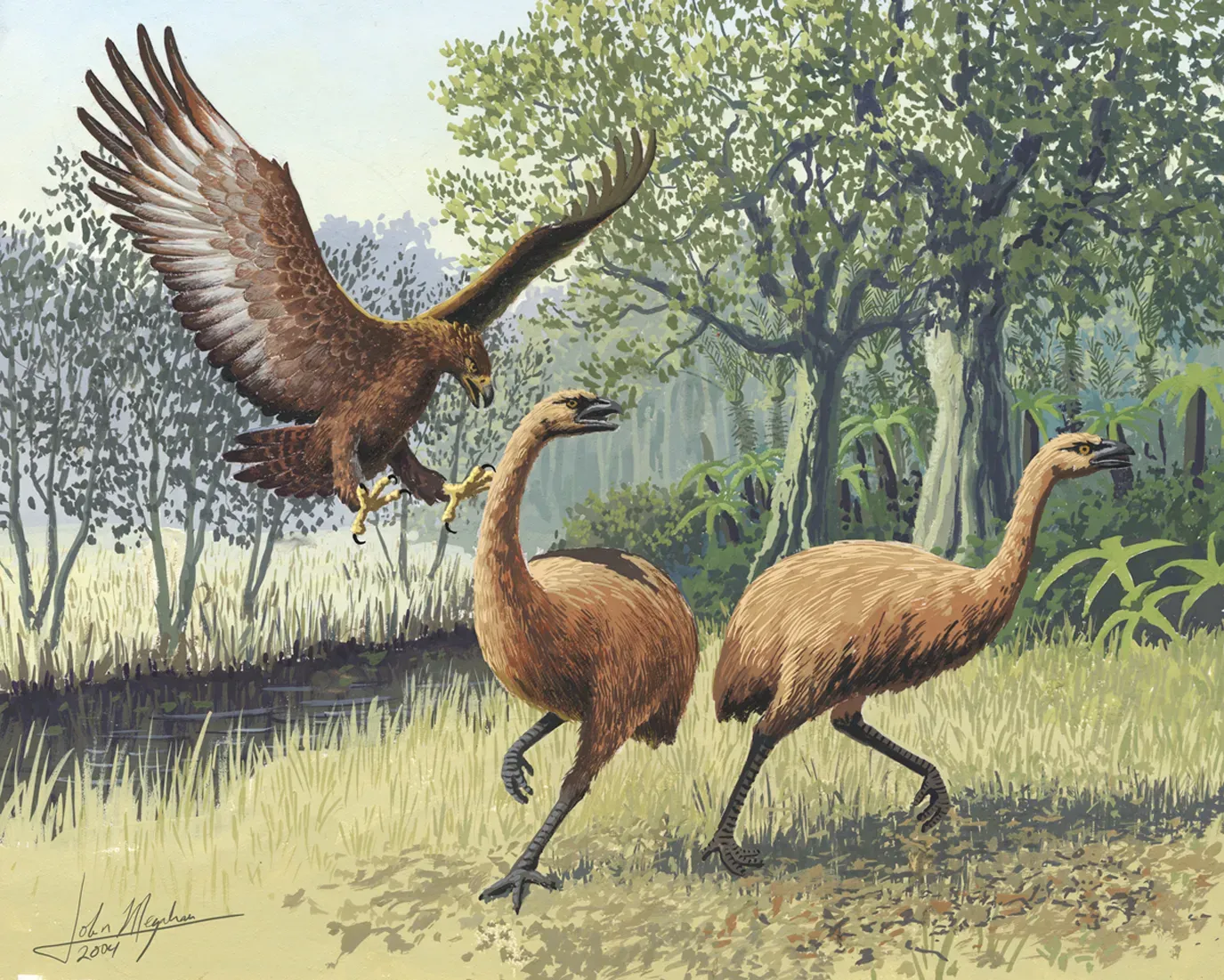
So where did they all go? These giant birds occurred all over the globe for tens of millions of years but vanished during the Pliocene, just three million years ago, and paleontologists remain uncertain about the cause of their demise. It’s one of those mysteries that keeps scientists up at night.
The late Miocene’s climate may provide the answer, as Argentina was much hotter and drier six million years ago, providing the weather needed for generating powerful thermals to lift such large birds. Climate change, shifting ocean currents, changes in prey availability, or competition from other species might all have played roles. Sometimes evolution gives and then takes away, and we’re left with only fossils to tell us what once soared above.
What This Tells Us About the Limits of Flight

These prehistoric giants challenge everything we thought we knew about the upper limits of avian flight. According to scaling theory, extremely large birds cannot fly because the power they need surpasses their muscle capacity, with some researchers calculating this upper limit around 17 feet. Yet here we have clear evidence of birds exceeding those limits.
Larger sizes lead to greater soaring efficiency, as longer wings reduce the relative size of wingtip vortices, reducing drag and thereby improving glide ratio. Nature found a way around the problem by perfecting the art of gliding rather than relying on powered flight. It’s a reminder that when we think we understand the rules, the natural world shows us there are always exceptions, loopholes, and creative solutions we haven’t considered. These birds pushed the absolute boundaries of what was physically possible for a flying animal, and they succeeded for millions of years.
What would you have felt if you’d witnessed one of these giants soaring overhead? The fossil record keeps surprising us with creatures that seem almost too incredible to be real.