Picture a living tank with bony plates covering its entire body, spikes jutting from its shoulders, and a massive club at the end of its tail. You’re not imagining some mythical creature from a fantasy novel. This beast actually roamed the earth millions of years ago, and its armor was so formidable that even the most fearsome predators thought twice before attacking. When you consider that it lived alongside Tyrannosaurus rex, one of history’s most powerful predators, you start to appreciate just how impressive this defensive system must have been.
The story of armored dinosaurs is fascinating because it reveals nature’s incredible ability to engineer solutions for survival. Let’s dive into the world of the most heavily defended herbivore that ever existed.
The Ultimate Body Armor: Osteoderms Explained
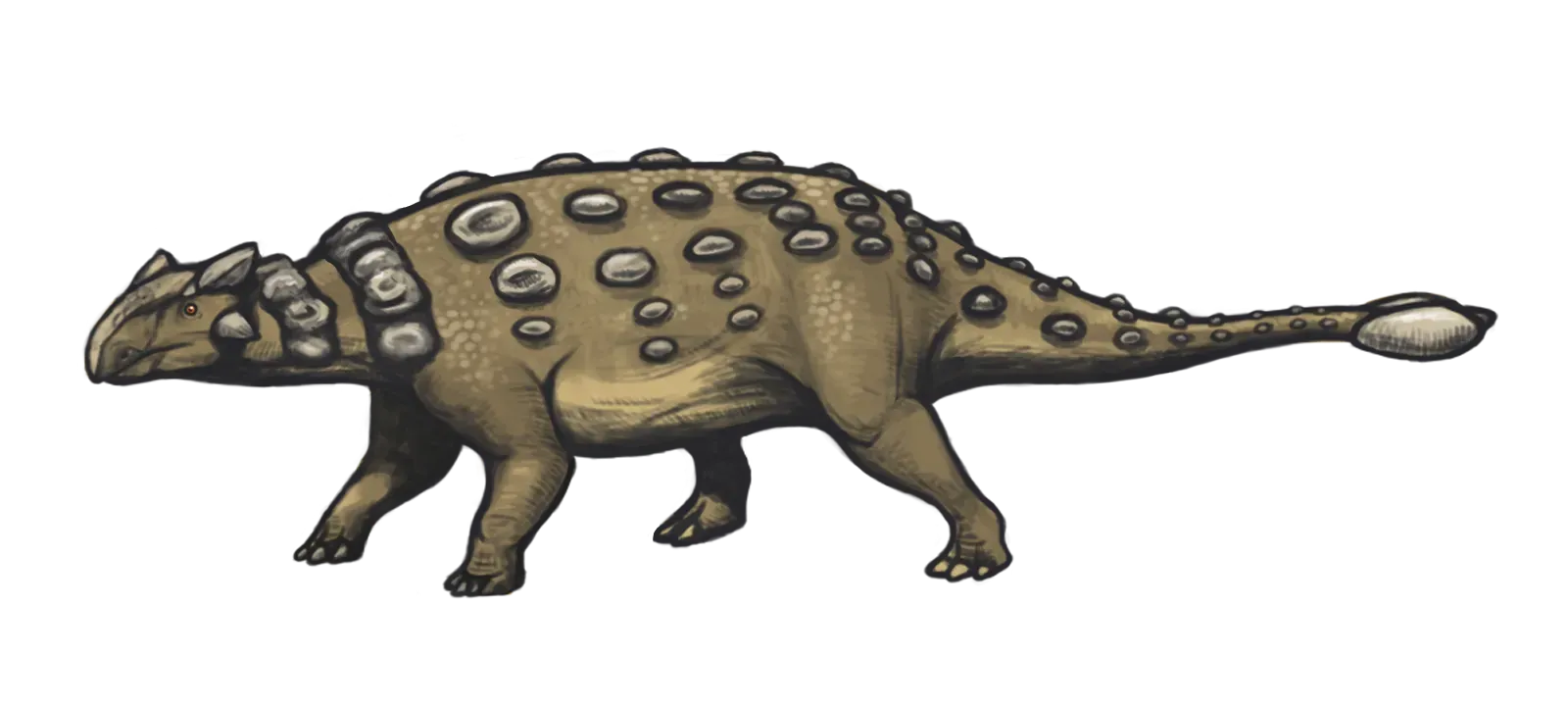
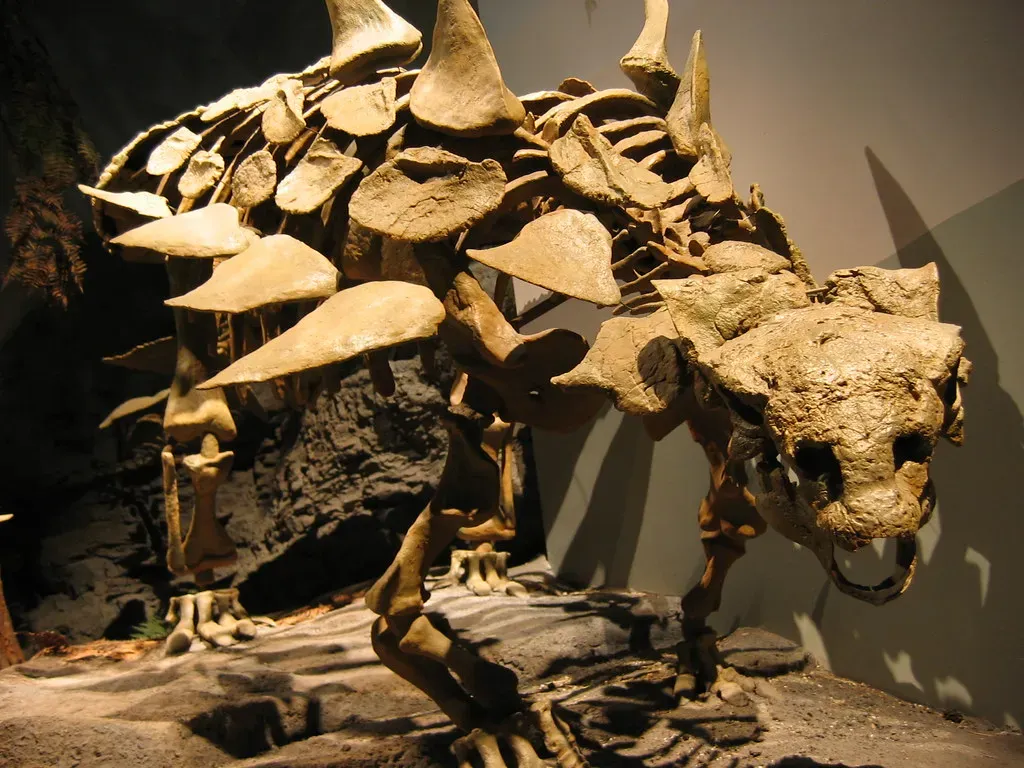
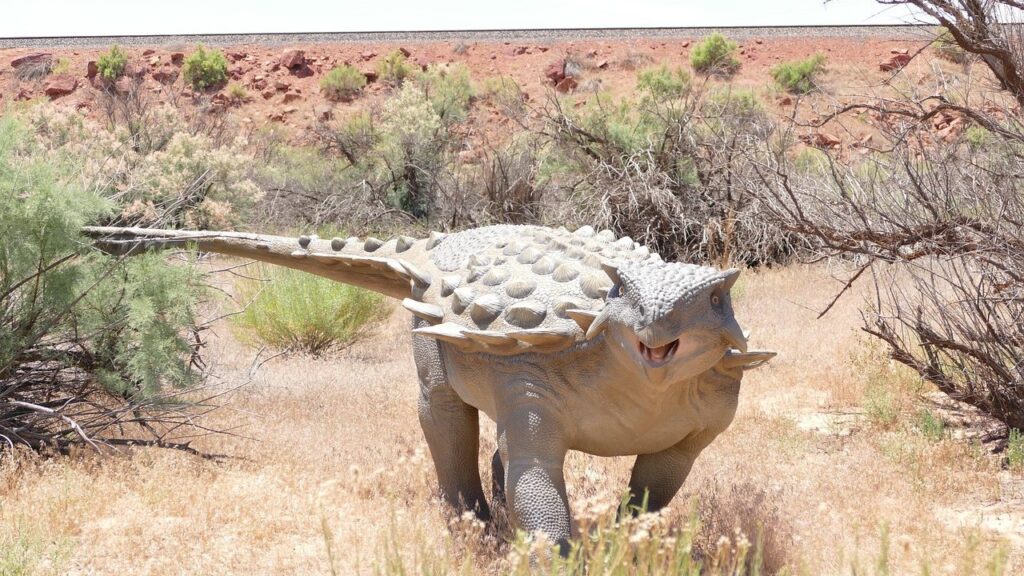
The extensive presence of osteoderms and bony deposits formed plates, scutes, and other structures in the skin of Ankylosaurus, providing a nearly impenetrable bony cover that offered significant protection against threats and predators. Think of these as nature’s version of medieval plate armor, except they were actually part of the animal’s body. These osteoderms were composed of bone and formed a continuous shield over much of the animal’s body.
What makes this armor truly remarkable is its construction. The armor was an exceptionally tough bone-keratin composite, with thick outer keratin doing the heavy lifting as the surface taking hits. Imagine having a self-healing shield that could absorb tremendous amounts of energy without causing you pain. Any damage to the keratin when animals came to blows would have been trivial with no bloodshed or pain, while the bone core wrapped in skin tissues provided strength and produced keratin, sensing hits and replacing losses to create rugged, self-repairing armor capable of absorbing immense amounts of energy.
More Than Just Bone: The Keratin Discovery
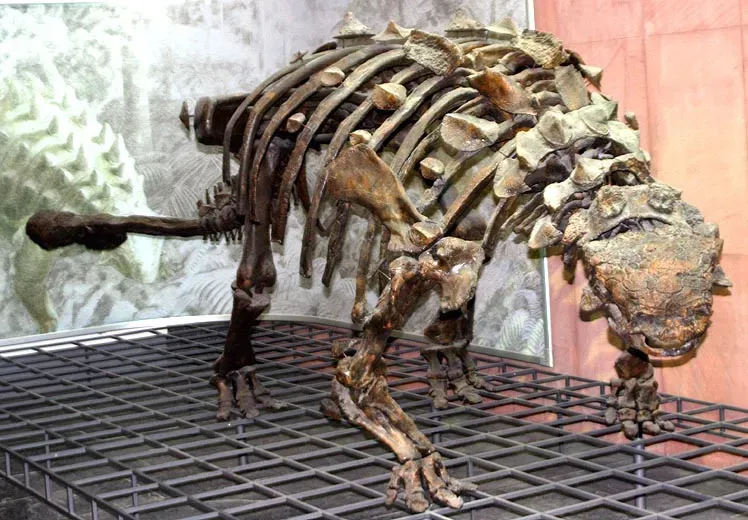
For years, scientists believed they understood dinosaur armor. They were wrong. Upon analysis of Borealopelta, researchers discovered the preserved keratin in the fossil increased the armor plates’ sizes by up to 40%, much more than previously imagined. This was a game-changer in how we understood these creatures’ defenses.
Before the discoveries of Zuul and Borealopelta fossils, scholars had deduced that bony armor pieces called osteoderms on the likes of Ankylosaurus and Stegosaurus were just cores of bone supporting an outer covering made of keratin, and the new specimens confirmed this speculation. It’s hard to say for sure, but this discovery suggests these animals were even more heavily protected than anyone imagined. The keratin layer wasn’t just a thin coating either. It was a substantial addition that dramatically increased the size and effectiveness of the defensive structures.
Even the Eyes Had Protection
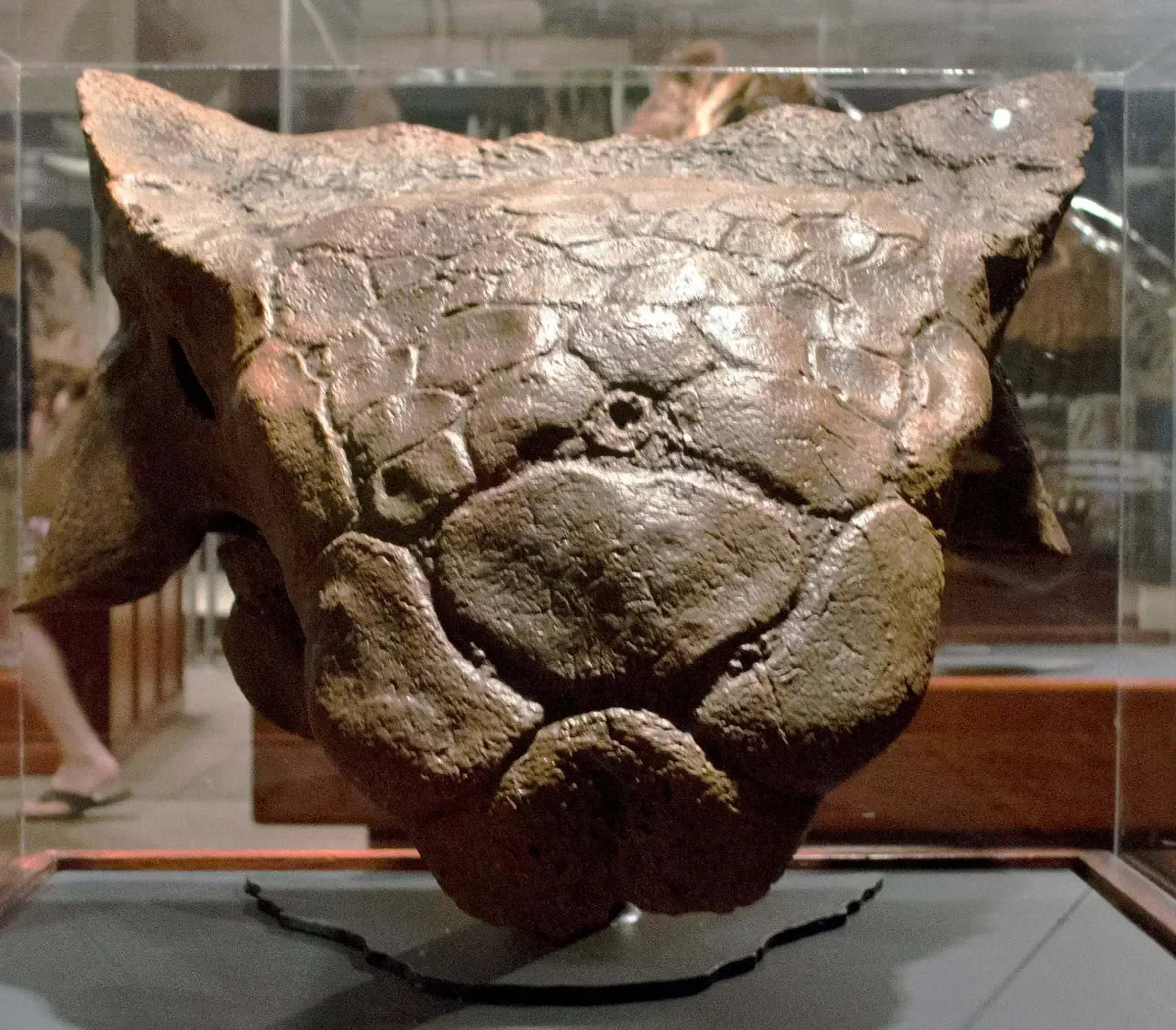
Here’s something that sounds crazy, but it’s true. Ankylosaurs were so heavily armored that even their upper eyelid was protected by a bony plate. Let that sink in for a moment. While most animals have vulnerable eyes that can be easily injured, these dinosaurs took protection to an extreme level.
Ankylosaurus had plates of bone connected under a layer of keratin, a protective protein found in hair and fingernails, and these special bones even existed in its eyelids. This level of defense seems almost excessive until you remember what they were up against. When a predator with teeth the size of bananas is trying to bite your face, having armored eyelids suddenly makes perfect sense. It’s one of those evolutionary adaptations that demonstrates just how serious the predator-prey arms race had become by the Late Cretaceous period.
The Tail Club: Nature’s War Hammer
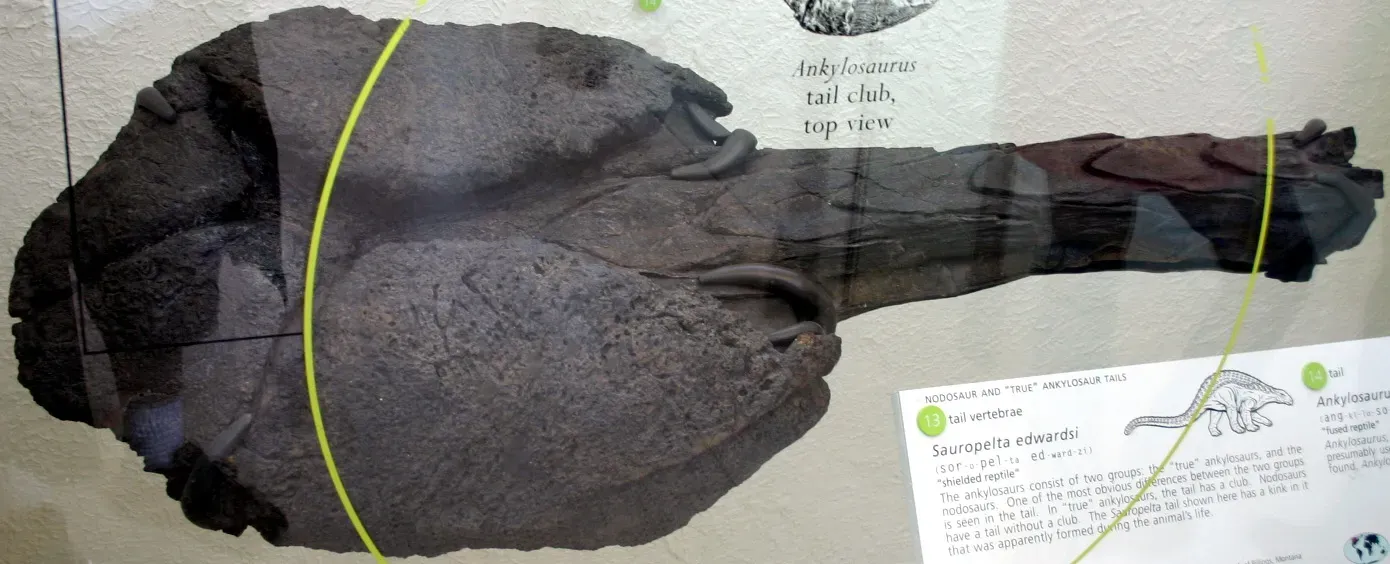
The tail was equipped with a large, fused club of osteoderms that could deliver powerful defensive strikes. Picture yourself as a massive predator approaching what looks like an easy meal. Suddenly, this seemingly docile plant-eater swings its tail, and you’re hit with the force of a wrecking ball.
Ankylosaurus could have swung its club with devastating effect against predators, and a hit to the leg or jaw could have severely injured, crippled, or even outright killed a tyrannosaur that wasn’t careful. This wasn’t just for show. Analysis of injuries to Zuul’s flanks suggests that they were inflicted by the tail club of another Zuul. So these clubs were actually being used in combat, whether against predators or rival members of their own species. Imagine the sound of that impact echoing across a prehistoric landscape.
Size and Strength: A Formidable Presence
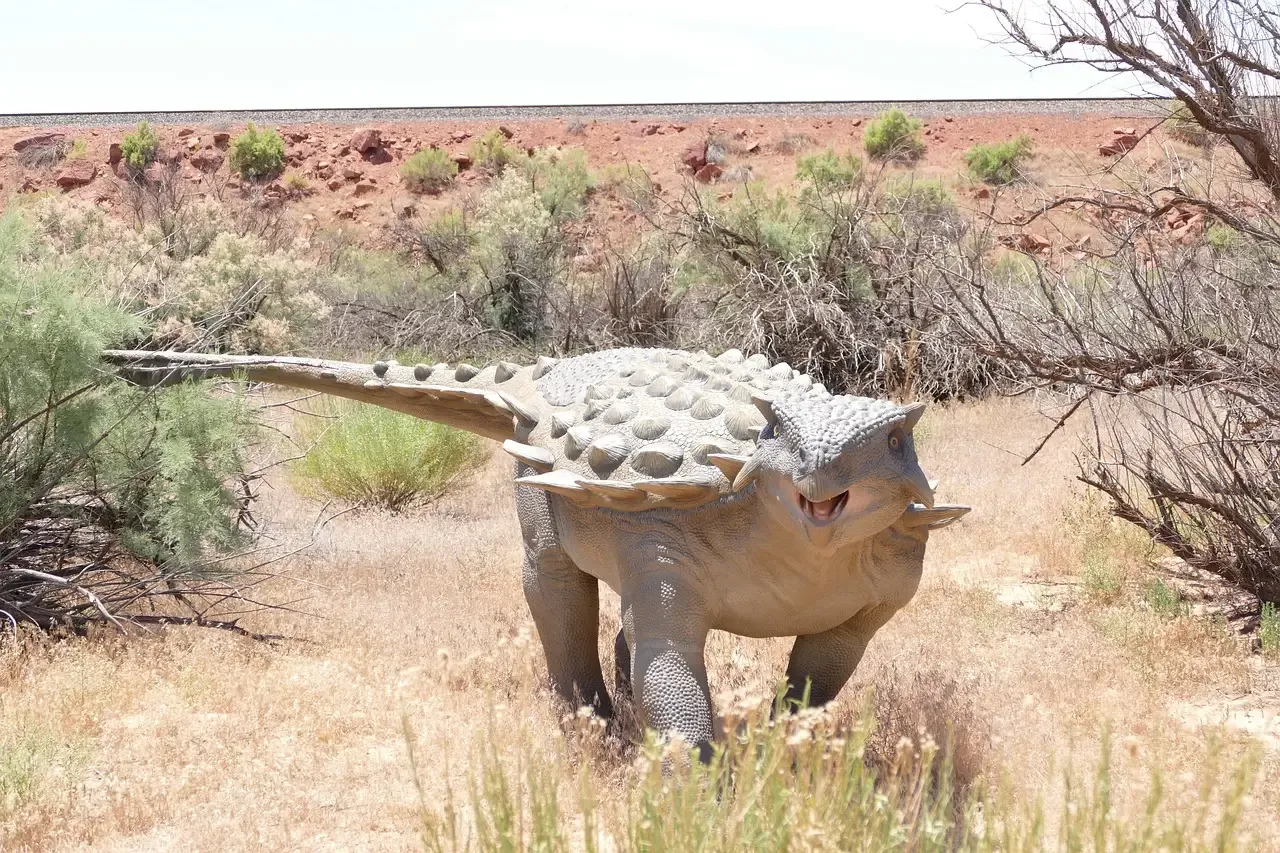
Having dimensions of 1.7 m height at the hips, 6-8 m in length, and a weight of 4.8-8 metric tons, Ankylosaurus was one of the largest and heavily armored dinosaurs of its time. To put that in perspective, this creature was roughly the length of a school bus and weighed as much as an elephant. Its broad, low-slung body was covered in thick, bony osteoderms, providing extensive protection from predators.
The sheer mass of these animals made them difficult targets. Ankylosaurus had short, squat legs that allowed it to run at about 6 miles per hour – fast, but not fast enough to outrun a large carnivorous predator like Tyrannosaurus rex. Speed wasn’t their strategy. They didn’t need to outrun predators when they were essentially mobile fortresses. Their weight and armor meant that flipping them over to expose their vulnerable underside would require tremendous effort, and any predator attempting it risked a devastating blow from that tail club.
Living Alongside Giants: The Ultimate Test
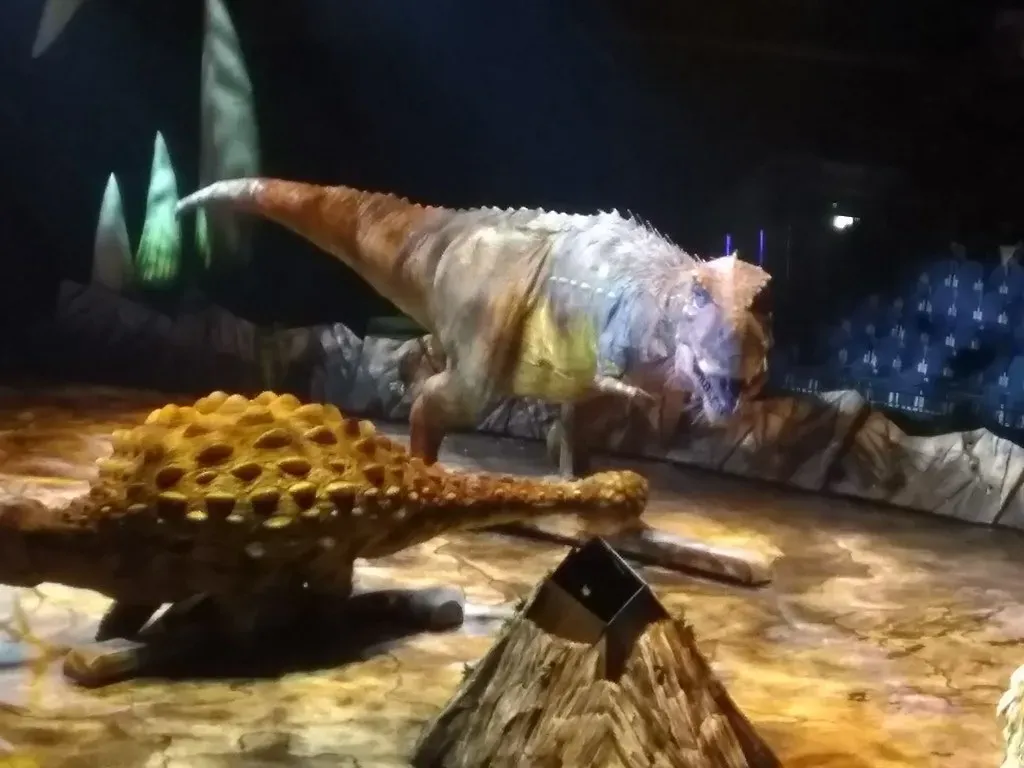
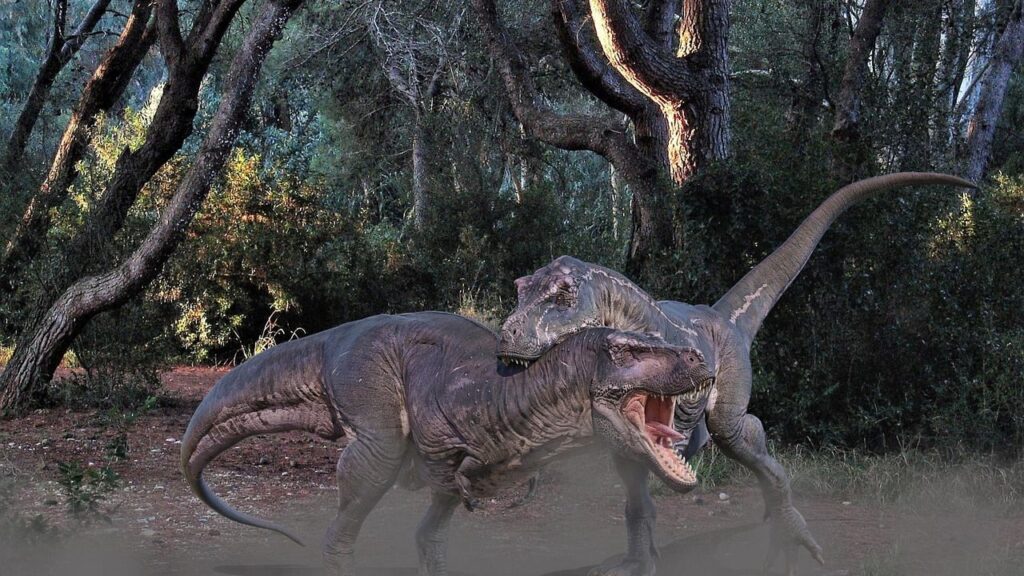
Ankylosaurus lived alongside dinosaurs such as Tyrannosaurus, Triceratops, and Edmontosaurus. This wasn’t some peaceful era where herbivores grazed without worry. One of the last of its kind, Ankylosaurus lived at the tail-end of the Age of Dinosaurs where it would have needed its defenses to keep itself safe from the apex predator of its environment, the most fearsome predator of all, Tyrannosaurus rex.
The fact that Ankylosaurus survived in this environment speaks volumes about the effectiveness of its armor. The armor of Ankylosaurus was likely a critical defense against the massive predator, and though T. rex was capable of biting through bone, Ankylosaurus’s armor may not have been 100% effective, but that is where the tail club came into play. It was a complete defensive system, not just passive protection but active deterrence. Let’s be real, even the mighty T. rex had to think twice before attacking something that could cripple it with a single swing of its tail.
The Evolutionary Arms Race
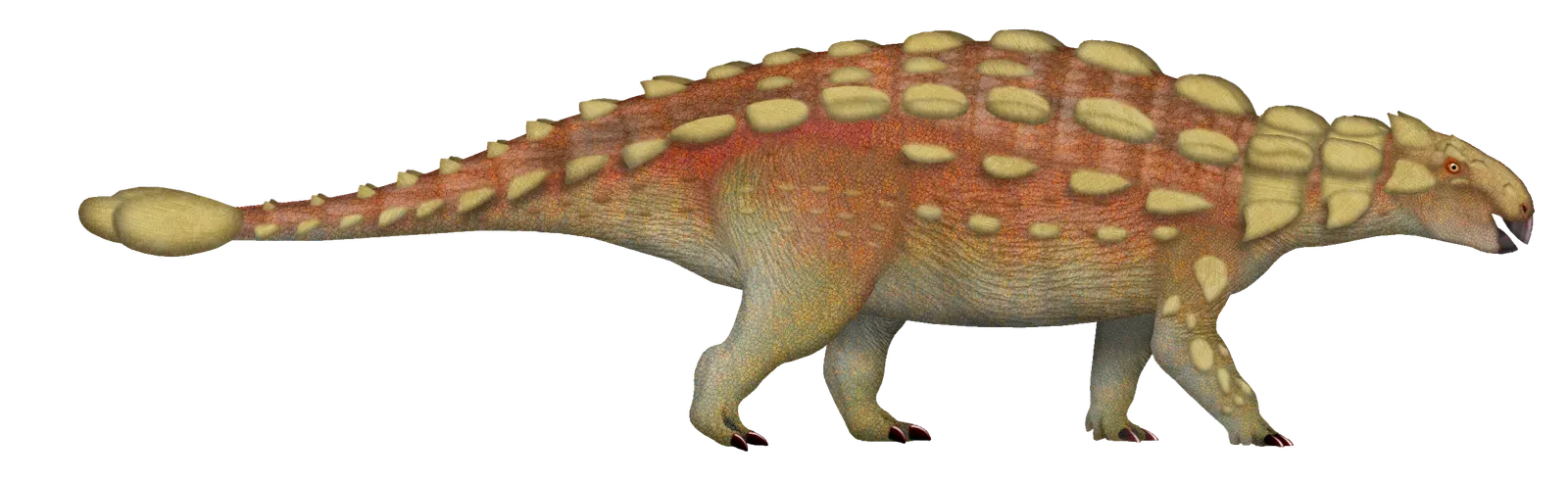
The distribution and arrangement of these defensive features suggest a sophisticated strategy to deter and survive attacks from contemporary theropods. This wasn’t random. Evolution had refined this design over millions of years. By the Late Cretaceous, ankylosaurs like Ankylosaurus magniventris exhibited highly developed armor with large, flat osteoderms and prominent tail clubs, and this advanced armor not only provided superior protection but also likely evolved in response to increasing predation pressures from larger and more formidable theropods.
Findings highlight the balance between offensive and defensive strategies in the Late Cretaceous ecosystem, underscoring the role of Ankylosaurus as both a well-protected herbivore and a critical component of its ecological niche. Every feature served a purpose. The armor coverage, the tail club, even the positioning of the eyes on the sides of the head to provide a broad field of view for detecting threats. Short but robust limbs supported its massive frame, and its eyes, positioned on the sides of its head, offered a broad field of view to detect approaching threats. This was a creature perfectly adapted for its dangerous world.
When you look at the complete picture of Ankylosaurus, you’re seeing one of evolution’s most impressive achievements in defensive adaptation. From its impenetrable armor to its devastating tail weapon, everything about this dinosaur was designed for survival in a world of giants. The next time you imagine prehistoric life, remember that not all dinosaurs relied on size, speed, or sharp teeth. Some simply made themselves so difficult to attack that even the most powerful predators had to look elsewhere for their next meal. What do you think it would have been like to witness one of these armored tanks defending itself against a charging tyrannosaur?