Havana, Cuba – Two conservationists bridged continents through shared questions about amphibians, turning casual conversations into community-driven initiatives.
Coffee Chats Ignite a Cross-Border Bond
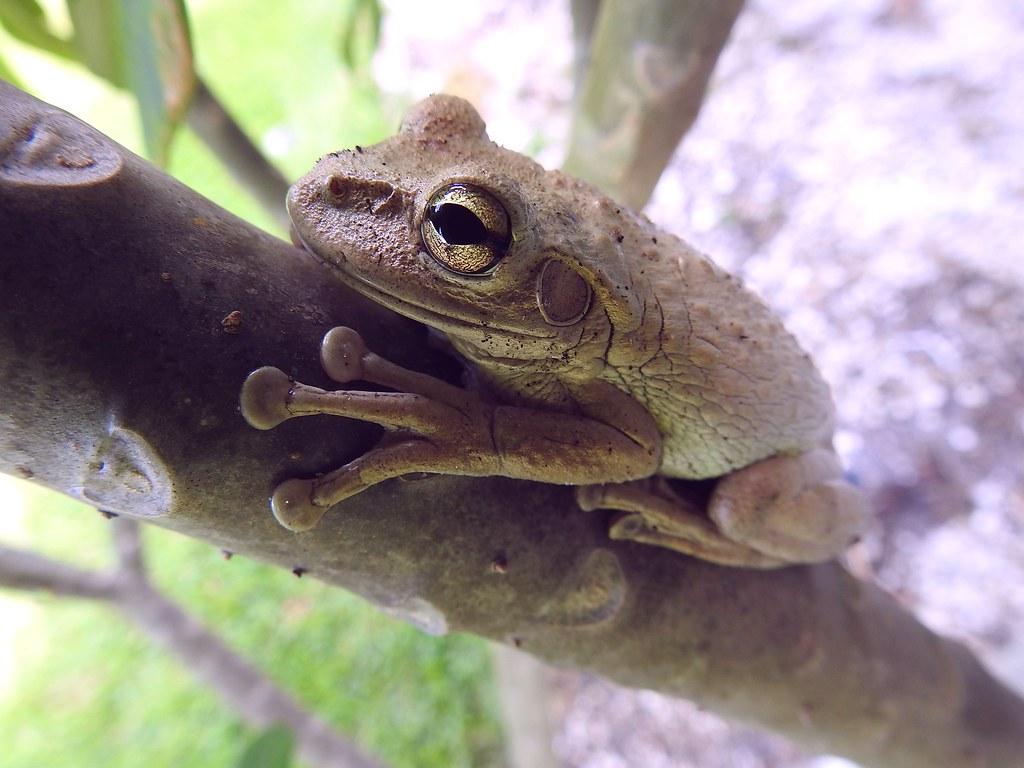
Coffee Chats Ignite a Cross-Border Bond (Image Credits: Flickr)
In the bustling streets of Havana, Carolina Mildred Rivera González and Mariam Curbelo Cruz crossed paths by chance. Carolina, a Mexican EDGE alumna from the 2021 fellowship cohort, had arrived in Cuba after years studying endemic salamanders in Puebla’s cloud forests. Mariam, a 2024 EDGE Fellow based in Cuba, focused her work on a rare EDGE frog whose calls locals often mistook for crickets.
Their meeting unfolded over coffee under the spring sun. Both women grappled with similar hurdles: engaging rural communities, especially women, in conservation efforts dominated by men. Carolina recalled designing activities that reflected her own identity during her fellowship in Cuetzalan, Puebla. Mariam shared frustrations from workshops where female participation remained scarce. These talks revealed intertwined projects, fostering a friendship that extended beyond borders.
Overcoming Gender Barriers in the Field
Conservation in remote areas often sidelined women, who managed homes while men handled public roles and protected area duties. In Mexico’s Tacopizta community, Carolina noted women’s reserved nature in family settings. Cuba presented parallel issues, with Mariam observing just one woman at prior community events.
Both recognized the need for inclusive approaches. “Sometimes we tend to forget that conservation is not only about monitoring a species and studying their natural history; it’s also about understanding the people who live alongside them,” Mariam reflected. This insight shifted their strategies toward activities that built trust gradually.
Embroidery and Crochet as Tools for Change
Carolina pioneered “A-bordando Anfibios,” a clever blend of “abordar” (to approach) and “bordar” (to embroider). Launched in 2021 from fellowship ideas, the project debuted in Havana two years later. Women gathered to stitch amphibian designs, discussing ecology away from daily chores. “The idea was to use fabric and threads to connect with women, get to know them, hear their ideas and perceptions,” Carolina explained.
Inspired, Mariam developed “Tejiendo y Conservando” (Crocheting and Conserving). She hosted sessions in Cuban river communities, teaching participants to crochet frogs while exploring the animals’ roles in ecosystems. Initial three-hour workshops drew girls and women, though challenges like scarce supplies and skill gaps arose – Mariam once traveled 16 hours by bus to learn the technique.
- Focus on amphibians: Salamanders in Mexico’s cloud forests and frogs in Cuban rivers.
- Target audience: Primarily women and girls in rural settings.
- Outcomes: Practical skills paired with environmental knowledge.
- Locations: Puebla, Mexico; Havana and upstream/downstream Cuban sites.
- Timeline: Ideas from 2021, pilots around 2023-2024.
Reshaping Conservation Through Community Ties
These workshops transcended education, creating lasting bonds. Participants left with handmade items and heightened awareness, poised to advocate for species like the Cuban tree frog featured in local stories. The initiatives highlighted crafts’ power to humanize science, making conservation relatable.
EDGE, which supports evolutionarily distinct species, facilitated their fellowships. More details appear on Carolina’s profile and Mariam’s profile.
Key Takeaways
- Crafts like embroidery and crochet open doors for women in male-dominated conservation spaces.
- Personal connections between fellows amplify innovative, community-focused projects.
- True protection requires understanding local perceptions alongside scientific data.
Conservation evolves one relationship at a time, proving that threads can bind people to nature as effectively as data binds scientists to species. What creative approaches have you seen in wildlife efforts? Share in the comments.