San Mateo del Mar, Mexico — Relentless waves from the Pacific have eroded the shores of Cuauhtémoc, forcing the Indigenous Ikoots community to plan a full relocation from their ancestral fishing grounds.
The Sea’s Steady Advance
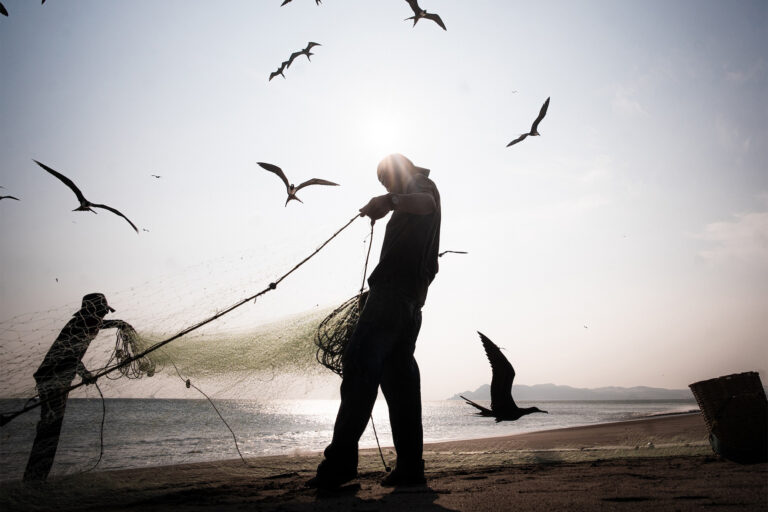
The Sea’s Steady Advance (Image Credits: Imgs.mongabay.com)
Coastal erosion has claimed significant land in Cuauhtémoc over decades. Measurements showed an average loss of 8.4 meters of shoreline each year between 1967 and 2014. Residents reported the ocean encroaching about 1 kilometer since the early 1900s. While sea levels rose roughly 16 centimeters from 1902 to 2015, dams like Benito Juárez and breakwaters at the nearby Salina Cruz port trapped sediments that once replenished beaches.
Floods strike twice annually, typically in March-April and September. These events strand families, halt schooling, and inundate streets. Homes once stood where waves now crash, leaving behind half-buried structures and contaminated wells. The community relies on sporadic water deliveries from the Tehuantepec River, which prove insufficient for daily needs.
Fishing Rhythms Disrupted by Change
Ikoots fishers maintain age-old practices despite the threats. Groups haul nets onto wind-swept beaches, drawing columns of frigatebirds that trail their catches from the water. These birds, known scientifically as Fregata magnificens, swoop to snatch tossed fish, a longstanding ecological dance now set against eroding sands.
Landscapes have shifted dramatically. Canals like Timiti’u’d, once lined with tree trunks ideal for fishing, have vanished. Dead shrubs and whipped sands mark the slim barrier between ocean and lagoon. Children play near precarious edges, while elders recall fuller shores. José Rangel Edison, a 57-year-old fisher, observed that the sea advanced gradually since his youth, nearly erasing Cuauhtémoc.
Emotional Toll of Leaving Home
The community assembly voted for relocation in May 2025, accepting the need to move as full flooding loomed within a decade. Yet attachment runs deep. Gualteria Leyva, 74 and born in Cuauhtémoc, voiced reluctance: “We don’t want to leave… We’ve lived here our entire lives.” Felix González Piamonte, displaced inland 1.5 kilometers in 2007, noted his former home now lies underwater.
Sentiments blend resignation with concern for youth. Camilo Pinzón Edison, 48, emphasized protecting children’s futures over his own. Artist Isidro Pinzón Leyva mapped lost waterways, preserving memories of abundant fishing spots. Gabriel Pinzón Leyva, a local authority, carries mental images of vanished streets and neighbors.
Bureaucratic Hurdles to a New Start
Plans target Polygon 3A, 5 kilometers away, but progress stalls. Land parcels cost around 50,000 pesos, beyond most families’ means. Federal officials visited starting in 2023, yet requirements mount like barriers. Raúl Rangel González, the municipal president, highlighted endless paperwork and absent funding.
- Sediment-trapping dams reduce beach nourishment.
- Port expansions alter currents and swells.
- Seasonal floods isolate nearly 900 residents.
- Relocation demands community land negotiations.
- Cultural ties complicate the shift inland.
Researcher José Antonio Ávalos urged swift action, warning of inevitable submersion. Delays frustrate a people whose Ikoots language and sea-bound identity face erasure.
Key Takeaways
- Erosion stems more from infrastructure than climate alone.
- Fishing sustains the Ikoots amid vanishing habitats.
- Relocation promises safety but severs deep roots.
The Ikoots’ story underscores how human actions amplify natural forces, displacing traditions intertwined with wildlife and waves. As bureaucracy tests resolve, their move could model adaptive resilience for coastal peoples worldwide. What challenges do you see in balancing progress with cultural preservation? Share in the comments.