
In the lush forests spanning Bhutan, Nepal, and India, tiger numbers have climbed steadily in recent years, offering a glimmer of hope for one of the world’s most iconic predators. Conservationists hailed these gains as part of a global estimate reaching about 5,574 wild tigers in 2022, though the species vanished from 95 percent of its historic range. Experts emphasize that these localized successes stem from dedicated national programs, cultural reverence, and community involvement, yet persistent threats loom large across tiger habitats.
Localized Gains Mark Conservation Milestones
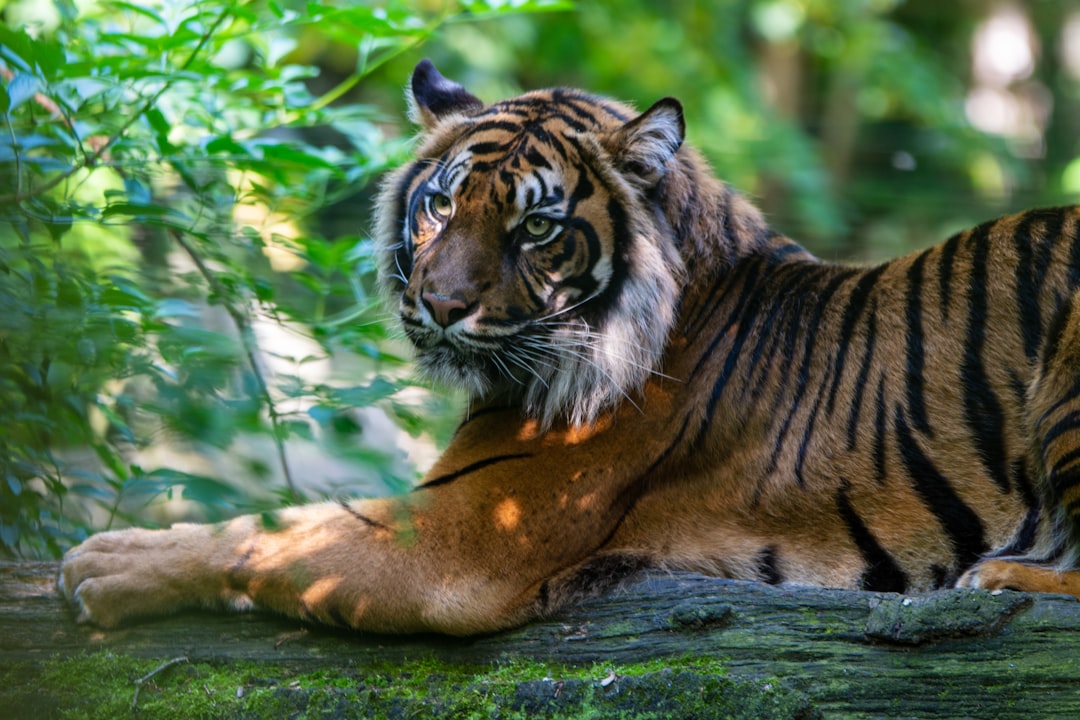
Localized Gains Mark Conservation Milestones (Image Credits: Unsplash)
India leads the charge with the world’s largest tiger population, estimated at 3,167 individuals in 2025. The country doubled its numbers since 2010 through Project Tiger, launched in the 1970s, which established protected reserves and enforced strict wildlife laws. Nepal followed suit, boosting its count to 355 tigers by 2022 from just 121 a decade earlier, thanks to national surveys and cross-border partnerships.
Bhutan reported 131 Bengal tigers in a 2023 survey, a 27 percent rise from 2015 levels after covering over 26,000 square kilometers with camera traps and genetic analysis. These efforts restored grasslands and improved prey habitats. Such progress aligned with the 2010 Global Tiger Recovery Program’s TX2 goal, which sought to double wild tigers by 2022 and achieved a 74 percent increase overall.
| Country | Estimated Wild Tigers (2025) |
|---|---|
| India | 3,167 |
| Russia | 750 |
| Indonesia | 400 |
| Nepal | 355 |
| Thailand | 189 |
Tigers as Guardians of Biodiversity
As apex predators, tigers regulate ecosystems by controlling prey populations, which in turn supports vegetation and smaller species. Their vast territories – up to 100 square kilometers per tiger – demand large protected areas that shelter hundreds of other animals, earning them the title of umbrella species. Forests with tigers store more carbon, capture water for millions, and buffer against disasters like storm surges in mangroves.
Conservation yields multiple benefits:
- Overlaps with 332 Key Biodiversity Areas, aiding species like rhinos and orangutans.
- Protects watersheds for 830 million people, including major cities.
- Generates tourism revenue, such as one tigress supporting $130 million and 3,000 jobs.
- Preserves cultural heritage and fosters international cooperation.
- Enhances climate resilience through healthier forests.
Shadows Over Success: Ongoing Threats
Despite gains, tigers face relentless poaching for skins, bones, and parts used in traditional medicine and luxury goods. Wildlife crime networks blend wild and captive-sourced products, with farms in Laos and Vietnam fueling trade. Habitat fragmentation from development and prey decline further isolates populations.
Southeast Asia lags, with tigers extinct in the wild in Laos, Cambodia, and Vietnam due to weak enforcement and political choices favoring trade over protection. Human-tiger conflicts rise as populations expand, straining local support. Funding remains short-term, hindering sustained efforts.
Frontline Voices Call for Renewed Commitment
Debbie Banks, campaign leader for tigers and wildlife crime at the Environmental Investigation Agency, described the outlook as a “mixed bag of localized successes and elsewhere just stagnation.” She highlighted South Asia’s cultural ties – tigers as deities – and economic incentives from tourism.
“Tigers are an apex predator, therefore a keystone species, an umbrella species, a flagship species,” Banks stated. “And by saving tigers…we save so much more.” The next phase of the Global Tiger Recovery Program demands verifiable progress, stronger anti-trafficking measures, and private sector involvement to secure tiger futures.
Tiger conservation proves that targeted action can reverse decline and yield ecosystem-wide rewards, from carbon sequestration to community prosperity. As numbers stabilize in strongholds, the world watches whether global momentum will match these triumphs. What do you think it will take to push tiger recovery further? Tell us in the comments.
- Tiger populations grew in Bhutan (27%), Nepal (nearly tripled), and India (doubled since 2010), contributing to a global total of 5,574.
- As umbrella species, tigers safeguard biodiversity, water, carbon stores, and economies.
- Poaching, habitat loss, and weak enforcement in Southeast Asia threaten progress; sustained investment is essential.