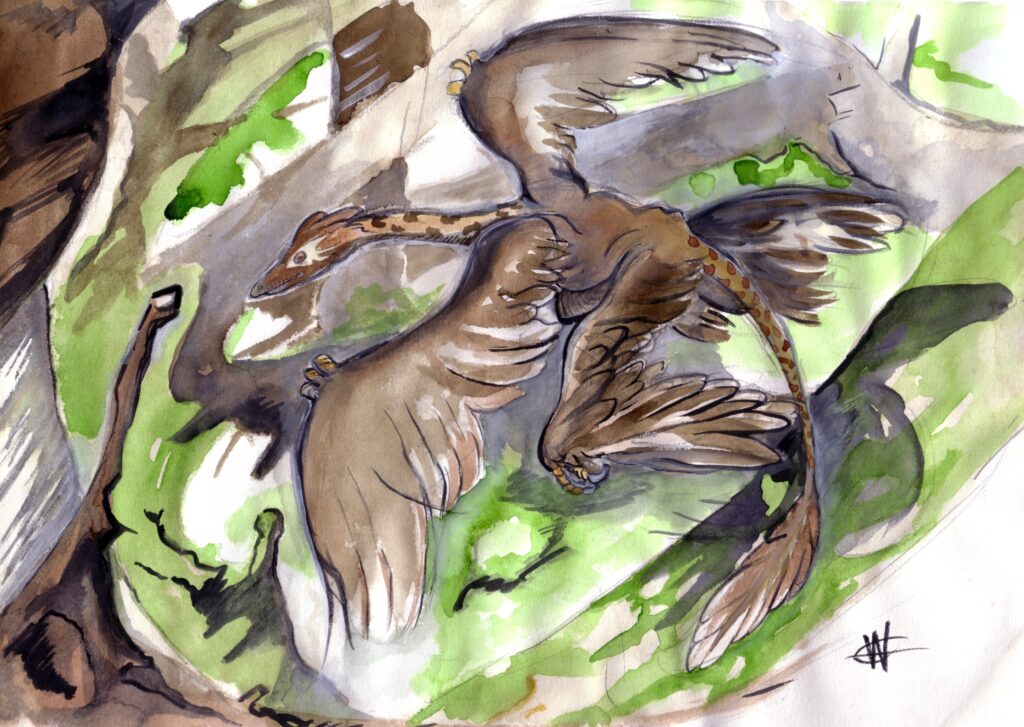
Picture this: you’re walking through a prehistoric forest 125 million years ago when suddenly, a creature no bigger than a modern chicken leaps from the undergrowth. But don’t let its size fool you – this little beast sports a massive, razor-sharp claw that could slice through flesh like a hot knife through butter. This is Microraptor, one of the most fascinating and deadly small predators that ever lived, proving that in the ancient world, good things definitely didn’t always come in small packages.
The Feathered Nightmare That Rewrote History
Microraptor gui wasn’t just another small dinosaur – it was a game-changer that completely revolutionized our understanding of prehistoric life. When paleontologists first discovered this remarkable creature in China’s Liaoning Province, they couldn’t believe their eyes. Here was a dinosaur that looked more like a bird than anything they’d seen before, yet it lived millions of years before the first birds were supposed to exist.
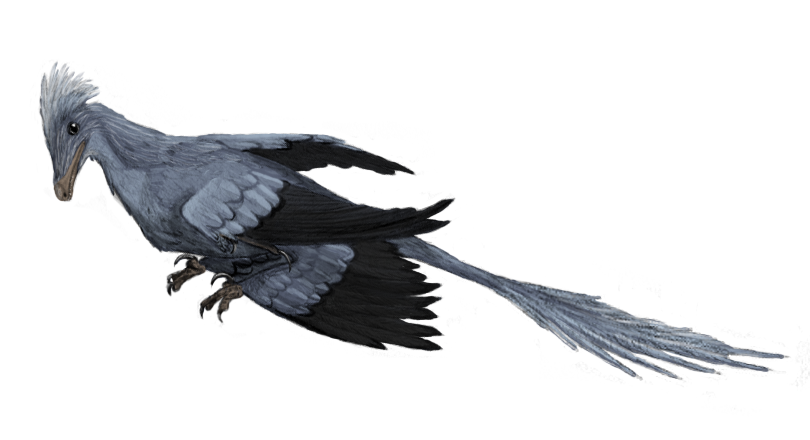
The discovery sent shockwaves through the scientific community because Microraptor possessed four wings instead of two. Its legs were covered in long flight feathers, creating an unprecedented aerial configuration that challenged everything scientists thought they knew about the evolution of flight. This wasn’t just a dinosaur with feathers – it was a flying dinosaur that predated birds by tens of millions of years.
Size Doesn’t Matter When You’re This Deadly
Standing barely two feet tall and weighing less than two pounds, Microraptor might seem harmless at first glance. But evolution had equipped this tiny terror with weapons that would make much larger predators jealous. Its most intimidating feature was an enormous sickle-shaped claw on each foot, measuring up to 2.5 inches long – nearly a quarter of the animal’s total body length.
Think of it like a house cat carrying a switchblade. The proportions were so extreme that if humans had similar equipment, we’d be walking around with foot-long claws protruding from our toes. These weren’t just for show either – they were precision killing instruments designed to slash and tear with devastating efficiency.
The Perfect Killing Machine’s Arsenal
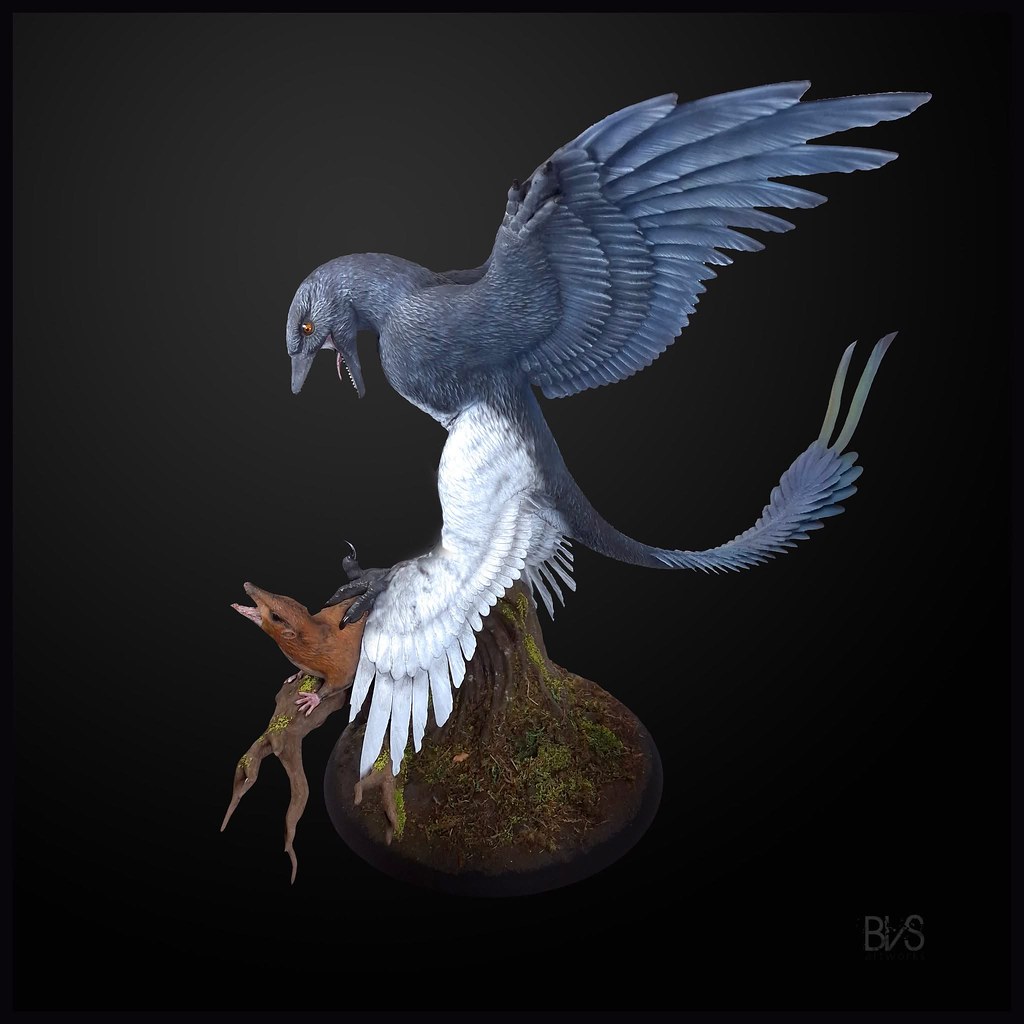
Beyond its signature claw, Microraptor possessed an array of predatory adaptations that made it incredibly effective at hunting. Its mouth was filled with sharp, recurved teeth perfect for gripping struggling prey. The teeth were different sizes too – smaller ones at the front for precision gripping, and larger ones toward the back for delivering the killing bite.
Its hands were equally impressive, equipped with three sharp claws each that could grasp and manipulate prey with surprising dexterity. The combination of aerial maneuverability, razor-sharp claws, and precise teeth made Microraptor the equivalent of a flying Swiss Army knife designed specifically for killing. No wonder smaller creatures of the Cretaceous lived in constant fear of shadows passing overhead.
Four Wings and the Art of Ancient Aerial Warfare
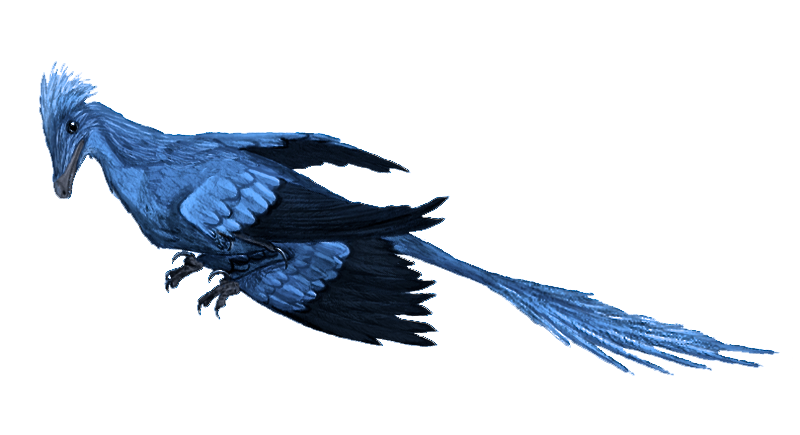
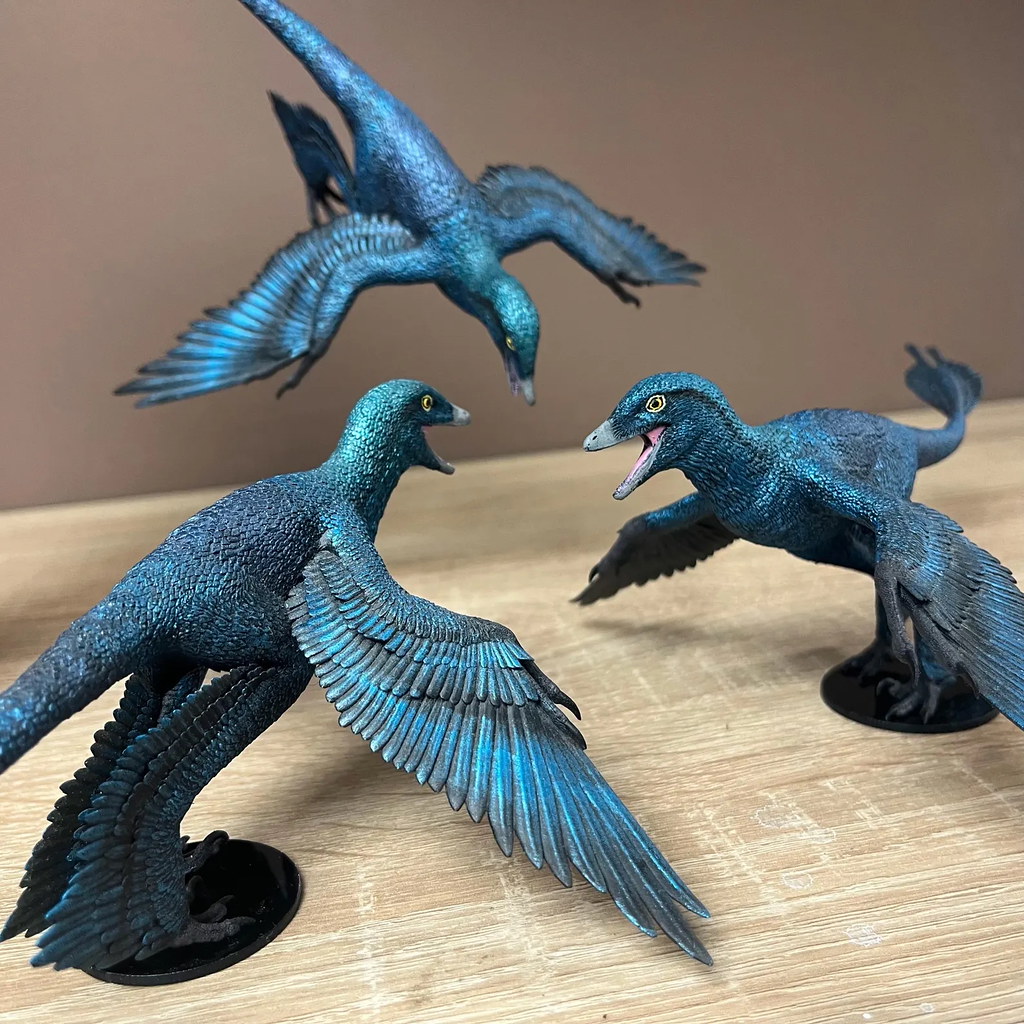
Microraptor’s four-wing configuration wasn’t just unusual – it was revolutionary. Unlike modern birds, which use only their forelimbs for flight, Microraptor had transformed both its arms and legs into functional wings. The hindwings were positioned differently from the forewings, creating a biplane-like arrangement that provided exceptional stability and control during flight.
This unique setup allowed Microraptor to perform aerial maneuvers that would be impossible for two-winged creatures. It could glide silently through forest canopies, execute sharp turns around obstacles, and most importantly, strike prey from unexpected angles. Imagine being a small mammal or lizard, thinking you’re safe on the ground, only to have death descend from above on four silent wings.
The Color of Death: Black as Night
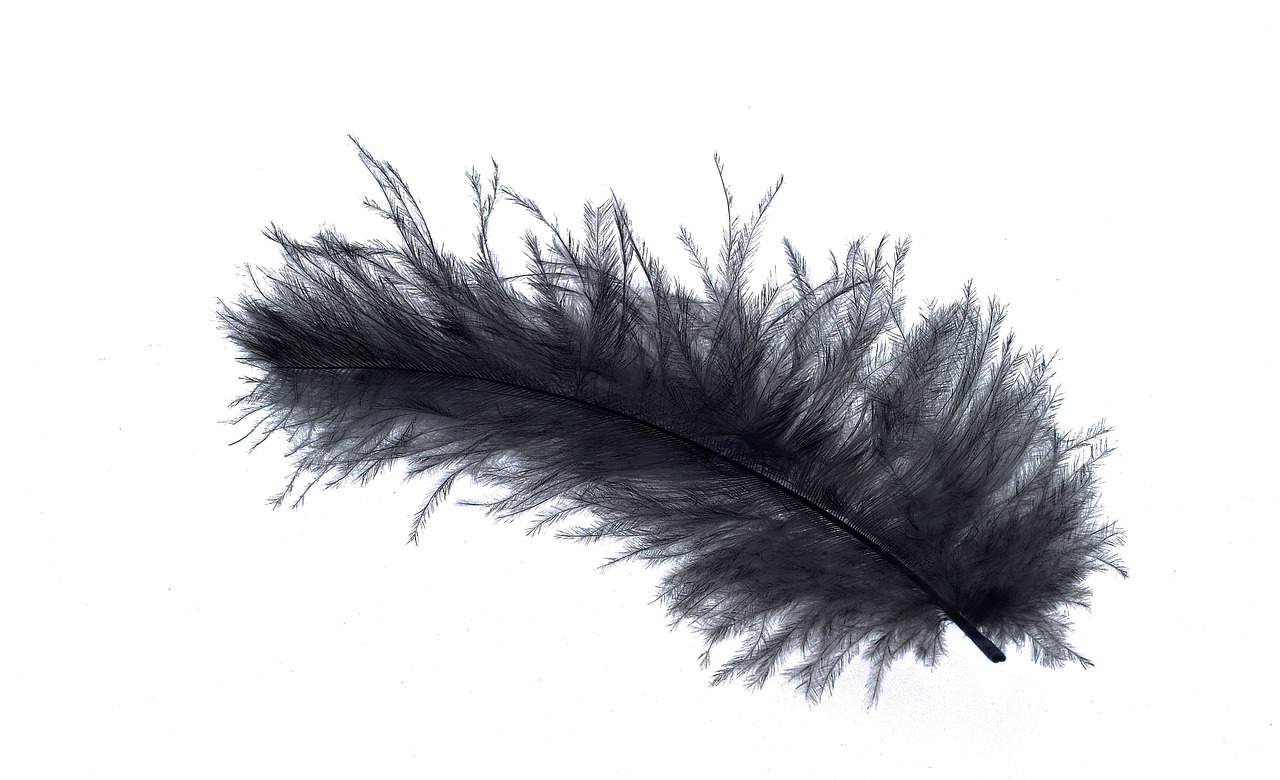
Scientists have done something remarkable with Microraptor fossils – they’ve determined the exact color of its feathers. Using advanced microscopic analysis of fossilized melanosomes, researchers discovered that Microraptor was covered in iridescent black plumage, similar to that of modern ravens or grackles. This wasn’t just random coloration; it was evolutionary camouflage perfected over millions of years.
The black feathers would have made Microraptor nearly invisible against dark forest backgrounds, especially during dawn and dusk hunting periods. Like a feathered ninja, it could approach prey undetected, using its dark plumage to blend seamlessly with shadows and tree trunks. The iridescent quality would have created an almost otherworldly appearance as light played across its feathers during flight.
Hunting Strategies of a Prehistoric Assassin
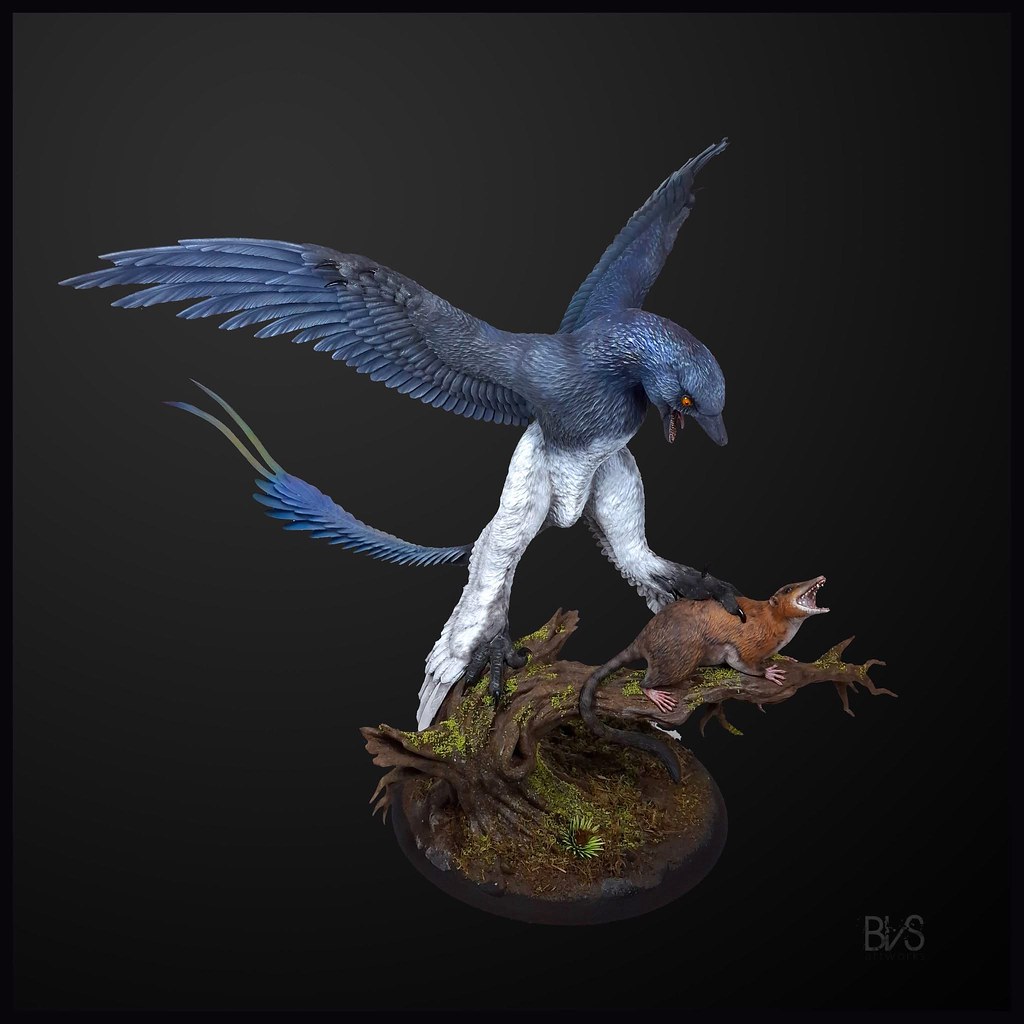
Microraptor’s hunting techniques were as sophisticated as its physical adaptations. Evidence suggests it was primarily an ambush predator, using its four wings to glide silently between trees before striking with lightning speed. Its preferred targets included small mammals, birds, fish, and lizards – basically anything small enough to overpower but large enough to provide a decent meal.
The giant claw played a crucial role in its hunting strategy. Rather than using it like a stabbing weapon, Microraptor likely employed it as a slashing tool, similar to how modern raptors use their talons. One swift kick could open fatal wounds in prey, allowing the predator to retreat to safety while its victim weakened from blood loss. It was prehistoric warfare at its most efficient.
Life in the Cretaceous Danger Zone
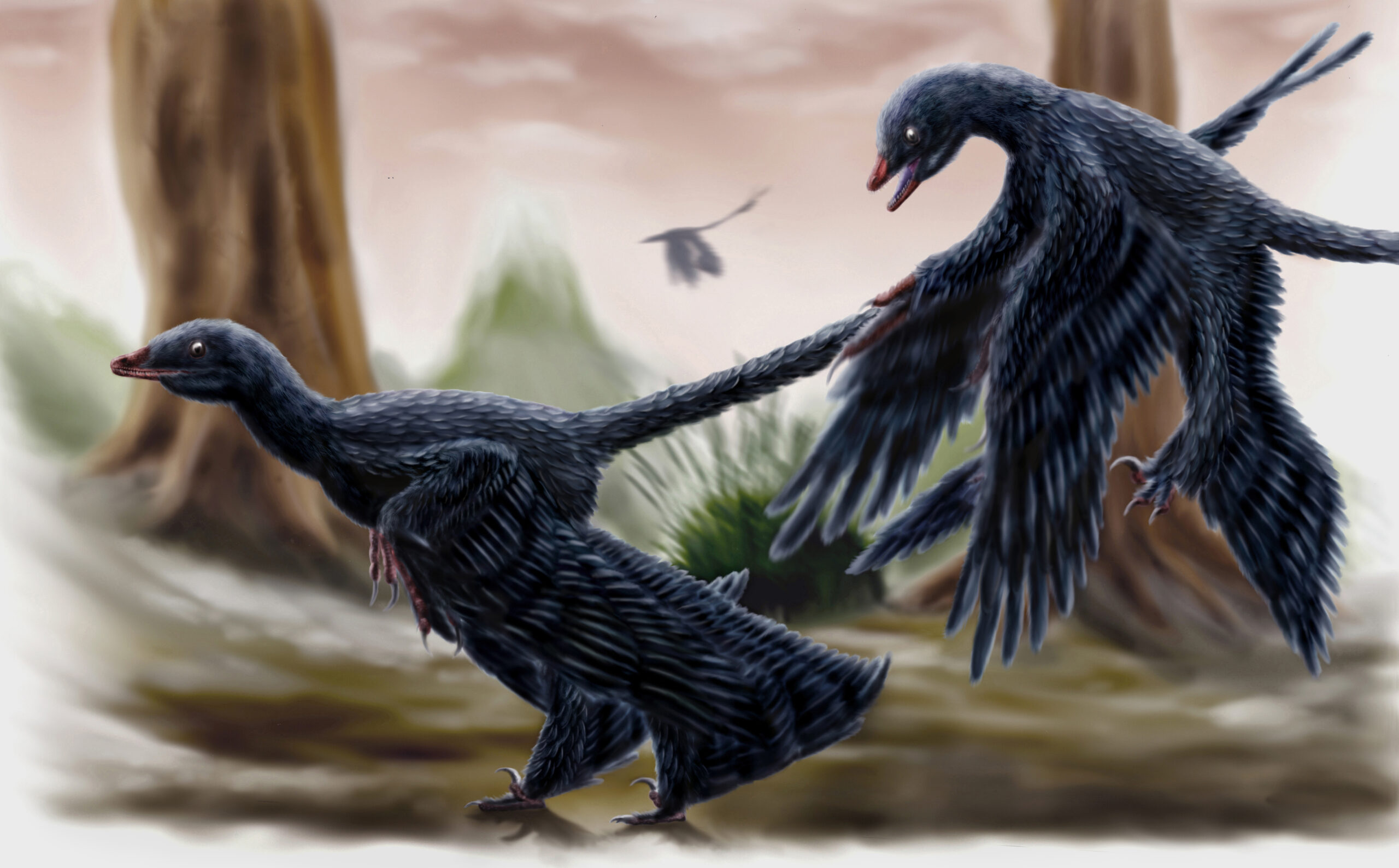
The world Microraptor inhabited was far from peaceful. The Cretaceous period was a time of incredible biodiversity, but also intense competition and constant danger. Larger predators like Sinosauropteryx and Sinocalliopteryx roamed the forests, meaning Microraptor had to be careful not to become prey itself while hunting smaller creatures.
This environment created an evolutionary arms race that pushed creatures like Microraptor to develop increasingly sophisticated adaptations. The four-wing configuration likely evolved partly as an escape mechanism – if threatened by a larger ground predator, Microraptor could simply take to the trees where few could follow. Its small size and aerial agility were as much about survival as they were about hunting success.
The Science Behind the Sickle Claw
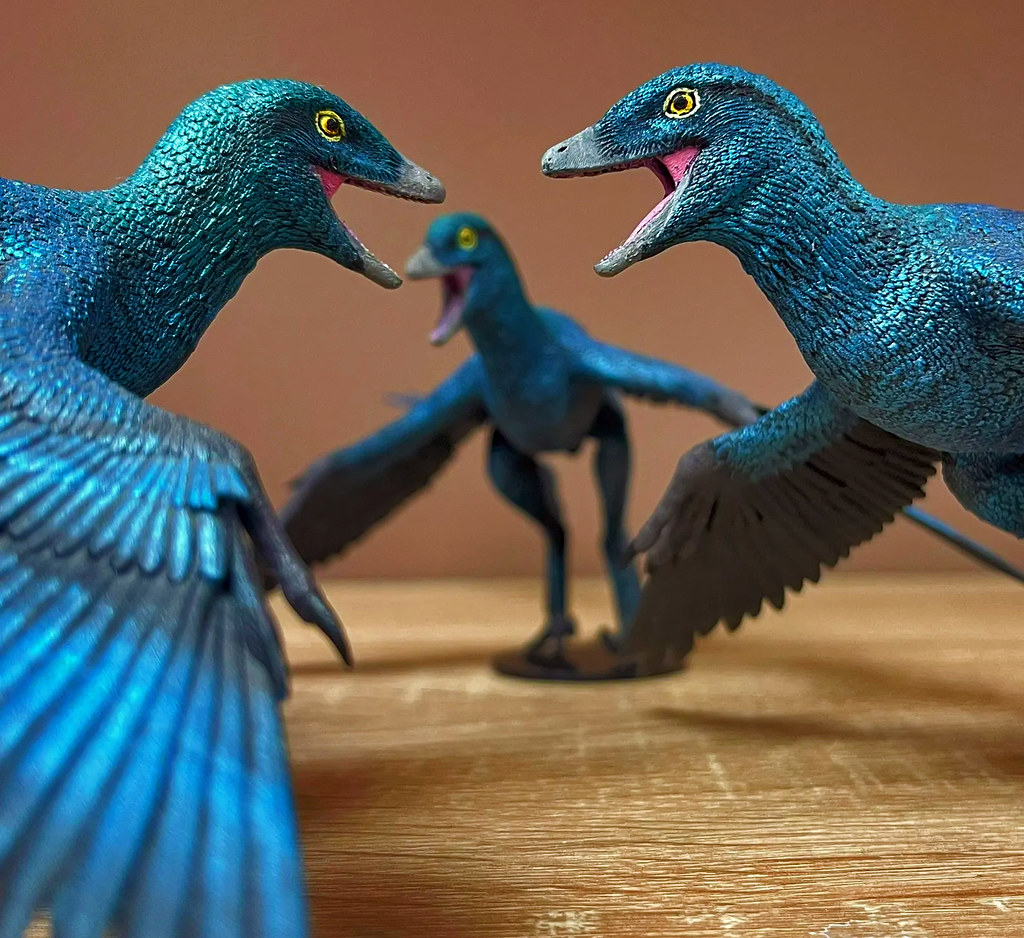
The engineering behind Microraptor’s giant claw is a masterpiece of evolutionary design. The claw was constantly growing throughout the animal’s life, ensuring it remained razor-sharp despite regular use. The bone structure supporting the claw was reinforced with dense tissue that could withstand the tremendous forces generated during strikes.
Biomechanical studies have shown that the claw could generate pressures of over 8,000 pounds per square inch when striking – enough to punch through bone and tear muscle tissue with ease. The curved shape was perfectly optimized for slashing motions, concentrating all the animal’s striking force into a tiny point that could penetrate even tough hide and scales.
Fossil Evidence and Scientific Breakthroughs
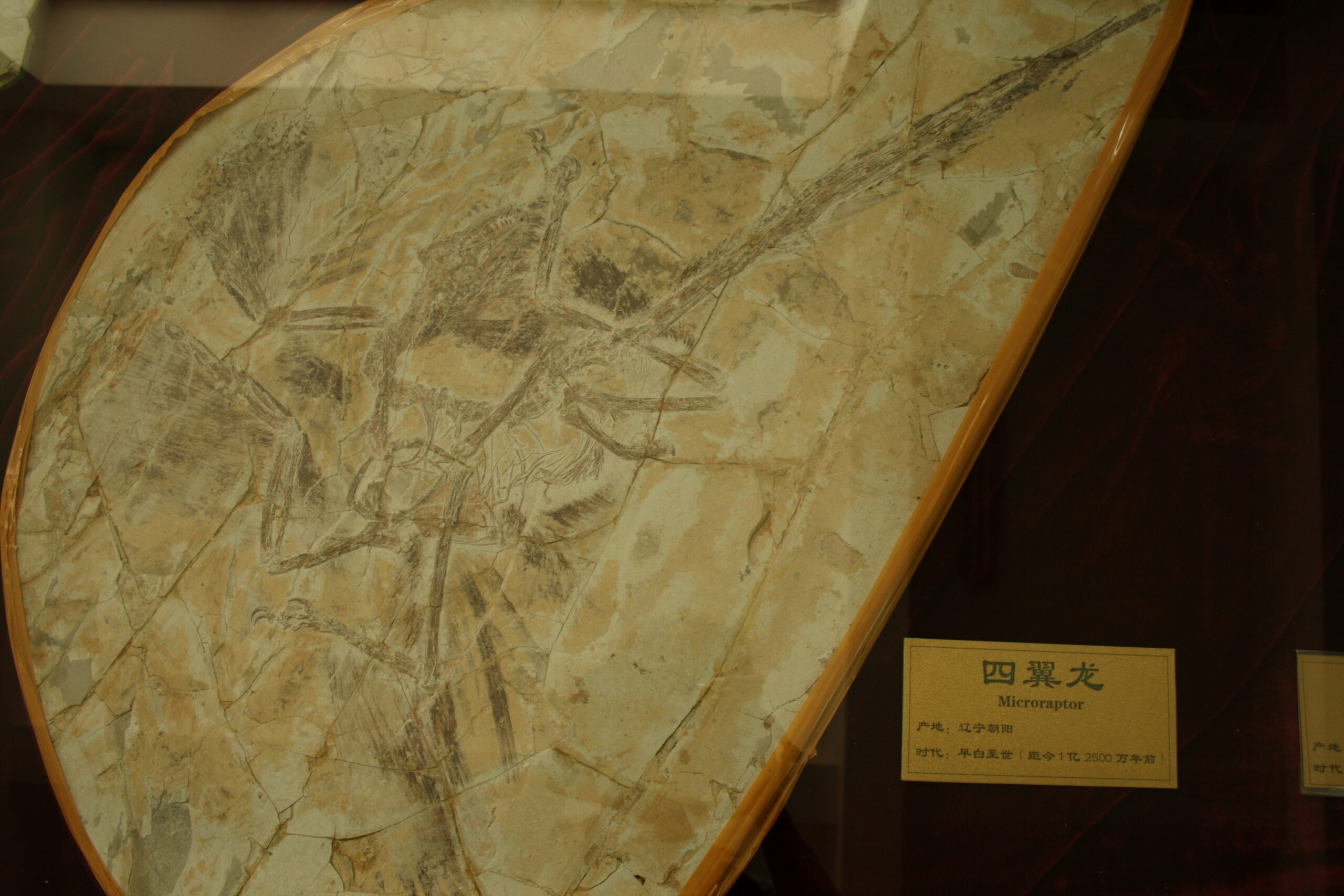
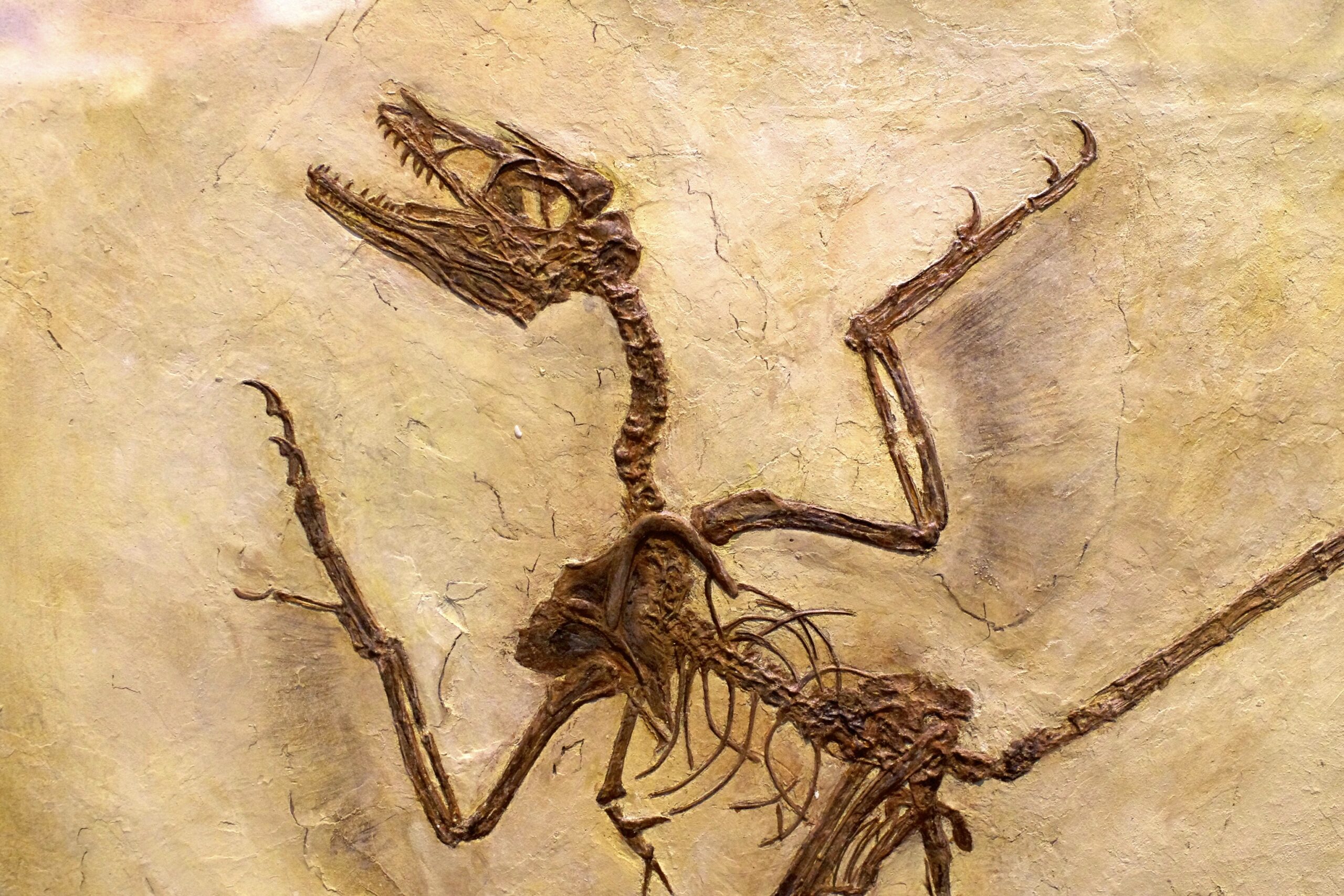
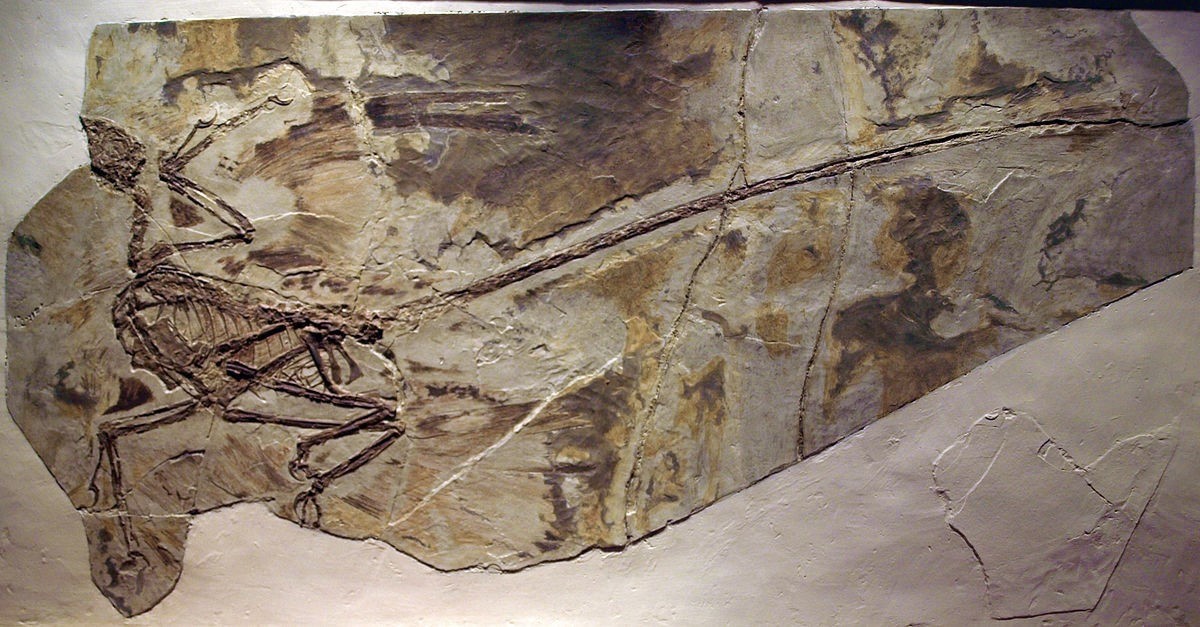
Uploaded by FunkMonk, CC BY-SA 2.0, https://commons.wikimedia.org/w/index.php?curid=17681497)
The discovery of Microraptor fossils has provided scientists with unprecedented insights into dinosaur behavior and evolution. Remarkably preserved specimens from China’s Jehol Biota have revealed not just bones and feathers, but even stomach contents, giving us direct evidence of what these creatures ate. Fish bones, bird remains, and small mammal parts have all been found in Microraptor specimens.
One particularly famous fossil shows a Microraptor with the remains of a small bird called Sinornis in its stomach, proving that these tiny predators were capable of catching and killing flying prey. This discovery revolutionized our understanding of prehistoric food webs and demonstrated that even small dinosaurs were formidable hunters capable of taking on challenging prey.
Gliding vs Flying: The Great Debate
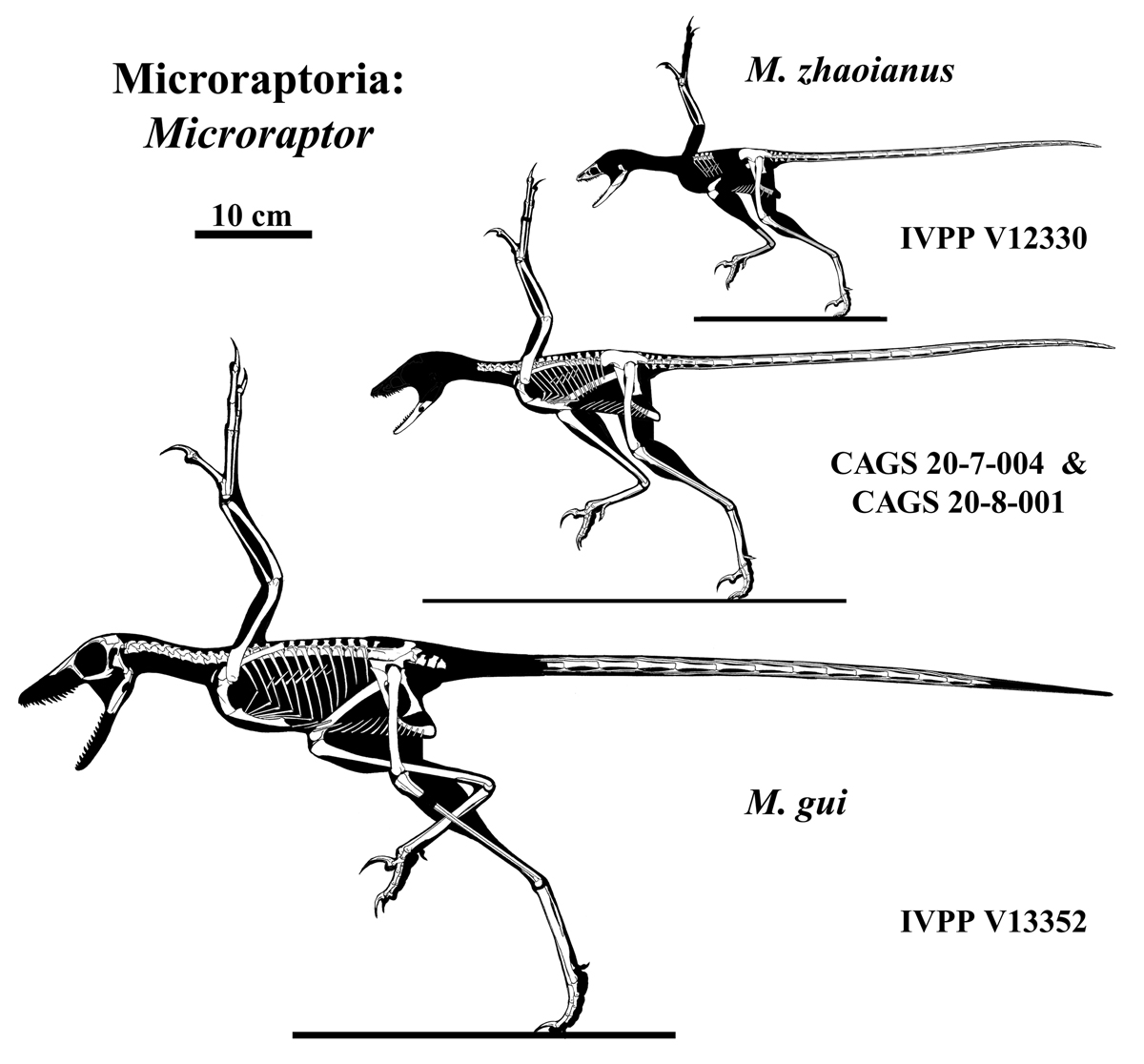
Scientists continue to debate whether Microraptor was truly capable of powered flight or was limited to gliding between trees. Computer simulations suggest that while it could glide effectively over considerable distances, generating enough lift for sustained powered flight would have been challenging given its body proportions and wing configuration.
However, this limitation didn’t make Microraptor any less deadly. Even as primarily a glider, it could cover vast territories, access previously unreachable prey, and escape from ground-based threats with ease. Like a prehistoric flying squirrel armed with switchblades, it dominated its ecological niche through superior mobility and devastating weaponry rather than raw power.
Modern Relatives and Living Echoes
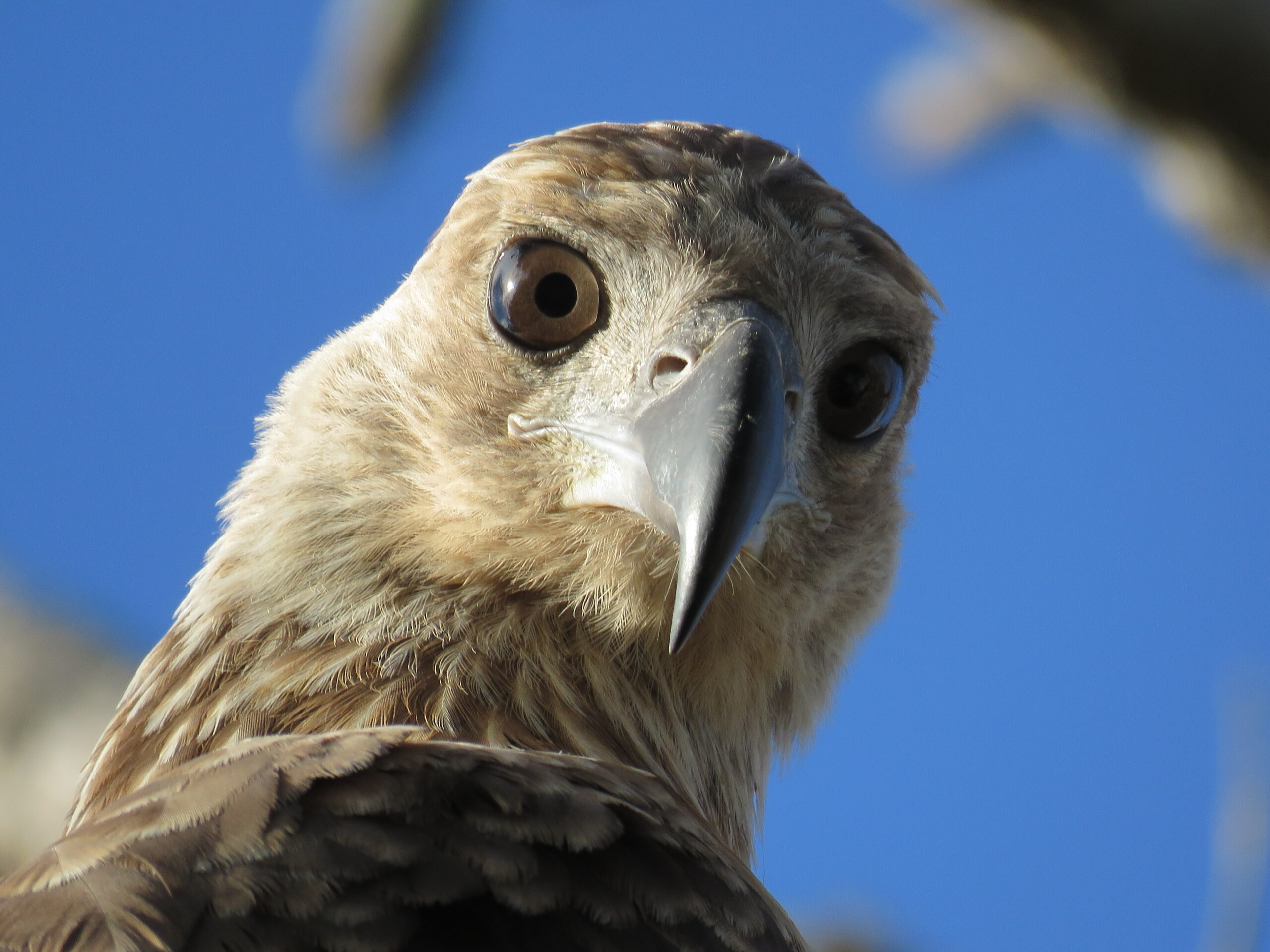
While Microraptor itself went extinct around 120 million years ago, its legacy lives on in modern birds. Many of the adaptations that made Microraptor such an effective predator can be seen in contemporary raptors like hawks, eagles, and falcons. The principle of using sharp talons to slash and grip prey remains unchanged, even if the specific anatomy has evolved.
Secretary birds in Africa provide perhaps the closest modern analogy to Microraptor’s hunting style. These long-legged birds use powerful kicks to stun and kill snakes and small mammals, demonstrating how effective leg-based weaponry can be in the right circumstances. It’s like watching a ghost of Microraptor’s hunting techniques play out in the modern world.
The Terror of Small Prey Everywhere
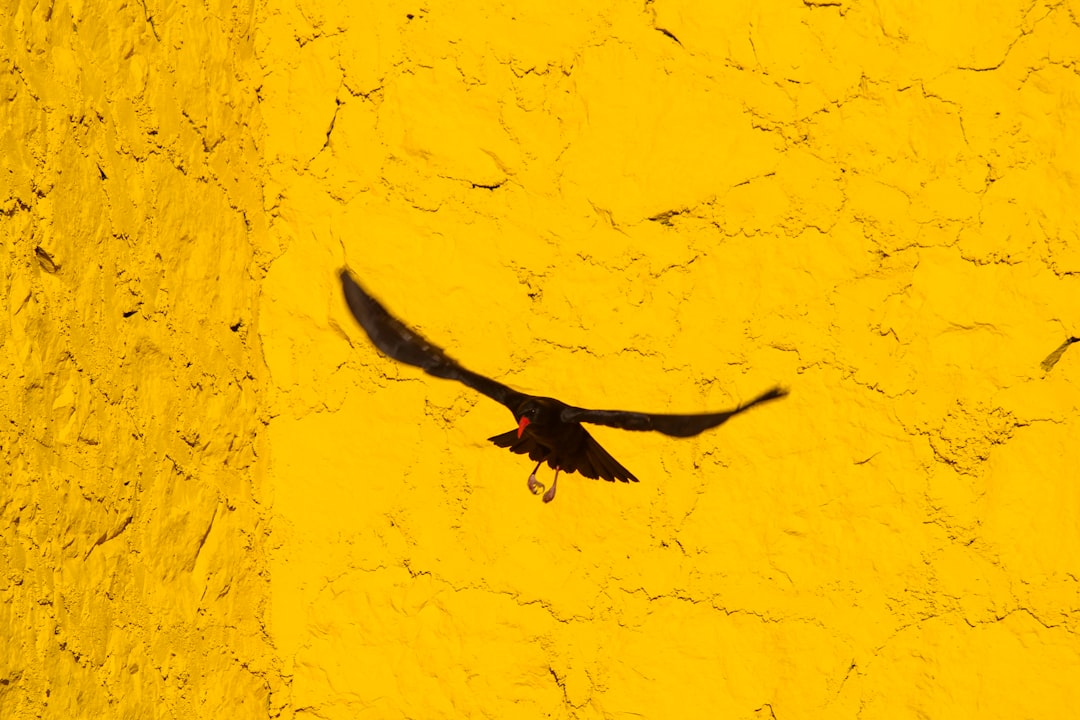
For the small animals of the Cretaceous, Microraptor represented the ultimate nightmare – a predator that could strike from land, air, or trees with equal deadly efficiency. Its combination of stealth, speed, and lethal weaponry made it virtually impossible to escape once targeted. Early mammals, small dinosaurs, and primitive birds all had to constantly watch the skies for the telltale shadow of approaching death.
The psychological impact of such a predator on its ecosystem cannot be overstated. Just as modern prey animals have evolved complex warning systems and escape behaviors in response to aerial predators, Cretaceous creatures likely developed similar adaptations specifically to avoid Microraptor attacks. It was an evolutionary arms race that shaped entire ecosystems.
Why Size Doesn’t Equal Success
Microraptor’s success story challenges our assumptions about what makes an effective predator. While popular culture often focuses on massive dinosaurs like T. rex, creatures like Microraptor were arguably more successful in evolutionary terms. They were more numerous, required fewer resources, could access diverse food sources, and could adapt quickly to environmental changes.
This tiny terror proves that in nature, efficiency often trumps raw power. By specializing in a specific hunting niche and perfecting the tools needed to dominate that niche, Microraptor achieved something many larger predators couldn’t – it became virtually unbeatable within its chosen domain. Sometimes the deadliest package comes in the smallest size.
Legacy of the Feathered Assassin
The discovery and study of Microraptor has fundamentally changed how we view dinosaur evolution and the origin of flight. This chicken-sized killer with its giant claw has shown us that the line between dinosaurs and birds was far blurrier than we ever imagined. It’s provided crucial evidence for how complex adaptations like flight evolved gradually rather than appearing suddenly.
More importantly, Microraptor reminds us that the prehistoric world was filled with incredible diversity and specialized adaptations we’re still discovering today. Every fossil tells a story of survival, adaptation, and evolutionary innovation that continues to surprise and educate scientists worldwide. In a world where we often focus on the biggest and most dramatic creatures, Microraptor stands as proof that sometimes the most fascinating stories come in the smallest packages.
Looking at Microraptor’s story, it’s impossible not to marvel at the incredible creativity of evolution. This tiny predator managed to combine flight, stealth, and deadly weaponry into a package barely larger than a modern chicken, creating one of prehistory’s most efficient killing machines. Its four-winged design and oversized claw represent solutions to survival challenges that are both elegant and terrifying. The next time you see a small bird perched innocently in your backyard, remember that its distant relatives once ruled the skies as feathered assassins armed with nature’s most perfect weapons. What other incredible predators might be hiding in the fossil record, waiting to rewrite our understanding of prehistoric life?