When you imagine the biggest creatures that ever lived, your mind probably jumps to dinosaurs stomping across ancient landscapes. But here’s something that might blow your mind: the absolute largest animal that ever existed on our planet isn’t some prehistoric monster that went extinct millions of years ago. It’s swimming in our oceans right now, and it’s bigger than any dinosaur that ever walked the Earth. From colossal marine reptiles that ruled ancient seas to titanosaurs whose footsteps shook the ground, Earth’s history is packed with creatures so massive they seem almost impossible. Let’s dive into the fascinating world of giants and discover which incredible animals earned their place among the biggest ever to grace our planet.
The Mighty Argentinosaurus: A Walking Skyscraper
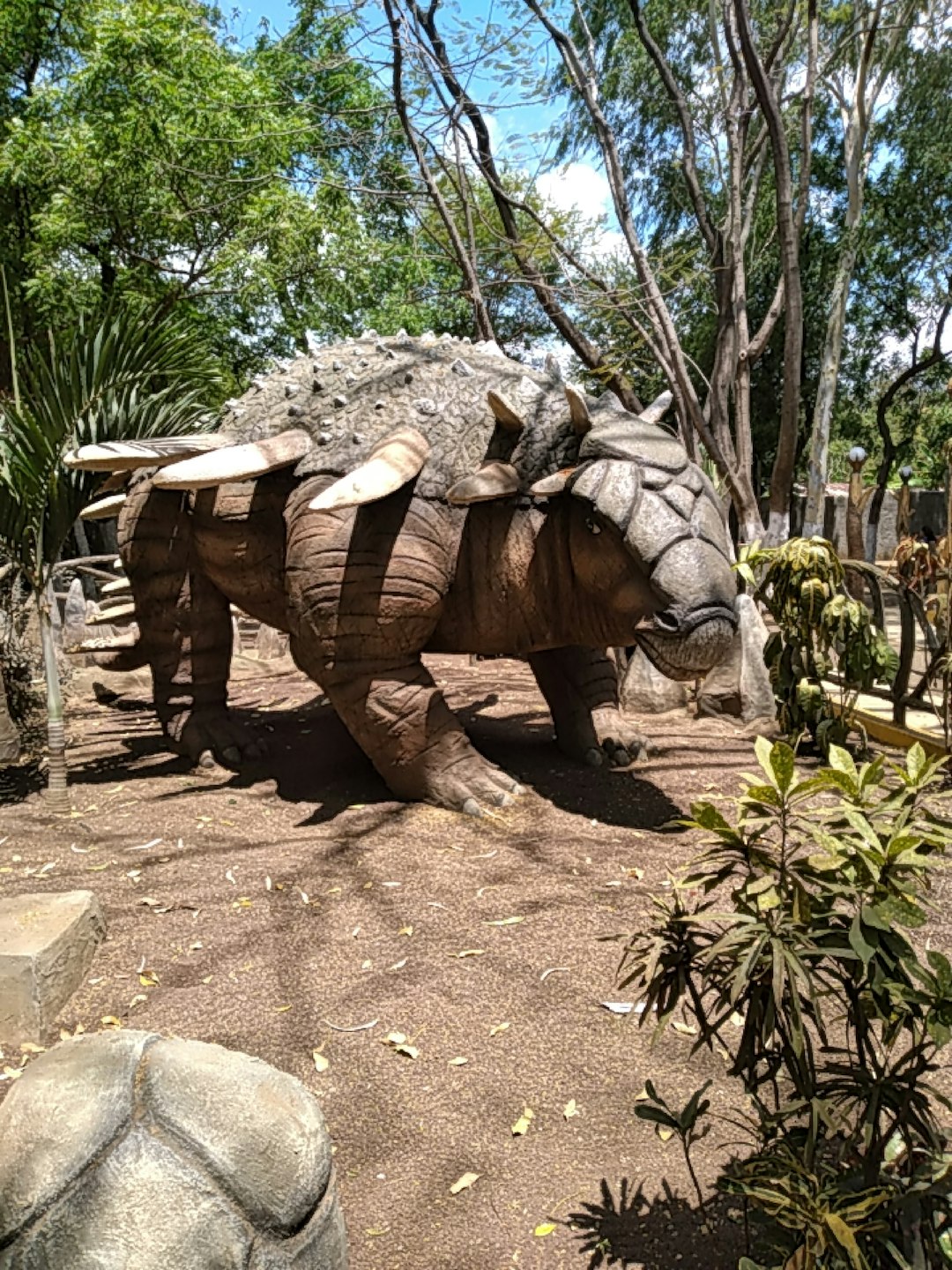
Picture a creature so massive that its heart alone weighed as much as a small car, and you’re getting close to understanding Argentinosaurus. This South American giant stretched an estimated 115 feet from nose to tail, making it longer than three school buses lined up end to end. Living around 95 million years ago during the Cretaceous period, this sauropod dinosaur weighed somewhere between 70 to 100 tons.
What made Argentinosaurus truly remarkable wasn’t just its size, but how it managed to support such enormous weight. Its massive leg bones were like living pillars, each one thicker than a telephone pole. The dinosaur’s long neck, which could stretch up to 40 feet, allowed it to browse treetops that other herbivores couldn’t reach, giving it access to food sources that sustained its incredible bulk.
Amphicoelias: The Phantom Giant
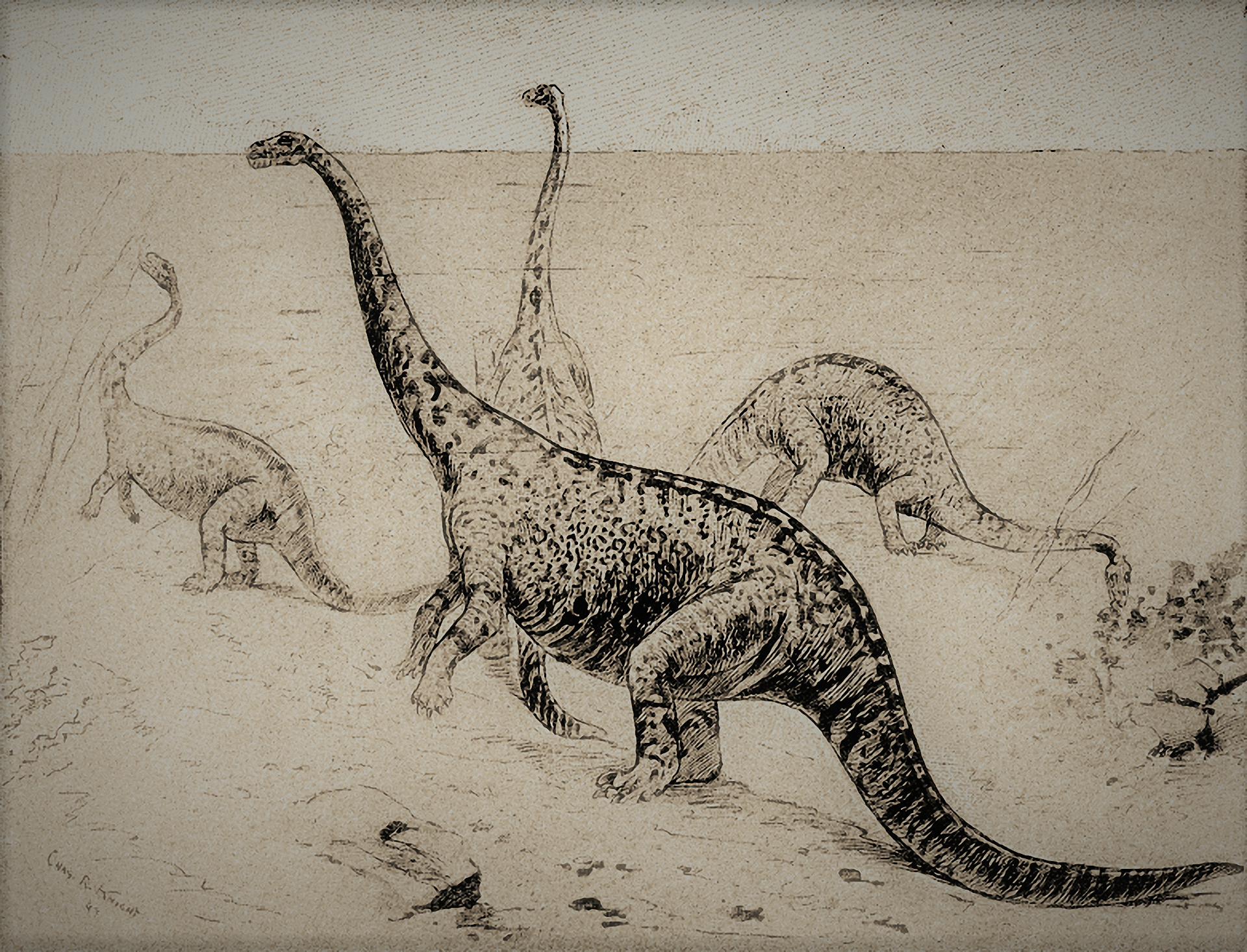
Here’s where things get really wild – and a bit mysterious. Amphicoelias fragillimus might have been the largest land animal ever discovered, but we’ll never know for sure because the fossil evidence literally crumbled to dust. Found in 1878 by paleontologist Edward Drinker Cope, this sauropod’s single vertebra suggested a creature that could have reached 190 feet in length and weighed over 120 tons.
The tragedy is that Cope’s fossil was so fragile it disintegrated before other scientists could study it. Some researchers believe the measurements were exaggerated, while others think we lost evidence of the true king of the dinosaurs. It’s like having a photograph of Bigfoot that gets accidentally deleted – tantalizing but forever out of reach.
Spinosaurus: The Semi-Aquatic Giant
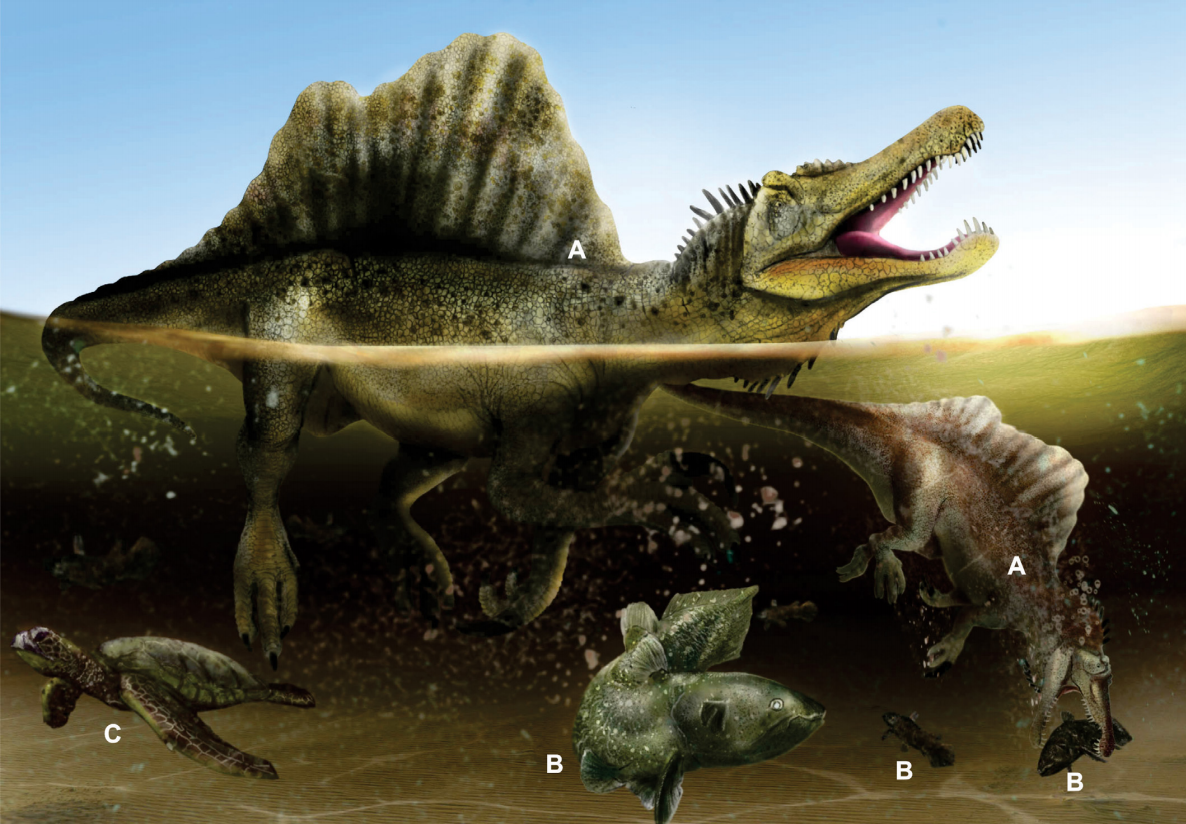
Forget everything you thought you knew about Spinosaurus from movies – this wasn’t just another large predator, it was a fishing machine unlike anything else. Recent discoveries have revealed that this 50-foot-long dinosaur was actually semi-aquatic, spending much of its time in rivers and lakes hunting fish with its crocodile-like snout. Weighing up to 20 tons, it was heavier than most other theropod dinosaurs.
What really set Spinosaurus apart was its massive sail-like structure on its back, which could reach 7 feet tall. Scientists believe this served multiple purposes: regulating body temperature, displaying to potential mates, and possibly even helping with swimming. Think of it as nature’s first solar panel combined with a billboard advertisement.
Dreadnoughtus: The Fearless Giant
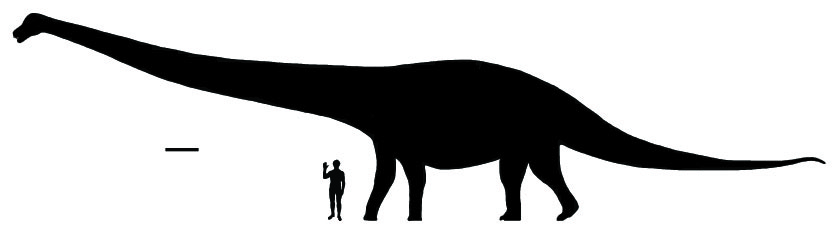
With a name that literally means “fears nothing,” Dreadnoughtus lived up to its billing as one of the most completely preserved giant dinosaurs ever found. This 85-foot-long titanosaur weighed an estimated 65 tons and roamed South America about 77 million years ago. What makes Dreadnoughtus special isn’t just its size, but how much we actually know about it thanks to remarkably complete fossil remains.
Scientists have been able to study everything from its tiny teeth to its massive thighbones, each one weighing over 1,000 pounds. The level of detail in the fossils has allowed researchers to understand how these giants moved, ate, and even how fast they could walk – which, surprisingly, was only about 3 miles per hour, slower than most people’s walking speed.
Shastasaurus: The Colossal Marine Reptile
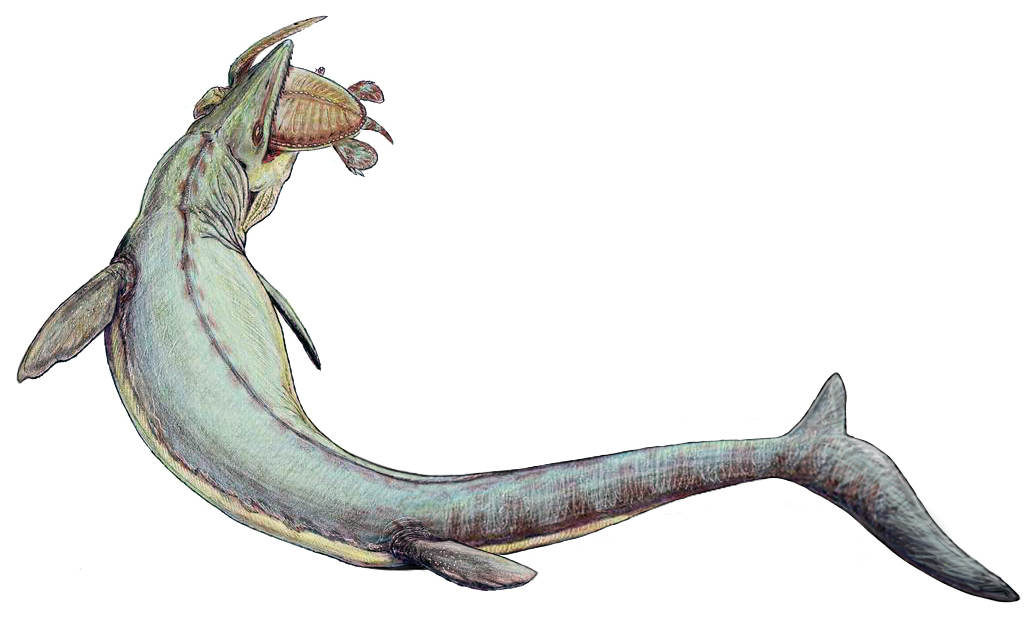
Before whales ruled the oceans, there was Shastasaurus, a marine reptile that would make today’s orcas look like minnows. This ichthyosaur reached lengths of up to 85 feet and cruised the ancient Triassic seas around 210 million years ago. Unlike the fearsome teeth of many marine predators, Shastasaurus had a relatively small head and likely fed on squid and fish like today’s sperm whales.
What’s absolutely mind-blowing is imagining these giants gliding through prehistoric oceans with the grace of modern dolphins but the size of buildings. Their streamlined bodies and powerful tails made them incredibly efficient swimmers, capable of diving to crushing depths in pursuit of prey. The ocean was their highway, and they were the eighteen-wheelers of the ancient seas.
Leedsichthys: The Gentle Giant of Ancient Seas
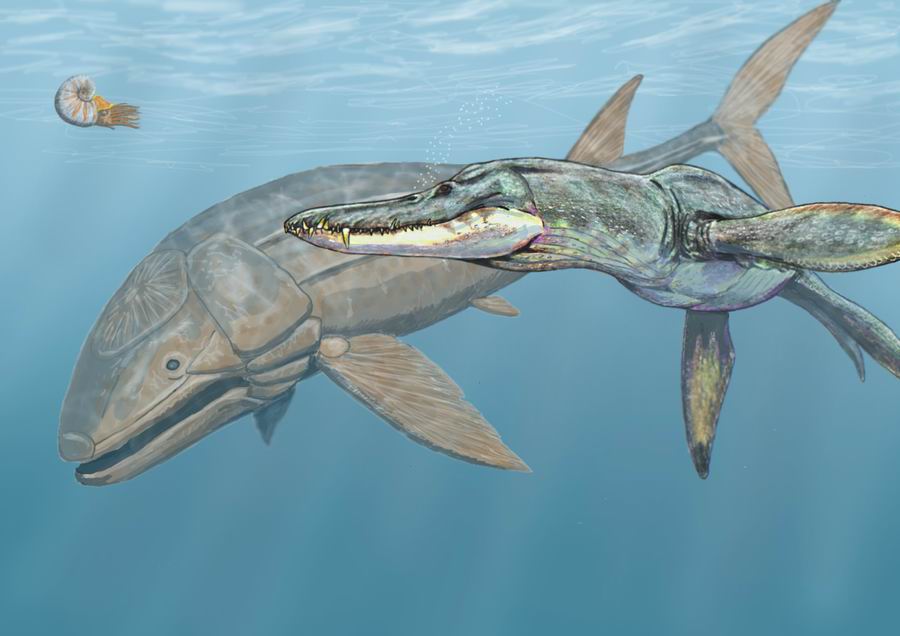
Meet the largest bony fish that ever lived – Leedsichthys problematicus was a filter-feeding giant that reached lengths of up to 54 feet during the Jurassic period. This prehistoric fish was like a massive underwater vacuum cleaner, swimming through ancient seas with its mouth wide open, filtering plankton and small fish from the water. Despite its enormous size, it was completely harmless to large marine animals.
The “problematicus” part of its name comes from the fact that its bones were so large and fragmented that early paleontologists had trouble figuring out what kind of creature they were dealing with. Imagine trying to solve a jigsaw puzzle where each piece is the size of a dinner plate and you’re missing half the box – that’s what scientists faced when reconstructing this ancient giant.
Paraceratherium: The Hornless Rhino Giant

Picture a rhinoceros stretched to the size of a small building, and you’re looking at Paraceratherium, the largest land mammal that ever lived. This hornless wonder stood 16 feet tall at the shoulder and weighed up to 20 tons, making modern elephants look like ponies by comparison. Living in Asia about 25 million years ago, it browsed on treetops like a massive giraffe with the build of a rhino.
What’s fascinating is how this giant managed to thrive without any natural weapons – no horns, no sharp teeth, no claws. Its sheer size was its defense, much like how elephants today rely on their bulk to deter predators. The legs alone were so massive they resembled tree trunks, and its neck was long enough to reach leaves 26 feet off the ground.
Livyatan Melvillei: The Sperm Whale with Jaws
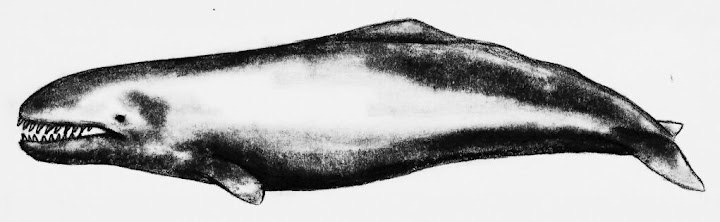
Named after the biblical sea monster Leviathan and author Herman Melville, Livyatan melvillei was essentially a sperm whale that decided to become a apex predator. This 60-foot-long whale lived about 12 million years ago and possessed the largest teeth ever found in any animal – some reaching over a foot in length. Unlike modern sperm whales that primarily eat squid, Livyatan hunted other whales.
The terrifying thing about Livyatan is that it shared the ancient oceans with Megalodon, the giant shark. These two apex predators likely competed for the same prey, leading to what scientists call the ultimate prehistoric showdown. Imagine being a smaller whale in those ancient seas, caught between a house-sized shark and a whale with teeth like railroad spikes.
Quetzalcoatlus: Master of Ancient Skies
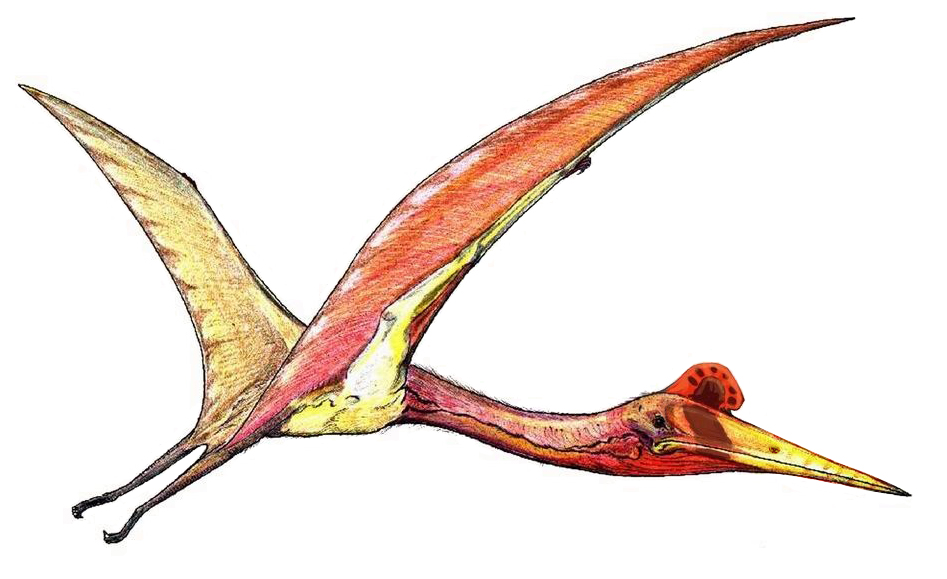
With a wingspan reaching 35 feet, Quetzalcoatlus was essentially a flying giraffe that ruled the skies 70 million years ago. This pterosaur was so large that when it folded its wings and walked on land, it stood as tall as a modern giraffe. Its hollow bones kept it surprisingly light for its size, weighing only about 500 pounds despite its massive wingspan.
What makes Quetzalcoatlus truly remarkable is how it managed to get airborne at all. Scientists believe it used a combination of running starts and powerful wing beats, similar to how modern hang gliders launch from cliffs. Once in the air, it could soar for hours without flapping, using thermal currents to stay aloft while scanning the ground for food like a living aircraft.
Megalodon: The Ultimate Ocean Predator

The name Megalodon literally means “giant tooth,” and this prehistoric shark lived up to its reputation with teeth the size of your hand and jaws that could crush a small car. Reaching lengths of up to 82 feet, this oceanic nightmare ruled the seas for over 15 million years before going extinct about 3.6 million years ago. Its bite force was an estimated 40,000 pounds per square inch – ten times stronger than a great white shark.
What’s truly mind-boggling is that Megalodon’s dorsal fin alone was probably taller than most humans. When this monster swam through ancient oceans, it created waves that could rock boats, if boats had existed back then. The fact that we only know about Megalodon from its teeth and vertebrae makes it even more mysterious – somewhere out there are complete fossil skeletons waiting to be discovered.
The Blue Whale: Nature’s Living Masterpiece
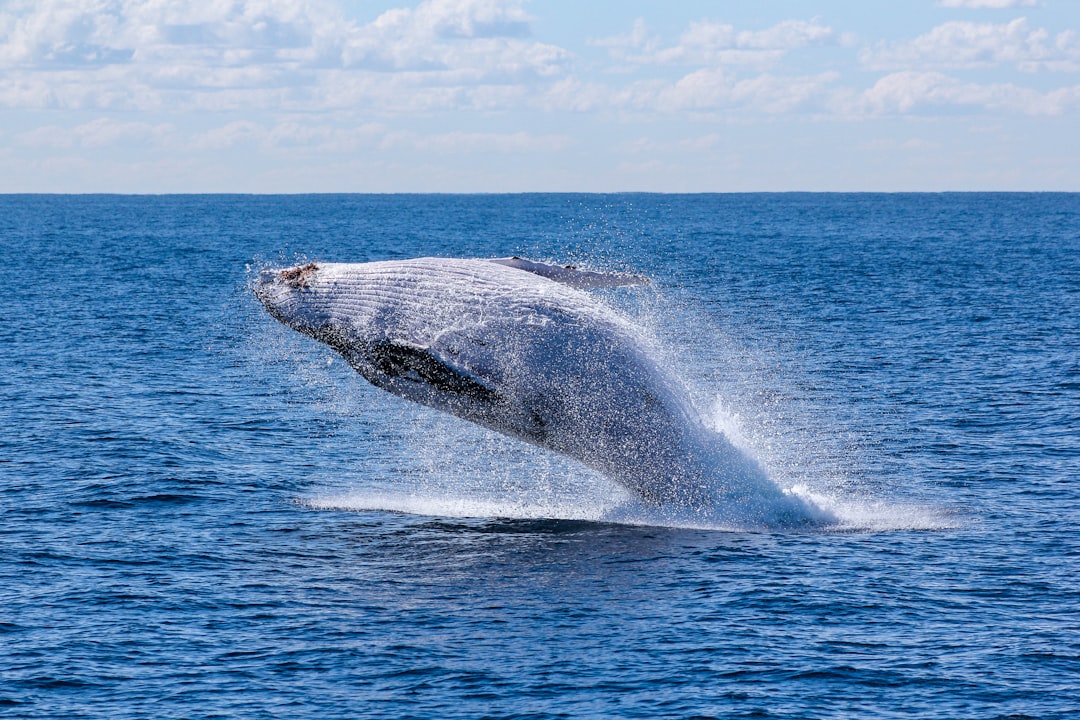
Here’s the big reveal that might shock you: the largest animal that ever lived on Earth is swimming in our oceans right now. The blue whale can reach lengths of up to 100 feet and weigh as much as 200 tons – that’s heavier than 30 elephants combined. Its heart alone weighs as much as a small car, and its tongue weighs as much as an elephant.
What makes this even more incredible is that blue whales achieve this massive size by eating some of the smallest creatures in the ocean – tiny shrimp-like animals called krill. A single blue whale can consume up to 4 tons of krill in a single day during feeding season. It’s like watching a skyscraper survive entirely on rice grains – the efficiency is absolutely mind-blowing.
The blue whale’s call is so loud it can be heard by other whales hundreds of miles away, making it not just the largest animal ever, but also one of the loudest. These gentle giants migrate thousands of miles each year, following ancient routes that have been used for millions of years. The fact that we share our planet with these living legends right now is nothing short of miraculous.
Why Size Matters in Nature’s Game
The story of Earth’s largest animals isn’t just about impressive measurements – it’s about survival strategies that pushed the boundaries of what’s physically possible. Each of these giants evolved their massive size for specific reasons: avoiding predators, reaching food sources others couldn’t access, or simply being more efficient at what they did. Size became their superpower in a world where being bigger often meant being better.
What’s fascinating is how different environments produced different types of giants. The ocean supported the absolute largest creatures because water helps support weight, while land animals had to deal with the constant battle against gravity. Flying animals faced the greatest constraints, needing to balance size with the physics of flight. Each environment shaped its giants in unique ways, creating the incredible diversity we see in the fossil record.
The journey through Earth’s giants reveals something profound about our planet’s incredible ability to support life at every scale imaginable. From the depths of ancient oceans to the heights of prehistoric skies, these colossal creatures pushed the boundaries of what we thought was possible in the natural world. While many of these giants are now gone, their legacy lives on in the fossil record and in the blue whales that continue to grace our oceans today. The fact that the largest animal in Earth’s history is still alive and thriving gives us hope that nature’s most magnificent creations can survive even in our modern world. What other giants might be waiting to be discovered in the depths of our oceans or buried in rocks yet to be explored?