
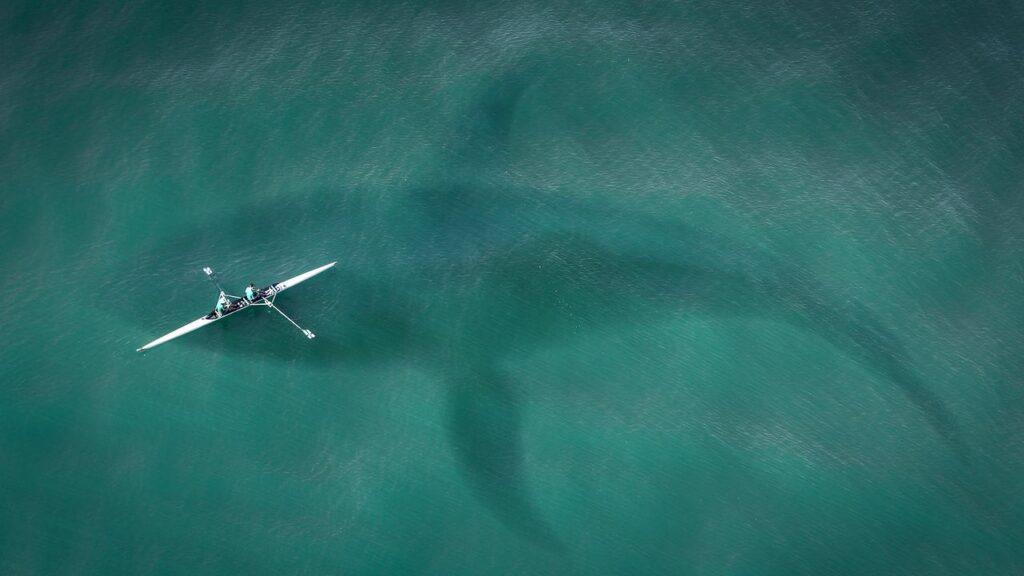
There is something deeply unsettling about the idea that a two‑hundred‑thousand‑pound shark might still be gliding through the darkest corners of the ocean. On paper, the scientific verdict is clear: megalodon went extinct millions of years ago. Yet every few years, a new story, sonar trace, or strange carcass washes up and forces us to look twice and wonder whether the ocean is hiding more than we’re comfortable admitting. That tension between what we think we know and what we might be missing is exactly where the most intriguing “sightings” live.
This is not a list of cheap hoaxes or obviously edited footage. Instead, it’s a tour through the real incidents, reports, and bits of data that have made even hardened skeptics pause. None of these prove a giant prehistoric shark is still alive, and that matters. But taken together, they sketch a pattern that is hard to ignore: our oceans are vast, our instruments are limited, and every now and then something appears that does not fit neatly into the rulebook. Let’s dive into ten of the most talked‑about cases and see where the evidence actually leads.
1. The Enigmatic “Massive Shark” On Deep-Ocean Sonar
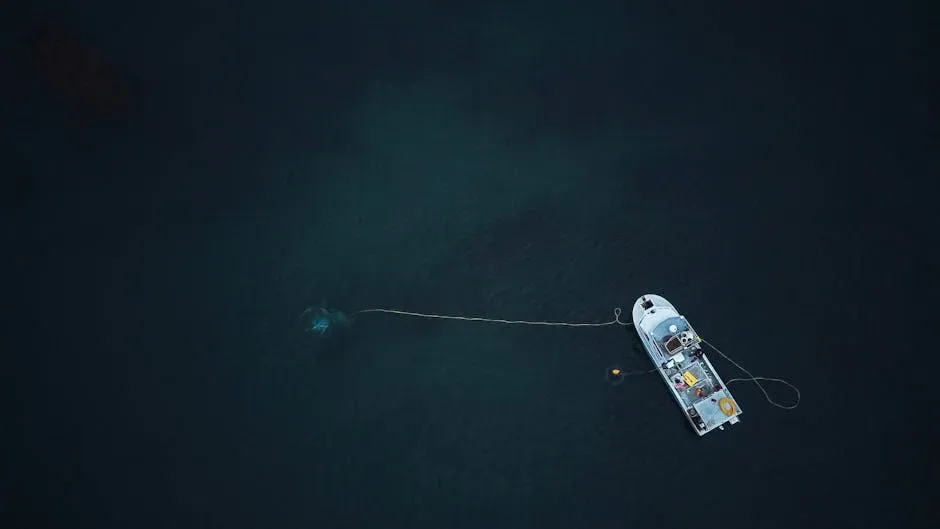
Imagine staring at a ship’s sonar display and watching a shape as long as a city bus drift across the screen beneath your hull. That is essentially what a handful of research and fishing vessels have reported over the past few decades: unusually large moving targets at depths where typical whale behavior does not quite fit, and where the silhouettes look more like elongated torpedoes than anything with a fluke. These contacts often show up between a few hundred and a couple of thousand meters down, where light cannot reach and visual confirmation is almost impossible.
From a scientific standpoint, the most sober explanation is that these are misreadings, schools of fish clustering together, or known large species like sperm whales or giant squids caught from an odd angle. Ocean sonar is notoriously tricky to interpret, especially in rough seas. But I’ve talked to enough people who work at sea to know that veteran captains do not casually label unknown returns as “huge shark” on their logs. When the professionals say a target looked wrong, they mean it, even if they still shrug and chalk it up to some quirk of the deep.
2. The Oversized Shark Bite Marks On Whales
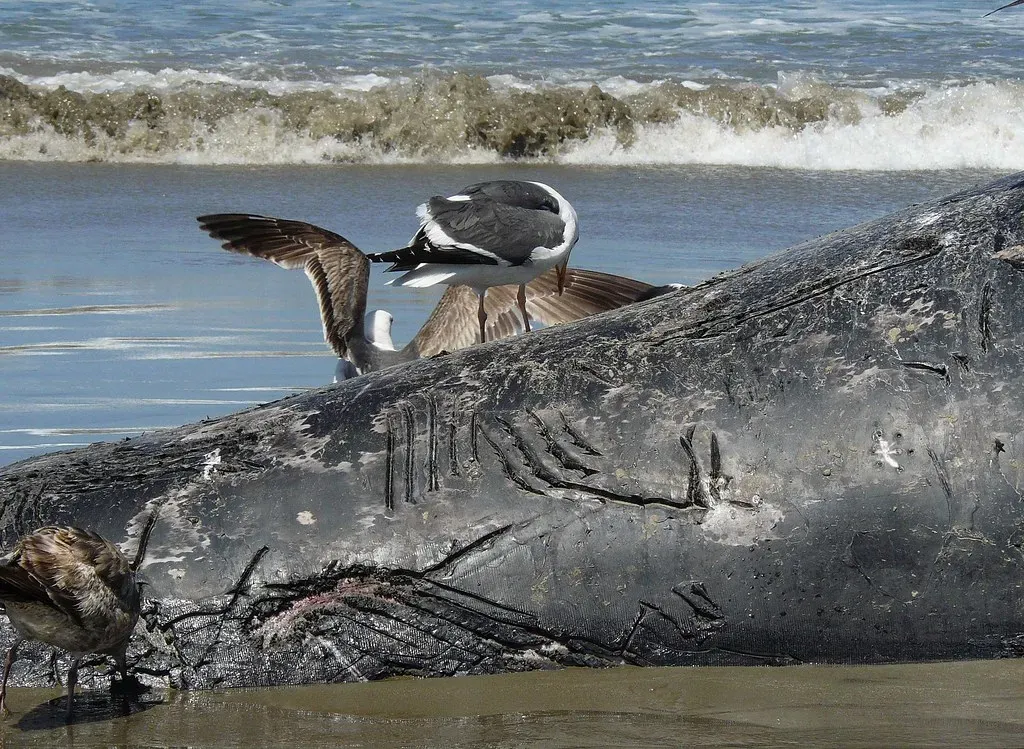
Every once in a while, a dead whale drifts to shore with scars that tell a violent story. Marine biologists have documented carcasses bearing crescent‑shaped bite marks so large that only the biggest great white sharks could be responsible, and sometimes even that seems like a stretch. These wounds can span well over a meter from end to end, suggesting jaw widths at the very upper limit of modern shark records. When those marks appear on adult whales hundreds of meters long, it makes the mind jump straight to megalodon.
Realistically, there are other explanations. Great whites can grow larger than most people appreciate, and some regions regularly turn up individuals pushing the upper bounds of what textbooks list. In addition, bites stretch and distort as carcasses decompose, making them look a bit more monstrous than they were at the moment of attack. Still, standing in front of a whale fluke gashed by a semicircle that looks like it was carved by a car‑sized mouth is the kind of experience that sticks with researchers. It is one of the most visceral reminders of how brutal and under‑observed life in the open ocean can be.
3. Gigantic Shadows Beneath Fishing Boats
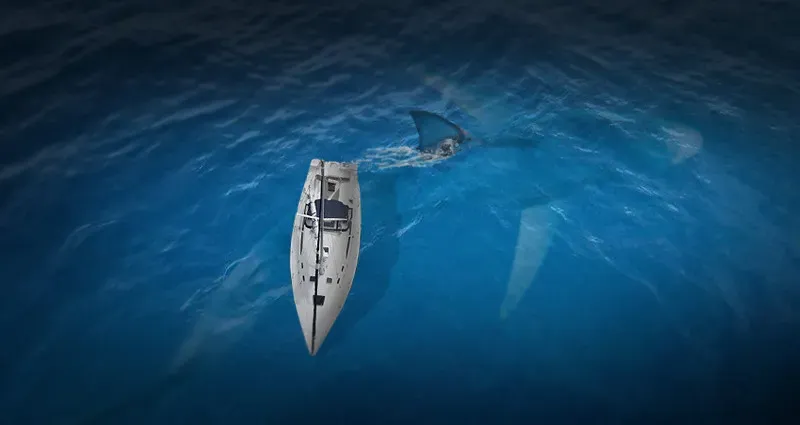
Talk to longline or tuna fishermen who have worked offshore for decades and you will eventually collect a few stories that make your skin crawl. A recurring theme is the “black shadow” that drifts beneath the hull, blotting out the pale shimmer of the sea floor or the blue column of open water. Some describe shapes easily longer than their boats, moving with the lazy, unhurried confidence of an apex predator that has never had to be afraid of anything. When these stories come from people who can tell a whale from a shark at a glance, they get harder to dismiss as simple misidentifications.
Of course, anecdote is not data, and no scientist can publish a paper based on a deckhand’s memory alone. Human perception is famously unreliable at judging size in water, especially when adrenaline is pumping and visibility is poor. Personally, though, I grew up around coastal communities where you can smell who is spinning a tall tale and who is just quietly unsettled by what they saw. When a hardened captain lowers his voice and says he wishes he had never looked over the side that day, you pay attention, even if you still keep your rational skepticism close.
4. The “Meg-Sized” Sonar Trace Of Massive Moving Schools
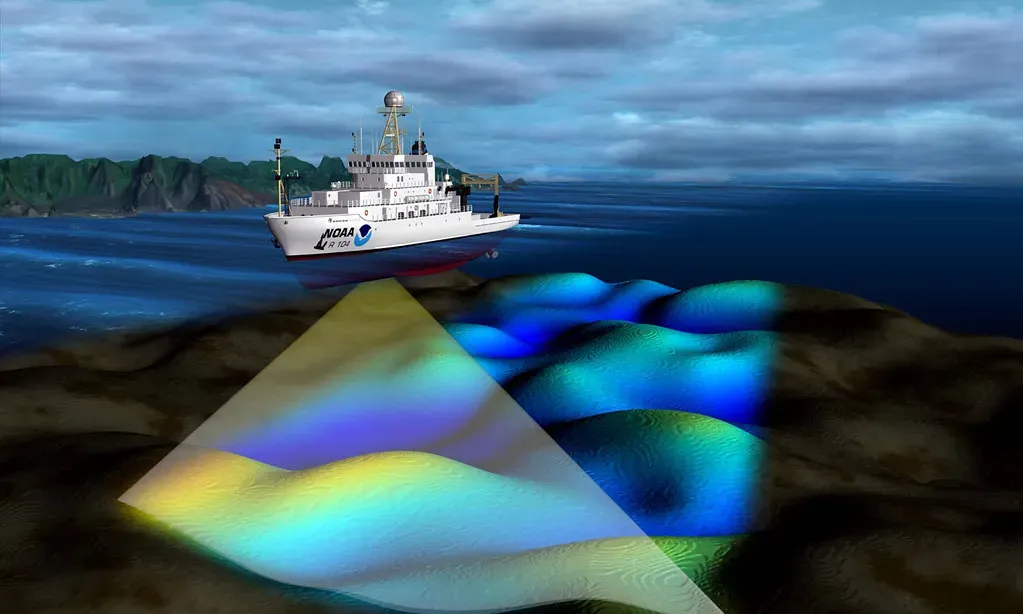
Sometimes, what looks like a single massive creature on sonar turns out to be something stranger: a tightly packed school of large fish moving almost like a single organism. These schools can span tens of meters, rise and fall in the water column, and present as one gigantic, elongated mass on basic equipment. To an untrained eye, the resulting trace can look eerily like a giant shark cruising along a canyon wall or circling beneath a boat. This has fed an entire subculture of tantalizing screenshots passed around in online forums with captions hinting at megalodon.
Oceanographers and fisheries scientists will tell you that this behavior is not just known but common among some species, especially when they are avoiding predators. Yet there is still a curious twist: predators usually drive prey into tight formations, and the larger and more coordinated the school, the more it suggests something big is hunting nearby. So while the huge sonar blob is almost certainly not a single prehistoric shark, it might very well hint at the presence of a very large modern one stalking just out of view. In that sense, the legend of megalodon gets layered onto very real, present‑day predator–prey dramas.
5. Washed-Up Mystery Carcasses And “Globster” Cases
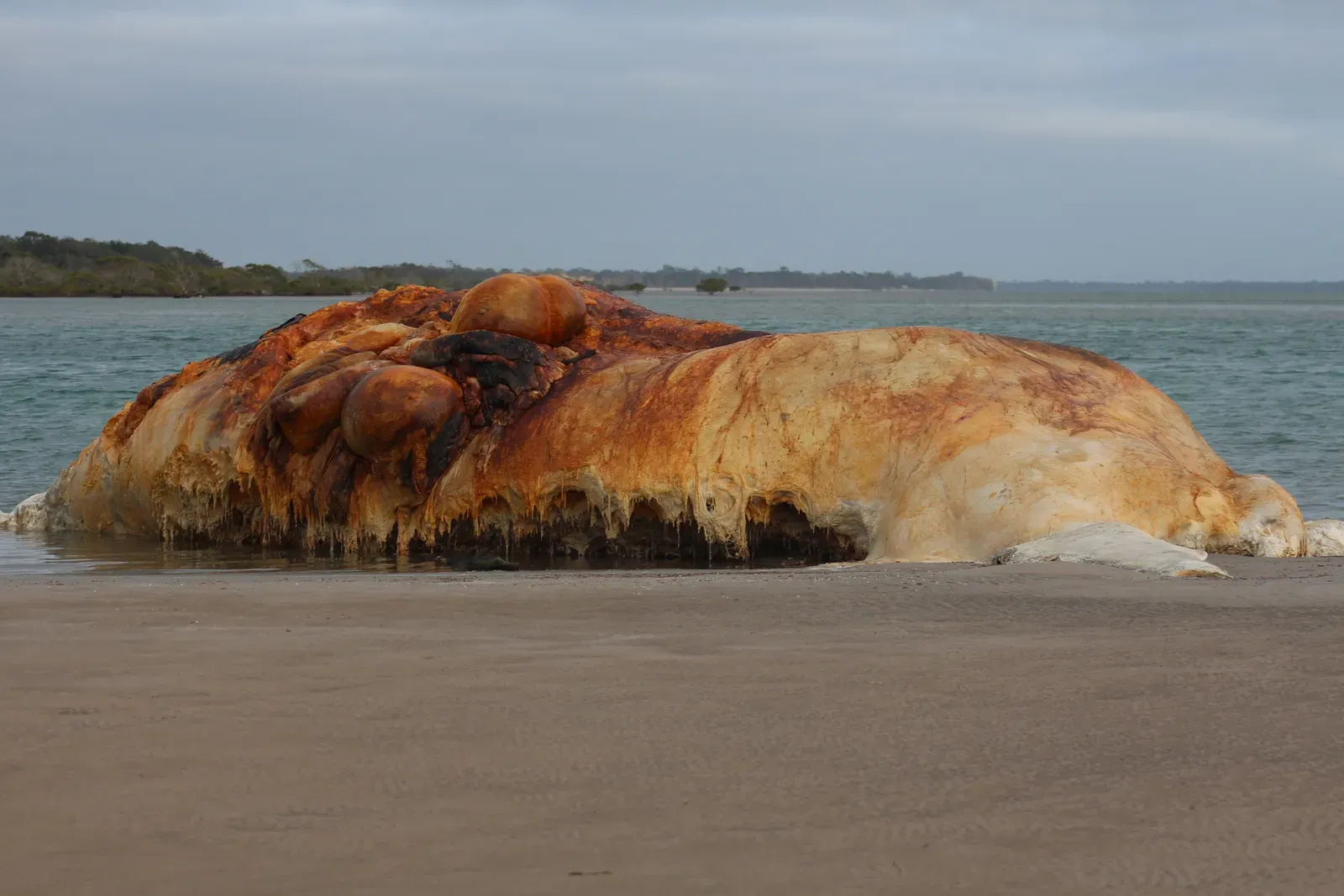
Every decade or so, a strange carcass washes ashore somewhere in the world and sends local media into a frenzy. These decomposed, unrecognizable masses of tissue have been nicknamed “globsters,” and for a long time they were fodder for every kind of sea monster theory you can imagine, from giant octopus to surviving marine reptiles. When a globster turns up with what looks like cartilage, tough skin, and fibers that recall shark muscle, it is only a matter of time before someone whispers megalodon. Photos travel, angles get distorted, and the story snowballs from there.
Modern forensic tools have taken some of the mystery out of these events. In many cases, DNA analysis, histology, and simple anatomical comparison eventually reveal that the supposed “giant shark remnant” is actually the decayed remains of a whale or another known animal. Yet the fact that these identifications often take time fuels conspiracy‑minded speculation that something is being covered up. From my point of view, globsters do not prove megalodon is still around, but they do highlight how quickly our confident labels fall apart when flesh and bone are chewed, rotted, and reworked by the sea.
6. Deep-Sea Camera Footage Of Unidentified Large Sharks
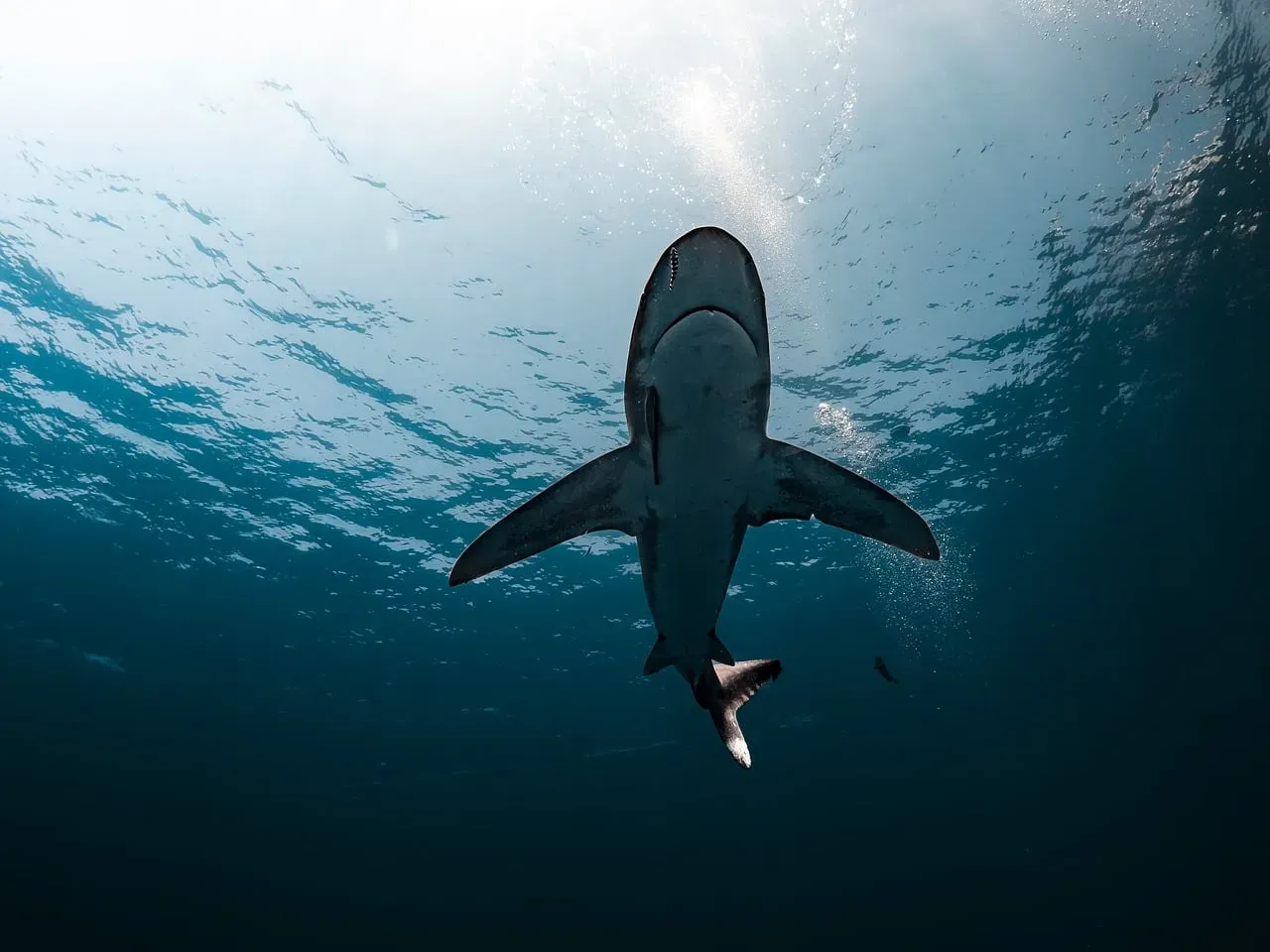
In the past two decades, cheap underwater cameras and baited remote video stations have turned the deep ocean into a kind of dimly lit stage. Researchers drop these rigs down canyons and seamounts and wait to see who shows up for a free meal. Most of the time, the visitors are known species: sixgill sharks, bluntnose, or large but familiar deep‑water predators. Every now and then, though, a clip circulates showing a bulky, heavily built shark gliding past the frame, its full body never quite visible, leaving viewers to argue late into the night about its true size.
Lighting, lens distortion, and lack of reference objects play cruel tricks on our sense of scale in these videos. A close small shark can look bigger than a distant large one, and without something like a marked cage or a calibrated laser grid, it is almost impossible to be sure. Still, some footage clearly features individuals that are pushing into the realm of the extraordinary, at least for modern sharks. I remember watching one clip with a group of marine biologists; nobody said the word “megalodon,” but everyone quietly agreed that if that animal was a known species, it was an absolute giant of its kind.
7. The Persistent Reports From Submarine Crews
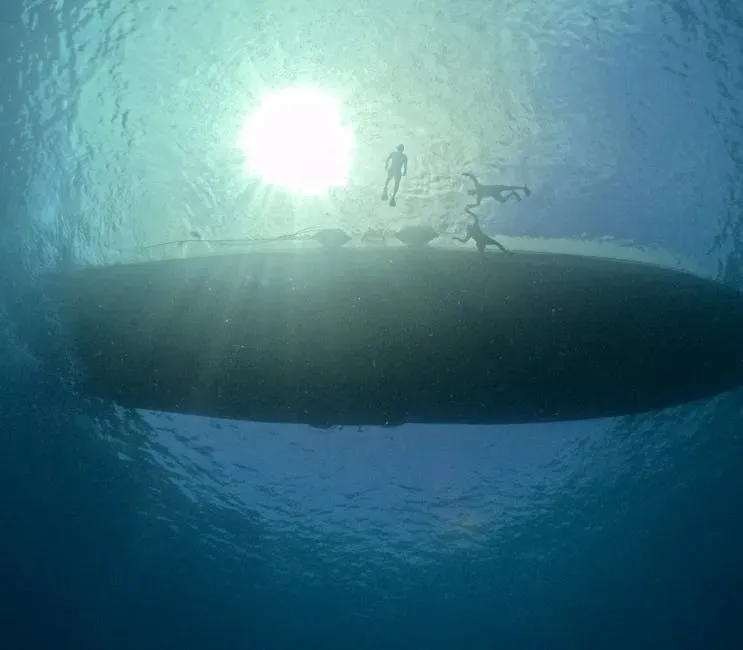
One of the more intriguing clusters of stories comes from military and research submarine personnel. On long patrols or mapping missions, subs sometimes report fast, large acoustic contacts outside the usual catalog of whales and other marine life. These contacts may match the speed and maneuvering of large predators, but display a size profile that seems outsized for normal sharks. Because so much of this activity is wrapped in secrecy and classified data, the public rarely gets more than vague hints, which of course only feeds speculation.
The most likely explanation is that these are simply under‑studied populations of existing large animals, or composite signals bouncing and echoing in complex seafloor terrain. Sub sonar is incredibly sensitive, and even small calibration quirks can make signals look stranger than they are. Still, I find it fascinating that some crew members, years later and no longer bound by rigid protocols, will casually mention the “huge fish” that paced them for twenty minutes at depth. They may not seriously believe in living megalodons, but the unease in their stories is hard to fake.
8. Historical Accounts Of “Monster Sharks” Bigger Than Whales
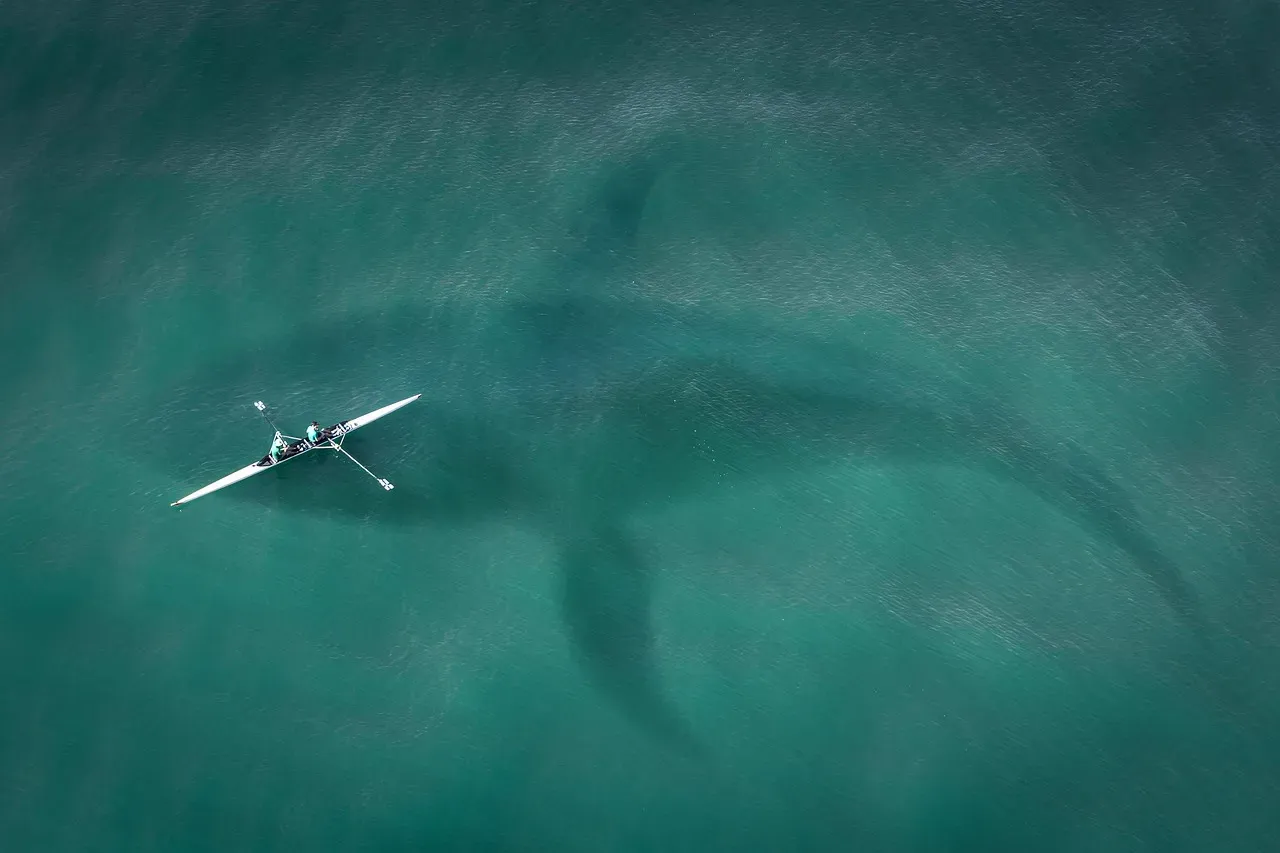
Long before megalodon had a scientific name, sailors were already telling stories of monster sharks that dwarfed their boats and lunged at whales. Old whaling logs, explorers’ journals, and coastal folklore all contain references to creatures that sound astonishingly like oversized great whites: long pale bodies, black eyes, and teeth large enough to hold in a man’s hand. It is easy to dismiss these as exaggerations born from fear and bad visibility, and, to be fair, fear and bad visibility probably did a lot of the heavy lifting.
Yet buried in the bluster and superstition, there may be fragments of reality. We know now that great whites routinely reach lengths that would have stunned nineteenth‑century sailors, and that rare individuals might push even beyond the better‑documented records. When someone in 1850 estimated a shark at twice the length of their small boat, they were probably wrong in the exact number, but they were also signaling that the animal was among the largest living things they had ever seen. These accounts do not demand a living megalodon, but they do remind us that the boundary between “big shark” and “too big to believe” is sometimes drawn with guesswork, not tape measures.
9. The Internet Era “Megalodon Videos” With Real Questions Behind Them
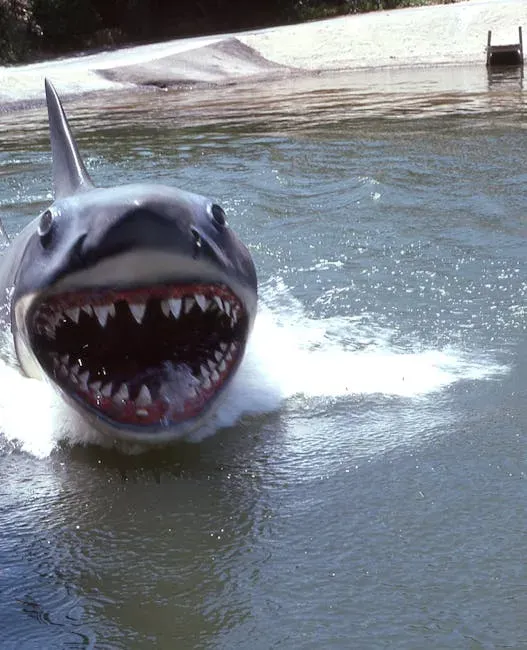
In the age of high‑definition cameras and video editing software, a lot of alleged megalodon clips online are obvious fakes. Dramatic music, impossible angles, and conveniently blurry teeth are all giveaways that we are dealing with entertainment rather than evidence. Hidden among the hoaxes, though, are a handful of videos shot by divers, drone pilots, or fishermen that show genuinely large sharks whose size is tricky to peg. The trouble is that once a video is released into the wild, context gets stripped away, and any sober analysis gets buried under comments shouting that this is final proof of a prehistoric monster.
When marine scientists do get a chance to scrutinize these clips with known reference points, the verdict is almost always the same: very big, but still within the upper range of modern species. From a rational point of view, that should be exciting enough. We are looking at living animals that push the limits of what we thought possible, and that alone is thrilling. Yet because the label “megalodon” sells more clicks than “exceptionally large great white,” the nuanced story is often lost. Personally, I think that says more about us than about the sharks.
10. The Deep Unknown: Why Megalodon Refuses To Leave Our Imagination
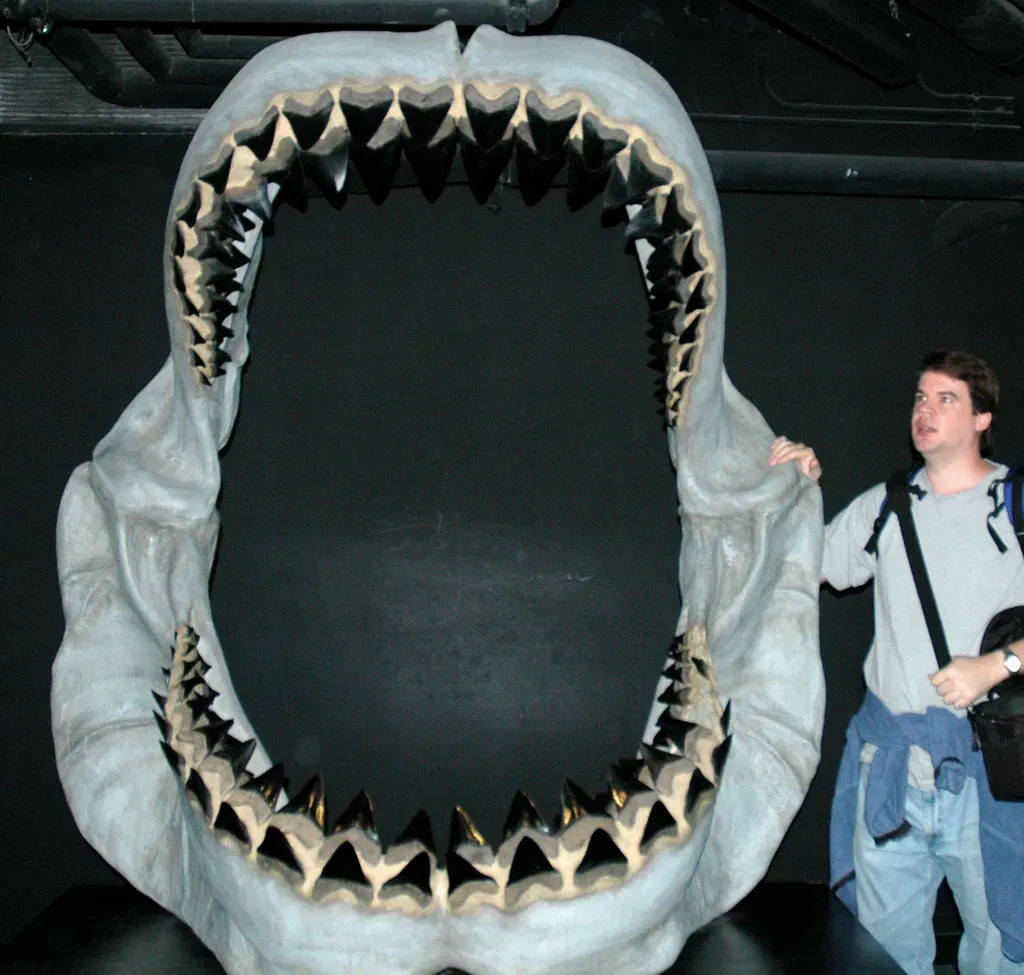
When you pull all these threads together – sonar oddities, strange scars, half‑seen shadows, and unsettling footage – you do not get a watertight case that megalodon still exists. What you do get is a vivid picture of how little we truly know about the deep ocean. A significant portion of the seafloor has never been mapped in detail, and vast stretches of mid‑water habitat see almost no direct human observation. In that enormous, cold, pressurized volume, it is entirely reasonable that large animals live and die without ever brushing against our cameras or nets.
In my view, the most honest position is this: based on everything we know from the fossil record, climate history, and shark biology, megalodon is almost certainly gone. At the same time, the ocean is still wild enough to surprise us with large, powerful predators that challenge our assumptions about size and behavior. We may never find a living prehistoric giant, but we are already surrounded by real, flesh‑and‑blood sharks that would look mythical if we had not caught them on film. Maybe the more interesting question is not whether megalodon is still out there, but why we are so desperate for it to be real. Is it the thrill of fear, the desire for mystery, or a quiet hope that there are still corners of Earth where our species is not in charge – what do you think?