
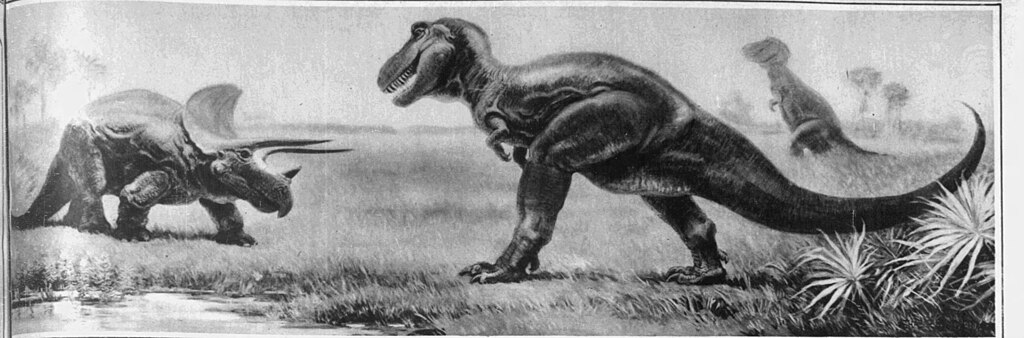
When we think of dinosaurs, images of massive, lumbering beasts often come to mind. But research has increasingly revealed that many dinosaur species possessed remarkable cognitive abilities that challenge our traditional perceptions. Paleontologists have developed sophisticated methods to estimate dinosaur intelligence, including analyzing brain case endocasts (molds of the interior cranial cavity), calculating encephalization quotients (brain-to-body size ratios), examining neuroanatomical features, and studying behavioral evidence from fossils. These approaches have allowed scientists to identify several dinosaur species that likely possessed exceptional problem-solving abilities, social intelligence, and adaptive capabilities. The study of dinosaur intelligence not only transforms our understanding of these ancient creatures but also provides valuable insights into the evolution of cognition across vertebrate species.
How Scientists Measure Dinosaur Intelligence
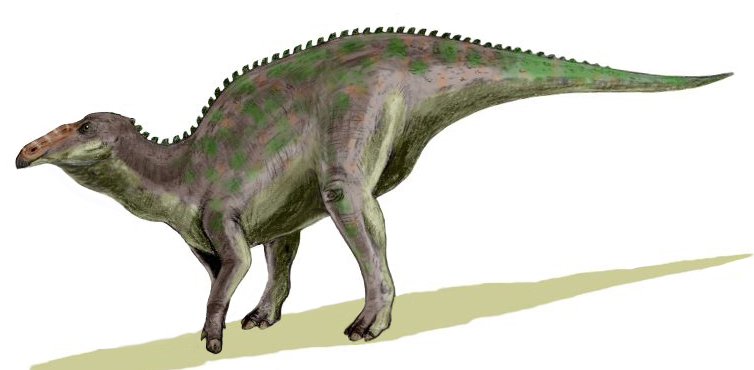
Determining the intelligence of creatures that went extinct 66 million years ago presents unique challenges, but paleontologists have developed several reliable methods. The primary technique involves creating endocasts—three-dimensional models of brain cases—which reveal the size, shape, and structure of dinosaur brains. Scientists also calculate the encephalization quotient (EQ), which compares brain size to what would be expected for an animal of that body mass. Advanced technologies like CT scanning have revolutionized this field by providing unprecedented detail of neuroanatomical features. Additionally, researchers analyze the relative sizes of brain regions associated with higher cognitive functions, such as the cerebrum and cerebellum. Trace fossils and preserved behavioral evidence, including complex nesting patterns, herding behaviors, and predatory techniques, offer further clues about dinosaur cognitive capabilities. Combined, these methods provide a surprisingly detailed picture of dinosaur intelligence.
Troodon: The Brainiest Dinosaur
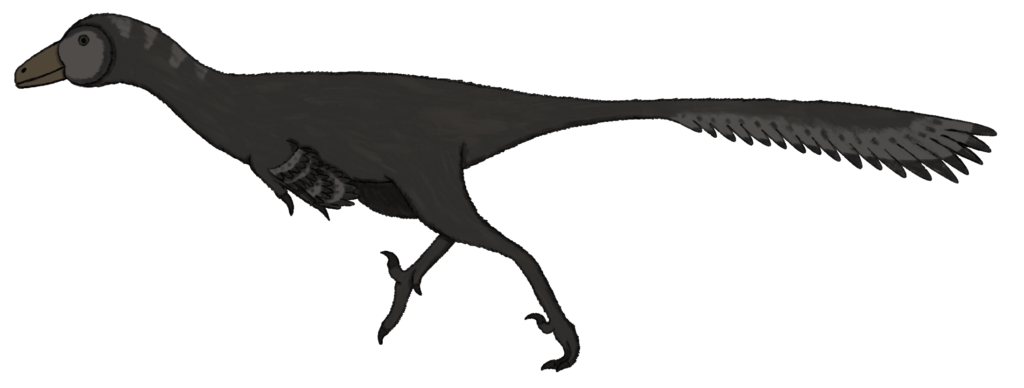
Topping the list of intelligent dinosaurs is Troodon formosus, a small theropod that lived during the Late Cretaceous period, approximately 77-66 million years ago. With an estimated body length of 7-8 feet, Troodon possessed the highest encephalization quotient of any known dinosaur, with a brain size comparable to that of modern birds. Its large brain case housed an expanded cerebrum—the region associated with higher thinking and problem-solving abilities. Notably, Troodon had large, forward-facing eyes that provided excellent binocular vision, suggesting it was a precise and calculating predator. Studies of its brain case indicate well-developed optic lobes, confirming its exceptional visual capabilities. Fossil evidence also suggests Troodon may have exhibited complex behaviors such as parental care, as specimens have been discovered near nests, potentially indicating brooding behaviors similar to those observed in modern birds.
Dromaeosaurids: The “Raptor” Family’s Intellectual Edge

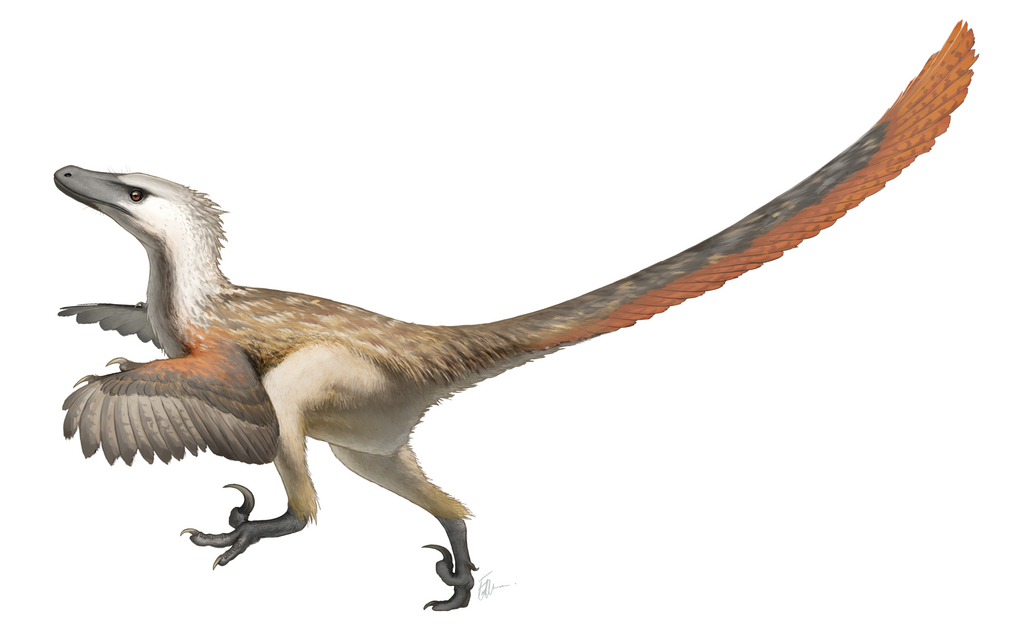
The dromaeosaurid family, which includes the famous Velociraptor and Deinonychus, consistently ranks among the most intelligent dinosaur groups. These mid-sized predators possessed brain-to-body ratios comparable to modern birds of prey, suggesting similar levels of cognitive capability. Velociraptor mongoliensis, despite being smaller than its Hollywood portrayal (standing roughly 1.6 feet tall at the hip), had a relatively large brain case that housed an expanded cerebrum. Fossil evidence indicates these dinosaurs were likely social hunters, as demonstrated by multiple specimens found in association with single prey items. Perhaps most telling was their problem-solving ability, evidenced by specialized hunting techniques that required coordination and planning. The famous “fighting dinosaurs” fossil, which shows a Velociraptor locked in combat with a Protoceratops, suggests these predators took on dangerous prey requiring tactical approaches. Their brain structure also shows enlarged cerebellums, indicating excellent motor control and coordination, essential traits for the complex hunting behaviors these agile predators would have employed.
Stenonychosaurus: The Puzzle-Solving Predator
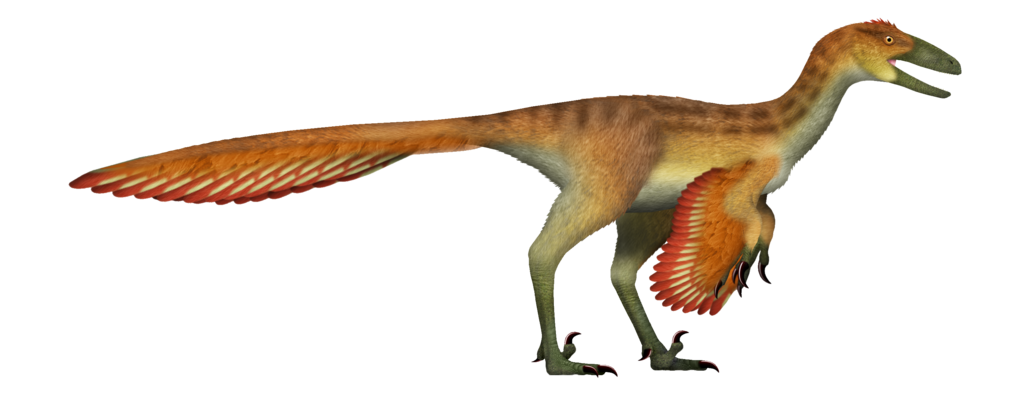
Stenonychosaurus inequalis (sometimes classified as a species of Troodon) represents one of the most cognitively advanced dinosaurs ever discovered. Living during the Late Cretaceous period in what is now North America, this theropod possessed an exceptionally large brain relative to its body size. Its EQ (encephalization quotient) ranks among the highest of all dinosaurs, approaching ratios seen in some modern birds. Paleontological analysis of its brain case reveals highly developed cerebral hemispheres, suggesting advanced processing capabilities. What makes Stenonychosaurus particularly remarkable is its apparent sensory specialization—it possessed large optic lobes, indicating sophisticated visual processing, and an expanded cerebellum that would have provided precise motor control. These neurological features, combined with its grasping hands and binocular vision, suggest it could perform complex manipulation tasks. Some paleontologists theorize that Stenonychosaurus might have used tools in a primitive fashion, though direct evidence for this behavior remains elusive. Its dental structure also indicates a varied diet, suggesting adaptive feeding strategies that would require higher cognitive flexibility.
Ornithomimids: The Ostrich Dinosaur Intellectuals

Ornithomimids, often called “ostrich dinosaurs” due to their physical resemblance to modern ratites, demonstrate surprising cognitive capabilities that place them among the most intelligent dinosaur groups. Species like Ornithomimus and Struthiomimus had brain-to-body size ratios exceeding those of many other dinosaur lineages, with expanded cerebral regions suggesting enhanced processing abilities. Their neuroanatomy indicates heightened sensory capabilities, particularly regarding vision and coordination. Unlike the predatory theropods on this list, ornithomimids were omnivores or herbivores, which typically requires different but equally complex cognitive adaptations for food acquisition. Their ability to process varied diets necessitated flexible feeding strategies and good memory for food locations—traits associated with higher intelligence. Fossil evidence suggests these dinosaurs lived in groups, with specimens of varying ages found together, indicating complex social structures that would have required sophisticated communication and social intelligence. Their mobility and apparent migratory patterns further suggest adaptability and spatial memory capabilities that exceed what would be expected in less intelligent species.
Compsognathus: Small Body, Surprising Brainpower
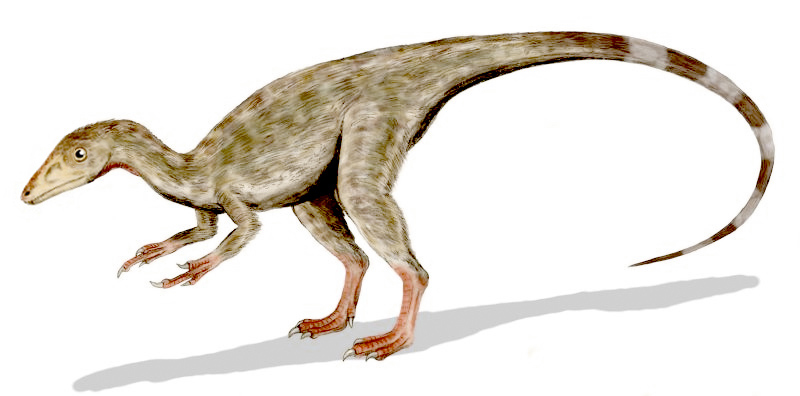
While Compsognathus often gets overlooked in discussions of dinosaur intelligence due to its diminutive size—adults measured only about the length of a chicken—this theropod boasted cognitive abilities that punch well above its weight class. Living during the Late Jurassic period, approximately 150 million years ago, Compsognathus had a brain-to-body ratio that compares favorably with many other theropods, suggesting considerable intelligence for its size. Endocast studies reveal that despite its small absolute brain size, Compsognathus possessed proportionally large cerebral hemispheres. Its neuroanatomy indicates well-developed visual processing centers, suggesting it was a visually oriented hunter capable of tracking fast-moving prey with precision. Fossilized stomach contents have revealed small, agile prey items like lizards, indicating Compsognathus could successfully capture elusive animals, a hunting strategy requiring significant cognitive capabilities. Its lightweight frame and apparent agility would have required sophisticated motor control governed by an efficient brain. Though often overshadowed by larger dinosaurs, Compsognathus represents an important example of how cognitive capabilities weren’t necessarily correlated with body size in the dinosaur world.
The Encephalization Quotient: Brain-to-Body Ratio Insights
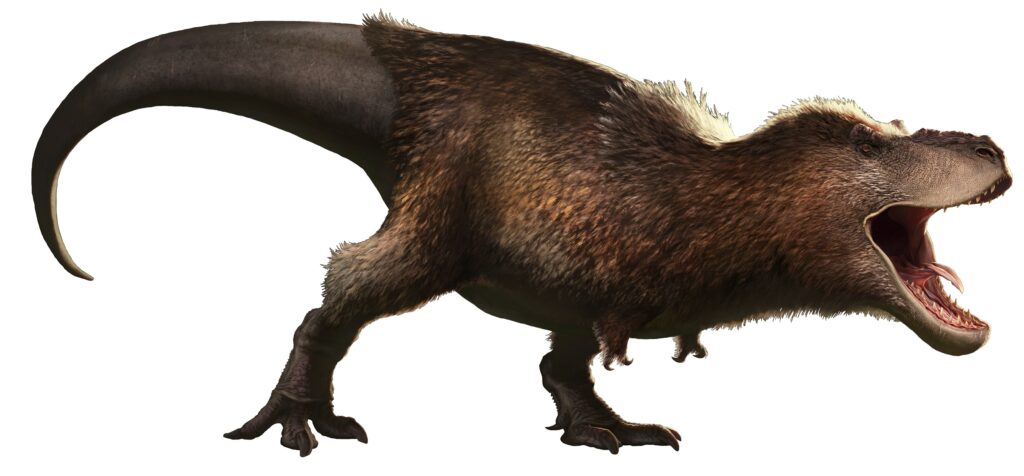
The encephalization quotient (EQ) serves as one of paleontology’s most valuable metrics for estimating relative intelligence across extinct species. Unlike simple brain size measurements, EQ calculates how large a brain is relative to what would be expected for an animal of a particular body mass, using a complex formula that accounts for scaling relationships observed in modern animals. Among dinosaurs, the highest EQs consistently appear in small to medium-sized theropods, particularly those closely related to the avian lineage. Troodon, for instance, boasts an EQ of approximately 5.8—significantly higher than most other dinosaurs and approaching values seen in some modern birds. For comparison, Tyrannosaurus rex, despite its massive absolute brain size, had an EQ of only about 2.0, suggesting more modest cognitive capabilities relative to its body size. The relationship between EQ and intelligence isn’t perfect—ecological niche and specific neuroanatomical adaptations also play crucial roles—but it provides a standardized method for comparing cognitive potential across dramatically different-sized species. When combined with detailed studies of brain structure, EQ calculations have revolutionized our understanding of dinosaur intelligence hierarchies.
Brain Anatomy Clues: What Dinosaur Brains Tell Us
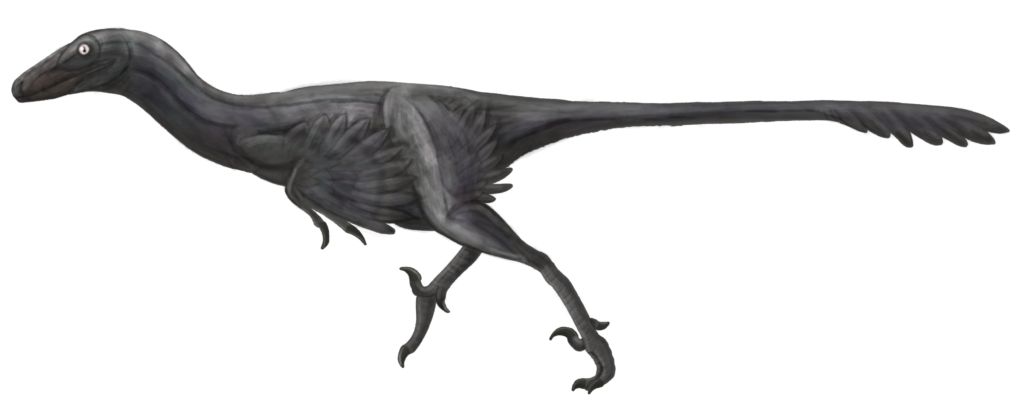
Detailed analysis of dinosaur brain anatomy provides critical insights into their cognitive capabilities beyond simple size measurements. Modern imaging techniques allow paleontologists to identify specific brain regions and their relative proportions from fossilized brain cases. The cerebrum—responsible for higher cognition in vertebrates—shows remarkable enlargement in theropods like Troodon and Velociraptor, suggesting enhanced problem-solving abilities. Similarly, expanded cerebellums indicate improved motor coordination and learning capabilities, particularly important for predatory species that require precise movements. Olfactory bulbs, which process smell information, vary significantly across dinosaur groups, with some predatory theropods showing enlarged structures suggesting sophisticated hunting strategies reliant on scent. The orientation and size of optic lobes reveal visual specializations, with forward-facing eyes and large visual processing centers in many intelligent dinosaur species indicating depth perception capabilities similar to modern predatory birds. Brain folding (gyrification), though difficult to detect in fossils, occasionally leaves impressions suggesting increased neural surface area in some species—another hallmark of enhanced processing power. These neuroanatomical features, when analyzed collectively, provide a remarkably detailed picture of dinosaur cognitive specializations.
The Bird-Dinosaur Connection: Evolutionary Implications
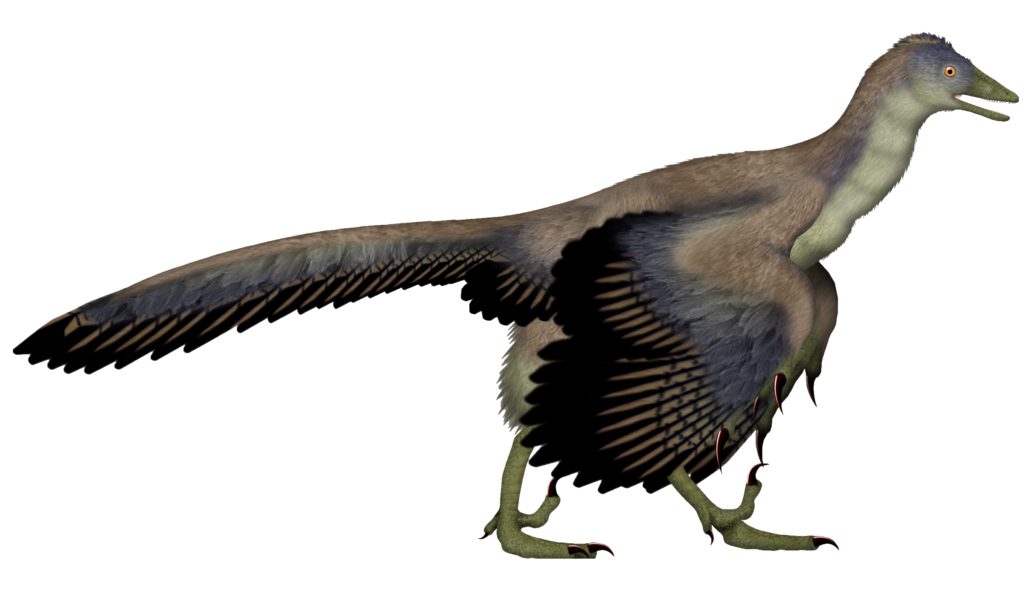
The evolutionary relationship between dinosaurs and birds provides crucial context for understanding dinosaur intelligence. Modern birds evolved directly from theropod dinosaurs, specifically from the maniraptoran lineage that includes several species on our intelligence list. This relationship explains why the most intelligent dinosaurs consistently emerge from bird-like theropod groups. The neurological adaptations that make birds among the most intelligent modern animals—including large cerebral hemispheres, well-developed cerebellums, and efficient neural organization—began emerging in their dinosaur ancestors. The avian brain, characterized by its unique organizational structure that packs neurons more densely than mammalian brains, appears to have its origins in dinosaur neuroanatomy. Comparisons between Archaeopteryx (an early bird) and its dinosaur relatives reveal a gradual evolution toward increased encephalization and neural complexity. This evolutionary trajectory suggests that cognitive capabilities were actively selected for in the dinosaur-bird lineage, perhaps driven by ecological pressures requiring enhanced spatial awareness, coordination, and problem-solving. The remarkable intelligence seen in corvids (crows and ravens) and parrots today represents the continued development of cognitive traits that first appeared in their dinosaur ancestors millions of years earlier.
Behavior and Intelligence: Fossil Evidence of Dinosaur Smarts

Behavioral evidence preserved in the fossil record provides compelling insights into dinosaur intelligence beyond brain measurements. Complex nesting behaviors, particularly evident in theropods and some ornithischians, suggest sophisticated parental care strategies requiring significant cognitive investment. The famous Oviraptor specimen discovered brooding on its nest in a bird-like posture indicates nurturing behaviors that parallel those of modern intelligent birds. Track sites revealing coordinated movement patterns suggest some dinosaur species engaged in sophisticated social behaviors, potentially including cooperative hunting strategies requiring communication and coordination. Predator-prey associations in the fossil record sometimes reveal hunting techniques that would necessitate planning and strategic thinking, particularly noteworthy in dromaeosaurids, whose specialized foot claws appear designed for strategic prey immobilization rather than simple slashing attacks. Evidence of dinosaurs surviving significant injuries shows they could adapt their behaviors following trauma, demonstrating cognitive flexibility. Trace fossils indicating seasonal migrations suggest spatial memory and navigational capabilities in some species. While interpretation of behavioral fossils requires caution, the cumulative evidence strongly supports the presence of complex behaviors consistent with the enhanced cognitive capabilities suggested by neuroanatomical studies.
The Evolutionary Pressures Behind Dinosaur Intelligence
The remarkable cognitive capabilities observed in certain dinosaur lineages didn’t evolve randomly but emerged in response to specific evolutionary pressures. For predatory theropods like Troodon and dromaeosaurids, enhanced intelligence likely developed as an adaptation for hunting complex, social prey animals. The cognitive demands of tracking, pursuing, and capturing alert, fast-moving herbivores would have favored increased problem-solving abilities and coordination. For smaller predators, intelligence might have compensated for less imposing physical attributes, allowing them to outsmart larger competitors or prey. Social living, evident in many dinosaur species from trackway and nesting site evidence, typically drives cognitive evolution as individuals navigate complex social hierarchies and cooperative behaviors. Parental care, particularly prolonged offspring dependency periods suggested by some nesting sites, creates selection pressure for enhanced cognition as parents must provide protection and education to vulnerable young. Environmental instability during the Mesozoic Era, including significant climate fluctuations, would have favored adaptable species with the cognitive flexibility to adjust to changing conditions. The remarkable convergence of intelligence in both the dinosaur-bird lineage and mammals suggests that cognitive enhancement represents a powerful adaptive strategy that has emerged repeatedly throughout vertebrate evolution.
Intelligence Misconceptions: The T. rex Paradox
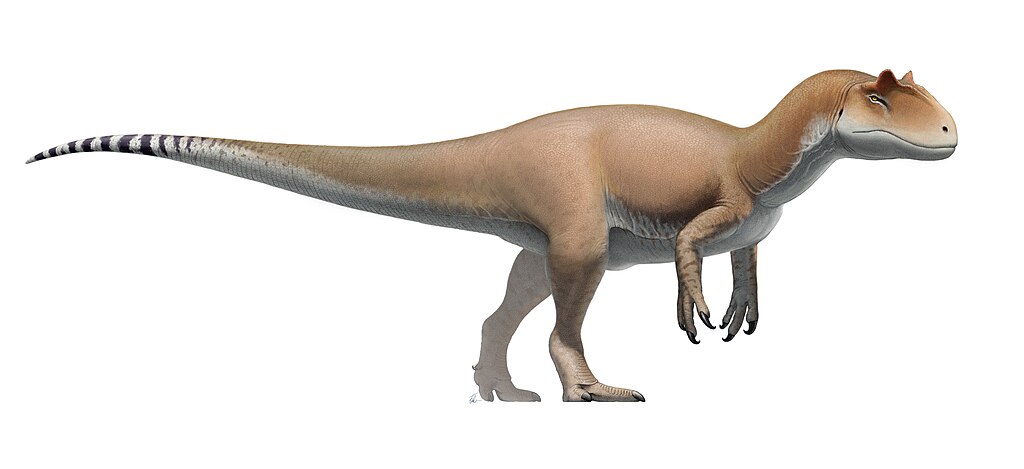
Despite popular portrayals in films like Jurassic Park, Tyrannosaurus rex doesn’t rank among the most intelligent dinosaurs, illustrating how public perception often diverges from scientific understanding. With an encephalization quotient of approximately 2.0, T. rex possessed moderate intelligence relative to its massive body size, but this places it well below the cognitive capabilities of smaller theropods like Troodon and Velociraptor. This represents what paleontologists sometimes call the “T. rex paradox”—the disconnect between the dinosaur’s cultural status as the quintessential dinosaur predator and its relatively modest position in the hierarchy of dinosaur intelligence. The misconception stems partly from T. rex’s impressive absolute brain size, which was indeed large, but this primarily reflected its enormous body mass rather than enhanced cognitive capabilities. Another persistent myth involves dinosaurs having “second brains” in their spinal columns—a misconception stemming from the spinal enlargements found in some species that housed glycogen bodies (energy storage structures) rather than neural tissue. The popular image of all dinosaurs as “dim-witted” represents another fallacy, as cognitive capabilities varied tremendously across different lineages, with some approaching the intelligence levels of modern birds. These misconceptions highlight the importance of evaluating dinosaur intelligence through rigorous scientific methods rather than cultural assumptions.
Beyond the Top Five: Other Notable Intelligent Dinosaurs

While our top five represent the pinnacle of dinosaur intelligence, several other species deserve honorable mentions for their cognitive capabilities. Oviraptor and its relatives possessed significantly enlarged brain cases with expanded cerebral regions, suggesting sophisticated processing abilities likely used for their complex reproductive behaviors. Fossil evidence of Oviraptor brooding nests in bird-like postures indicates parental investment requiring advanced cognitive capabilities. Therizinosaurus, with its bizarre elongated claws and omnivorous diet, showed brain-to-body ratios exceeding many other dinosaur groups, suggesting intelligence potentially linked to its specialized feeding strategies. Among herbivorous dinosaurs, Protoceratops stands out with surprisingly sophisticated neuroanatomy for a ceratopsian, including an expanded cerebrum that suggests enhanced processing capabilities possibly related to its complex social behaviors. Pterosaurs, while technically not dinosaurs but close relatives, showed remarkable encephalization in species like Pterodactylus, with neurological adaptations for flight that required significant cognitive investment. Some pachycephalosaurs exhibited relatively large brain cases that housed expanded cerebrums, suggesting cognitive capabilities exceeding those of many other herbivorous dinosaurs. These examples illustrate that enhanced intelligence evolved multiple times across different dinosaur lineages, suggesting its adaptive value across various ecological niches during the Mesozoic Era.
The Future of Dinosaur Intelligence Research

The field of dinosaur intelligence research continues to evolve rapidly, with several promising avenues likely to yield significant discoveries in the coming years. Advanced imaging technologies, including ultra-high-resolution CT scanning and synchrotron radiation, promise to reveal unprecedented details of brain case structures, potentially identifying neural pathways and brain regions previously undetectable in fossil specimens. Comparative studies with living birds and crocodilians—the closest living relatives of dinosaurs—are providing new frameworks for interpreting neuroanatomical features in dinosaurs.


