Ever imagine what it would feel like to stand in the path of a dinosaur sprinting at full speed? Forget the lumbering giants you might picture from old movies. Not all dinosaurs were slow, earth-shaking behemoths. Some were built like feathered rockets, slicing across ancient landscapes faster than you could blink.
Speed wasn’t just about showing off. For many prehistoric creatures, it meant the difference between eating and starving, or between surviving and becoming someone else’s dinner. Let’s dive in and discover which ancient reptiles could’ve left modern athletes in the dust.
Compsognathus – The Tiny Terror
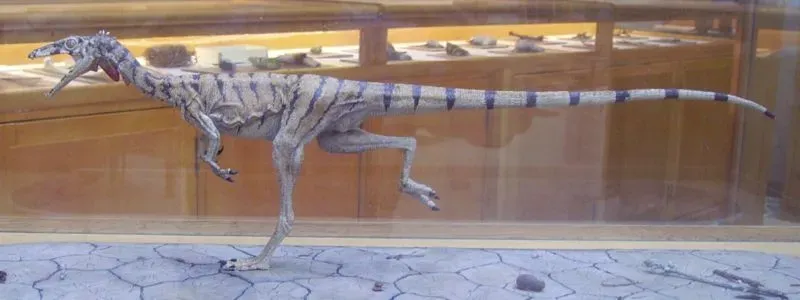
Compsognathus was the fastest dinosaur studied by researchers, clocking in at about 39.8 mph. Think about that for a second. This little predator was no bigger than a modern turkey, yet it could outrun nearly any human alive today.
What this dinosaur lost in weight and size, it made up for in speed, weighing just about 3kg but running nearly 40 mph. Its lightweight frame and long legs were perfectly adapted for chasing down fast-moving lizards and insects. Honestly, if you stumbled across one of these in the Late Jurassic, your best bet would’ve been to climb a tree.
Gallimimus – The Ostrich Mimic Giant
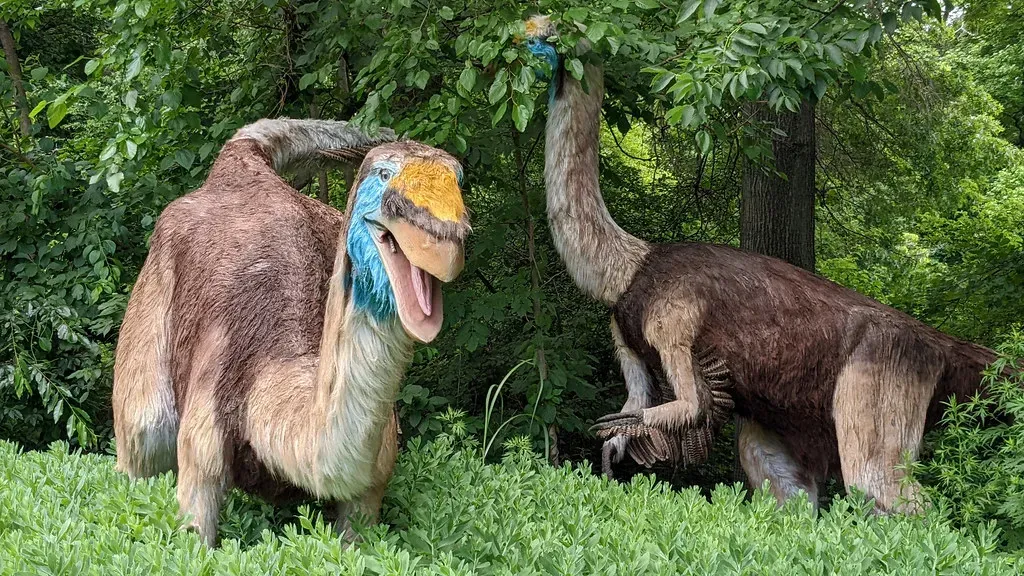
Picture an oversized ostrich with no feathers and a long, stiff tail. That’s Gallimimus in a nutshell. Gallimimus is widely believed to have been the fastest ornithomimid, with an estimated top speed of 56 km/h. Some researchers think it could’ve reached even higher speeds under the right conditions.
Gallimimus was also the largest ornithomimid, measuring 6m in length and standing twice as tall as an adult human. Despite its size, it was built for running. Its long legs and lightweight build made it a natural sprinter. They would have been very fleet animals, using their speed to escape predators, which included the terrifying Tyrannosaurus rex. Here’s the thing: even T. rex couldn’t catch these guys.
Velociraptor – The Swift Thief
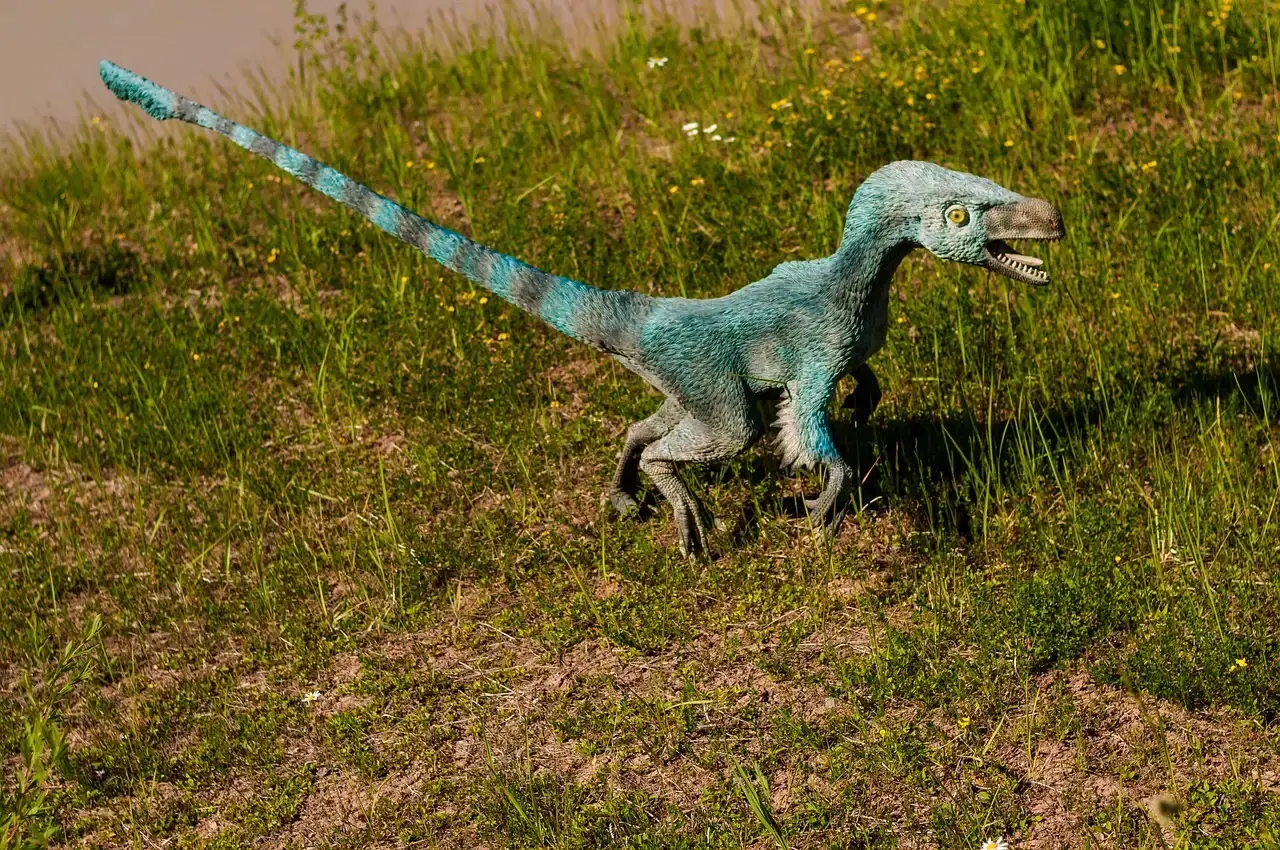
Let’s be real, the Velociraptors from Jurassic Park were completely oversized. The real deal was about the size of a large turkey. Still, don’t let that fool you. Velociraptor would have been capable of reaching speeds of up to 40 km/h, which is just slightly slower than Usain Bolt at his peak.
Velociraptor had a lightweight frame and a long tail, traits that not only made it fast but incredibly agile too, used to hunt dinosaurs twice its size. The name literally means “swift thief,” which tells you everything about this predator’s hunting strategy. Quick bursts, sharp turns, and those famous sickle-shaped claws made it a nightmare for anything unlucky enough to cross its path.
Struthiomimus – The Ostrich Dinosaur
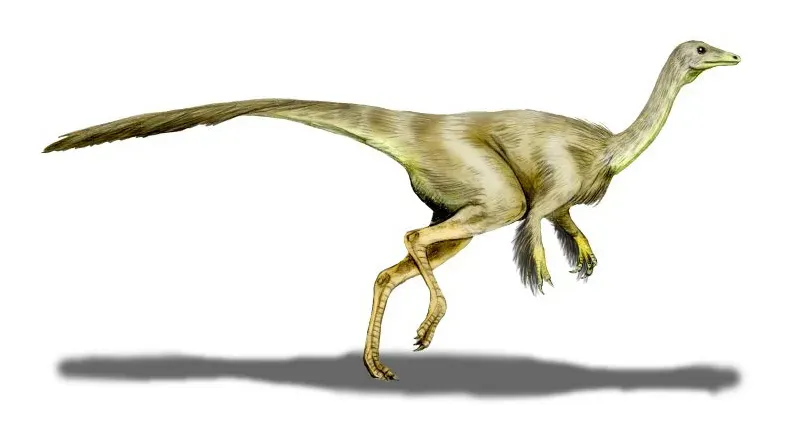
Struthiomimus looked just like an ostrich and was roughly the same size, standing about 2.5m tall and weighing about 150kg. Its name literally means “ostrich mimic,” and it’s easy to see why.
With its long legs and lightweight build, Struthiomimus could reach speeds between 50 and 67 km/h. It needed every bit of that speed too, because it shared its Late Cretaceous home with hungry tyrannosaurs and dromaeosaurids. Unlike obligate carnivores, Struthiomimus may have been an omnivore that used its large, toothless beak to pick buds and shoots from trees. Basically, if you couldn’t fight, you’d better be able to run.
Ornithomimus – The Bird Mimic
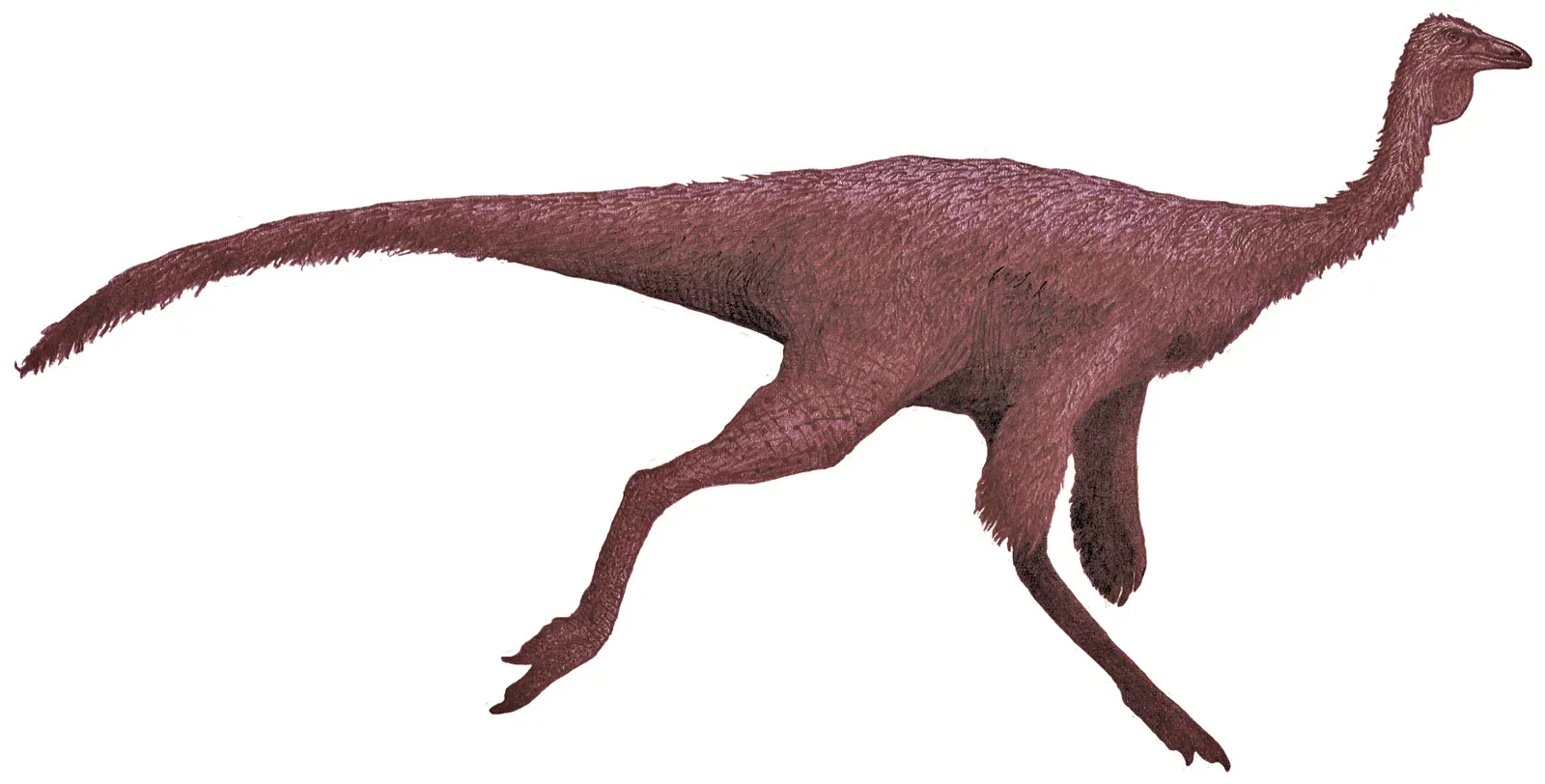
Ornithomimus was a swift, bipedal dinosaur which was covered in feathers and equipped with a small toothless beak. It was closely related to both Struthiomimus and Gallimimus, part of the so-called “ostrich dinosaur” family.
Ornithomimus could form an efficient aerodynamic shape with its head and neck lowered and tail raised, allowing it to reach speeds approaching 65 kilometers per hour. That’s faster than most cars drive in a residential neighborhood. It had light bones and a long, rudder-like tail, which allowed it to run at speeds of up to 70 km/h, making it one of the fastest creatures of its time. Its diet was probably omnivorous, grabbing whatever it could find while sprinting across open plains.
Dromiceiomimus – The Emu Mimic
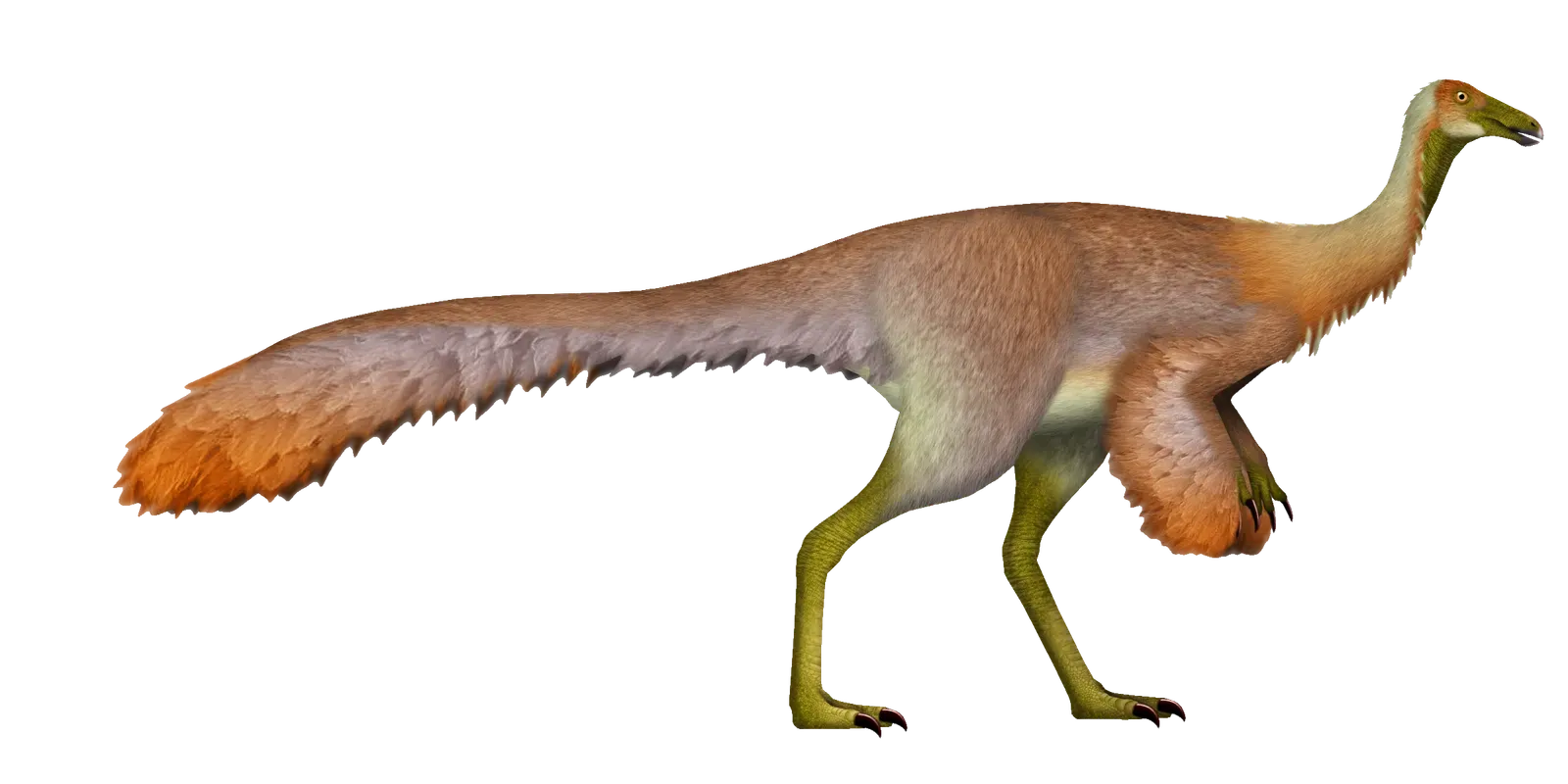
This one’s a bit controversial among paleontologists. Some think it’s just another species of Ornithomimus, while others argue it deserves its own spot in the dinosaur hall of fame. Dromiceiomimus was an ostrich-like dinosaur known for its remarkable speed, estimated at around 64 km/h.
According to one analysis, Dromiceiomimus may have been the fastest of the ornithomimids, with the ability to hit speeds of 45 or 50 miles per hour due to its long legs. It had unusually large eyes, which might’ve helped it spot predators from far away. When you’re built for running, early detection is everything. This dinosaur lived in what’s now Alberta, Canada, during the Late Cretaceous, constantly dodging the jaws of Albertosaurus and other nasty predators.
Deinonychus – The Terrible Claw
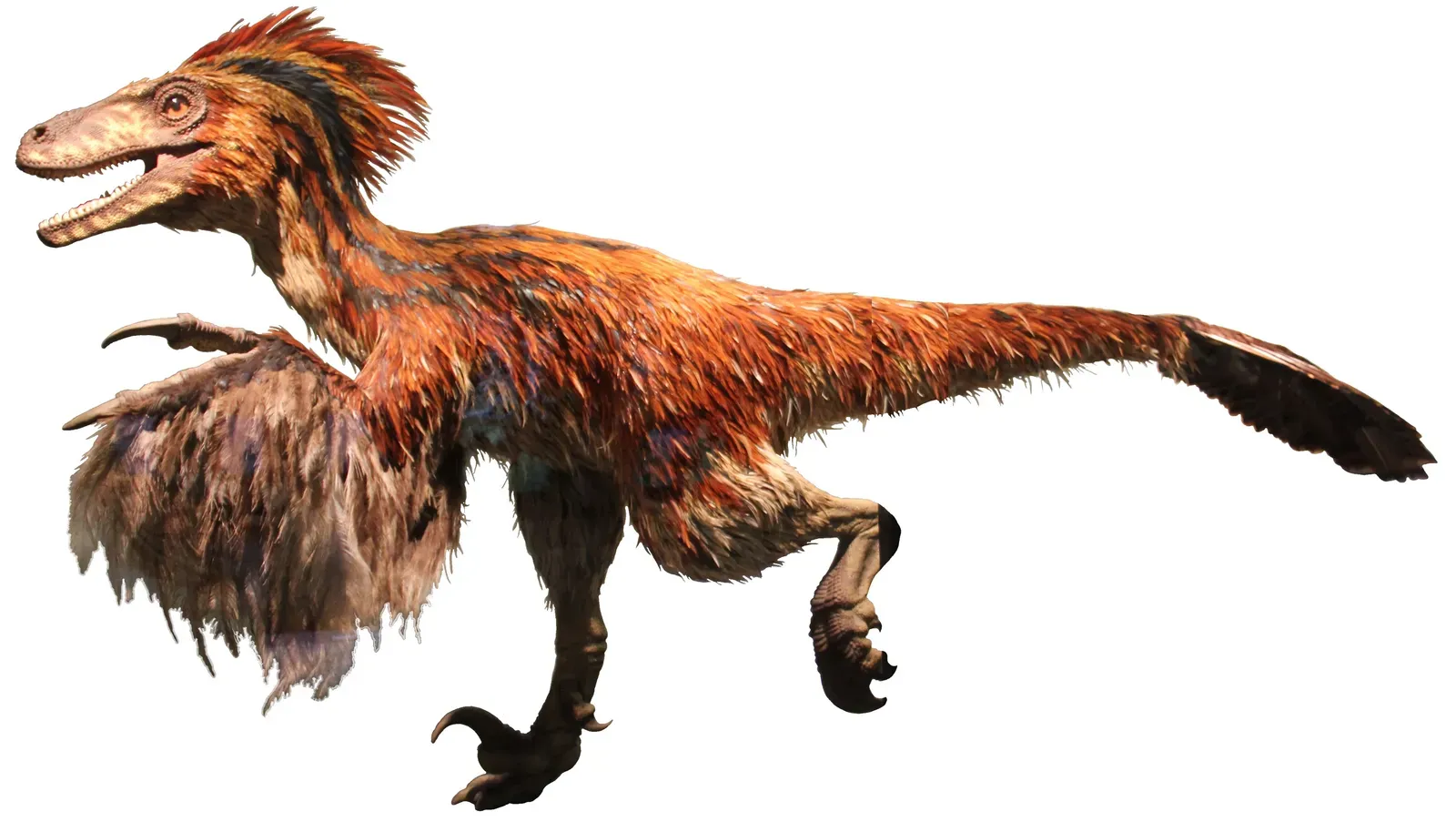
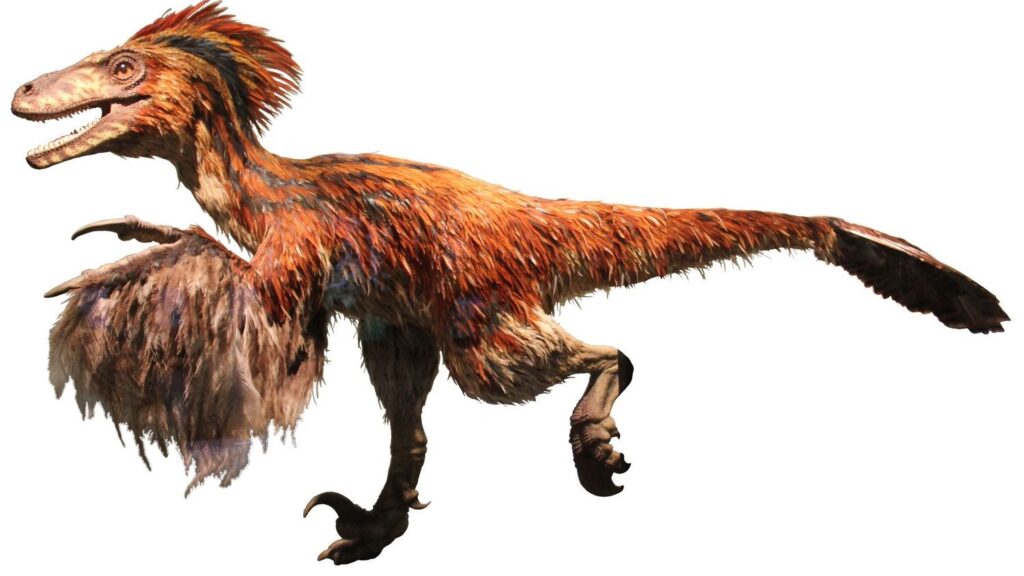
Deinonychus belonged to the same family as Velociraptor, the dromaeosaurids, but it grew twice as long and twice as tall, weighing roughly 70kg. It was actually this dinosaur that inspired the oversized raptors in Jurassic Park.
Deinonychus was capable of reaching speeds of up to 40 km/h and was incredibly agile, able to use its long tail to balance itself. That famous sickle claw on its hind foot wasn’t just for show either. It could slash and grip prey with terrifying efficiency. Deinonychus primarily hunted in packs, suggesting a level of social organization and strategic hunting tactics. Imagine being chased by a coordinated group of these things. No thanks.
Carnotaurus – The Horned Sprinter
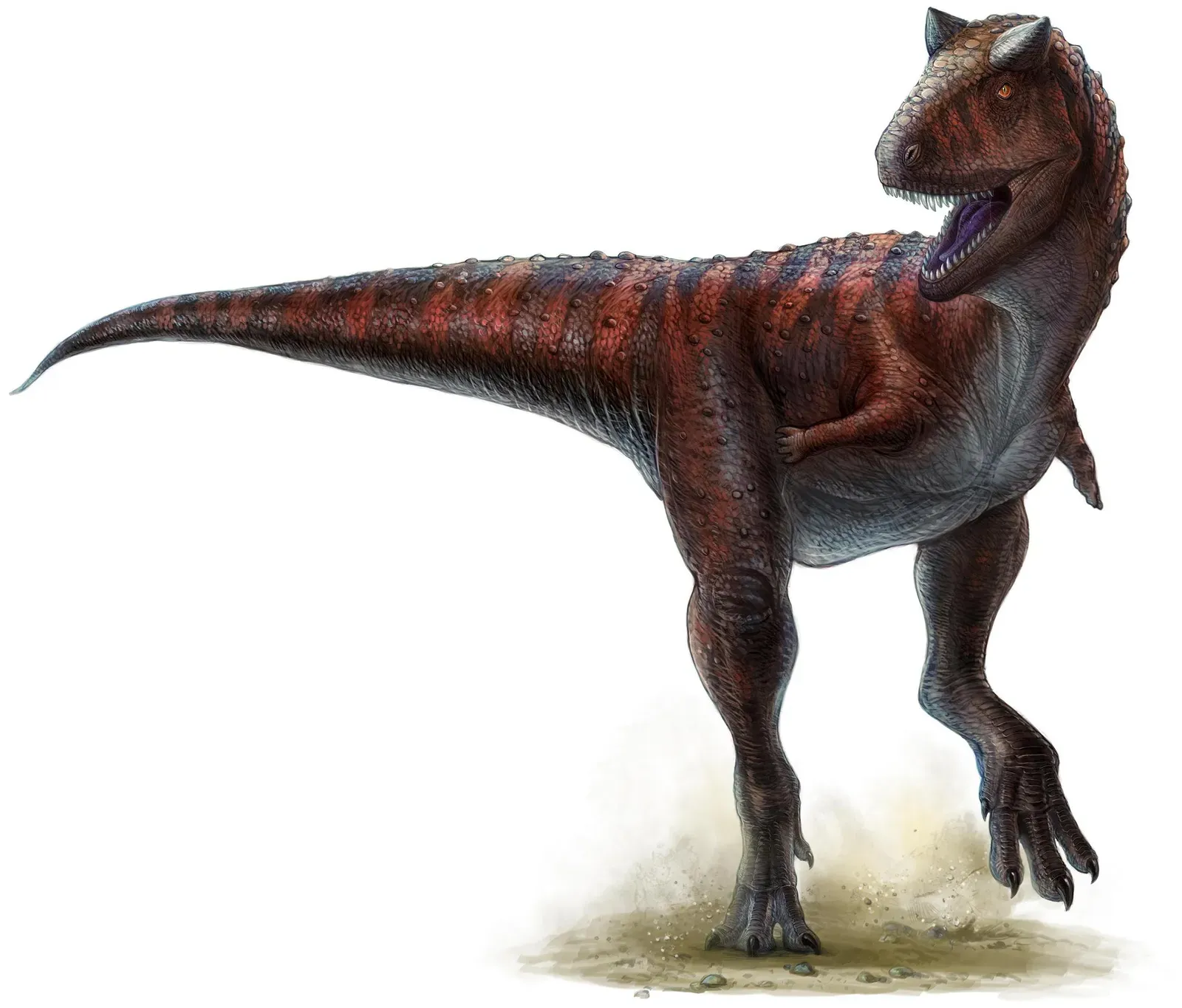
Carnotaurus, distinguished by its bull-like horns, was one of the fastest large theropods, capable of reaching speeds up to 56 km/h. This South American predator was built like a muscle car with legs.
Its unique body structure, especially its strong legs and stiff tail, facilitated rapid bursts of speed, and its arms were among the shortest of any dinosaur. Those tiny arms meant it relied almost entirely on speed and its powerful jaws to catch prey. Carnotaurus had a top speed of up to 48–56 km per hour, which is absolutely wild for something that probably weighed over a ton. Picture a charging bull, but with teeth and attitude. That’s Carnotaurus in action.
Conclusion
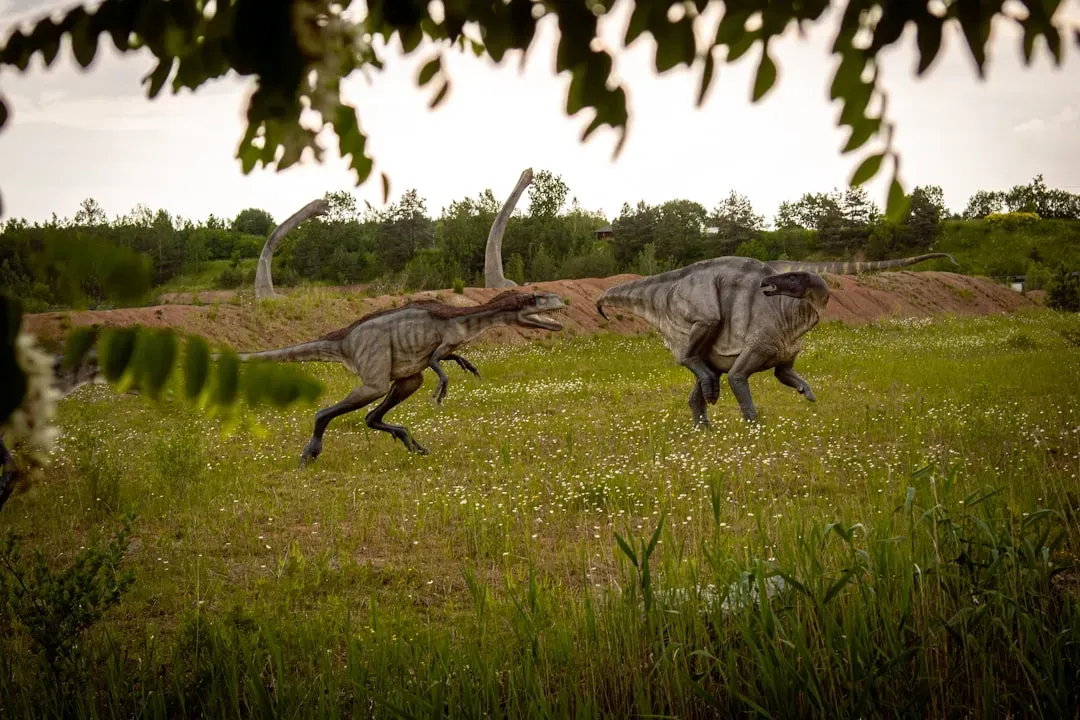
Speed shaped the prehistoric world in ways we’re only beginning to understand. From the tiny Compsognathus zipping after lizards to the massive Gallimimus outrunning tyrannosaurs, these dinosaurs proved that survival often came down to who could run the fastest. It’s fascinating how evolution crafted such diverse solutions to the same problem: don’t get eaten.
Modern animals might be fast, but these ancient speedsters were in a league of their own. What do you think? Could you outrun any of these prehistoric sprinters? Tell us in the comments.