Imagine standing at the edge of the Grand Canyon, staring down at layers of red, orange, and cream-colored rock stacked like an impossibly ancient birthday cake. Each stripe you see is not merely stone. It is a chapter in Earth’s biography, one that was written long before any human ever walked this planet. The rocks beneath your feet have been silently recording stories for billions of years, and honestly, that idea never gets less astonishing the more you think about it.
From fossilized footprints pressed into ancient mud to entire ecosystems preserved within sedimentary strata, geological formations are the ultimate time capsules. They hold details about creatures that vanished millions of years ago, climates that no living person has ever experienced, and ecosystems so alien they barely resemble anything on Earth today. So let’s dive in and explore how the very ground beneath you carries one of history’s most incredible archives.
The Rock Record: Earth’s Original Storyteller
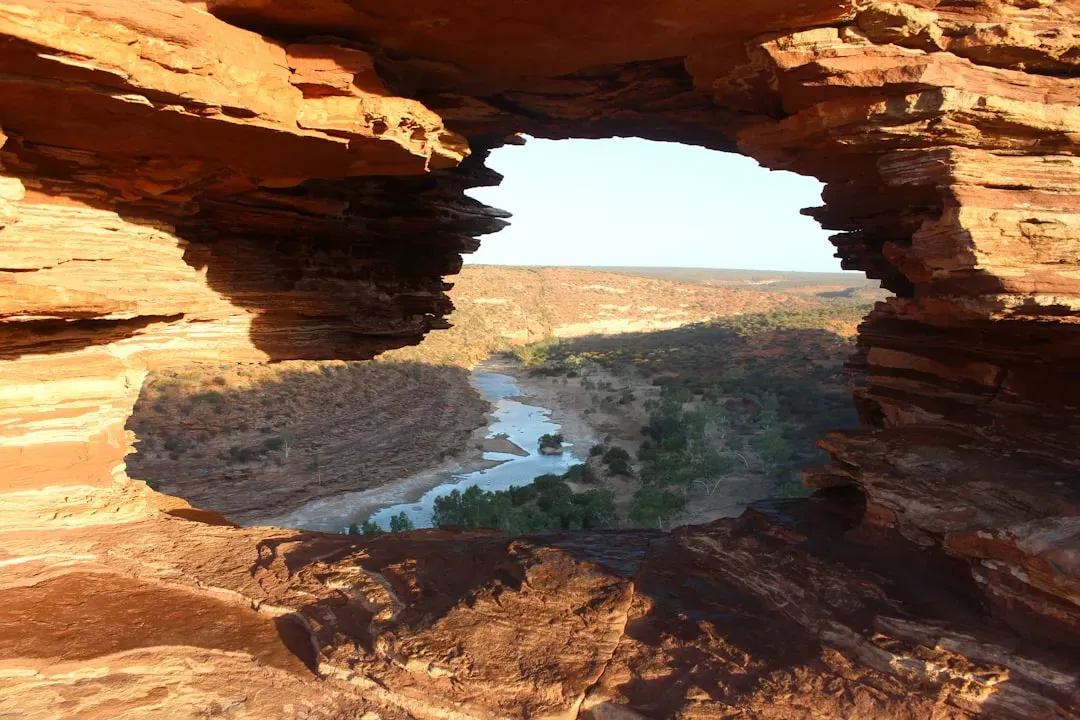
When you walk across any patch of exposed stone, you are walking across a record. We study Earth’s history by studying the record of past events preserved in rocks, and the layers of those rocks are the pages of our history book. It is, if you think about it, the most literal kind of library imaginable. No ink, no paper, just pressure, time, and chemistry doing all the writing.
Sedimentary rocks serve as vital records of Earth’s geological history, encapsulating stories of past environments, climates, and life forms over millions of years. You do not need to be a geologist to appreciate that. Every time you look at a cliff face showing distinct bands of color and texture, you are looking at a timeline that makes human history seem like a tiny footnote on an enormous page.
How Sedimentary Layers Build the Archive of Time
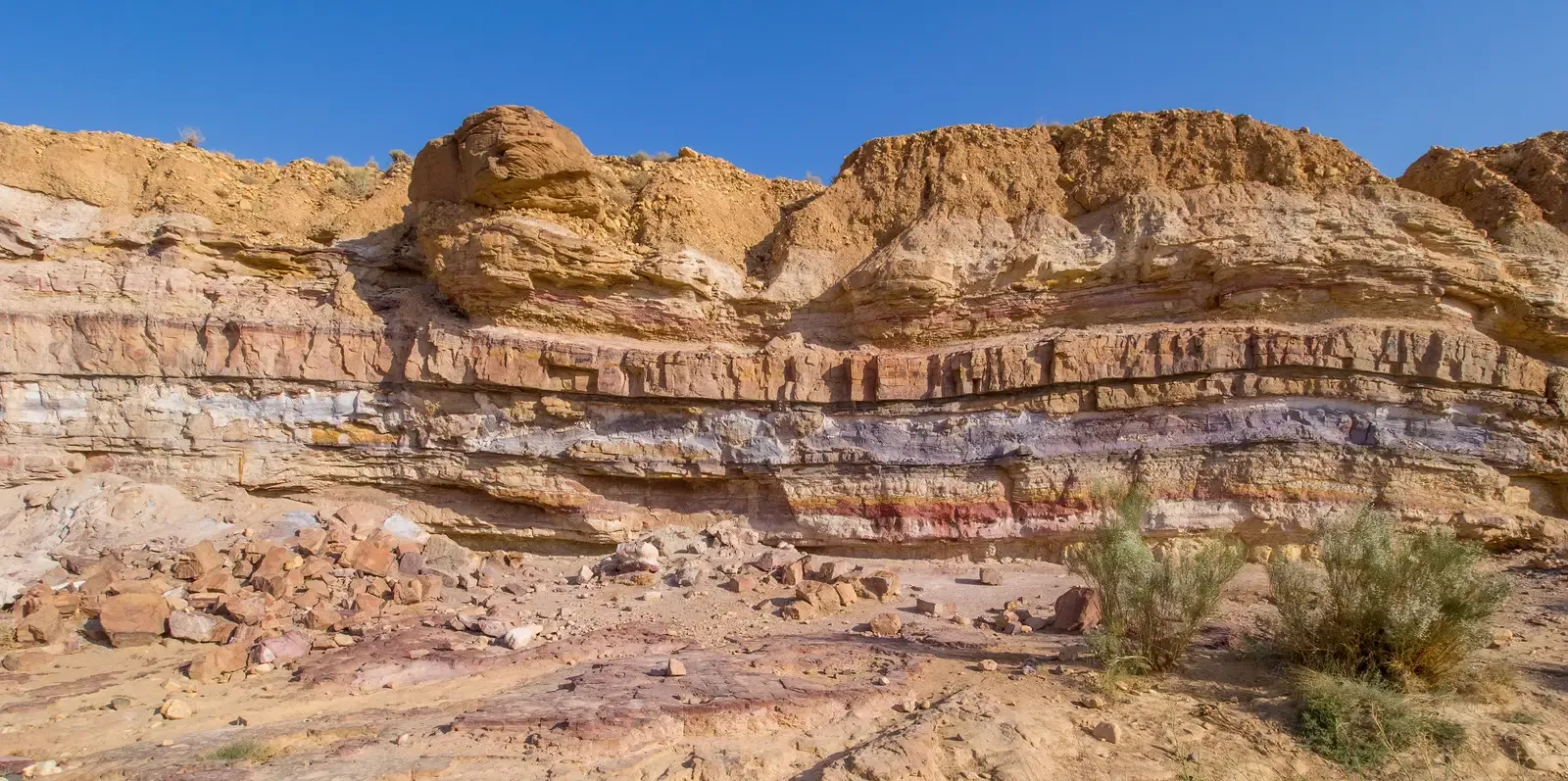
Layering, or bedding, is the most obvious feature of sedimentary rocks. They are formed particle by particle and bed by bed, with layers piled one on top of the other, so any given bed must be older than any bed on top of it. Think of it like stacking pancakes in slow motion over millions of years. The ones at the bottom cooked first, simple as that.
Sedimentary layers are formed through processes that involve the accumulation of sediments, particles derived from the weathering and erosion of pre-existing rocks, organic materials, and chemical precipitates. As these sediments settle and compress over time, they create distinct strata that offer valuable insights into geological events and biological history. What you get in the end is something almost poetic: the raw chaos of ancient rivers, seas, and storms, crystallized into orderly stripes of stone that you can read like a timeline.
Fossils as Narrative Clues Locked in Stone
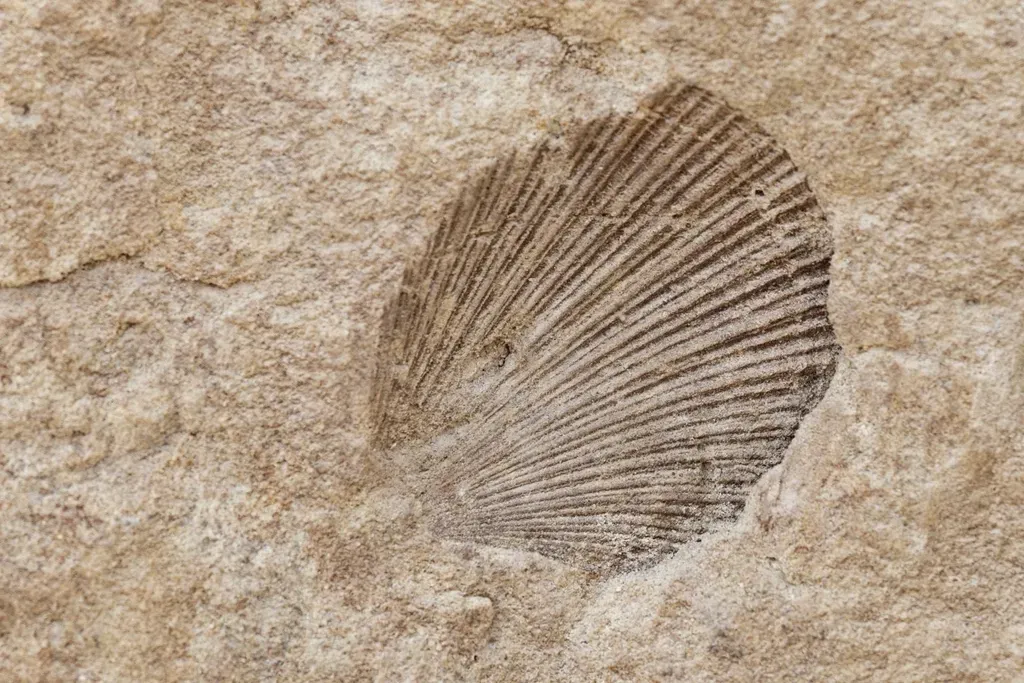
The fossil record is the history of life as documented by fossils, which are the remains or imprints of organisms from earlier geological periods preserved in sedimentary rock. Here is the thing, though: not every creature gets preserved. Fossilization is, in fact, remarkably rare. Most organisms decompose fairly quickly after they die, and for an organism to be fossilized, the remains usually need to be covered by sediment soon after death.
The fossil record is strongly biased toward organisms with hard parts, leaving most groups of soft-bodied organisms with little to no presence. So the story you read in rock is, in a sense, an incomplete manuscript. Still, what survives is breathtaking. The oldest fossils are almost 4 billion years old and are traces of ocean-dwelling bacteria, giving us a thread that stretches from near Earth’s beginning all the way to creatures that share your backyard today.
Trace Fossils: When Behavior Gets Frozen in Stone
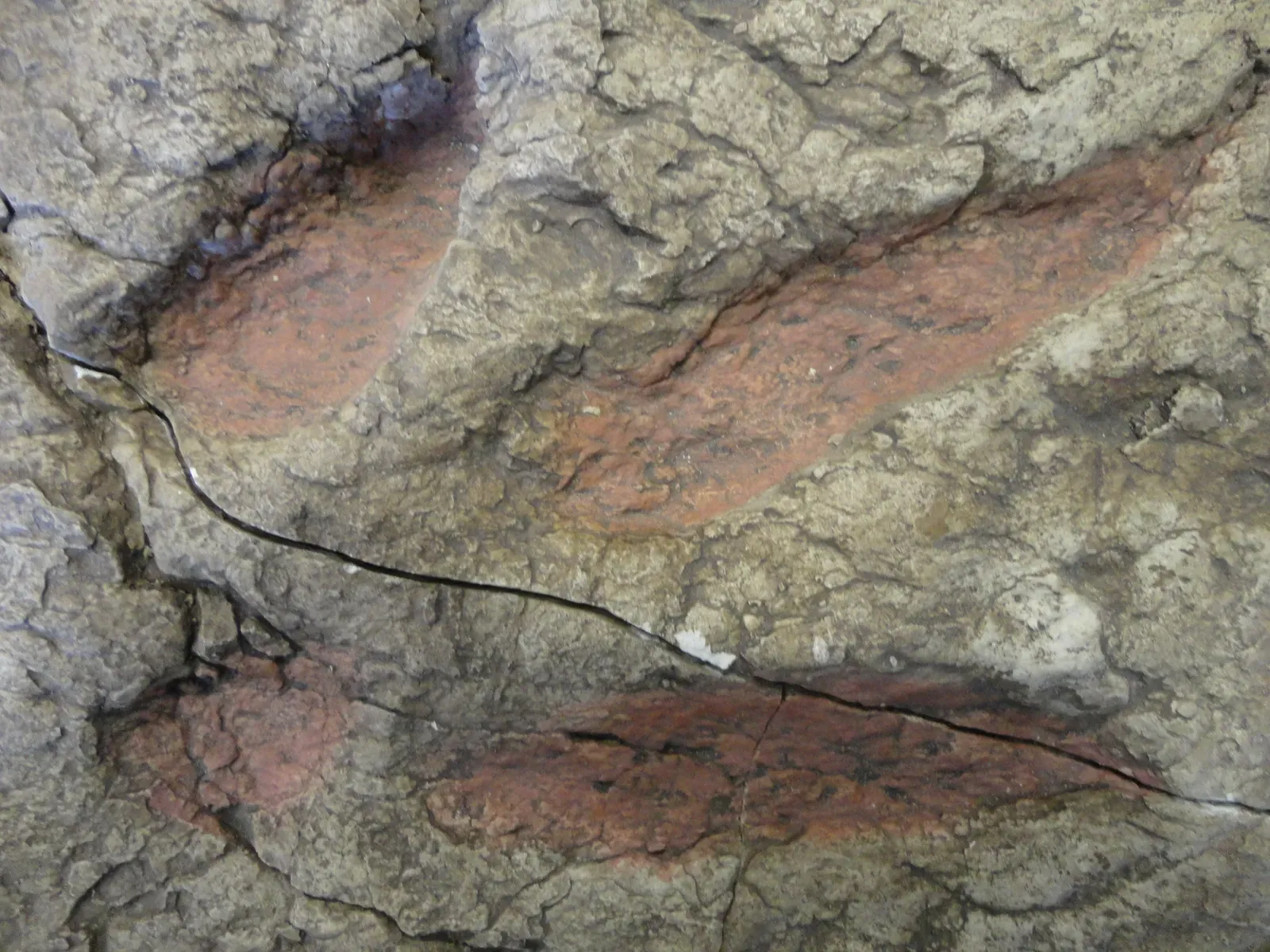
Here is something that blows most people’s minds when they first hear it: you do not need to find bones or shells to understand an ancient creature. Trace fossils provide indirect evidence of life in the past, such as the footprints, tracks, burrows, borings, and feces left behind by animals, rather than the preserved remains of the body of the actual animal itself. These are essentially frozen moments of behavior, like a security camera recording buried in mud for millions of years.
Unlike most other fossils, which are produced only after the death of the organism, trace fossils provide a record of the activity of an organism during its lifetime. Unlike body fossils, which can be transported far from where an organism lived, trace fossils record the type of environment an animal actually inhabited. So when you find dinosaur footprints, you are not just looking at a big animal’s feet. You are standing in the exact spot where that animal once walked, breathed, and existed. That is genuinely extraordinary.
What Footprints Reveal That Bones Never Could
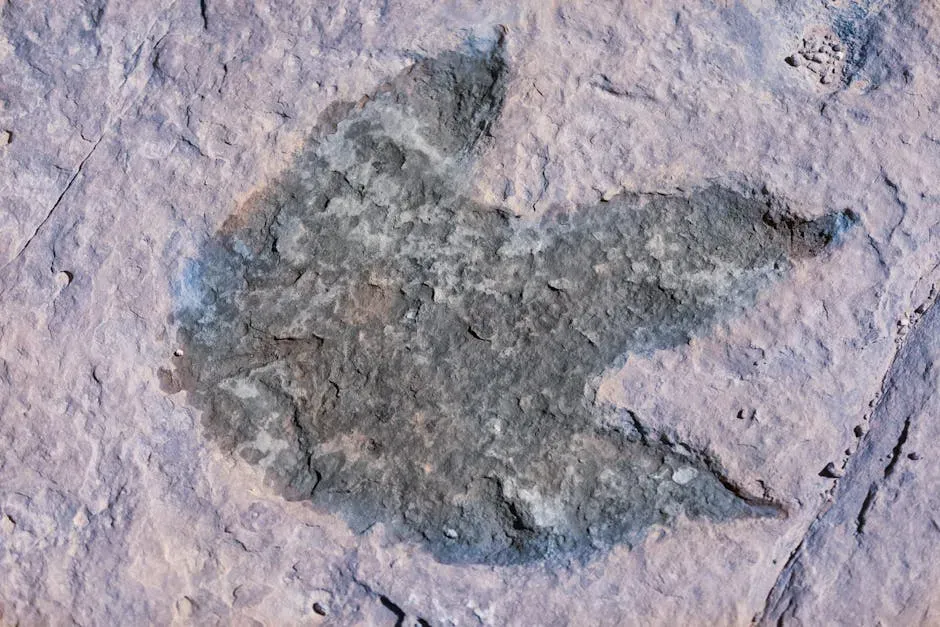
Perhaps the most spectacular trace fossils are the huge, three-toed footprints produced by dinosaurs and related archosaurs. These imprints give scientists clues as to how these animals lived. Although the skeletons of dinosaurs can be reconstructed, only their fossilized footprints can determine exactly how they stood and walked. Such tracks can tell much about the gait of the animal which made them, what its stride was, and whether the front limbs touched the ground or not.
A series of parallel tracks may suggest that animals were moving in a group and could indicate possible herd behaviour. Some experts propose that some trackways with prints made by different types of dinosaurs are evidence of prehistoric chase scenes. Let’s be real, that is the kind of detail that no amount of bone digging could ever give you. You are essentially reading a diary entry from the Jurassic period, and those prints are the handwriting.
Exceptional Preservation: When Nature Gets Extraordinarily Precise
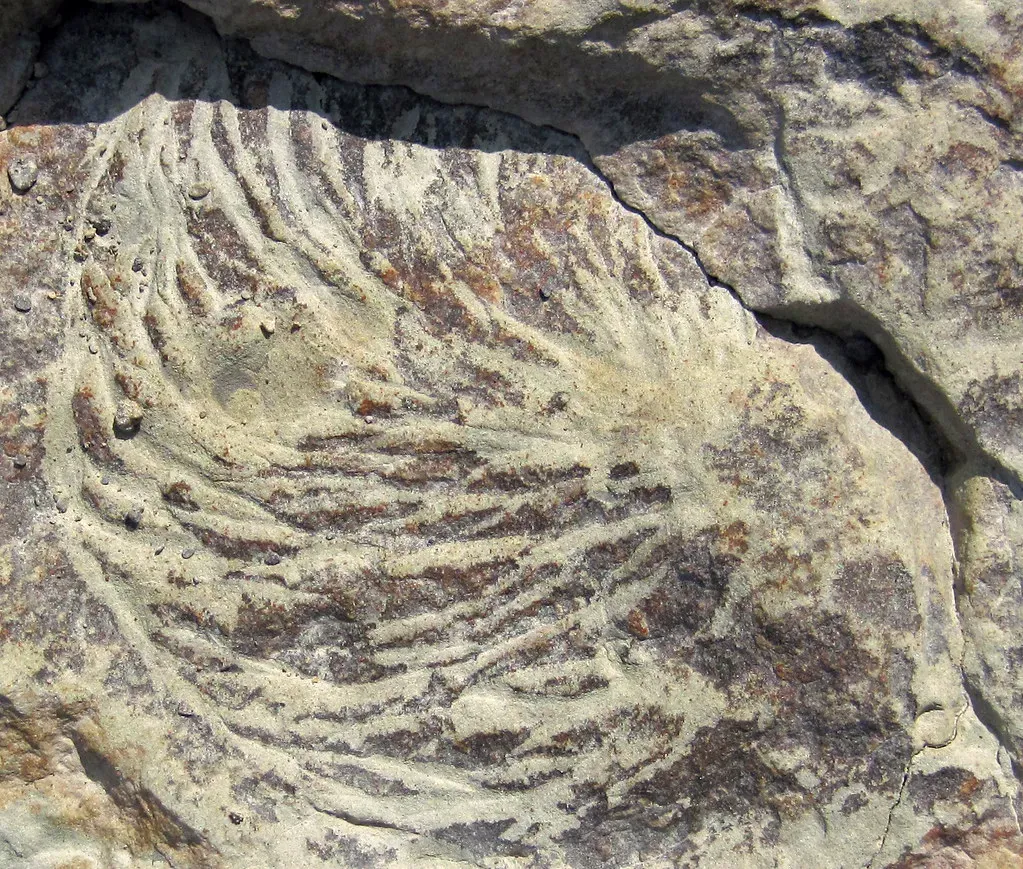
Fossil sites with exceptional preservation, sometimes including preserved soft tissues, are known as Lagerstätten, German for “storage places.” These formations may have resulted from carcass burial in an anoxic environment with minimal bacteria, thus slowing decomposition. In other words, the absence of oxygen acted like nature’s refrigerator, pausing decay long enough for extraordinary detail to be locked into stone forever.
Amber can preserve the bodies of many delicate, soft-bodied organisms, such as ants, flies, and mosquitoes. While fossils found in rocks made of a soft sea floor are usually compressed, amber preserves the fossils in three dimensions. It is a humbling thing to hold a piece of amber and know that the creature inside it lived when the continents looked nothing like they do on any map you have ever seen. The geological world, it turns out, is extraordinarily good at keeping secrets until someone knows how to ask the right questions.
Reading Ancient Environments Through the Rocks You Walk On
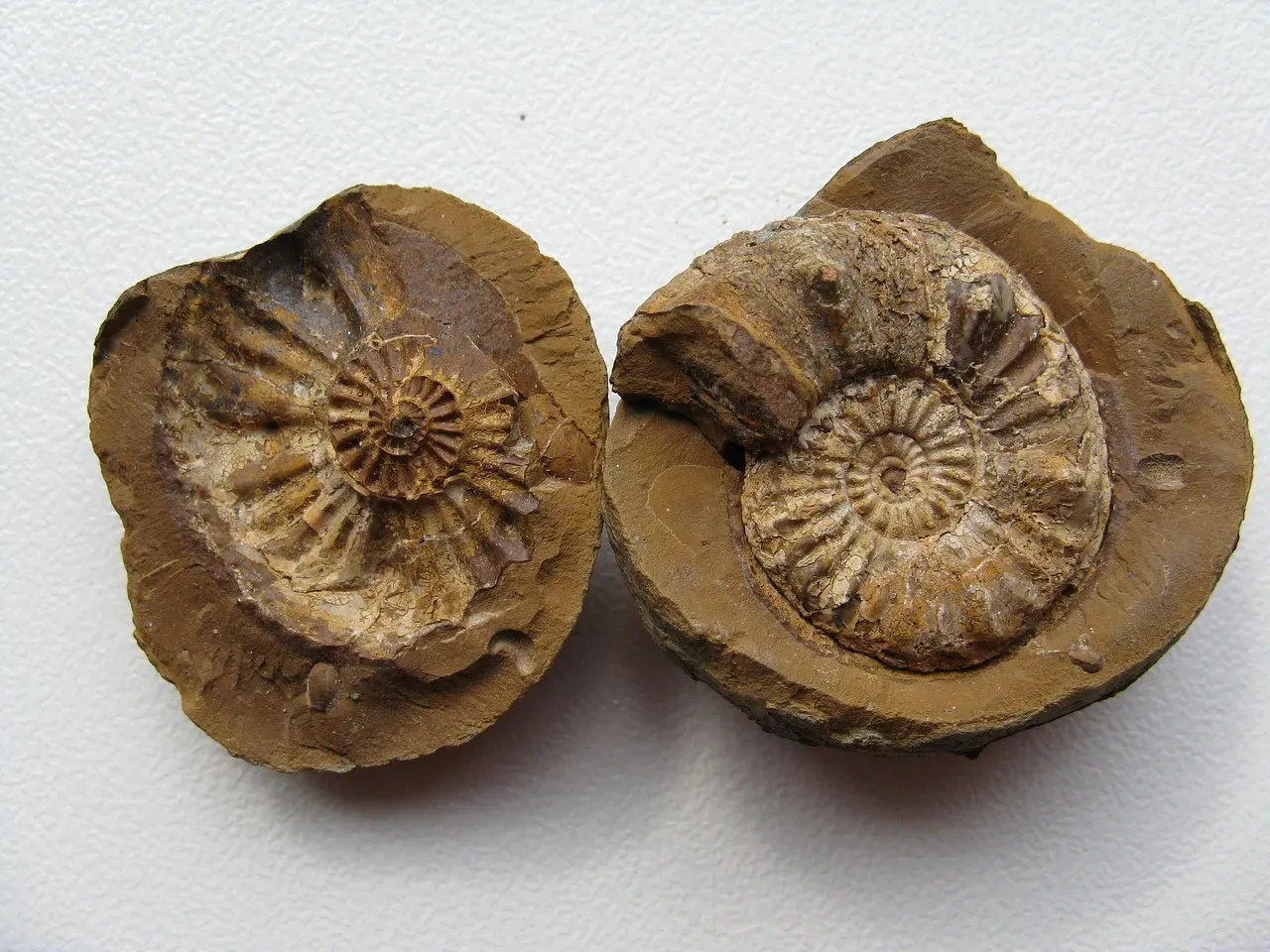
The fossil record preserves not only fossil organisms but also evidence of what their environments were like. By studying the geological and biological information recorded in a rock that contains a fossil, scientists can determine some aspects of the paleoenvironment. You might be amazed how much a handful of mudstone can reveal. Grain size, mineral composition, and the types of creatures found together paint a picture of an entire world that vanished long before humans arrived.
Fossil organisms may provide useful information about the climate and environment of the site where they were deposited and preserved. Certain species of coral, for example, require warm shallow water. Thus, when rocks containing fossils of this kind are found in present-day polar regions, there is a strong presumption that the crust on which they were deposited has shifted its position on the surface of Earth since that time. So whenever you read about fossils of tropical creatures found in icy places, you are looking at direct evidence of tectonic drift written in stone. The Earth really has been rearranging its furniture for a very long time.
Conclusion
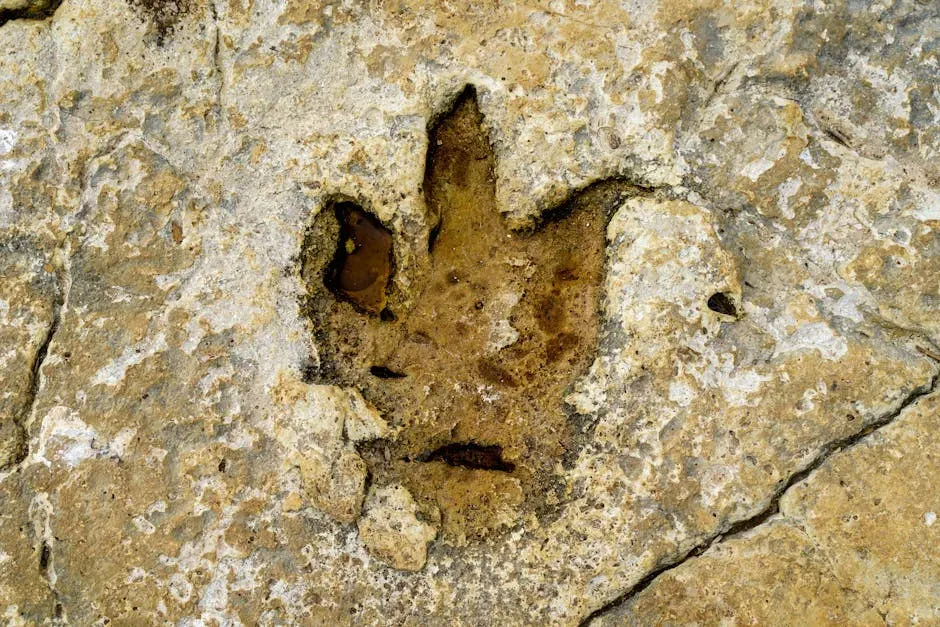
The ground beneath your feet is far more talkative than it looks. Every rock layer, every pressed footprint, every mineralized bone is a sentence in a story that predates everything human civilization has ever produced by an almost incomprehensible margin. From the stacked sedimentary pages of the Grand Canyon to a fragment of amber holding a perfectly preserved ancient insect, geological formations are the most patient storytellers in existence.
What makes all of this so compelling is that you do not need a laboratory or a degree to feel the weight of these narratives. You just need to pause, look closely, and let the stone speak. The next time you run your hand across a layered rock face, remember: you are touching a record of time that makes every human archive look brand new. What would you have guessed was buried just a few feet beneath the ground where you are standing right now?