Itupiranga, Brazil — River communities along the Tocantins River raised urgent concerns that government plans to detonate rocky formations would eradicate the fisheries supporting their way of life.
A Submerged World Essential to Survival
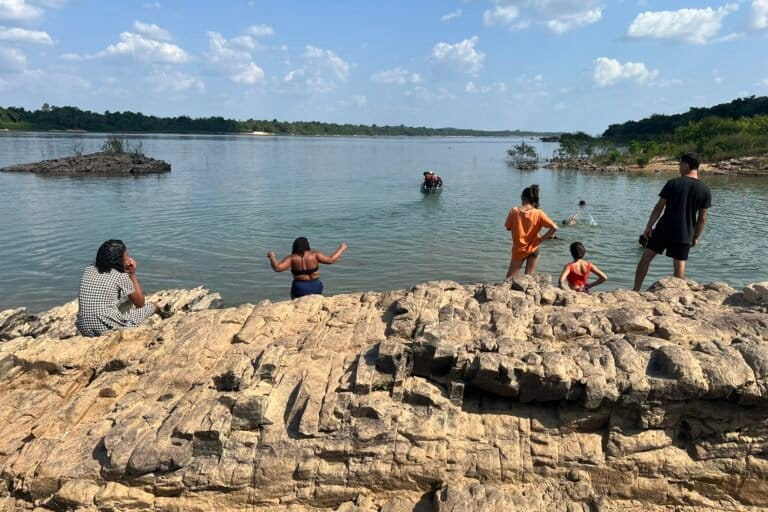
A Submerged World Essential to Survival (Image Credits: Imgs.mongabay.com)
Deep canyons plunging more than 76 meters beneath the surface form the Pedral do Lourenção, a 43-kilometer rock barrier on the Tocantins River in Pará state. These formations trap fish and create calm pockets ideal for spawning and feeding. Generations of riverfolk navigated their wooden canoes through whirlpools and outcrops, harvesting species that fed regions far beyond their villages.
Families in places like Tauiry, Praia Alta, and Pimenteira depended on this productivity. Leaders such as Ronaldo Macena described the area as more than a fishery; it represented cultural identity, traditions, and sustenance. Without the rocks, regular dredging threatened to scatter fish stocks, leaving communities without their primary income source.
Riverfolk Share Generations of Knowledge
Fishers detailed techniques honed over decades during a federal judge’s visit to four villages in September. Eunice Silva, president of the Pimenteira association, explained how quiet water pockets, or remansos, formed behind rock tips held large catches like jaú, barbado, and filhote. She had fished the Pedral for 27 years, setting surface lines, mid-depth nets, and bottom trawls up to 100 meters deep.
Erlan Moraes, from Praia Alta, learned from his mother who supported 11 children through river hauls. He questioned how nets would fit once a 100-140 meter-wide channel occupied the dry-season riverbed, sometimes narrower than the planned path itself. Both warned that blasts would kill fish directly and barges would snag gear afterward.
- Boiada: Surface fishing lines for quick hauls.
- Kibada: Nets at 3-4 meters depth.
- Lead-weighted bottom nets for high-value mandi-moela and mapará.
- Mandi-moela trawls, prized like gold from river mud.
Legal Hurdles and Hidden Risks
Brazil’s National Department of Infrastructure Transport (DNIT) secured an environmental license from IBAMA in May 2025 to blast the 35-kilometer section, part of a waterway for soy, corn, and mineral barges from the interior to Belém. The effort aimed to cut trucking costs by 60% and move up to 20 million tons annually.
Federal prosecutors challenged the approvals, citing ignored IBAMA studies on fishing impacts and lack of consultation with over 20 overlooked communities. A judge rejected their appeal in December 2025 but allowed time for compensation claims; prosecutors appealed again on February 23, 2026. Earlier, a court halted plans in July 2025 over risks to endangered species like the Araguaian river dolphin and Amazon river turtle.
Communities labeled “unimpacted” in assessments feared contamination from released metals and methylmercury stirred by dredging. Experts noted neurological risks from such pollutants in fish-dependent diets.
Economic Gains Versus Cultural Loss
Proponents viewed the channel as key to northern Brazil’s growth, rivaling the Mississippi for grain exports. Yet riverfolk and Quilombola leaders like Maria José Brito warned of drying tributaries and eroded traditions. Macena stressed their distinct dialect, river-based economy, and spiritual ties, dismissed in urban-focused studies.
A 2016-2018 survey identified 12,000 fishers across affected municipalities, underscoring the scale. Prosecutors argued the project segmented impacts to evade full review, prioritizing agribusiness over locals.
Key Takeaways
- Rocks provide breeding grounds for migratory fish, sustaining 12,000 fishers.
- Blasting risks direct mortality and long-term habitat loss via dredging.
- Court battles continue, with no explosions scheduled amid appeals.
The standoff highlights tensions between export ambitions and Amazon conservation. As judges deliberate, riverfolk hold firm: their knowledge must guide decisions. What balance can Brazil strike between trade and traditional livelihoods? Tell us in the comments.