New York state – Wildlife researchers have pioneered non-invasive techniques to monitor flying squirrels, those nocturnal gliders that dart through the treetops.
Nocturnal Ghosts Prove Tough to Pin Down
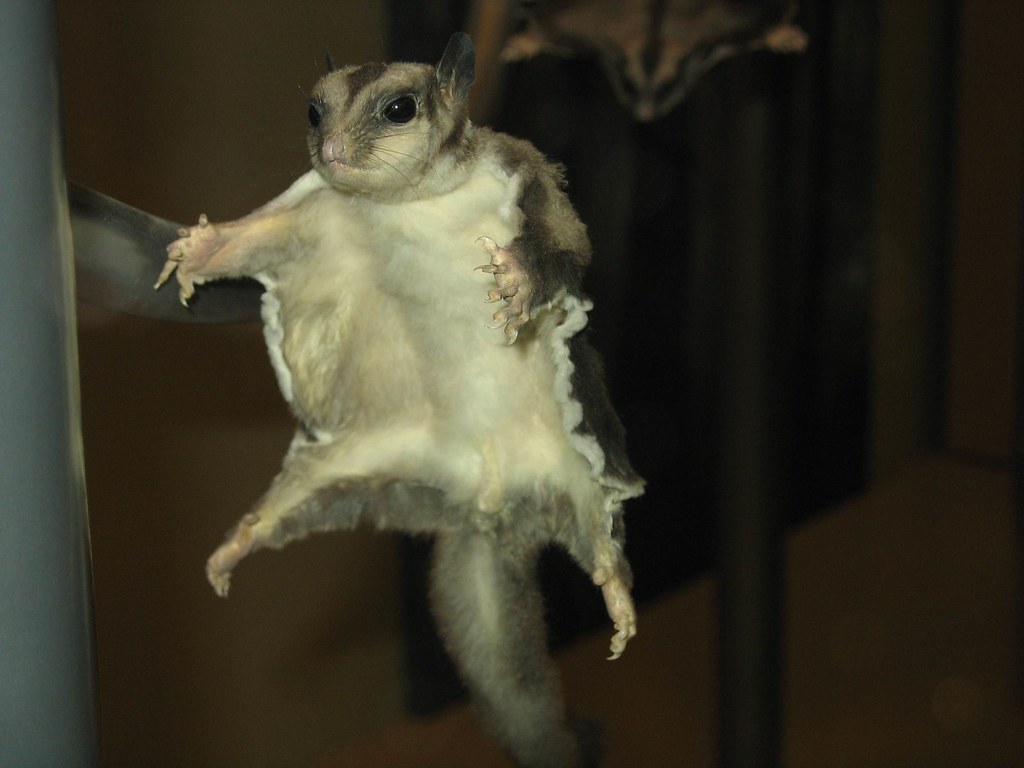
Nocturnal Ghosts Prove Tough to Pin Down (Image Credits: Flickr)
Flying squirrels presented formidable challenges for traditional surveys. These small, swift mammals shun traps due to their neophobic nature, avoiding new objects with caution.
They emerge only at night, complicating visual detection. Past efforts relied on wire mesh traps, but success rates remained low. Amanda Cheeseman, an assistant professor at South Dakota State University, noted the difficulty: “They are nocturnal, they are fast, they are small.” Her team sought alternatives during the New York Mammal Survey.
This initiative, a collaboration between the State University of New York’s College of Environmental Science and Forestry and the New York Natural Heritage Program, mapped species distributions since 2018. Concerns over potential range shifts added urgency, as southern flying squirrels might push northern ones northward.
High-Tech Tools Take Flight
Trail cameras and acoustic recorders emerged as game-changers. Devices mounted two meters up on trees captured images and sounds without handling the animals. Bait stations used peanut butter-mixed birdseed in PVC pipes to deter bears.
AudioMoth recorders, affordable and effective, picked up chirps and trills. Cameras snapped photos for analysis of size and belly patterns – northern squirrels show dark gray fur bases, while southern ones have white bellies. Cheeseman highlighted their vocal habits: “They’re very chatty; they make a lot of different noises.”
- Trail cameras: Triggered by motion for visual confirmation.
- Acoustic detectors: Recorded species-specific calls, especially trills during breeding.
- Baiting strategy: Attracted squirrels while protecting gear from larger wildlife.
- Deployment combos: Some sites used cameras alone, others recorders, or both.
Scattered Sites, Remote Challenges
The survey spanned 57 locations from New York’s western regions to the Adirondacks and central areas. Remote spots demanded perseverance; one team faced a half-day delay from a road blockage. Cheeseman described the terrain: “Some of those sites were pretty remote, but a really beautiful area.”
Logistics tested the researchers, yet the payoff justified the effort. These deployments ran from spring through fall, aligning with squirrel activity peaks.
| Method | Detection Strength | Limitations |
|---|---|---|
| Trail Cameras | Consistent spring-fall detection | 27% species ID success (belly views rare) |
| Acoustic Recorders | Superior in breeding season trills | Chirps hard to distinguish from bats |
| Wire Mesh Traps | Low overall | Neophobia reduces captures |
Insights from the Wild Recordings
The tools outperformed traps significantly. Acoustics excelled early spring, capturing faster northern trills versus slower southern ones. Cameras detected presence reliably but struggled with identification.
No evidence confirmed southern squirrels displacing northern ones, though monitoring continues. Cheeseman affirmed the methods’ promise: “Flying squirrels are really easy to pick up on trail cameras and really easy to pick up [using] acoustics.” Future tweaks include better camera delays and advanced recorders.
Findings appeared in The Journal of Wildlife Management. For details, see the original report at The Wildlife Society.
- Non-invasive tech boosts detection without stressing wildlife.
- Breeding-season trills offer the clearest acoustic clues.
- Ongoing surveys track potential range shifts amid climate concerns.
These innovations equip conservationists to safeguard flying squirrels amid changing landscapes. What do you think about these survey methods? Tell us in the comments.