Southeast of Cape Cod, President Donald Trump signed a proclamation on February 6 that lifted commercial fishing restrictions in the Northeast Canyons and Seamounts Marine National Monument, the only such protected area in the Atlantic Ocean.
A Repeated Push for Access in Protected Waters
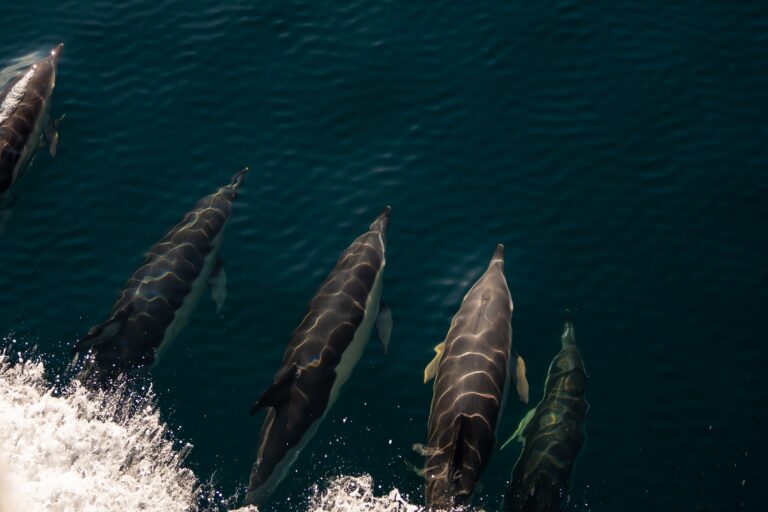
A Repeated Push for Access in Protected Waters (Image Credits: Imgs.mongabay.com)
President Trump revived a policy from his first term by revoking a Biden-era ban on commercial fishing within the 4,913-square-mile monument. The action marked the latest chapter in a decade-long saga over the site’s management. Established in 2016, the monument initially barred commercial operations to safeguard its ecological features.
Administrative shifts drove repeated changes. The table below outlines key decisions:
| Administration | Action | Year |
|---|---|---|
| Obama | Created monument; prohibited commercial fishing | 2016 |
| Trump (first term) | Lifted fishing ban | 2020 |
| Biden | Reinstated prohibition | 2021 |
| Trump (second term) | Restored fishing access | 2026 |
Courts upheld the original designation despite challenges from fishing groups. Trump argued that existing laws like the Magnuson-Stevens Act sufficiently protect migratory fish species and habitats, rendering a total ban unnecessary.
Deep-Sea Wonders Under Scrutiny
This vast expanse, located about 130 miles offshore, encompasses submarine canyons deeper than the Grand Canyon and seamounts taller than eastern U.S. peaks. Upwelling currents fuel a productive ecosystem straddling the continental shelf. Scientists highlight its role as a biodiversity refuge amid industrialized coastal waters.
Unique species thrive here, including:
- Deep-sea corals like Paramuricea seafans and sponges;
- Endangered whale sharks and over a dozen whale species, such as blue and humpback whales;
- Sperm whales, sea turtles, and octopuses like Graneledone verrucosa;
- Rare deep-water communities sensitive to disturbance.
Proponents of the reopening maintain that regulated fishing poses minimal risk to these features.
New England Fishermen Gain a Lifeline
Coastal communities celebrated the decision as a boon for jobs and economic growth. The proclamation supports longline fishing, lobster, and red crab operations previously curtailed. Industry leaders emphasized compliance with federal sustainability standards.
Bob Vanasse, executive director of Saving Seafood, welcomed the move. “Any fishing that resumes in the monument will remain subject to the full force of the Magnuson-Stevens Act,” he stated, dismissing environmental concerns as overblown. Advocates argued the policy levels the playing field against foreign competitors and counters years of regulatory burdens.
Environmental Advocates Prepare Counteroffensive
Conservation groups decried the proclamation as a threat to irreplaceable habitats. They warned of damage from fishing gear, including bycatch, entanglements, and coral destruction.
Jessica Redfern of the New England Aquarium noted, “Removing protections for Northeast Canyons and Seamounts Marine National Monument puts these species at risk.” Organizations like the Center for Biological Diversity vowed lawsuits, citing past court victories upholding protections. Critics viewed the step as prioritizing short-term gains over ocean resilience amid climate pressures.
Key Takeaways
- The monument spans 4,913 square miles of biodiverse Atlantic waters off New England.
- Fishing access hinges on laws like Magnuson-Stevens for sustainability.
- Debate pits economic needs against ecological safeguards, with legal fights likely ahead.
President Trump’s proclamation underscores ongoing tensions between resource use and preservation in U.S. waters. As fishing vessels eye renewed opportunities, the fate of this deep-sea haven remains contested. What do you think about balancing industry and conservation here? Tell us in the comments.