Kwale County, Kenya – Shadows lengthen across the coastal hills as teams of researchers prepare for the nightly exodus from the Three Sisters Caves. These limestone formations near Shimoni harbor thousands of bats that emerge at dusk to forage in the surrounding forests. Scientists led by David Wechuli aim to document their behaviors and vulnerabilities amid growing environmental pressures.
Capturing the Nocturnal Surge
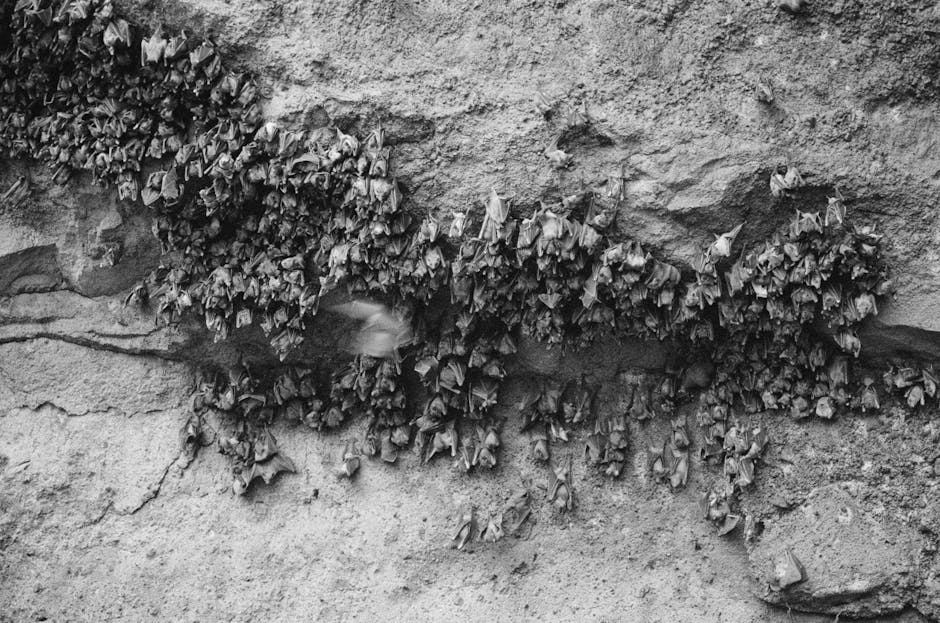
Capturing the Nocturnal Surge (Image Credits: Pexels)
Researchers deploy fine mist nets along flight paths just before sunset. Bats stream from cave entrances like Mdenynye, Kisimani, and Pangani, often colliding directly with the barriers. Teams swiftly extract the animals, untangling wings with precision to avoid injury.
Each bat undergoes detailed examination. Workers record measurements such as body mass, wingspan, and forearm length, then determine age and sex. Tissue swabs test for pathogens, while photographs aid species identification. After processing, the creatures return to the sky within hours.
Tracing Diets and Movements Through Clues
Beyond netting, teams analyze guano piles on cave floors. These droppings reveal dietary habits, from insect fragments to pollen grains. Such data underscores bats’ roles in pest control and pollination, essential for local agriculture and forest health.
Audio detectors capture echolocation calls near roosts and foraging routes. Distinct frequencies help identify active species and peak hunting times. Future efforts will incorporate lightweight GPS devices to map travel distances and preferred feeding grounds.
Common species in these caves include the endangered Hildegarde’s tomb bat, Egyptian fruit bat, and striped leaf-nosed bat. Their presence highlights the site’s biodiversity value.
- Hildegarde’s tomb bat (Taphozous hildegardeae): Insectivore, 70% of Kenya’s population in few coastal caves.
- Egyptian fruit bat (Rousettus aegyptiacus): Seed disperser, adaptable rooster.
- Striped leaf-nosed bat (Macronycteris vittatus): Forages in fragmented forests.
- Decken’s horseshoe bat (Rhinolophus deckenii): Echolocator sensitive to disturbance.
Habitat Pressures Mount in Coastal Forests
Deforestation for charcoal, farming, and development erodes foraging areas around the caves. Guano harvesting disturbs roosts, while unchecked tourism introduces noise and lights. At distant Mount Suswa sites, geothermal drilling adds further risks to lava tubes.
Paul Webala, a bat ecology expert at Maasai Mara University, emphasized the stakes. “Africa is so diverse … many areas that would have been suitable for bats no longer exist, so these caves are critical for their survival.” Fragmented landscapes force bats to travel farther, heightening vulnerability to predators and exhaustion.
| Bat Species | Primary Threat | Ecological Role |
|---|---|---|
| Hildegarde’s tomb bat | Roost destruction | Pest control |
| Egyptian fruit bat | Foraging habitat loss | Seed dispersal |
| Horseshoe bat | Human disturbance | Insect suppression |
Local Stewardship Builds Resilience
The Tswaka Three Giant Sister Caves Community-Based Organization enforces access rules and sustainable guano collection. Chair Salim Rimo coordinates volunteers for site maintenance and visitor oversight. Guides share the caves’ history, including their use as hideouts during 19th-century slave raids.
Partnerships with Bat Conservation International provide tree nurseries and awareness campaigns. These efforts shifted perceptions, from viewing bats as omens to recognizing their benefits. Ecotourism now generates income while funding habitat restoration, with replanted acres enhancing forest corridors.
Key Takeaways
- Caves like Three Sisters shelter endangered species vital to ecosystems.
- Community-led rules balance conservation and livelihoods.
- Ongoing research informs protection against deforestation and disturbance.
These initiatives offer a blueprint for bat survival amid rapid change. Protecting caves and forests ensures nocturnal flyers continue their essential work. What steps can communities elsewhere take to support such species? Share your thoughts in the comments.