Cincinnati Zoo & Botanical Garden – The birth of two new African penguin chicks has provided a timely boost to conservation efforts for a species teetering on the edge of extinction.
African Penguins Face Alarming Population Crash
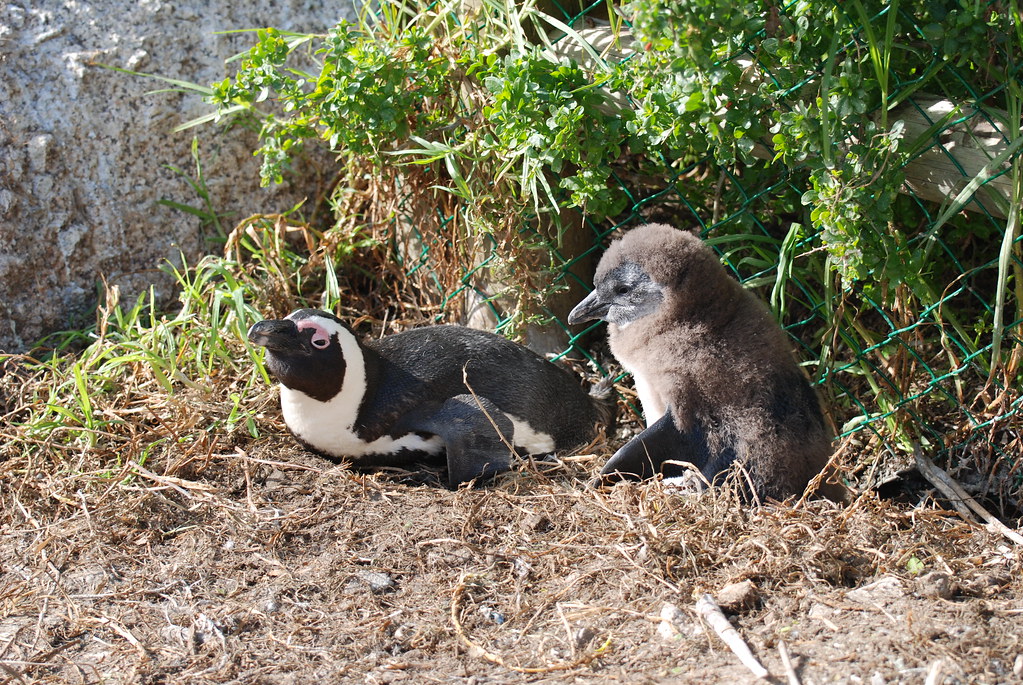
African Penguins Face Alarming Population Crash (Image Credits: Flickr)
African penguin numbers have plunged by 97 percent since the early 1900s. Fewer than 10,000 breeding pairs now remain in the wild. Climate change exacerbates the crisis through food scarcity and widespread starvation events. Overfishing further depletes vital prey like sardines and anchovies.
These seabirds once thrived along South Africa’s coasts. Breeding success has suffered as environmental pressures mount. Zoos worldwide now play a crucial role in sustaining genetic diversity through managed populations.
New Arrivals Strengthen Zoo’s Penguin Colony
The Cincinnati Zoo houses five penguin species across exhibits like African Penguin Point and Roo Valley. Birdkeepers recently welcomed these two newborns into their care. The chicks received immediate attention behind the scenes.
Staff hand-feed the young birds a special mixture known as a “fish milkshake.” This blend includes fish, krill, vitamins, and supplements to promote rapid growth. Within months, the chicks will develop into vocal adults ready for public viewing.
Behind-the-Scenes Nurturing Ensures Survival
Intensive care marks the early weeks of life for these vulnerable hatchlings. Keepers monitor feeding schedules closely to mimic natural parental behavior. Such protocols have proven effective in raising healthy penguins to maturity.
The chicks prepare to debut in the African Penguin Point exhibit this spring. Visitors will soon observe the growing colony in its dynamic habitat. This addition expands the zoo’s commitment to species preservation.
Global Partnerships Drive Real Change
The Cincinnati Zoo collaborates with the Southern African Foundation for the Conservation of Coastal Birds (SANCCOB) in South Africa. SANCCOB has championed protective measures, including “no-take” fishing zones. These restrictions safeguard essential food sources for wild penguins.
Efforts extend beyond breeding programs. Advocacy addresses root causes like habitat loss and commercial fishing. Zoos contribute through research, public education, and fundraising.
- 97% population decline since early 1900s
- Under 10,000 breeding pairs left
- Hand-fed “fish milkshake” diet
- Spring exhibit debut planned
- SANCCOB partnership protects fishing zones
Key Takeaways
- New chicks bolster captive breeding for genetic diversity.
- Climate and fishing threats demand urgent action.
- Public support via zoos aids wild populations.
These hatchlings symbolize resilience in the face of overwhelming odds. Conservation success hinges on sustained global cooperation. How can individuals contribute to saving the African penguin? Share your thoughts in the comments.
For more details, see the Cincinnati Zoo announcement.