Antarctic Peninsula – Penguins in key colonies advanced their breeding seasons by up to two weeks over the past decade, a change researchers link directly to accelerating climate warming.
Fastest Shift Ever Recorded
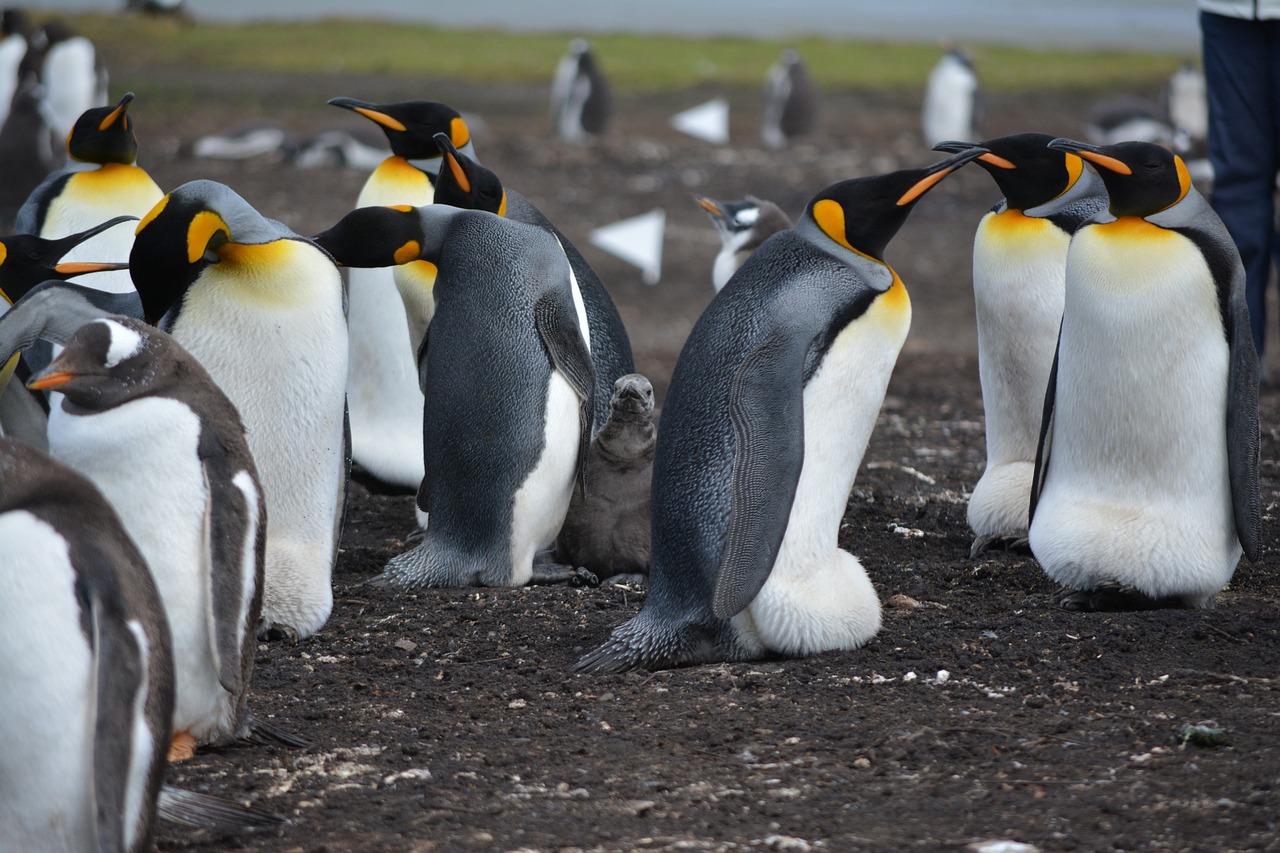
Fastest Shift Ever Recorded (Image Credits: Pixabay)
A study spanning 2012 to 2022 captured this unprecedented adjustment through data from 77 time-lapse cameras at 37 colonies across Antarctica and nearby islands. Scientists with Penguin Watch, a program run by the University of Oxford and Oxford Brookes University, tracked the moment of “settlement,” when birds first occupied nesting zones continuously. Colonies ranged from small groups of a dozen nests to vast sites with hundreds of thousands.
The effort relied on citizen scientists who analyzed over 9 million images via the Penguin Watch platform. Each camera also measured local air temperatures, revealing trends four times faster than the Antarctic average. This network provided robust evidence of behavioral changes across diverse sites, including Neko Harbour.
Differing Responses Among Species
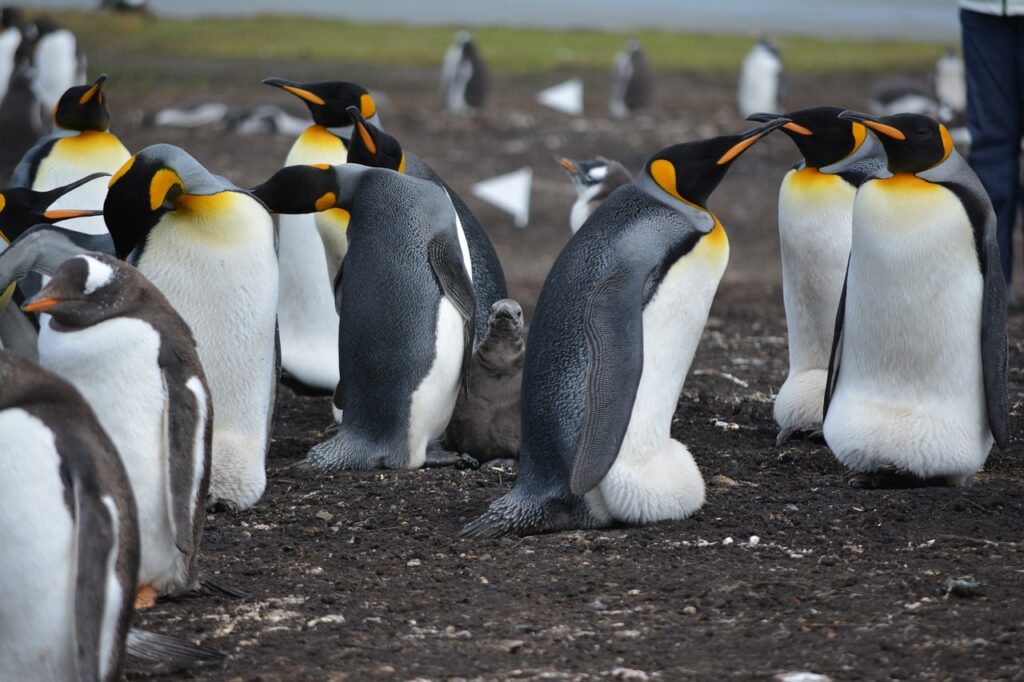
Gentoo penguins led the advance, shifting their breeding by an average of 13 days per decade and up to 24 days at certain colonies. This marked the swiftest phenological response documented in any bird or vertebrate species. Adélie and chinstrap penguins followed closely, each advancing about 10 days on average.
These sympatric species – coexisting in the same regions – historically staggered their reproduction to reduce competition. Gentoo penguins, dietary generalists that switch between krill and fish, appeared more flexible. In contrast, Adélie and chinstrap penguins depend heavily on krill, tying their fortunes to specific ocean conditions.
| Species | Average Advance (days/decade) | Notes |
|---|---|---|
| Gentoo (P. papua) | 13 (up to 24) | Fastest recorded shift |
| Adélie (P. adeliae) | 10 | Krill specialist, declining |
| Chinstrap (P. antarcticus) | 10 | Krill specialist, declining |
Temperatures Climb at Alarming Rate
Air temperatures at the monitored sites rose by 3 degrees Celsius (5.4 degrees Fahrenheit) over the decade, or 0.3 degrees Celsius per year. This pace outstripped broader Antarctic warming and positioned these habitats among the planet’s fastest-changing environments. Earlier snowmelt, reduced sea ice, and advanced phytoplankton blooms likely contributed alongside the heat.
Researchers published their analysis in the Journal of Animal Ecology, highlighting temperature as the primary driver. The findings emerged from statistical models incorporating environmental variables like sea-ice extent and ocean productivity.
Emerging Risks for Chicks and Ecosystems
While the shifts demonstrated adaptability, experts warned of mismatches between hatching times and peak prey availability. Krill blooms may lag behind early chicks, starving young Adélie and chinstrap penguins in critical weeks. Gentoo penguins, with broader foraging options, faced fewer hurdles and even expanded into former rivals’ nesting areas.
Dr. Ignacio Juarez Martínez, the lead author from the University of Oxford, noted, “Our results indicate that there will likely be ‘winners and losers’ of climate change for these penguin species.” Chinstrap and Adélie populations already declined across the peninsula, heightening extinction risks amid rising competition.
Penguins anchor Antarctic food webs, cycling nutrients that fuel algae growth and broader marine life. Losses in diversity could cascade through fragile ecosystems already strained by fishing and ice loss.
Key Takeaways
- Gentoo penguins advance fastest, potentially dominating as specialists falter.
- 3°C warming over a decade drives record phenological changes.
- Ongoing monitoring essential to track breeding success and mismatches.
Penguins serve as bellwethers for global climate impacts, urging faster action to curb warming. What steps should we prioritize to protect these iconic birds? Share your thoughts in the comments.