In the rugged badlands of the Hell Creek Formation, a remarkable fossil discovery has captured the raw violence of the Late Cretaceous. A semi-complete skull from an adult Edmontosaurus, a duck-billed dinosaur, bears an embedded tyrannosaur tooth in its face. This find offers unprecedented direct evidence of a predator-prey confrontation, preserved for millions of years.
A Predator’s Mark Frozen in Time
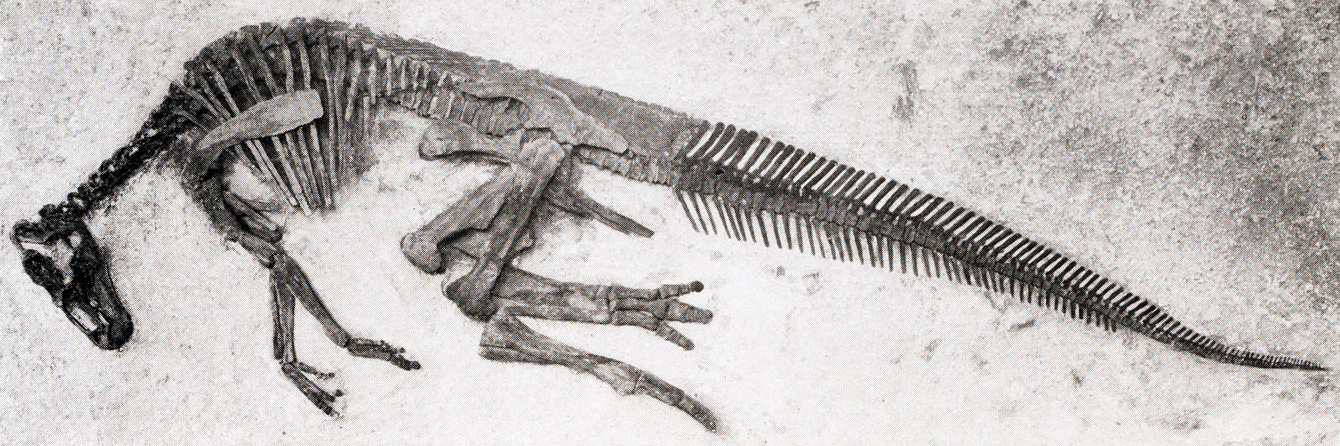
A Predator’s Mark Frozen in Time (Image Credits: Upload.wikimedia.org)
Picture a massive tyrannosaur lunging at its herbivorous foe, teeth piercing flesh in a desperate struggle. That scene materialized in stone with this Edmontosaurus skull. The tyrannosaur tooth remains firmly lodged in the bone, a testament to the ferocity of the encounter.
Researchers noted the tooth’s position on the dinosaur’s face, suggesting a targeted bite during an attack. The absence of any healing tissue around the wound points to a fatal outcome. The Edmontosaurus likely perished from the injury or lay dead when the predator struck. This specimen now resides at the Museum of the Rockies, where it continues to intrigue paleontologists.
Unpacking the Fossil’s Origins
The Hell Creek Formation, known for yielding iconic dinosaur remains from about 66 million years ago, produced this extraordinary skull. Edmontosaurus, a common hadrosaur in that ecosystem, grew to lengths of 40 feet and thrived on plants. Adults like this one reached impressive sizes, making them formidable yet vulnerable targets.
The skull itself qualifies as semi-complete, preserving key facial structures alongside the embedded tooth. Paleontologists identified the tooth as belonging to a tyrannosaur, likely a species akin to Tyrannosaurus rex that roamed the same region. Such direct evidence stands out amid typical fossil records, which often infer predation through bite marks or pathologies.
Interpreting the Lack of Healing
The most telling feature emerged in the wound site: no bone regrowth or remodeling appeared around the tooth. Healing typically occurs in surviving dinosaurs, as seen in other fossils with scarred bites. Here, the pristine embedding indicated the Edmontosaurus died soon after the attack, if not immediately.
This detail shifts interpretations of tyrannosaur hunting tactics. Predators may have delivered killing blows to vital areas like the head. The find corroborates accounts of opportunistic scavenging on already deceased prey. Scientists now debate whether the bite sealed the dinosaur’s fate or capitalized on a fresh carcass.
Broader Implications for Cretaceous Life
Predator-prey dynamics in the Late Cretaceous painted a world of giants clashing amid environmental pressures. Tyrannosaurs topped the food chain, equipped with bone-crushing jaws and serrated teeth designed for tearing flesh. Edmontosaurus herds migrated across floodplains, occasionally falling victim to these apex hunters.
Similar fossils occasionally surface, but embedded teeth remain exceedingly rare. This discovery bolsters evidence of direct interactions between these species. It also highlights the Hell Creek’s role in revealing end-of-age drama before the asteroid impact.
- Embedded tooth location: Facial bone of adult Edmontosaurus.
- Formation source: Hell Creek, Late Cretaceous period.
- Healing evidence: None detected, implying lethal injury.
- Current home: Museum of the Rockies collection.
- Significance: First direct proof of tyrannosaur attack on hadrosaur skull.
Key Takeaways from the Discovery
- The fossil provides the clearest evidence yet of a tyrannosaur biting an Edmontosaurus, with no healing signs.
- It underscores the violent realities of dinosaur predation in the final days of the Cretaceous.
- Museum preservation ensures ongoing study into ancient ecosystems.
This Edmontosaurus skull not only revives a moment of prehistoric brutality but also deepens our grasp of survival struggles among giants. As new analyses unfold, such finds remind us of nature’s unforgiving balance. What insights might future excavations uncover? Share your thoughts in the comments.