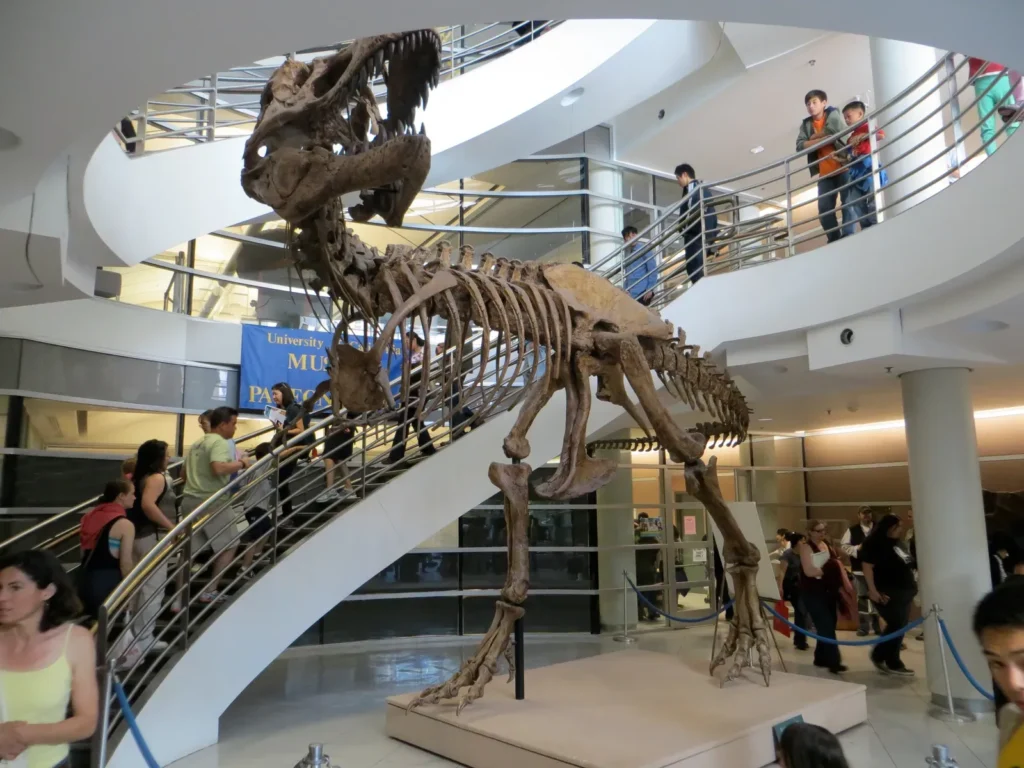
You think you know the king of the dinosaurs? Think again. For decades, scientists believed they had the T-Rex figured out, yet recent discoveries are rewriting the story of one of Earth’s most iconic predators. What if everything we thought we knew about how these massive beasts lived, grew, and survived was only scratching the surface? The truth hiding in fossilized bones and microscopic growth rings tells a far more complex tale than anyone expected.
Bones from 17 specimens indicate that these hulking predators actually stopped growing sometime between 35 and 40 years old, not in their early twenties as previously assumed. This changes everything we understand about their survival strategies. Let’s explore what this extended life cycle meant for these ancient giants and why it matters more than you might imagine.
The Hidden Truth in Growth Rings
Growth rings lay hidden in T. rex leg bones all along: while some growth rings are plainly visible, others only reveal themselves in cross-polarized light. Scientists at Oklahoma State University made a startling discovery when they examined fossilized bones using this specialized technique. Past research overlooked these fainter rings.
The implications are massive. For years, paleontologists counted only the obvious rings, leading them to believe these dinosaurs matured quickly. A comprehensive analysis of 17 fossil specimens reveals that Tyrannosaurus rex grew far more slowly than previously thought – reaching its full-grown size of eight tons around age 40. This discovery fundamentally alters our understanding of how they lived.
A Slower Path to Dominance
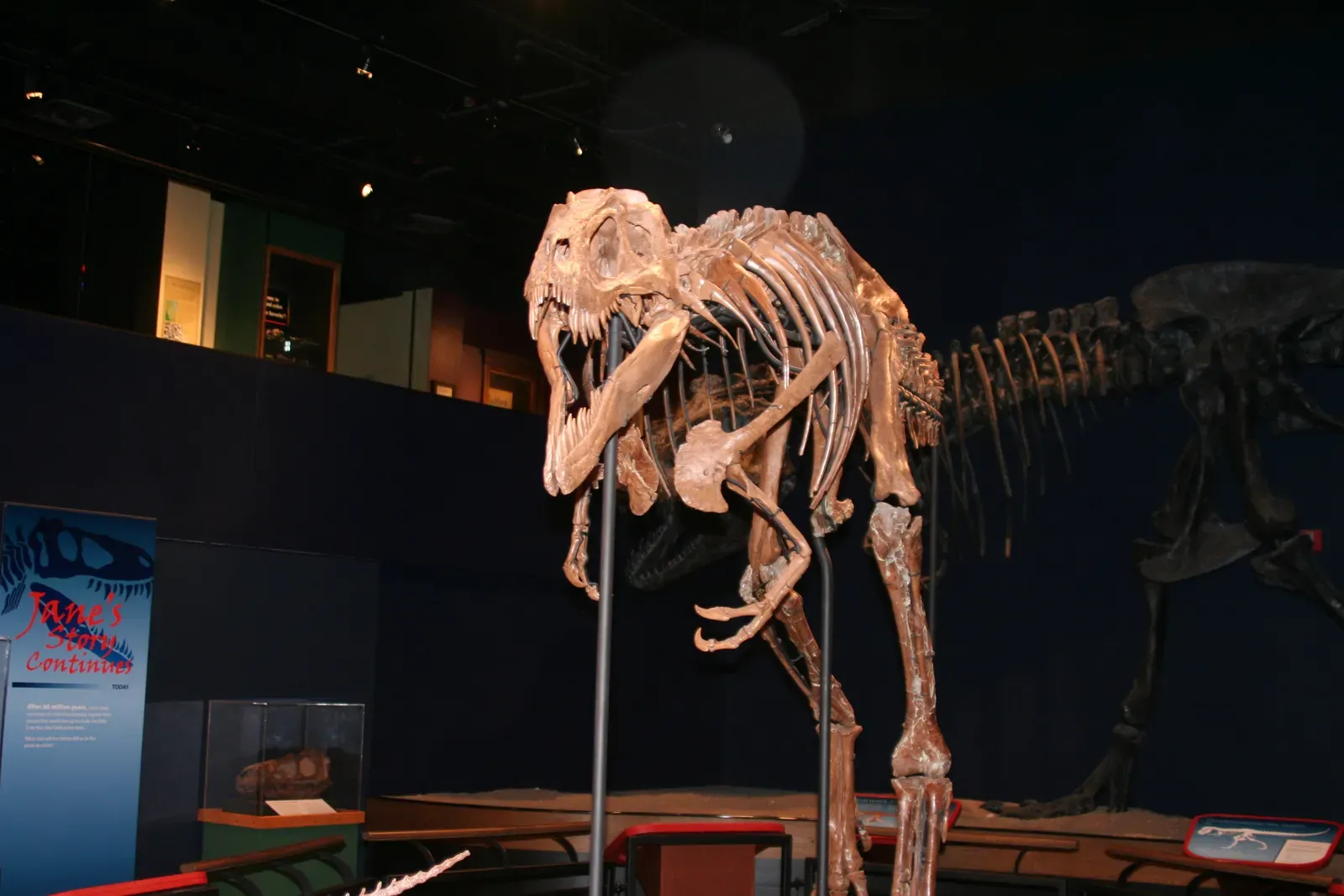
For much of its life, a T. rex roamed as a small or medium-sized creature, and probably had to compete for food. Only once it reached its full, gargantuan proportions did it become an apex predator. Imagine spending most of your existence as something less than the ultimate hunter, constantly vying for survival in a dangerous world.
This extended adolescence meant juvenile tyrannosaurs occupied completely different ecological roles than their parents. During the rapid growth phase between ages 14 and 29, individuals could put on hundreds to over a thousand pounds per year. During this phase, juveniles were lighter, more agile, and likely occupied a different ecological niche than adults. The youngsters weren’t just small versions of adults; they were practically different animals altogether.
The Survival Strategy Hidden in Slow Growth
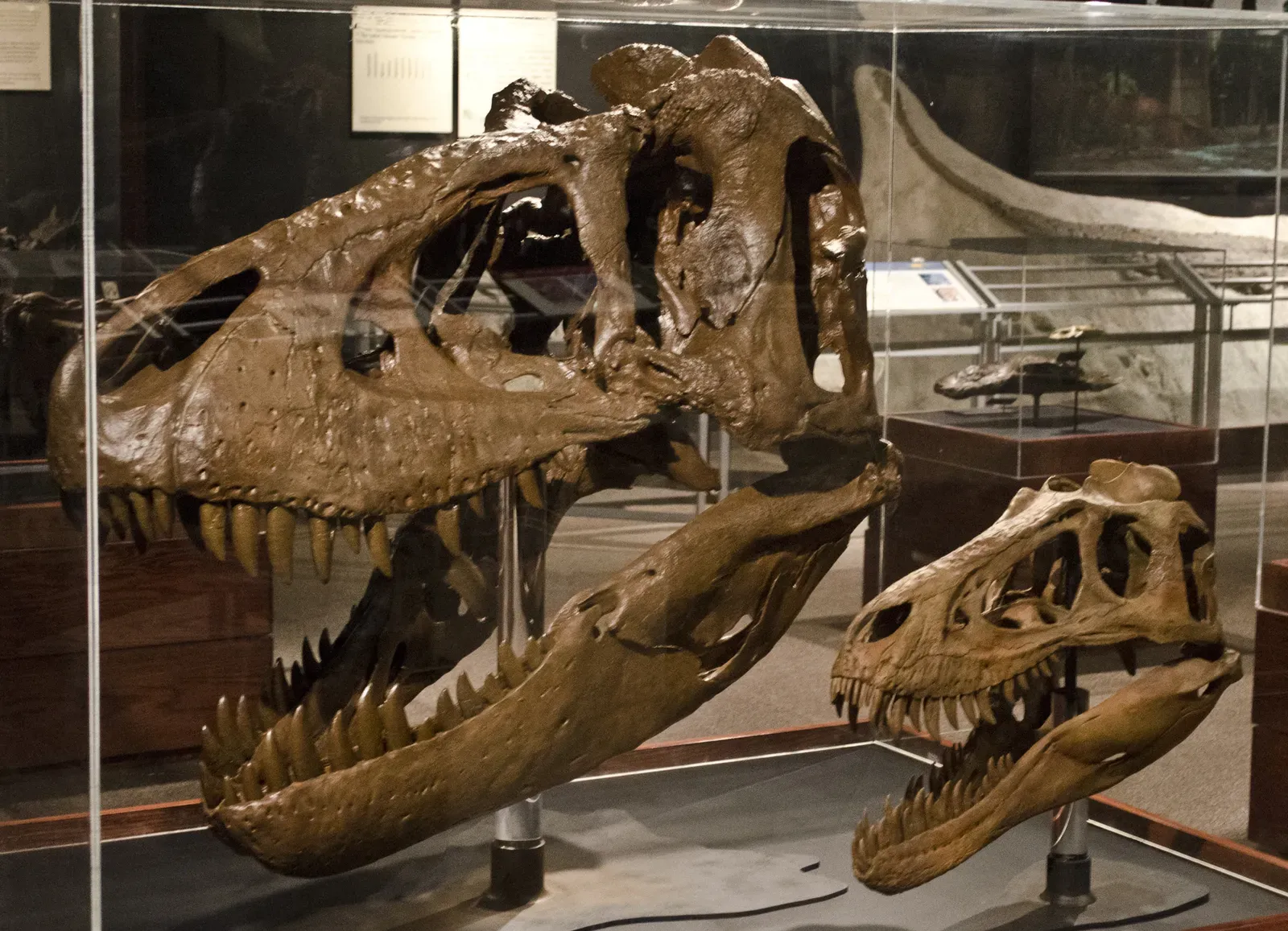
Why would slower growth be advantageous? By growing slowly over decades, the species occupied different food niches throughout its life – feeding on a wider range of prey sizes – before eventually reaching a size where it competed mainly with other T. rex for resources. This strategy essentially eliminated competition from other species at multiple life stages.
Growth rates may have fluctuated depending on resource availability and environmental conditions. Some years of sparse food likely slowed growth, while richer conditions accelerated it – a kind of flexible strategy that would have helped T. rex survive through changing ecosystems. Nature gave them a survival advantage we’re only beginning to appreciate now.
Juvenile Hunters With Different Weapons
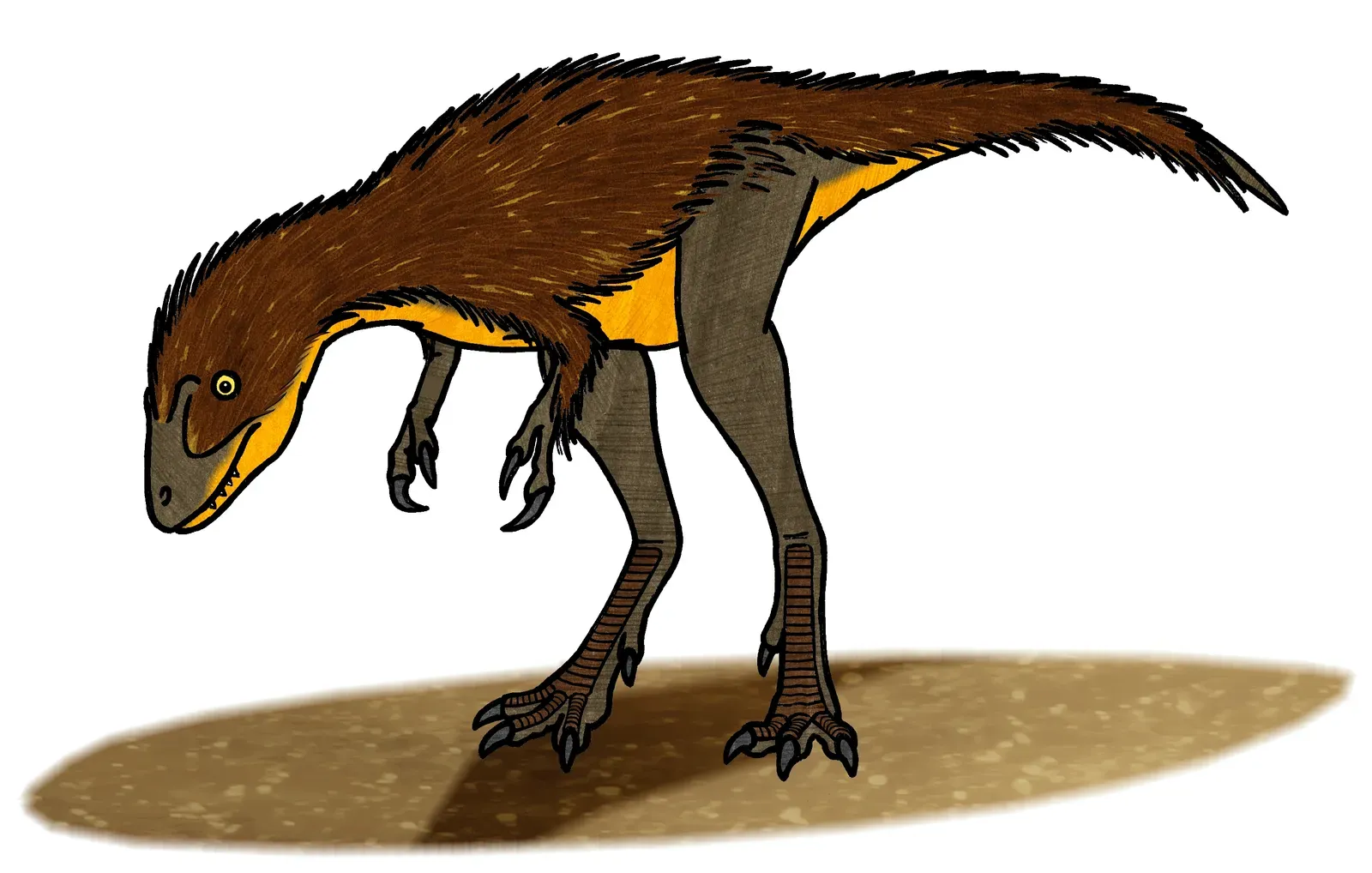
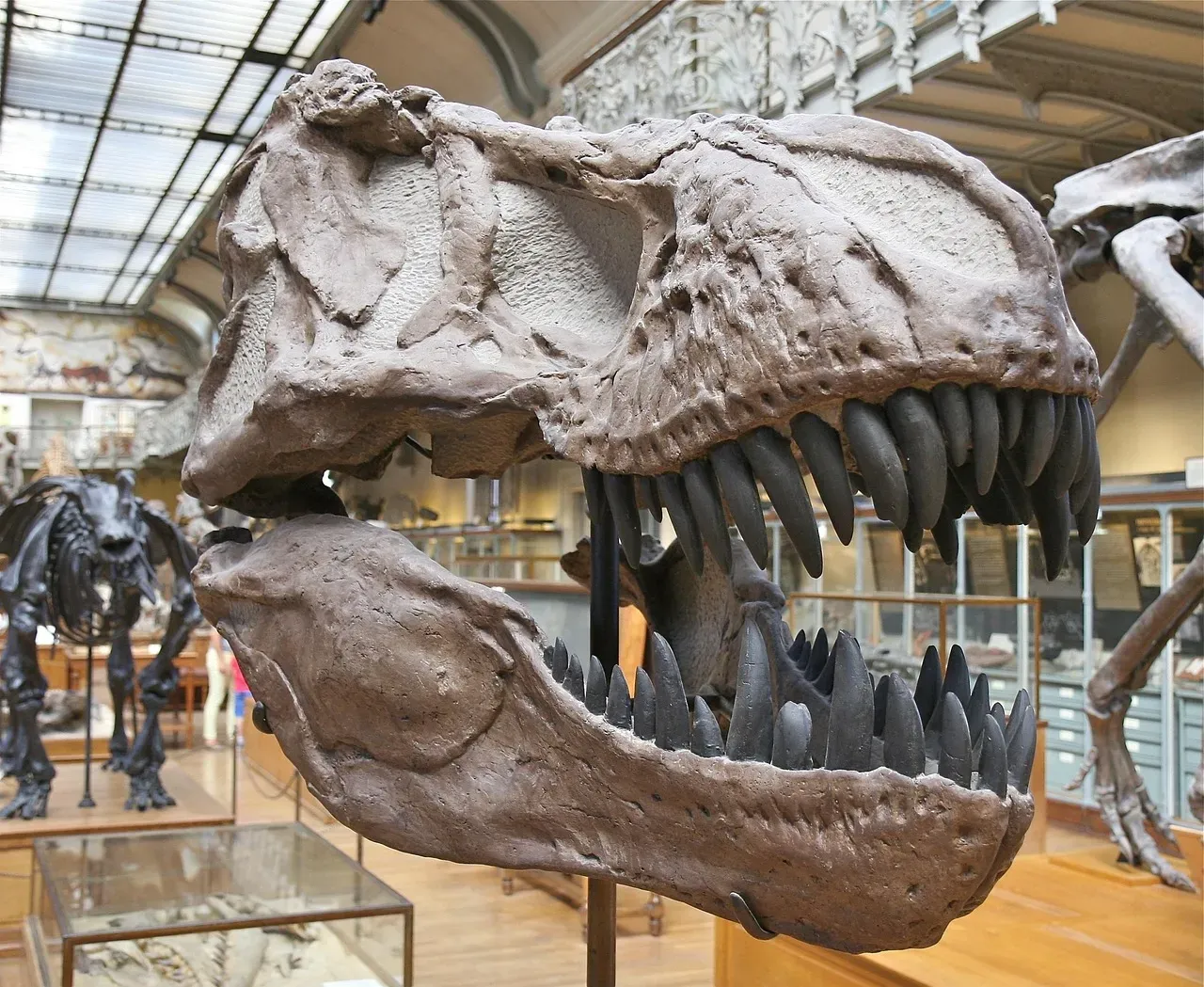
A juvenile Tyrannosaurus had a bite force of no more than 880 pounds force, or 3.9 kN, and the bite became more powerful as the animal matured. This also supports the theory that juvenile Tyrannosaurus hunted different prey in a form of niche partitioning so as to avoid competition with the adults. Young T-Rex were equipped for a completely different hunting lifestyle.
Juvenile T. rex teeth would have been much more like miniature steak knives on the side of the skull, as opposed to big bone-crushers. Insects and small lizards would have been likely prey. Picture these youngsters stalking through ancient forests, chasing down quick prey with their nimble builds, while their massive parents crushed bones miles away.
Mortality Patterns and the Dangerous Life
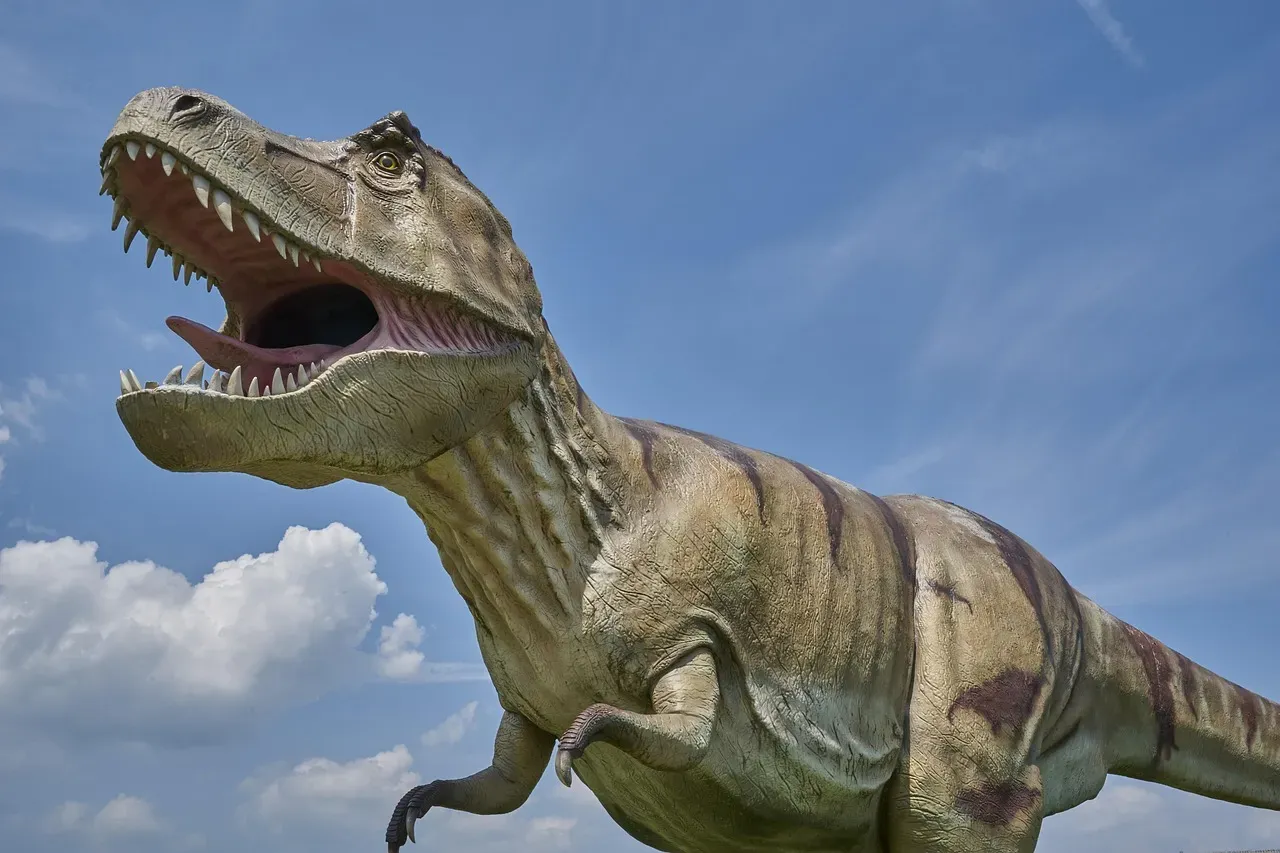
These species are characterized by high infant mortality rates, followed by relatively low mortality among juveniles. Mortality increases again following sexual maturity, partly due to the stresses of reproduction. Survival was far from guaranteed at any stage of life.
Over half of the known T. rex specimens appear to have died within six years of reaching sexual maturity, a pattern which is also seen in other tyrannosaurs. The most dangerous time wasn’t infancy or old age, but those critical years after reaching breeding age. Competition for mates, territorial battles, and the physical toll of reproduction claimed many individuals right when they should have been in their prime.
The Mystery of Parental Care
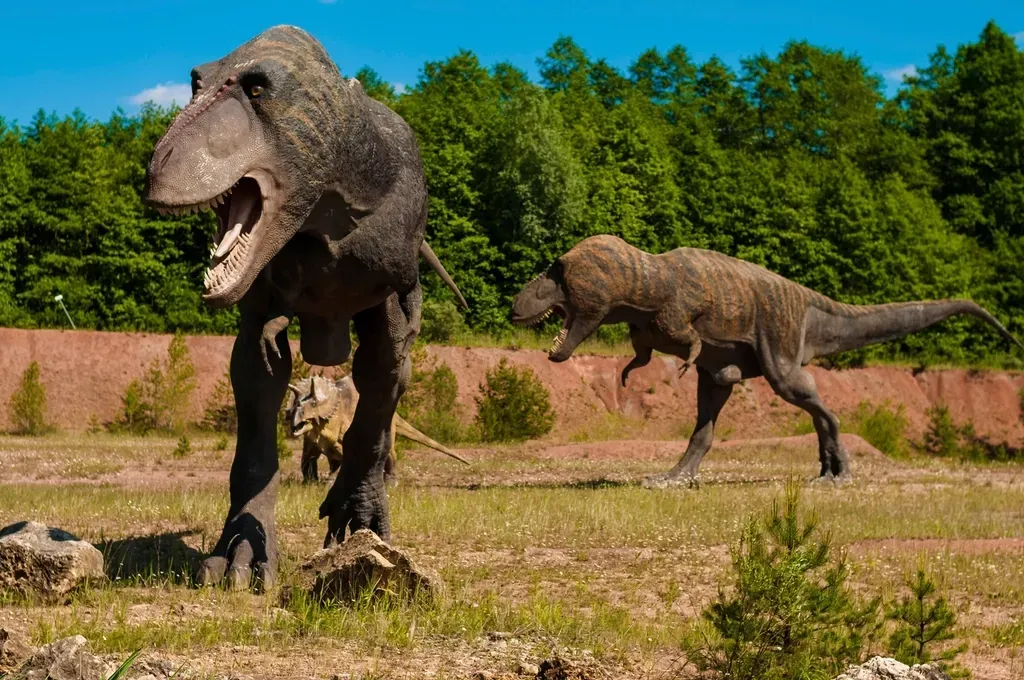
Did T-Rex mothers and fathers care for their young? The evidence remains tantalizingly incomplete. Dr. Mary Schweitzer and her colleagues found a femur belonging to a T. rex that had medullary bone. Finding medullary bone in a T. rex specimen means that it was female and was about to lay eggs and become a mom! We know they reproduced, but what happened after the eggs hatched?
We know that T. rex mothers would lay eggs, but we still don’t have any direct proof that they took care of their hatchlings. The fossil record stays frustratingly silent on this question. Were hatchlings left to fend for themselves, or did parents bring food and protection? Scientists continue searching for that crucial evidence.
Bite Force Evolution Through Life Stages
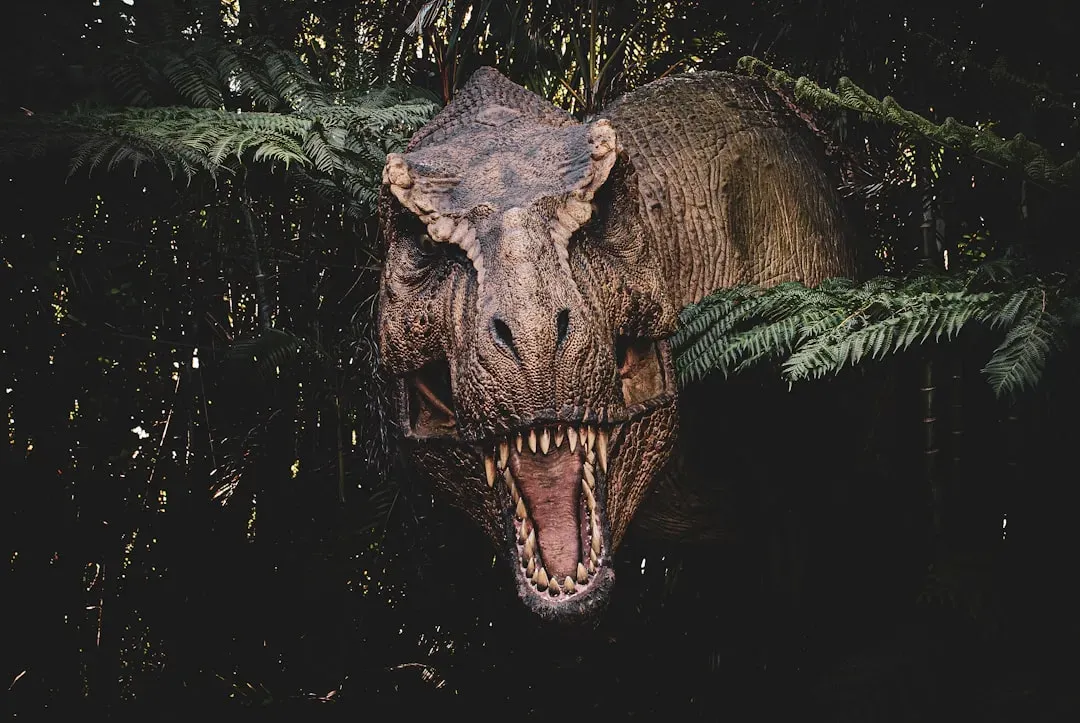
The transformation from juvenile to adult involved more than just size. Juveniles can have bite forces of 2565-4012 N due to their narrower, elongated rostrums, while adults can have bite forces of 35640 – 57158 N due to their wider, larger rostrum and mandible. That’s roughly a tenfold increase in crushing power.
Tyrannosaurus probably preferred to target small prey animals, including juveniles of larger dinosaur species. Tyrannosaurids like Tyrannosaurus appear to have been specialized to crush and likely ingest the bones of their prey. Adults didn’t just kill differently; they consumed differently, extracting nutrients from parts of carcasses that other predators couldn’t touch.
Rethinking Maximum Lifespan
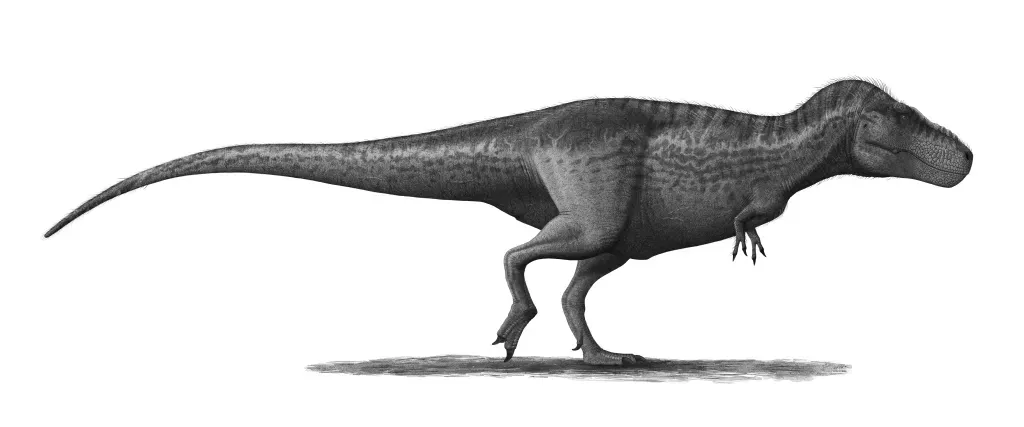
Sue reached full size at age 19 and died at the age of 28, the longest estimated life of any tyrannosaur known. However, the recent discoveries suggest we may have been underestimating how long these animals could live. Growth rings appear to have stopped forming in T. rex leg bones after about 40 years. Most probably died before they ever reached their full adult size.
This revelation forces us to reconsider everything from population dynamics to evolutionary pressures. How many individuals actually made it to full maturity? What percentage of the population consisted of subadults versus true giants? The answers reshape our entire picture of Late Cretaceous ecosystems.
Conclusion
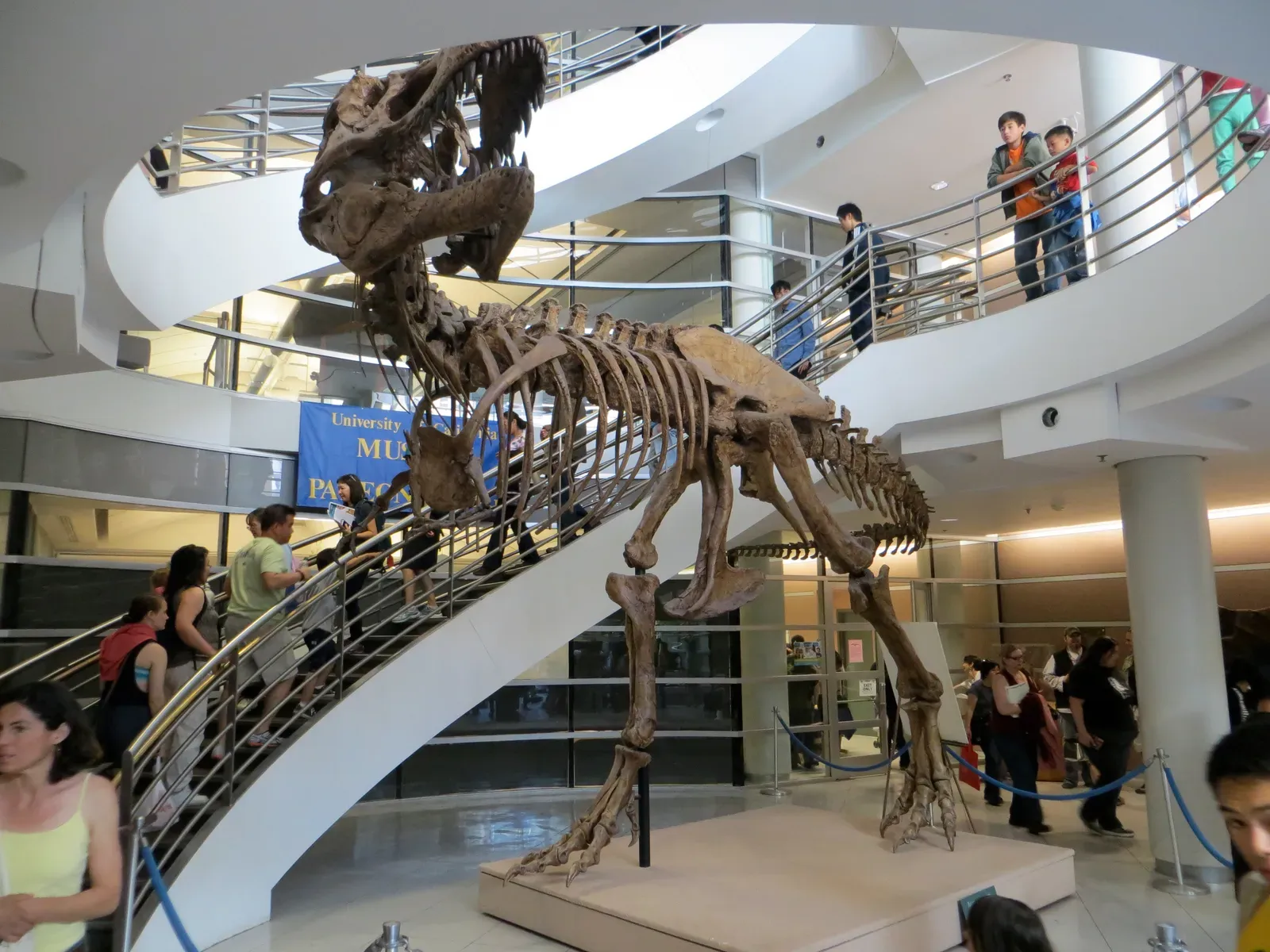
The life cycle of Tyrannosaurus Rex turns out to be far more intricate than the simple narrative of a born predator dominating its world. By growing slowly over a longer period of time, T. rex occupied many food niches throughout its life, eventually becoming large enough that it was only really competing with other T. rex for resources. This wasn’t just a survival strategy; it was evolutionary brilliance that allowed one species to dominate multiple ecological roles simultaneously.
Every new fossil examined under cross-polarized light, every growth ring counted with improved techniques, adds another piece to this puzzle. The king of dinosaurs kept its secrets well, locked in microscopic details that previous technology couldn’t reveal. What other mysteries remain hidden in fossils sitting in museum collections right now?
Did you expect that such slow growth could be a survival advantage? The natural world constantly reminds us that patience and flexibility often triumph over raw power alone.