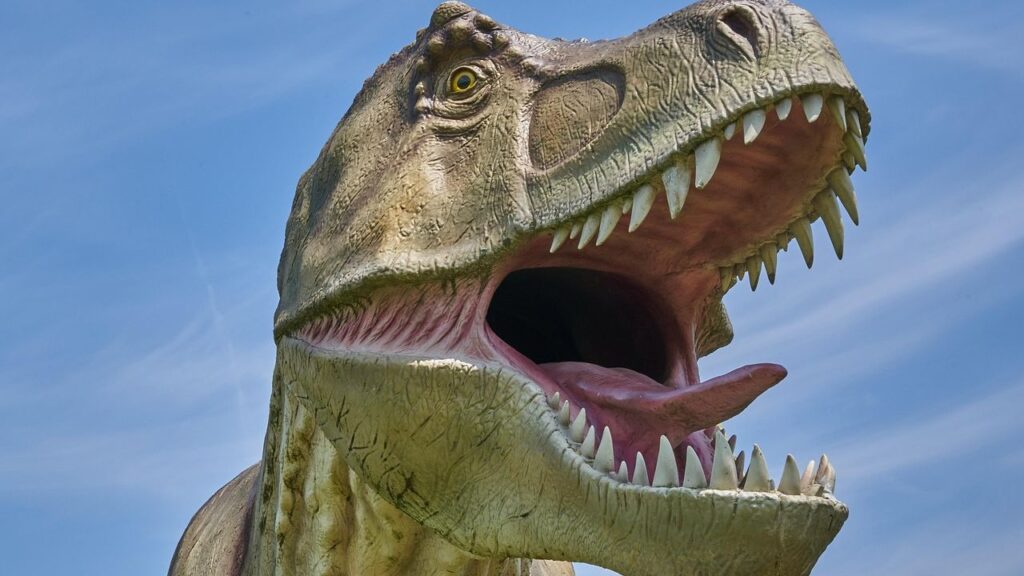
You’ve always thought you knew Tyrannosaurus rex. The king of the dinosaurs, right? That massive predator stalking through late Cretaceous forests, crushing bones with its legendary jaws. Yet the picture painted by recent paleontological discoveries is far more complex than anything depicted in movies or textbooks. What researchers uncovered in the past few years is genuinely reshaping our understanding of this iconic beast.
Think you know how T. rex grew, what it hunted alongside, and how it dominated its ecosystem? Prepare yourself for surprises. From hidden cousins that shared its hunting grounds to revelations about just how long it took this colossus to reach full size, the tyrannosaur story has become richer and more fascinating than ever before.
The Nanotyrannus Revolution Rewrites T. Rex History
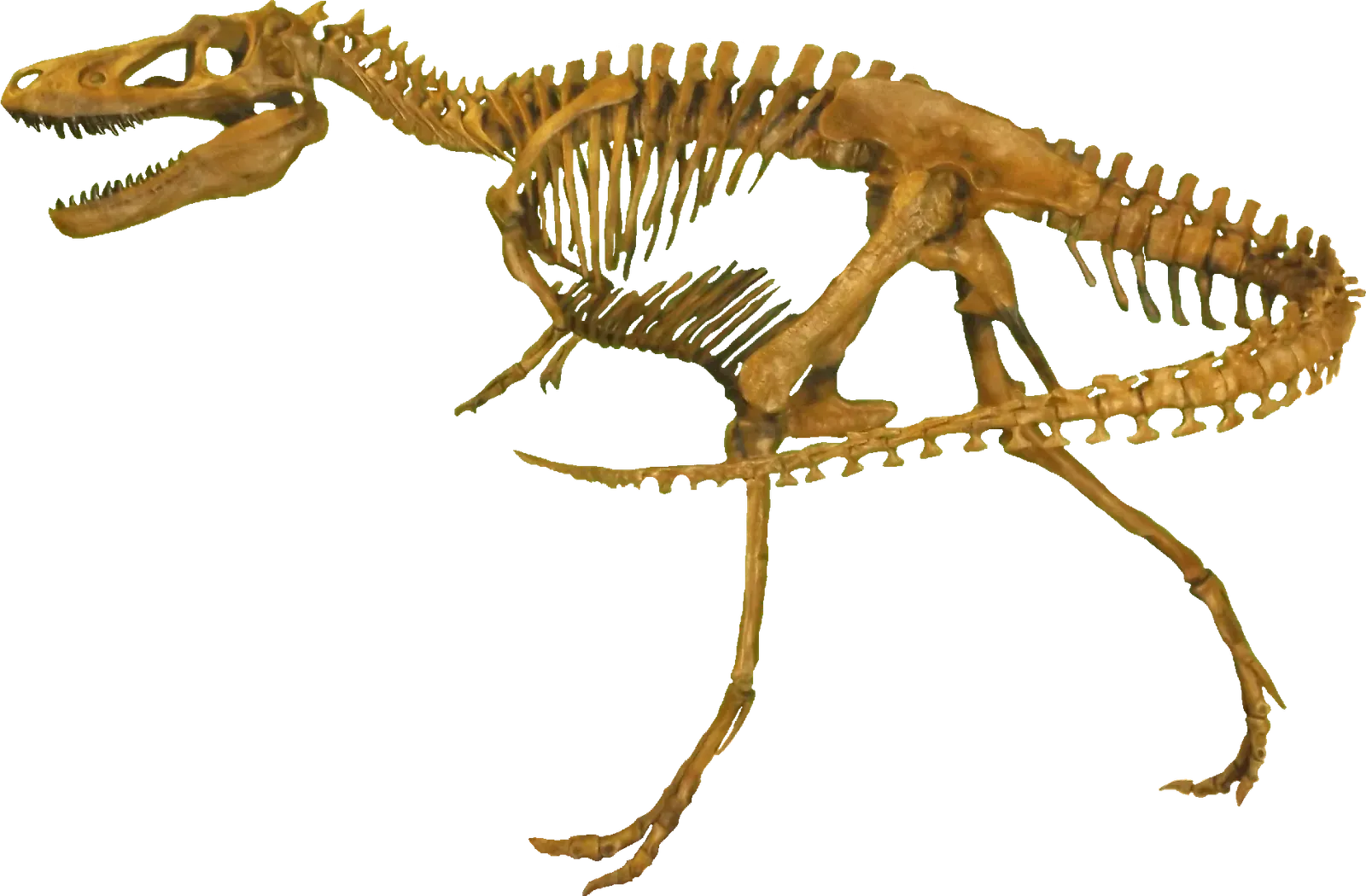
For decades paleontologists believed that the dinosaur discovered in the 1940s, Nanotyrannus, was a juvenile or teenaged Tyrannosaurus rex, but new research published in Nature has revealed this dinosaur was its own species, not a young T. rex. The discovery completely flips what scientists thought they knew. Using growth rings, spinal fusion data and developmental anatomy, researchers demonstrated that the specimen was around 20 years old and physically mature when it died, with skeletal features including larger forelimbs, more teeth, fewer tail vertebrae, and distinct skull nerve patterns that are biologically incompatible with T. rex.
This revelation has massive implications. For years, paleontologists used Nanotyrannus fossils to model T. rex growth and behavior, but this new evidence reveals that those studies were based on two entirely different animals and that multiple tyrannosaur species inhabited the same ecosystems in the final million years before the asteroid impact. Picture it: the late Cretaceous landscape wasn’t dominated by a single tyrant lizard king, but rather a diverse community of apex predators jostling for position.
T. Rex Took Four Decades to Become King
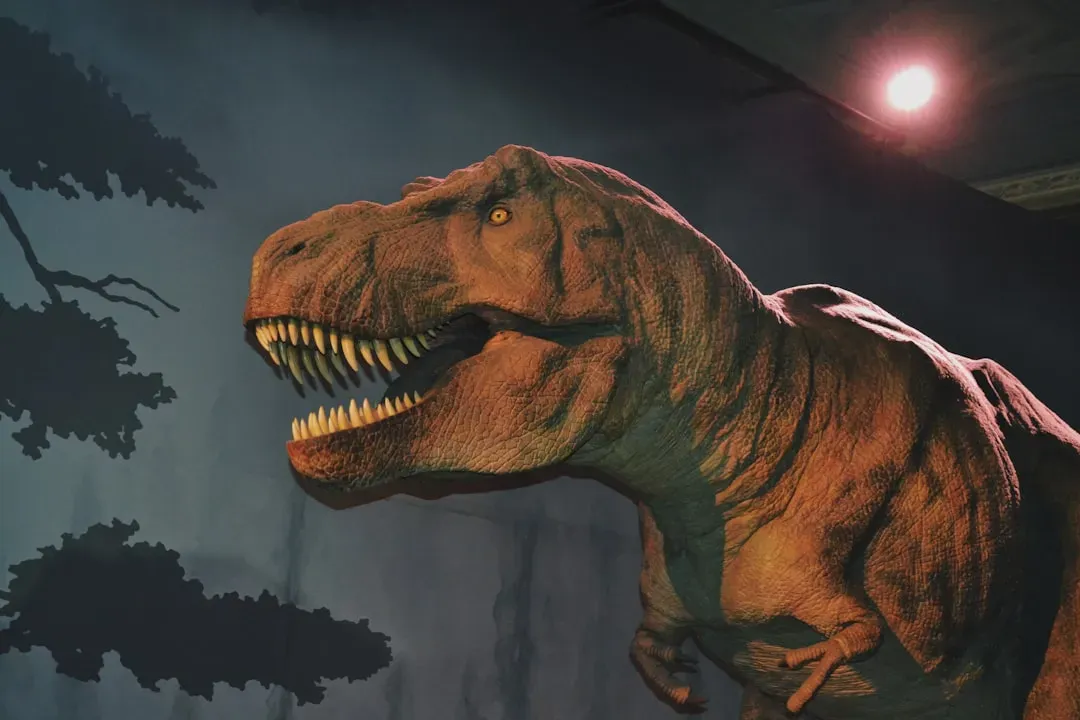
Remember when scientists thought T. rex stopped growing around age 25? Well, forget everything you learned. An extensive new study of 17 tyrannosaur specimens, ranging from early juveniles to massive adults, now concludes that the king of carnivores took 40 years to reach its full-grown size of around eight tons. That’s roughly 15 additional years of growth beyond previous estimates.
The new analysis was able to assemble a more complete and accurate picture of tyrannosaurs’ growth by using advanced statistical algorithms and examining slices of bone under a special kind of light, which reveals hidden growth rings not counted in previous studies. Think about what this means: T. rex wasn’t a rapidly maturing killing machine. It grew slowly and steadily over an extended period. A four-decade growth phase may have allowed younger tyrannosaurs to fill a variety of ecological roles within their environments, potentially explaining how they dominated the end of the Cretaceous as apex carnivores.
Multiple Tyrannosaur Species Roamed Together
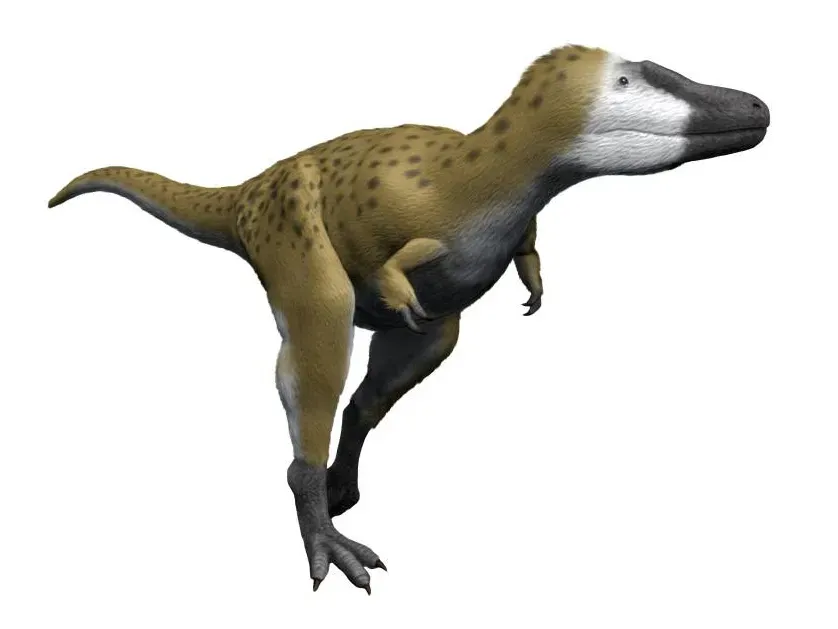
Here’s where things get interesting. T. rex was a formidable predator, but it did not reign uncontested as Nanotyrannus darted alongside as a leaner, swifter and more agile hunter. Can you imagine watching these two predators competing for territory and prey? The ecosystem was far more competitive and complex than previously believed.
Confirmation of the validity of Nanotyrannus means that predator diversity in the last million years of the Cretaceous was much higher than previously thought, painting a richer, more competitive picture of the last days of the dinosaurs. This wasn’t a world where one massive predator ruled unchallenged. Multiple tyrannosaur species carved out their own niches, hunted different prey, and likely crossed paths regularly. The dynamics would have been fascinating to witness.
Pursuit Predation Was T. Rex’s Primary Strategy
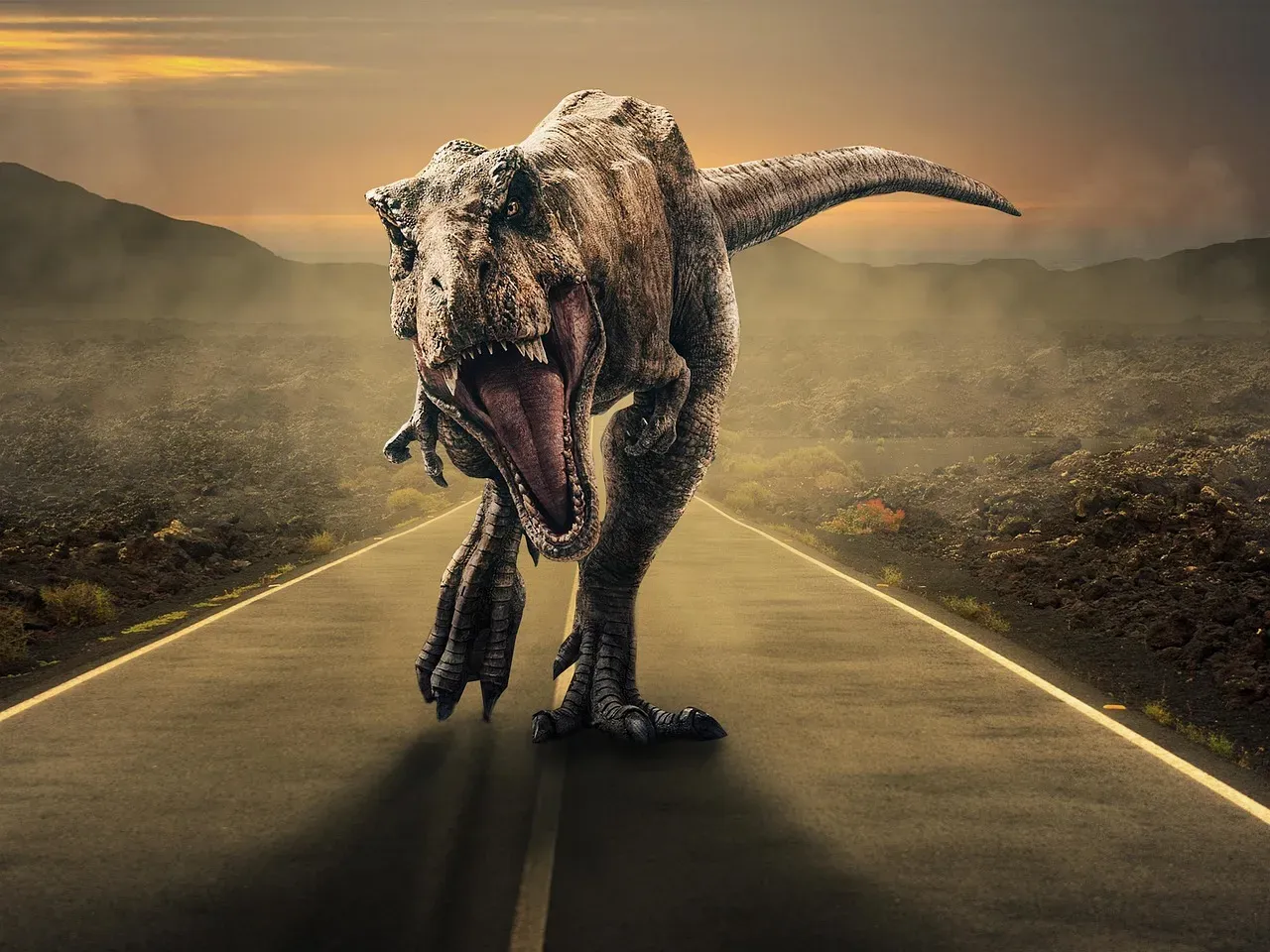
Forget the Hollywood image of a lumbering giant. Evidence increasingly shows that T. rex was an active pursuit predator. Definitive evidence of predation by T. rex includes a tooth crown embedded in a hadrosaurid caudal centrum, surrounded by healed bone growth, indicating that the prey escaped and lived for some time after the injury. This tells you something crucial: T. rex actively attacked living prey.
The localization of the tyrannosaur tooth in the midcaudal area of the hadrosaur is consistent with that noted in modern pursuit predator attacks, as Kalahari lions have been observed to initially target the hindquarters of the prey animal in an attempt to immobilize it. T. rex employed sophisticated hunting tactics similar to modern big cats. It wasn’t just a scavenger waiting for easy meals. This ancient predator chased down its prey with purpose and strategy.
Bone-Crushing Bite Force Set T. Rex Apart
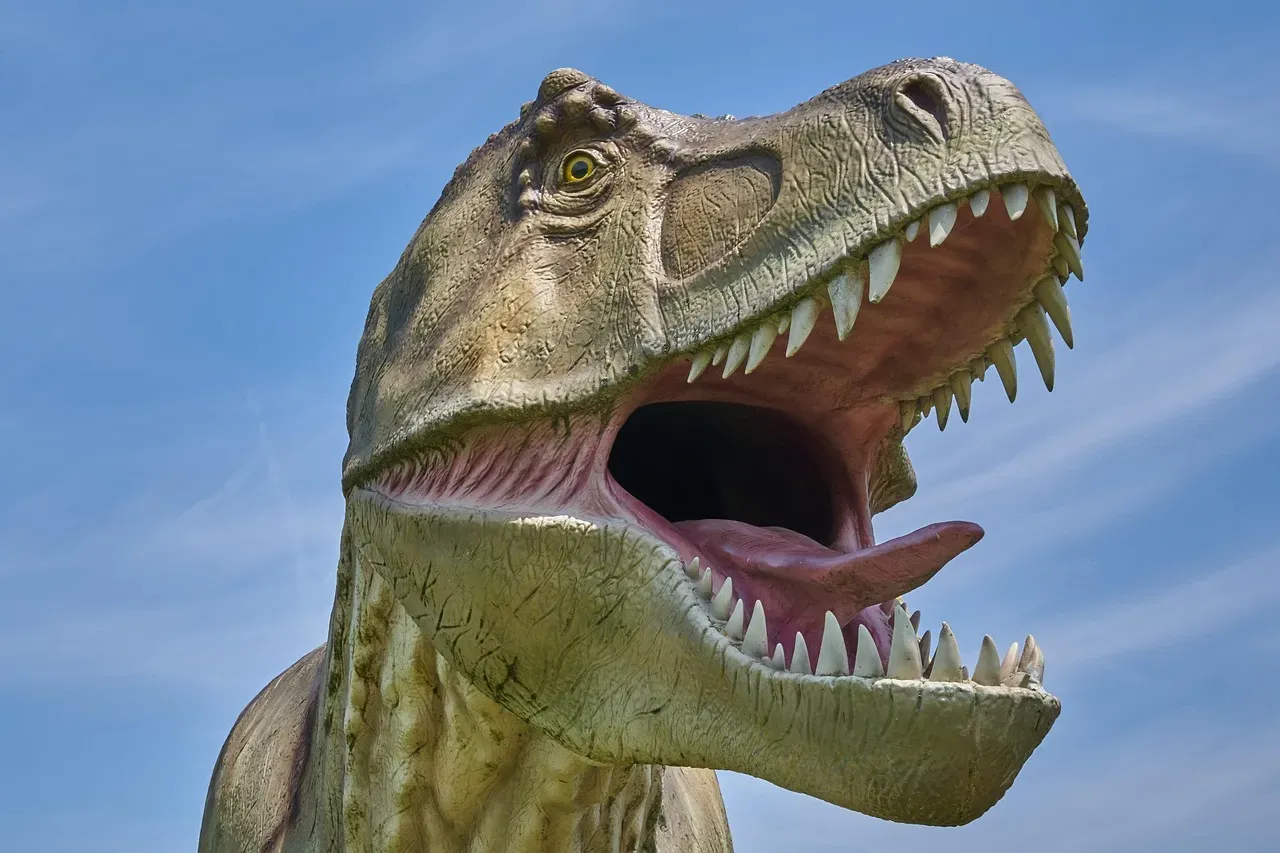
You’ve probably heard about T. rex’s powerful bite, but the numbers are genuinely staggering. Adult T. rex tended to hunt larger dinosaurs, including armored ones like Ankylosaurus, and had an estimated bite force of 35640 to 57158 N, while juvenile T. rex had most of the stress concentrated on the posterior region of its mandible due to its narrower snout and less developed mandible. In contrast, adults distributed stress more evenly across their wider, more robust skulls.
Elevated cranial stress in tyrannosaurids was related to increased head muscle volume and bite forces, unlike other theropods that experienced lower cranial stress, with these differences likely related to different feeding strategies of tyrannosaurids and other large theropods. T. rex was built differently from its relatives. While other giant predators like Allosaurus specialized in slashing attacks, T. rex evolved as a bone-crusher capable of pulverizing prey with sheer force.
Superior Senses Made T. Rex a Formidable Hunter
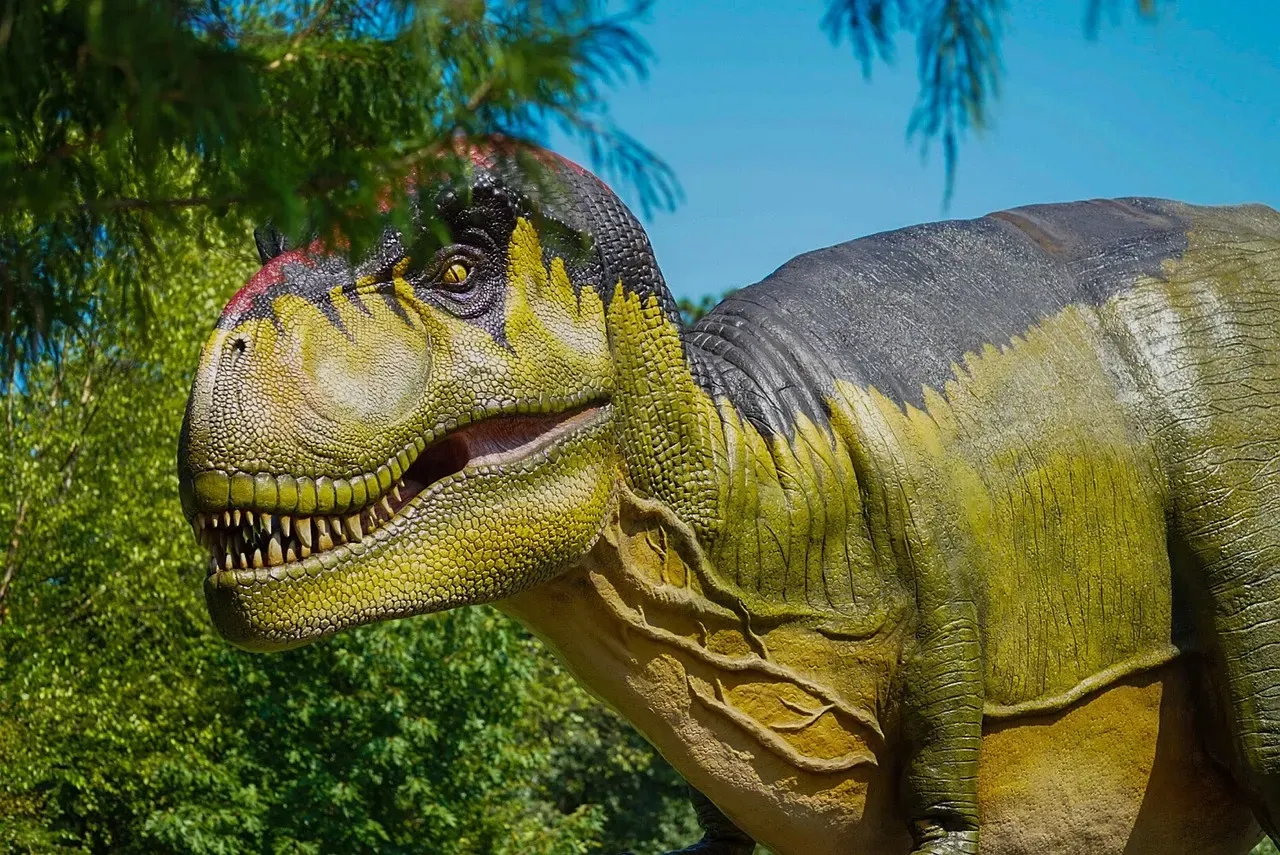
What truly set T. rex apart wasn’t just physical power but sensory sophistication. An adult T. rex had eyes the size of oranges, the largest of any land animal, and the eyes faced forward as is common in predators, set wide apart, giving T. rex excellent depth perception to aid in pursuit of prey. This wasn’t a clumsy giant stumbling through forests.
Scientists think it’s likely that T. rex could see an expanded spectrum of color, as birds and crocodiles can see ultraviolet light in addition to the colors seen by humans, making predators with this ability more effective at tracking their prey through the thick camouflage of a dense forest. Imagine having vision that could penetrate camouflage patterns invisible to human eyes. T. rex possessed a suite of enhanced senses that made it remarkably efficient at locating and tracking prey across vast territories.
Pack Hunting May Have Been Standard Behavior
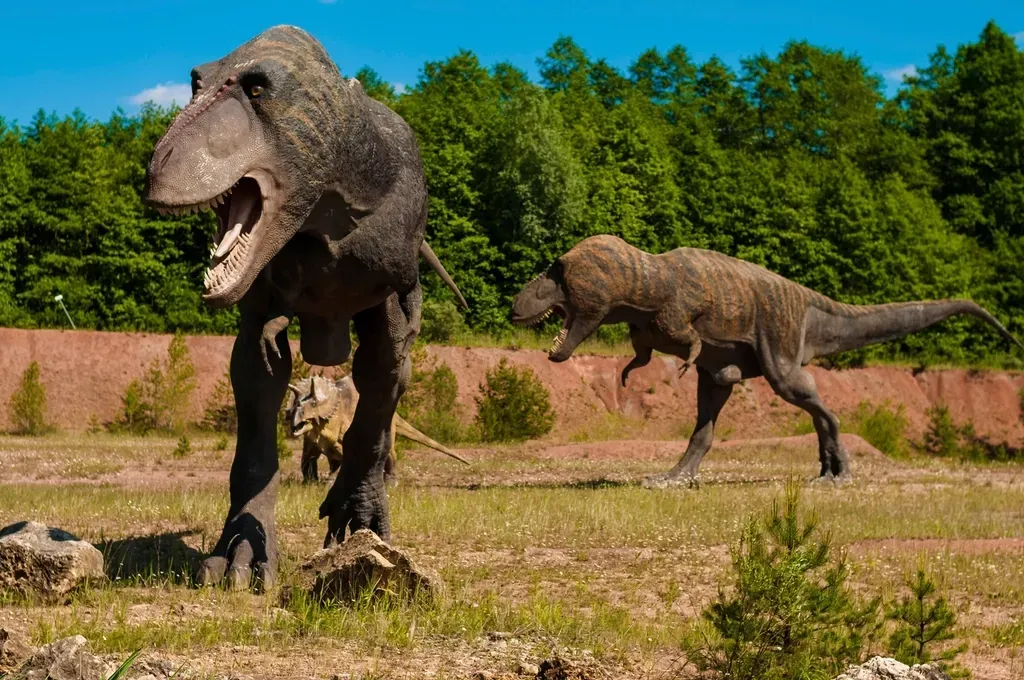
The lone hunter myth might be exactly that – a myth. Fossils from tyrannosaurs ranging from ages 2 to 26 have been found together, as have T. rex trackways with footprints from multiple individuals, supporting the idea that this species may have formed herds and possibly even hunted together. Let’s be real: the evidence is mounting that T. rex wasn’t always a solitary predator.
T. rex as a lone hunter may have been a myth, but group dynamics were more complicated than collaborative hunting, as fossil evidence also points to the possibility that some tyrannosaurs would eat almost anything, even members of their own species. The social structure was likely complex and occasionally brutal. These weren’t cuddly herd animals but opportunistic predators that sometimes cooperated and sometimes competed violently. The reality was messy, dynamic, and utterly fascinating.
Juvenile T. Rex Hunted Different Prey Than Adults
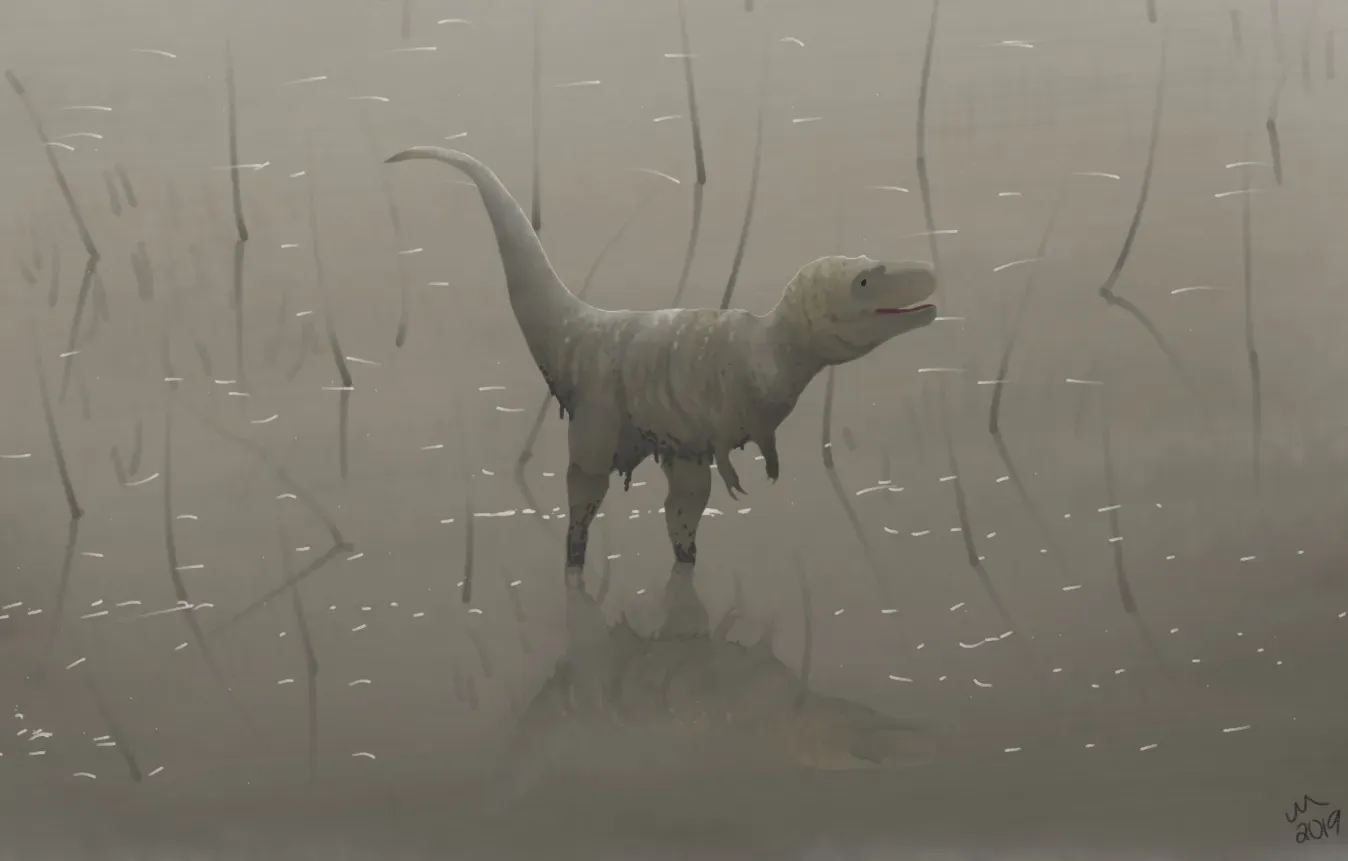
Growing slowly over four decades meant juvenile and adult T. rex occupied different ecological niches. Juvenile T. rex typically hunted smaller, less armored herbivorous dinosaurs, as models estimate them to have a bite force of 2565 to 4012 N. They couldn’t take down the massive, heavily armored prey their parents targeted.
This age-based specialization reduced competition within the species itself. Younger tyrannosaurs with their narrower snouts and developing jaw muscles targeted different prey than massive adults. The mandibular properties of tyrannosaurids were not found to vary significantly during ontogeny other than in terms of bite force, strongly suggesting that juveniles were apt predators capable of subduing their own prey rather than relying on carrion or parental care to survive. Even young T. rex were capable hunters in their own right, filling their own ecological role within the predator hierarchy.
Conclusion: A More Complex Predator Than We Imagined
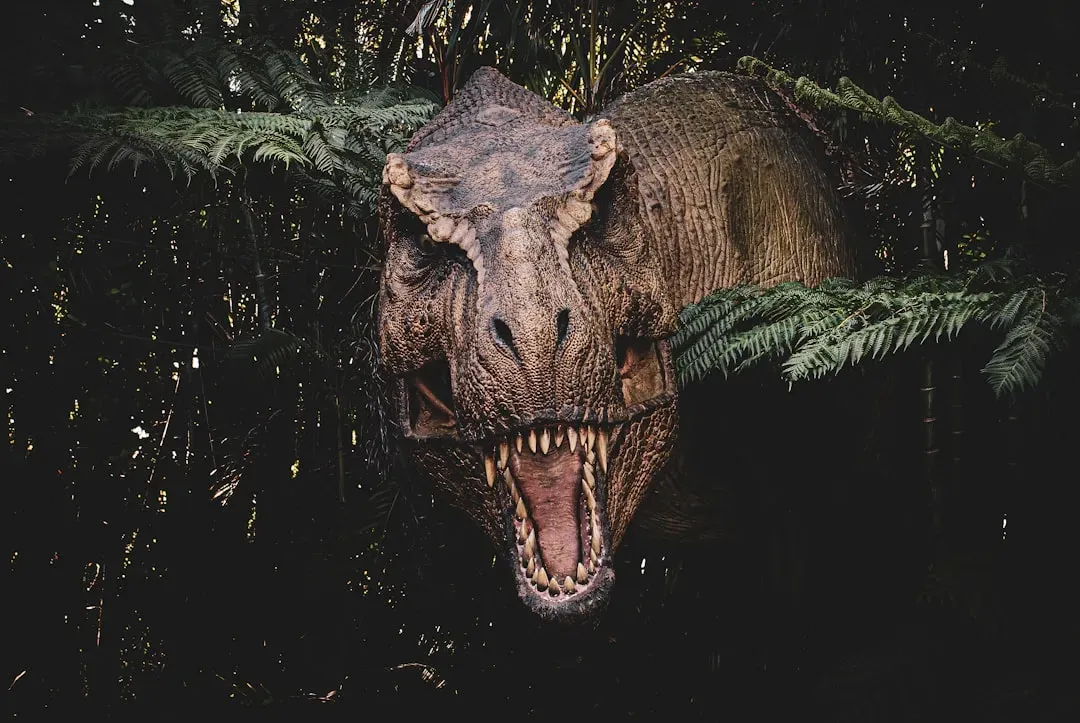
The T. rex you thought you knew has been replaced by something far more intriguing. This wasn’t a simple, brutish predator lumbering through prehistoric landscapes. It was a sophisticated hunter with exceptional sensory capabilities, possibly hunting in coordinated groups, sharing its world with other tyrannosaur species, and taking four decades to reach its legendary size and power.
Recent discoveries have transformed our understanding from a single-note story of dominance to a rich, complex narrative of adaptation, competition, and ecological diversity. The king of dinosaurs earned its crown not through simplicity but through remarkable evolutionary refinement. Every new fossil discovery seems to add another layer to this already fascinating creature.
What other secrets are still buried in ancient rock formations, waiting to completely rewrite what you think you know about these magnificent predators? The tyrannosaur story is far from finished.