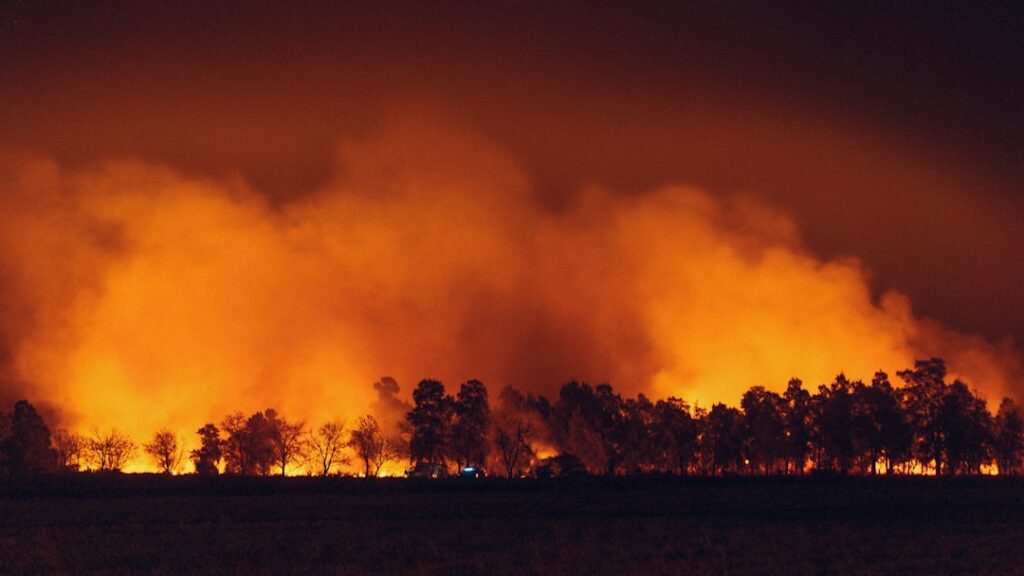
The United States Forest Service has unveiled a major reorganization that includes shutting down 57 of its 77 research facilities across 31 states. These stations conduct vital studies on wildfire behavior, drought effects, and forest recovery, work that supports land management decisions affecting ecosystems and communities nationwide. The changes, announced on March 31, 2026, arrive amid an early fire season that has already burned more than 1.6 million acres, exceeding recent averages and heightening concerns about reduced scientific capacity.
Sweeping Changes to Streamline Operations
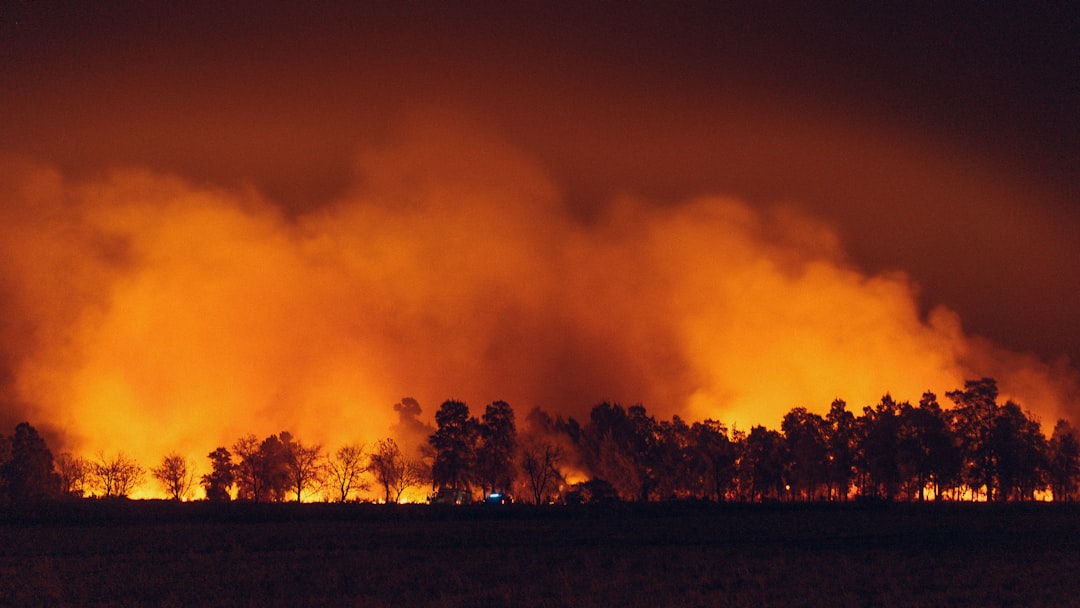
Sweeping Changes to Streamline Operations (Image Credits: Unsplash)
Forest Service Chief Tom Schultz described the restructuring as a way to build a more nimble agency closer to the lands it manages. The plan relocates national headquarters from Washington, D.C., to Salt Lake City, Utah, and eliminates all nine regional offices overseeing 193 million acres of forests and grasslands. Authority shifts to a state-based model with 15 state directors handling operations, partnerships with tribes, and local priorities.
Agriculture Secretary Brooke L. Rollins emphasized efficiency, stating that the moves honor President Theodore Roosevelt’s vision while saving taxpayer dollars and boosting recruitment. Research efforts consolidate under one organization in Fort Collins, Colorado, aiming to unify priorities and cut administrative duplication. Frontline wildfire response remains intact, with fire management reporting through existing channels until further integration with the Department of the Interior.
Officials selected locations like Salt Lake City for its proximity to western forests – where nearly 90 percent of agency lands lie – and modern facilities. Utah Governor Spencer Cox welcomed the headquarters shift, calling it a win for faster ground-level decisions benefiting hikers, ranchers, and timber producers.
Vital Science Facing Disruption
The affected stations track long-term forest changes, including fire behavior, pest outbreaks, and climate impacts on regrowth. Experimental forests monitor timber harvesting effects and ecosystem recovery, providing data for protecting endangered species and habitats. Closures target facilities in states like California (six sites), Mississippi (five), Michigan (four), and Utah (three), alongside others such as Bozeman, Montana, and Portland, Oregon’s Pacific Northwest Research Station.
Researchers worry about scattering teams and losing institutional knowledge. Geoffrey Donovan, a former Forest Service economist, called the capacity loss heartbreaking after two decades of service. The agency has already shed hundreds of Ph.D. scientists through buyouts and retirements, raising fears of further attrition similar to past federal relocations.
- Wildfire modeling and fuel studies
- Drought resilience in forests
- Post-fire ecosystem recovery
- Pest and disease monitoring
- Habitat protection for wildlife
- Climate adaptation strategies
Timing Collides with Intensifying Fire Season
Early 2026 brought elevated fire risks across the West and Southeast, with over 1.6 million acres scorched by late March – well above norms. Forecasts predict continued threats, underscoring the need for robust data on fire spread and suppression. Yet the reorganization prioritizes cost savings amid wildfire suppression deficits that strained budgets.
Two retained labs focus on wildfire and forest products, but critics argue centralization 2,600 miles from some study sites hampers fieldwork. Katharine Hayhoe of the Nature Conservancy warned that uprooting experimental forests jeopardizes the agency’s core mission. Tom DeLuca of Oregon State University deemed the lab eliminations mind-boggling.
Balancing Efficiency and Expertise
Proponents see the plan as modernizing a bureaucracy, accelerating science application through unified leadership. Associate Chief Chris French stressed a people-first approach, with headquarters moves preceding research shifts. Still, observers like Ann Bartuska, a former USDA research undersecretary, anticipate congressional pushback from affected states.
The Forest Service oversees forests critical for wildlife habitats, water supplies, and carbon storage. Disruptions could ripple to communities facing smoke, evacuations, and rebuilding. As implementation unfolds over the next two years, the true cost to fire science – and the animals and ecosystems it safeguards – remains a pressing question.
Key Takeaways
- 57 of 77 research stations closing across 31 states, consolidated in Fort Collins, Colorado.
- Headquarters relocating to Salt Lake City; all regional offices shuttered.
- Wildfire response continues uninterrupted, but expertise losses threaten long-term studies.
This overhaul tests whether streamlined operations can sustain the science needed for healthier forests. What do you think about prioritizing efficiency over dispersed research in the face of growing wildfires? Tell us in the comments.