United Kingdom – Rescuers along the nation’s coastlines faced a notable uptick in live strandings of whales, dolphins, and porpoises in recent years. Organizations like the British Divers Marine Life Rescue (BDMLR) reported handling more incidents, particularly following winter storms. Conservation groups now seek additional volunteers to bolster response efforts amid this growing challenge. The trend underscores the urgent need for community involvement to protect these vulnerable marine mammals.
A Troubling Rise in Strandings
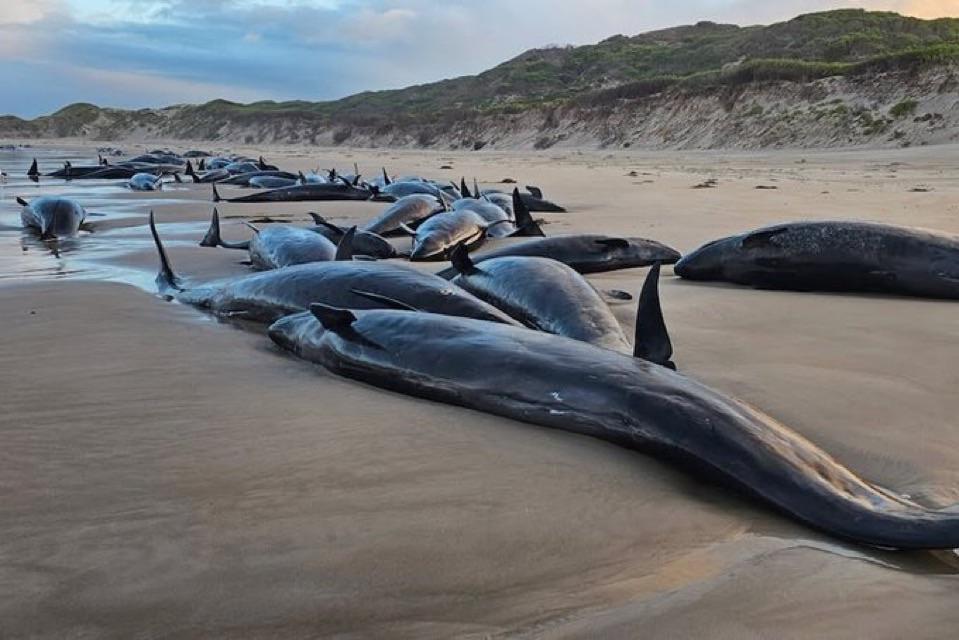
A Troubling Rise in Strandings (Image Credits: Reddit)
Live strandings have become more frequent across UK shores. BDMLR data revealed around 22 such events in 2018, a figure that more than doubled to 46 by 2025. Incidents peaked in the 60s during both 2023 and 2024, with some involving multiple animals.
Director of welfare and conservation Dan Jarvis noted the pattern clearly. “There is a general upward increase in recent years of strandings around the UK, and we’re also getting busier – particularly after winter storms,” he said. Similar trends appeared in Scotland, where cetacean strandings rose dramatically from 1992 to 2022, affecting species from harbour porpoises to beaked whales. Common dolphins and harbour porpoises, abundant in coastal waters, featured prominently in these cases.
The Complexities of Marine Rescue Operations
Responding to a live stranding demands swift, coordinated action. Volunteers assess the animal’s condition, administer first aid, and attempt refloating, often under time pressure. Bycatch emerged as a primary cause of death for many cetaceans, highlighting human impacts on marine life.
Cornwall stood out as a hotspot for call-outs, yet some regions suffered from volunteer shortages. BDMLR expanded its ranks from about 2,000 to nearly 3,500 over eight years, but gaps persisted in less active areas. Head veterinary consultant Natalie Arrow stressed safety protocols. “Marine mammals can carry zoonotic diseases which can pass from animal to humans so we have to wear protective clothing,” she explained.
Rigorous Training Prepares Rescuers
BDMLR’s Marine Mammal Medic Course equipped volunteers with essential skills for a modest fee of £150. Sessions utilized a life-sized, two-tonne replica pilot whale in Newquay, Cornwall, for realistic simulations. Participants practiced maneuvering the model onto mats, inflating supports, and guiding it into deeper water to revive circulation.
New recruits, including a police officer and a youth work manager, completed training recently. One volunteer emphasized the value: “I joined a course in Newquay, Cornwall, to ensure I ‘could be a support rather than a hindrance’.” These exercises fostered teamwork among diverse backgrounds, preparing them for real emergencies.
Uncertain Factors Driving the Increase
Experts pointed to multiple potential contributors. Man-made hazards, heightened public reporting, and prey abundance near coasts played roles. In Scotland, studies linked rises to sonic disturbances from seismic surveys and climate-driven shifts in whale distributions.
Recent events, such as a double dolphin stranding in South Wales on March 18, illustrated the ongoing issue. While overall numbers climbed, some species experienced up to 800% higher stranding rates over three decades.
Steps for Public Involvement
Coastal communities held the key to effective responses. BDMLR urged people to avoid direct intervention, such as pushing animals seaward, which could harm them further.
- Call the BDMLR hotline immediately upon spotting a stranding.
- Keep crowds and dogs at a distance to minimize stress.
- Maintain low noise levels around the animal.
- Keep the mammal cool and moist, but never pour water into the blowhole.
- Wear protective gear if assisting under guidance.
Jarvis described successful refloats as exhilarating. “Volunteers often would not meet again until a real life callout ‘so it is bringing all of these people from very disparate backgrounds together to achieve something really quite amazing’.”
Key Takeaways
- Live strandings doubled from 22 in 2018 to 46 in 2025, peaking higher in recent years.[1]
- Training via BDMLR’s £150 course prepares volunteers for safe rescues.
- Public reports and non-interference aid professional efforts.
As strandings continue to challenge UK coastlines, expanded volunteer networks offer hope for more lives saved. The dedication of trained responders turns potential tragedies into triumphs. What steps will you take to support marine conservation? Tell us in the comments.